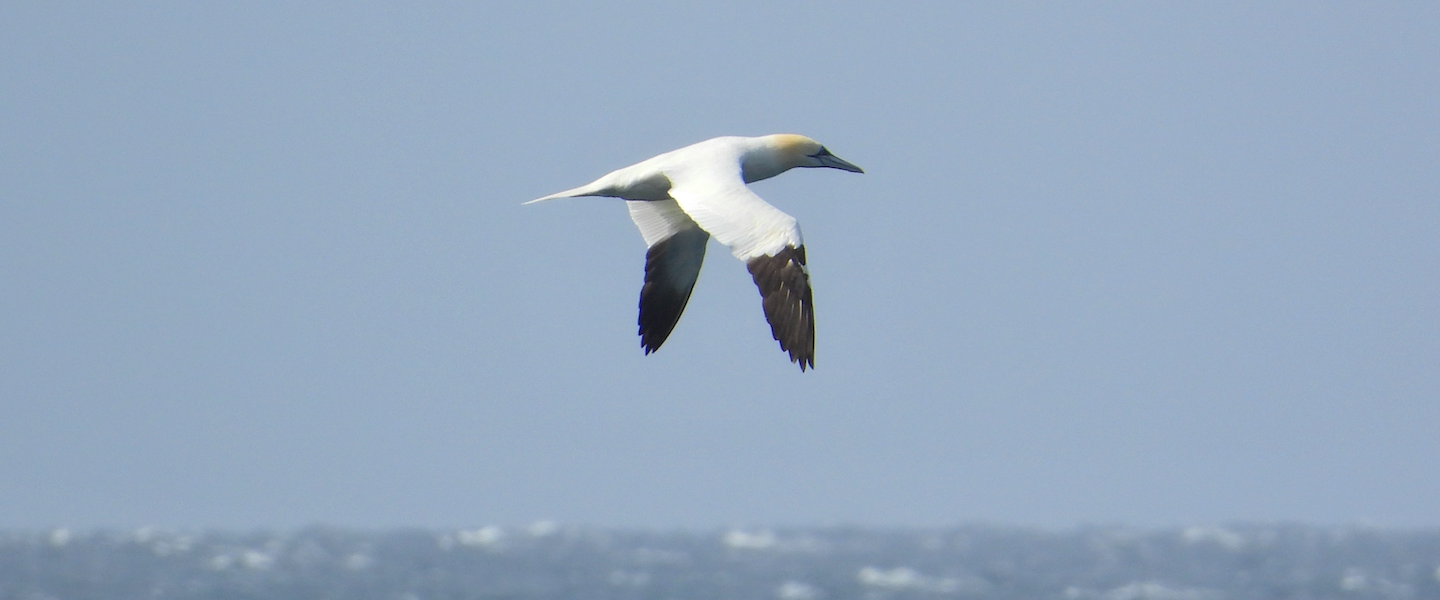
The storks (family Ciconiidae) are a family of birds belonging to the monotypic order Ciconiiformes. These large birds of open moist grasslands have long, powerful birds to capture small animals and clatter as means of communication. They are capable soarers, with certain species covering long distance migrations and some featuring some of the largest wingspans among birds, after albatrosses and condors. Some species show strong breeding site fidelity, monogamy and preference for humanized areas, which resulted in Western folklore tales attributing storks as deliverers of human babies.
The family comprises 20 species in 6 genera. Genus Anastomus (2 species) includes openbills and some species of genus Leptoptilos (3 species) are known as adjutants. Genera Mycteria (4 species), Jabiru (1 species) and Ephippiorhynchus (2 species) include storks found in tropical latitudes, while true storks of genus Ciconia (8 species) is also found in temperate latitudes.
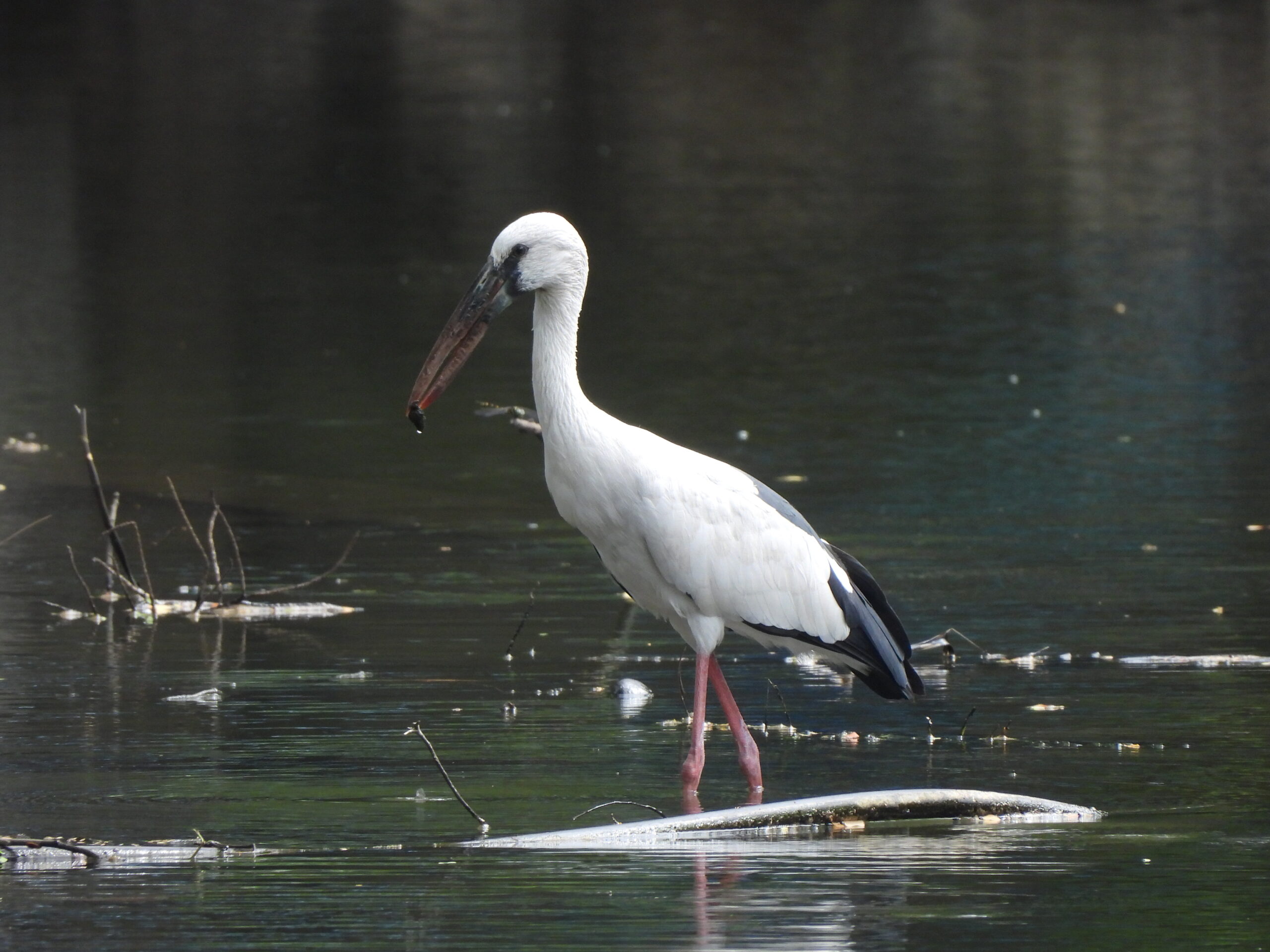
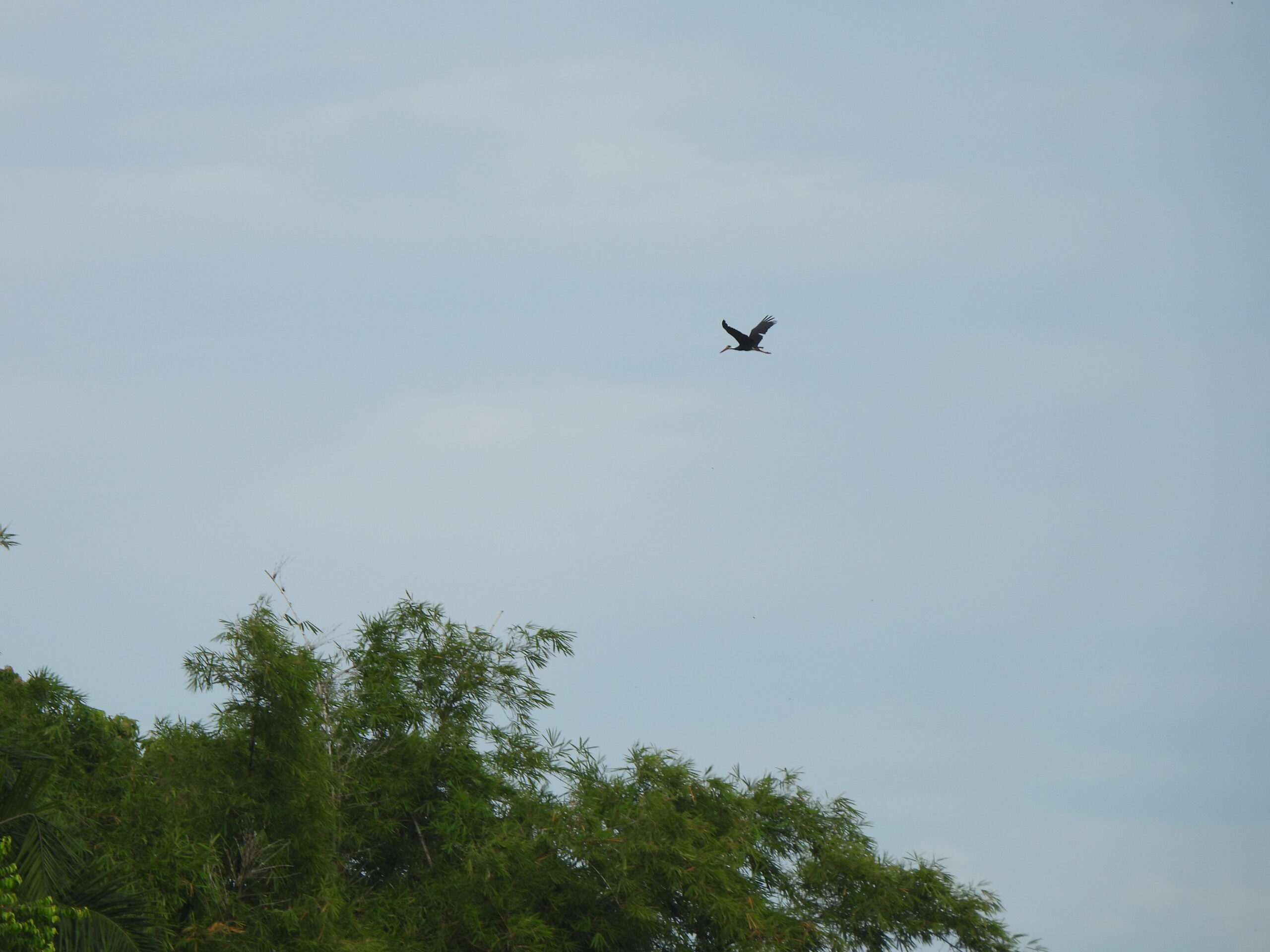
Asian openbill
Anastomus oscitans
Resident in wetlands of the Indian Subcontinent and Southeast Asia, often soaring high on thermals in flocks, sometimes over urbanized areas. The namesake gap in the bill develops with age and might be used to feed on freshwater snails. I have seen this species in cities and cropland of Thailand and India.
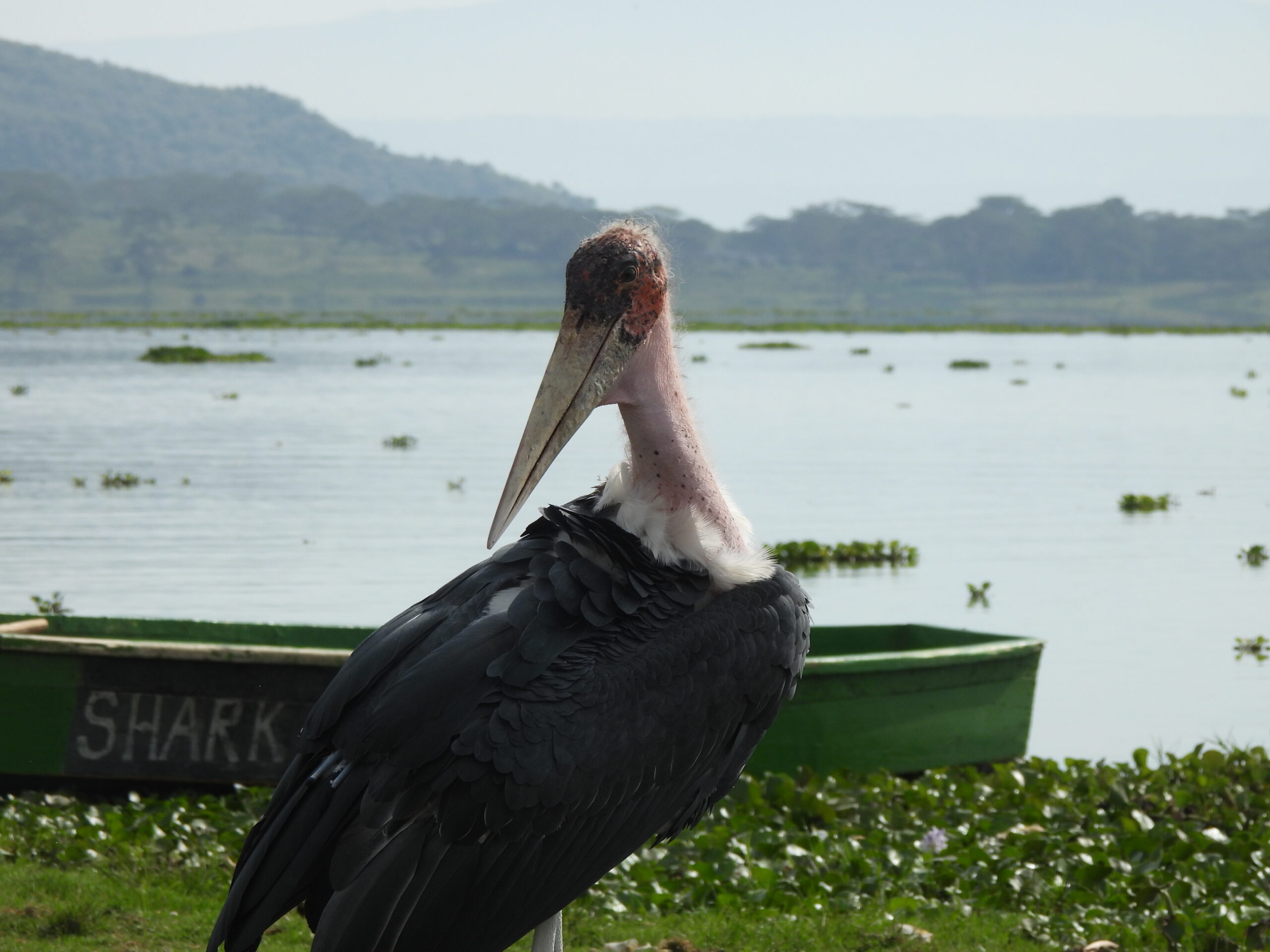
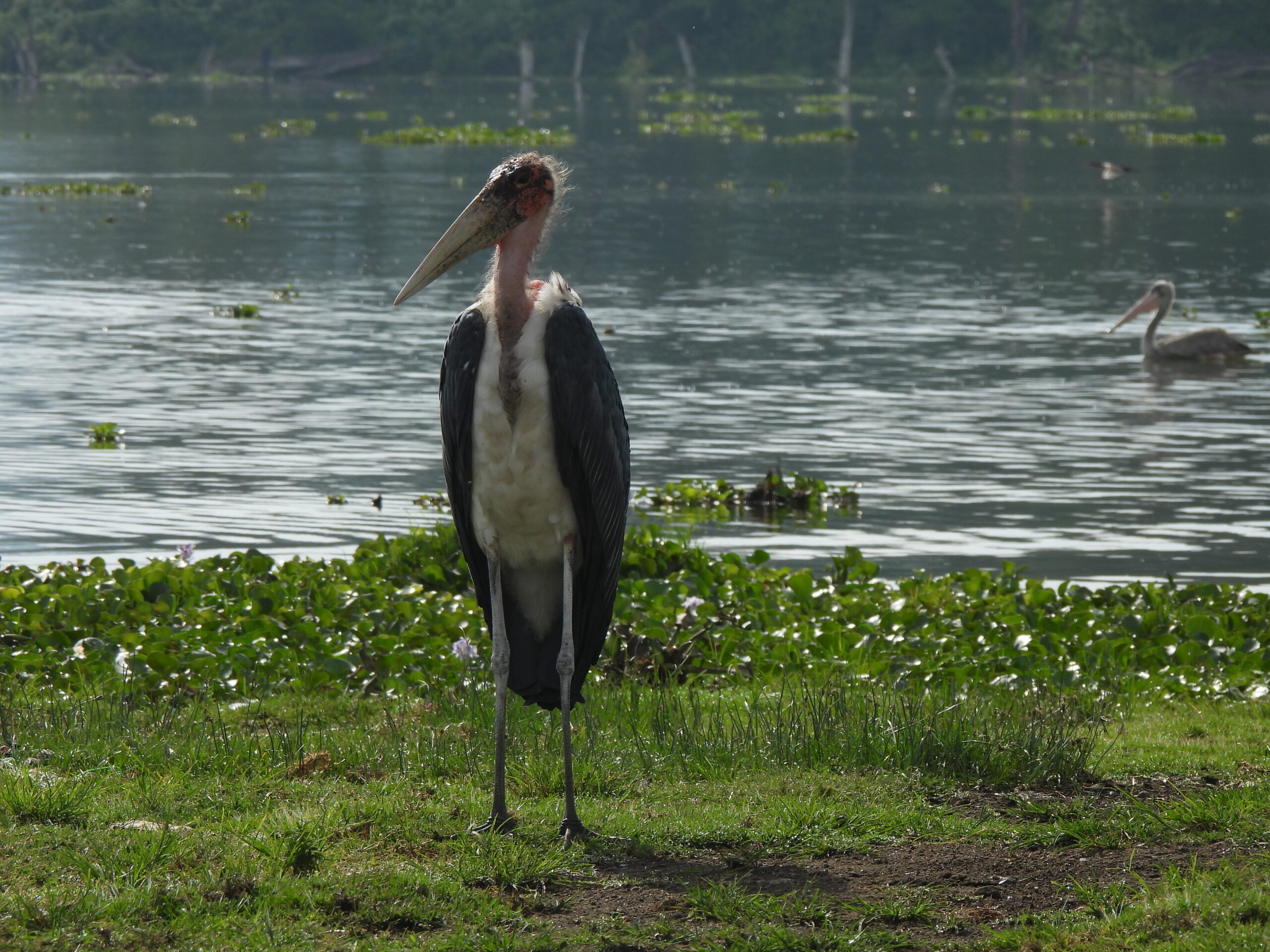
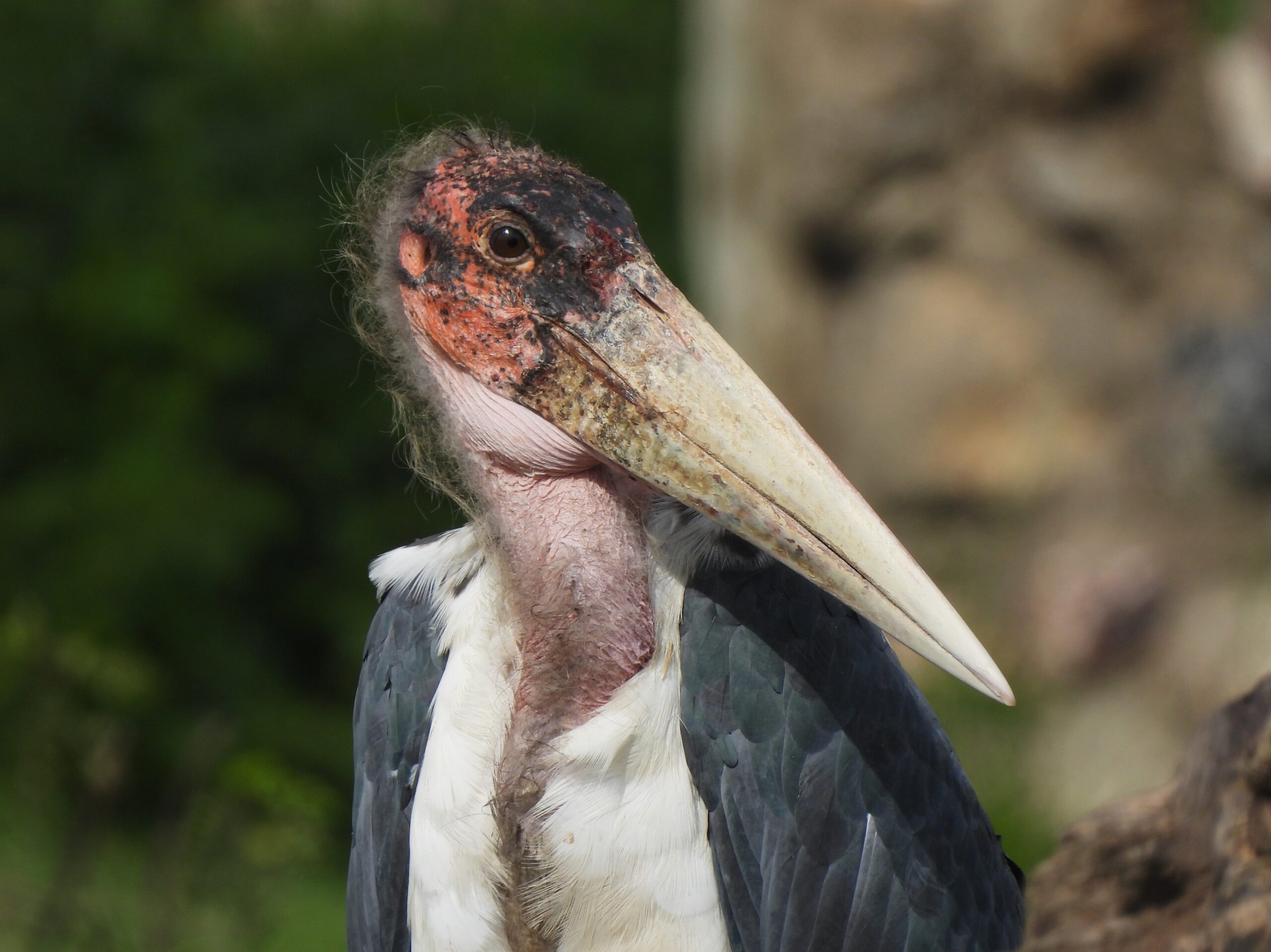
Marabou stork
Leptoptilos crumenifer
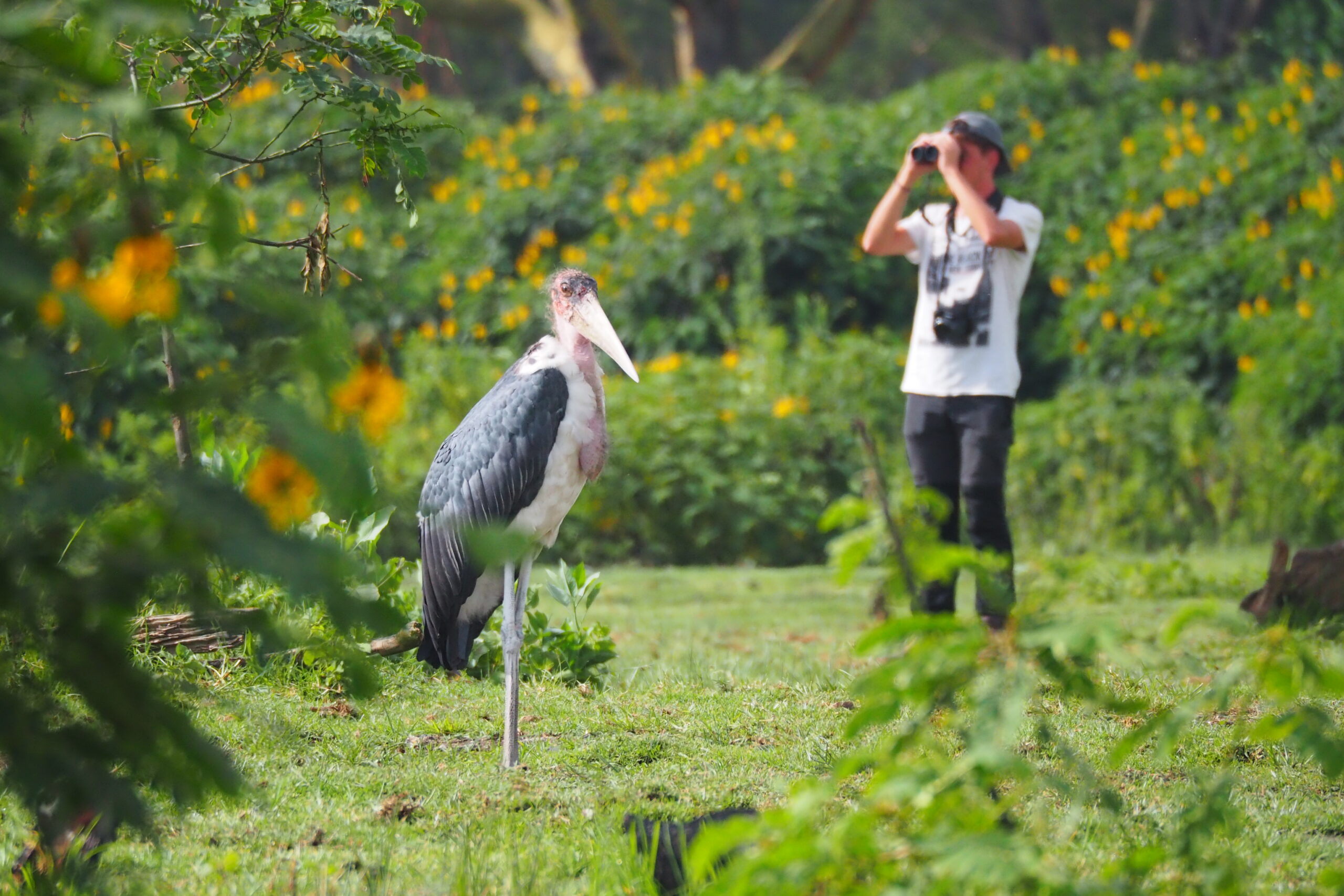
Widespread in Subsaharan Africa, where it inhabits a variety of wet and dry habitats. Predator and scavenger, with a powerful bill and a bare head and neck similarly to vultures. I have observed this species in several locations in Kenya.
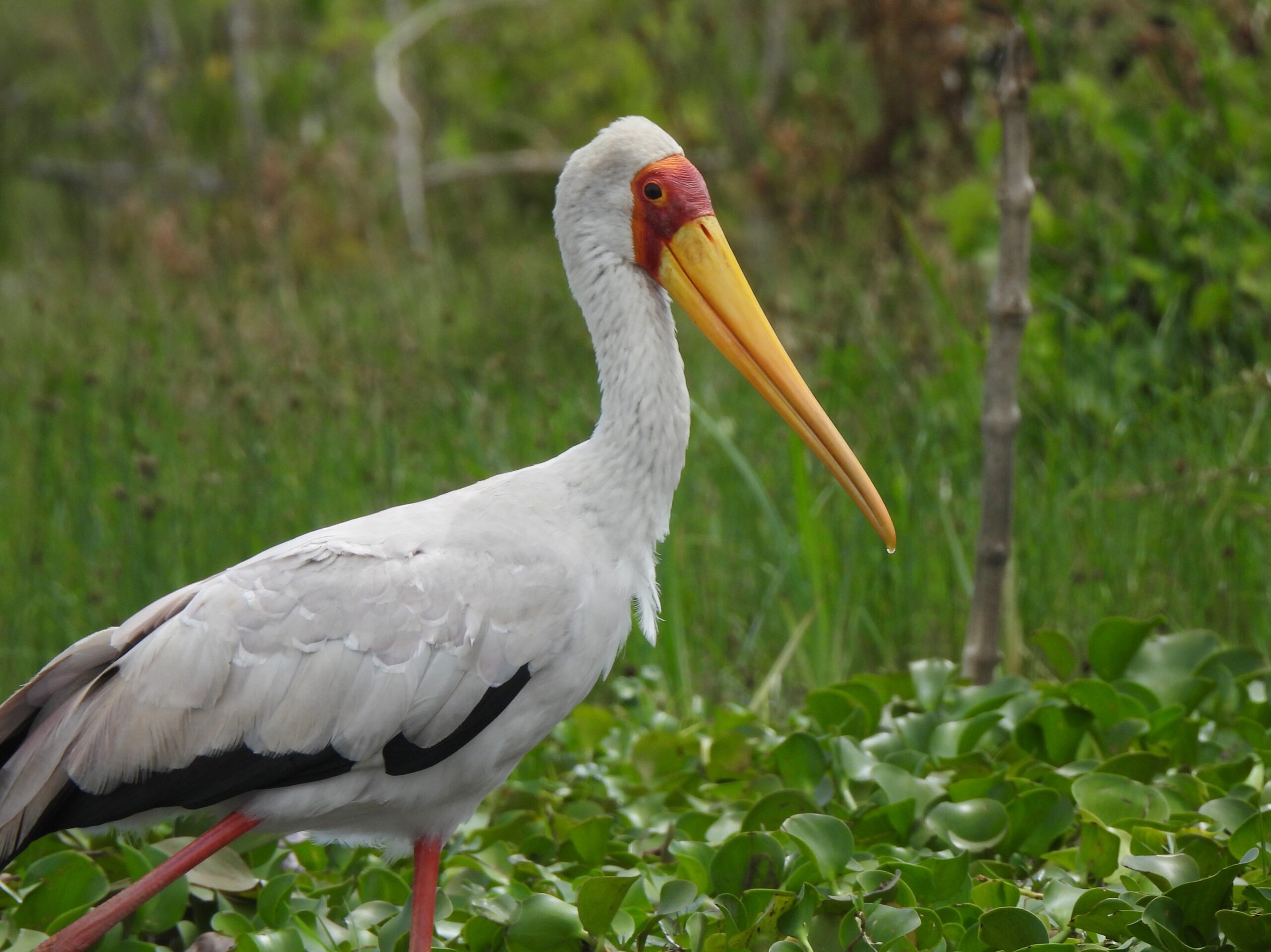
Yellow-billed stork
Mycteria ibis
Mainly found in Eastern Africa and in lower densities throughout the continent and Madagascar, where it inhabits shallow freshwater habitats. It is known to follow moving crocodiles and hippos to feed on animals on their quarry. I have observed the species in Lake Oloiden, Kenya.
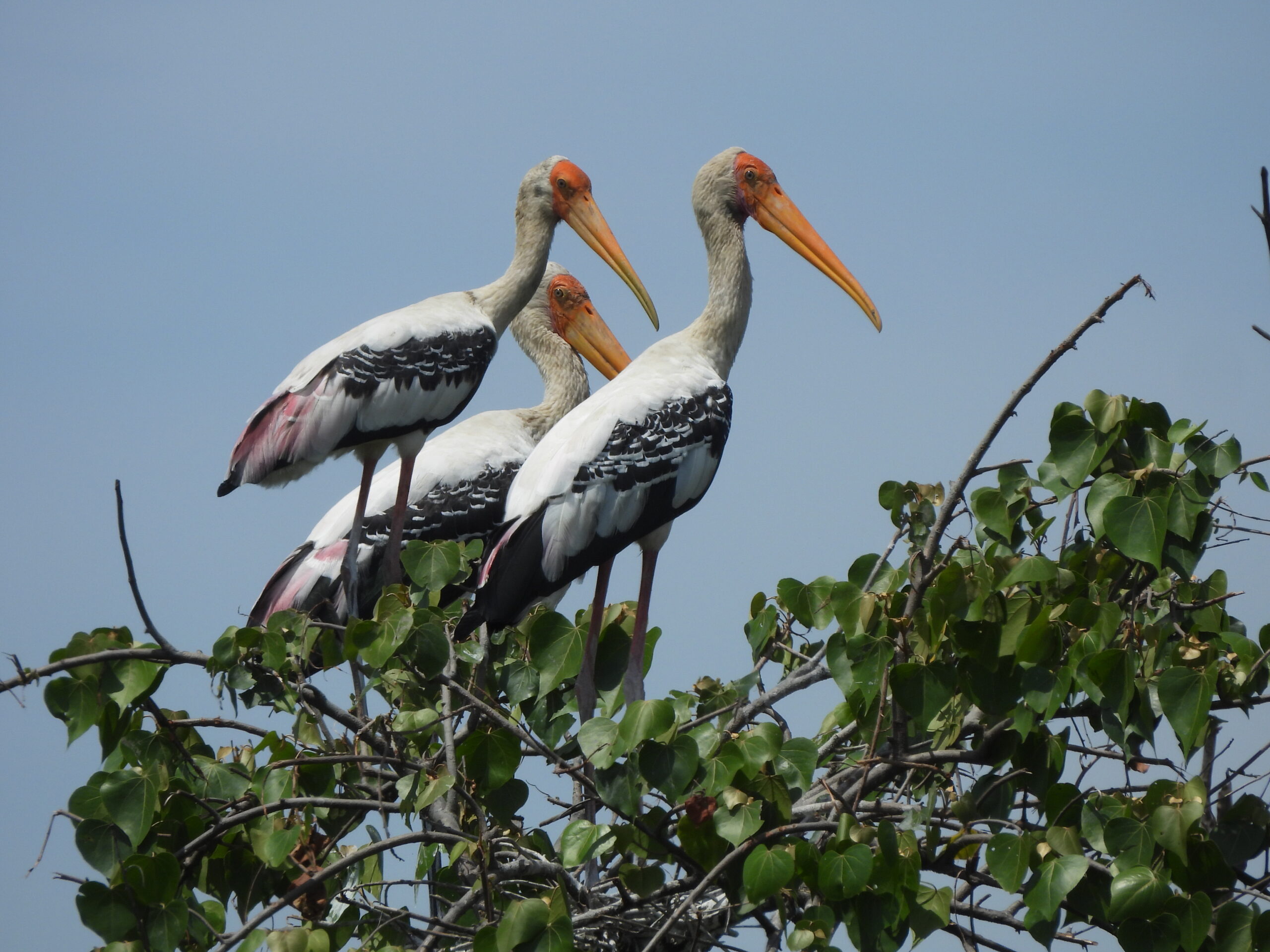
Painted stork
Mycteria leucocephala
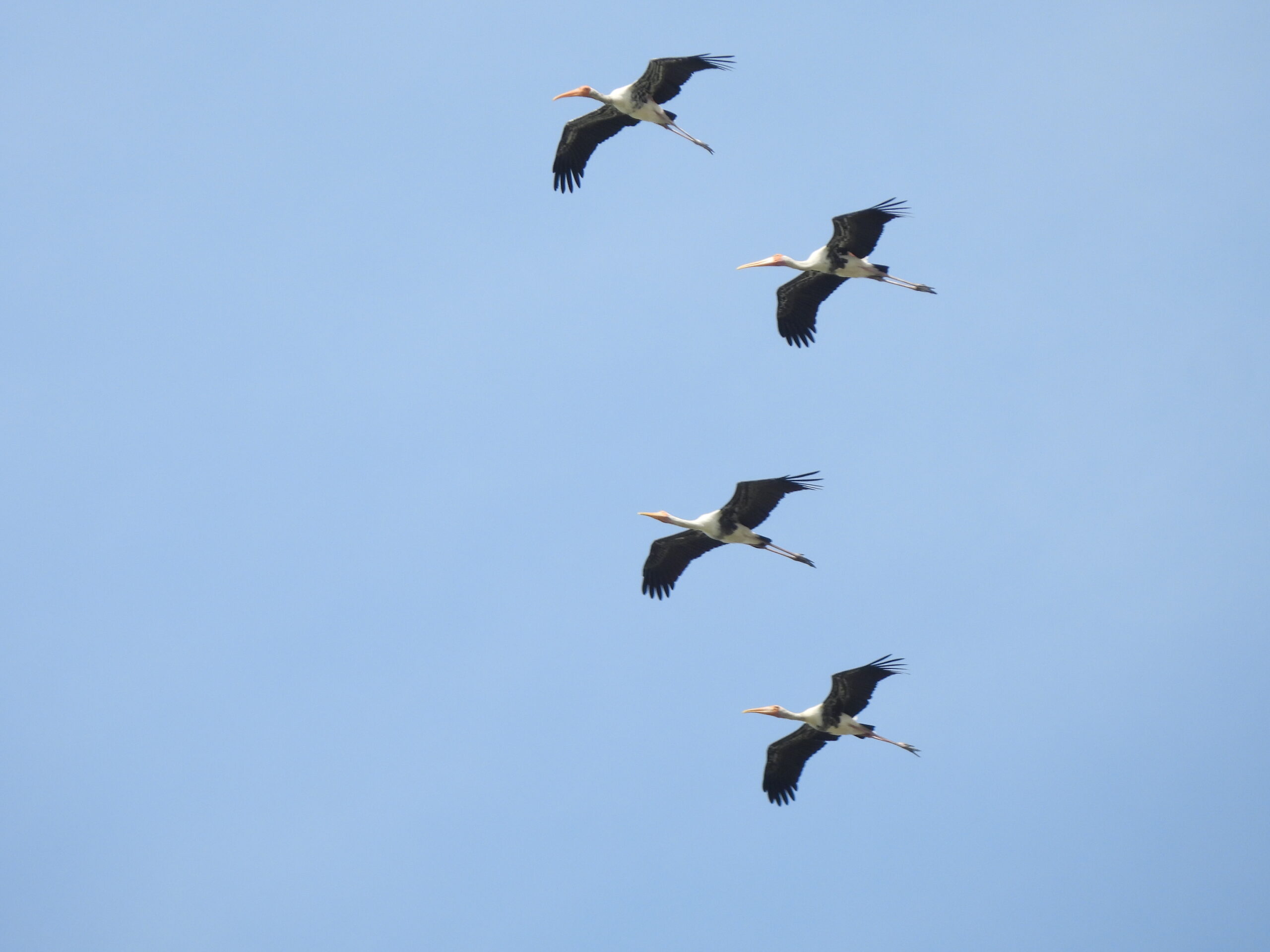
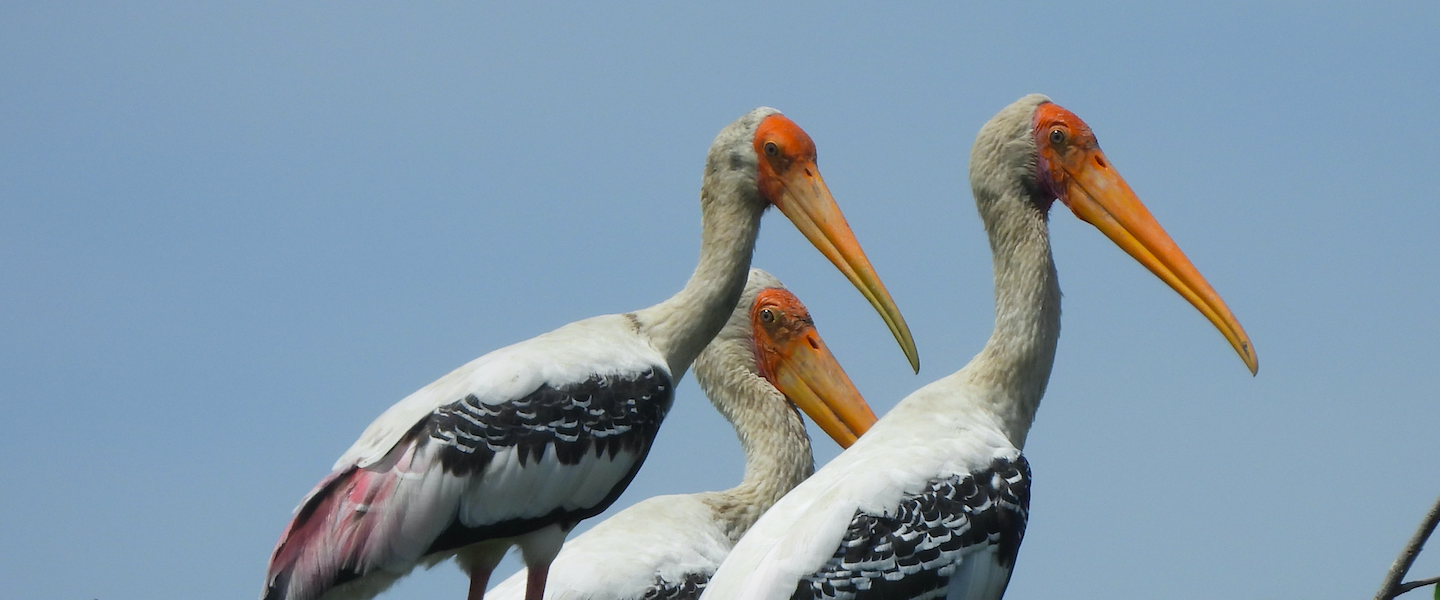
Locally abundant in wetland habitats of the Indian Subcontinent and Southeast Asia, migrating throughout the region out of breeding season. Apparently, a group of birds escaped from Kuala Lumpur Zoo resulted in a feral population in the city area. Besides, I have seen the species in wetlands and croplands of Thailand and India.
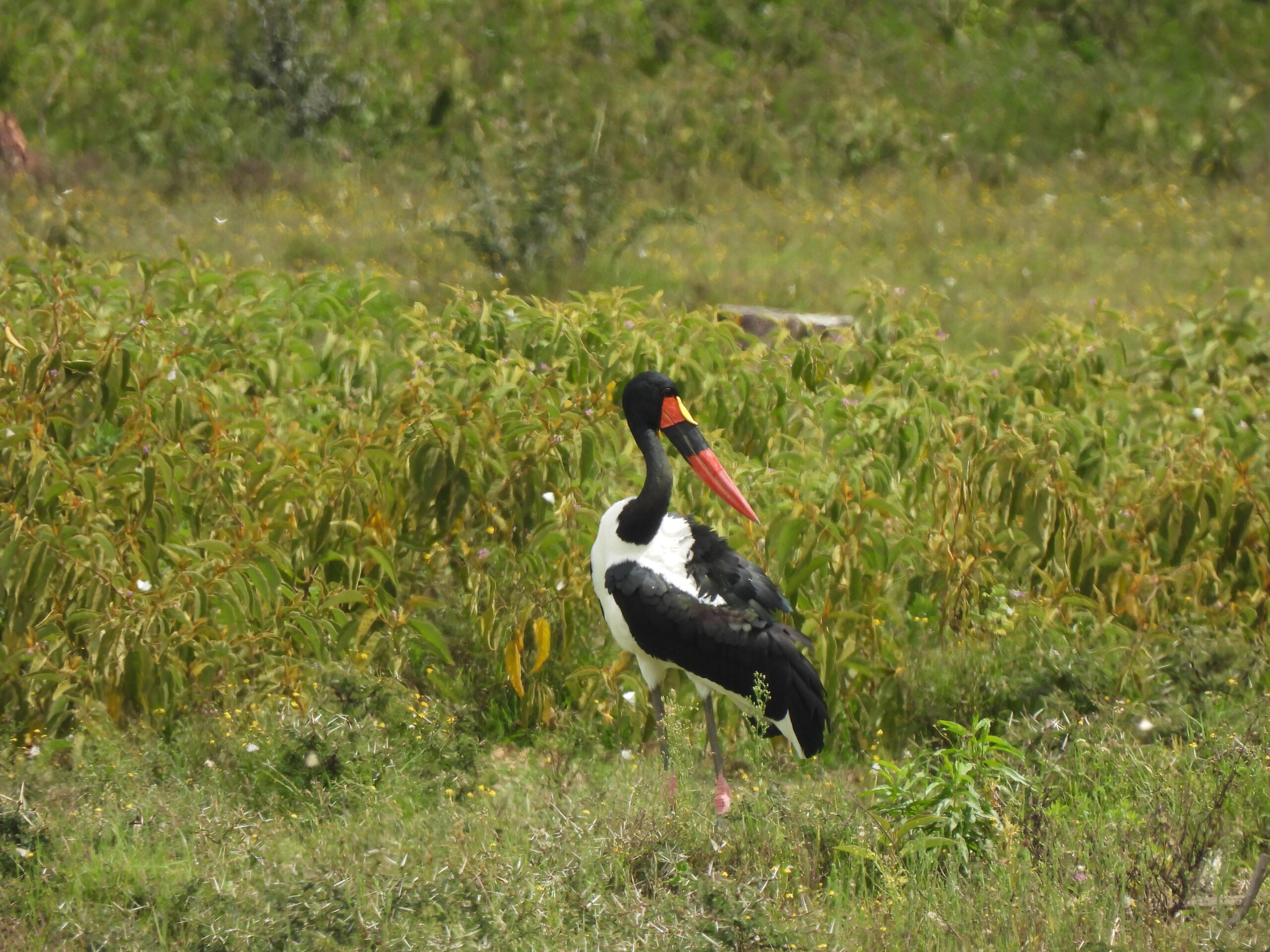
Saddle-billed stork
Ephippiorhynchus senegalensis
Found in pristine wetlands and riverine habitats throughout Subsaharan Africa. Scarce, localized and near threatened. Its red and black bill with a namesake yellow “saddle” near the front is unique among storks. I have encountered this species in Lake Oloiden, Kenya.
Black stork
Ciconia nigra
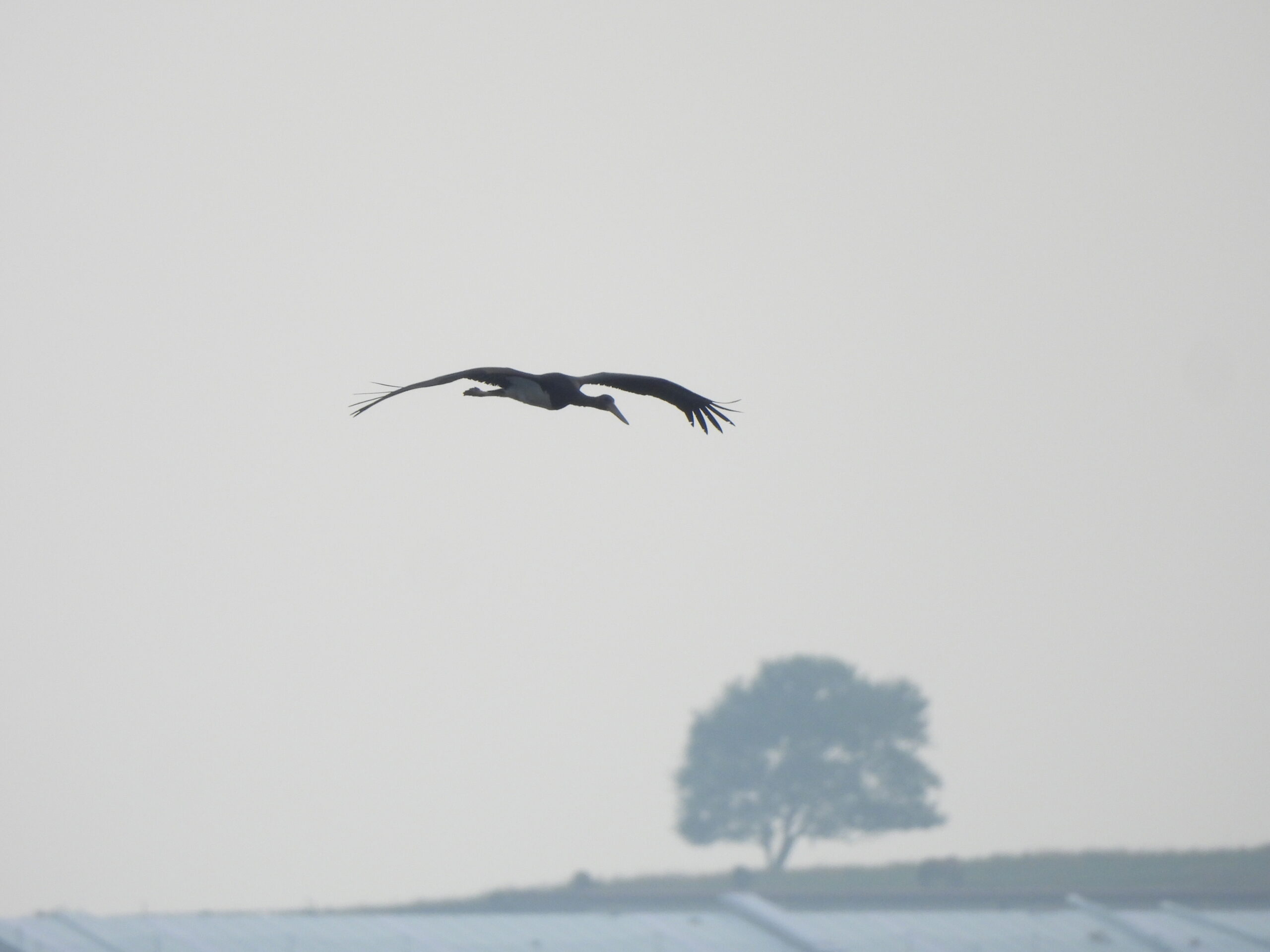
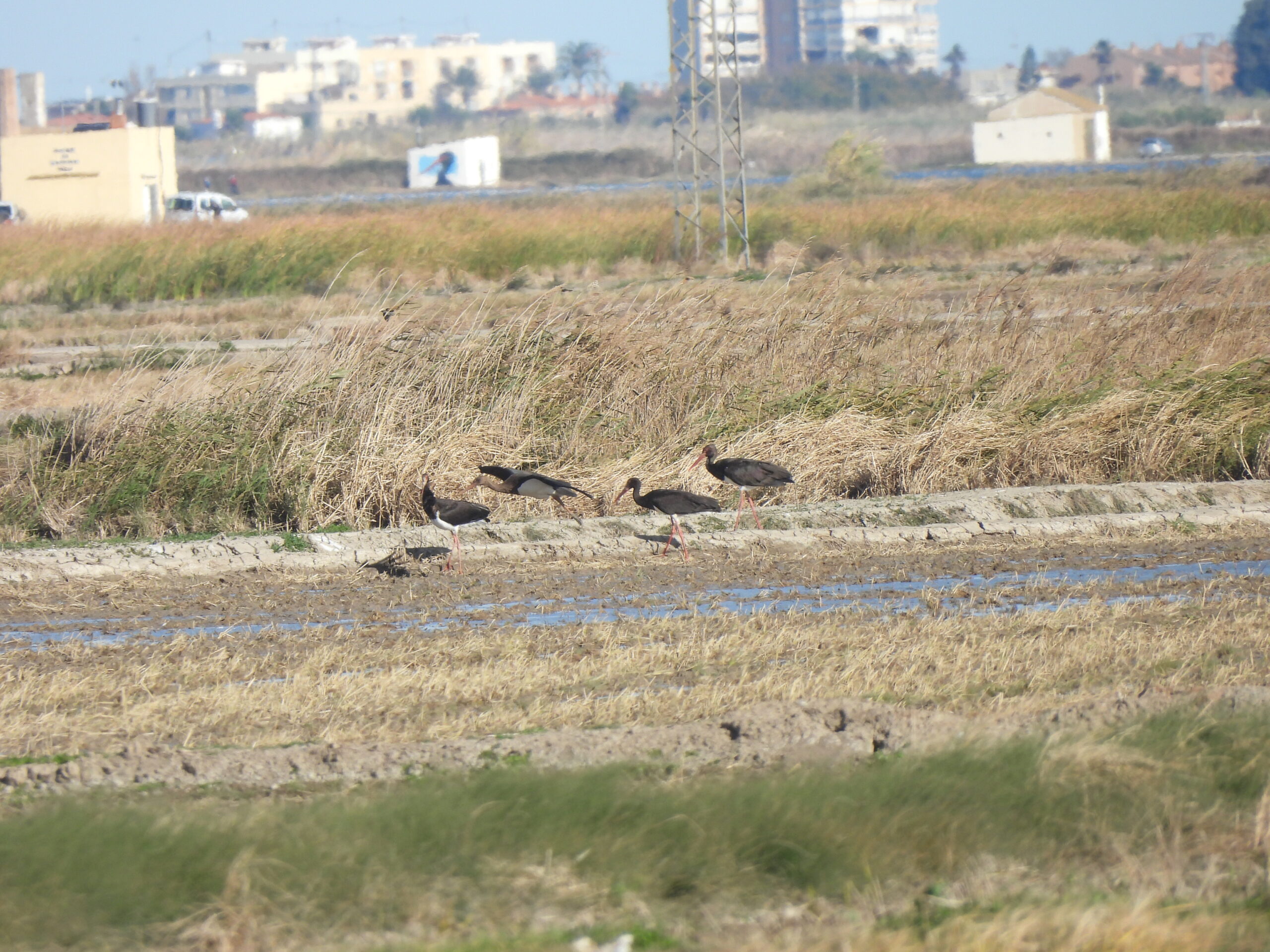
Well spread throughout the Old World, with resident birds in Southern Africa and migratory populations breeding in large forests throughout Eurasia and migrating south to wetlands in Central Africa and South Asia. This is a rare passage and winter visitor in Alicante, but a localized breeding species elsewhere in Spain. I have also seen it in Greece.
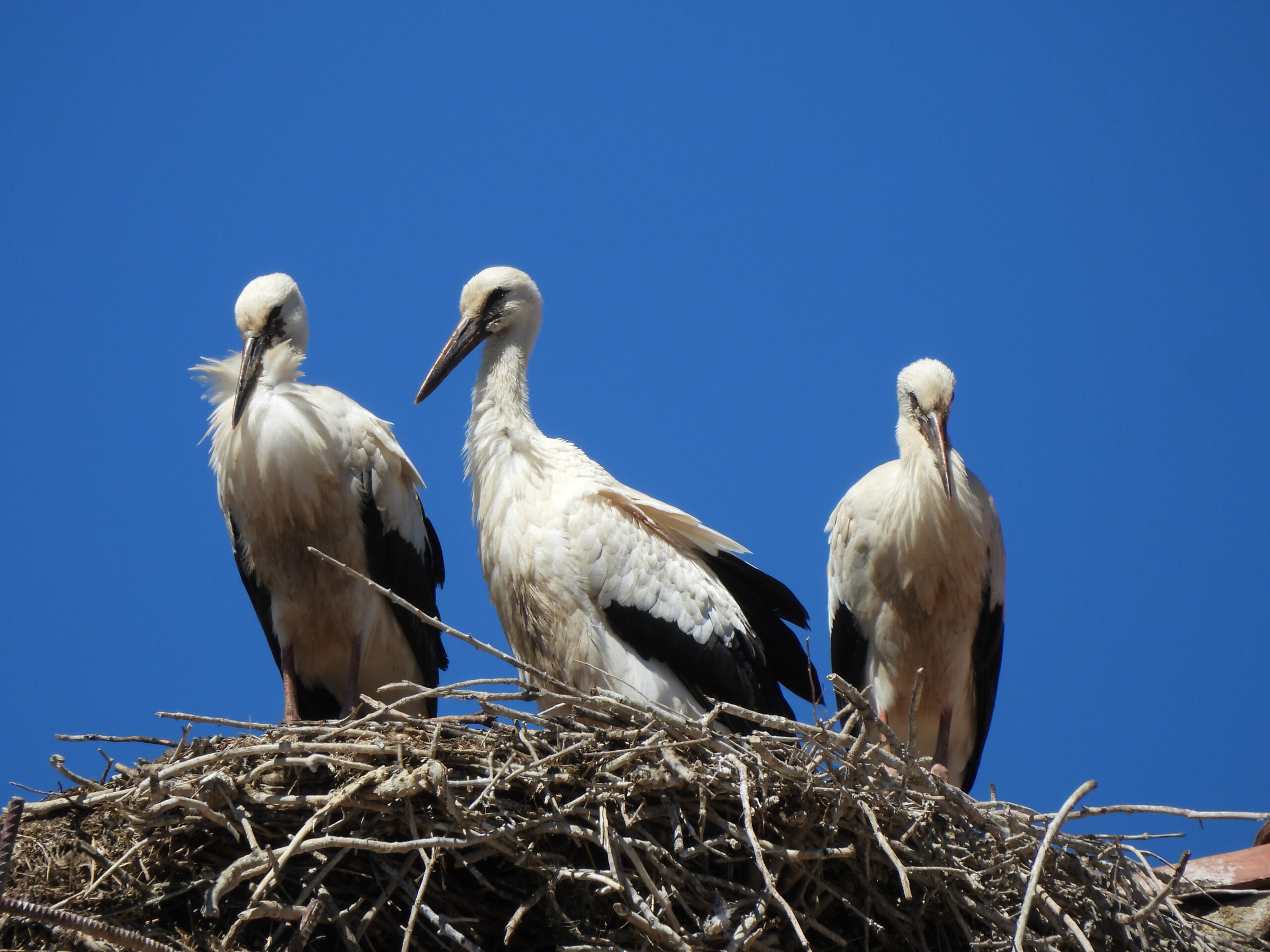
White stork
Ciconia ciconia
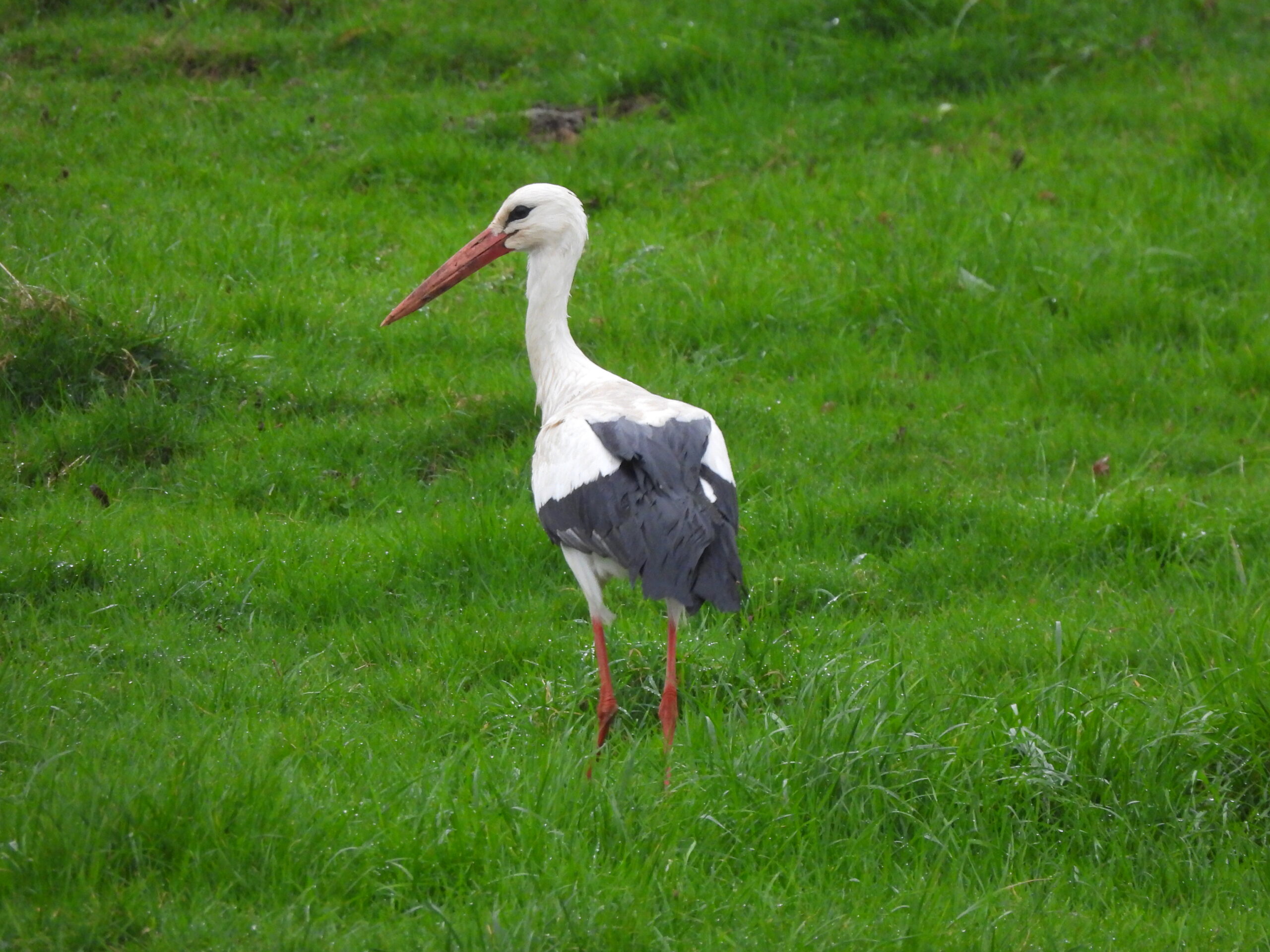
Abundant in the European countryside during summer, migrating mostly to Subsharan Africa. This long-distance migrant provided the first evidence of bird migration as several alive individuals arrived to Europe speared with Maasai arrows from the 19th Century onwards. Although an uncommon passage visitor in Alicante, this species is abundant throughout Central Spain.
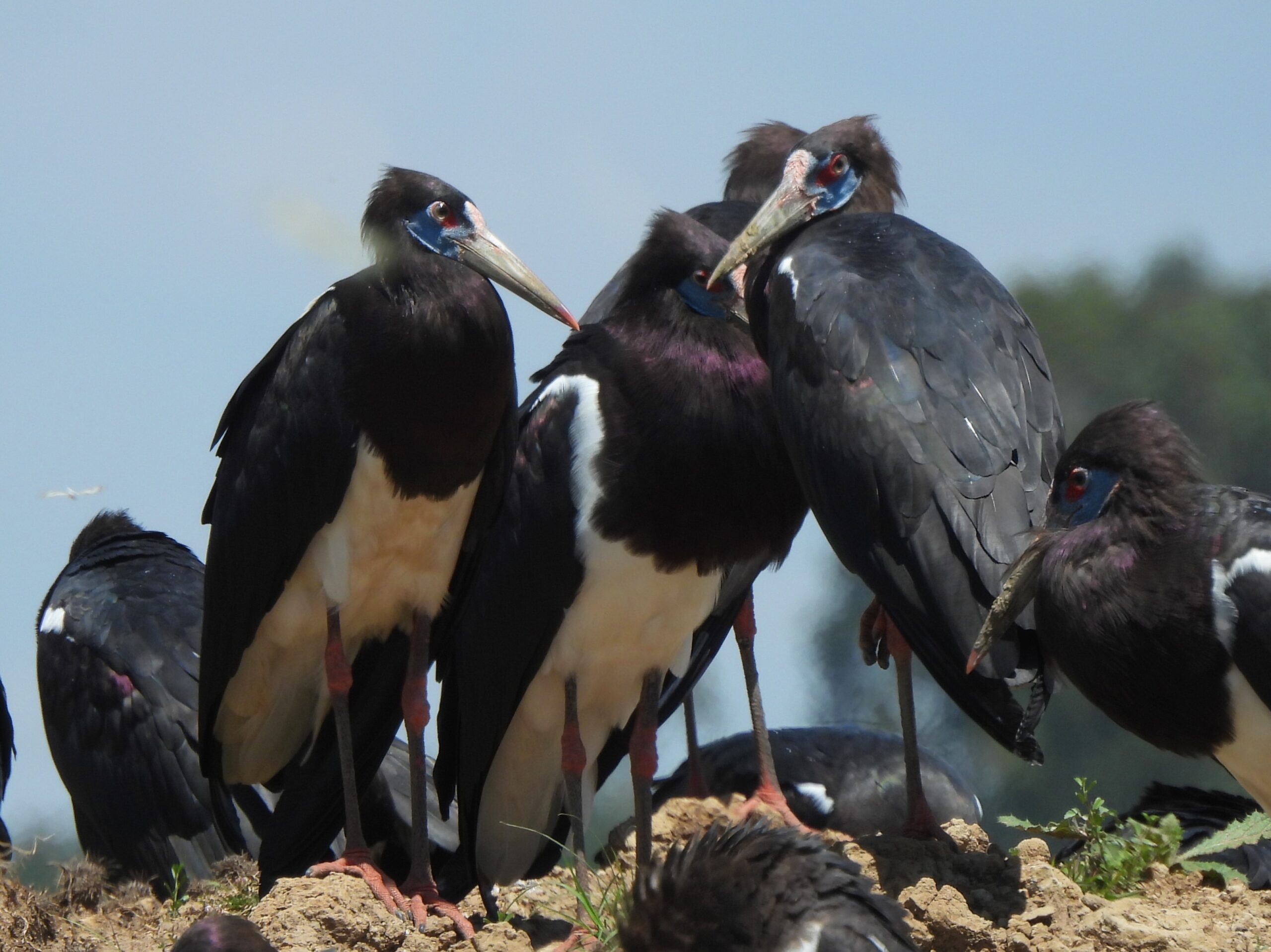
Abdim’s stork
Ciconia abdimii
Intra-African migrant, with most of the population breeding in open habitats from the Sahel to the south end of the Arabian Peninsula, migrating to Southern Africa during the non-breeding period. I have seen a flock of this species in the Mara area in Kenya.
Storm’s stork
Ciconia stormi
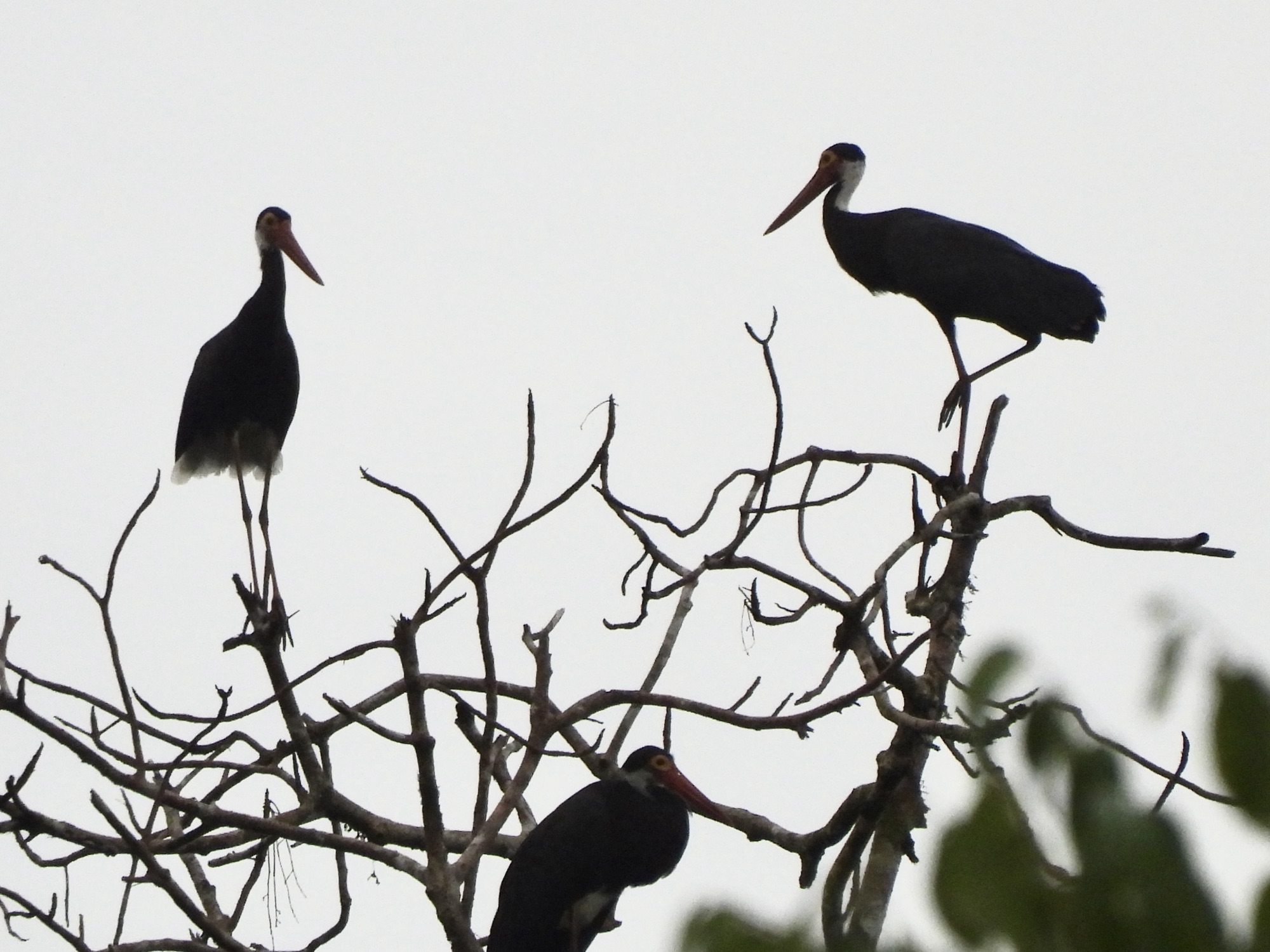
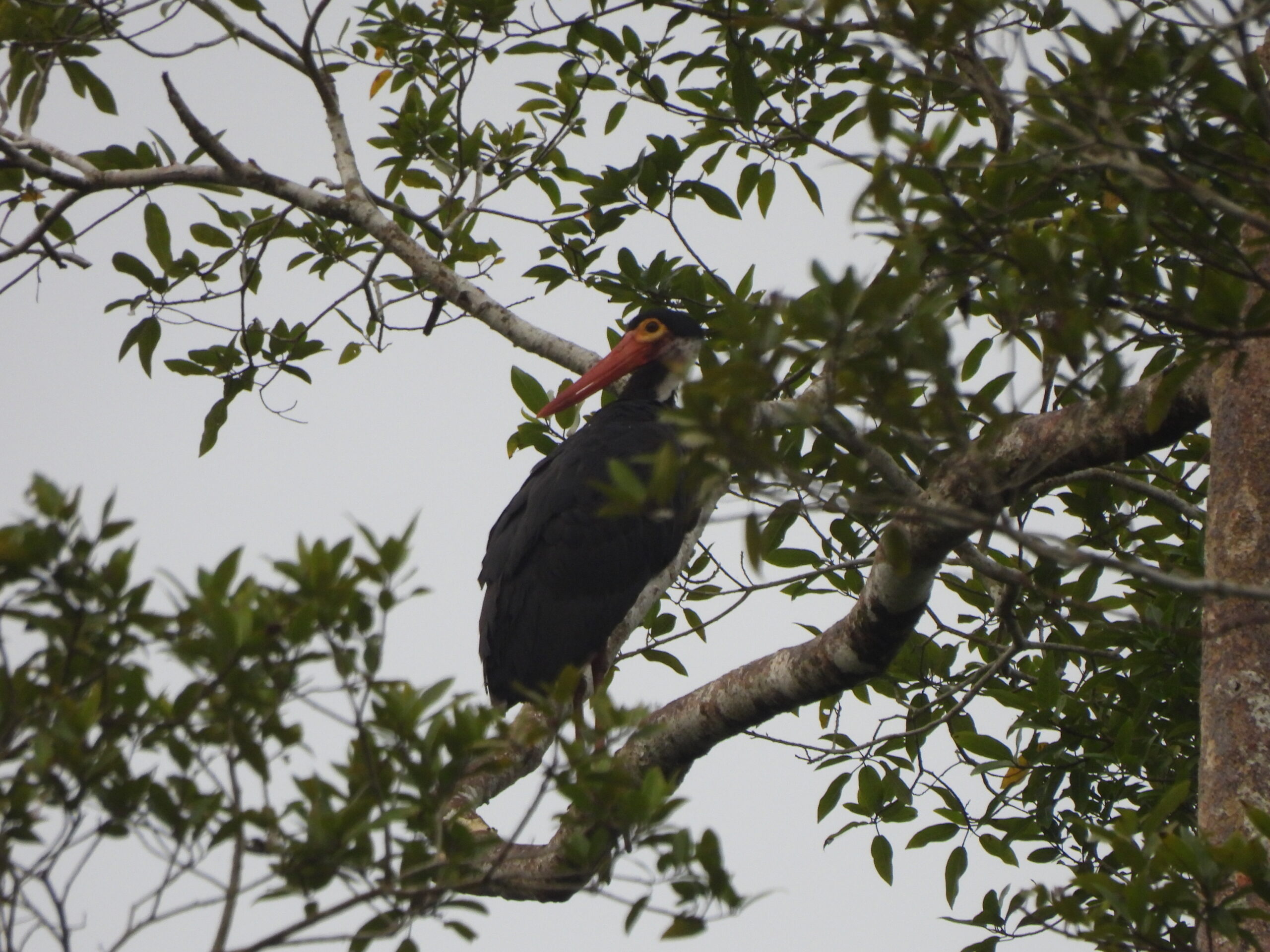
Found very locally in lowland riverine and swamp forests of the Malay Peninsula, Sumatra and Borneo. Extremely scarce and declining, classified as endangered and with some estimate of less than 300 mature individuals left when I observed a flock of this species at roost in Kinabatangan River, Borneo.
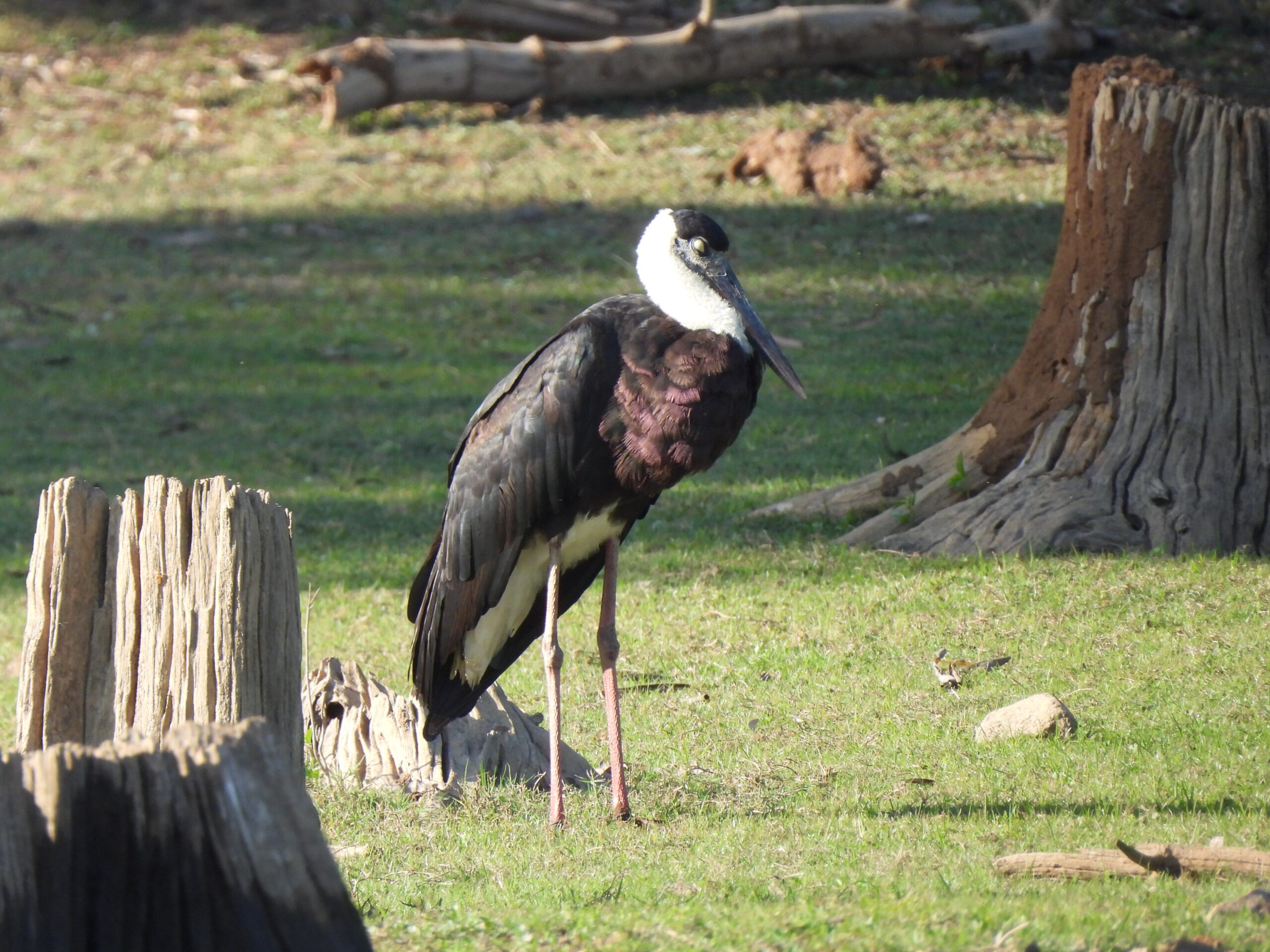
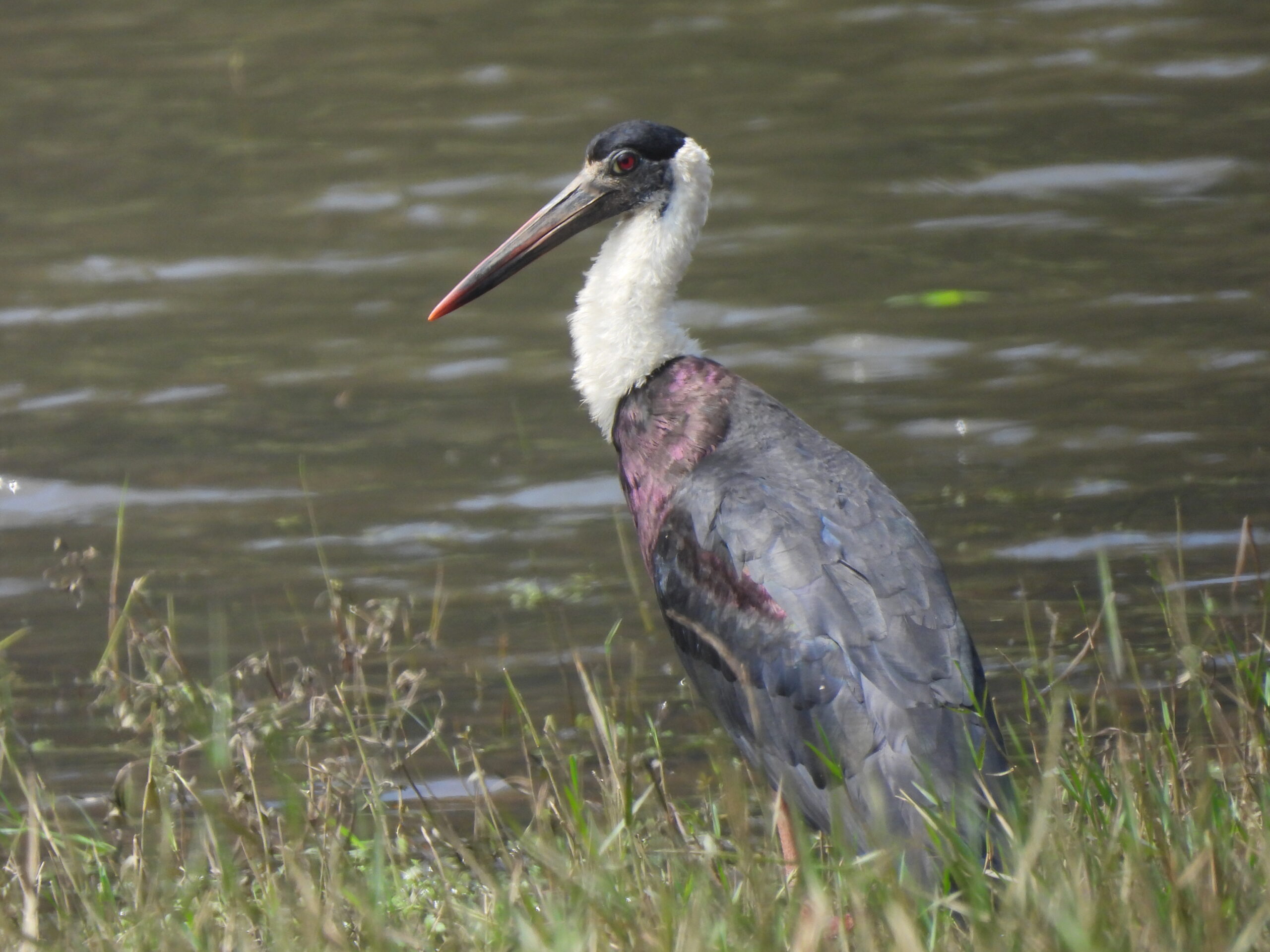
Asian woolly-necked stork
Ciconia episcopus
Local in wetland, cropland and moist grassland habitats of the Indian Subcontinent through Southeast Asia to Sulawesi and the Lesser Sundas. The distinctive white woolly neck contrasts with the otherwise dark iridescent plumage. I have observed this species in paddyfields and backwaters of India.