
South Africa 2026
2 Jul – 1 Aug 2026
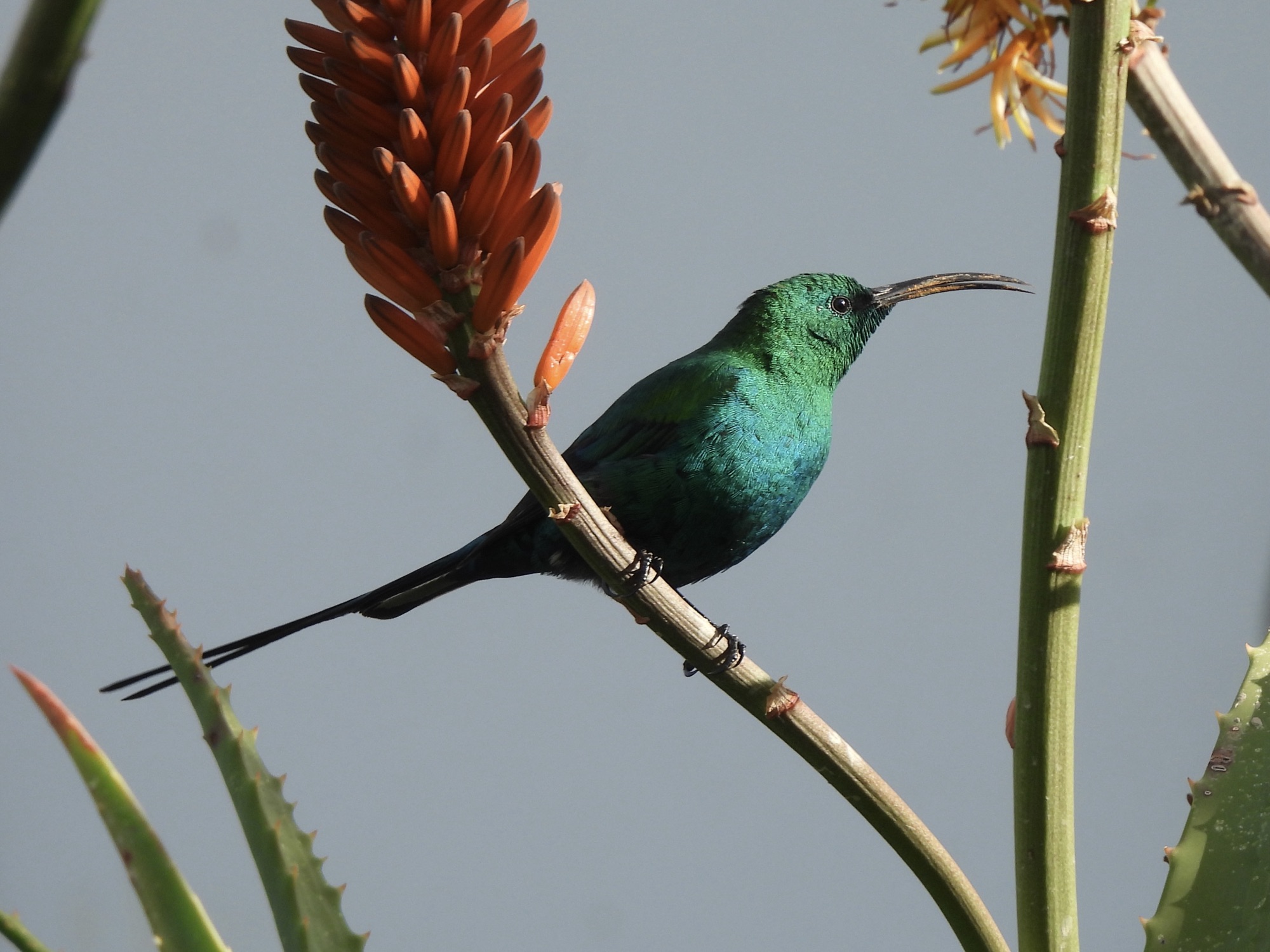
Southern double-collared sunbird on the fynbos of Kransvlei Poort, 4 Jul 2026
Thursday 2nd July 2026 Arrival to Cape fynbos
Our Turkish Airlines flight dropped us at Cape Town International Airport shortly after midday. The airport transfer produced the first of many pied crows, while a short wait at the airport exit delivered Cape wagtails, Hartlaub’s gulls and rock kestrels. We picked up our rental car, an automatic eight-seat Mercedes Vito from Avis, and quickly hit the road.
Filled with excitement, we drove through the outskirts of Cape Town, noting numerous hadada and sacred ibises, several Egyptian and spur-winged geese, African spoonbills and flocks of pied starlings and introduced house crows.
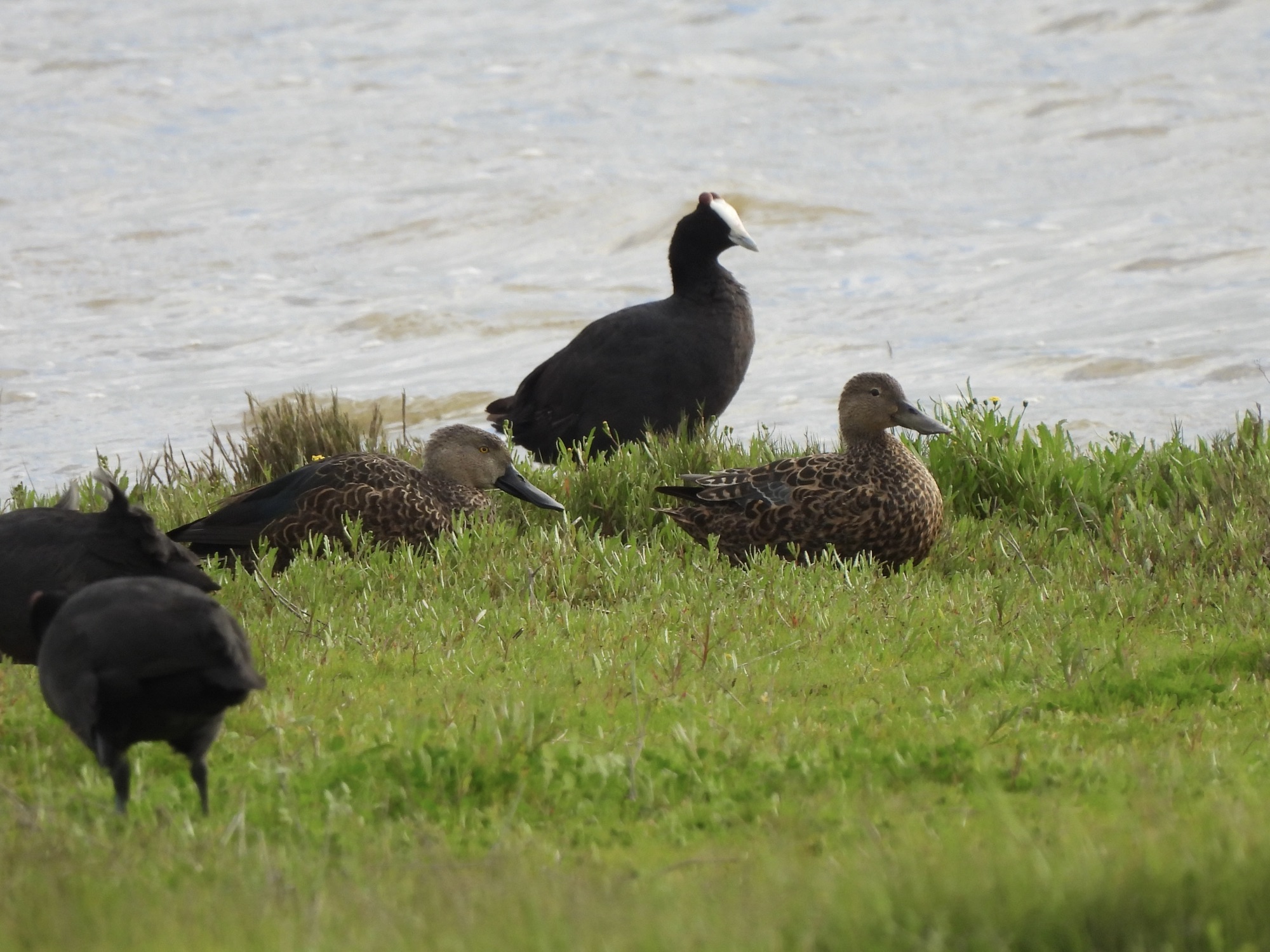
On our way north, we stopped at a lake beside the road and were struck by the bird diversity. Water thick-knees, Cape shovelers and red-knobbed coots rested along the shore, while Cape canaries, Cape sparrows, Cape weavers, capped wheatears, fiscal flycatchers, African stonechats and red-capped larks foraged in the surrounding vegetation. We enjoyed outstanding views of our first male malachite sunbird feeding on aloe flowers.
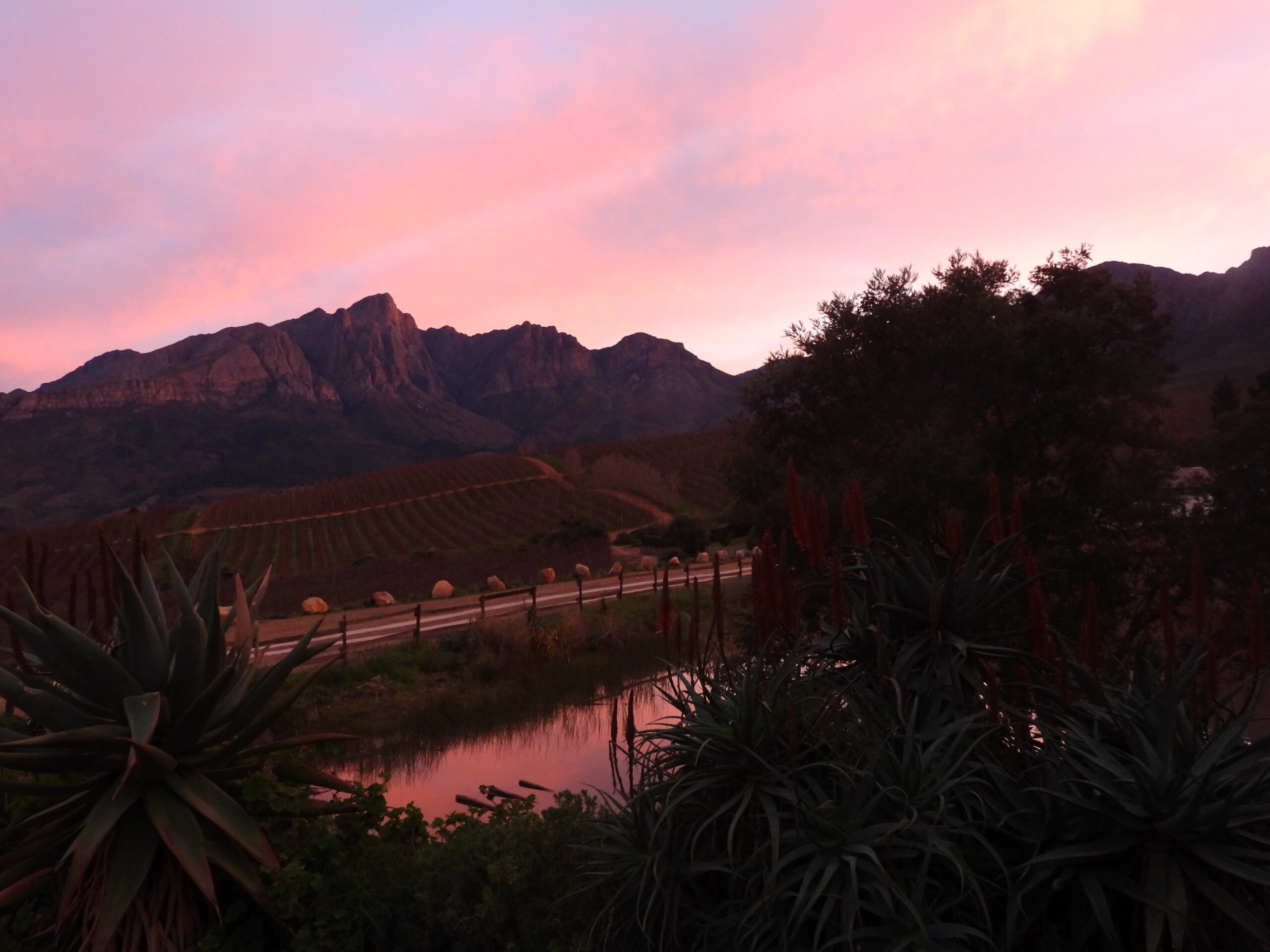
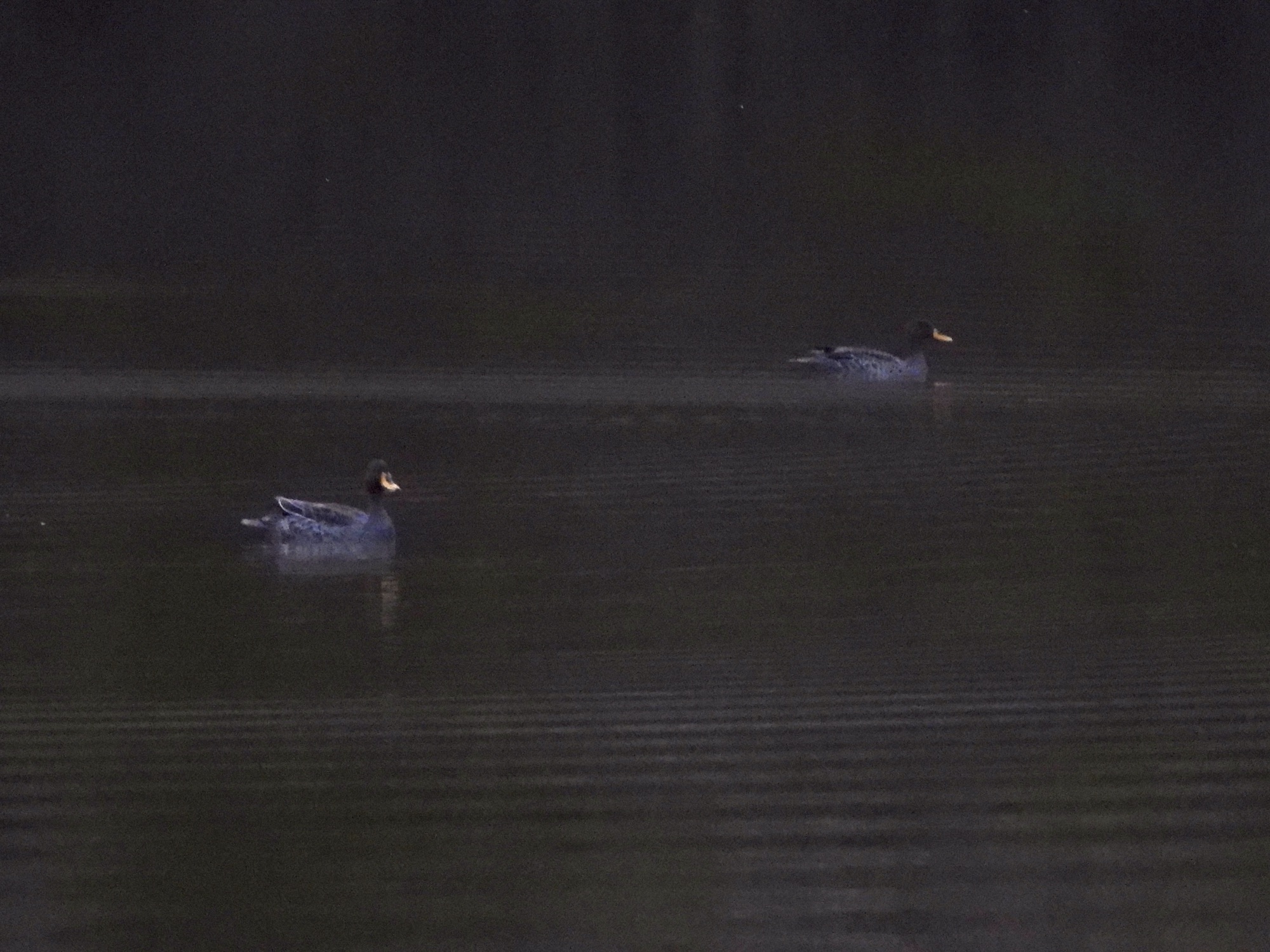
We continued through the fynbos-covered slopes of Michell’s Pass towards Tulbagh, where we had booked a lovely cottage by a lake in Kliphuis. We arrived as it was getting dark and noted our first yellow-billed ducks, as well as singing fiery-necked nightjars and a spotted eagle-owl, which put on a show briefly. We also found several large spiders and a roosting endemic Smith’s thick-toed gecko during our first cold South African winter night.
Friday 3rd July 2026 Tankwa Karoo
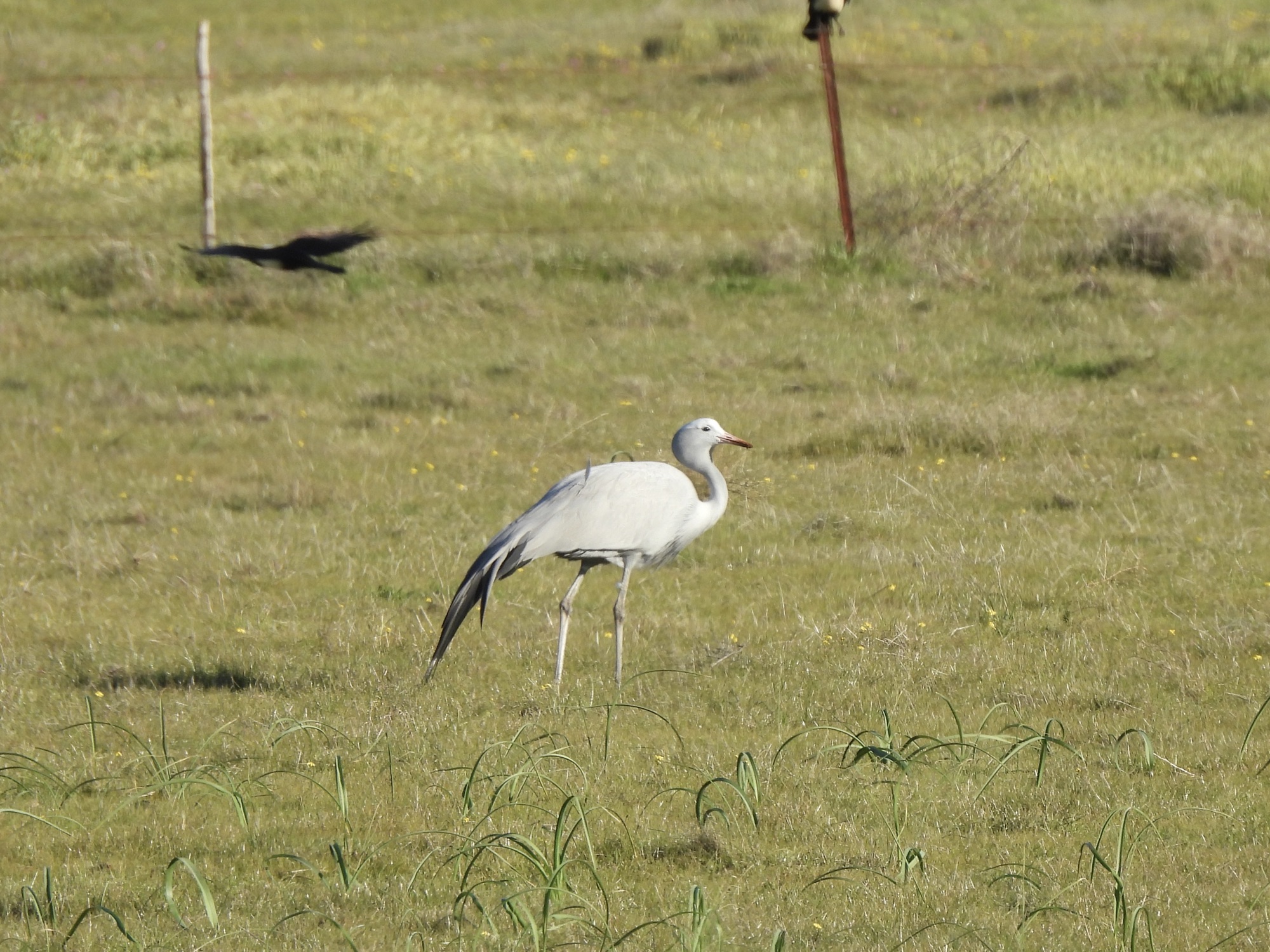
An early start at our dreamy cottage in Tulbagh produced our first Cape white-eyes, southern masked weavers, olive thrushes, Cape bulbuls and Karoo prinias. We also noted rameron pigeons, Cape spurfowl and helmeted guineafowl in the surrounding farmland, along with our first white-necked ravens and blue cranes.
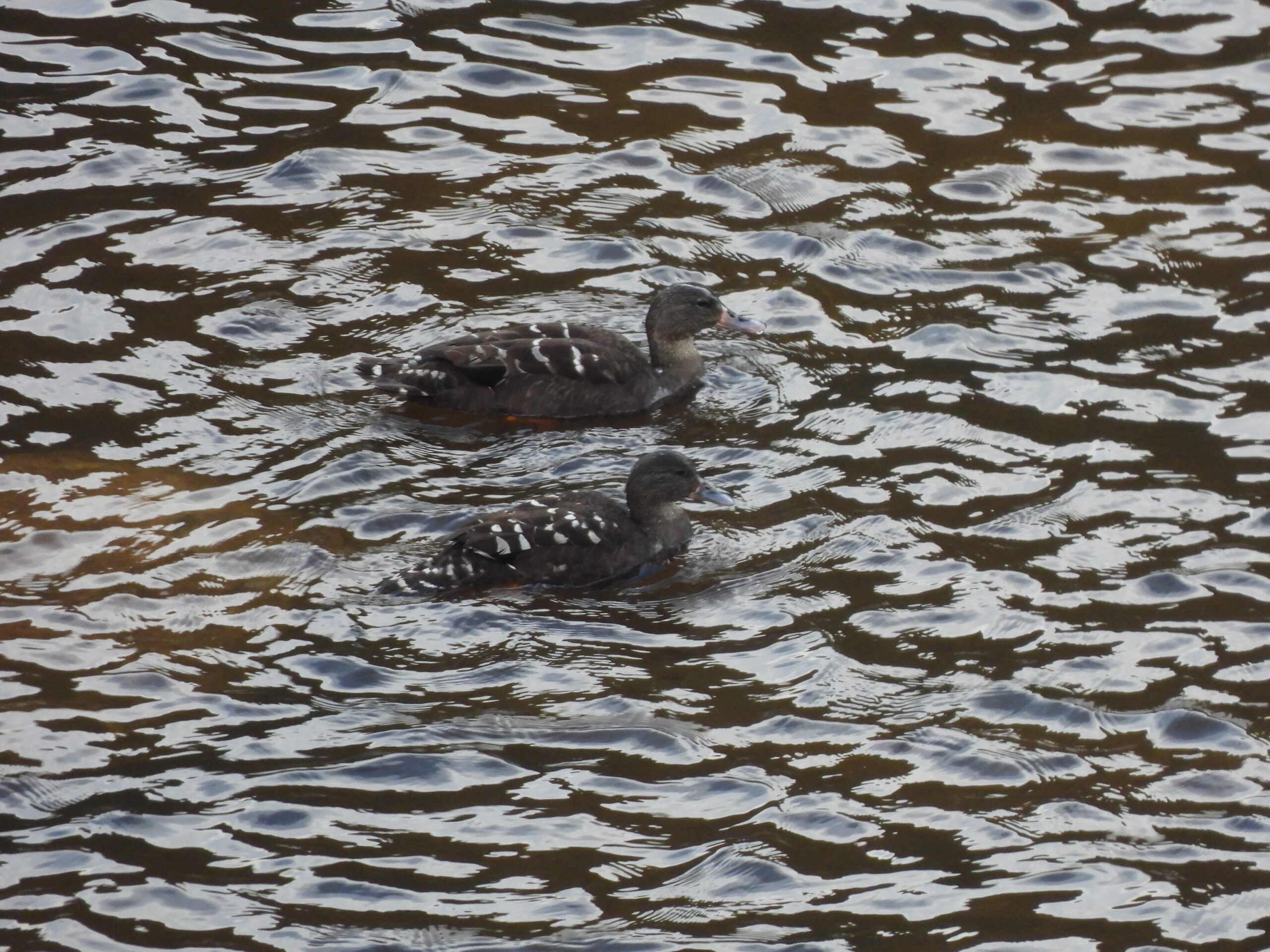
We stopped again at Michell’s Pass, where we bumped into a massive chacma baboon on the road (again, a first of many). The fynbos produced streaky-headed seedeater, bar-throated apalis, Verreaux’s eagle, Cape robin-chat and a pair of African black ducks on the river below.
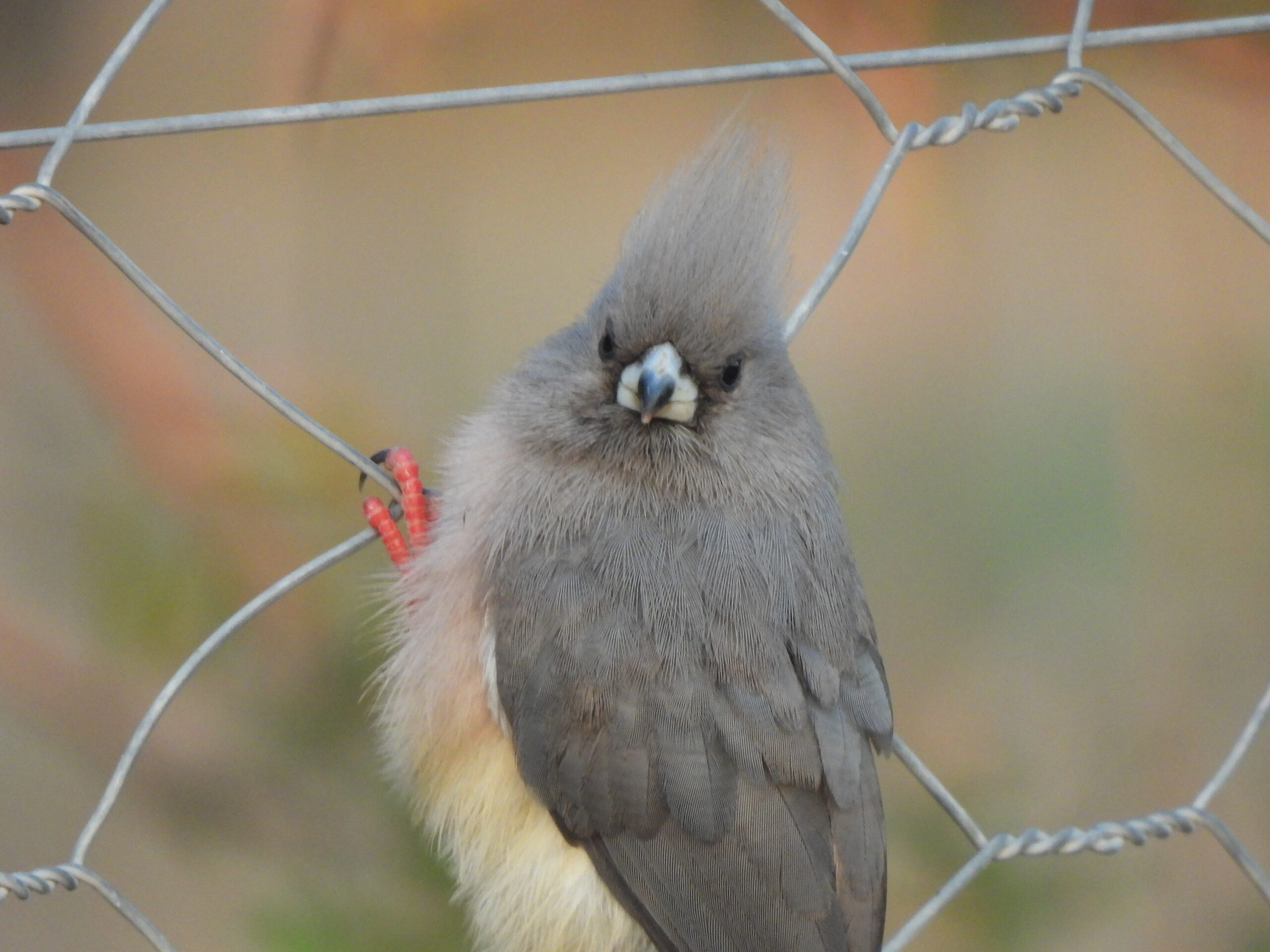
Further east, a river flows at the base of the mountains at a place called Karooport. Here we connected with Cape buntings, southern double-banded sunbirds, Karoo scrub-robins, yellow and white-throated canaries, red-faced and white-backed mousebirds, gray-backed cisticolas and our target, Namaqua warbler, among numerous Karoo prinias.
We then drove through the Tankwa Karoo along the mythical unpaved R355, where we noted Karoo and sickle-winged chats alongside familiar chats, thick-billed and Karoo larks, pale chanting-goshawks and two pairs of black-headed canaries. Small herds of springbok and a few ostriches made us wonder whether they were wild or introduced — a question we would ask ourselves many times throughout the trip.
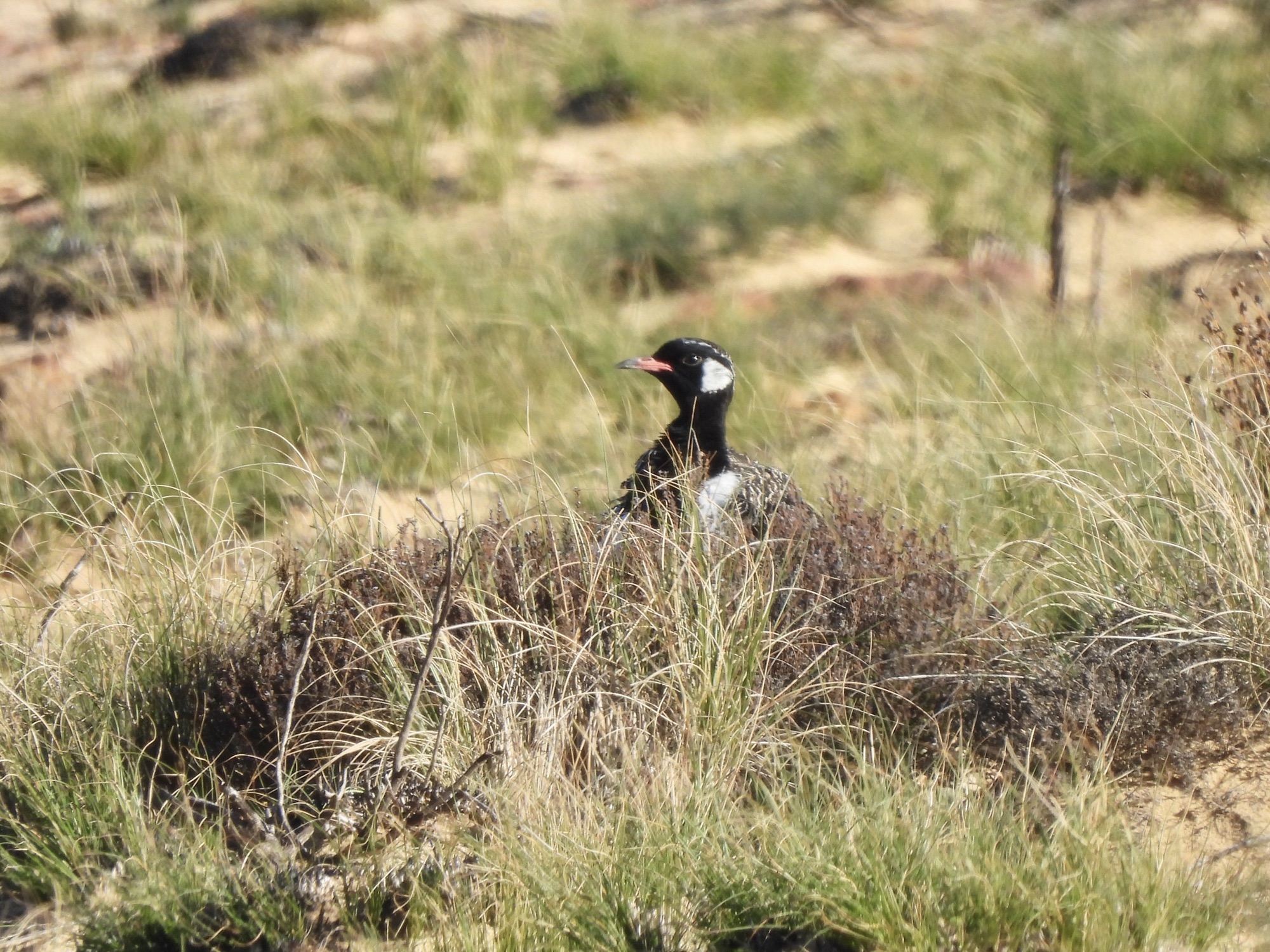
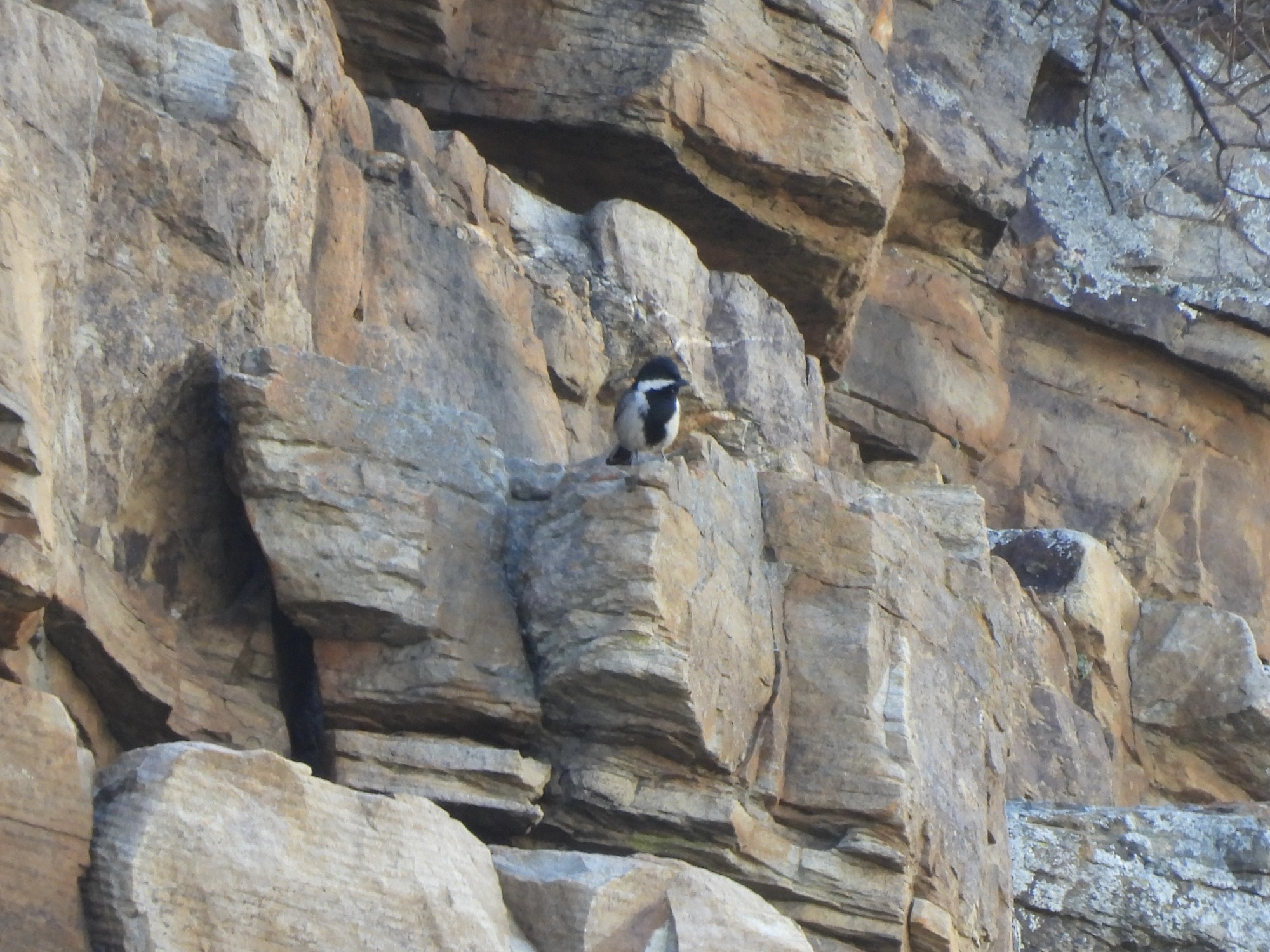
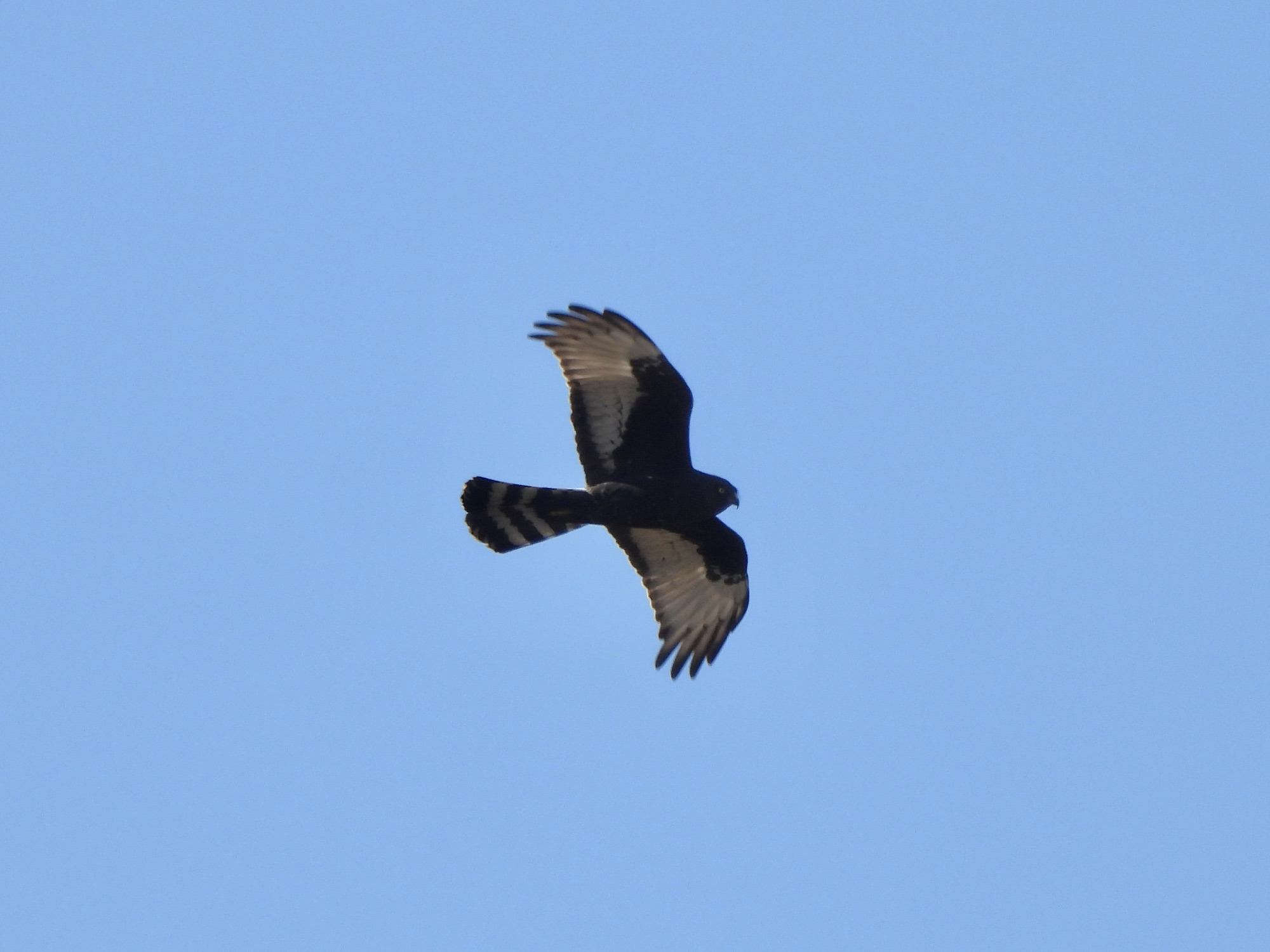
We turned off towards Skitterykloof, where we enjoyed great views of a black harrier. We also noted red-winged and pale-winged starlings, a lanner falcon and Layard’s warbler among the rock hyraxes. A pair of gray tits carried nesting material while we waited to connect with our main target at this site, the cinnamon-breasted warbler. Sadly, despite hearing brief songs and calls coming from the rocks that sounded like this species, none of us managed to see it. However, our drive up the mountain rewarded us with excellent views of two southern black korhaans.
We resumed our drive through scenic hill roads before joining the paved highway north, where we connected with our first bokmakierie and enjoyed more great views of Cape spurfowl. We reached Rosenhof Guesthouse & Self Catering in Clanwilliam after dark and checked into a spacious bungalow.
Saturday 4th July 2026 Bustards in the Renosterveld
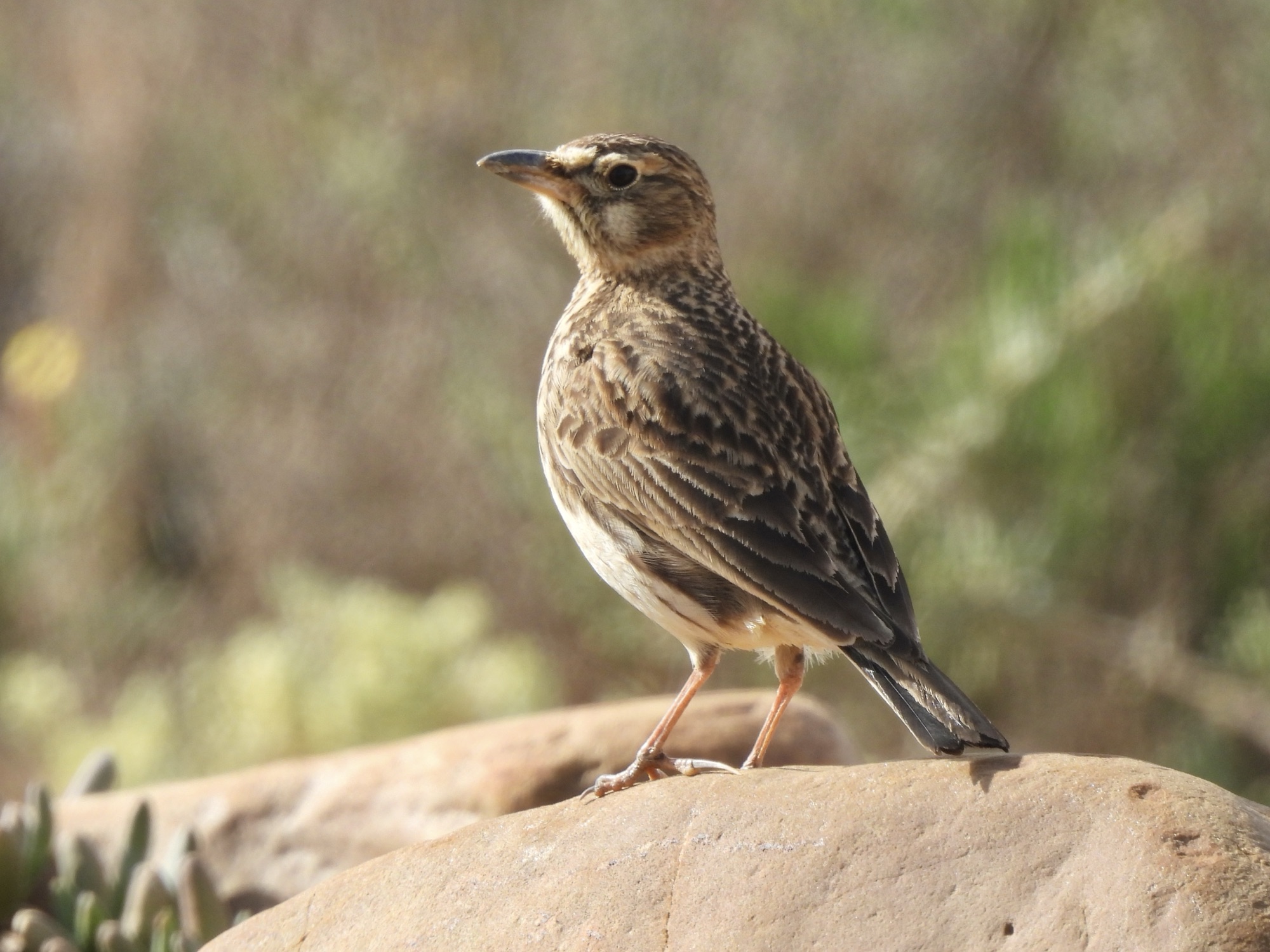
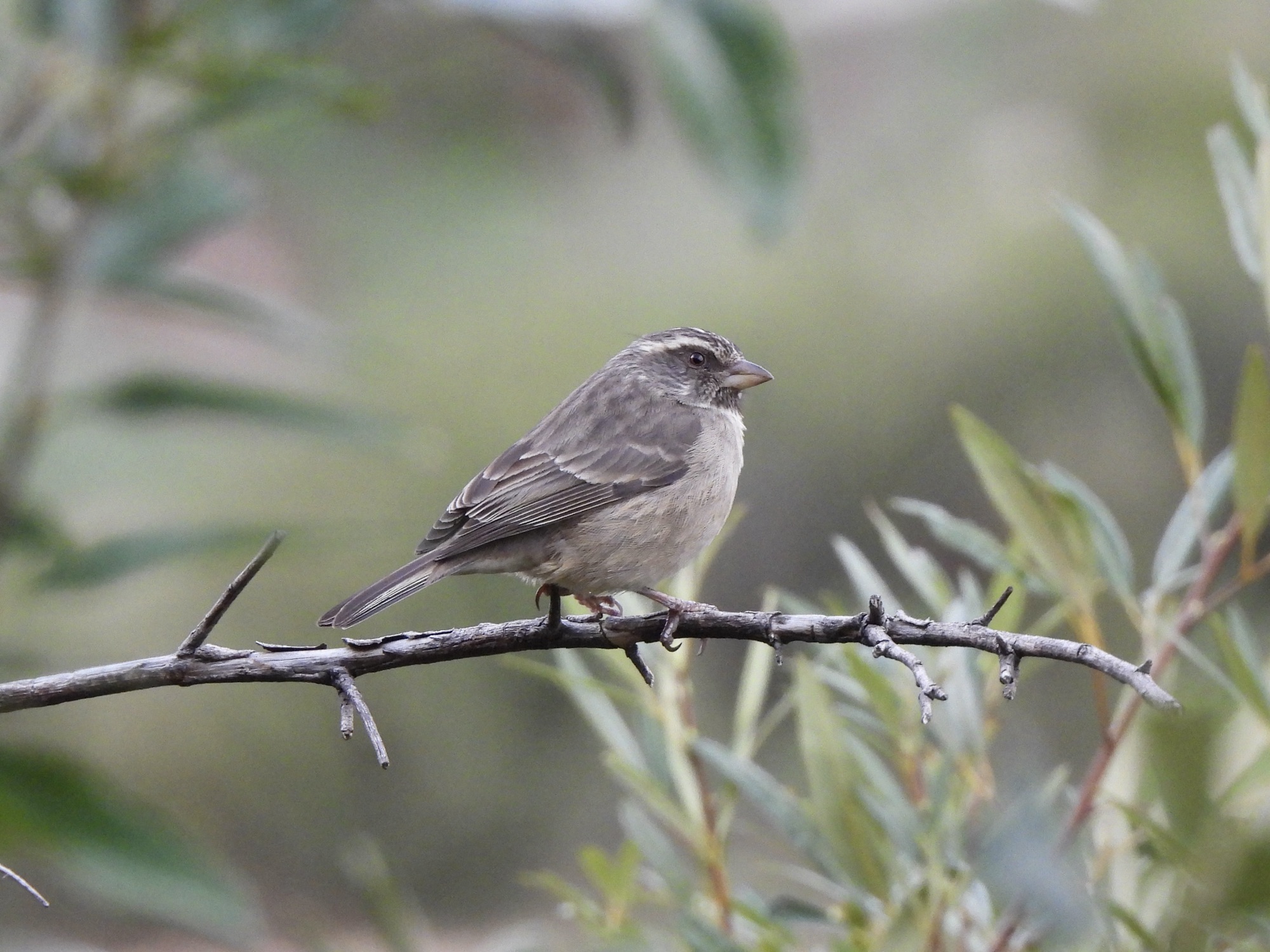
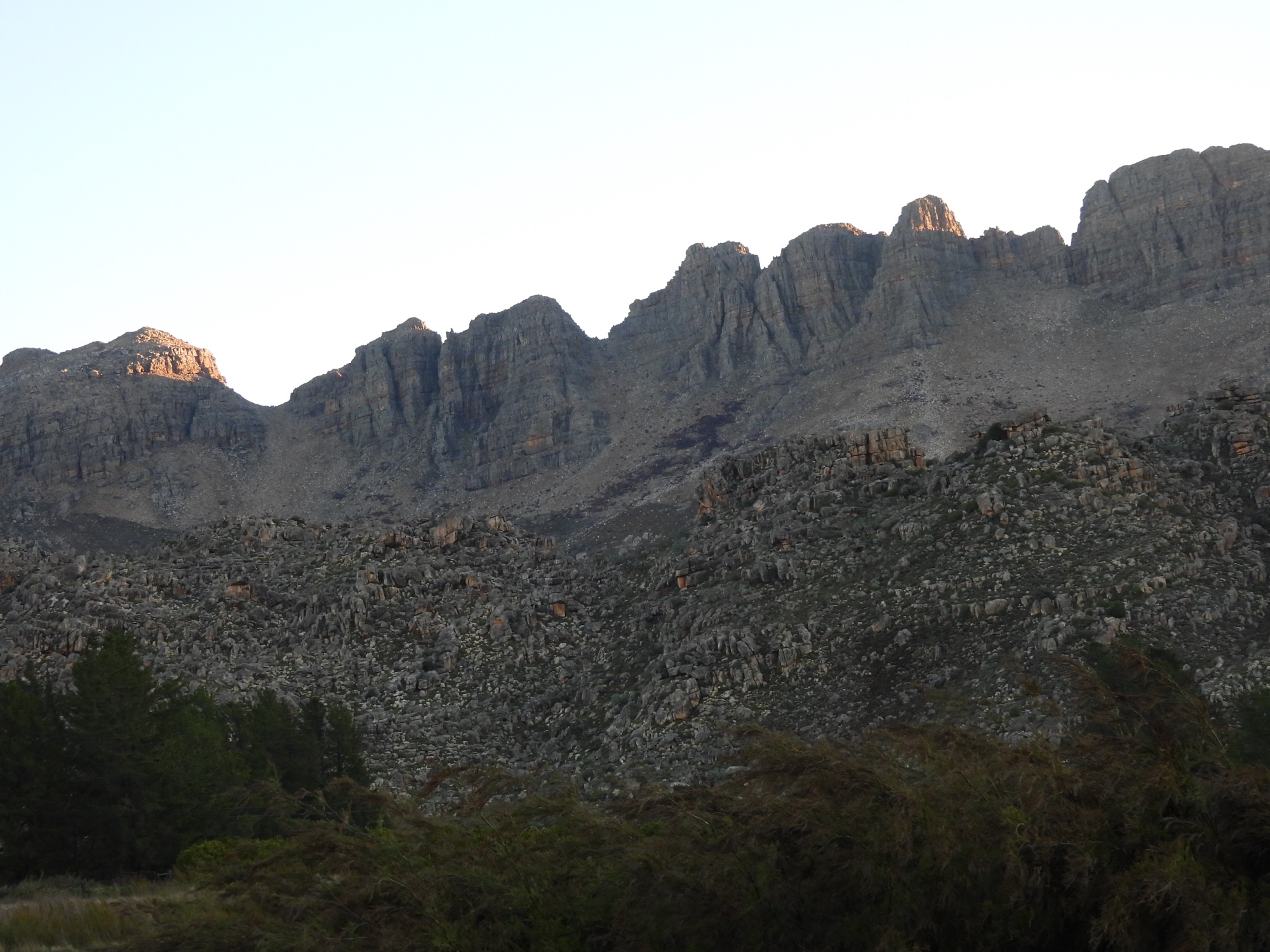
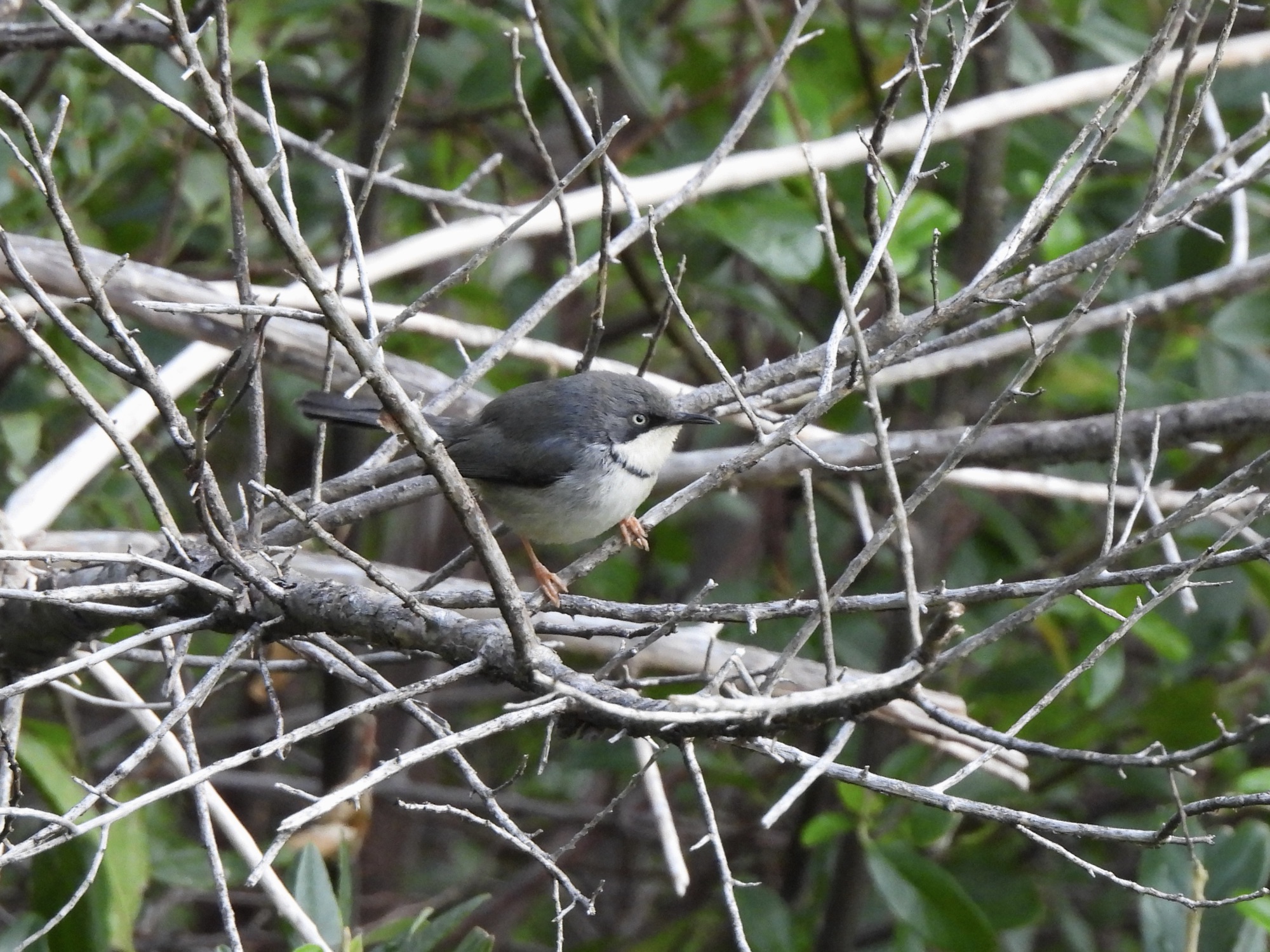
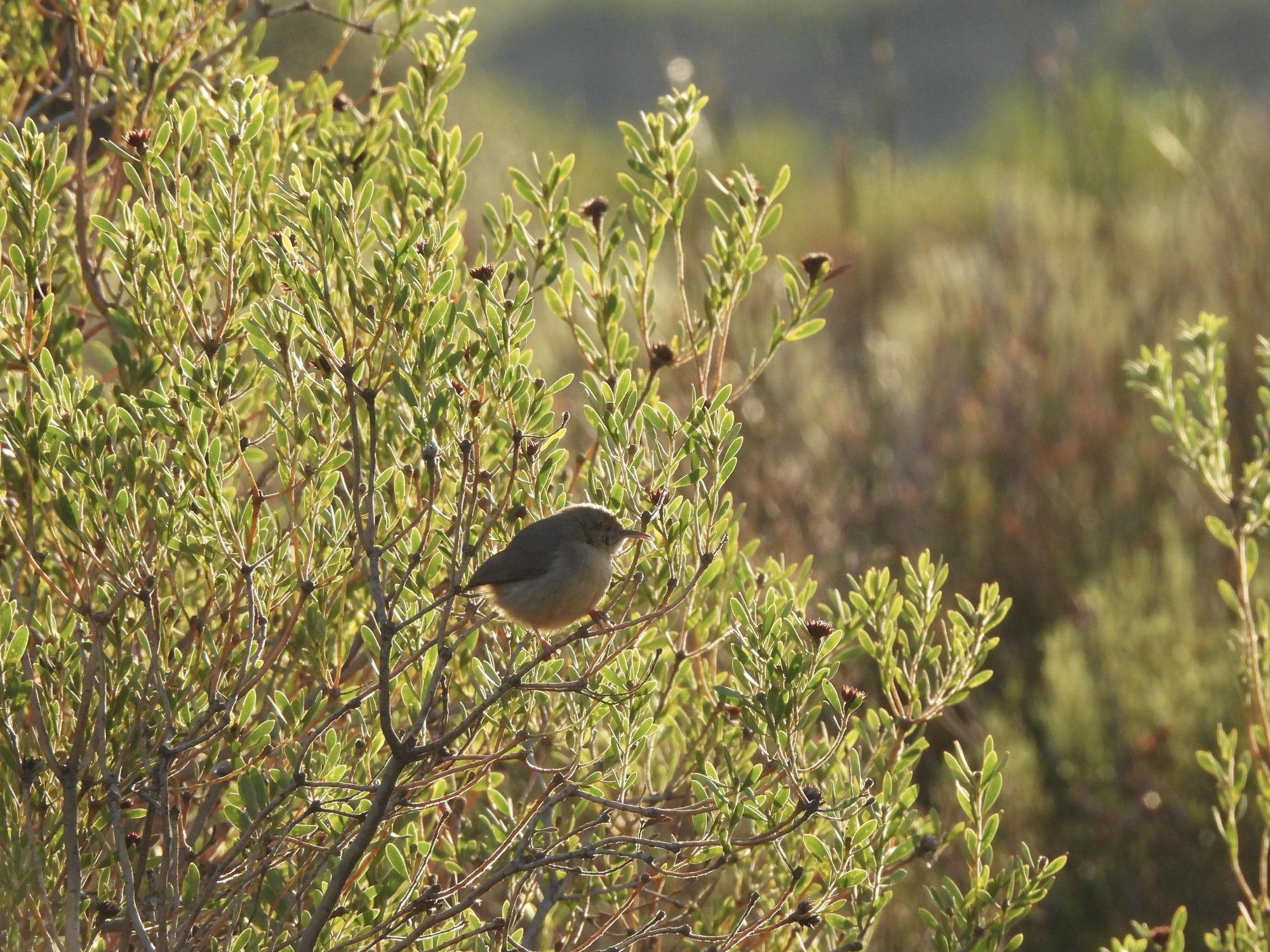
At daybreak in Clanwilliam, the garden produced our first African red-eyed bulbuls. We set off early, hoping to catch up with protea canary during another visit to a fynbos area at Kransvlei Pass. Although we missed it, we noted long-billed crombec, fairy flycatcher, yellow bishop, common waxbill and distant Cape sugarbirds in a river gorge filled with rock hyraxes.
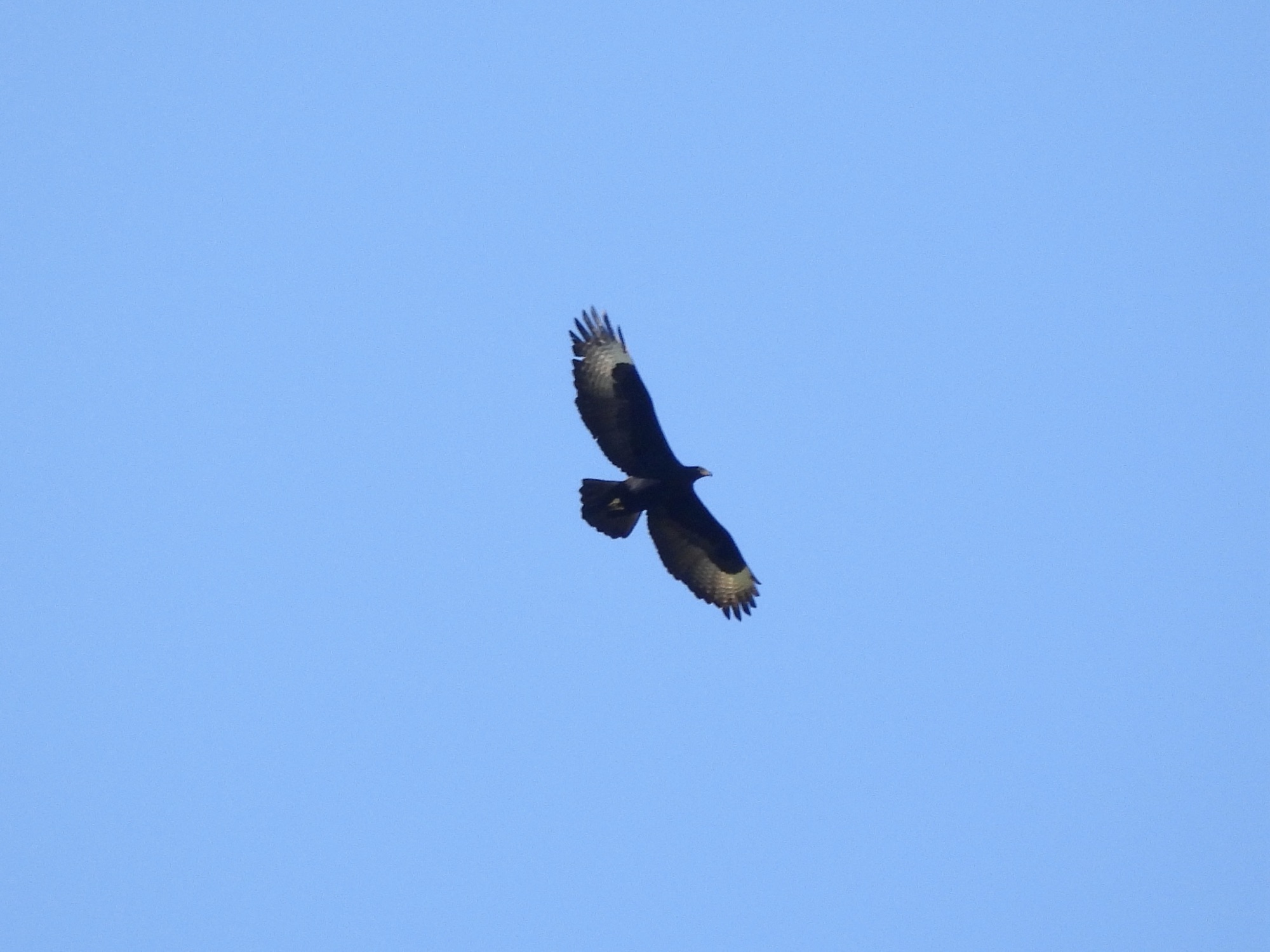
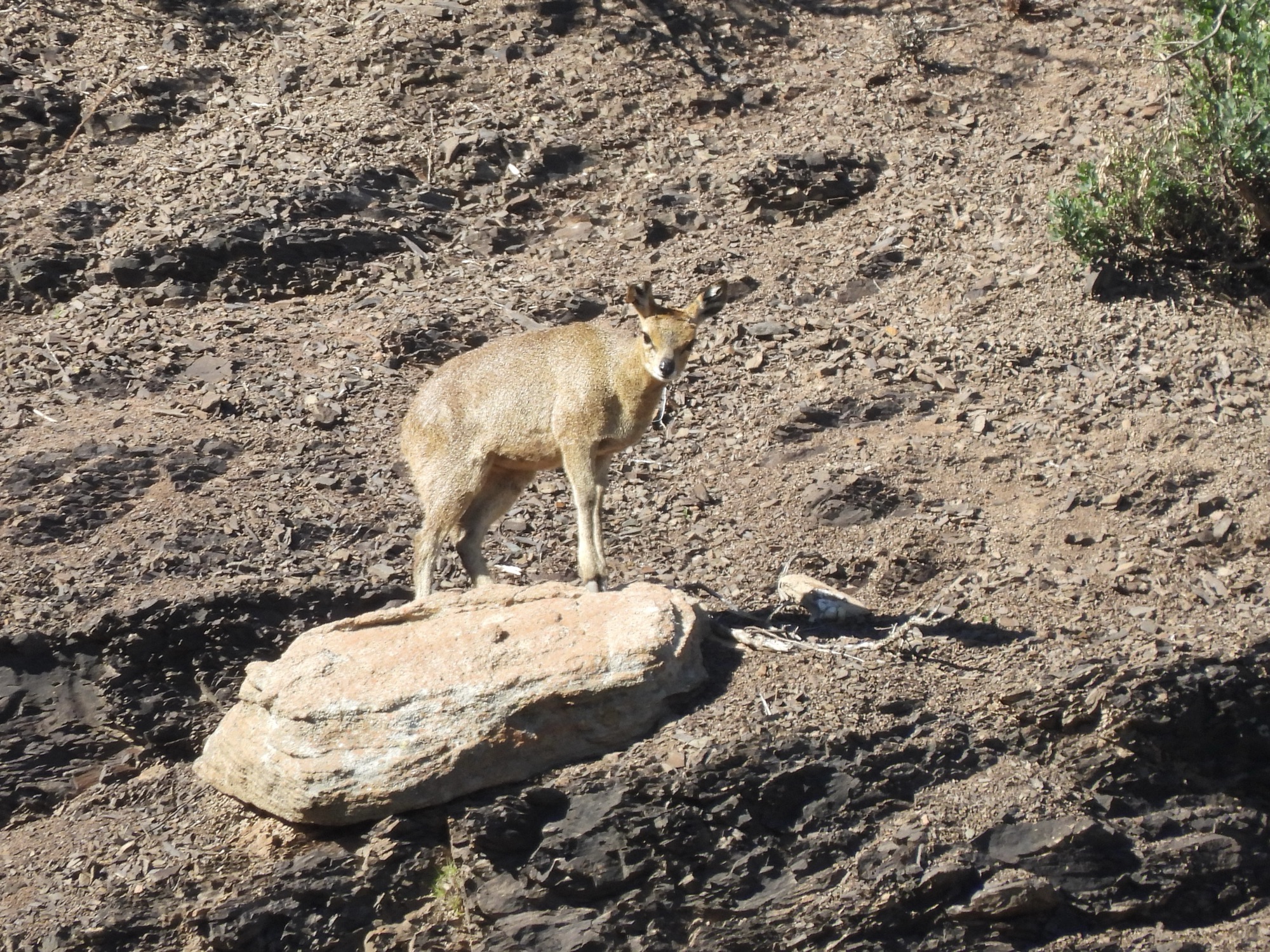
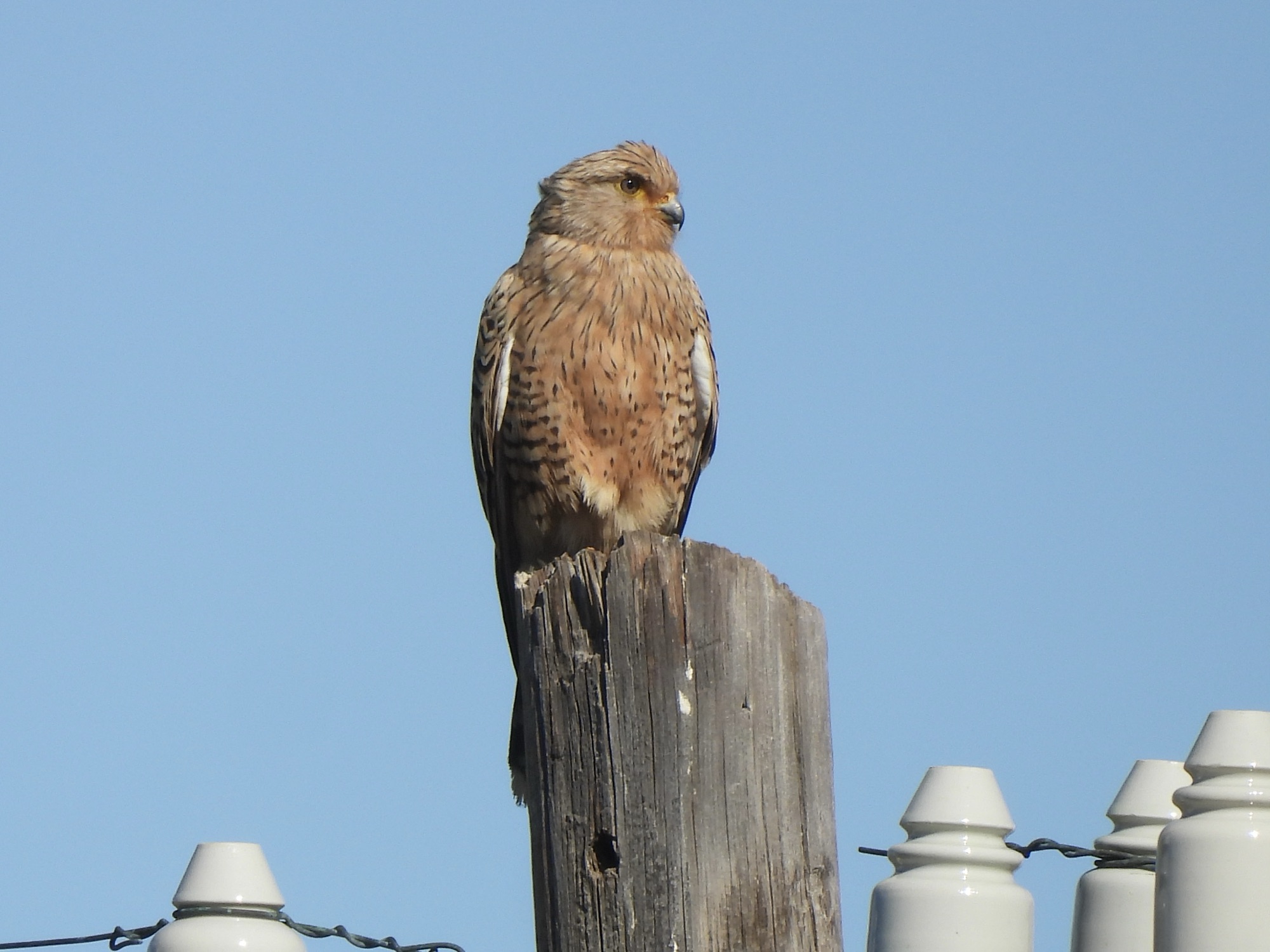
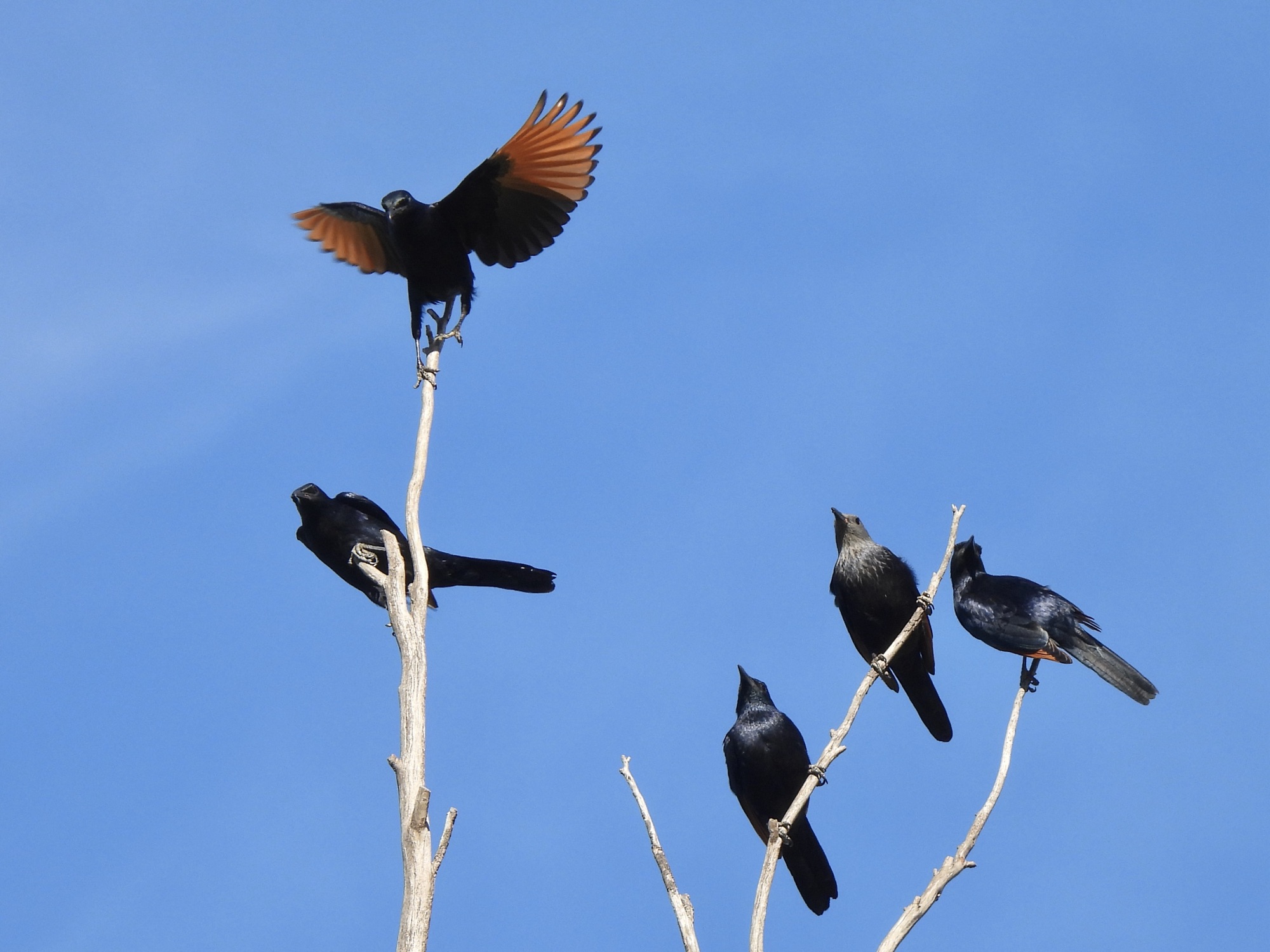
As we headed northeast, the habitat gradually shifted to a more grassland-like Karoo. We enjoyed excellent views of greater kestrels, Cape crows, pale chanting-goshawks and several male red bishops moulting plumage. We drove up onto the vast plateau through a mountain pass, where we had superb views of a pair of Verreaux’s eagles and two klipspringers.
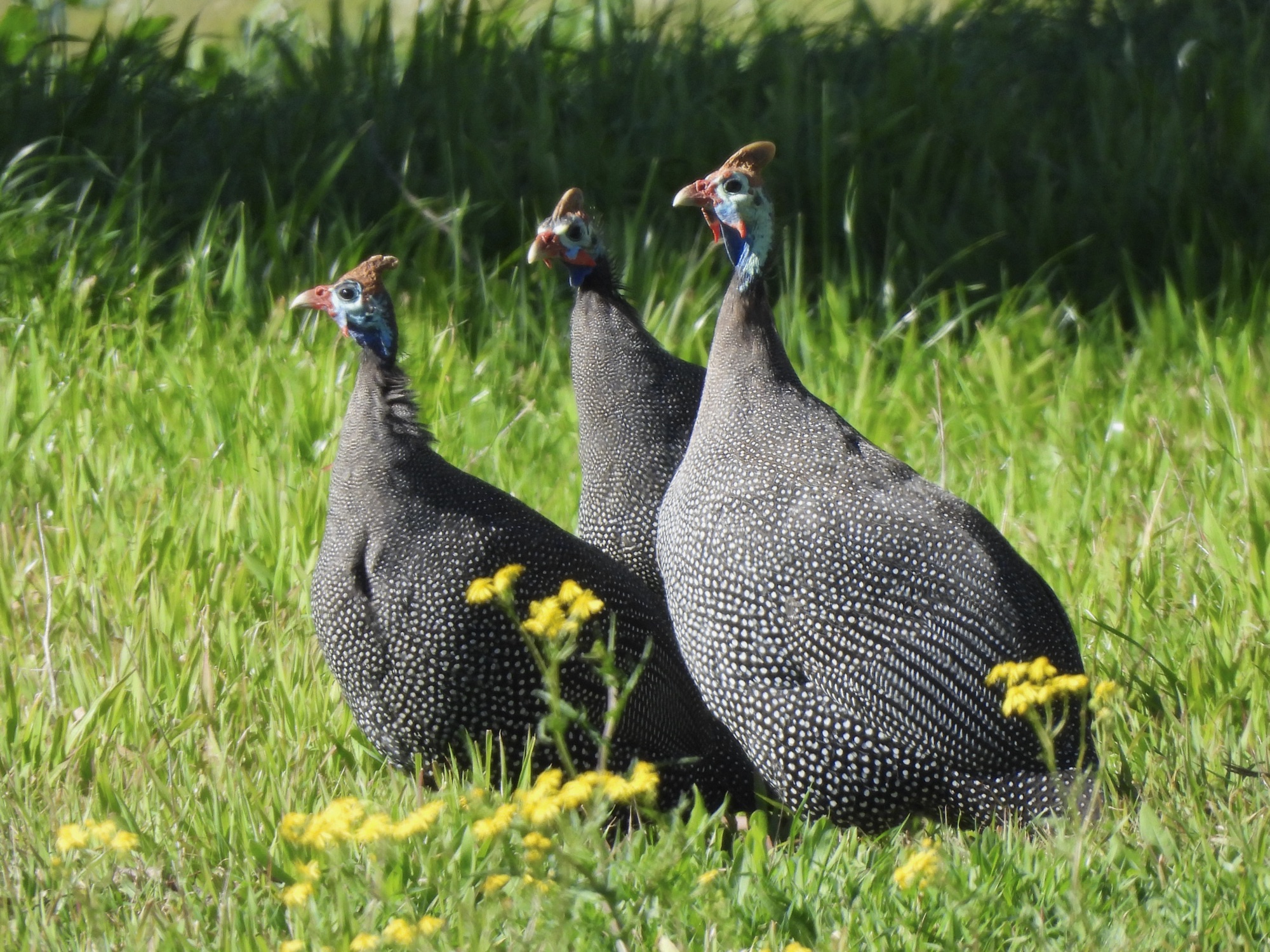
We had planned a stop near Nieuwoudtville to look for several targets. We drove to Hantam Botanic Garden only to find the gate closed, so we stopped for a quick snack surrounded by hadada and sacred ibises and helmeted guineafowl foraging on the lush grass. Luckily, Simphiwe Madlala, the local ranger, turned up, asked us what were we doing and invited us in.
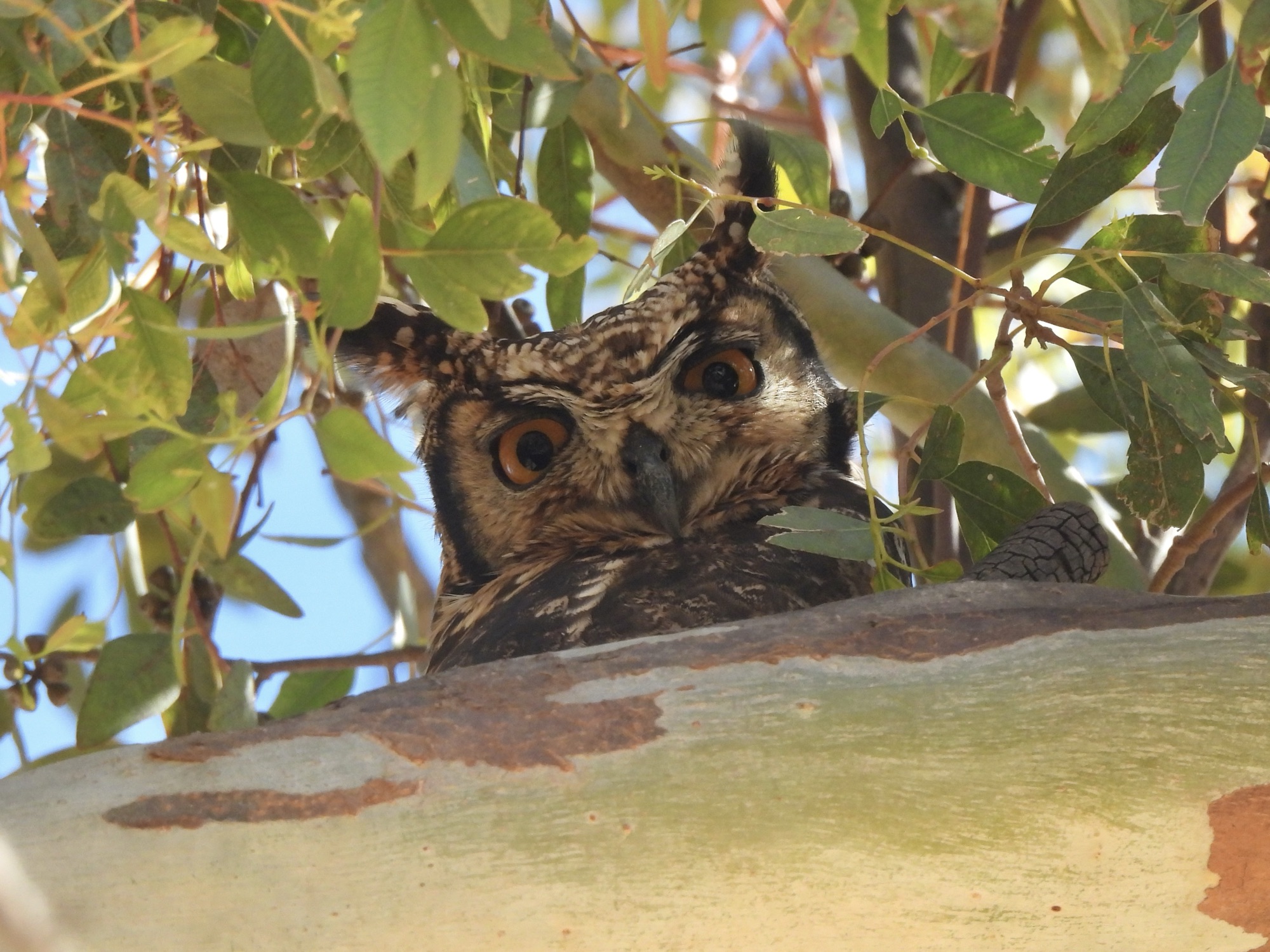
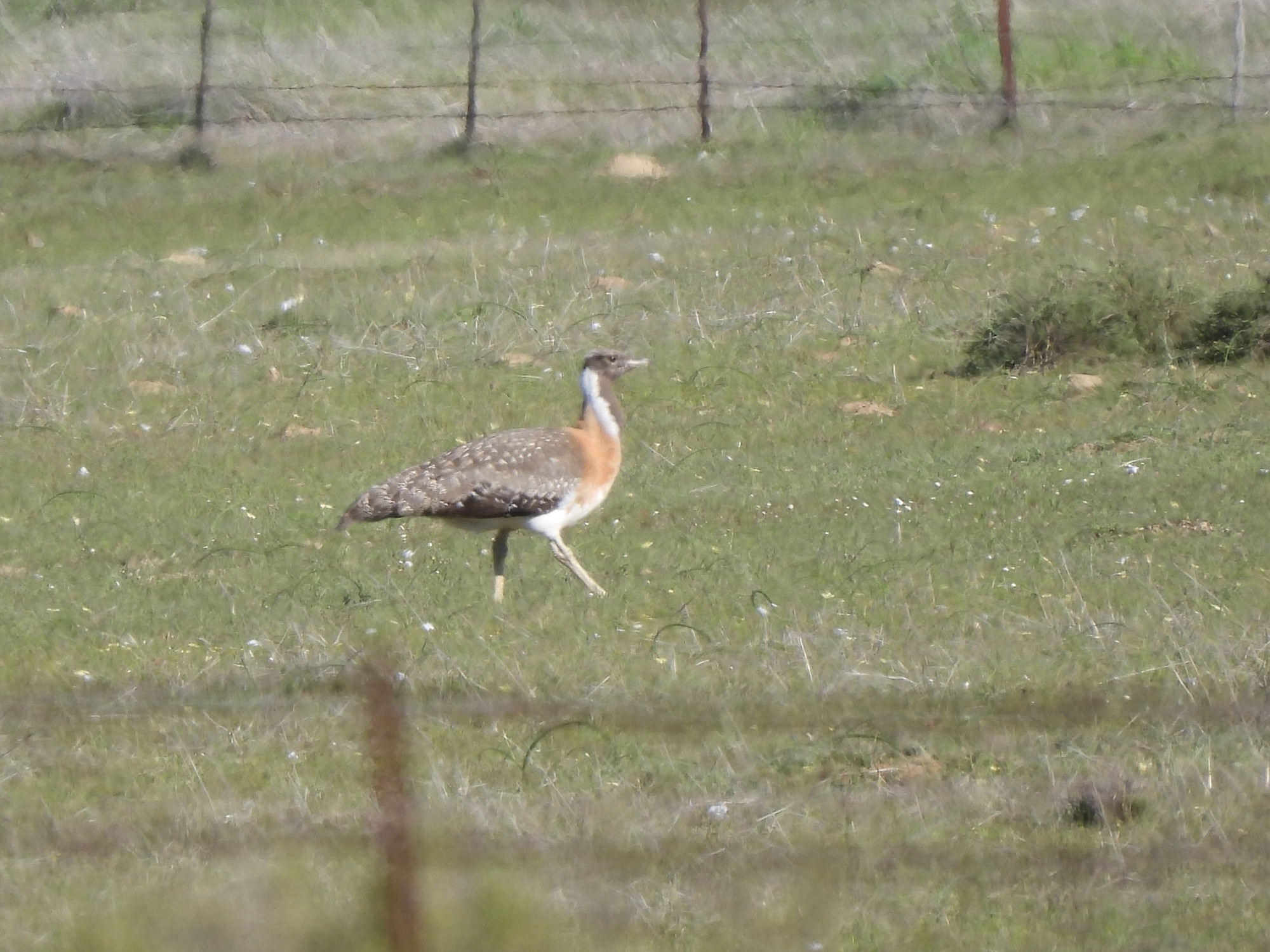
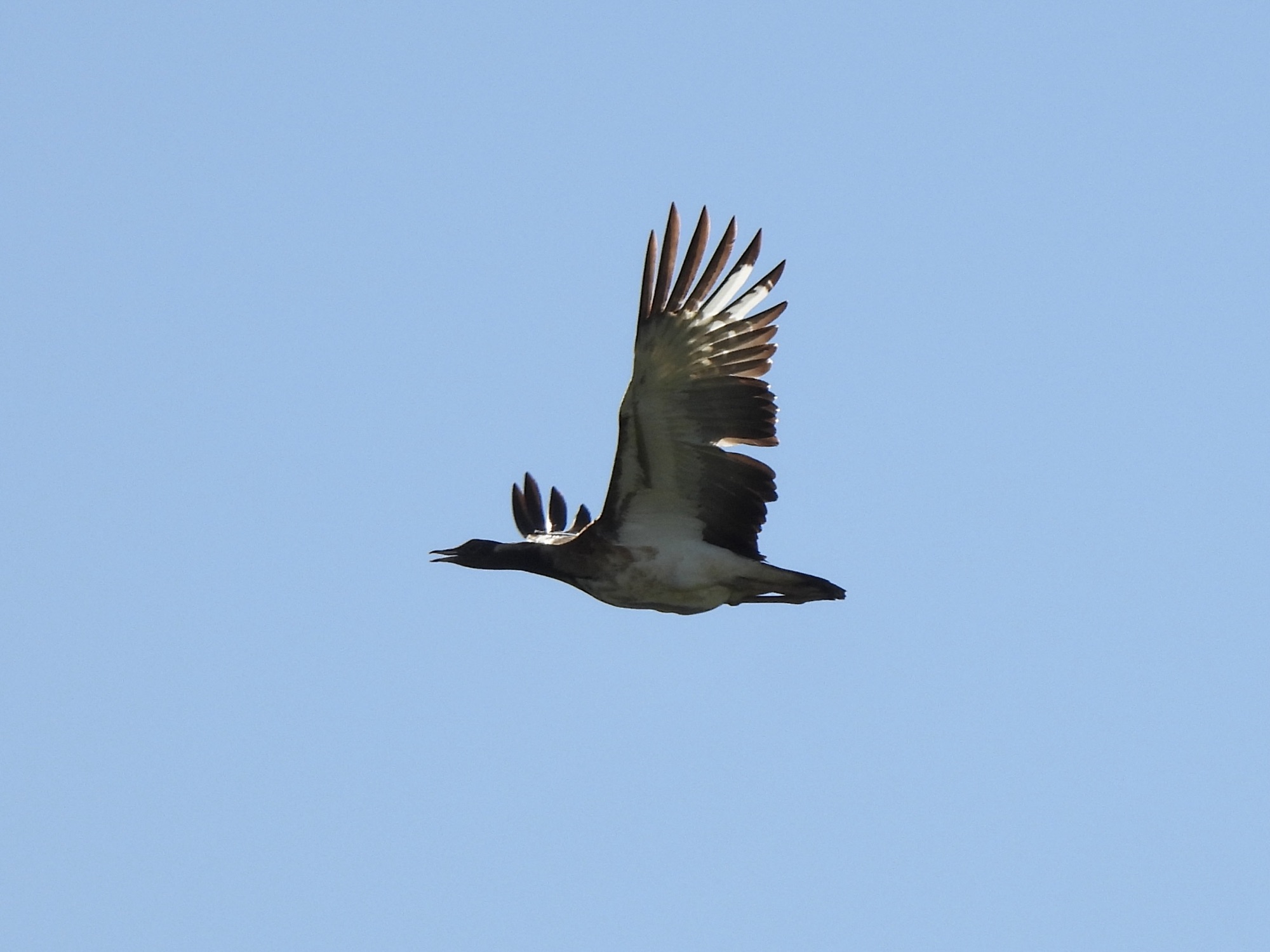
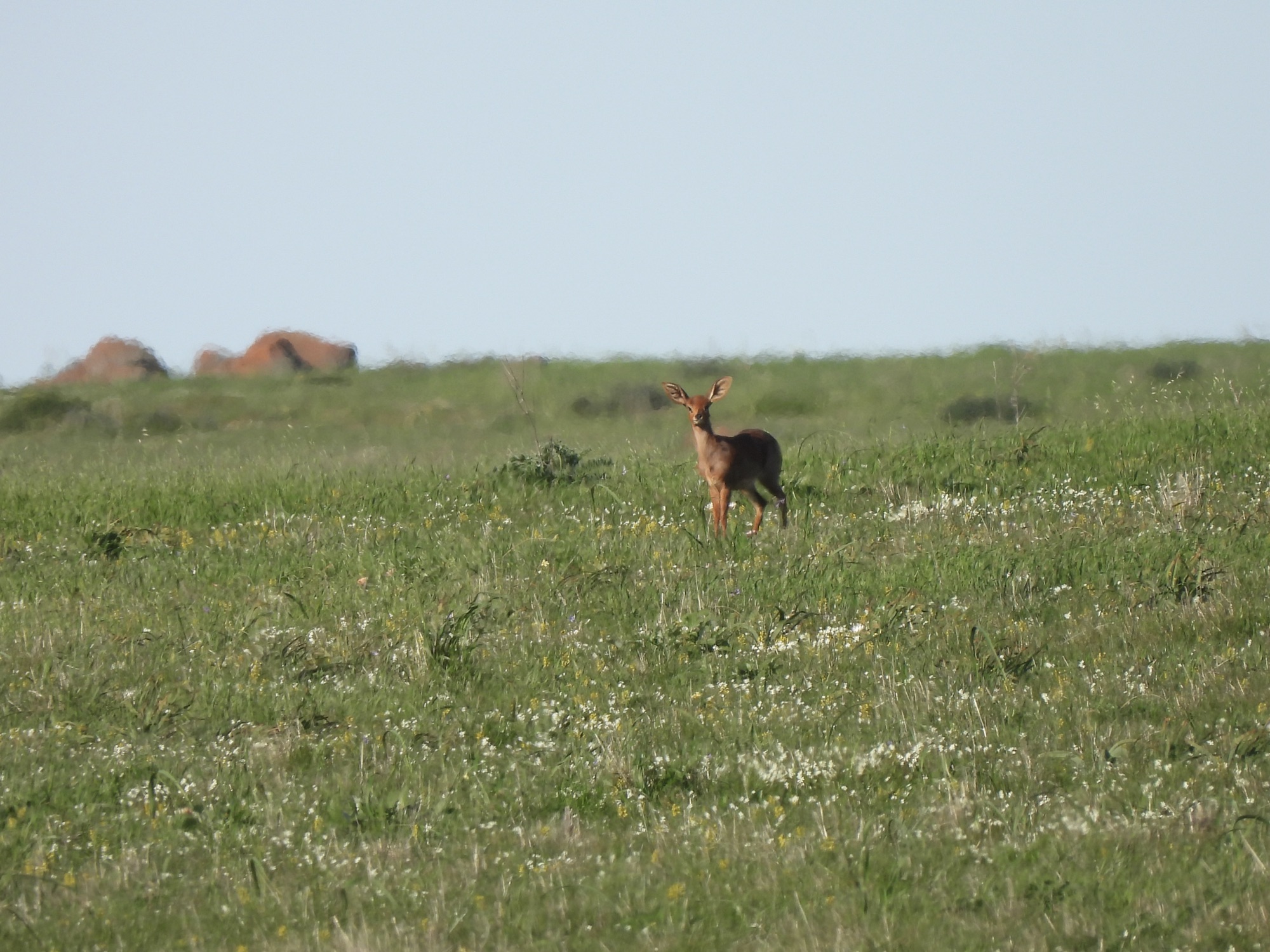
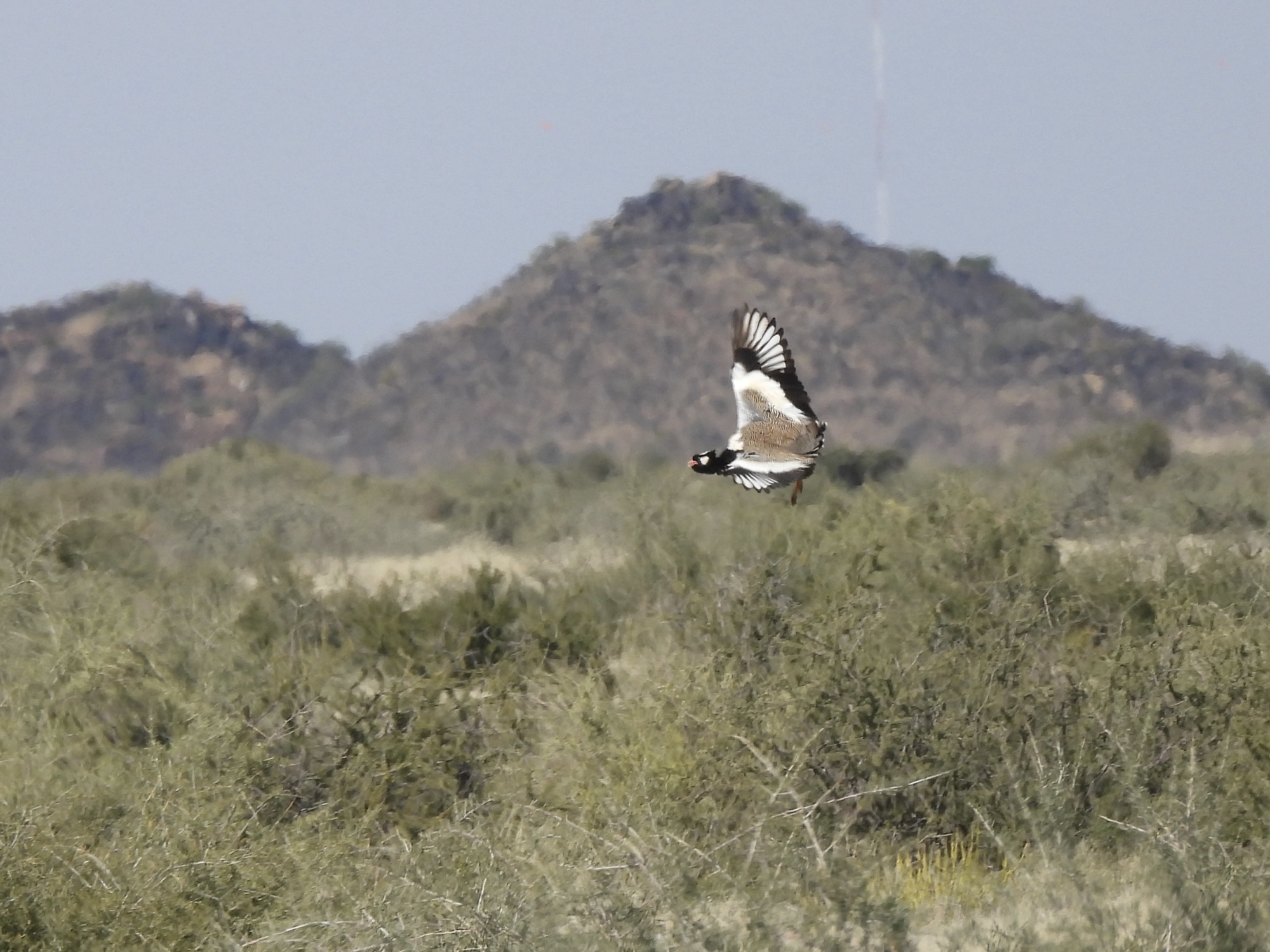
More than a garden, Hantam is a large reserve dedicated to the appreciation of Karoo flora. However, the peak season is August–September, and the reserve remains closed on weekdays for the rest of the year. We explained our objectives to Simphiwe, who kindly offered to take us around the reserve in a safari vehicle. While waiting for him to fetch it, we enjoyed excellent views of a roosting spotted eagle-owl, a flyover martial eagle and our main target of the day: nine endangered and localized Ludwig’s bustards flying right in front of us. Blue cranes also foraged nearby, while steenbok and bat-eared foxes completed the scene.
Simphiwe drove us close to a Ludwig’s bustard that had landed nearby, allowing superb views of this majestic bird. However, his knowledge of the land and its flora stole the show and became the highlight of the day. He showed us several extremely localized endemic plants that were only beginning to bloom. One in particular caught our attention: Romulea monadelpha, a striking red flower endemic to the reserve and its immediate surroundings.
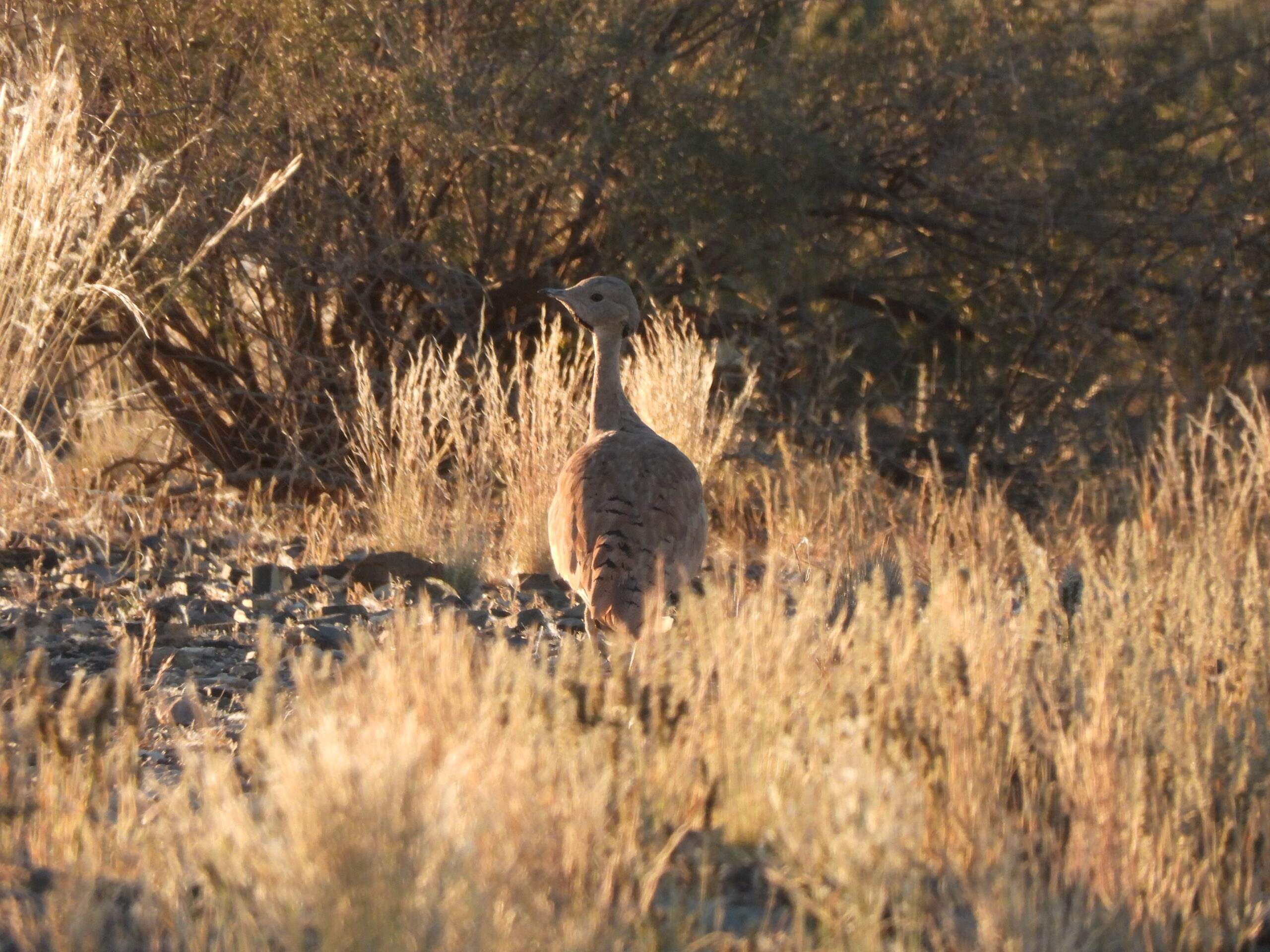
The light of the setting sun accompanied us on the drive towards Brandvlei, rewarding us with a final pair of Karoo korhaans alongside several ostriches and springbok. We checked into a basic accommodation after nightfall.
Sunday 5th July 2026 Larks and nocturnal mammals in the Nama-Karoo
Brandvlei proved to be lark city. Most of our targets in the area belonged to this group. Even the buntings looked like larks: lark-like buntings were abundant throughout the shrublands. We explored two roads in search of several target species.
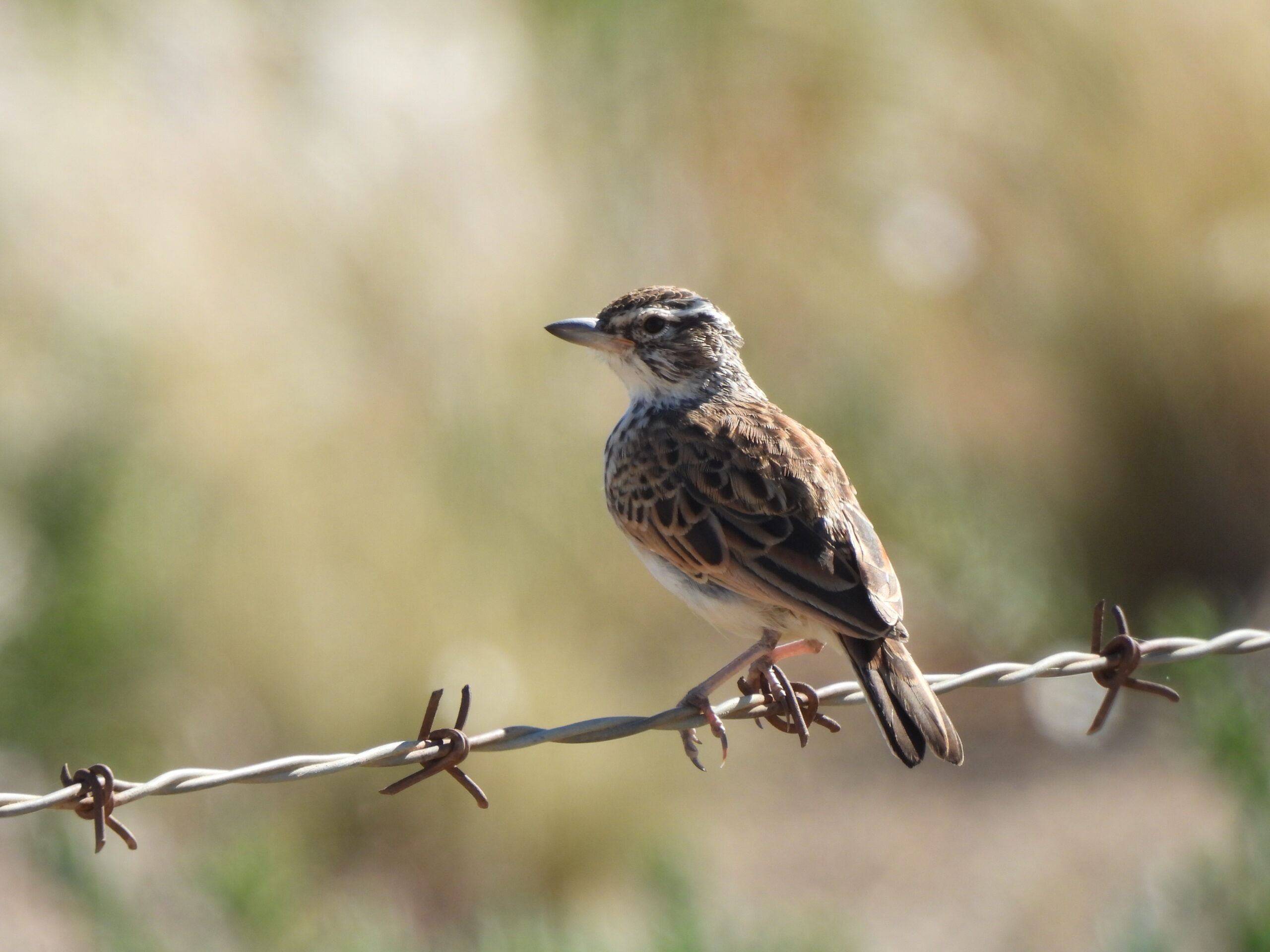
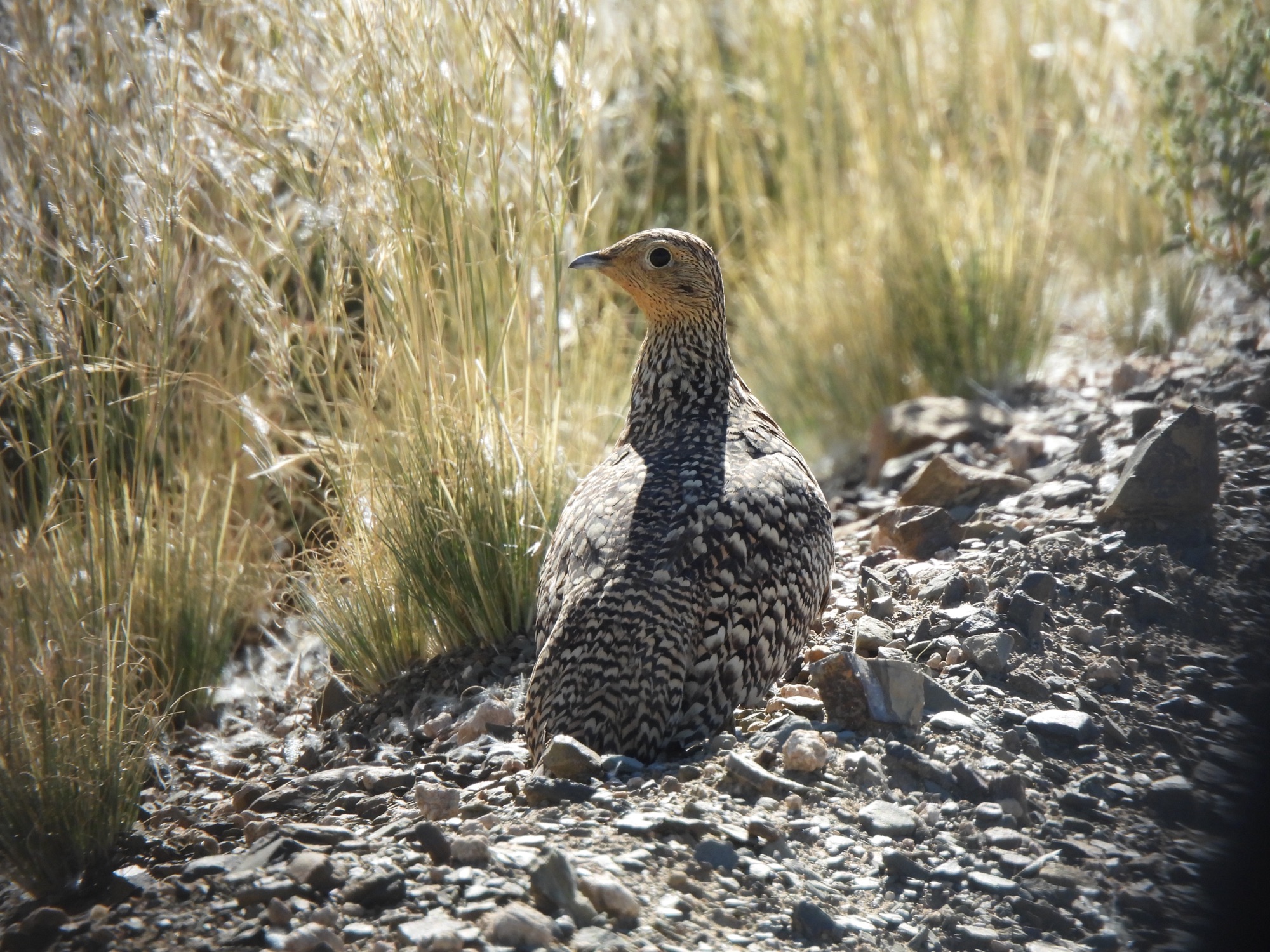
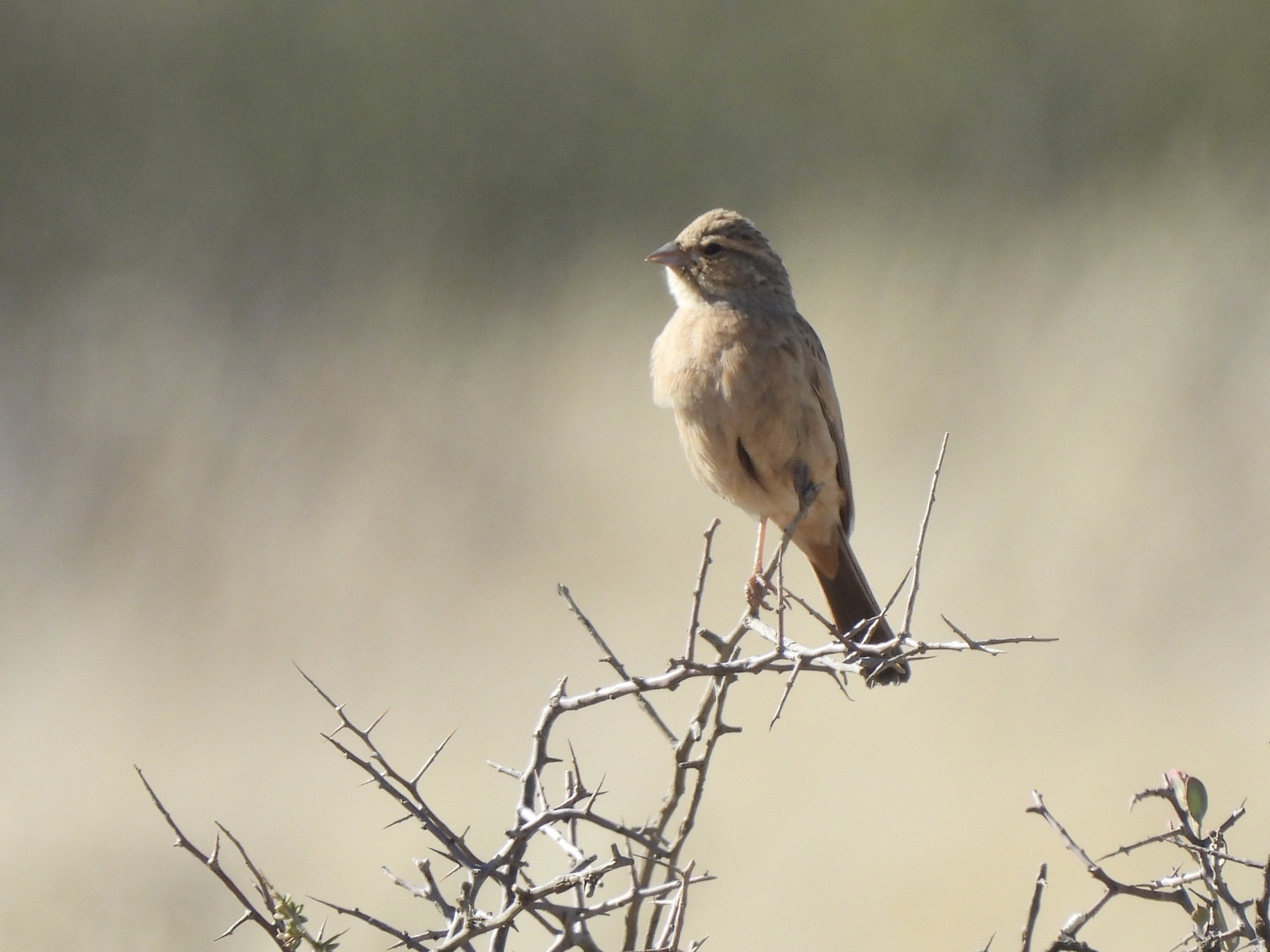
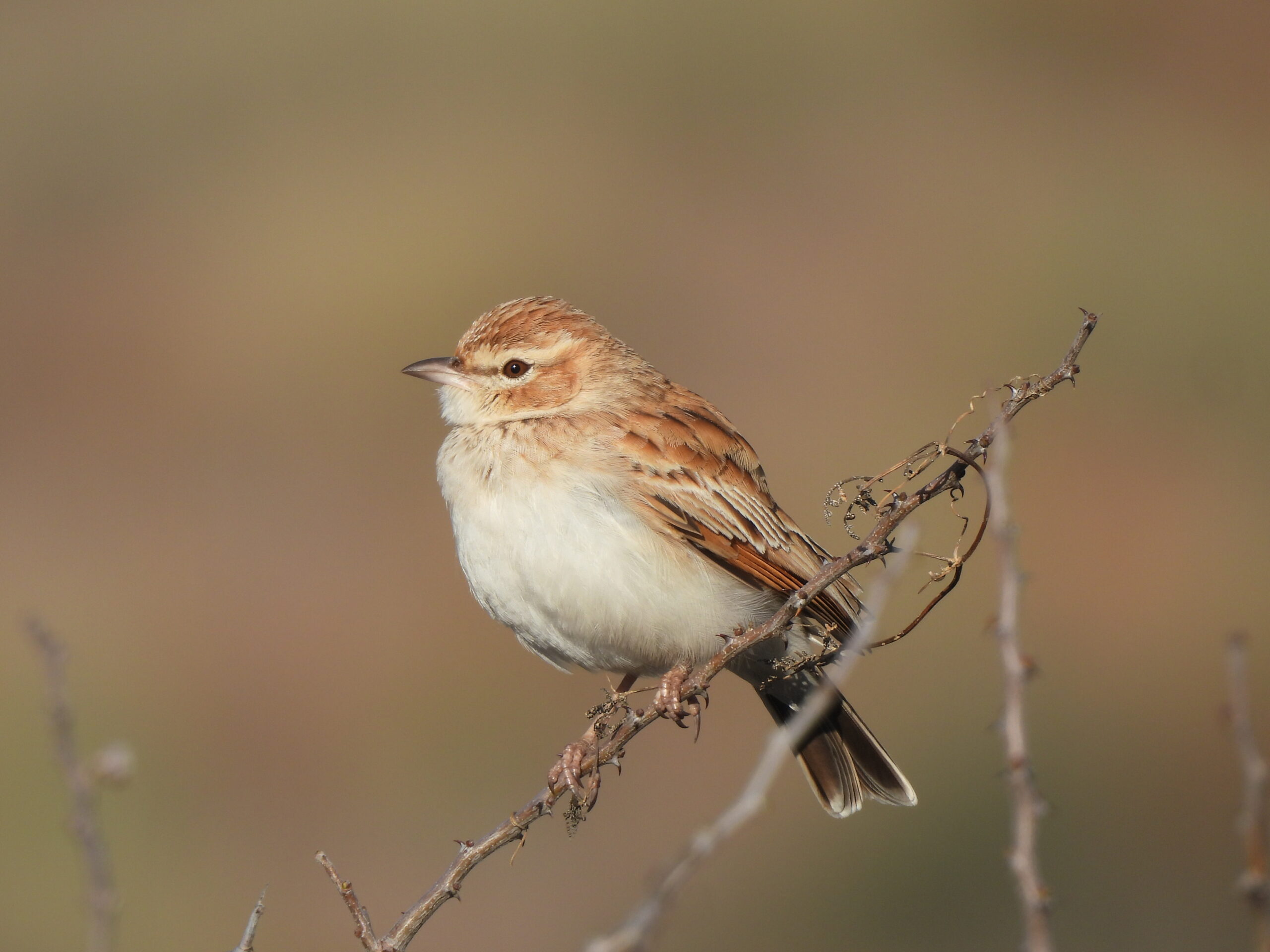
Northeast of town, we managed to locate the extremely localized red lark. Spike-heeled, fawn-colored and Karoo long-billed larks were also present. Large flocks of black-eared and gray-backed sparrow-larks accompanied us throughout the day, as did flyover Namaqua sandgrouse. Among the bushes we found rufous-eared warblers, yellow-vented eremomelas, chat flycatchers and Karoo chats. Finally, we located a red lark sitting on a bush between the fence and the road.
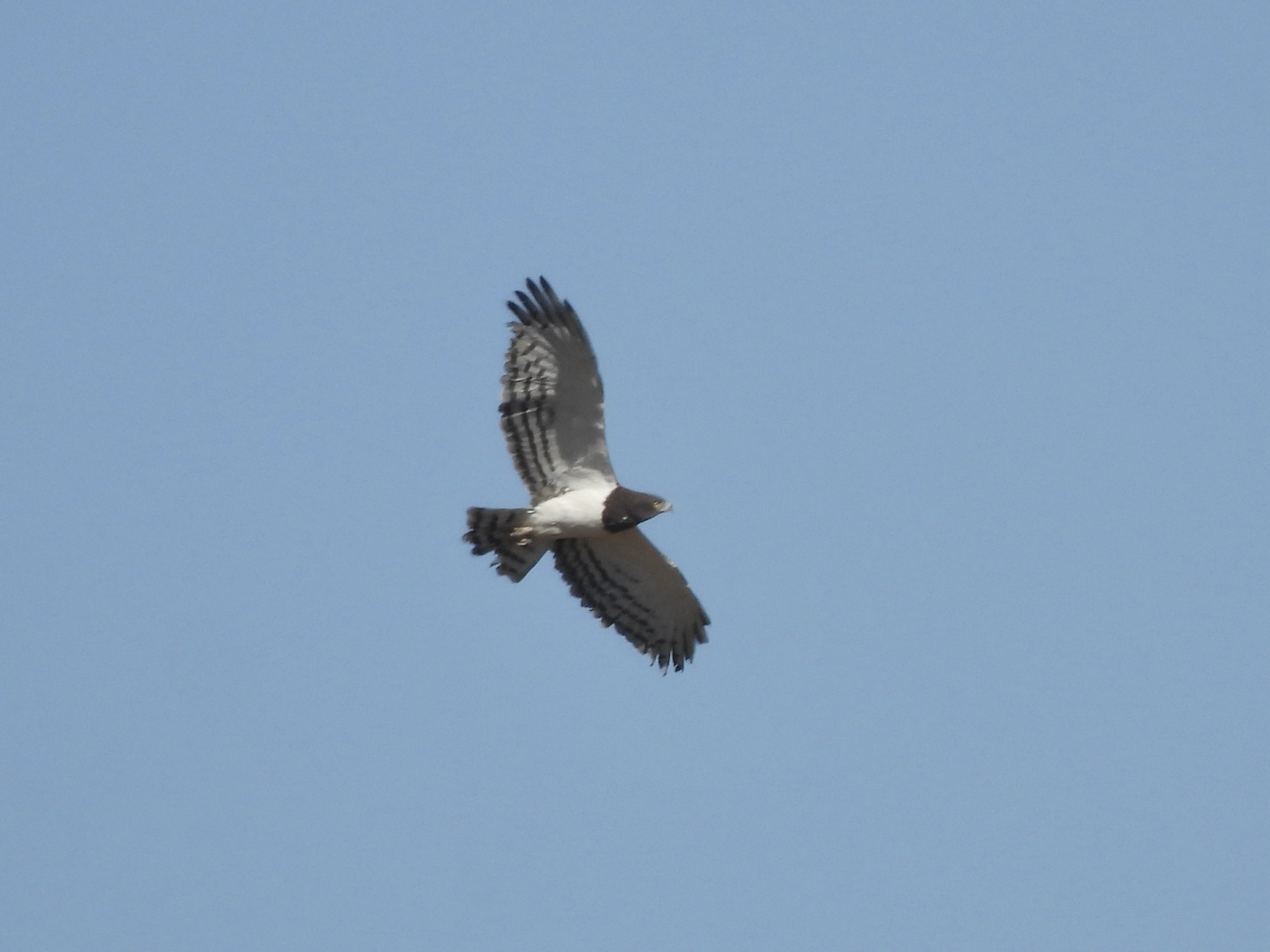
Later, northwest of town, we searched for Sclater’s lark without success. These rare nomadic larks are usually found drinking at puddles — instead, we found black-headed canaries drinking. We also added sabota lark, chestnut-vented warbler, mountain chat and three fantastic double-banded coursers. We attempted to leave Brandvlei northwards along the gravel road but found it blocked by a river, forcing us to backtrack to the highway. While doing so, we apparently reached the right latitude for weavers and passed through the first of many colonies of scaly-feathered and social weavers, together with red-headed finches and a flyover black-chested snake-eagle.
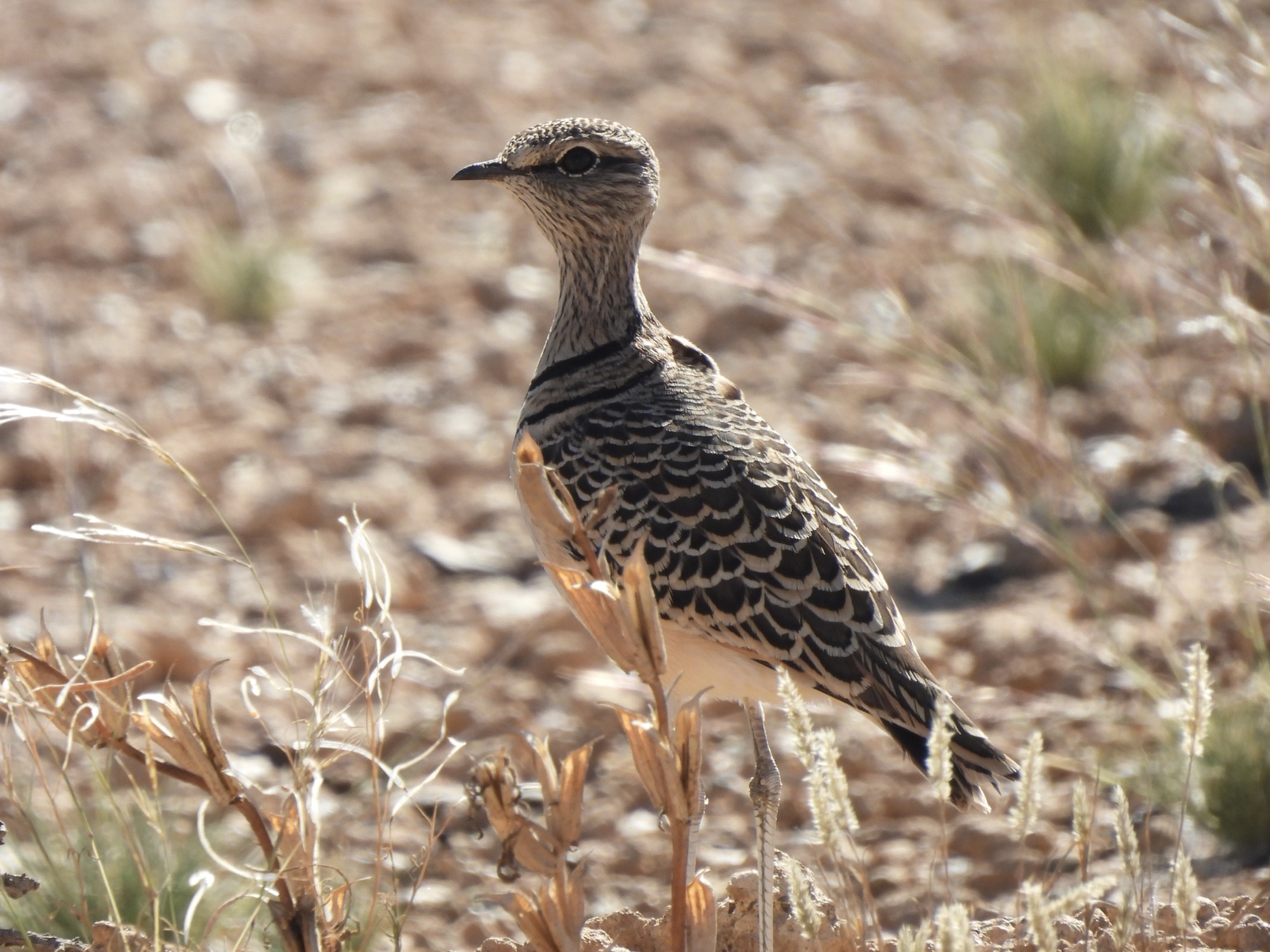
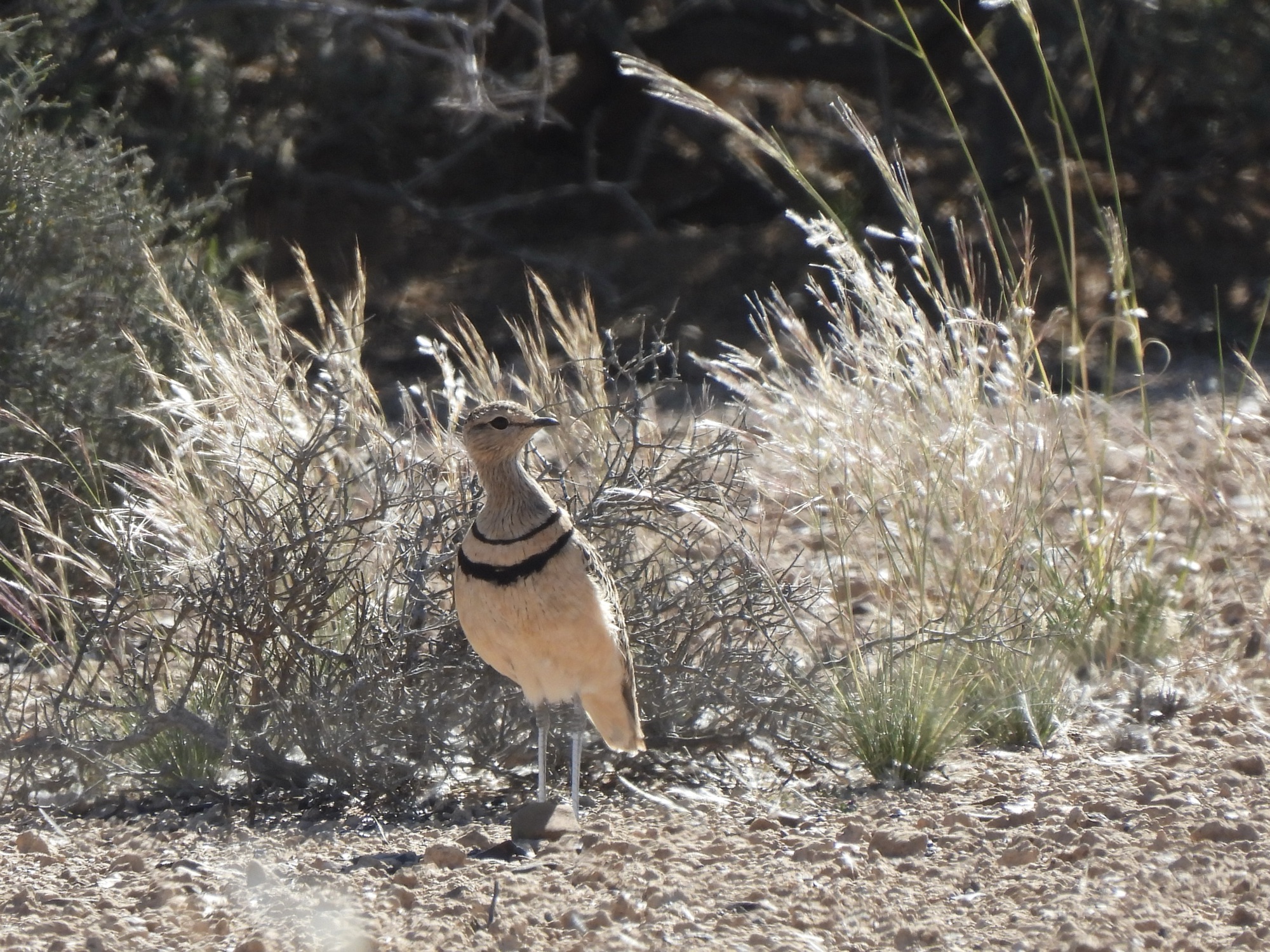
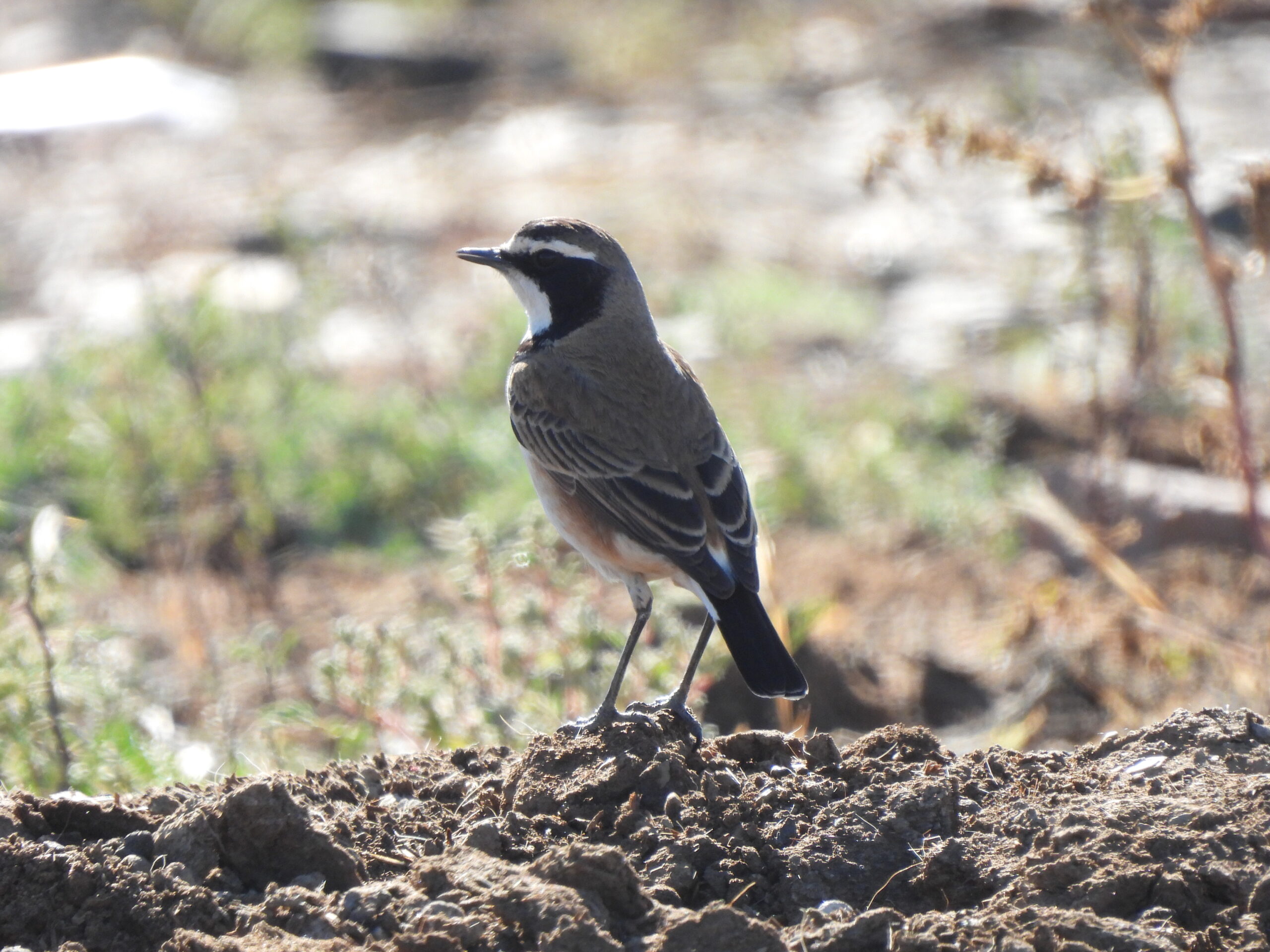
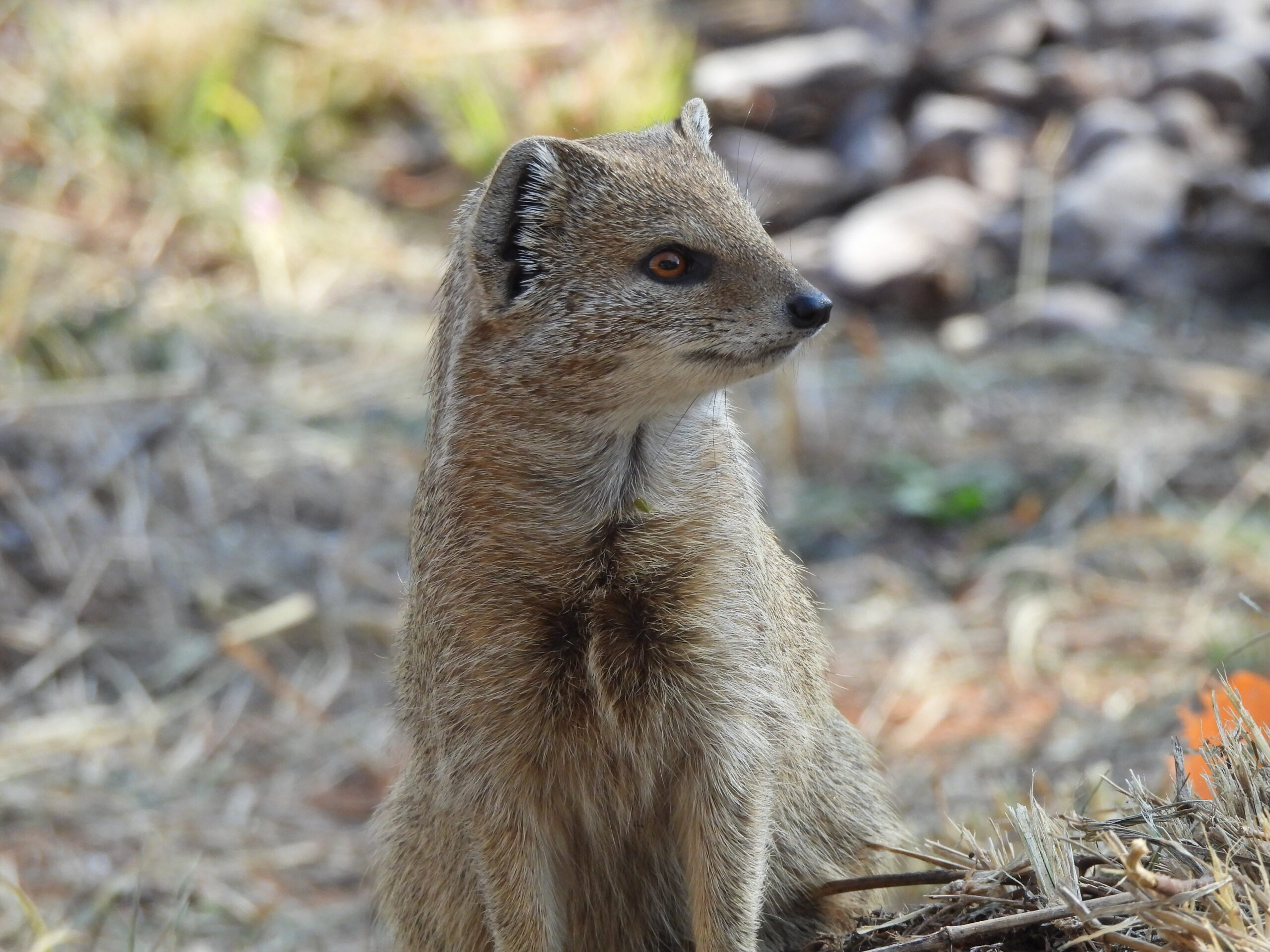
Once again, we found ourselves driving late into the night, this time towards Pofadder along a long shortcut gravel road. We encountered several mammals crossing the road in the dark, including several steenbok and Cape hares, our first yellow mongoose and African wildcat, a Cape fox and a stunning aardwolf just a few kilometres from town.
Sunrise on the way to Kgalagadi Transfrontier Park, 7 Jul 2026
Monday 6th July 2026 Orange River and Kalahari
After the coldest night of our trip, we checked out of our basic accommodation in Brandvlei and got back on the road. Although we had initially planned to visit Koa Dunes, having already secured the rare red lark the previous day meant we headed instead for Onseepkans, a small town on the Orange River at the Namibian border.
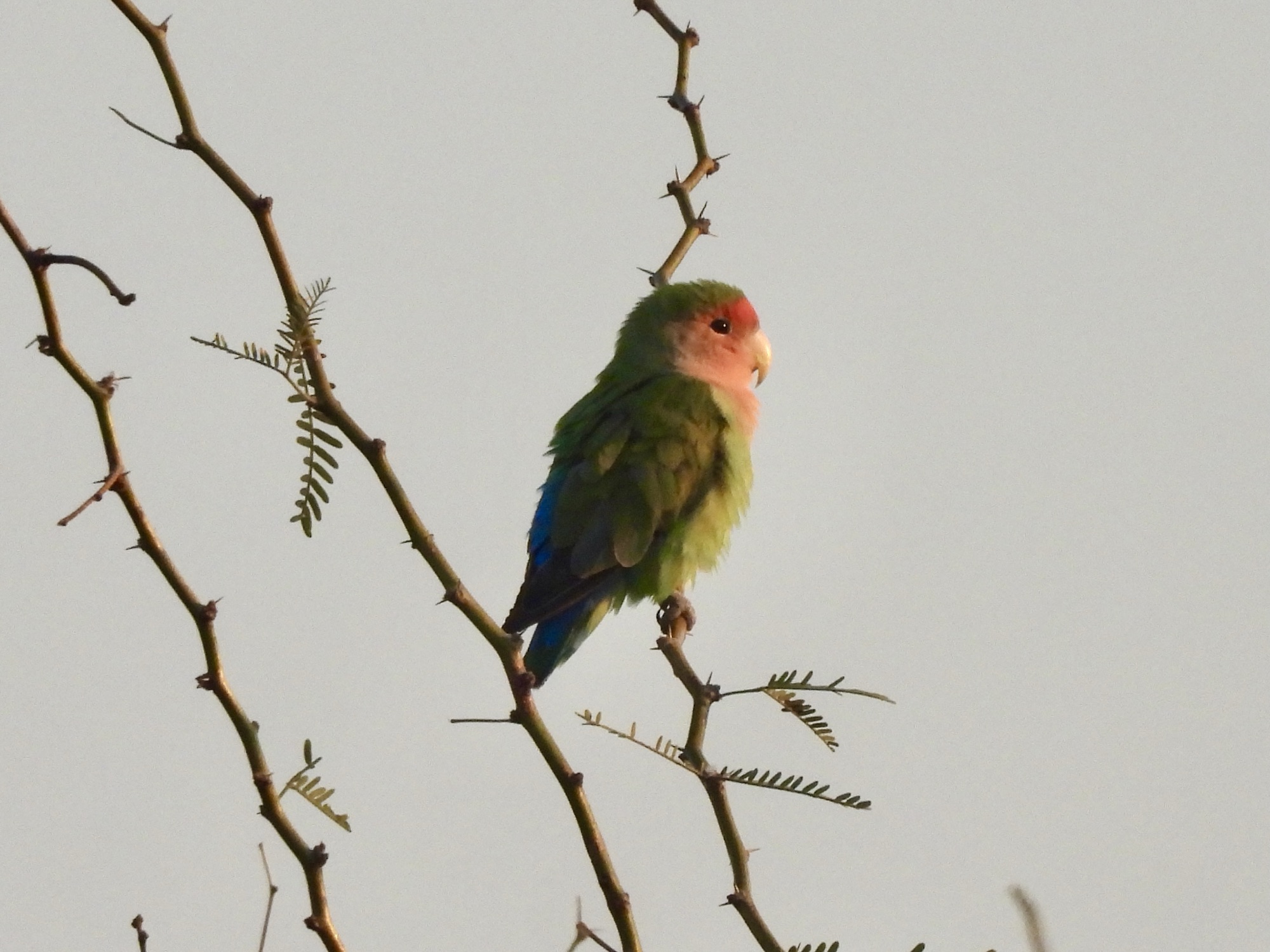
The sun rose just as we reached Onseepkans. We stopped at a fenced agricultural field on the outskirts of town, where we immediately noticed plenty of bird activity from the car. Along with numerous African red-eyed bulbuls, southern grey-headed sparrows and Cape sparrows, we quickly secured our target, the localized rosy-faced lovebird. Orange River white-eyes, African pied wagtails, acacia pied barbets, common hoopoes and black-chested prinias were also present, together with numerous palm swifts. We also encountered the first vervet monkeys of the trip.
We left Onseepkans early and crossed vast stretches of dry open savanna. Close to town, we found our first pygmy falcons and dusky sunbirds. Several fuel and food stops in settlements along the Orange River provided more vegetated habitat, where we noted African fish eagle and hamerkop. Further north, a brief stop to admire our first white-backed vultures and Kori bustards also produced the only pink-billed larks of the trip.
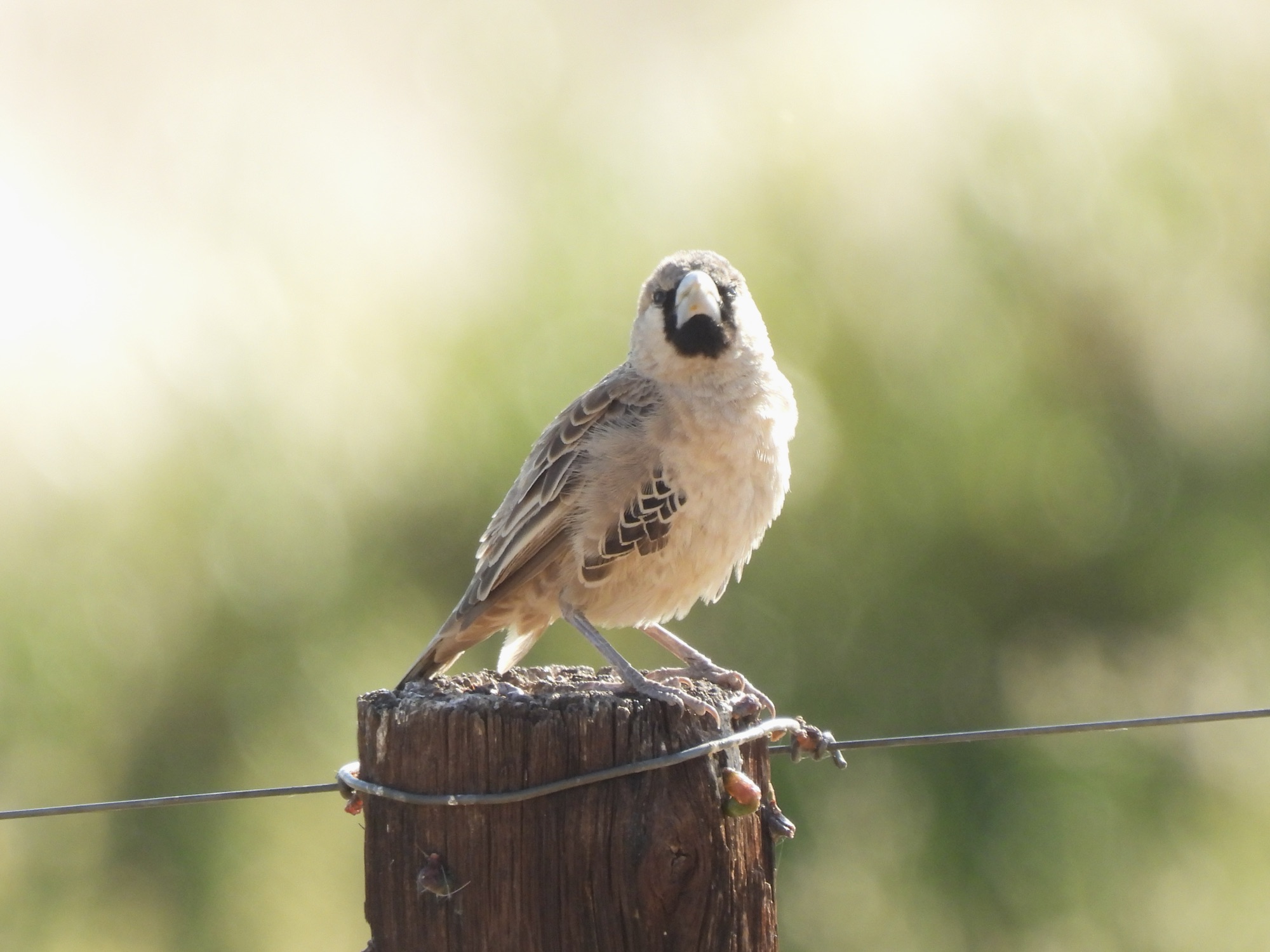
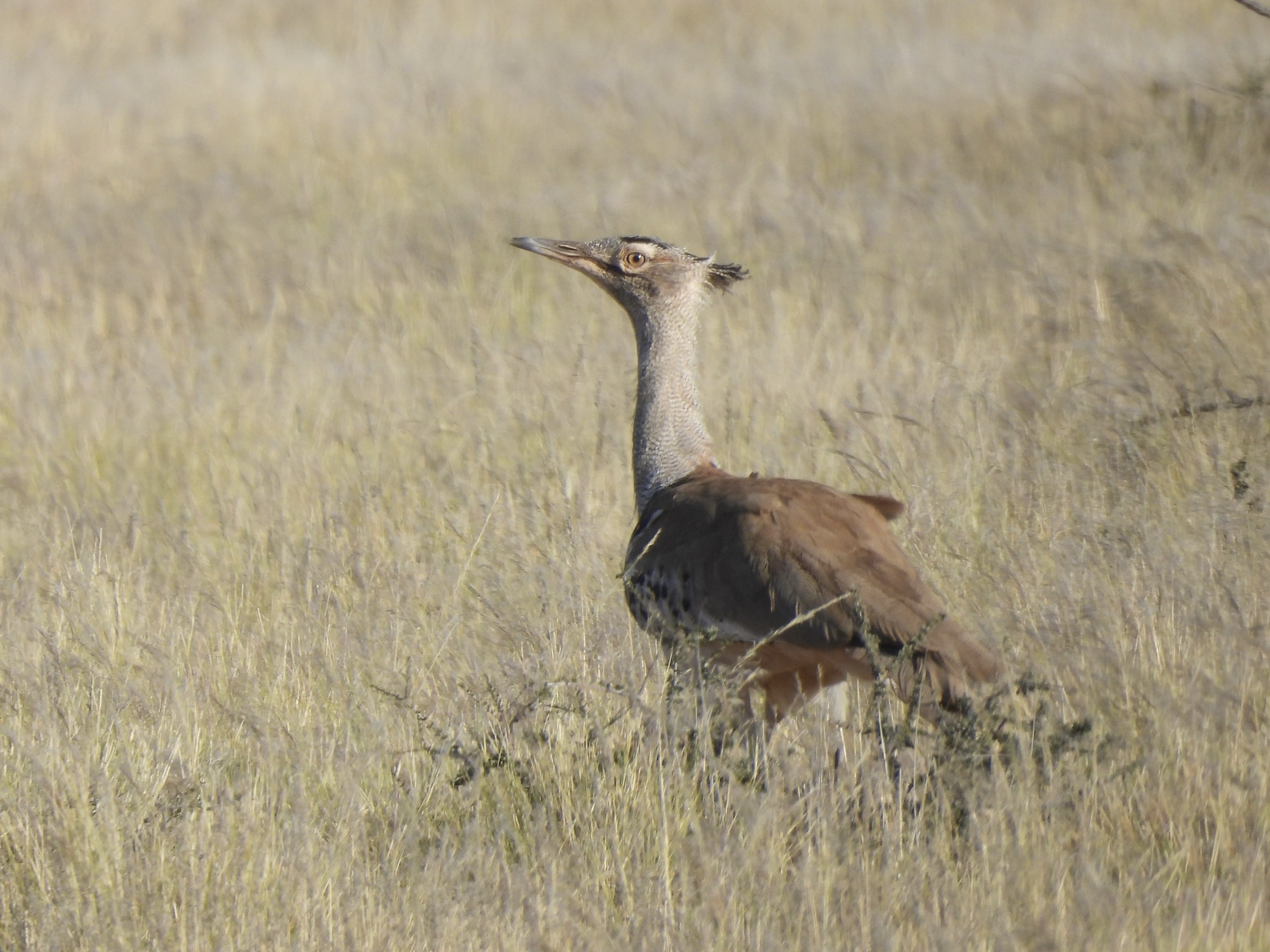
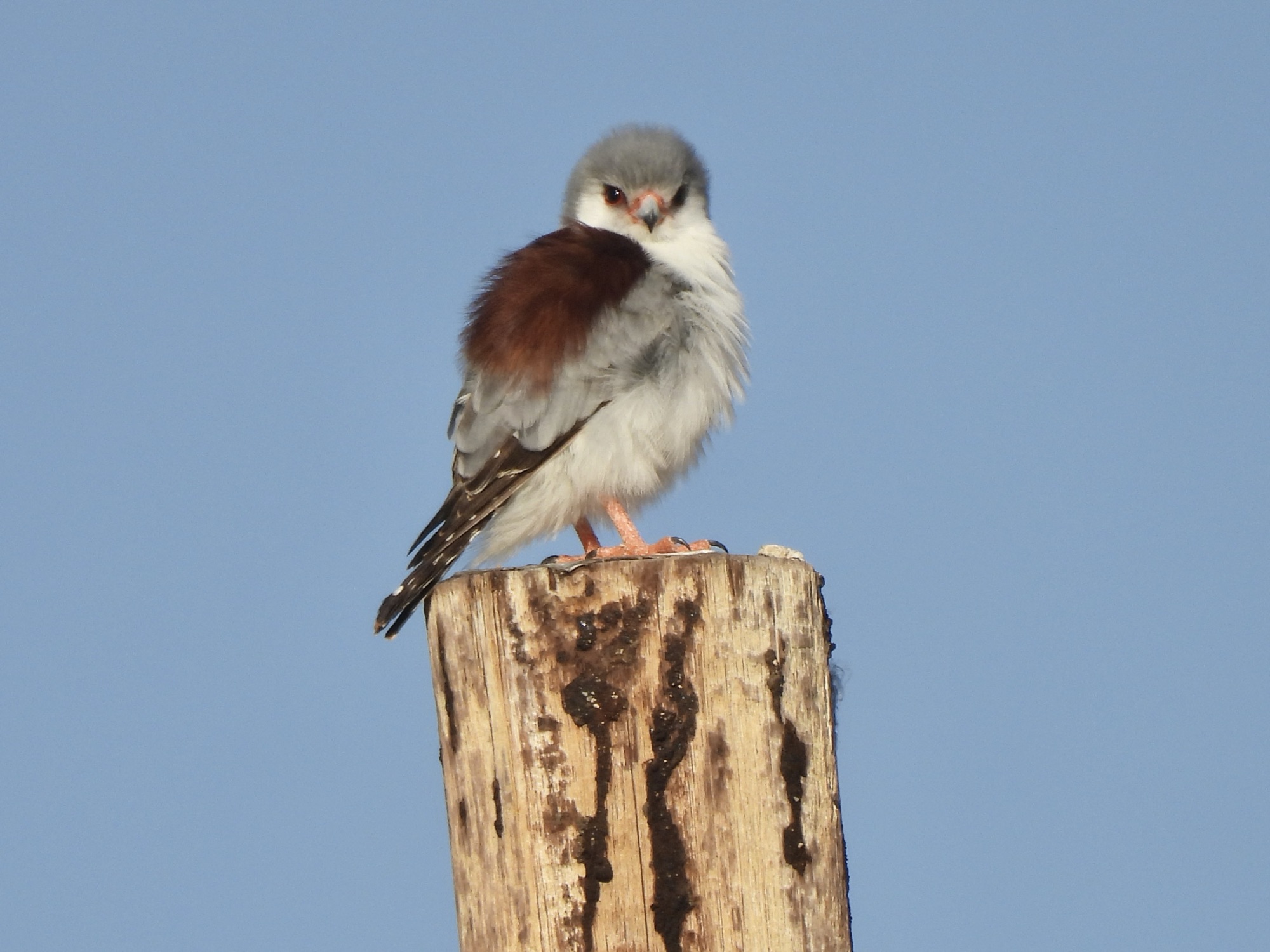
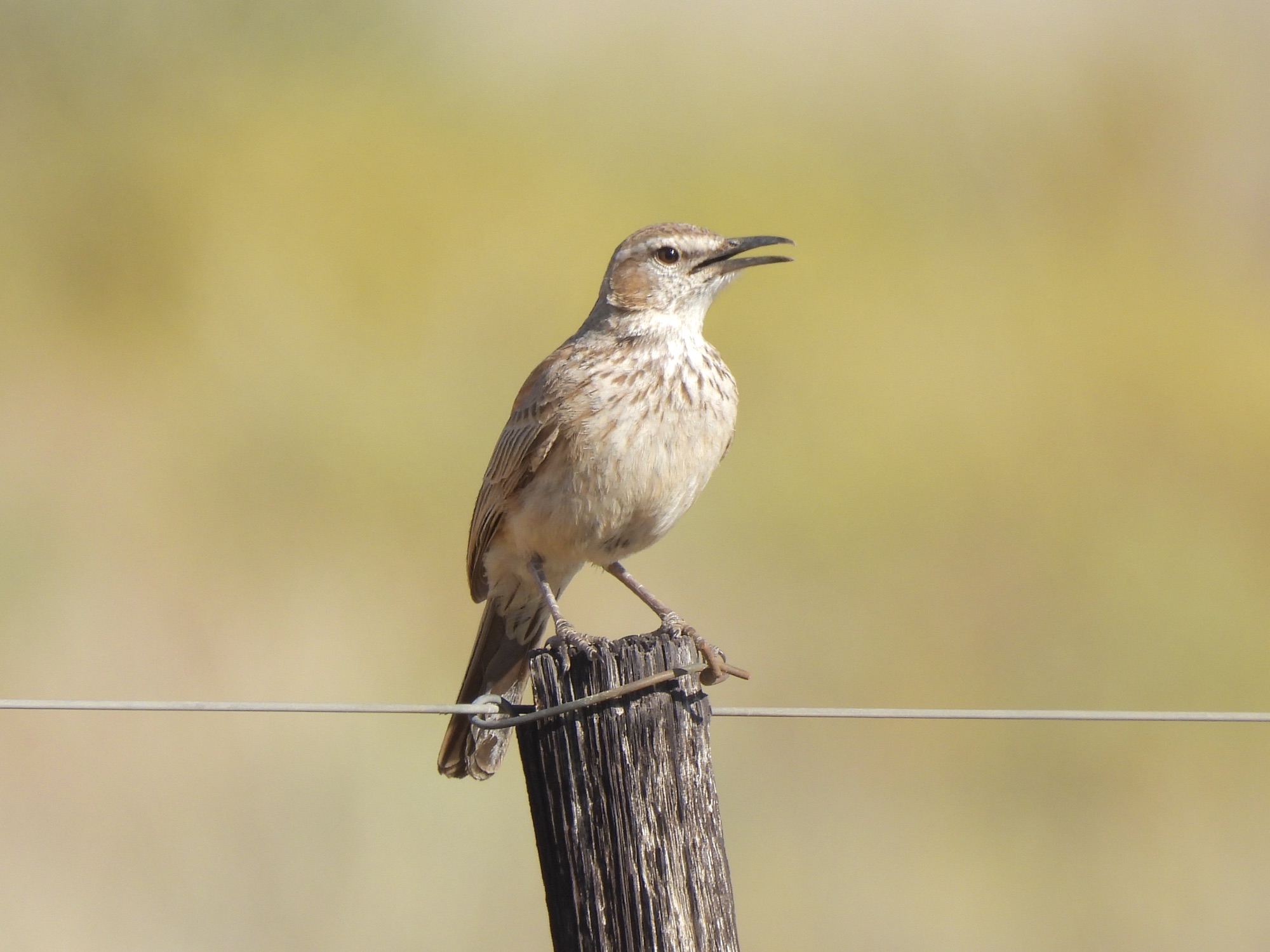
We reached Askham at sunset, in preparation for the following days in Kgalagadi Transfrontier Park, about an hour to the north, where no accommodation had been available by the time we booked the trip months earlier. While checking into Duiker’s Self Catering and Camelthorn Guesthouse (where we split to spend our time in Askham), we noted our first Cape starlings, lilac-breasted rollers, fork-tailed drongos, white-browed sparrow-weavers and red-breasted gonoleks. We then went for a short night drive on the roads around town, where we connected with a small-spotted genet and a stunning southern white-faced owl.
Tuesday 7th July 2026 Birds in Kgalagadi Transfrontier Park
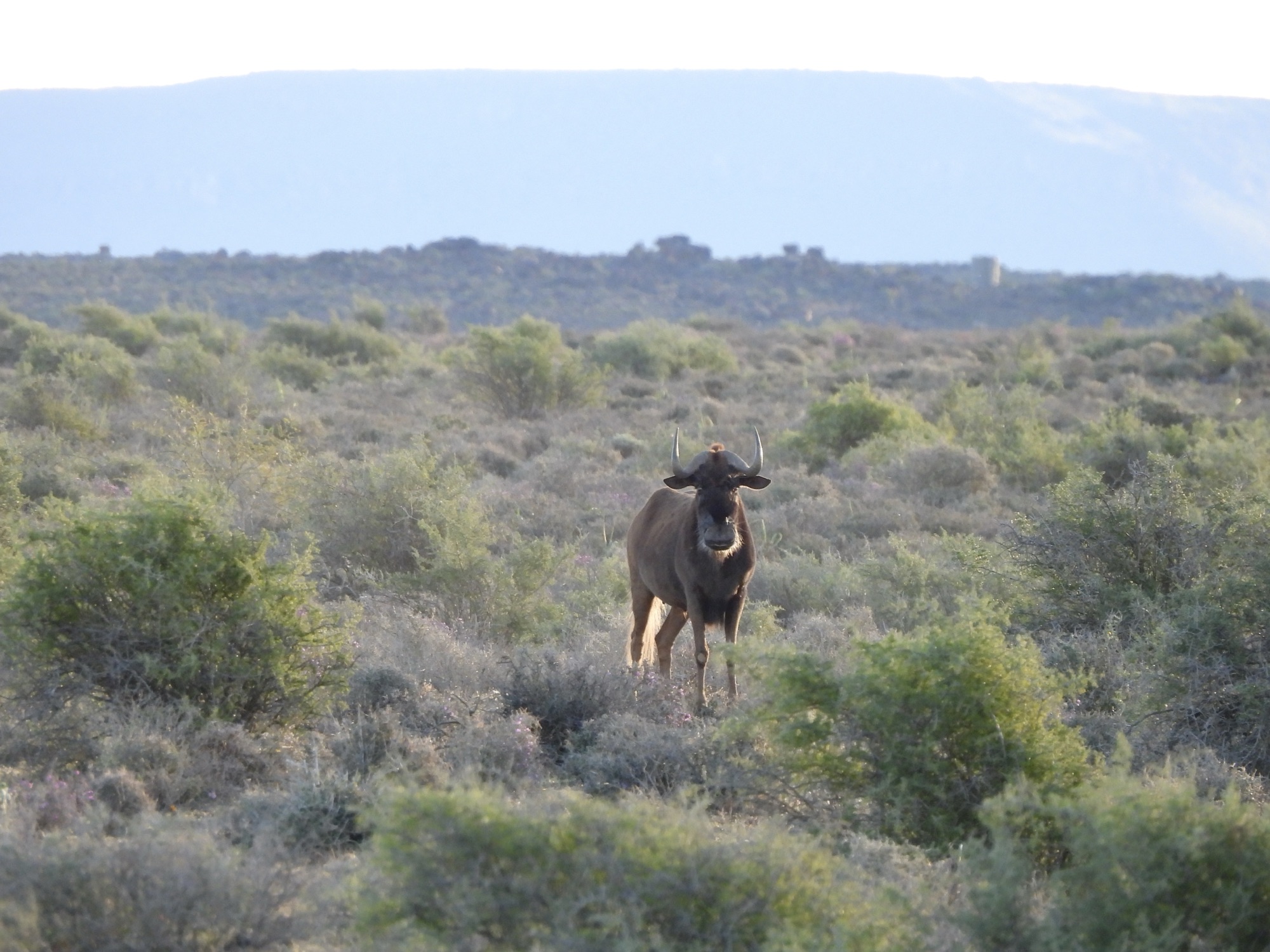
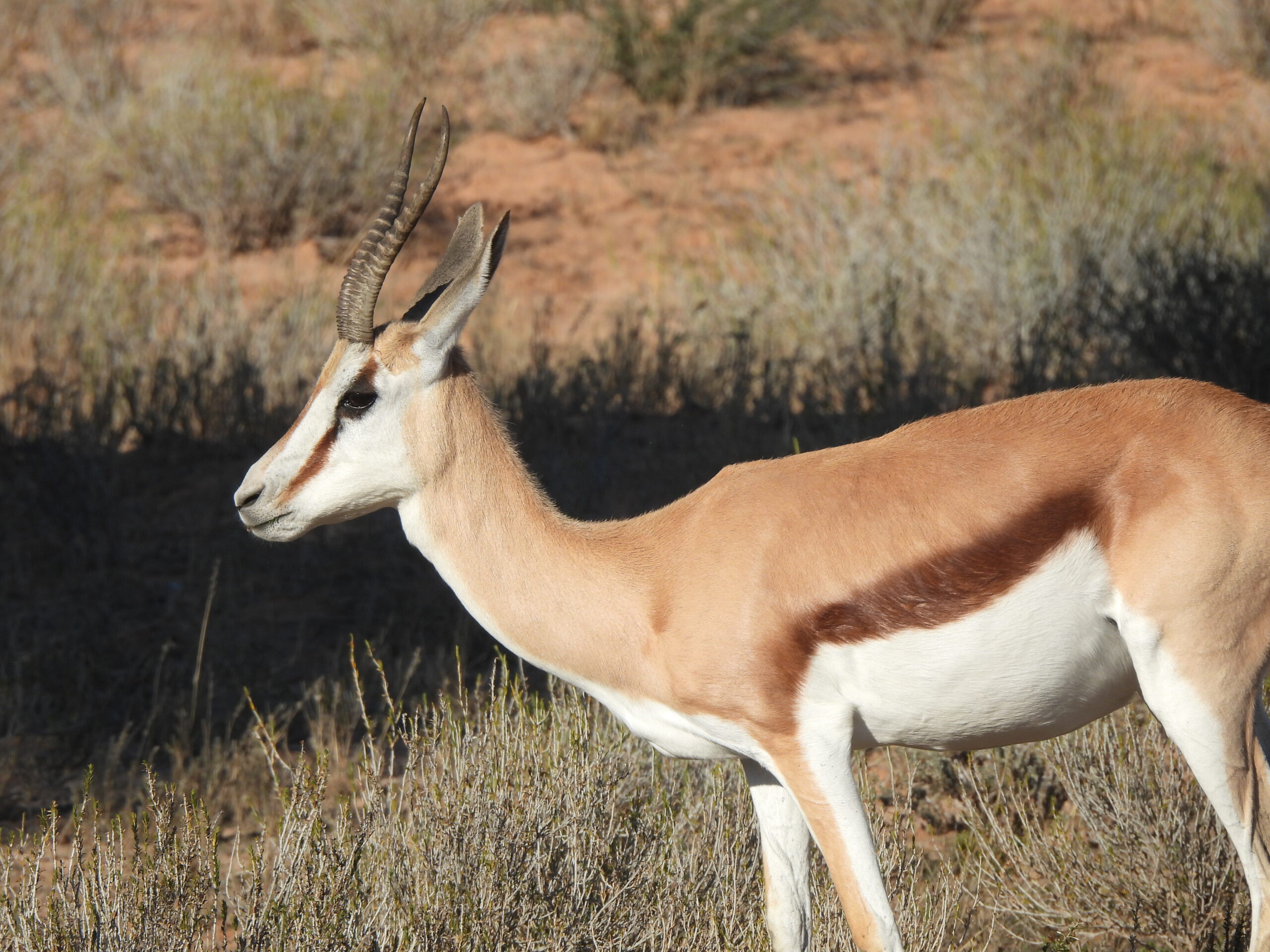
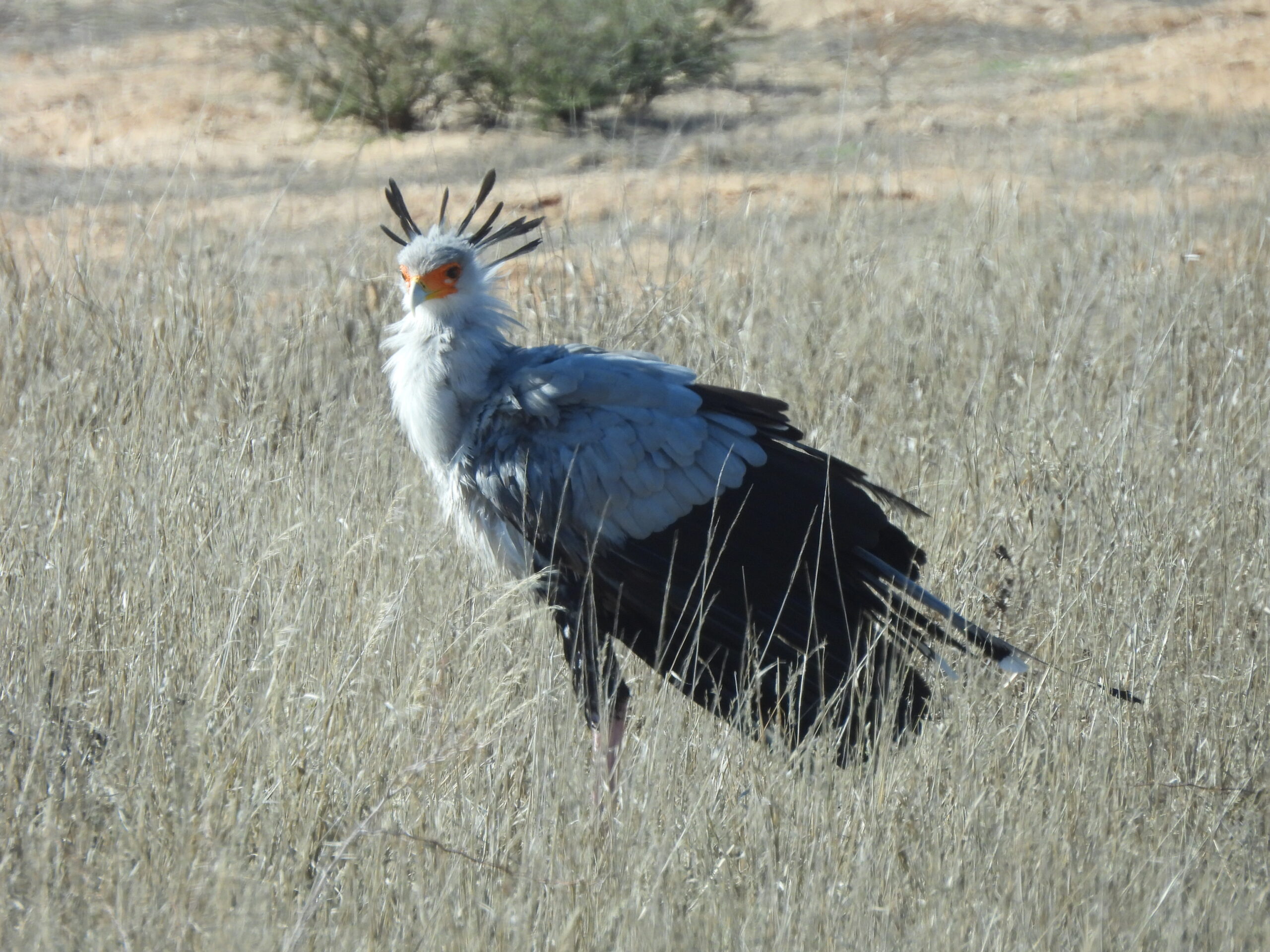
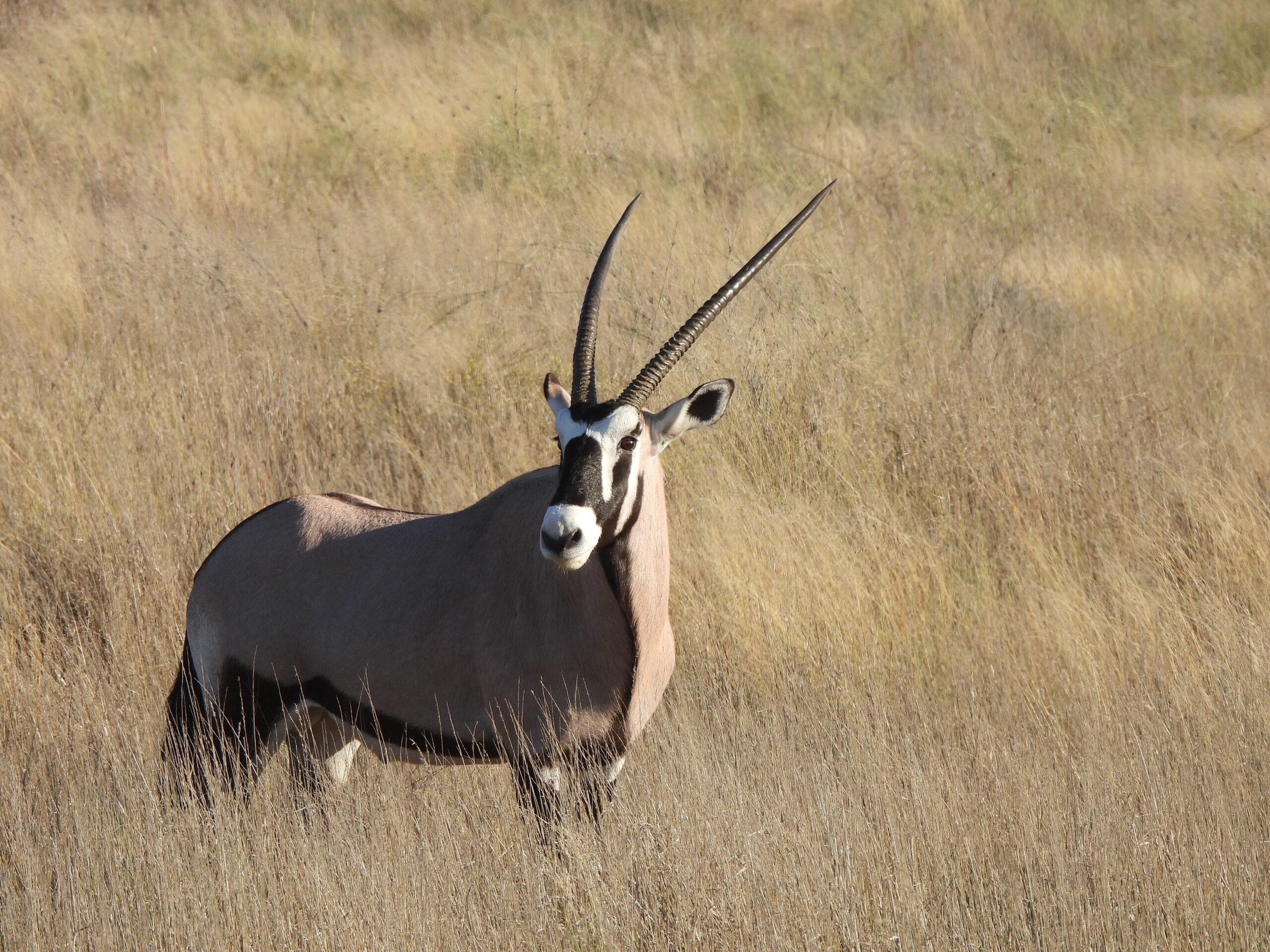
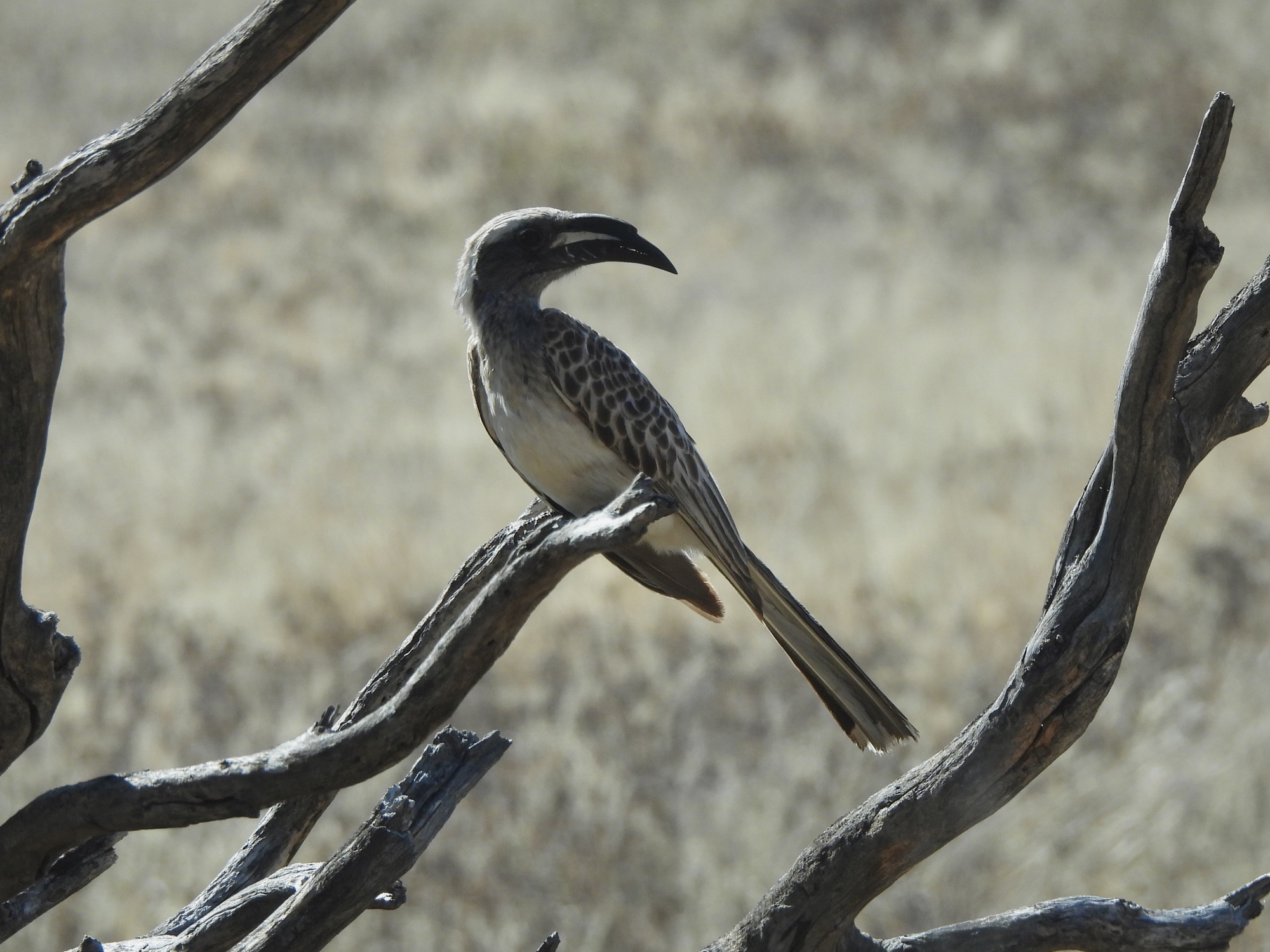
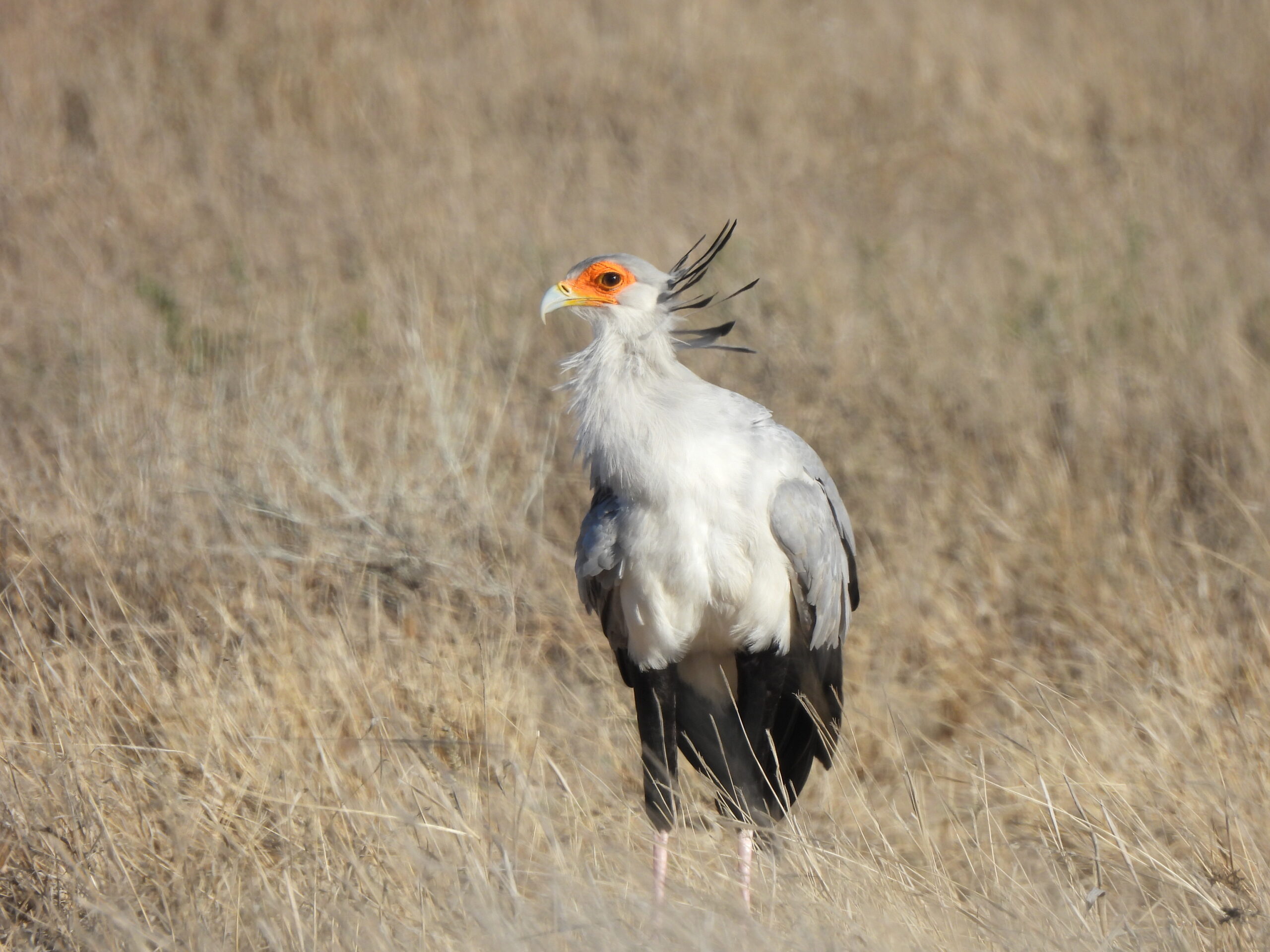
The southern gate of Kgalagadi Transfrontier Park lies about an hour’s drive from Askham, so we set off early to arrive by opening time at 06:00. We planned to make the most of our two days in the park, staying from opening until closing time at 18:00. Our first day was more bird-focused, although we also enjoyed incredible views of springbok, gemsbok, blue wildebeest, greater kudu and giraffes. After finding our first of many Marico flycatchers, black-chested prinias (some of them on the Motswana side), Kalahari scrub-robins and southern yellow-billed hornbills around the camp, we bumped into our first secretarybird just a few kilometres inside the park.
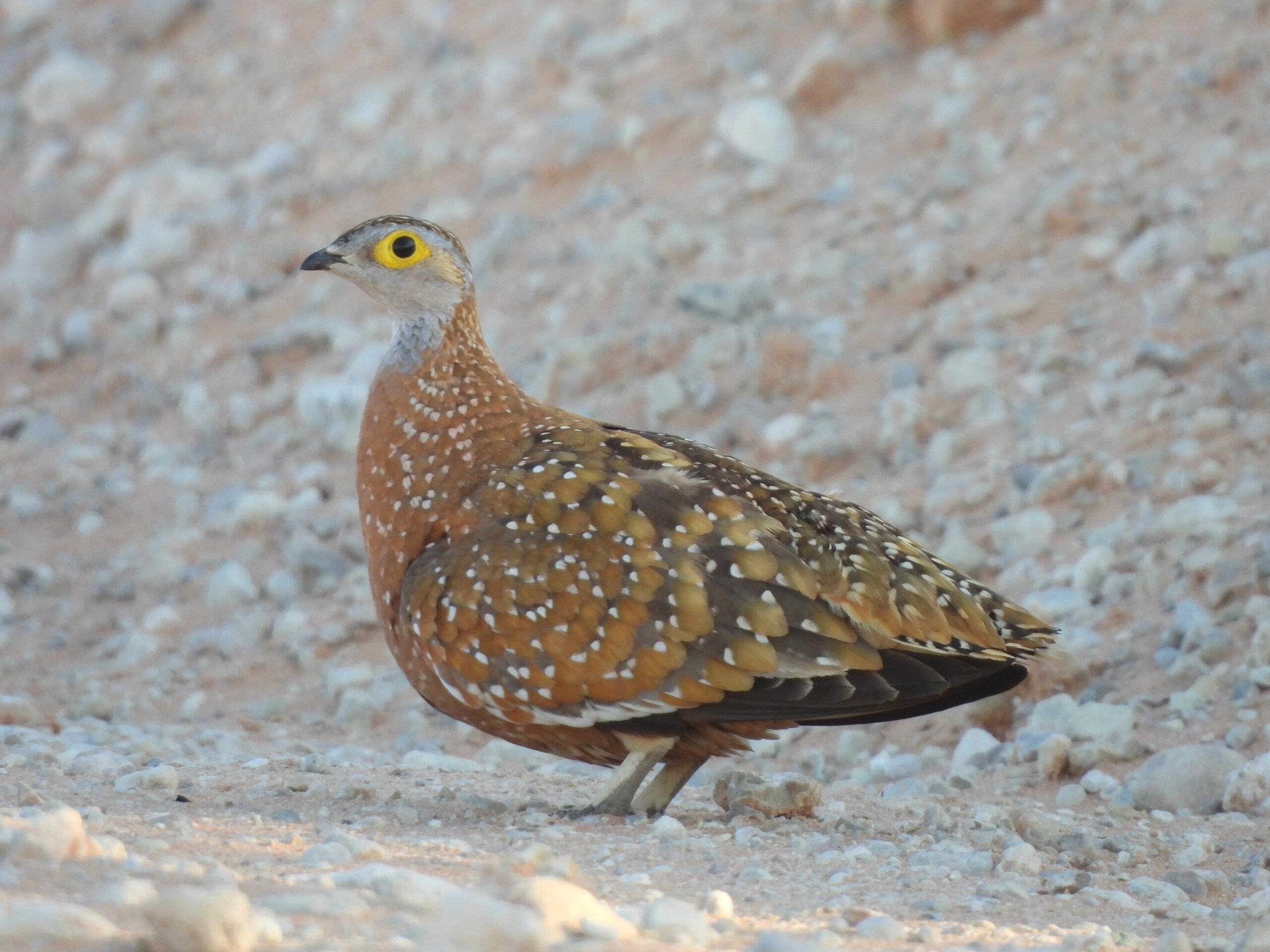
Lifers followed one after another as we drove north from the gate, first along the border with Botswana before turning west towards Mata Mata. Highlights included ostriches, tawny eagle, gabar goshawk, swallow-tailed bee-eater, ashy tit, common scimitarbill, black-faced waxbill and purple roller. Several waterholes attracted hundreds of Namaqua and Burchell’s sandgrouse. Likewise, we recorded dozens of crowned lapwings, kori bustards and especially northern black korhaans throughout the day. We also encountered numerous meerkats, often at very close range, and spent some time enjoying their entertaining behaviour.
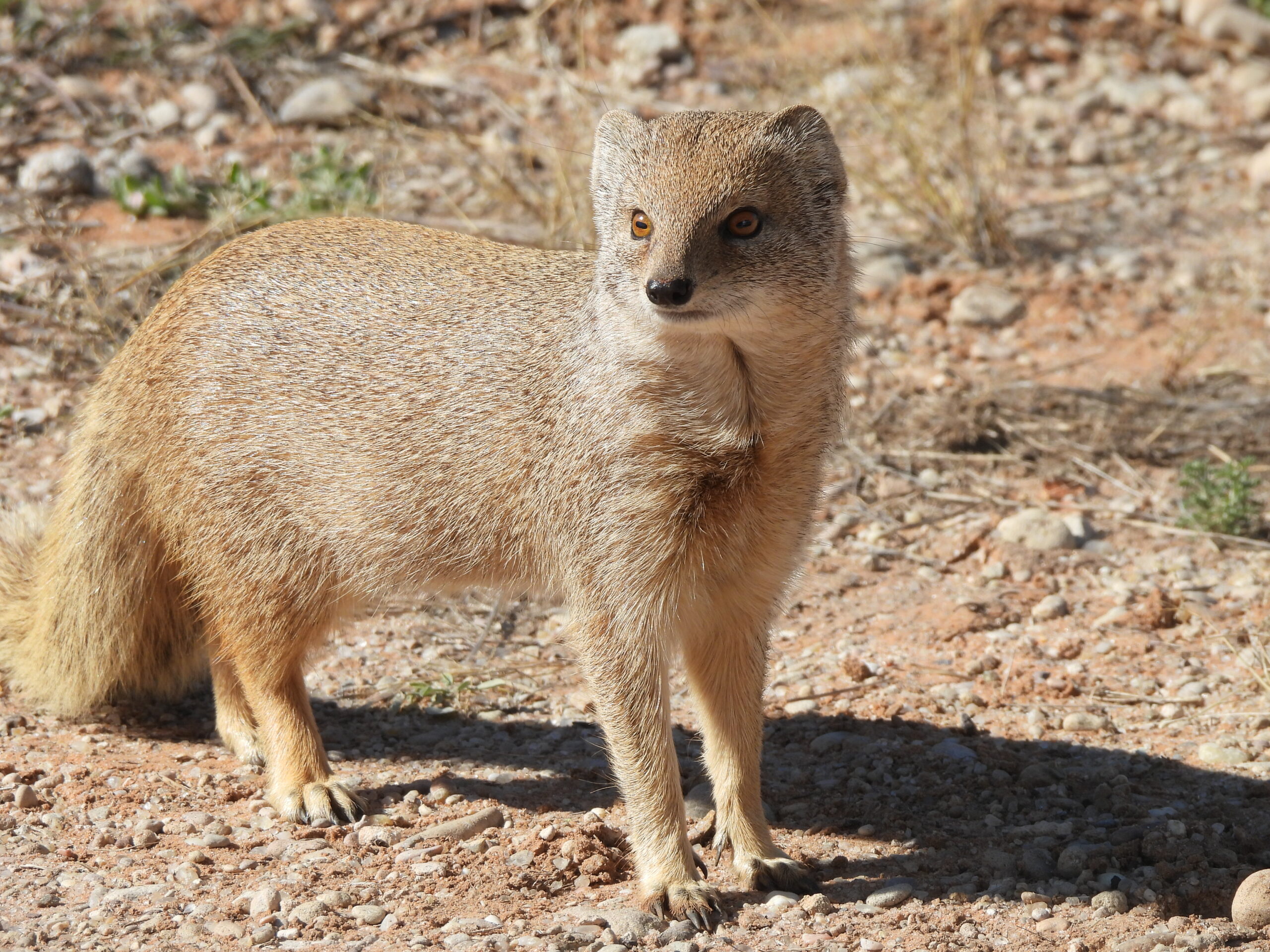
The picnic sites in Kgalagadi are magnets for birds. At Auchterlonie, numerous Cape starlings and crows searched for food scraps, accompanied by remarkably confiding yellow mongooses and northern black korhaans. We also enjoyed close views of rufous-eared warblers and desert cisticolas in the surrounding bushes.
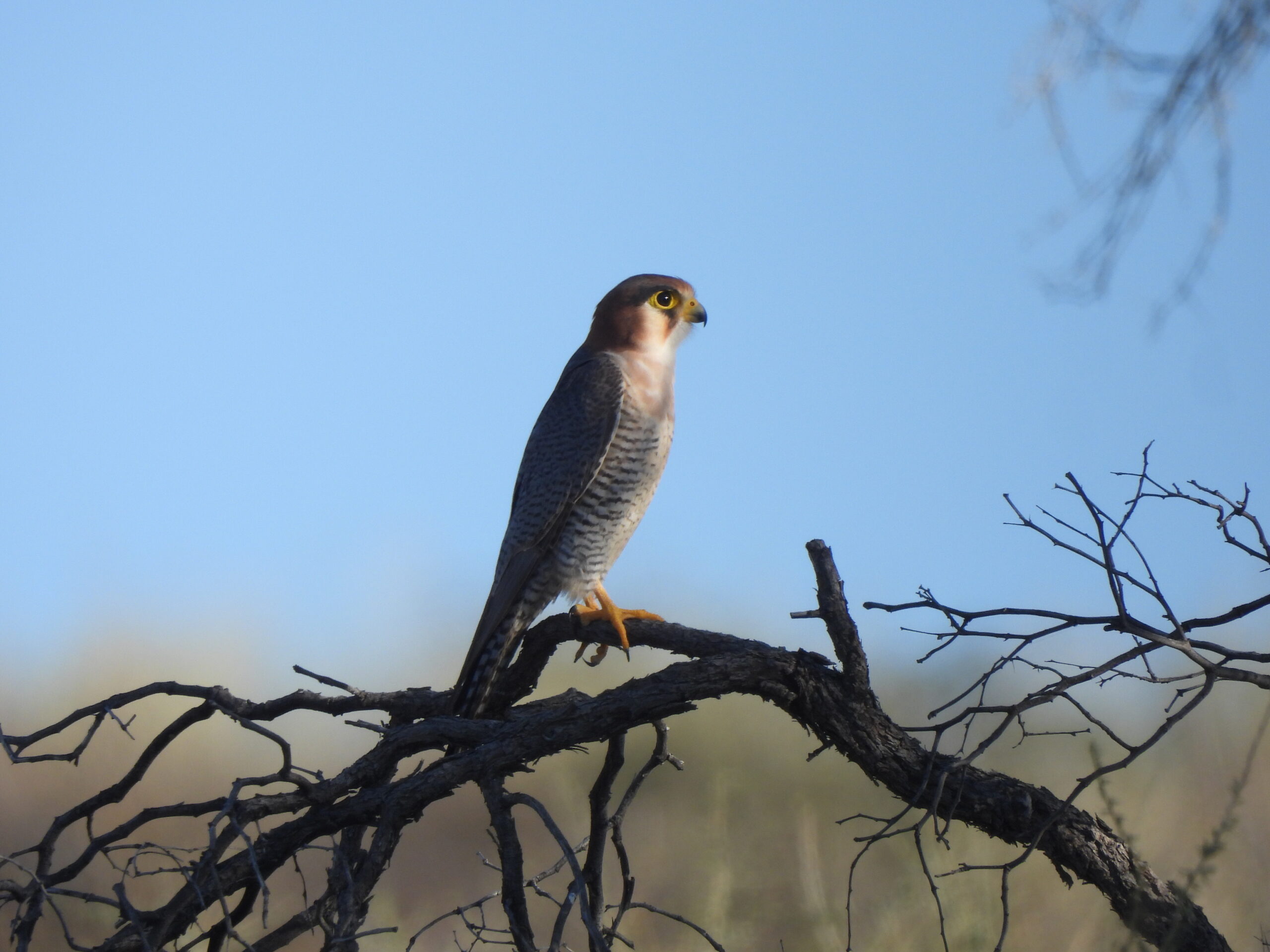
The afternoon grew hot and mammal activity slowed down. Finding a martial eagle perched on a dead tree led to a long stop. While some admired this formidable raptor, others scanned the nearby acacias, noticing plenty of bird activity in the shade beneath them. Brubru, black-faced waxbills, pririt batis, green-winged pytilias, violet-eared waxbills and shaft-tailed whydahs kept us entertained. After seeing numerous pale chanting-goshawks, black-winged kites, pygmy falcons and lanner falcons, we eventually located a red-necked falcon perched in a tree later in the afternoon. Before leaving the park, we checked the tyre pressure at the entrance campsite — something we did every day to ensure safe driving both on the sandy tracks inside the park and on the paved roads outside. While there, we noted several groundscraper thrushes before heading back to Askham.
Wednesday 8th July 2026 Mammals in Kgalagadi Transfrontier Park
Our second and final day in Kgalagadi had to be mammal-focused. Finding the savanna birds had been fantastic, but there were still many mammals we hoped to see. Our plan was to drive farther and make fewer stops, covering the park’s southern loop by first heading north and then southwest before rejoining the road from the previous day.
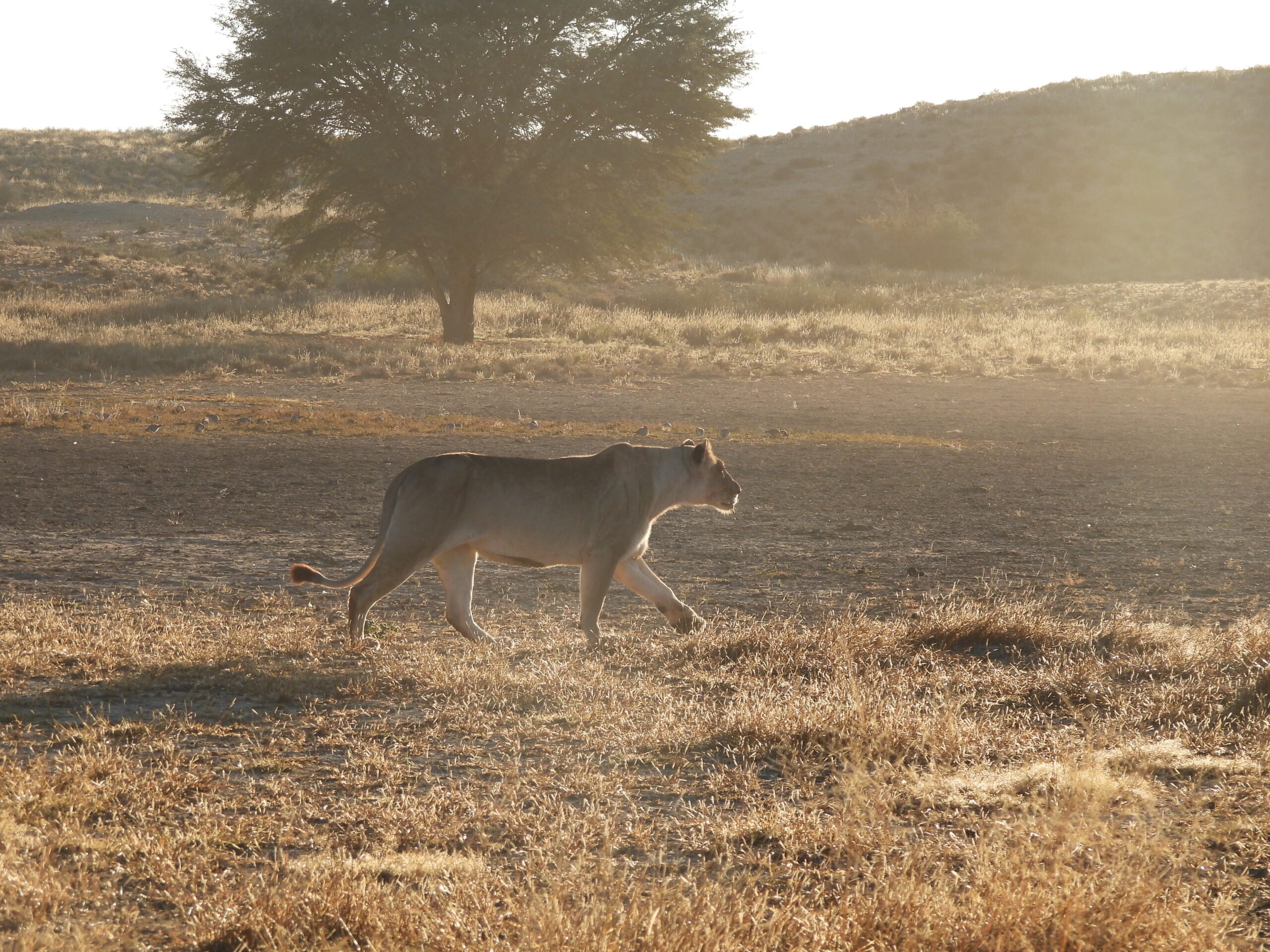
The strategy paid off almost immediately, as we came across our first cluster of cars around a waterhole. A lioness was calmly drinking in the misty morning light before quietly walking away, watched by everyone present.
Our first large carnivore of the trip was soon followed by our first bateleur. In fact, a stop at Tierkop picnic site produced outstanding views of numerous white-backed vultures, bateleurs and lanner falcons — one of which almost caught a crowned lapwing right in front of us. A small puddle attracted flocks of red-headed finches, southern grey-headed and Cape sparrows, Cape starlings and Namaqua doves.
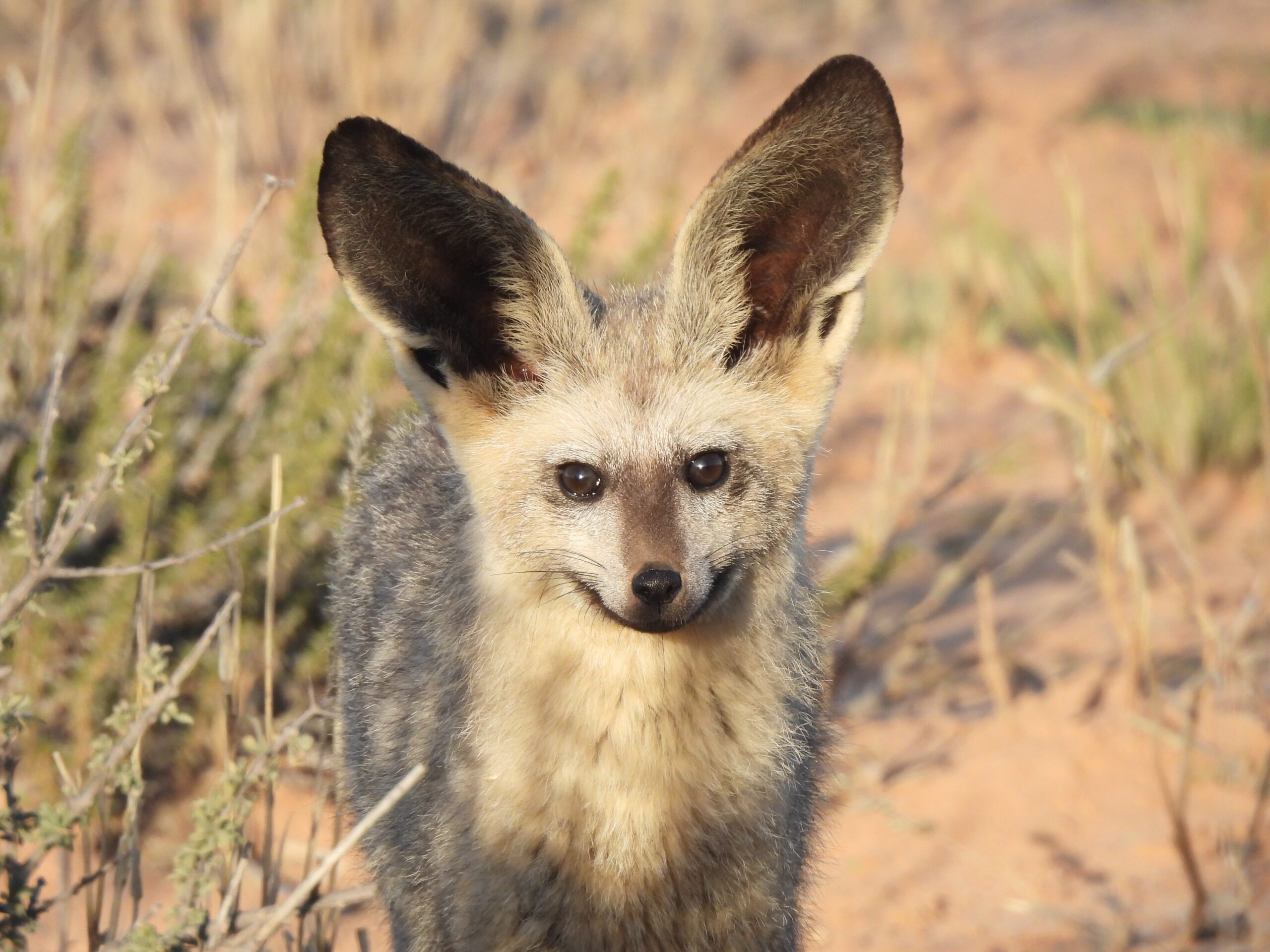
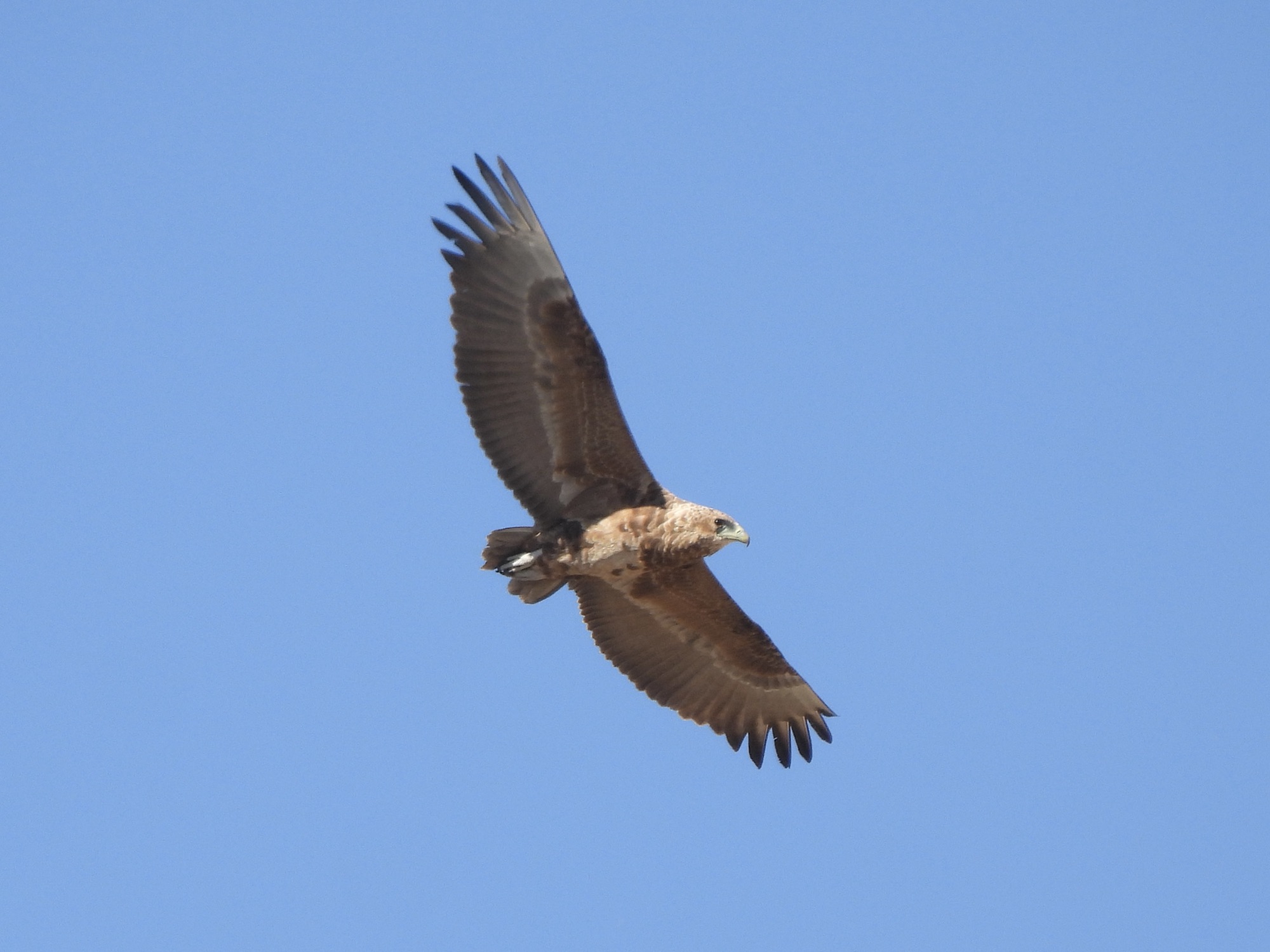
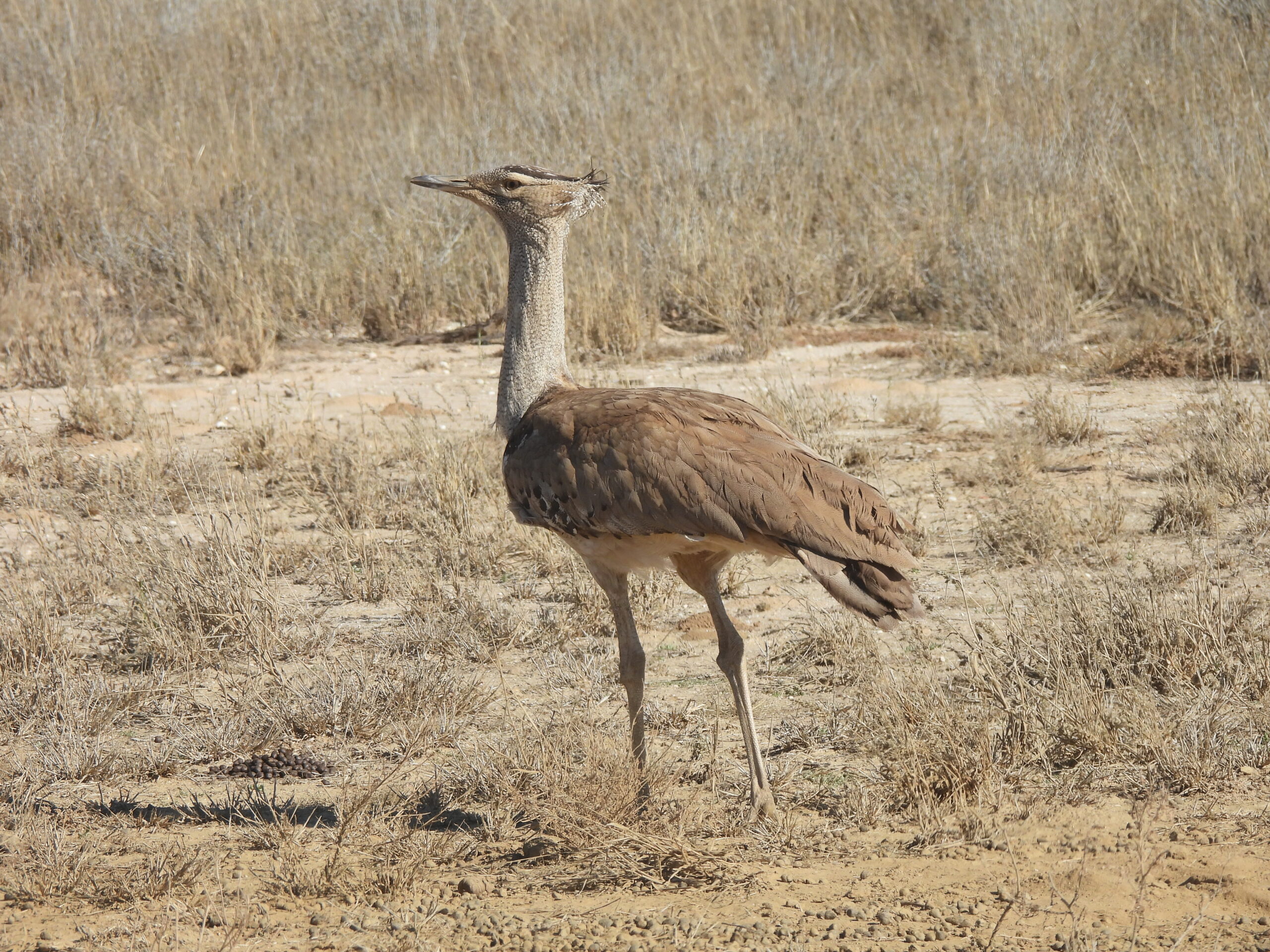
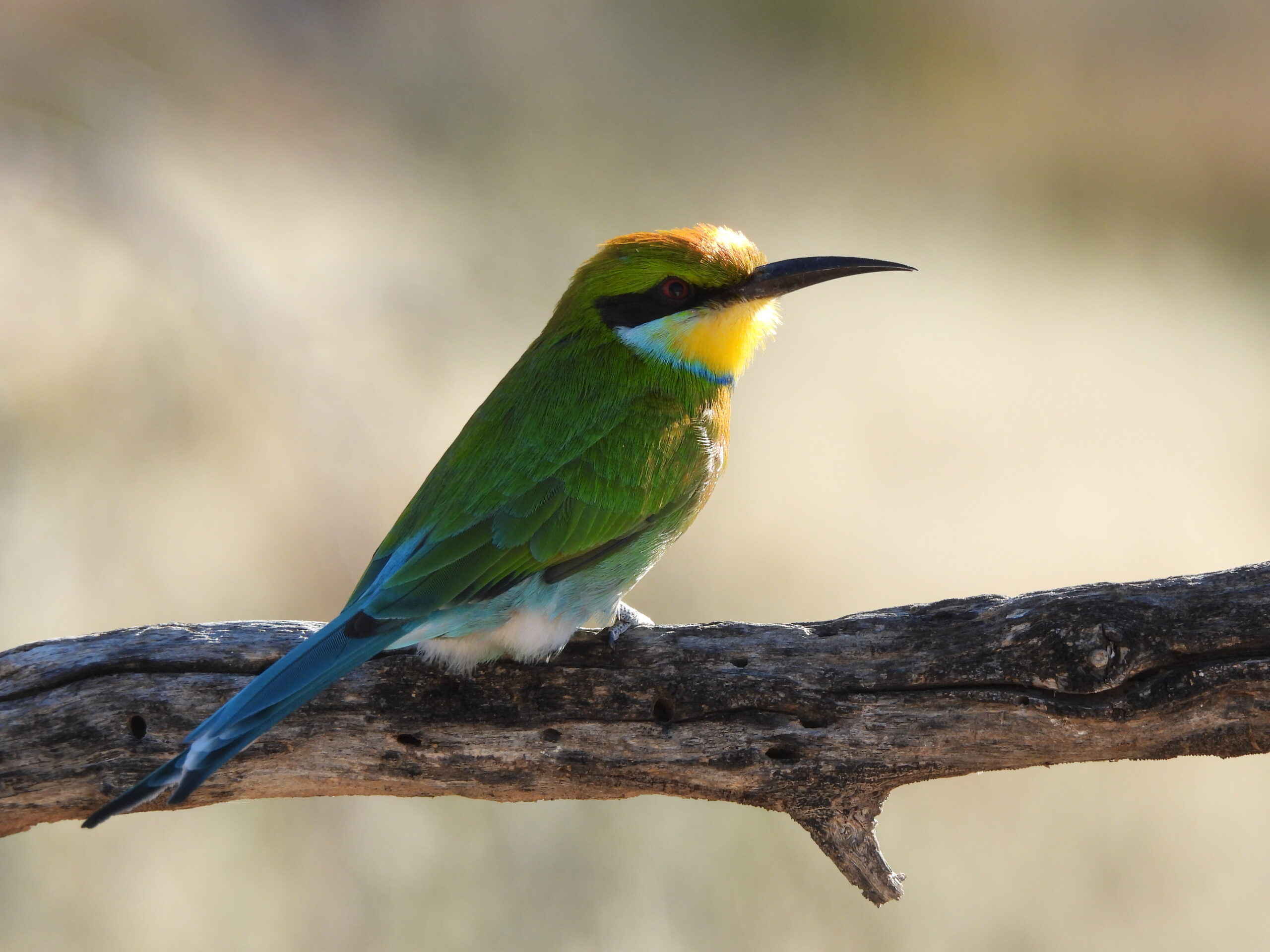
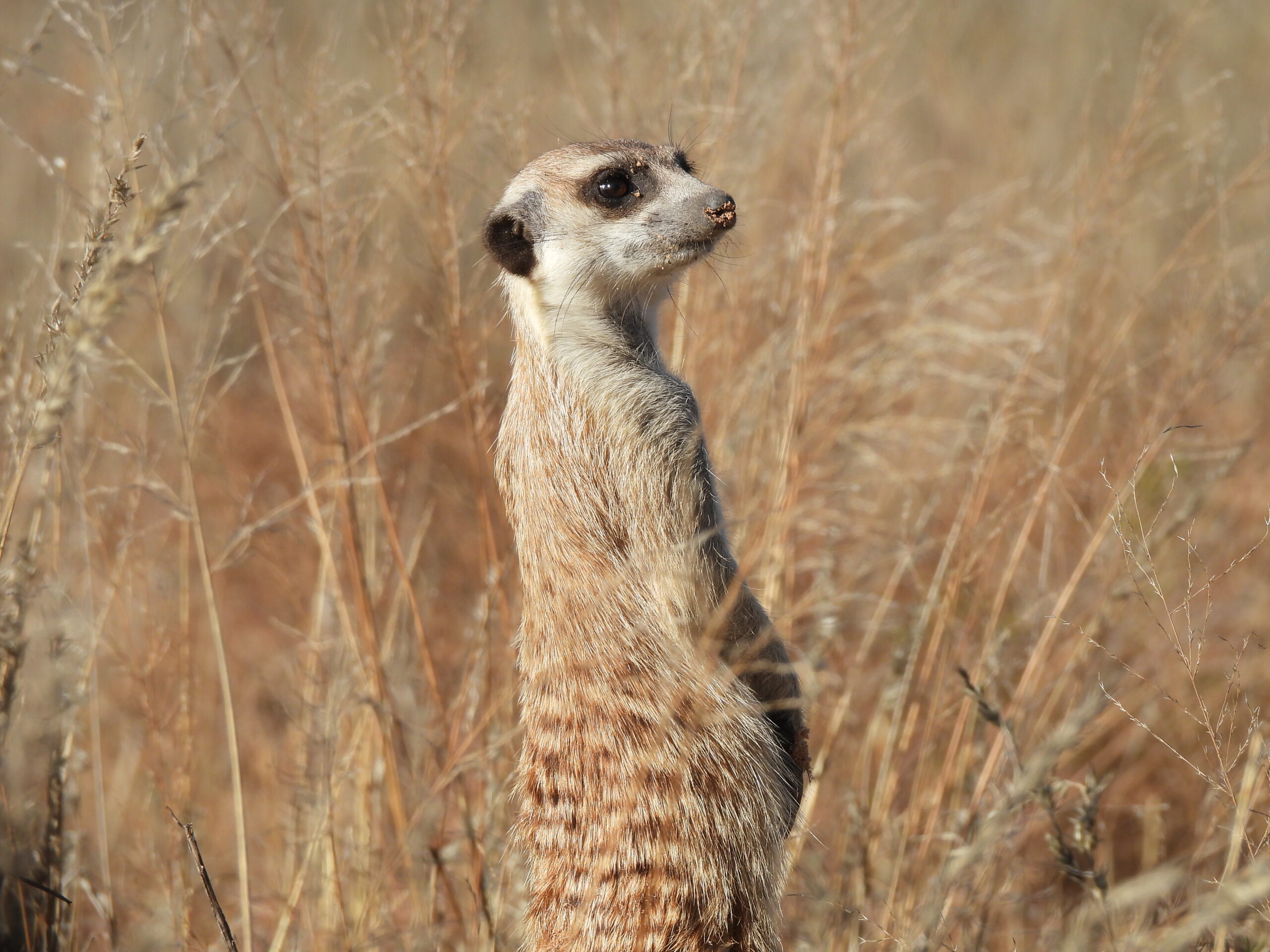
Although the habitat seemed to change very little, the birdlife differed noticeably between the northern road and the eastern section of the loop. The former held virtually no bustards, whereas the latter was once again full of them. There we also encountered warthogs, a sleeping male lion, meerkats, giraffes and gemsbok, many of them showing exceptionally well at close range. Before leaving the park that evening, we found a remarkably cooperative family of bat-eared foxes and a Verreaux’s eagle-owl still half asleep, perched out in the open on an acacia. Back in Askham, another night drive produced views of one of the town’s calling barn owls, yet another Verreaux’s eagle-owl and numerous springhares under some of the most incredible night skies we have ever seen.
Thursday 9th July 2026 Transfer across South Africa
We had allocated a couple of days to drive across the country, from Askham in the northwest to Wakkerstroom in the east. We split the journey in half, leaving the shorter leg for the first day, as we had hoped to take the gravel roads via Rus en Vrede. However, recent floods had severely damaged the roads, forcing us onto the highways and costing us the chance to look for several range-restricted birds.
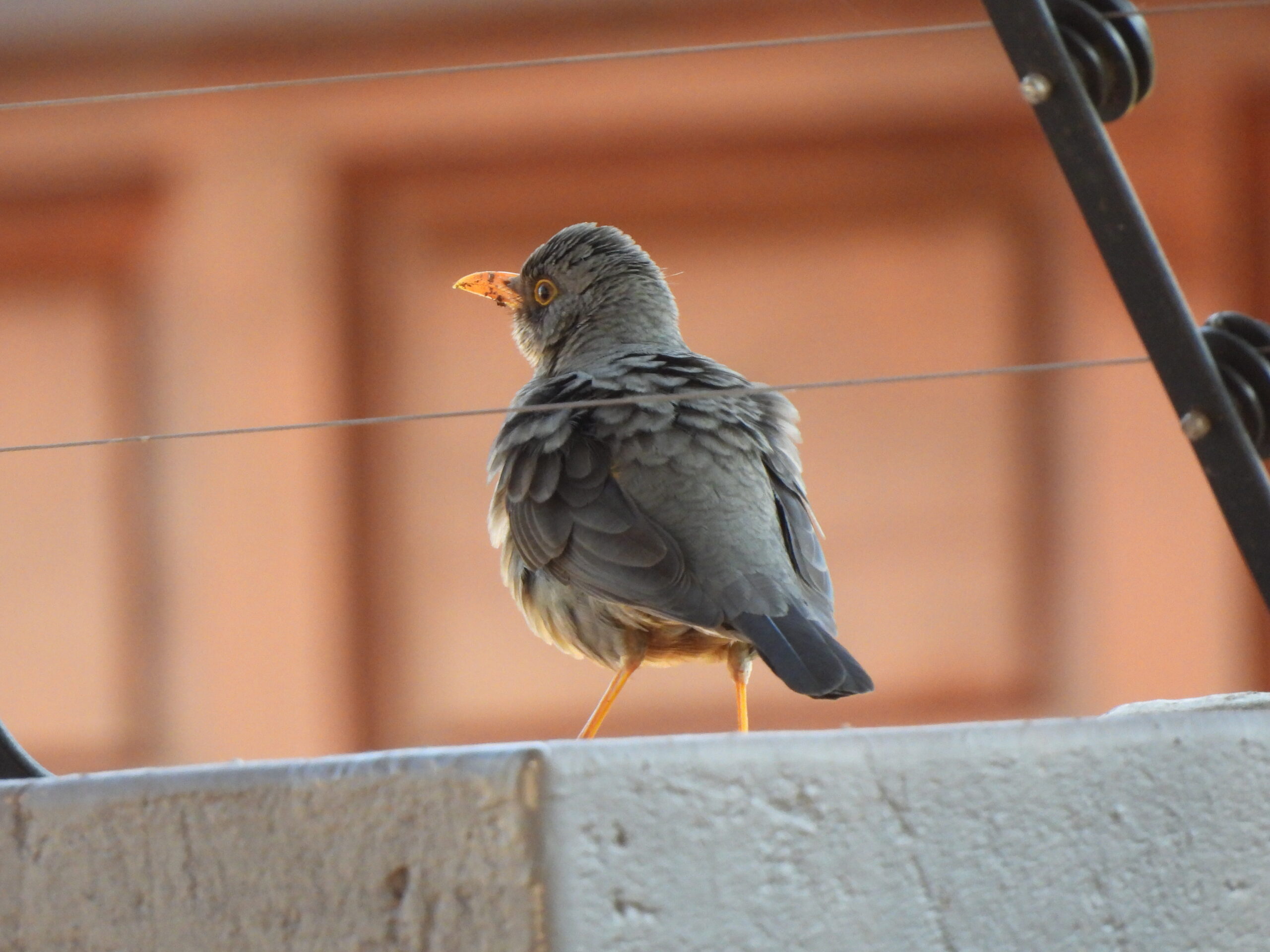
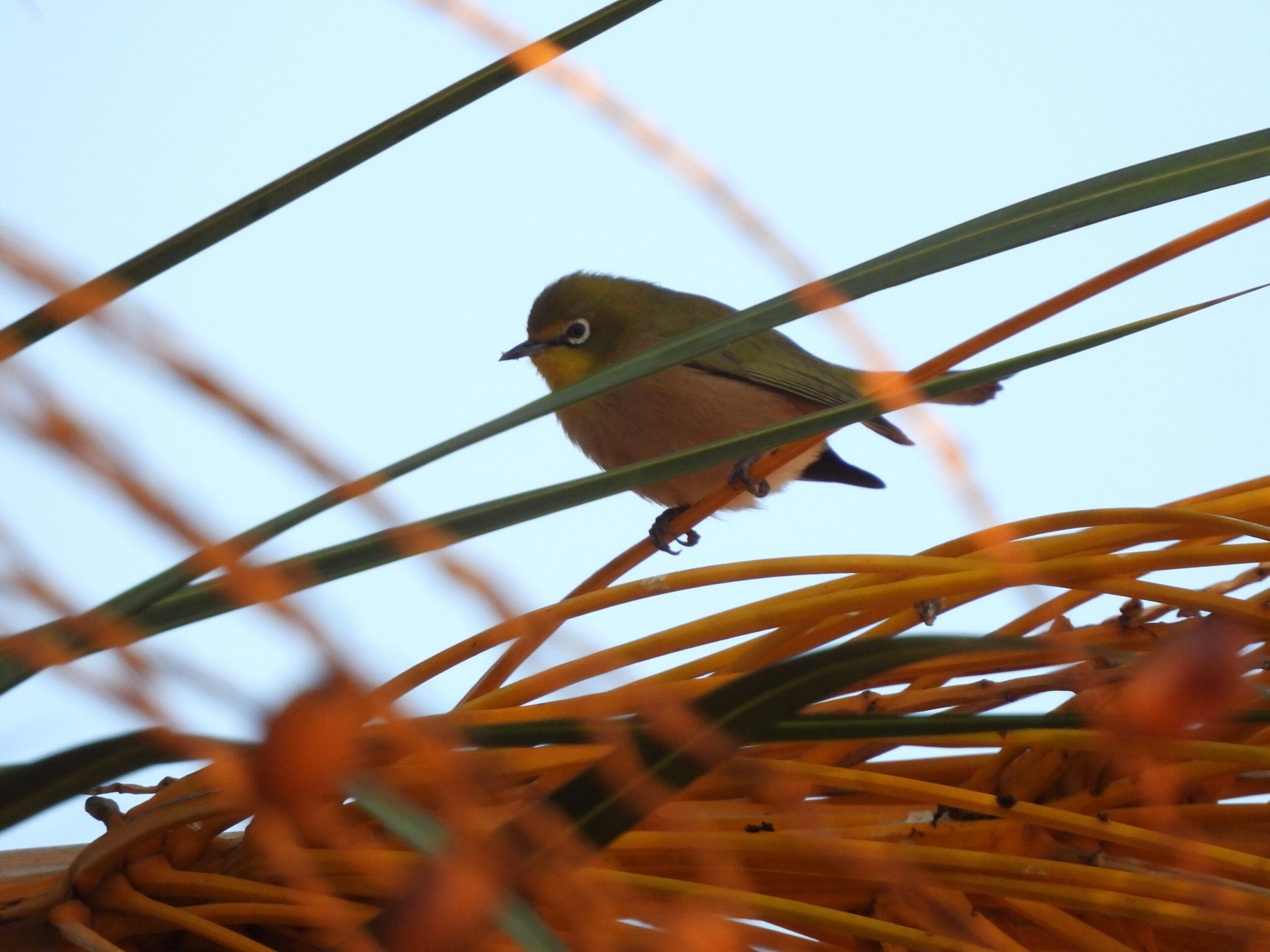
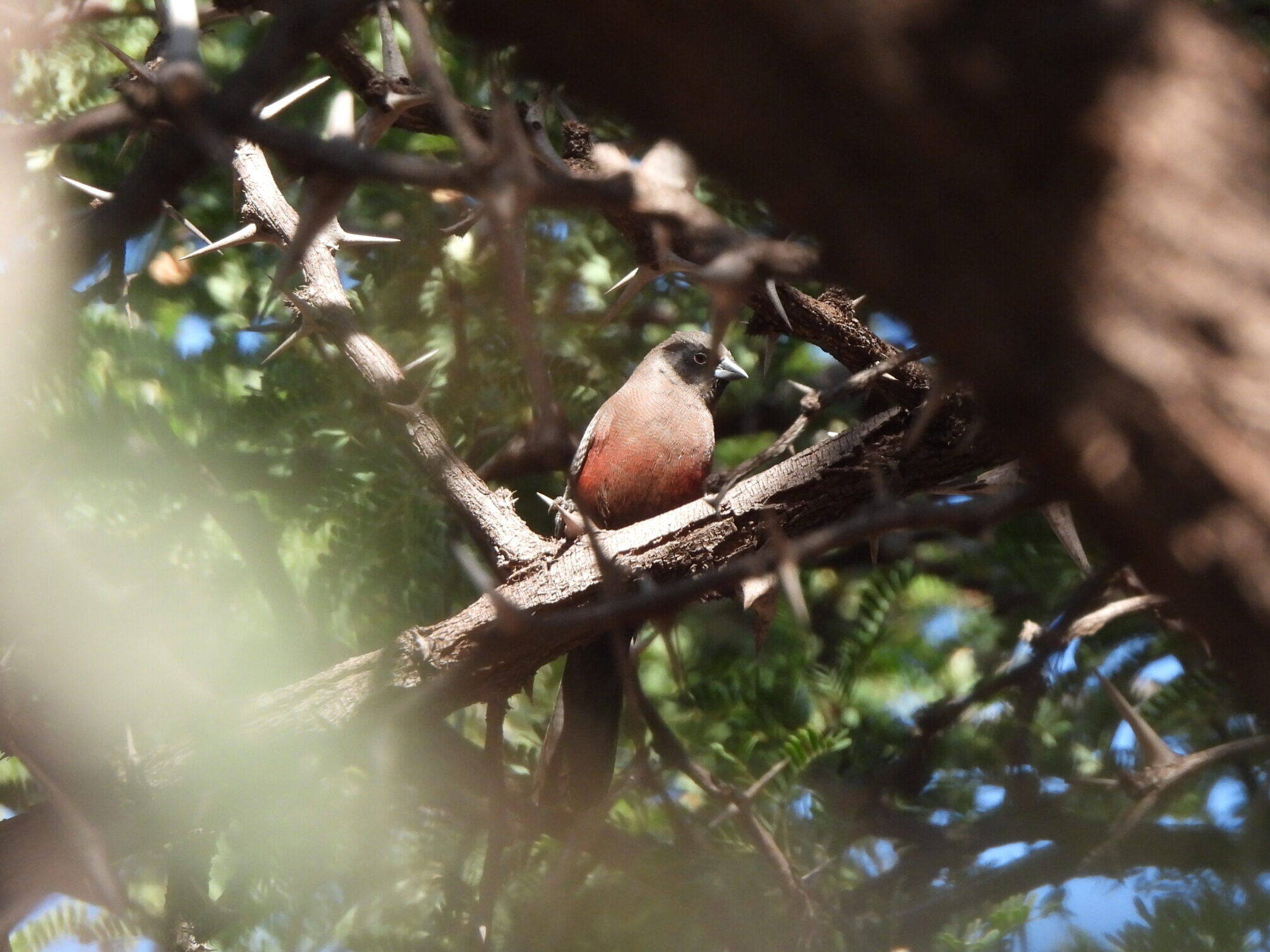
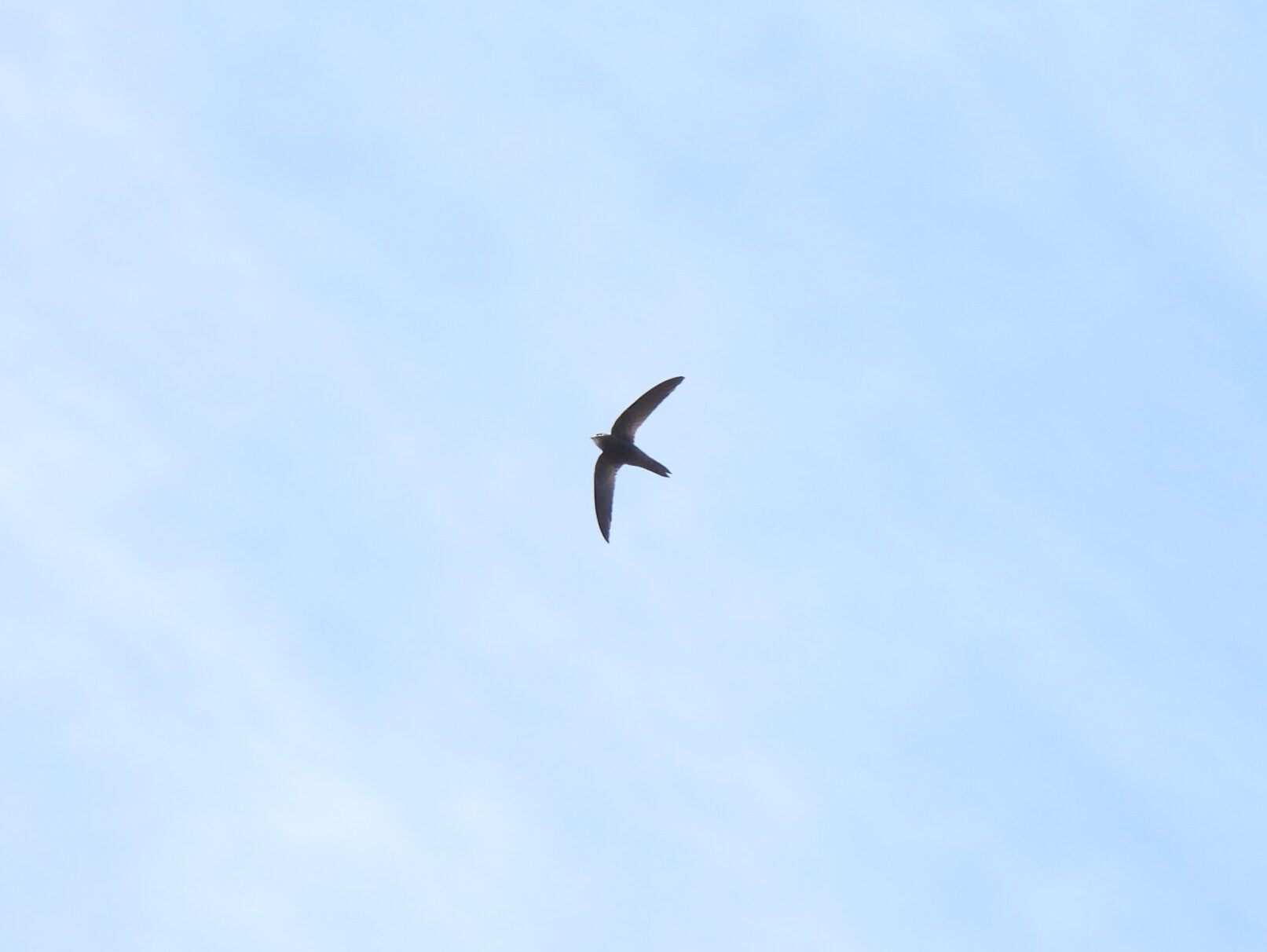
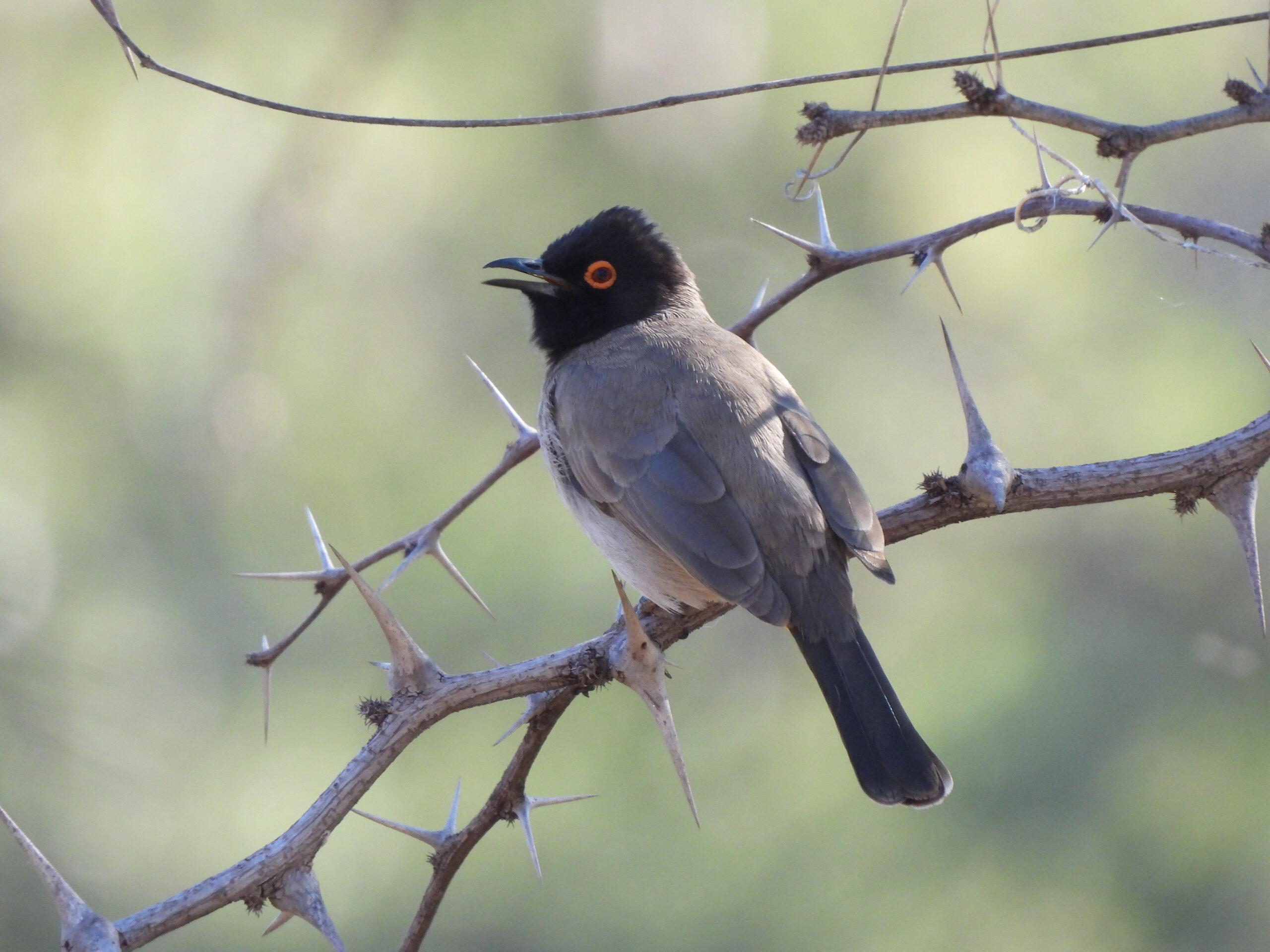
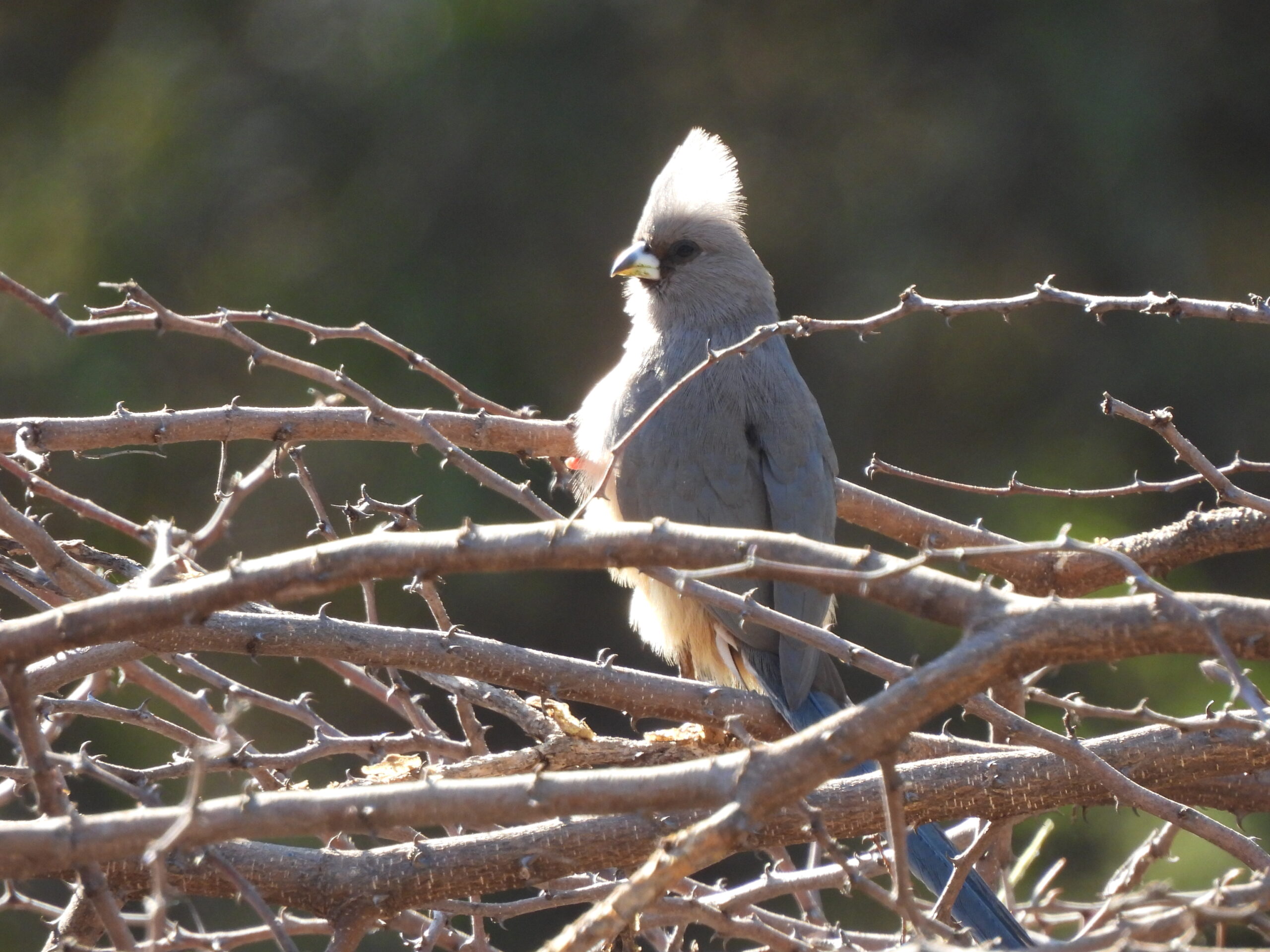
After checking eBird for a backup plan, we tried to visit the golf club at Kathu, where several of our target species had recently been reported. Although the golf course itself appeared to be off limits to visitors, walking around the surrounding residential area proved very rewarding. Karoo thrushes, Marico sunbirds, brubru, common waxbills, crimson-breasted gonoleks, Orange River white-eyes and black-throated canaries foraged in the gardens. Large flocks of wattled starlings, together with palm, little and Bradfield’s swifts, flew overhead. White-backed mousebirds, chestnut-vented warblers, neddickies, cardinal woodpeckers, Karoo prinias, golden-breasted buntings and brown-crowned tchagras were active in the scrub around nearby construction sites.
We reached our accommodation on the outskirts of Kuruman, where we would spend the night. After grabbing some takeaway from a nearby fast-food drive-through, we headed straight back. While the accommodation itself was pleasant, Kuruman did not feel particularly safe, to say the least.
Stay night in Askham, Northen Cape
Friday 10th July 2026 Wetland in Wakkerstroom
The second half of our journey between Askham and Wakkerstroom began well before sunrise as we quickly left Kuruman behind. The long drive was mostly uneventful, although it produced our first crested barbet and Swainson’s spurfowl. A roadside lagoon somewhere far south of Johannesburg held a large flamboyance of lesser flamingos, together with grey-headed gulls, white-faced whistling ducks, black-necked grebes and three-banded plovers.
Our early departure paid off, as we reached Wakkerstroom with plenty of daylight to spare. We checked into a cosy house in town, where the garden hosted spotted thick-knees, speckled mousebirds and black-collared barbets. Nearby, the wetland reserve produced our first African swamphens, African snipes and heard-only African rails. Haunting calls soon revealed two majestic grey crowned cranes flying low over the reeds in the fading evening light.
Saturday 11th July 2026 Highveld in Wakkerstroom
We were all especially excited about Wakkerstroom. We had been looking forward to searching for its extremely range-restricted larks, pipits and korhaans, along with several other iconic grassland species. Instead, we found ourselves in the heart of winter — a feeling we had not really experienced anywhere else on the trip. The grasslands were completely dry and withered, and virtually every road had recently been bordered by burned fields. Several species were abundant, including long-tailed widowbird, ant-eating chat, African stonechat and red-capped lark, but finding many of our targets required considerable effort throughout our stay, especially during the thick morning fog.
Even so, this was probably the destination with the best birdwatching infrastructure of the entire trip. We drove the well-known Lark Loop north of town, where we found large numbers of widowbirds and red bishops, together with pied starlings, Cape longclaws, Levaillant’s cisticolas and pin-tailed whydahs. Small flocks of Swainson’s and grey-winged francolins foraged in the grasslands. At the far end of the loop lies a large lagoon, where we observed Kittlitz’s and three-banded plovers among numerous red-knobbed coots. We also explored a couple of nearby roads, adding eastern clapper lark, buff-streaked chat and sentinel rock-thrush.
A second visit to the wetland northeast of town, with its excellent hides and boardwalk, produced blue-billed teals, lesser swamp warblers, village weavers, African marsh harrier and Drakensberg prinia, together with a lesser honeyguide in the grove. In the evening, another search for larks and korhaans resulted only in our single sighting of a southern bald ibis: a lone bird flying distantly just before dusk.
Sunday 12th July 2026 Highveld in Wakkerstroom
A visit to the wetland during the foggy morning produced small flocks of fan-tailed widowbirds and a heard-only red-chested flufftail. Instead of heading first to the Lark Loop, we drove south to the so-called Yellow-breasted Pipit Fields on the border between Mpumalanga and KwaZulu-Natal. Although we failed to locate this highly range-restricted pipit, we did connect with eastern long-billed lark and buff-streaked chat. Back at the Lark Loop, we added a black goshawk and a small group of red-winged francolins, which at least softened the disappointment of yet another unsuccessful search for korhaans.
A little tired of driving around without much success (and with Guillem having one particular target in mind), we spent the afternoon walking around town instead. Besides black-collared barbets, speckled mousebirds and helmeted guineafowl, Wakkerstroom produced our first giant kingfishers and Guillem’s target species: a remarkably obliging pair of red-throated wrynecks that posed for us for quite a while.
Spotted deer (Axis axis) at sunrise in Bandipur Tiger Reserve, 2 Jan 2025
Monday 13th July 2026 Coastal scarp forest
Our transfer from the highland grasslands of Wakkerstroom to the coastal forests of KwaZulu-Natal turned out to be eventful. After more than 4,000 km of driving on rough gravel roads, one particularly nasty pothole finally gave us a flat tyre. We changed it and contacted the rental company, which arranged for a replacement Mercedes Vito to be waiting for us at our destination that afternoon. The delay nevertheless produced black-winged lapwings along the way. A lunch stop at a petrol station also rewarded us with our first brown-headed kingfishers, African woolly-necked stork, yellow-throated longclaws, village weavers and southern boubou.
We eventually reached Dlinza Forest in Eshowe, which remains open until 16:00 upon payment of the entrance fee. This forest is one of the very few sites in South Africa for the eastern bronze-naped pigeon, but our timing was far from ideal and we failed to find it. Fortunately, a local ranger pointed us towards a spotted ground-thrush, another of our major targets, which was quietly feeding in the shade beside a path just below the entrance. The ranger also drew our attention to a calling variegated honeyguide that remained hidden high in the canopy on the trail towards Bishop’s Seat.
Despite the generally low bird activity, we continued walking to Bishop’s Seat and recorded white-eared barbet, collared and olive sunbirds, chorister and red-capped robin-chats, dark-backed weavers, Ludwig’s drongo, olive bushshrike, grey cuckooshrike, black-backed puffback and several trumpeter hornbills, which proved to be common throughout the coastal forests we visited. We kept hearing purple-crested turacos that remained hidden in the canopy. Instead, Arnau managed to pick out a female Narina trogon.
We waited at the entrance for the vehicle exchange after Dlinza Forest closed at 16:00. A pair of African woolly-necked storks flew to their nest in a nearby tree while numerous hornbills crossed overhead. Just before leaving, we added an African green pigeon, then switched vehicles and drove through the night to our accommodation in a residential area of eMthunzini.
Tuesday 14th July 2026 Mangrove and coastal dune forest
We spent the morning exploring the mangroves around eMthunzini, visiting the Mangrove Trail at Umlalazi Nature Reserve. We first walked the boardwalk through the mangroves, where we bagged golden-tailed woodpecker and half-collared kingfisher. A short walk through the dune forest produced our first red-capped robin-chats, black-bellied starlings, dark-backed weavers, yellow-bellied and sombre greenbuls, all of them fairly common in these coastal forests.
The forest edge proved even more productive, delivering yellow-rumped tinkerbirds, green malkoha, African green pigeon, black cuckooshrike, African swift, African harrier-hawk, black and greater striped swallows, scarlet-chested sunbird and Burchell’s coucal. One final look over the mangroves rewarded us with excellent views of a mangrove kingfisher and several distant palm-nut vultures — our main targets for the day.
We spent the rest of the day dealing with our transfer to St Lucia. Although the drive itself is relatively short, we first had to stop in Empangeni to sort out some paperwork with the rental company following yesterday’s tyre incident. As if that was not enough, we suffered another flat tyre on the way and had to drive to Richards Bay Airport to collect yet another replacement van. As a result, we only reached St Lucia late in the evening, where we celebrated with a well-deserved pizza while watching a hippopotamus casually crossing the street beside our restaurant. For the next few nights, we would stay at The Bridge, a comfortable and well-known resort in St Lucia.
Wednesday 15th July 2026 iSimangaliso Wetland Park
We devoted the entire day to exploring the eastern shores of Lake St Lucia within iSimangaliso Wetland Park. The park is open from 06:00 to 18:00, with an entrance fee for both visitors and vehicles. The 35 km drive towards Cape Vidal early in the morning produced numerous highlights, including long-crested eagle, southern banded snake-eagle, crowned hornbill, southern crested guineafowl, Burchell’s coucal, white-crested helmetshrike, African golden weaver, thick-billed weaver and banded martin.
The forest produced only heard-only Livingstone’s turacos and four-coloured bushshrikes as we briefly walked to several viewpoints over the lake. From there we enjoyed good numbers of Nile crocodiles and hippopotamuses, together with African fish eagles, malachite and pied kingfishers, Caspian terns and a distant flock of great white pelicans. The surrounding bushes also held tawny-flanked prinia, brown scrub-robin, African paradise flycatcher and black-tailed waxbill.
The idyllic beach at Cape Vidal marked our first encounter with the Indian Ocean during the trip. Small flocks of greater crested terns and grey-headed gulls fed among the tourists on the sand. Beyond the breakers, several humpback whales breached repeatedly, while our first seabird highlight appeared in the form of a magnificent Indian yellow-nosed albatross gliding south. Filled with excitement, we reached the coast once more later that afternoon at Mission Rocks, where we enjoyed more humpback whales and several Cape gannets.
We returned via the so-called Grassland Loop. These unpaved roads pass several lakes teeming with hippos and crocodiles, together with African jacanas and black crakes. The surrounding savanna produced up to four different African bazas hunting simultaneously, along with black goshawk, pin-tailed whydah, spectacled weaver, Natal and rattling cisticolas and wattled lapwing. Throughout the drive, we also enjoyed excellent views of waterbuck, reedbuck, plains zebra, warthogs and countless vervet monkeys.
Thusday 16th July 2026 Finfoot and other St Lucia specialties
We managed to clean up most of our remaining coastal forest targets during a day that began early along the iGwalagwala Forest Trail, just south of St Lucia. Our morning walk produced terrestrial bulbuls, red-capped robin-chats, brown scrub-robins, tambourine doves, collared sunbirds, African paradise flycatchers, crested monarchs, thick-billed and dark-backed weavers, Zambezi white-eyes, olive bushshrikes and, finally, excellent views of the endemic Rudd’s apalis, Livingstone’s turaco and southern red-fronted tinkerbird. An unexpected crowned eagle perched briefly above the trail, becoming the surprise highlight of the walk. Bumping into South African birders also led us to an African goshawk and several useful birding locations to explore later in the day.
Our next stop was the St Lucia estuary. Dozens of greater crested terns and grey-headed gulls gathered along the beach, while Caspian terns, African fish eagles and giant kingfishers flew over the river mouth. Here we connected with mouse-coloured sunbird, dark-throated wattle-eye and the star of the day: an African finfoot quietly feeding along the riverbank. We had heard that one bird regularly crossed St Lucia Bridge between its feeding and roosting areas at dawn and dusk, but we were delighted to enjoy prolonged views in such a scenic setting instead.
Later, we explored the pans and lagoons around Khula village in search of African pygmy goose. Although we missed our target, we found white-backed ducks, comb ducks, squacco heron, wire-tailed swallows, southern black flycatchers, pied and malachite kingfishers and dozens of white-faced whistling ducks. We especially enjoyed watching these birds from the backyard of Sandile, one of the security guards at The Bridge, who happened to live beside one of the best pans in the area. He kindly invited us in and spent some time chatting with us.
Just before sunset, we gave the iGwalagwala Forest Trail one final try and were rewarded beyond expectations. First, a male Woodward’s batis appeared near the entrance, allowing us to catch up with another endemic that had eluded us in the morning. Soon afterwards, we found a Klaas’s cuckoo perched on top of a dead tree alongside several black-bellied starlings. Livingstone’s turacos then put on an impressive show beneath the canopy. Finally, in the last light of the day, we located a skulking immature green twinspot that remained elusive for several minutes. As we headed back, with hippos sounding uncomfortably close to the trail, we suddenly came across a clumsy male elegant flufftail climbing into a tree to roost in the dark, just beside the entrance.
The day ended with delicious shawarmas in town after watching a honey badger brutally raid several rubbish bins at The Bridge.
Gaur (Bos gaurus) at sunset in Periyar Tiger Reserve, 8 Jan 2025
Friday 17th July 2026 Kingdom of eSwatini
We left The Bridge early and departed St Lucia, heading north out of the coastal region of KwaZulu-Natal. Along the way we crossed the Kingdom of eSwatini, where several roadside stops produced martial eagle, bateleur, white-backed vulture, ostrich and lilac-breasted roller, together with our first magpie shrikes, marabou storks, grey go-away-birds, brown snake-eagles, Burchell’s starlings, impalas and even African elephants and sable antelope. The whole immigration process was extremely smooth, as our Spanish passports granted us free visa on arrival with only short waiting time at the borders.
By late afternoon we reached Komatipoort, a town lying at the southeastern edge of Kruger National Park and the border with Mozambique. We spent some time sorting out an issue with our travel itinerary (we reached Komatipoort one day before planned!) before eventually checking into Villa Candilabra for the night. Afterwards, we walked along a road beside the Crocodile River, where we enjoyed excellent views of white-bellied and scarlet-chested sunbirds, together with speckled mousebirds. While watching arrow-marked babblers near the entrance to Komatipoort Golf Club, a local resident became curious about our binoculars and invited us in for a drink. We ended up sharing a few laughs while watching the sunset from the golf club terrace. Once darkness fell, several freckled and square-tailed nightjars put on a memorable show.
Saturday 18th July 2026 Rhinos in Kruger National Park
The changes to our itinerary unexpectedly gave us an extra day around Komatipoort, so we used it for a day visit to Kruger National Park, where we would be spending the following days anyway. This gave us the opportunity to explore the park’s southern section. After entering through Crocodile Bridge Gate — and noting bearded scrub-robin and Kurrichane thrush around the gardens — we headed west.
Following the Crocodile River, we encountered large herds of impalas together with several blue wildebeest and plains zebras. Raptors were particularly impressive, with numerous white-backed vultures soaring alongside the occasional hooded vulture, as well as bateleurs, brown snake-eagles, martial eagle, African harrier-hawk and African hawk-eagle. Mixed flocks of bishops and queleas feeding in the roadside scrub also included southern cordon-bleus, golden-breasted buntings, pin-tailed whydahs, green-winged pytilias, Jameson’s firefinches, yellow-fronted canaries and emerald-spotted wood-doves. One such flock had gathered around a pearl-spotted owlet attended by several fork-tailed drongos.
We stopped for lunch at Gardenia Bird Hide, seemingly the only picnic stop along the gravel road between Crocodile Bridge and Malelane. Southern red-billed hornbills, Natal spurfowl, crested francolins and Burchell’s starlings searched for food scraps around the parking area and even inside the hide. The overlook itself provided point-blank views of hamerkops and impalas coming to drink.
We escaped the midday heat by spending a few hours around Berg-en-Dal Rest Camp, where temperatures climbed above 30°C for the first time during the trip. From a lookout overlooking the dam, we noted African fish eagle, pied kingfishers, blacksmith lapwings, white-fronted bee-eaters, red-billed buffalo-weavers, wire-tailed swallows, African black-headed oriole, brown-headed parrots and our first Nile monitor. Overhead we also recorded black stork, saddle-billed stork and African openbill. Elephants were relatively common around the camp, and we left Kruger via Malelane Gate back towards Komatipoort, where we checked into Kruger Allo B&B.
During our day visit, we enjoyed incredible views of a black and a white rhino. We only saw either of the two African rhino species on that day, and were sad to learn more about poaching of these majestic giants. Both individuals had their horns cut off, and the sights were not reported on the sighting boards of the campsites.
Sunday 19th July 2026 Birds and football in Kruger National Park
A good portion of our itinerary was dedicated to exploring Kruger National Park. After yesterday’s unexpected day visit, we left Komatipoort with several nights booked inside the park. For the next few days, elephants, giraffes, impalas and blue wildebeest would become the usual companions on our daily drives through the bush between gate opening at 06:00 and closing time at 17:30. Our first proper day in Kruger was, besides such usual mammals, relatively quiet. As we drove towards Lower Sabie Rest Camp, where we would spend the night, we recorded abundant greater blue-eared starlings, white-winged widowbirds and the occasional burnt-necked eremomela or bearded woodpecker.
As check-in at the rest camps only opens after 14:00, we spent the hottest hours around Lower Sabie. There we found wire-tailed swallows, southern cordon-bleus, white-browed robin-chats and ashy flycatchers gathering around puddles and fountains. A large kettle of soaring white-backed vultures over the savanna also included hooded and lappet-faced vultures, while chinspot batis, greater honeyguide and white-bellied sunbird foraged nearby. The Sabie River held more highlights, including goliath heron, white-crowned lapwing and three African skimmers — locally rare birds that had remained in the area for some time.
An afternoon drive around the loop north of Lower Sabie promised excellent mammal sightings according to the sighting boards. Instead, we found flyover double-banded sandgrouse, an obliging pair of greater painted-snipes at a river crossing and an immature white-headed vulture. Our safari ended with a near miss. Just before the gates closed, word spread of a leopard near Lower Sabie, but we could not wait long enough for it to leave its hiding spot behind a log.
Despite striking out with carnivores throughout the day, it turned into one of the most memorable evenings of the trip. After dinner, campers crowded around the only television in the restaurant to watch the FIFA World Cup final between Spain and Argentina. Watching Spain lift the trophy from South Africa, the country where they had won their only previous World Cup, made the whole experience surprisingly special, even for those of us who are not particularly passionate about football — so much so that everyone ignored a large-spotted genet walking around.
Monday 20th July 2026 Rhinos in Kruger National Park
Having gone to bed late the previous night, we deserved a slightly later start. It quickly paid off. Our day began by driving straight through two remarkably cooperative lion prides, the second consisting of several lionesses with cubs. Along the way we also enjoyed our first southern ground hornbills, together with black-bellied bustard and chestnut-backed sparrow-lark.
One of the most breathtaking moments of the entire trip came after lunch back at camp. We decided to drive the very same loop we had explored the previous afternoon, but this time there were virtually no other visitors around. As we rounded a bend, we noticed a slender silhouette in the distance. A lone cheetah was calmly walking towards us. We slowly approached and enjoyed prolonged views as this magnificent cat continued along the road, occasionally glancing in our direction. Finding a large carnivore entirely on our own, without the usual traffic jam of safari vehicles, was already special. The fact that it was a cheetah — a species we had missed in Kgalagadi — made the moment unforgettable.
As if that were not enough, we completed the loop with another unforgettable encounter when a huge spotted hyena walked calmly along the road straight past our vehicle. Back at Lower Sabie, buffaloes and elephants gathered by the river just outside the camp fence. While watching the African skimmers again in the fainting daylight, Guillem, Darío and Adri also managed to pick up a flyover little sparrowhawk.
Tuesday 21st July 2026 Leopards in Kruger National Park
Having seen lions and a cheetah the previous day, our attention shifted to the only remaining big cat we still hoped to find. During our morning drive between Lower Sabie and Skukuza Rest Camp, where we would spend the following nights, we found a crowd of vehicles gathered around an impala carcass hanging high in a tree. Although the predator had already disappeared, it did not take much imagination to reconstruct the crime scene. Along the way we also recorded the only mosque swallows and lizard buzzards of the trip.
After a quick snack in Skukuza, we drove one of the loops around the camp. Before long, another cluster of cars revealed a second impala hanging in a tree — this time with the leopard still resting beside it. A few hours later, history repeated itself once again when another leopard appeared walking through the grass beside the road, giving us prolonged, close-range views.
Wednesday 22nd July 2026 Carnivore action in Kruger National Park
We planned the following days around recent sightings of African wild dogs, although, sadly, we never managed to find them. Several reports had come from the road between Skukuza and Pretoriuskop Rest Camp, so we headed there early in the morning. Along the way we added striped kingfisher, yellow-throated bush sparrow, red-crested korhaan and southern black tit to our trip list. We also enjoyed prolonged views of a group of young spotted hyenas resting and playing right beside the road.
After a delicious late breakfast at Pretoriuskop, surrounded as always by greater blue-eared and red-winged starlings, together with our first grey-headed bushshrikes, we returned towards Skukuza and drove another loop around the camp. There we witnessed by far the most spectacular wildlife scene of our time in Kruger. An adult leopard and her cub were feeding on an impala high in a tree while several spotted hyenas patiently waited below. Eventually, the inexperienced cub lost its grip on the carcass. By the time the mother reacted, it was already too late. The impala crashed to the ground, instantly attracting hyenas from every direction. The leopards quietly climbed down and abandoned the meal, wisely avoiding a direct confrontation.
After dinner, we enjoyed a productive night walk around Skukuza. Besides close views of fiery-necked nightjar and a roosting scarlet-chested sunbird, we heard an African wood-owl and several greater galagos around the cabins.
Thursday 23rd July 2026 Night drive in Kruger National Park
A cold morning in Skukuza saw us heading north towards Satara. While stopping to admire a group of waterbuck, we found a flock of Retz’s helmetshrikes accompanied by a red-headed weaver. A large herd of buffaloes midway along the drive held our only yellow-billed oxpeckers of the trip, alongside numerous red-billed oxpeckers. Breakfast in Satara also produced African mourning dove and a pair of gray-headed bushshrikes. As numerous African wild dogs had been reported along the road between Satara and Orpen the previous day, we spent the rest of the day driving back and forth in the hope of finding them, but without success.
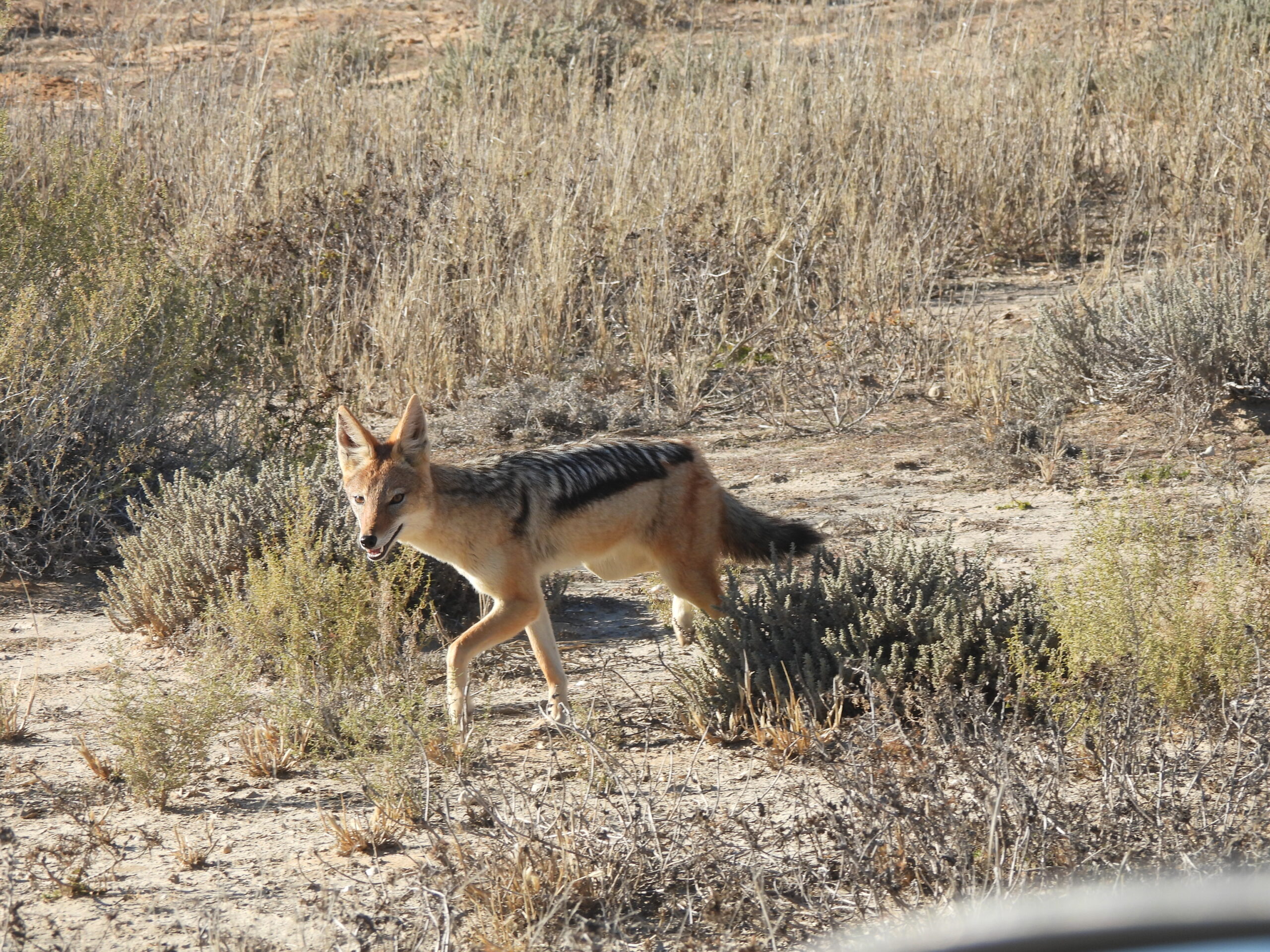
After an otherwise quiet day, we joined a night drive on our final evening in the park. Two vehicles full of visitors headed towards an area north of Satara where several lions had recently been reported. Sure enough, we found a mating pair right beside the road, roaring loudly before settling down only a few metres away. The drive also produced another lion pride, scrub hare, African wildcat, black-backed jackal, large-spotted genet and flap-necked chameleon. While the lions made the outing worthwhile, the overall experience was (unsurprisingly) diminished by the constant spotlighting and the rather noisy groups of visitors, many of whom seemed interested only in the Big Five.
Friday 24th July 2026 Morning lions and Afromontane mist forest
Our final day in Kruger National Park began north of Satara, where we encountered an old male lion that had apparently just lost a fight with three younger males from a neighbouring pride. We enjoyed prolonged point-blank views before crossing the Olifants River and entering Limpopo Province. More sightings of bateleurs, ostriches, elephants and buffaloes followed.
Once outside the park, we drove west towards Woodbush, a montane forest area where several forest specialities still awaited us. Locating the remaining forest patches among the vast pine plantations proved more difficult than expected. After checking into Magoebaskloof Mountain Lodge, we continued past Woodbush Hut and slowly walked a dusty forest road. Bird activity was limited, but we nevertheless found the localized black-fronted bushshrike, forest buzzard, Knysna turaco, Cape batis, chorister robin-chat, greater double-collared sunbird, forest canary and numerous Cape white-eyes. On the drive back to the lodge, a magnificent Cape parrot perched on top of a dead tree right in the middle of the road, giving us unforgettable views of one of 60-80 birds remaining in Limpopo!
Saturday 25th July 2026 Mist belt forest specialties and transfer to Cape Town
Another morning at Woodbush proved rather quiet. We first explored the pine plantations near the start of the Magoebaskloof Hiking Trail, but ongoing forestry work soon forced us to turn back after seeing five Cape parrots flying overhead. Returning to the forest patch we had visited the previous afternoon again delivered numerous Cape white-eyes, Cape batises, forest canaries, greater double-collared sunbirds and yellow-streaked greenbuls. A pair of Knysna turacos flew across the road — the only individuals we actually saw during our stay, being the turaco species we heard the least while on their distribution range. Instead, Cape canaries were particularly vocal, singing from the tops of the pine trees.
Miquel stayed behind at the lodge, where samango monkeys and a variety of birds provided plenty of entertainment. Before checking out, the rest of us also managed to add last-minute amethyst sunbirds, dusky flycatchers and Ludwig’s drongos.
The remainder of the day was spent travelling back to Cape Town on an evening FlySafair flight from Johannesburg, where we returned our rental vehicle after more than three weeks on the road. We had an awful arrival to Cape Town, as the owners of our booked full house accommodation in Tokai did not respond and let us in. After a long wait out in the street at night (in a safe area, for what it’s worth), we booked a room in Neighbourgood Newlands for the night, in hopes the owners would reply the next morning.
Gaur (Bos gaurus) at sunset in Periyar Tiger Reserve, 8 Jan 2025
Sunday 26th July 2026 Pelagic tour from Simon’s Bay
The most eagerly anticipated day of the trip began before dawn at Simon’s Town Yacht Club via an Uber, after leaving our luggage at Newlands. Flyover kelp gulls, hadada and sacred ibises and red-winged starlings were noticeable in the dark. We had booked a pelagic trip with Cape Town Pelagics for the five of us, which meant having an entire eight-passenger boat at our disposal on whichever day offered the best conditions. As luck would have it, our very first morning in the Cape brought calm seas and excellent weather, allowing us to head out — together with three other passengers who filled the remaining places and helped reduce the cost.
We met Captain Alan and our guide Dave at 07:00 before boarding after a short briefing. Hundreds of Cape cormorants lined the harbour. As we crossed False Bay at sunrise, we encountered flocks of African penguins and greater crested terns, together with several Cape fur seals and humpback whales. Only a few hundred metres beyond Cape Point, we connected with our first Cape gannets, sooty shearwaters and white-chinned petrels.
The best, however, was still to come. After roughly an hour steaming southwest, we reached several fishing trawlers that the captain had located offshore. Around them, thousands upon thousands of seabirds gathered to feed on discarded fish. The spectacle included hundreds of sooty shearwaters, white-chinned petrels, pintado petrels, black-browed and shy albatrosses, dozens of Indian yellow-nosed albatrosses, southern giant petrels, brown skuas and Cape gannets, together with smaller numbers of Atlantic yellow-nosed albatrosses and northern giant petrels. The highlights were four separate sightings of spectacled petrel (including at least two, perhaps three individuals based on our photographs), two of Antarctic prion, an out-of-season great shearwater and a juvenile Antarctic tern.
Around midday we returned towards False Bay and anchored in a sheltered area for a quick snack, much appreciated by those who had suffered from seasickness. On the way, the boat stopped beside several rocky islets, giving us close views of bank, crowned and Cape cormorants together with large groups of Cape fur seals.
After leaving the boat, we took a stroll along the coast from Simon’s Town. It did not take long to reach the famous African penguin colony at Boulders Beach. As the colony lies within Table Mountain National Park, we were able to enter using our Wild Cards. The penguins put on a wonderful show, and we spent a long time enjoying their behaviour despite the hundreds of tourists crowding the boardwalk. Our fantastic seabird day ended in Neighbourgood Newlands again, where we decided to book rooms for the remainder of our stay in Cape Town, settled in and trained at the gym (after weeks of mostly sitting in a car!).
Monday 27th July 2026 Mist and wind in Kirstenbosch National Botanical Garden
Our first full day in Cape Town had to include a visit to the stunning Kirstenbosch National Botanical Garden. A short Uber ride brought us to the entrance, where we bought our tickets. As soon as we stepped inside, we were greeted by immaculate green lawns and flowering gardens with the cloud-covered Table Mountain as a spectacular backdrop. Cape white-eyes, southern double-collared sunbirds, Cape robin-chats and sombre greenbuls were abundant throughout the gardens. The forested section produced two brown-backed honeybirds and a roosting spotted eagle-owl. In the protea garden, we enjoyed close-up views of both male and female Cape sugarbirds, while inquisitive Cape spurfowl wandered around us as we had a snack on the lawn.
We had been incredibly lucky with the weather throughout the trip, and our only poor weather day turned out to be today. Thick fog and light drizzle dominated the morning before strong winds picked up later in the day. We headed to Maiden’s Cove in the hope that the conditions would encourage Antarctic terns to remain at their roosts. Instead, the wind made any seawatching almost impossible. While quite literally trying not to be blown away, we still managed to record flyby greater crested terns, crowned and Cape cormorants and a distant African oystercatcher.
Tuesday 28th July 2026 Table Mountain trek, second shot at Kirstenbosch and city center
We had two plans for our remaining time in Cape Town that did not require a car. As this was our last full day before collecting another rental vehicle, we split into two groups so we could do both.
Miquel, Arnau and Guillem hiked Table Mountain from the northern side. After walking through protea blooms in fynbos, where they found several orange-breasted sunbirds, and climbing narrow forested gorges despite the strong wind, they reached the summit, which rewarded them with breathtaking views over the city, the ocean and the surrounding plains.
Meanwhile, Darío and Adri returned to Kirstenbosch, where they finally connected with a group of lemon doves together with several Cape grassbirds. Later, they headed to the V&A Waterfront for some sightseeing. Cape fur seals and crowned cormorants basked around the harbour, while red-winged starlings and grey-headed and Hartlaub’s gulls searched for food scraps among the visitors.
Wednesday 29th July 2026 Cape of Good Hope and Table Mountain National Park
A morning walk from our accommodation brought us to Newlands Forest, a moist woodland at the foot of Table Mountain. Besides the usual abundance of Cape white-eyes, Cape canaries and southern double-collared sunbirds, we also found introduced common chaffinches and an African harrier-hawk soaring over the nearby neighbourhood.
Around midday, we headed to Cape Town Airport to collect the rental car we had booked for the remainder of the trip. A brand-new automatic seven-seat Suzuki Ertiga from Sixt made the final days considerably easier, while our hotel, Neighbourgood Newlands, conveniently offered free parking.
From the airport we drove straight to the southern end of the Cape Peninsula, part of Table Mountain National Park, which we entered using our Wild Cards. We visited both Cape Point, with its famous lighthouse perched high above the cliffs, and the famous Cape of Good Hope closer to sea level. Cape grassbirds, Cape robin-chats and Karoo prinias were numerous in the fynbos, while red-winged starlings and Cape buntings searched for food scraps around the tourists. Offshore, hundreds of Cape cormorants shared the coastline with numerous kelp gulls and swimming Cape fur seals. Along the roadside, we enjoyed incredibly close views of ostriches and eland.
We finished the day by driving towards Olifantsbos in search of a few target mammals and flowering protea patches. Even this relatively short drive produced mountain zebra, two herds of bontebok and red hartebeest, together with excellent numbers of orange-breasted sunbirds and Cape sugarbirds in a spectacular fynbos landscape.
Thursday 30th July 2026 Strandfontein wetland and Sir Lowry’s Pass fynbos
The lagoons surrounding the Strandfontein Wastewater Treatment Works provided the perfect introduction to the waterbirds of the Cape. Following Google Maps, we reached the reserve entrance without difficulty, where an officer took our details and let us in. At our very first stop overlooking the large Zeekoevlei lagoon, we already recorded purple heron, great white pelican, African darter and good numbers of little rush warblers. The second lagoon was packed with waterfowl, including large numbers of Cape teal, Cape shovelers and yellow-billed ducks, together with southern pochards, Maccoa ducks and fulvous whistling ducks. Most of our target species were already secured before we had properly begun exploring.
We continued around the hexagon-shaped network of triangular lagoons, enjoying close views of many of these species. Besides large numbers of kelp, grey-headed and Hartlaub’s gulls, little and black-necked grebes and red-knobbed coots, we also connected with pied avocets, black-winged stilts, black-headed and yellow-billed herons and Levaillant’s cisticolas.
Later, we drove east towards Sir Lowry’s Pass. A viewpoint parking area was patrolled by a troop of baboons, and one particularly large male even opened one of our car doors while we were still inside! Deciding we had seen enough of these locals, we continued a few hundred meters farther and parked beside a gate, where a security guard asked for a small tip and let us in.
Sir Lowry’s Pass certainly delivered. We first crossed a recently burned stretch of fynbos, but as soon as we reached unburned vegetation, orange-breasted sunbirds and Cape sugarbirds put on a fantastic show. Farther ahead, the fynbos became wetter, bordering a marshy area where we heard several Victorin’s warblers surprisingly early in the season. Finally, we crossed to the rocky slopes on the opposite side of the road. Before long, a female Cape rockjumper appeared only a few meters away. After enjoying prolonged views, its calls eventually led us to a spectacular male that also showed beautifully. A last-minute sentinel rock-thrush rounded off our visit.
Friday 31st July 2026 Final targets in De Hoop Nature Reserve and Rooi-Els
Our final full day in South Africa called for one last road trip. We drove more than three hours east to De Hoop Nature Reserve. Even the gravel road approaching the reserve proved rewarding, producing good numbers of blue cranes, displaying red and yellow bishops and our first Cape griffons resting on the ground alongside white-necked ravens and Cape crows. Grey-winged francolins, Cape longclaws and a juvenile martial eagle also appeared near the junction to the reserve. On the return journey later that day, we found several wattled starlings feeding alongside pied starlings in the same area.
We entered the reserve using our Wild Cards and stopped for a snack near the reception area. The surroundings produced excellent views of bokmakierie, southern boubou and our target, southern tchagra, while Alpine and African swifts flew overhead and large herds of eland, bontebok and mountain zebra grazed nearby.
Our final birding session took place at Rooi-Els, a beautiful coastal village perfectly integrated into the rocky fynbos. Confiding Cape rockjumpers, numerous Cape sugarbirds and orange-breasted sunbirds, together with Cape buntings, Cape grassbirds and grey-backed cisticolas, were active all around us. Offshore, kelp gulls, Cape cormorants and greater crested terns patrolled the coastline alongside Cape fur seals and distant dolphins and whales. Although we failed to find ground woodpecker, we finally connected with Cape rock-thrush and Cape siskin, two species that had eluded us for most of the trip. We left after dark as fiery-necked nightjars began singing. That night we stayed in Princeview, a nice homestay near Walker Bay, farther south, as Neighbourgood Newlands in Cape Town was fully booked for the final night of the trip.
Saturday 1st August 2026 Final moments in Rooi-Els and departure
Our flight home was scheduled to leave Cape Town in the evening, and our rental car had to be returned before 13:00. That still gave us enough time for one last dance at Rooi-Els. Although the ground woodpecker remained elusive, there could hardly have been a better way to spend our final hours in South Africa than surrounded by spectacular fynbos and some of its most charismatic birds: Cape rockjumpers, Cape sugarbirds and orange-breasted sunbirds. We also improved our views of Cape rock-thrush and Cape siskin before driving the scenic coastal road through Spark’s Bay and Gordon’s Bay, where Cape fur seals, African oystercatchers, Egyptian geese, Cape cormorants and kelp gulls lined the distant shoreline.
As we returned the car and headed to the airport, it was impossible not to look back on an unforgettable journey. A whole month, almost 8,000 kilometres on the road and remarkable wildlife encounters had made South Africa one of the finest birding destinations we had ever experienced. We left Cape Town in the evening one hour after expected but reached Valencia on time via a short stopover in Istanbul.