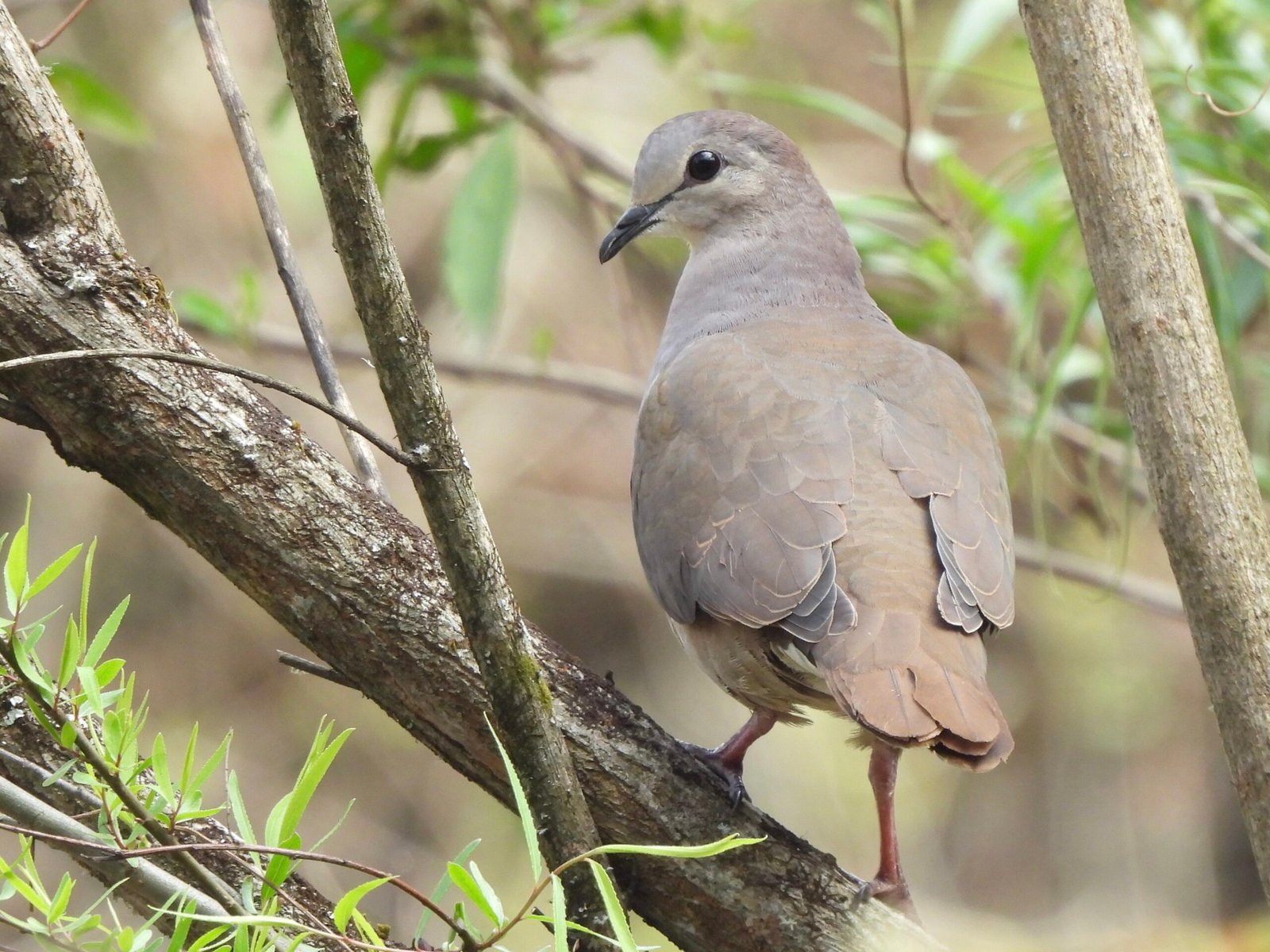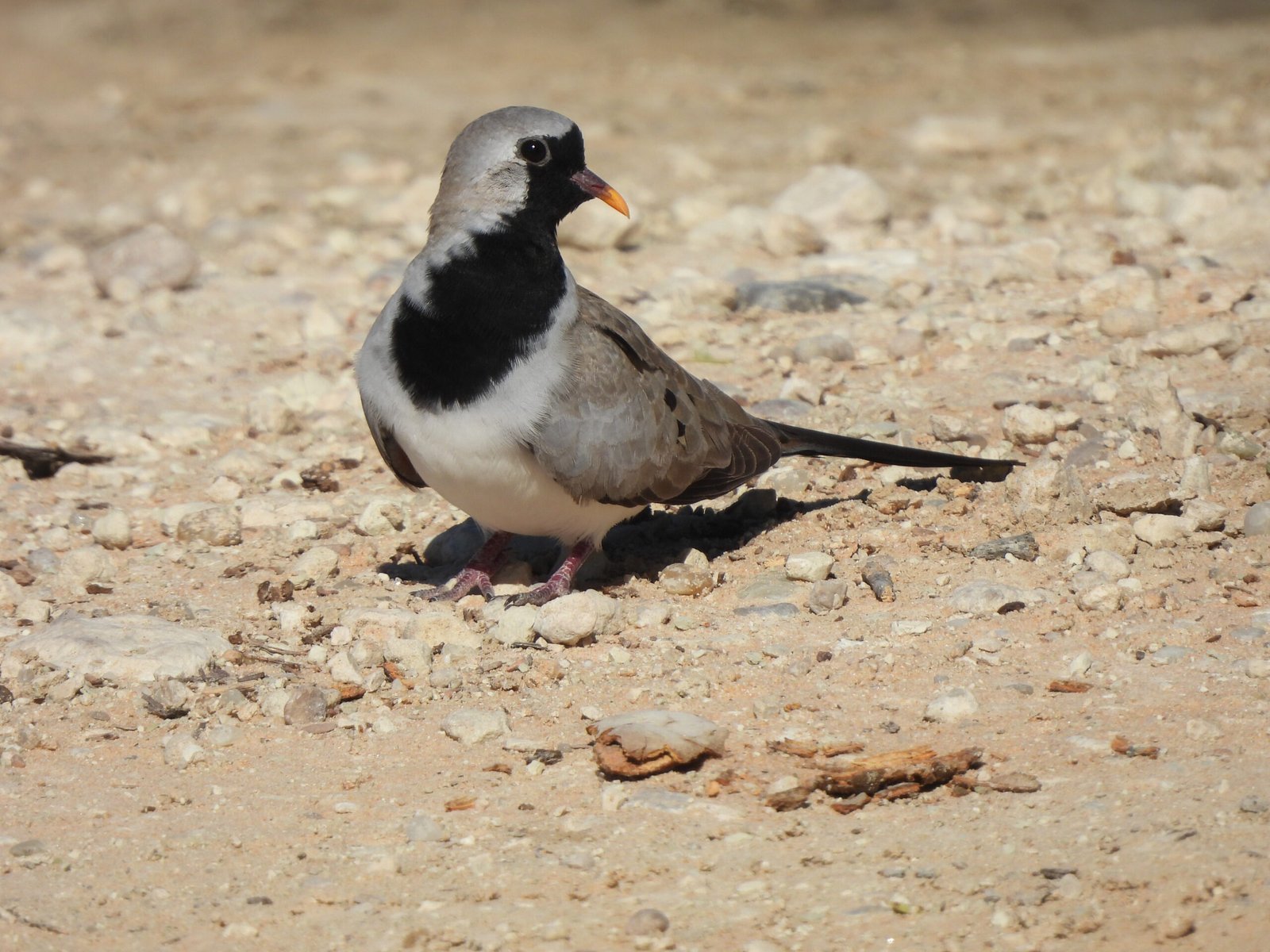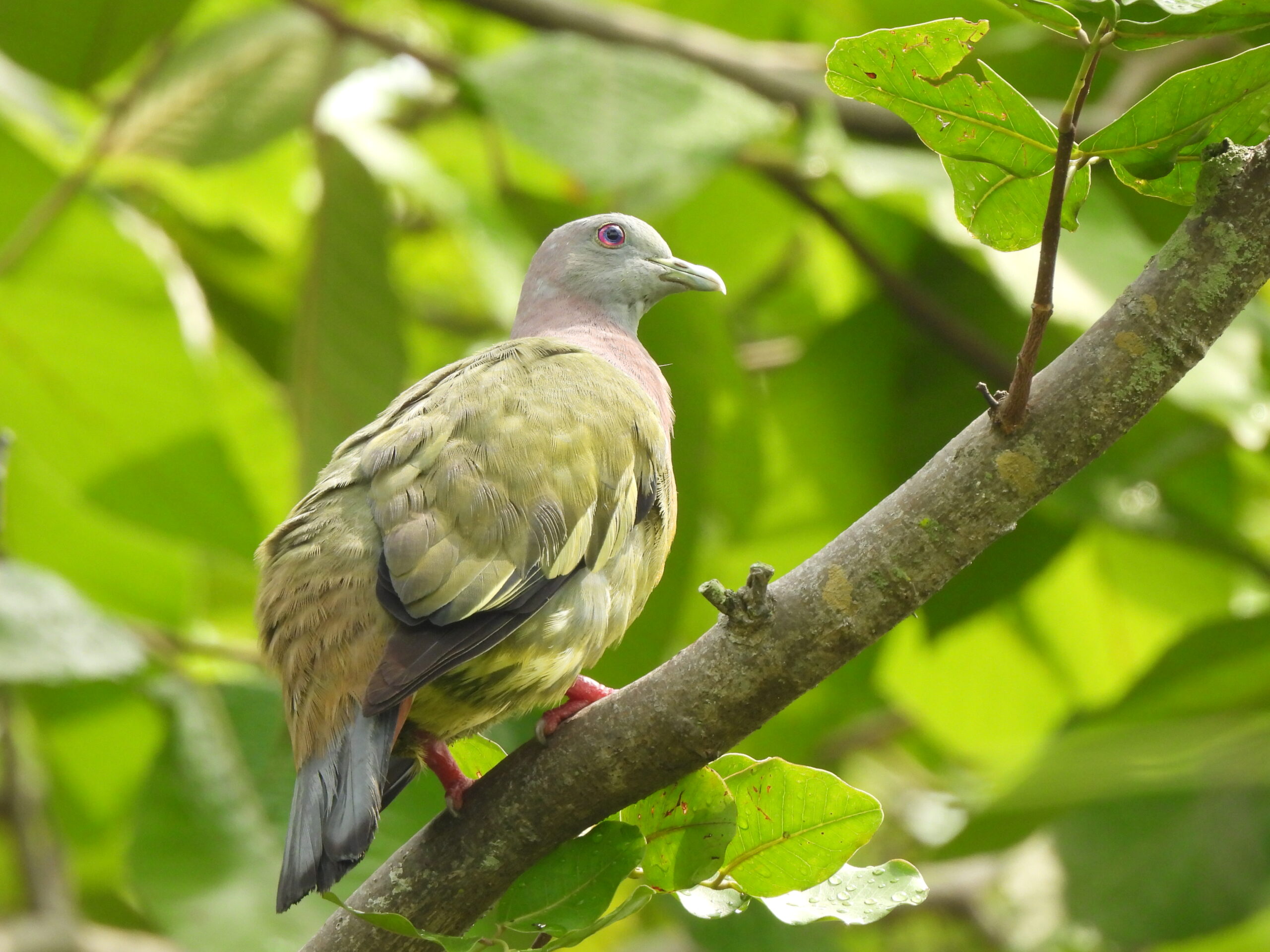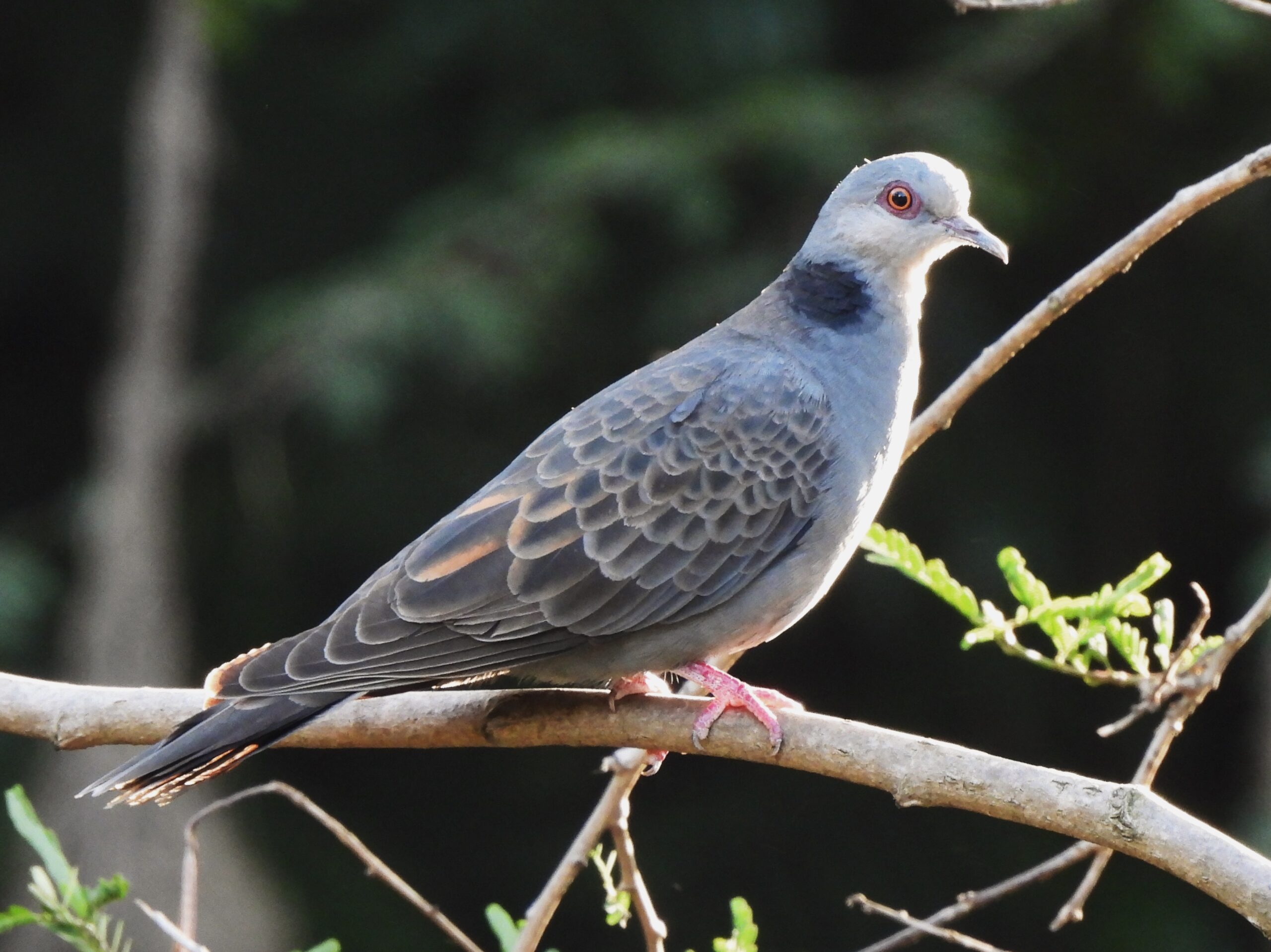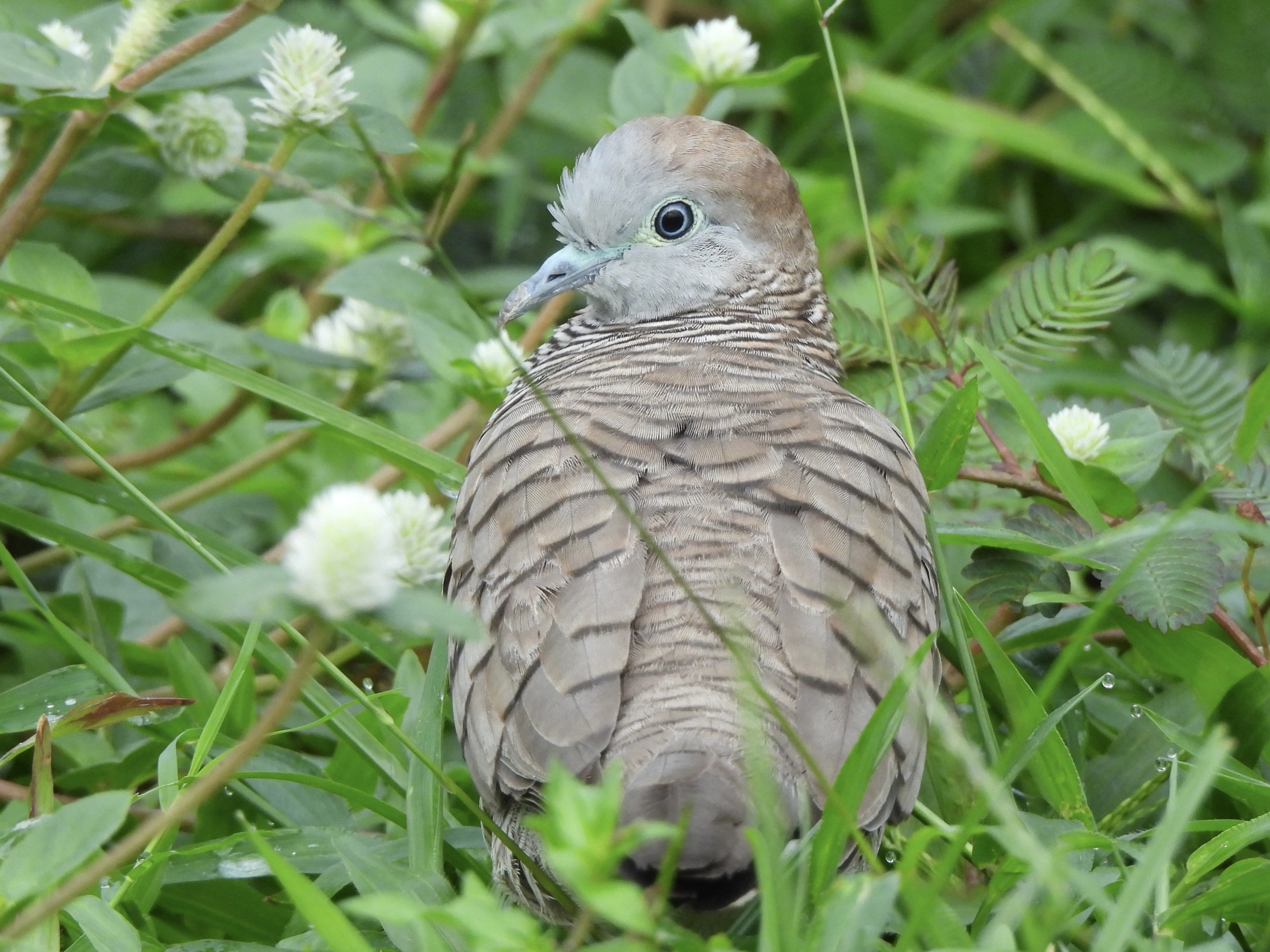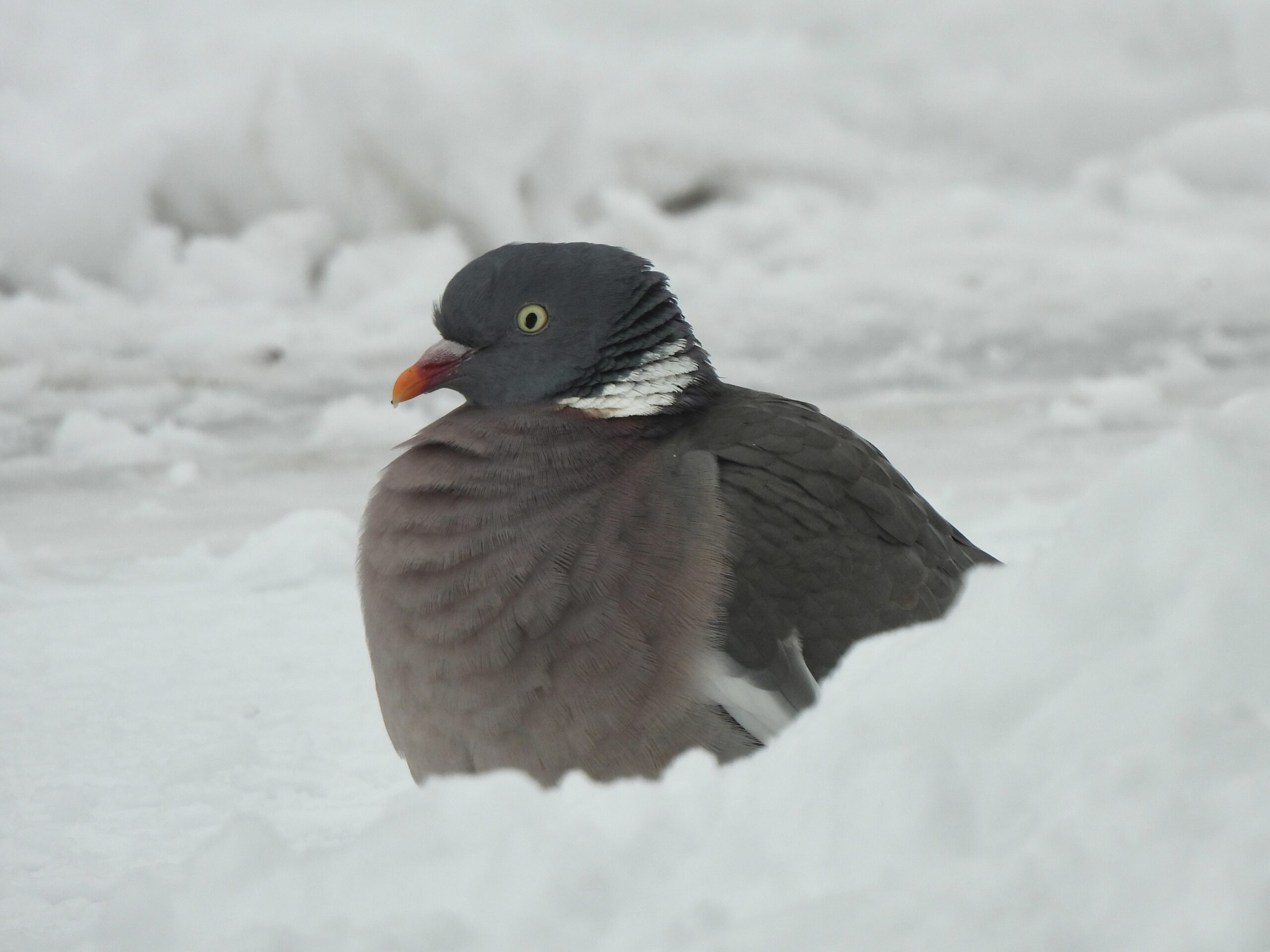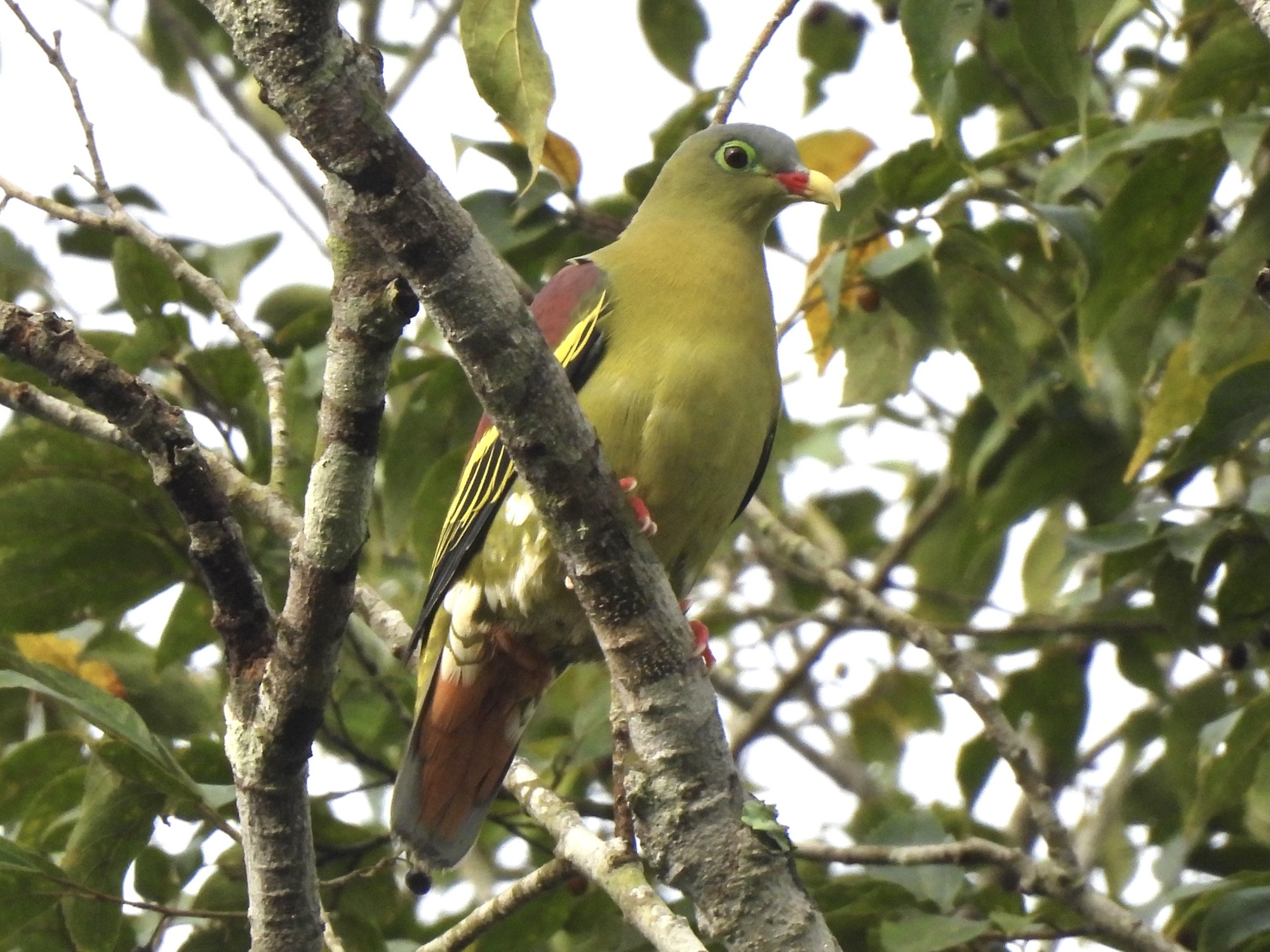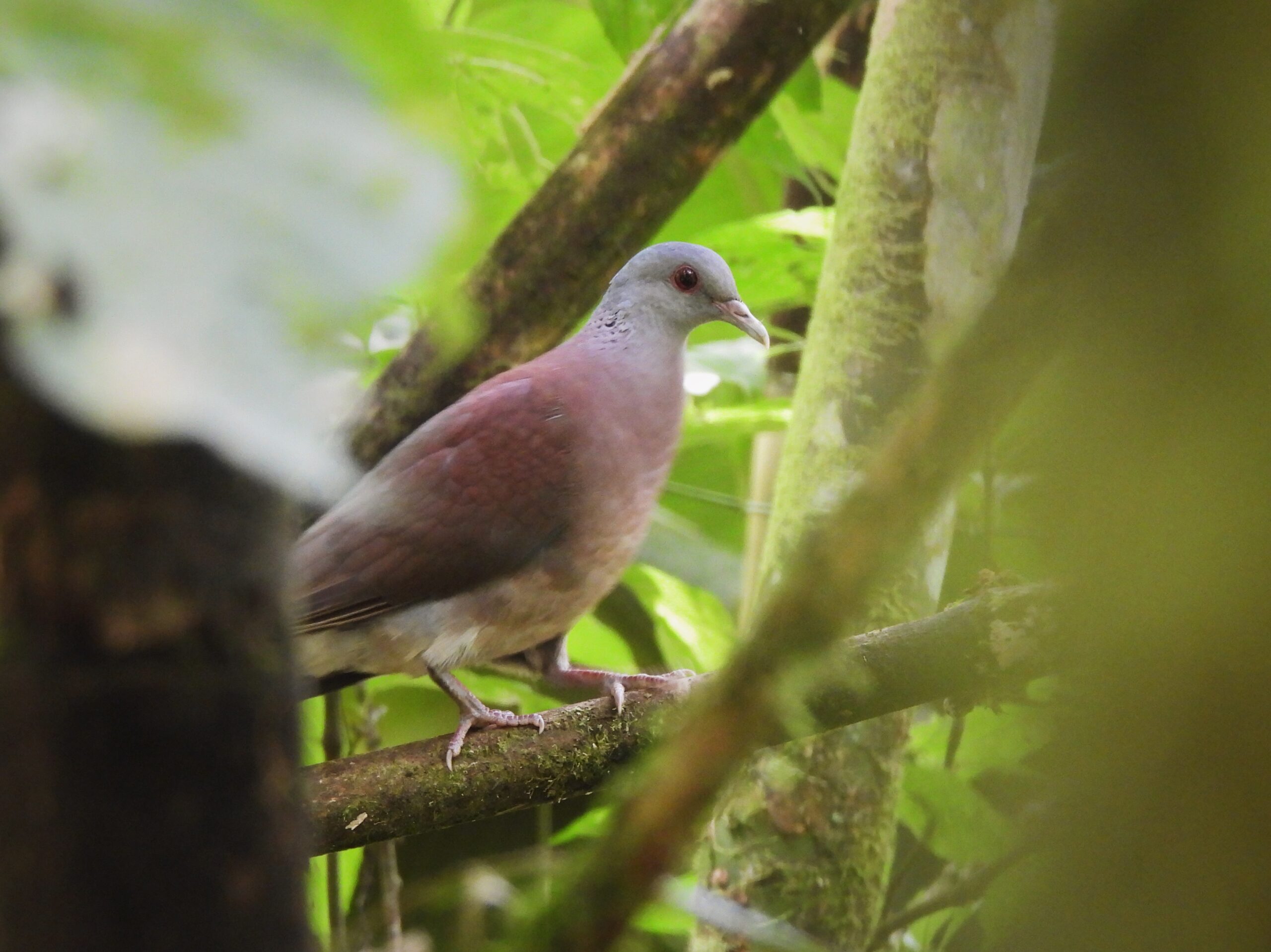
The pigeons and doves (family Columbidae) are a family of birds belonging to the order Columbiformes.
The family comprises 144 extant species in 21 genera. This first page comprises the Neotropical ground doves of genera Claravis (1 species), Uropelia (1 species), Paraclaravis (2 species), Metriopelia (4 species), Columbina (9 species); quail-doves of genera Starnoenas (1 species), Geotrygon (9 species), Leptotrygon (1 species), Plectropterus (1 species), Zentrygon (8 species); and other Neotropical genera including Leptotila (10 species), Zenaida (7 species of which 1 extinct in the wild). This first page also includes the Indomalayan and Australasian cuckoo-doves of genera Reinwardtoena (3 species), Turacoena (3 species), Macropygia (15 species), the Neotropical genera Patagioenas (17 species); the Old World turtle doves and collared doves including genera Spilopelia (2 species), Nesoenas (3 species of which 1 extinct), Aplopelia (1 species), Streptopelia (15 species); and the true pigeons of genus Columba (34 species of which 2 extinct).
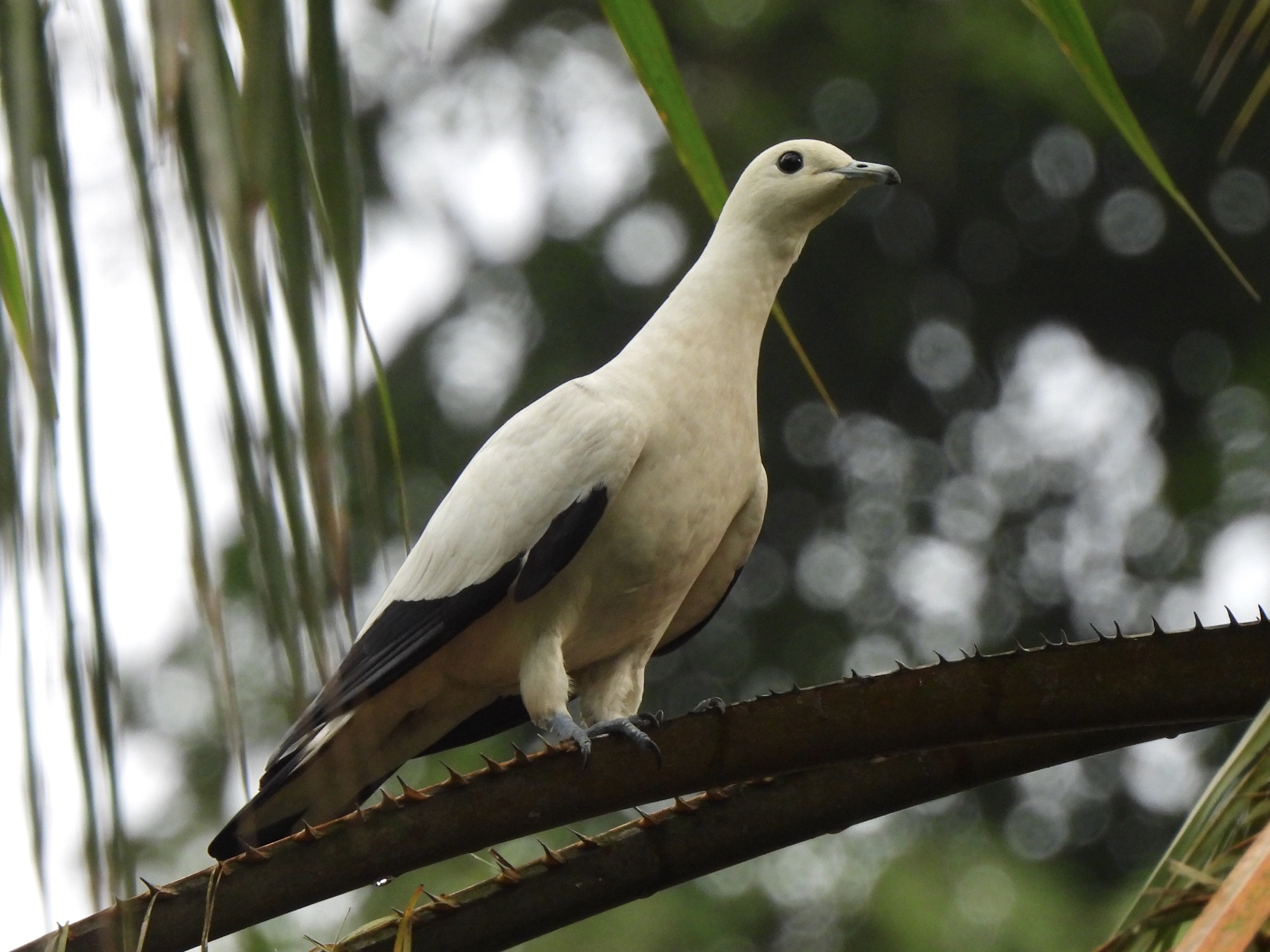
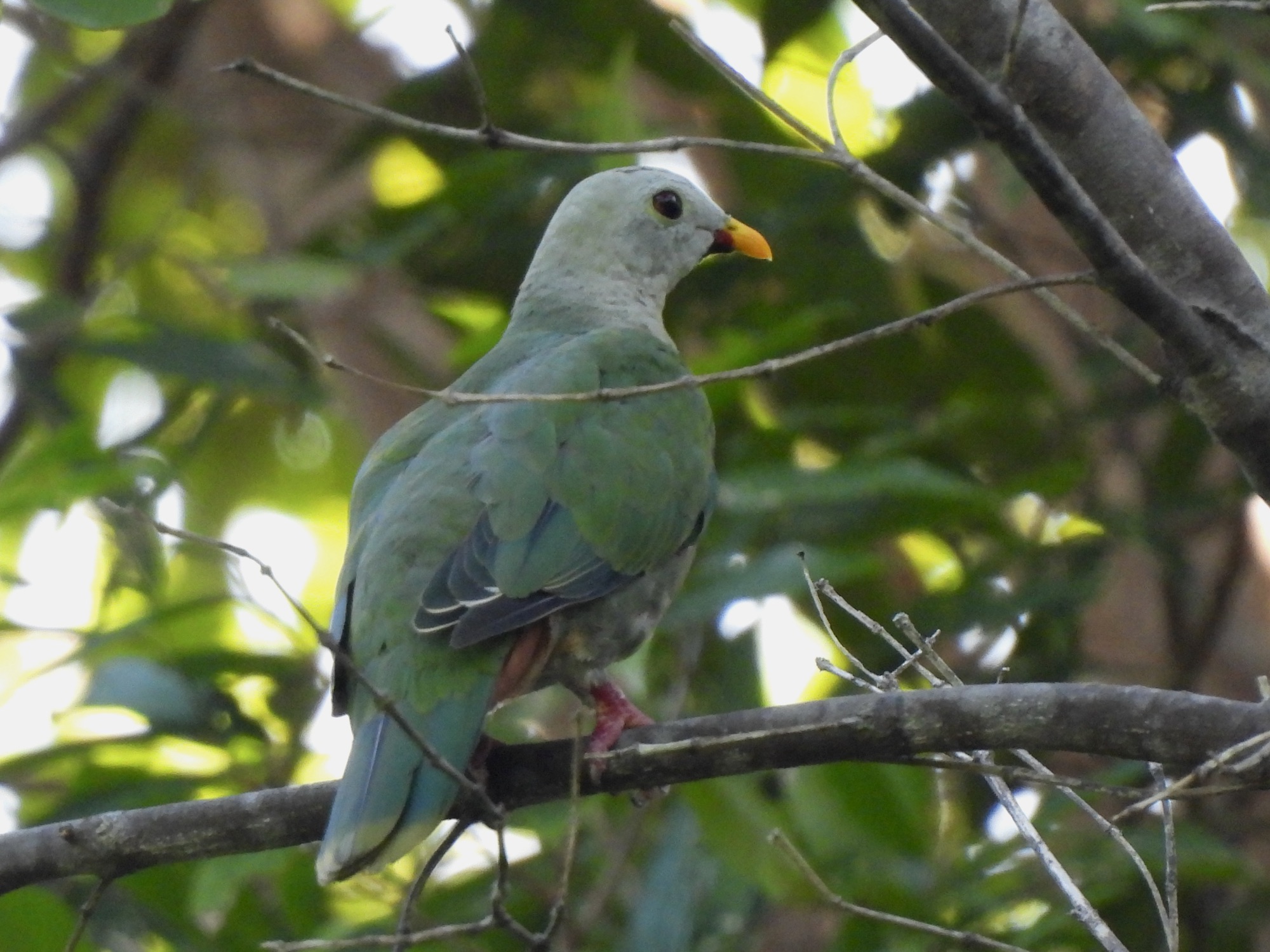
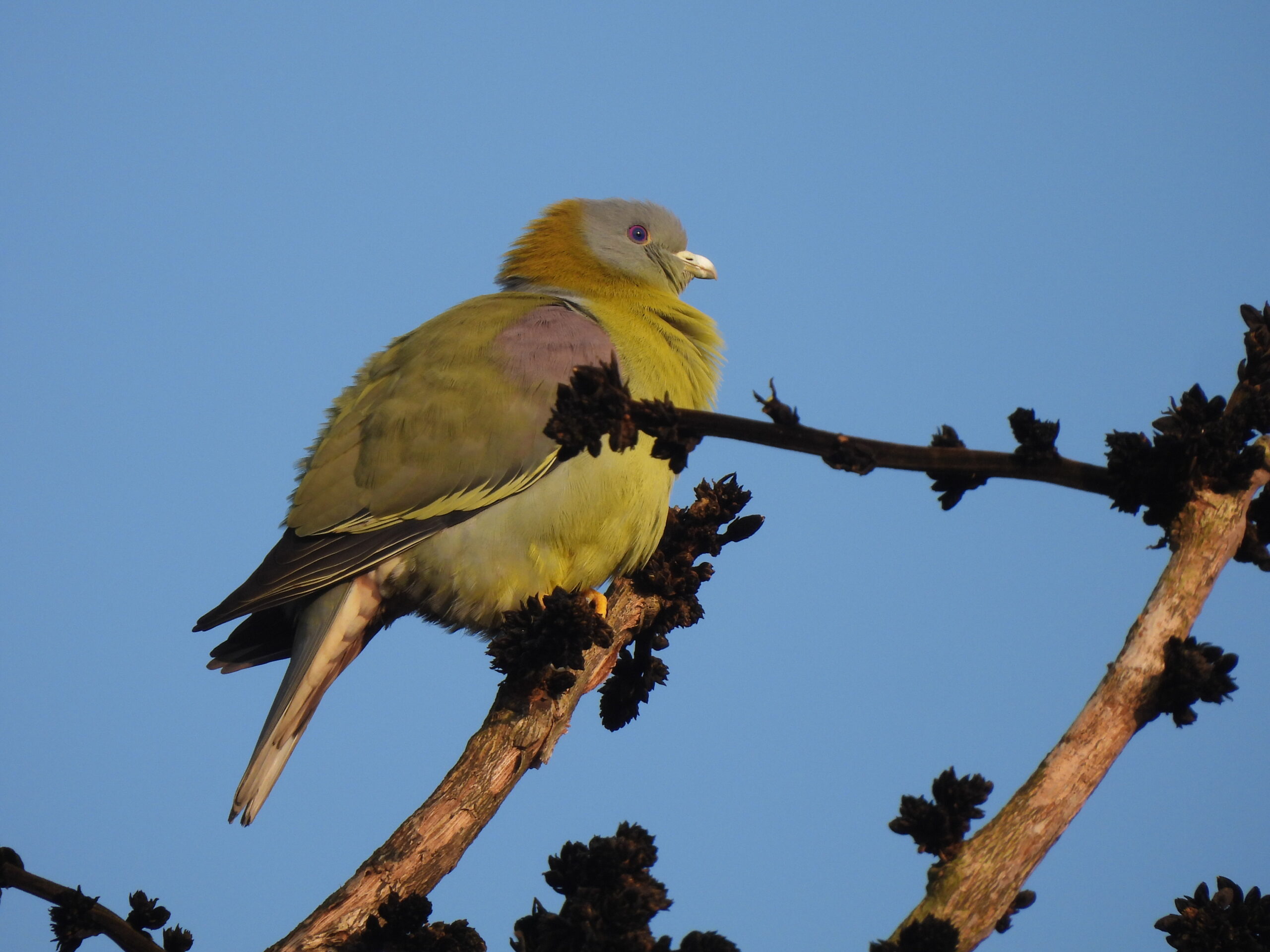
The second page comprises tropical and subtropical doves of the Old World, including genera Chalcophaps (3 species), Oena (1 species), Turtur (5 species), the green pigeons of genus Treron (29 species) and brown pigeons of genus Phapitreron (4 species), the Australasian ground doves of genera Gallicolumba (7 species of which 1 possibly extinct), Henicophaps (2 species), Pampusana (13 species of which 3 extinct) and Australasian genera Leucosarcia (1 species), Phaps (3 species), Geopelia (5 species), Petrophassa (2 species), Ocyphaps (1 species), Geophaps (3 species), Trugon (1 species), Otidiphaps (1 species) and Goura (4 species), Didunculus (1 species), Caloenas (2 species of which 1 extinct), Hemiphaga (2 species), Cryptophaps (1 species), Lopholaimus (1 species), Gymnophaps (4 species), the imperial pigeons of genus Ducula (42 species), the blue doves of genus Alectroenas (4 species of which 1 extinct) and the fruit doves of genera Megaloprepia (2 species), Ramphiculus (9 species), and Ramphiculus (47 species of which 1 extinct and 1 possibly extinct).
Numerous members of the family have become extinct worldwide in recent times. This includes entire genera, such as the passenger pigeon of genus Ectopistes (1 species), the flightless dodo of genus Raphus (1 species) and Rodrigues solitaire of genus Pezophaps (1 species), and the Choiseul pigeon of genus Microgoura (1 species).
Adrián Colino Barea
Palawan cuckoo-dove
Macropygia sp.
Cuckoo-dove endemic to tropical forests of Palawan, in the Philippines. Although the existence of this dove has been known for some years, it is extremely poorly known and it has not been formally described yet as a taxon. I observed this dove on my trip to Palawan.
Barred cuckoo-dove
Macropygia unchall
Found in dense montane forests from the eastern Himalayas and south China to Sumatra and Java. Besides a strongly barred plumage, this species has an iridescent greenish nape. I have briefly encountered this species in the forests of Da Lat Plateau, Vietnam.
Little cuckoo-dove
Macropygia ruficeps
Localized in broadleaf forests in the highlands of Southeast Asia, Malay Peninsula and the Greater and Lesser Sundas. Shy and elusive as other cuckoo-doves. I often heard and seldom seen this species in montane forests of Peninsular Malaysia and Borneo.
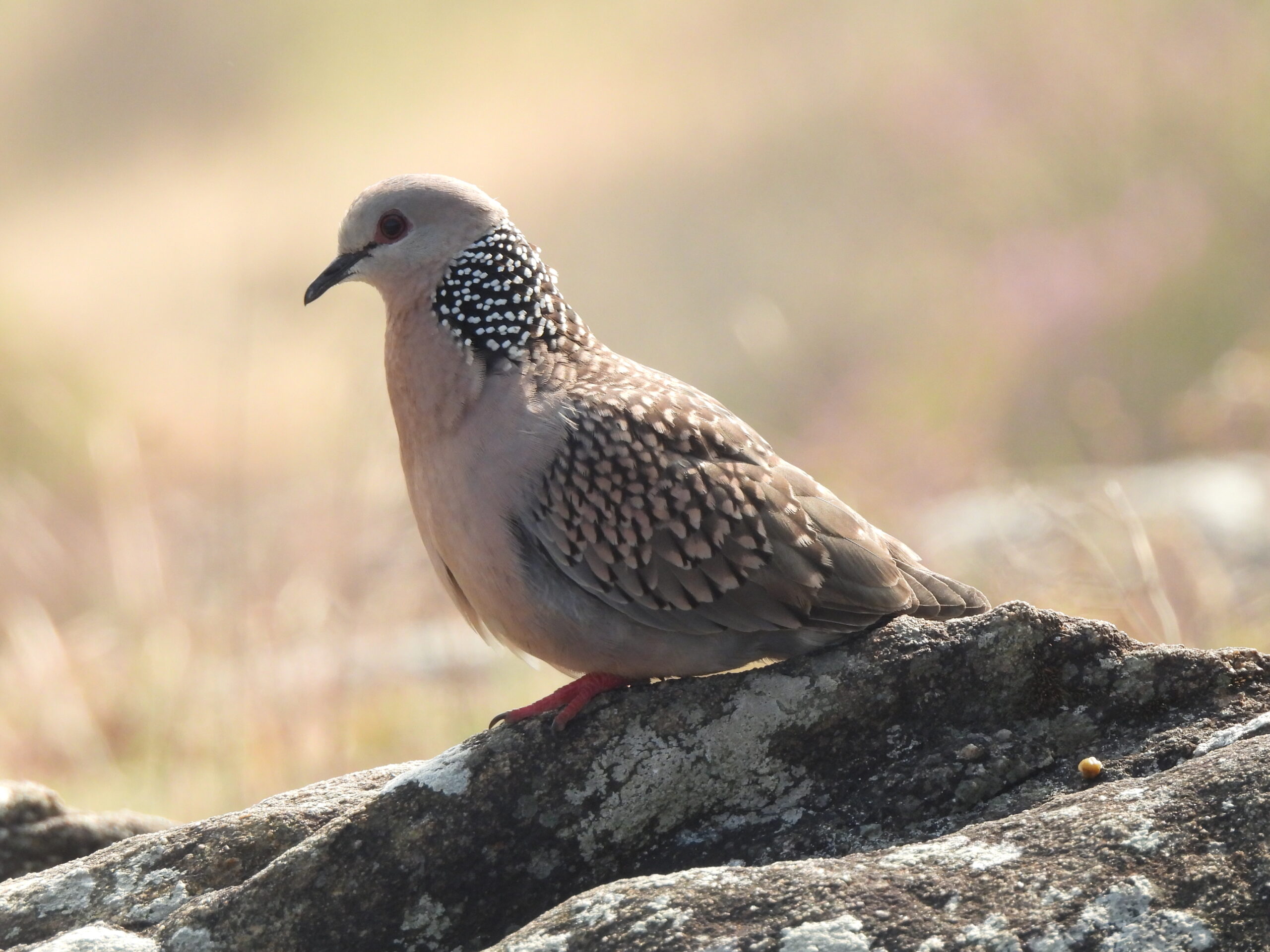
Spotted dove
Spilopelia chinensis
Mainly distributed in marshes and ponds of the Indian Subcontinent, Southeast Asia and Northeastern Australia, with individuals regularly occurring from Oman to East China. It is the smallest extant member of the family. I have seen pairs in water lily-covered lakes in Angkor Wat in Cambodia and in the backwaters of India.
Laughing dove
Spilopelia senegalensis
Found in wetlands with vegetation along a very patchy distribution from the Iberian Peninsula and Maghreb east to Mongolia. Globally endangered and the only stiff-tailed duck found in Eurasia. This species has a stronghold in several wetlands of south Alicante, where it can be seen year-round.
Malagasy turtle dove
Nesoenas picturatus
Charismatic inhabitant of coasts and wetlands of Europe, although its ornamental value has motivated its introduction to many other areas of the Northern Hemisphere, where it is the only swan with an orange bill and without the habit of calling. This is a native resident species in wetlands and the urban coast of Helsinki.
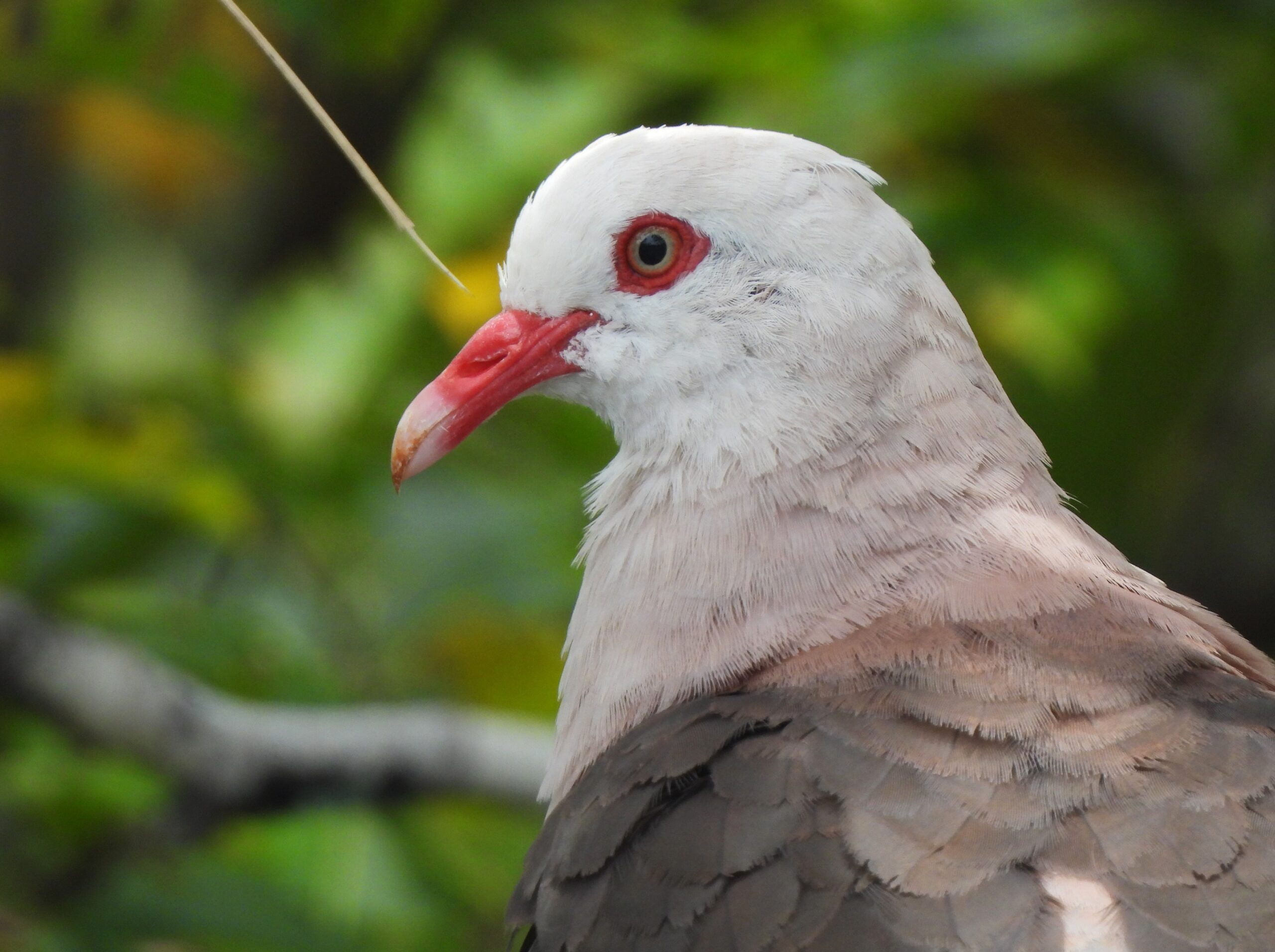
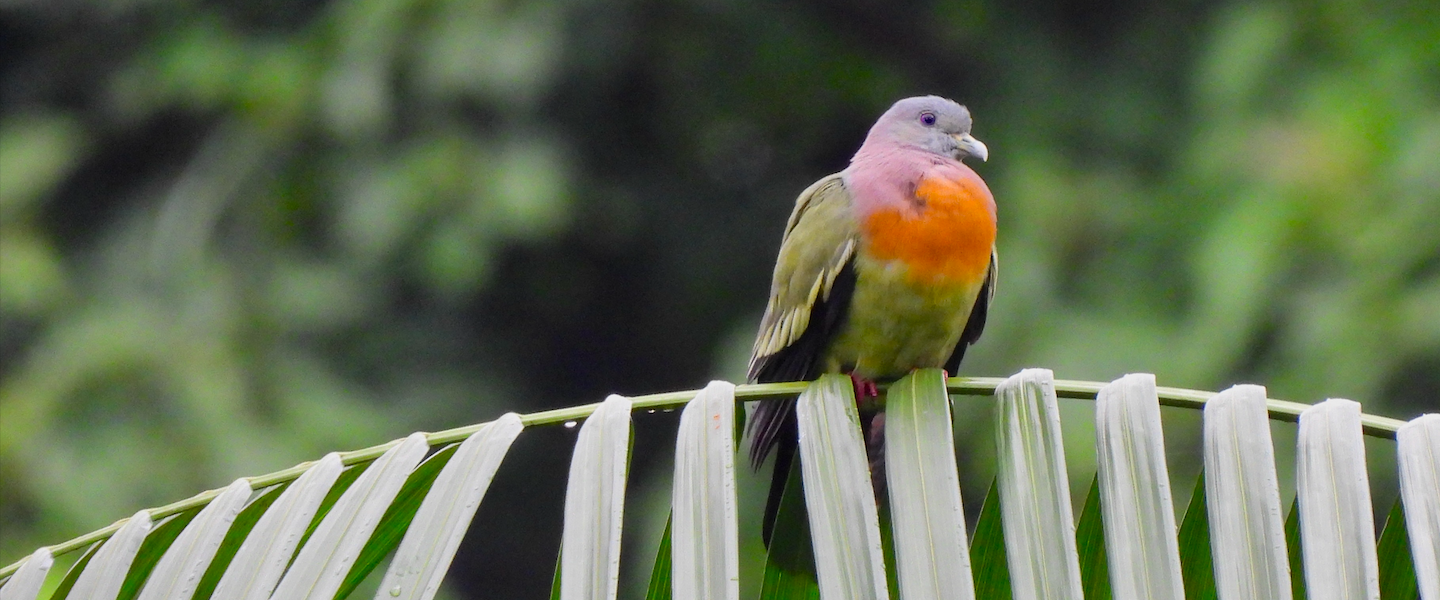
Pink pigeon
Nesoenas mayeri
Breeds in the tundra of the High Arctic and winters along different wetland habitats across the Northern Hemisphere. The Bewick’s bewickii form, with a larger extent of yellow in the bill, is found in the Palearctic — it is a scarce migrant in Finland, where I have seen it in the Åland Islands. I have also encountered good numbers in their wintering range in Greece.
Red collared dove
Streptopelia tranquebarica
Old World swan that breeds in Arctic tundra and taiga and migrates south to spend the winter in marshes and flooded grasslands across central Europe and Asia to Japan. This species is a visitor of fields of Helsinki, especially numerous during passage, and elsewhere in Finland, where it can be seen year round.
Oriental turtle dove
Streptopelia orientalis
Breeds in the coastal tundra of the High Arctic and migrates south to bays and tidal flats of the coast of North America, Europe, Northern China and Japan. Different populations are mainly told apart by their belly color. The dark-bellied bernicla form migrates in large numbers through the sea in front of Helsinki, where some individuals might stop and stay for few days.
European turtle dove
Streptopelia turtur
Breeds in the coastal tundra of the High Arctic and migrates south to bays and tidal flats of the coast of North America, Europe, Northern China and Japan. Different populations are mainly told apart by their belly color. The dark-bellied bernicla form migrates in large numbers through the sea in front of Helsinki, where some individuals might stop and stay for few days.
Dusky turtle dove
Streptopelia lugens
Breeds mostly in Greenland and Svalbard, migrating in large flocks to coasts and cropfields of Central Europe. Its name comes from an old, formerly widespread believe that Branta geese spawned from barnacles. This is the signature bird of Helsinki, where thousands forage in wetlands and an increasing number breeds in parks and green areas of the city over summer.
Ring-necked dove
Streptopelia capicola
Breeds in marshes of highland plateaus in Central Asia and migrates mostly to the Indian Subcontinent in winter. As this route passes through the Himalayas, flocks fly at remarkable altitudes, reaching over 8,800 m above sea level. I have seen this species in the wild in India and escapees in Europe, where some naturalized populations exist.
Red-eyed dove
Streptopelia semitorquata
Native to marshes, wetlands and moist grasslands of Eurasia but domesticated for food. Feral populations have been established worldwide. In Helsinki, this species is an abundant summer visitor. Large numbers winter in certain areas across Spain, and I have also seen the species in Greece.
Eurasian collared dove
Streptopelia decaocto
Range-restricted goose breeding in the Siberian tundra and wintering locally from Eastern Europe to Japan. Globally vulnerable, with a nearly extinct population breeding in Fennoscandia currently being reinforced with released individuals. I have seen this species at one of the wintering strongholds of this European population in Lake Kerkini.
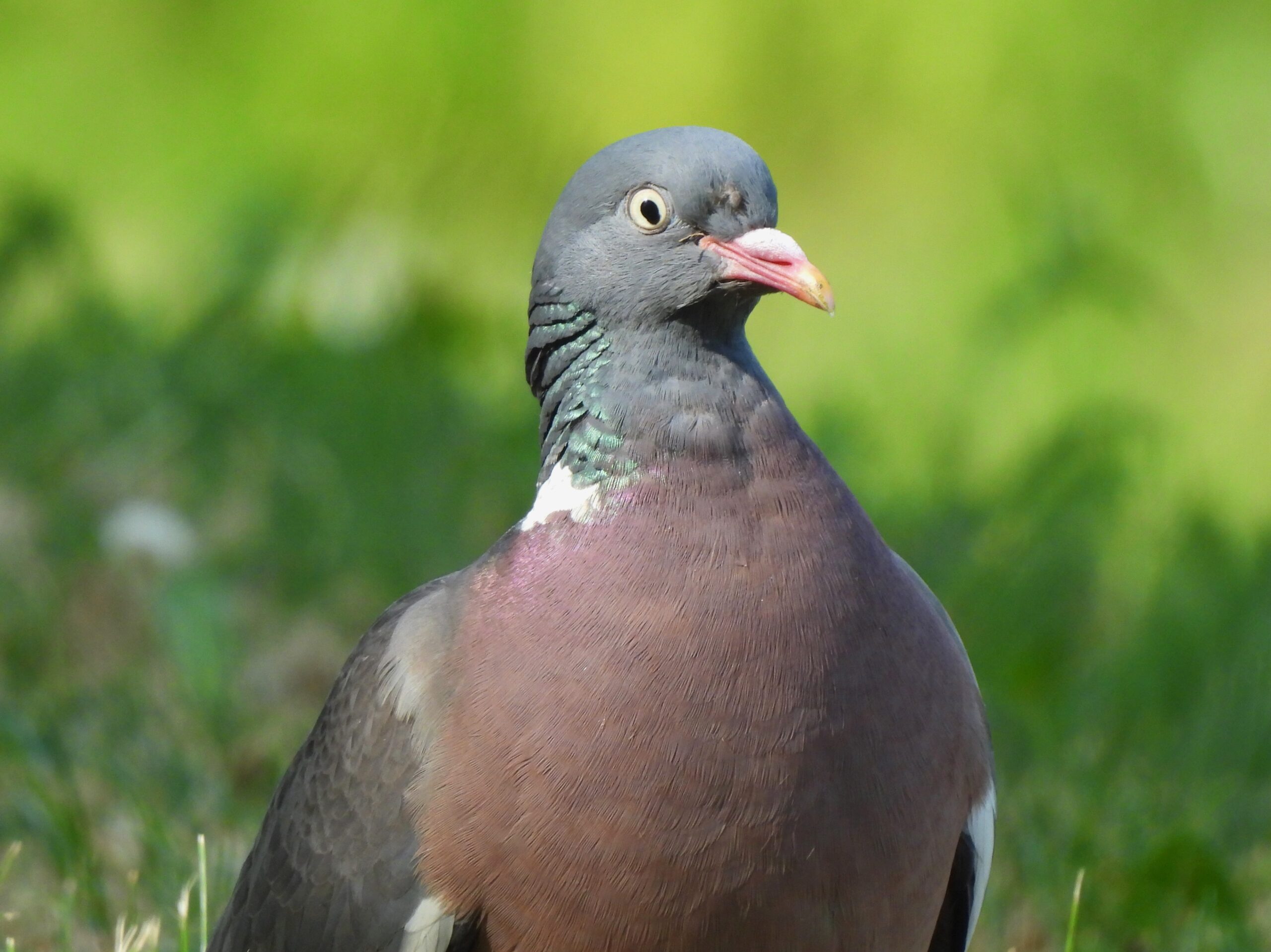
Common wood pigeon
Columba palumbus
Different forms breed in the High Arctic of Canada, Siberia and Greenland, and then migrate to marshes and estuaries of temperate latitudes. Birds of the Siberian population migrate to and from Central Europe in large flocks over Helsinki, where some may stop for days in cropfields.
Speckled pigeon
Columba guinea
Breeds in the tundra from Central to Eastern Siberia and winters mainly in Europe and Far East Asia. The European wintering rossicus form migrates in large numbers over Helsinki, where some may sediment for days in cropfields. I have also seen this species as dominant in geese flocks in Lapland.
Rock dove (feral pigeon)
Columba livia
Breeds in the tundra mostly in Iceland and Greenland and migrates to croplands from Great Britain and the Netherlands to Denmark in winter. Among the migrating geese regularly seen over Helsinki, this is the least numerous species yet few birds occasionally stop for days. I have also seen this species in Lapland.
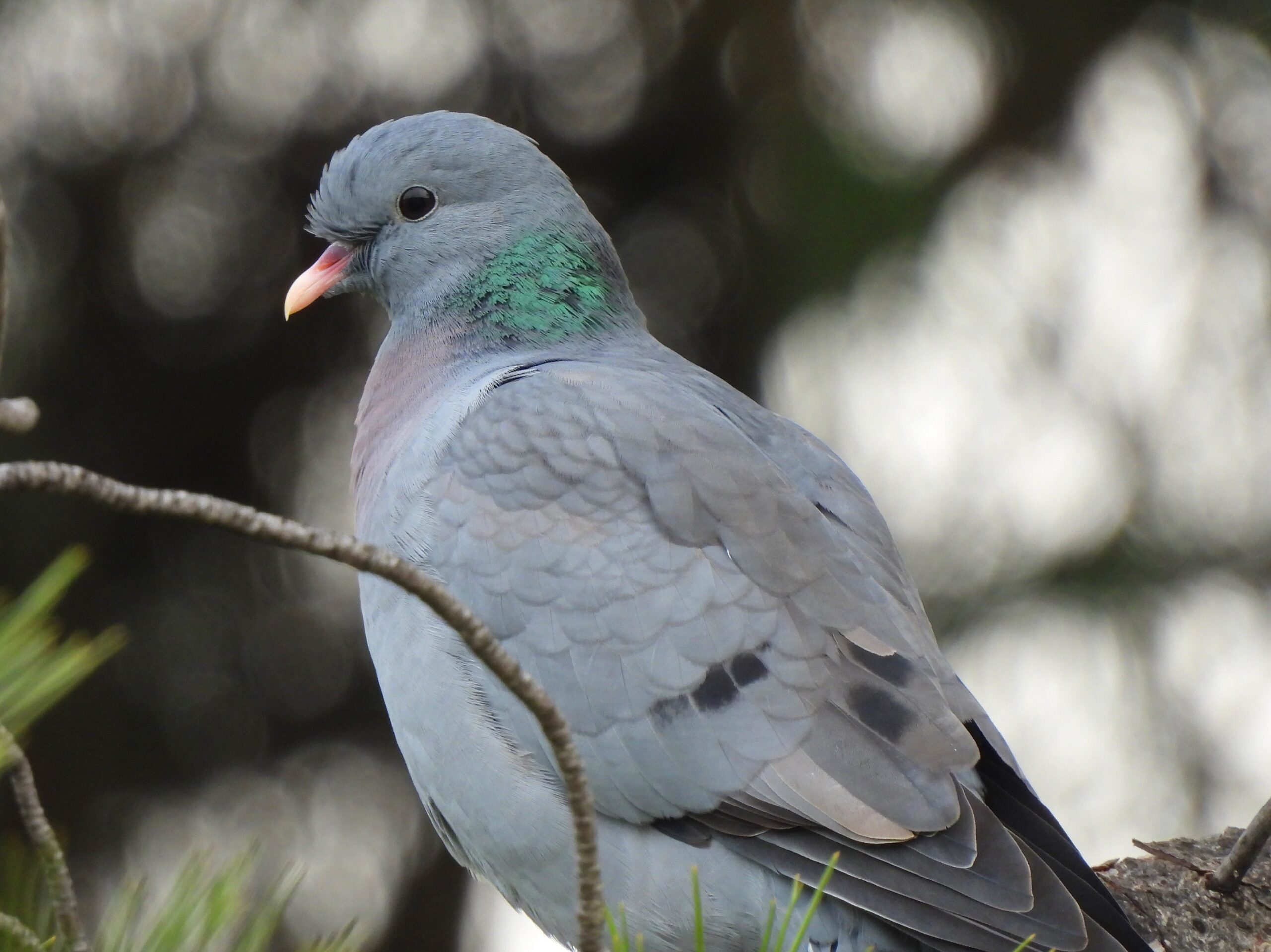
Stock dove
Columba oenas
Three populations breeding in Old World taiga forests winter in croplands of Central Europe, Kazakhstan steppe marshes and Eastern Asia, respectively. This species migrates over Helsinki, where some may stop and stay for days in crop fields. I have also seen this species in geese flocks in Lapland.
Adrián Colino Barea