The Spanish Christmas Lottery features five major prizes that are revealed randomly throughout the day as numbers are drawn, with El Gordo as the grand prize, keeping the thrill alive until the very end. Last Friday, 19 December, some friends patrolled different spots along the coast around Castellón, resulting in an epic seawatching day, with regional rarities appearing one after another. I didn’t win anything in the Christmas Lottery, but we struck the jackpot at sea.
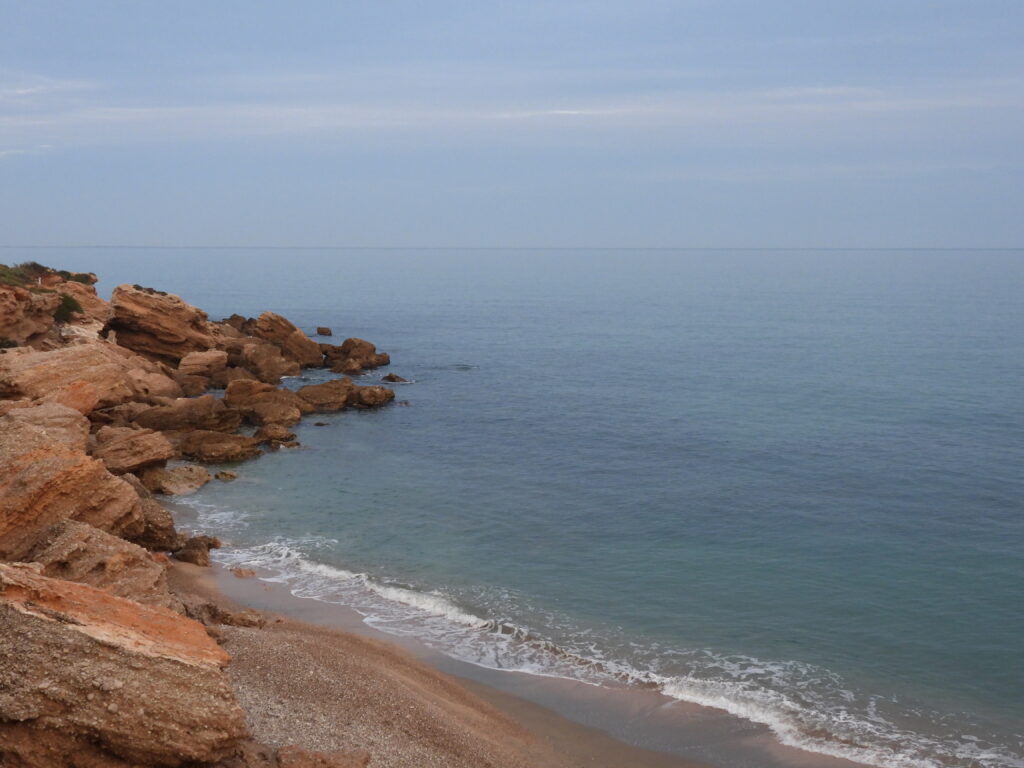
The day started early as Jorge Verdú, Marcos Real, Darío Gijón and I drove north from Alicante. Our friends Munir Chaouni, Guillem de los Santos and Luis Albero made it to Almenara at daybreak and began patrolling the area. We were alerted that they had found a red-throated loon (Gavia stellata) in Gola de la Llosa about 30 minutes before our arrival. Far in the distance and actively diving, the bird kept appearing on and off before we reached the site.
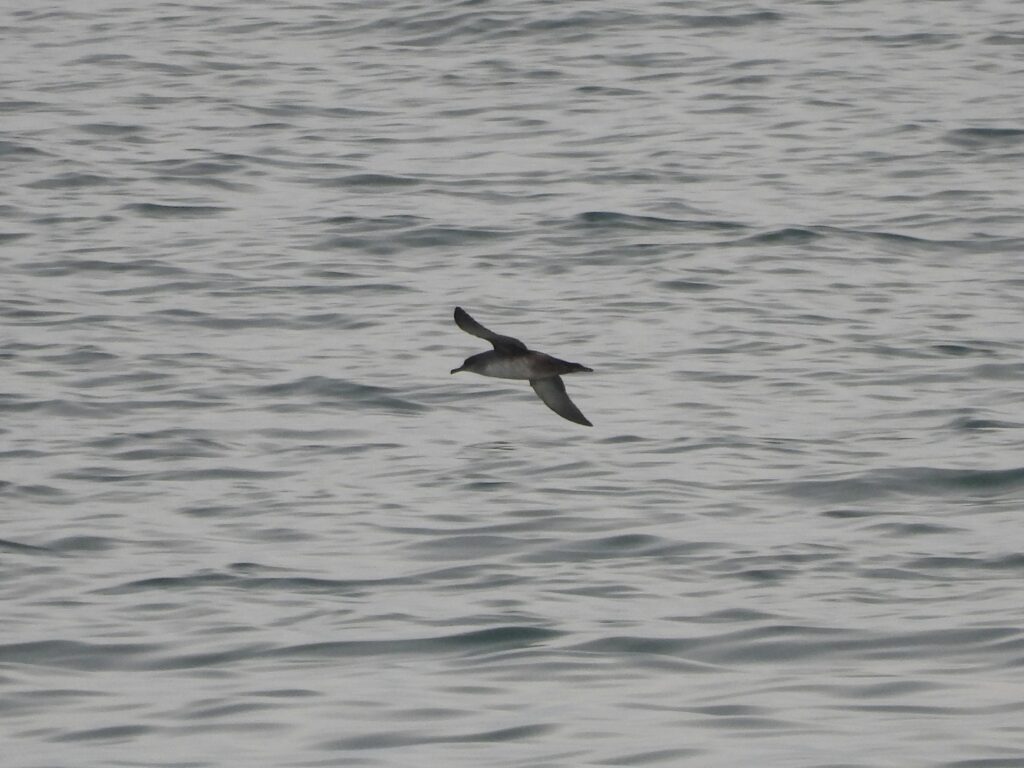
We soon arrived and scoped the extremely calm waters that would accompany us throughout the day along the coast. With the sun still low and directly in front of us — making scoping conditions challenging — we were first alerted by a European shag (Gulosus aristotelis), but soon relocated the red-throated loon in the distance, slowly moving south. This represents only the fifth historical record of the species in Castellón, following the last one from December 2019 in Benicarló, while the most recent sighting in the Valencian Community dates back to February 2024 in l’Albufera de València. A true regional rarity, and well deserving of the #2 prize of the day, which we enjoyed for a while and shared with local birders Marta Ibáñez and Pascual Monferrer.
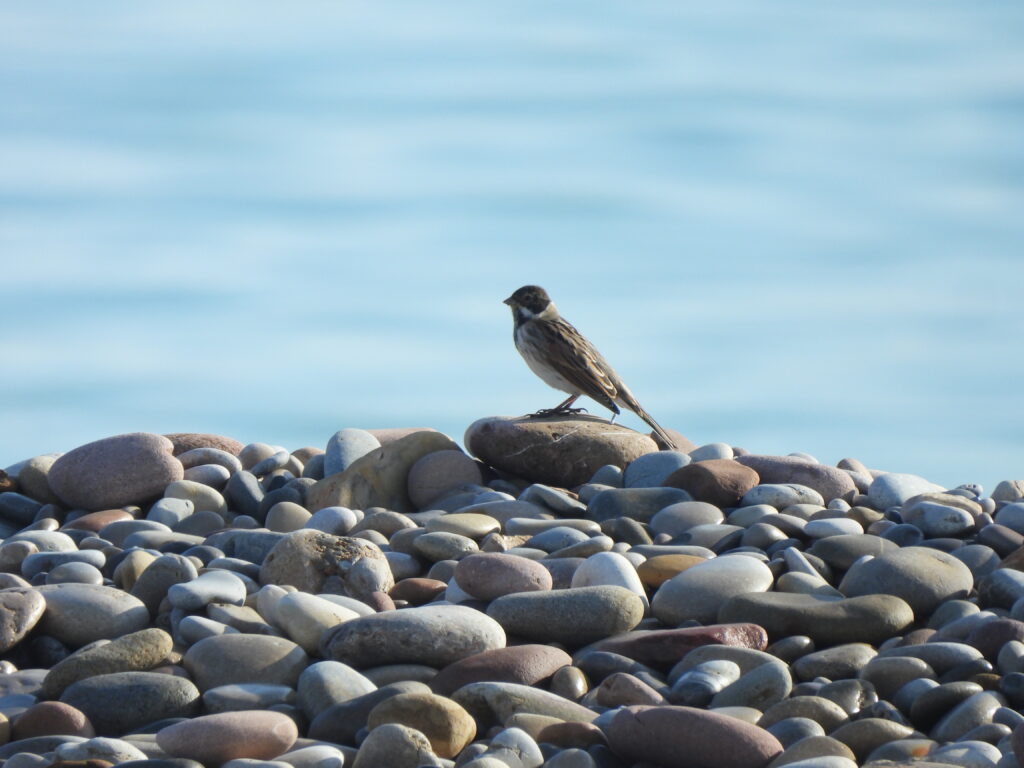
Jorge and I were particularly delighted to find good numbers of reed buntings (Emberiza schoeniclus) in the tamarisks and low beach vegetation, at times foraging directly on the ground. Several goldfinches (Carduelis carduelis), house sparrows (Passer domesticus) and hoopoes (Upupa epops) were also moving through the area with them.
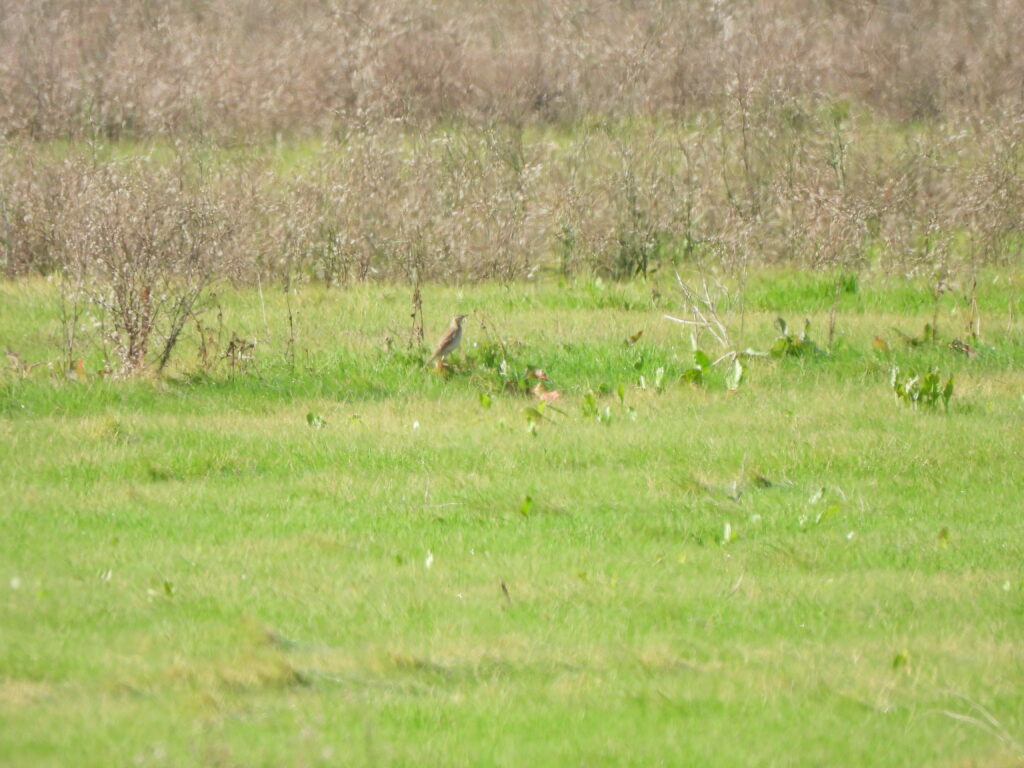
Our next stop was Pou de Nules, a moist grassland by the shore where we aimed to twitch some birds that had been present in recent weeks. While the usual female hen harrier (Circus cyaneus) remained out of sight and a black-shouldered kite (Elanus caeruleus) had not been seen for weeks, we managed to locate a Richard’s pipit (Anthus richardi) foraging in the distance alongside white wagtails (Motacilla alba), meadow pipits (Anthus pratensis) and skylarks (Alauda arvensis). A lifer for me, I was struck by the size difference between Richard’s and meadow pipits or wagtails, and by how Richard’s stood out on the grass like a sore thumb at a distance where none of the typical wintering pipits would.
We then drove to Borriana, where an American gull has been wintering for the past 21 years: a ring-billed gull (Larus delawarensis), first found as a first-winter back in March 2005 and subsequently seen in different areas of Castellón until August that year. From then on, the bird has visited Borriana harbour every single winter from January to March, right up to the present day. Despite the regularity of this individual, the species remains rare at a regional scale, and only has a handful of records in the Mediterranean outside the Spanish littoral.
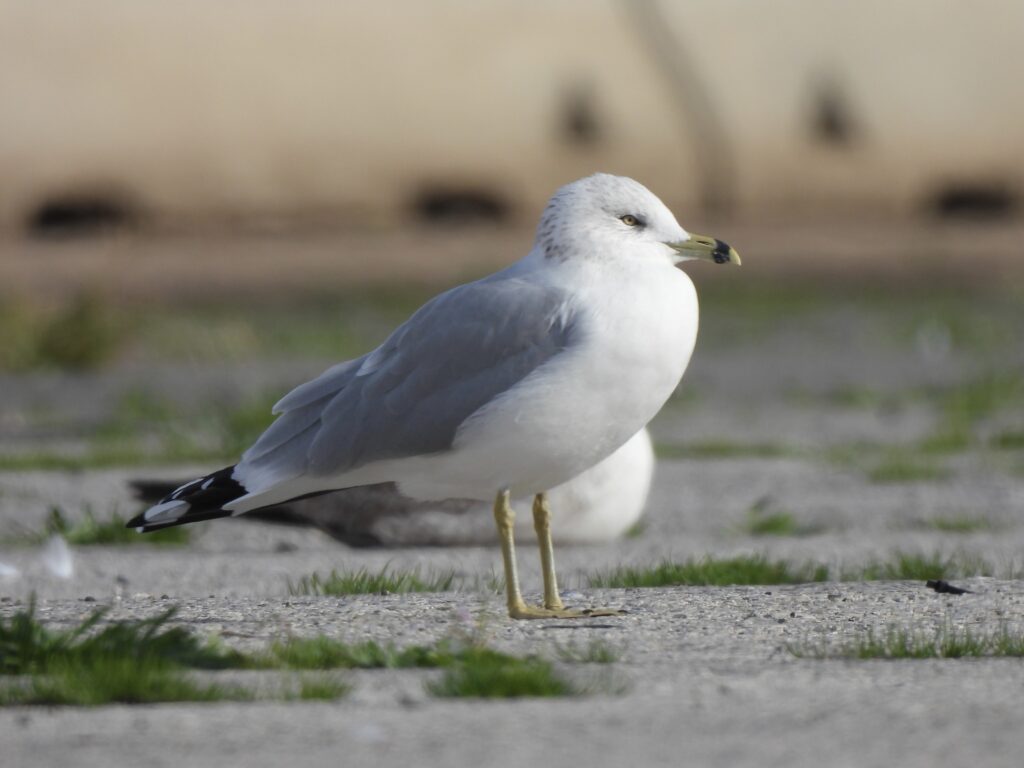
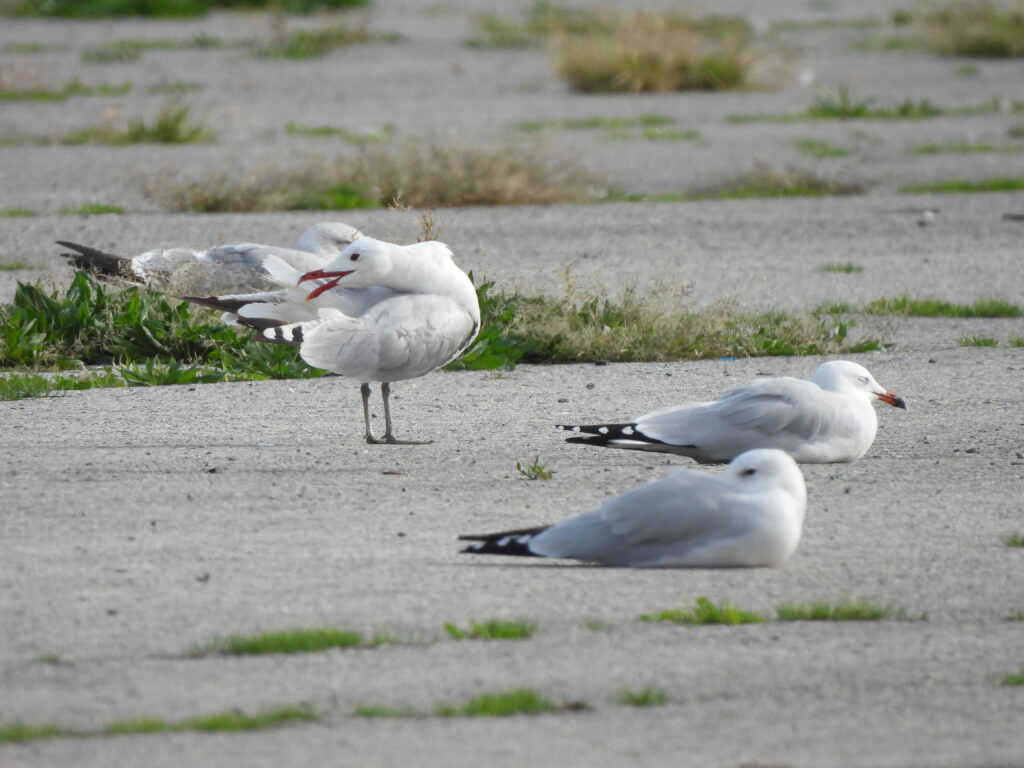
Accordingly, we were excited to find Borriana’s ring-billed gull at very close range in the very first flock of gulls we encountered, resting in a fenced area at the harbour entrance alongside Audouin’s gulls (Ichthyaetus audouinii) and yellow-legged gulls (Larus michahellis). While twitching this long-known individual may lack some of the aura of our other sightings, both the quality of the observation and the rarity of the species fully justify its place as the #4 prize of the day.
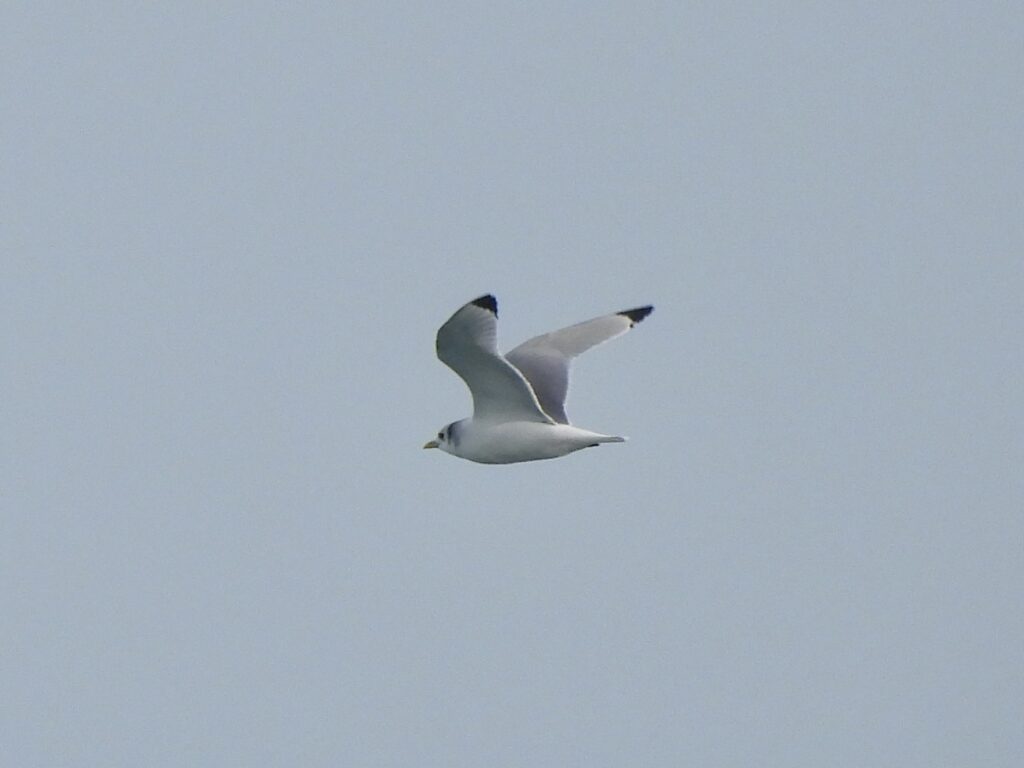
Next, we drove north to Vinaròs. Munir has spent a great deal of time checking the dozens of birds following trawlers as they return to port on weekdays — finding some cracking species along the way. Joining him for a short trawler seawatch was exciting, but as we arrived slightly late, our friends had already spotted a stunner. “Tridáctila!” they shouted as we stepped out of the car. We ran up to the lighthouse viewpoint, where Marcos already had the bird in his scope among the gulls following the trawler Lo Petit. He kept tracking it, but most of us only properly connected once it flew off from the flock heading north. A stunning adult winter black-legged kittiwake (Rissa tridactyla) passing at relatively close range earned the #3 prize of the day. Finding this pelagic gull, together with several yelkouan-type Mediterranean shearwaters (Puffinus yelkouan) among numerous Balearic mauretanicus. The port of Vinaròs lived up to his name.
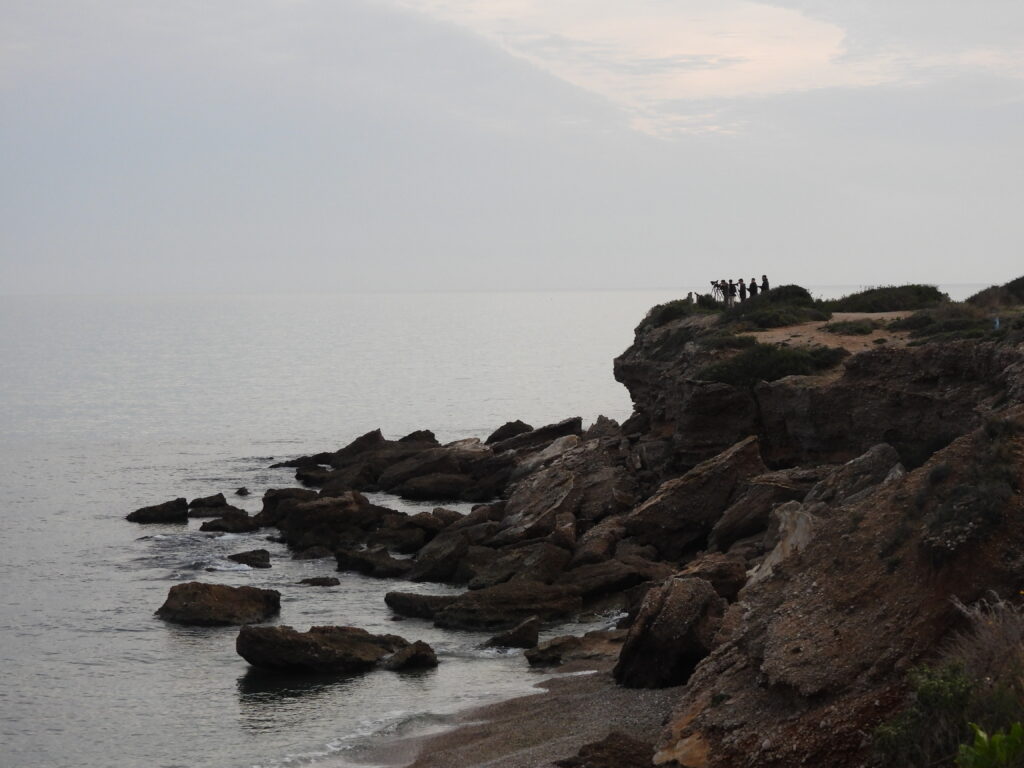
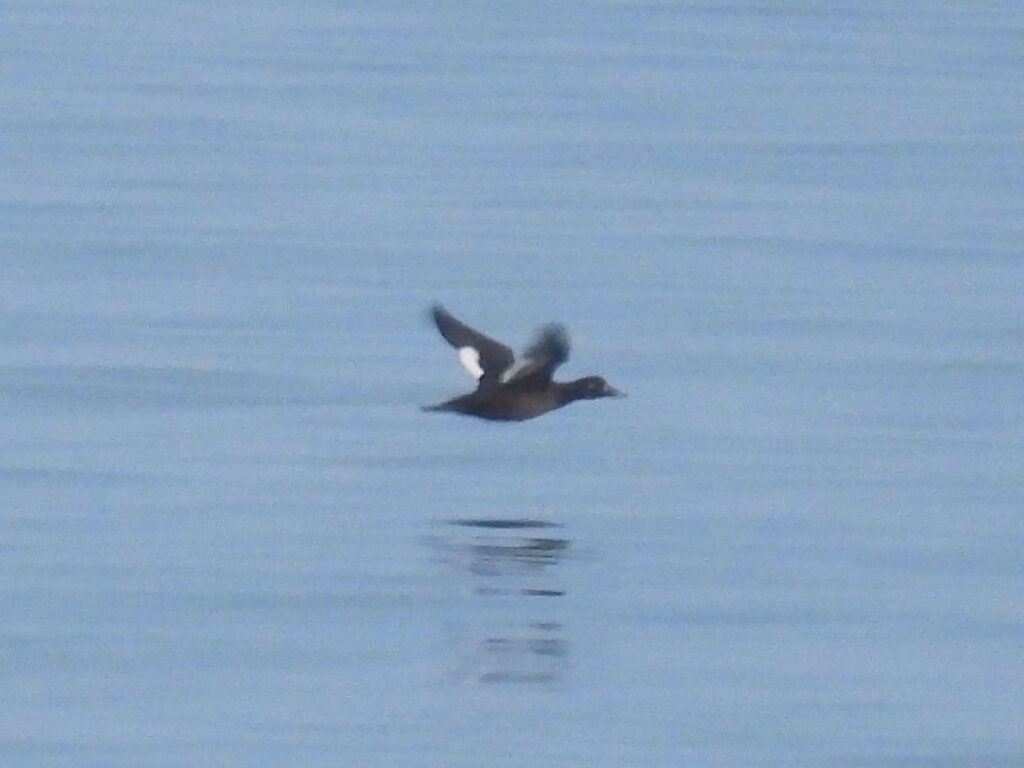
But the day was not over. With all trawlers already docked, we headed to our final destination. Sol de Riu ended up being my favourite spot of the day: a shrub-covered cliff area at the very northern edge of the Valencian Community, just south of the Ebro Delta. We wandered around, discussing the site’s potential during passerine migration. Our friend Arnau Rivera joined us at the last minute, and we spent some time chatting in this scenic spot, surrounded by an unusually calm sea. While scanning the water, I noticed a dark duck approaching from far north, though relatively close to shore. I followed it as it came nearer and alerted everyone when I began to notice white flashes on the secondaries as it beat its wings.
Soon enough, the bird flew past us at close range and everyone got onto it. A stunning velvet scoter (Melanitta fusca), El Gordo, the grand prize of the day. As it continued south, the bird eventually settled on the sea, allowing us to appreciate its head pattern at a distance. Traditionally scarce in the Mediterranean, the species is now undergoing a severe global decline and is currently classified as vulnerable — suggesting that even fewer individuals may reach Valencian waters in the future. This observation represents the 10th historical record for Castellón province, and the first in over a decade, the last being a bird in January 2015, also in Vinaròs. There had been no records in the Valencian Community for four years, since January 2022 at Cabo de las Huertas. Perhaps most strikingly, this was only the third record in Spain this season of what was once a scarce but regular wintering sea duck — a worrying sign for this gregarious species, but a great sight nonetheless.
The day was not over yet, as Darío sharply picked up a great skua (Stercorarius skua) flying along the horizon in the last light of the day. Another species with a compromised conservation status, recently decimated by avian flu, despite once being the most abundant skua in Valencian waters — and one I had yet to see in the region. A perfect #5 prize, and the cherry on top of a legendary day, which we could only celebrate properly with tacos from Benicarló’s O’Crousty on the beach in Vinaròs at night.