Rice paddies in L’Albufera are flooded and plowed in February as part of the traditional rice cycle. Every year, tens of thousands of gulls show up in the area for several weeks. Gullwatching brings plenty of birders together each season, and different surprises are reported year after year. Visiting the area is also a great exercise for sharpening gull-identification skills.
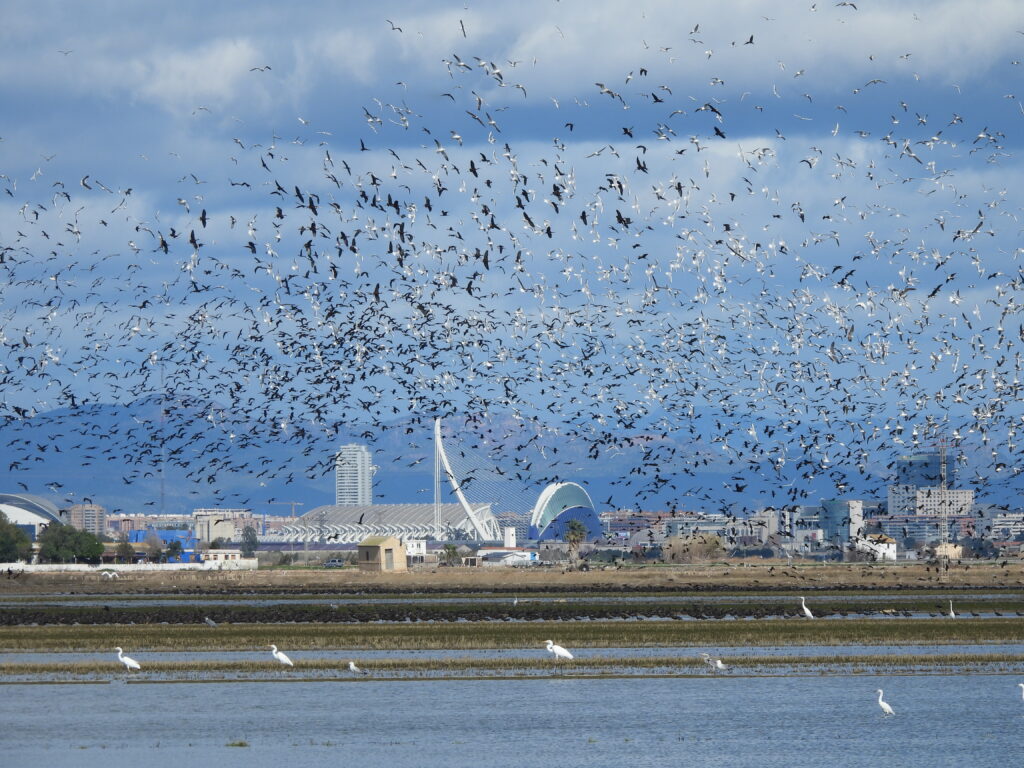
This year, I spent Valentine’s weekend with Darío Gijón, Guillem de los Santos, Martín Rey, Marcos Real, Samuel Aunión, Manolo Salas, Rodrigo Benavente, Cristina Navarro, Javier Chumillas and Luis Albero in the area, amid an intense wind spell. Local birders had previously identified at least five Caspian gulls (Larus cachinnans), three European herring gulls (Larus argentatus) and seven common gulls (Larus canus) around l’Albufera.
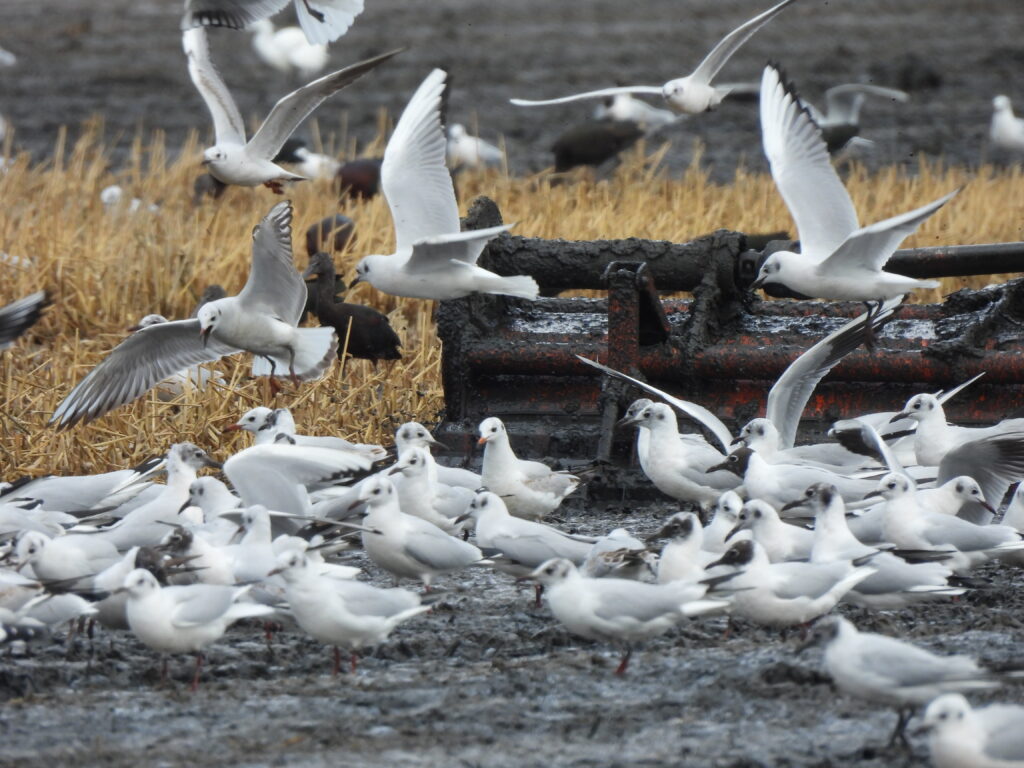
On Friday the 13th, I joined Martín and Darío for a few hours of marjaleo. As expected — and as we would see over the following days — fields were full of glossy ibises (Plegadis falcinellus), black-headed gulls (Chroicocephalus ridibundus) and lesser black-backed gulls (Larus fuscus). The otherwise widespread yellow-legged gulls (Larus michahellis) are not too numerous among these flocks. As a result, most of our targets would come from carefully scoping these gatherings and checking the few large, light-mantled gulls present. Indeed, it didn’t take long before we connected with two different 2nd-winter Caspian gulls in the fields north of the lake, around Alfafar.
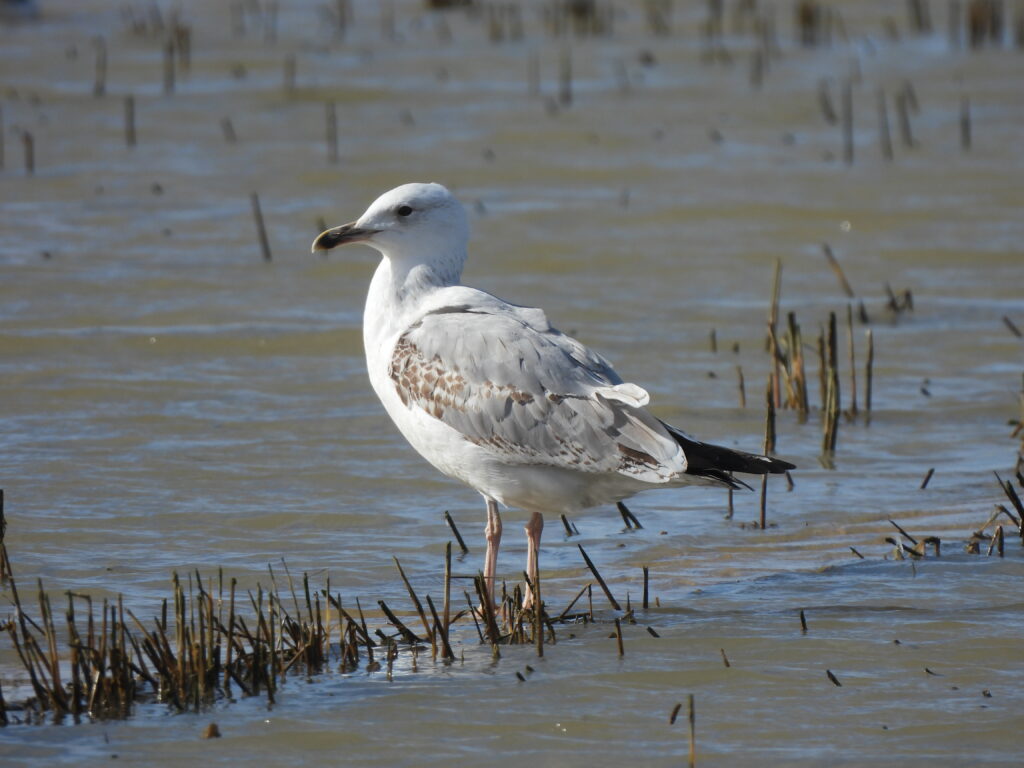
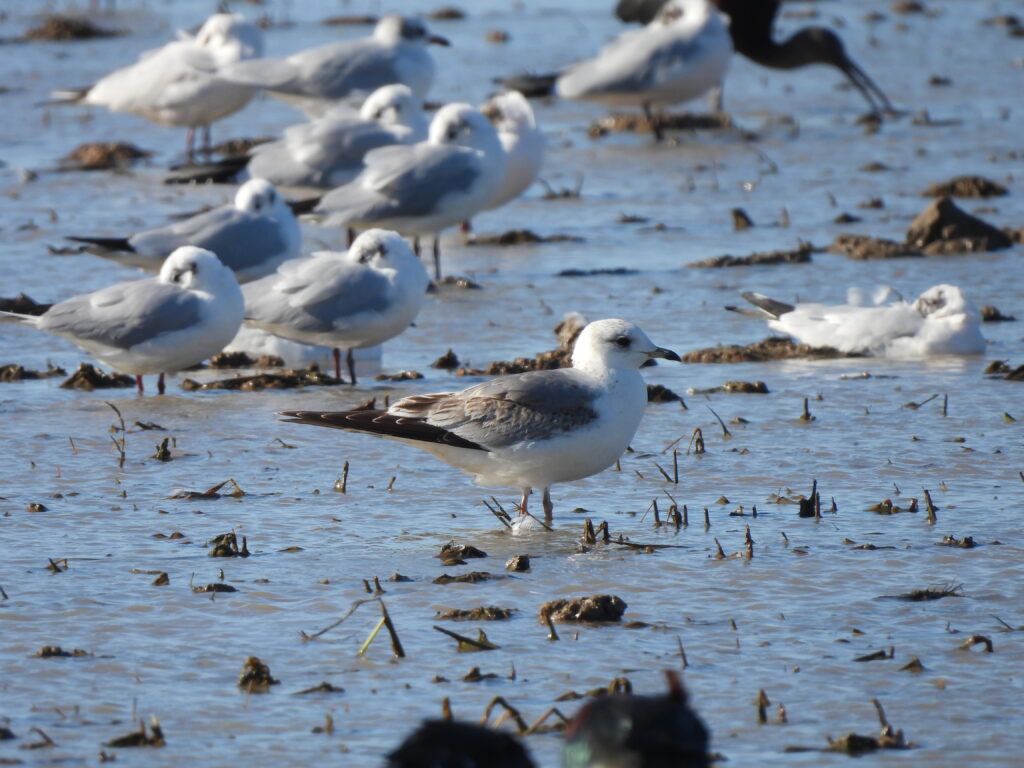
While scanning large gull flocks and noting numerous Audouin’s gulls (Ichthyaetus audouinii), several Mediterranean gulls (Ichthyaetus melanocephalus) and more yellow-legged gulls, we detected our first common gull of the weekend (of eventually five). Numbers of this species this season are particularly high, perhaps due to a series of consecutive eastward windstorms pushing birds from the Atlantic. Common gulls put on a show mainly in the fields of Alfafar throughout our visits, with Joan Balfagón counting up to six different individuals in a single field.
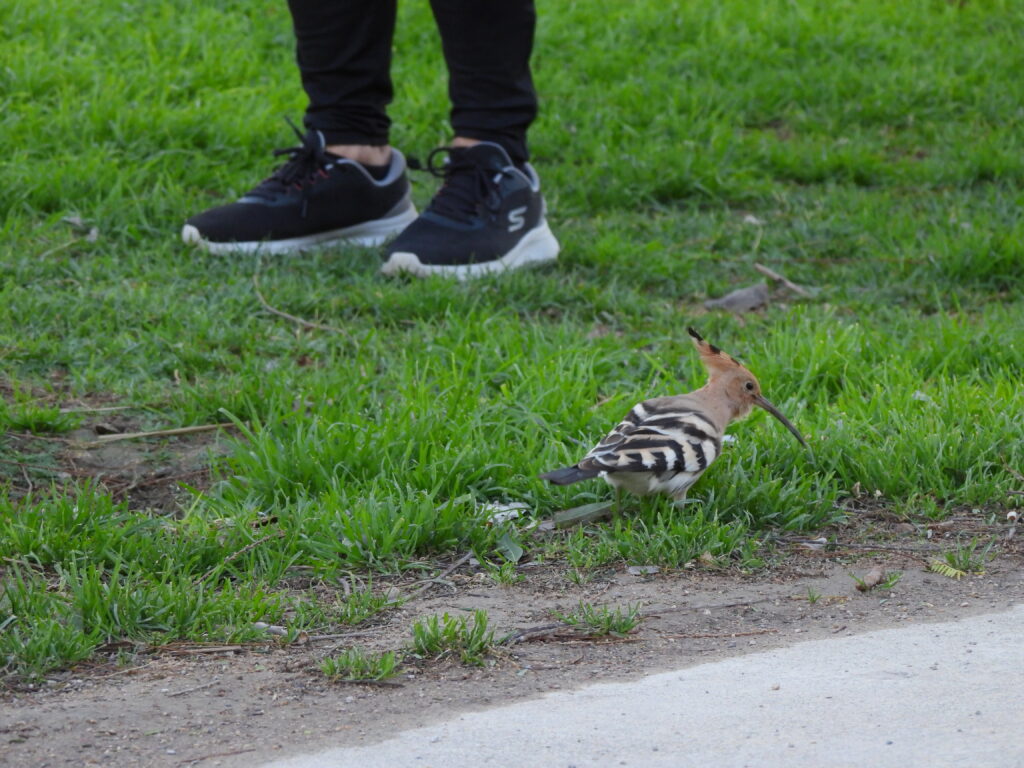
We made it back to Valencia early and met Guillem, who kindly hosted Marcos, Darío and me over the weekend. A short walk to his place through the Jardins del Túria resulted in several hoopoes (Upupa epops) foraging at remarkably close range, completely unwary. We later watched the sunset from Guillem’s rooftop in the city centre, enjoying the spectacle of red-masked parakeets (Psittacara erythrogenys), ring-necked parakeets (Psittacula krameri) and monk parakeets (Myiopsitta monachus) flying to roost, as their usual sites were closed due to the intense winds.
These winds peaked on Saturday, making scoping outside the car extremely difficult. Despite the conditions, we kept bumping into friends who tagged along throughout the day. An entire caravan of cars patrolled the flooded fields, largely avoiding forested areas. We were partly concerned about dipping a target species only potentially visible from Racó de l’Olla, which remained closed due to weather conditions. Still, we managed to pick up several good birds during the day.
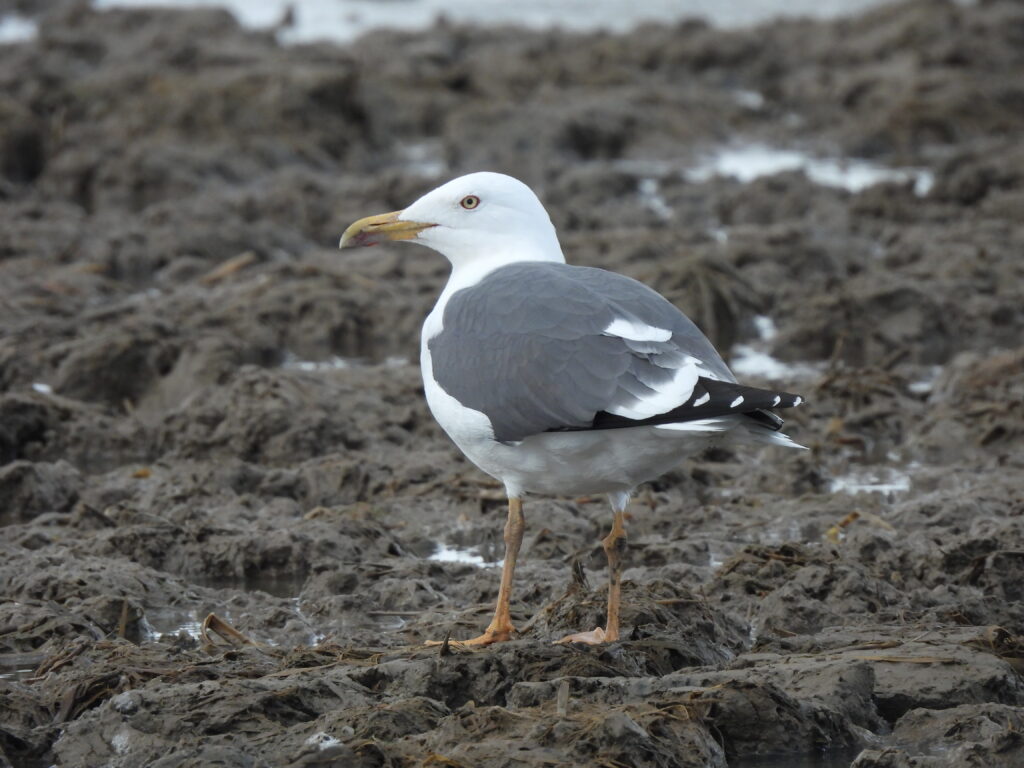
A morning visit to birdy Alfafar produced several obliging common gulls but no Caspian gulls. From Camí de Rabisanxo, Marcos found a much-celebrated little gull (Hydrocoloeus minutus). The reeds across the ditch hosted several reed buntings (Emberiza schoeniclus), bluethroat (Luscinia svecica), Cetti’s warblers (Cettia cetti) and the omnipresent chiffchaffs (Phylloscopus collybita), which sang from virtually every bush- or reed-covered patch all weekend long.
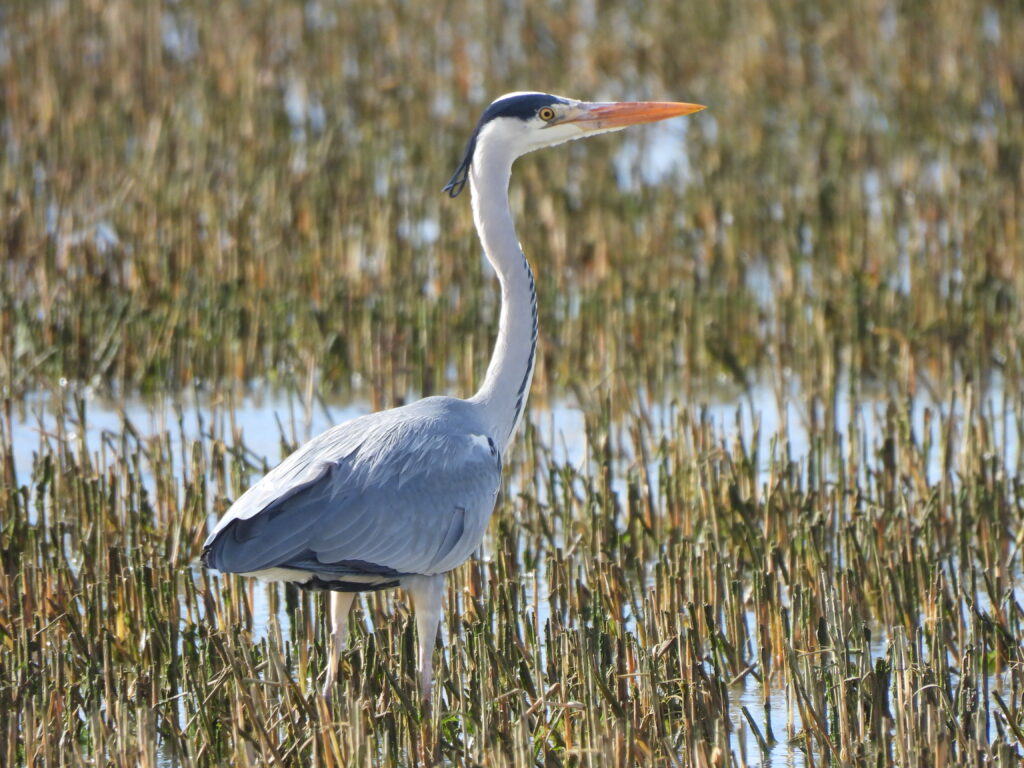
On the south side of l’Albufera, we noted other interesting individuals among the lesser black-backed gull flocks, including good candidates for subspecies intermedius — darker hue in mantle, longer primary projections… — among the abundant graellsii. Thanks, Martín, for the insights!
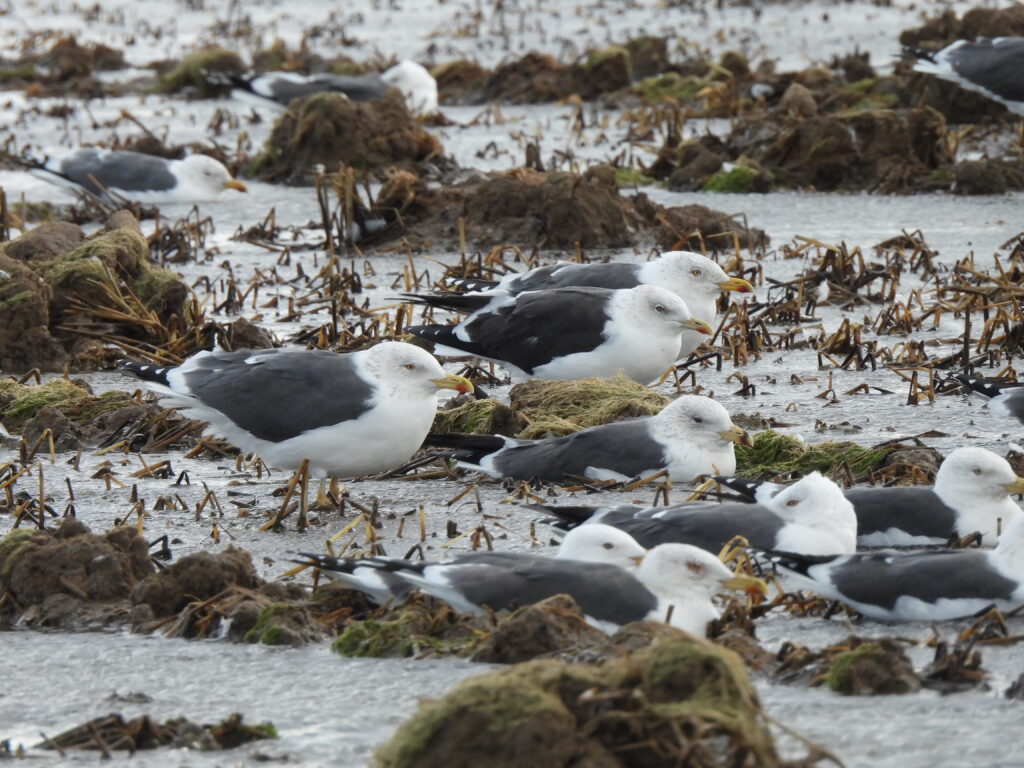
We also connected with “Guilvinec gulls” (Larus fuscus × Larus argentatus). We relocated a 1st-winter bird previously seen on Saturday and later found another strong candidate back north in Alfafar on Sunday. These hybrids show the structure and dark axillary tones of fuscus, but several plumage traits—secondaries, coverts, mantle and wing panel—more reminiscent of argentatus. Until recently unaware of gull hybrids, my friends had introduced me last season to “Cactus gulls” (Larus cachinnans × Larus argentatus), also recorded in l’Albufera. As Martín explained, however, Guilvinec gulls are likely the most abundant hybrid combination in Europe and therefore relatively expected in this context.
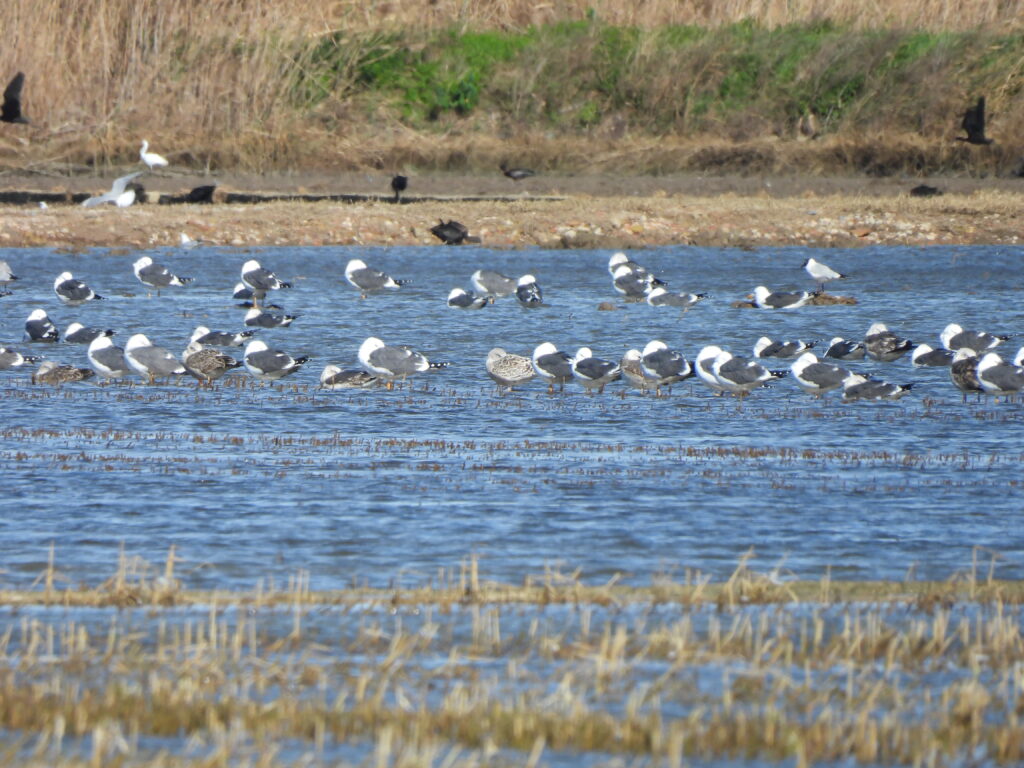
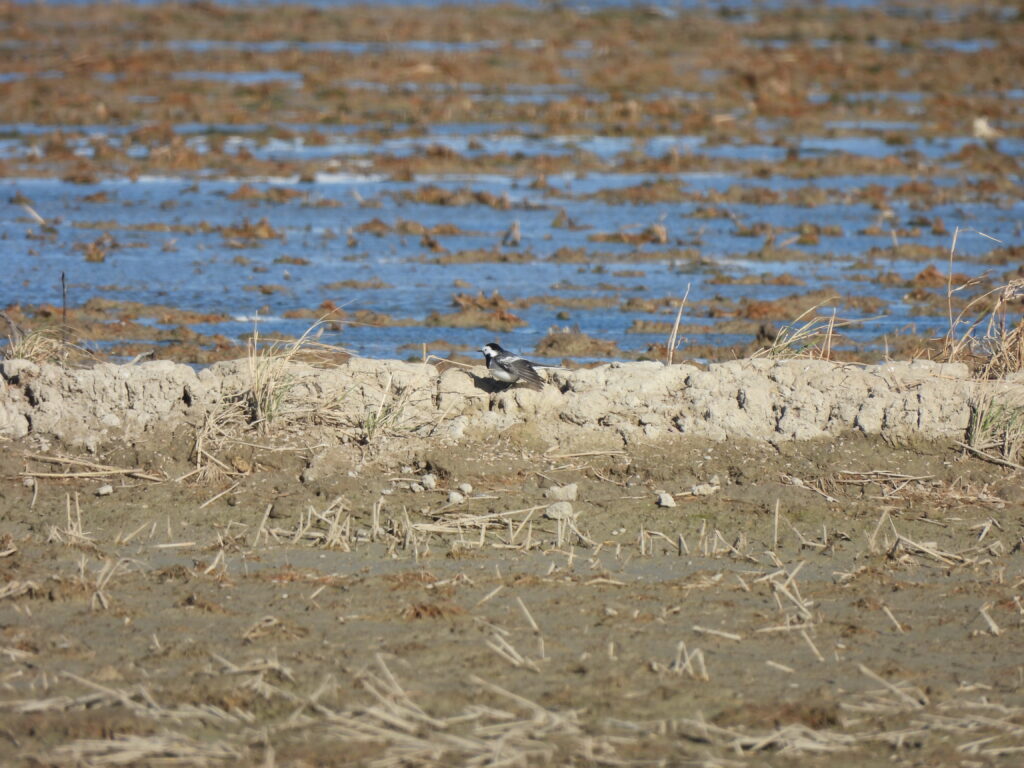
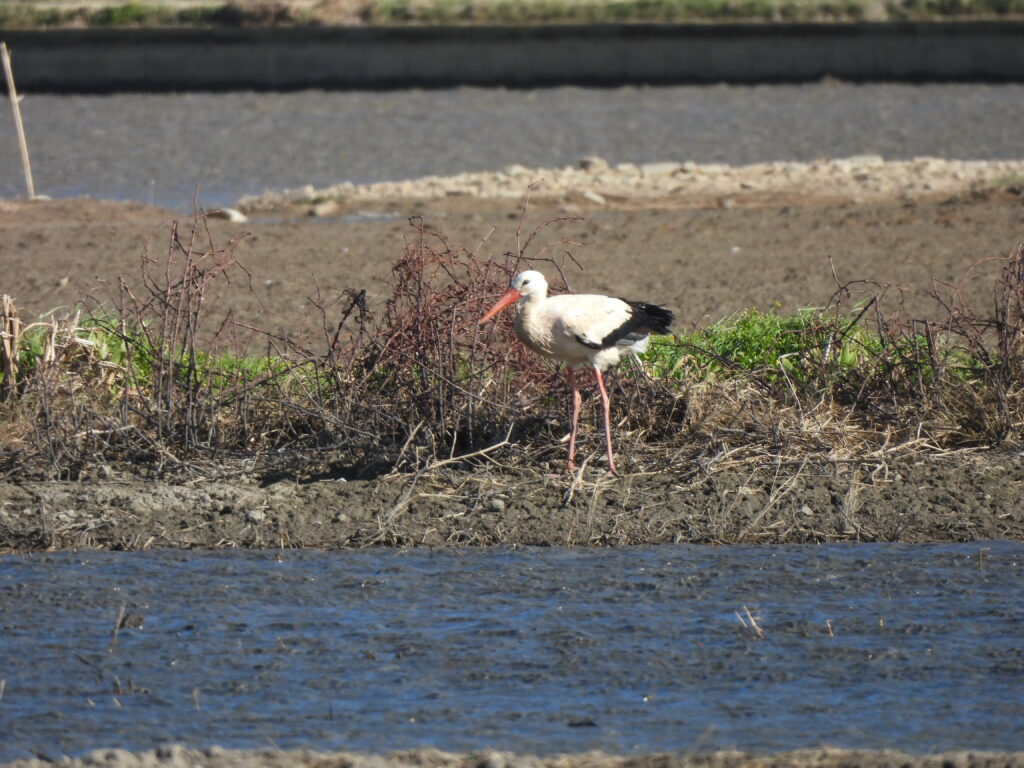
Scanning the fields also produced flocks with good numbers of northern lapwings (Vanellus vanellus), golden plovers (Pluvialis apricaria), ruffs (Calidris pugnax), black-tailed godwits (Limosa limosa), as well as some greenshanks (Tringa nebularia) and dunlins (Calidris alpina). Among uncommon wintering species, we connected with up to 12 whiskered terns (Chlidonias hybrida), a white stork (Ciconia ciconia) and a black stork (Ciconia nigra), all enduring very strong wind conditions. Struggling to keep up, we eventually called it a day after finding a “pied” yarrellii among nominate white wagtails (Motacilla alba) and meadow pipits (Anthus pratensis).
Wind conditions slightly improved on Sunday—apparently enough for Racó de l’Olla to reopen. We started the day checking great crested grebes (Podiceps cristatus), eared grebes (Podiceps nigricollis) and spotted redshanks (Tringa erythropus) at l’Estany de Pujol, and connecting with several jack snipes (Lymnocryptes minimus) and tens of common snipes (Gallinago gallinago) in the Mallades. A brief look towards the sea yielded only a few gannets (Morus bassanus) and Mediterranean shearwaters (Puffinus yelkouan).
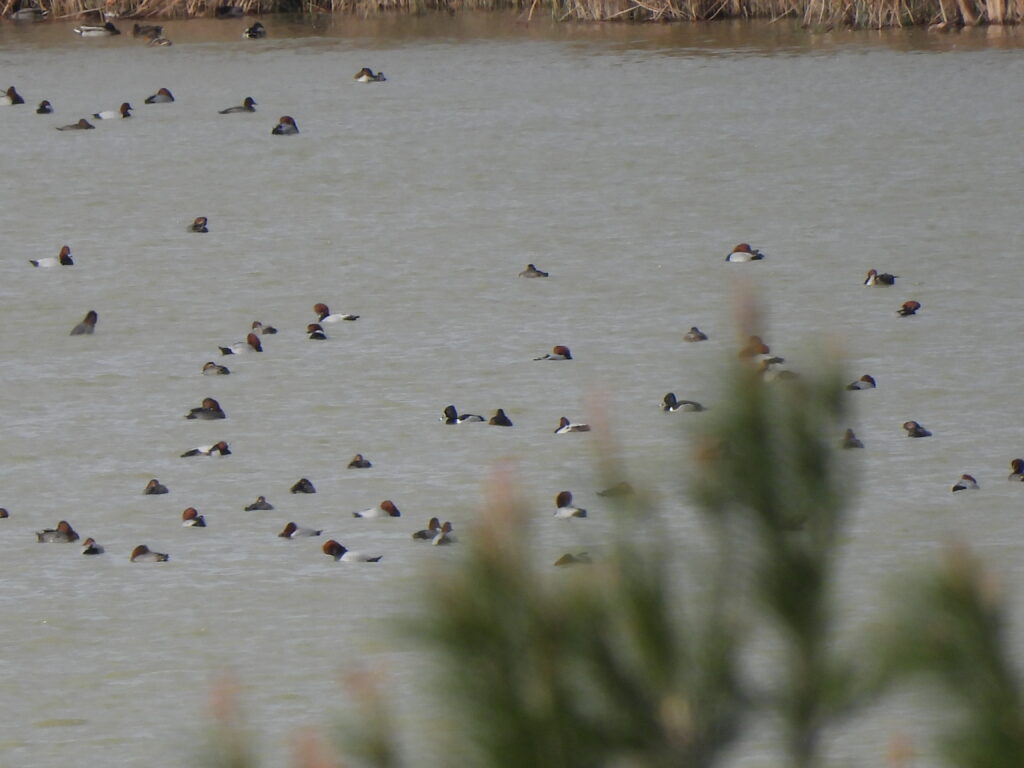
Finally, the time had come. We reached the tower at Racó de l’Olla and looked at hundreds of ducks in nearby Mata del Fang. Two males and a female ring-necked duck (Aythya collaris) previously found by Martín had gone unreported for several days. After some scoping, there they were. For most of us, it was the first time seeing the striking adult male, let alone alongside some 11 tufted ducks (Aythya fuligula), three ferruginous ducks (Aythya nyroca), two ferruginous duck × common pochard (Aythya ferina) hybrids, around 20 pintails (Anas acuta) and numerous red-crested pochards (Netta rufina).
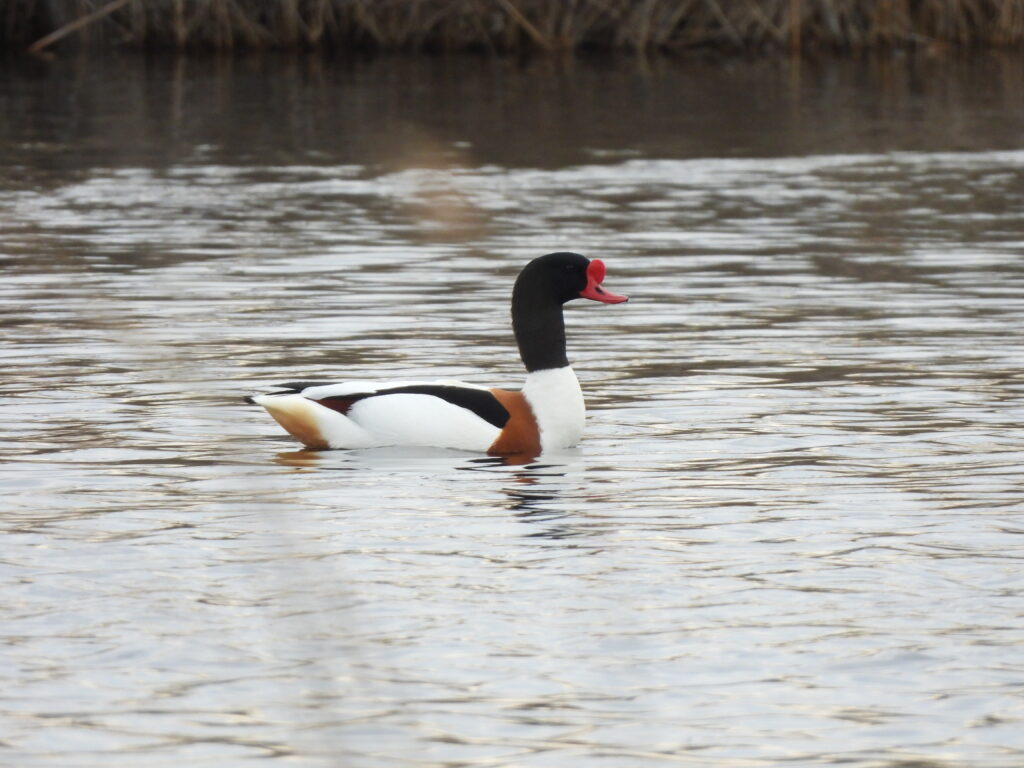
Racó de l’Olla also delivered my first pallid swifts (Apus pallidus) of the year — an unprecedented 15 individuals have spent this last winter in the area. A briefly seen Bonelli’s eagle (Aquila fasciata) was harassed by one of the abundant booted eagles (Hieraaetus pennatus), all over the lake holding some dozens of green-winged teals (Anas crecca) and several smart shelducks (Tadorna tadorna).
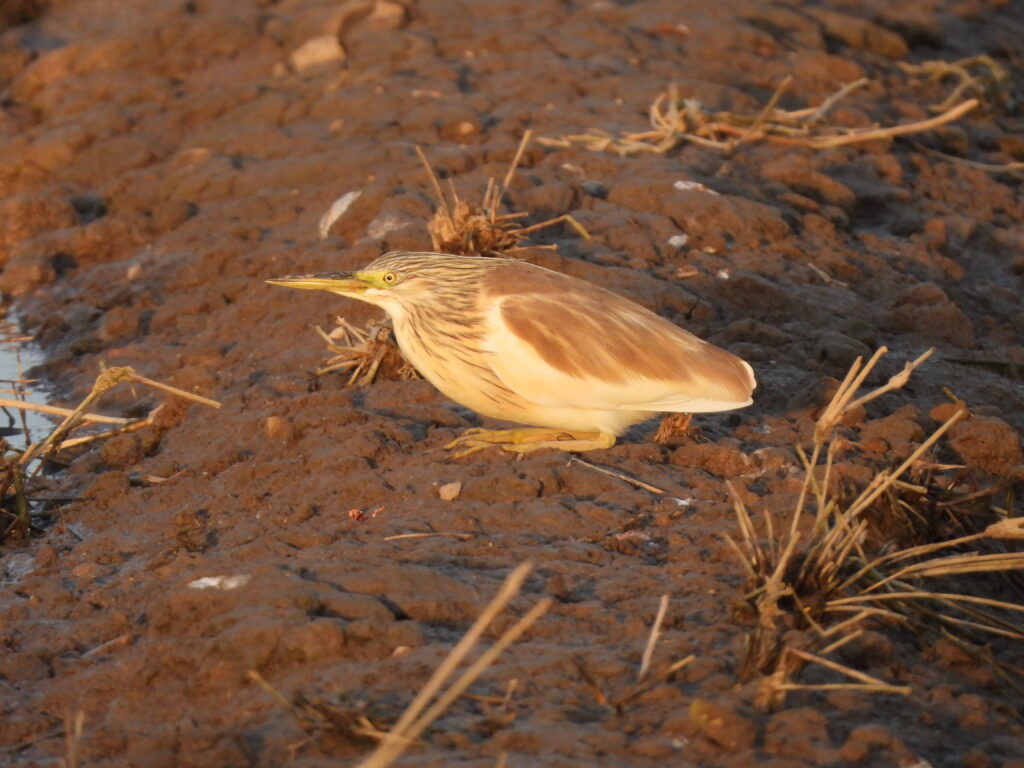
The day continued with more field-scanning from the cars, eventually producing a 1st-winter herring gull and a couple of last-minute squacco herons (Ardeola ralloides), yet another uncommon wintering species. Still, the true target of the day was the paella and arròs al senyoret waiting for us in El Palmar.
The weekend wrapped up with just over 100 species recorded, including nine gull species plus hybrids. I had a blast spending time with folks and catching up with old friends. Darío, Guillem, Martín and I closed Sunday with one last attempt at Alfafar. Scoping gulls under the best horizontal light of the afternoon, with eyes and minds pushed to their limits after days of observing thousands of gulls, Darío said there was pretty much nothing better than this. Martín disagreed: there is one thing better — watching gulls with friends, just without all the wind!