Unlike in previous years, 2025 brought a good deal of time at home between Elx and Alcoi. As a result, most of my birding took place within the Comunitat Valenciana (CV). This allowed me to make a conscious effort to better connect with birds in Alicante, Valencia and Castellón, while also spending much more time sharing field days with friends. This year felt like an opportunity to appreciate nearby places more deeply. In that sense, 2025 was as much about birds as it was about friendship and belonging.
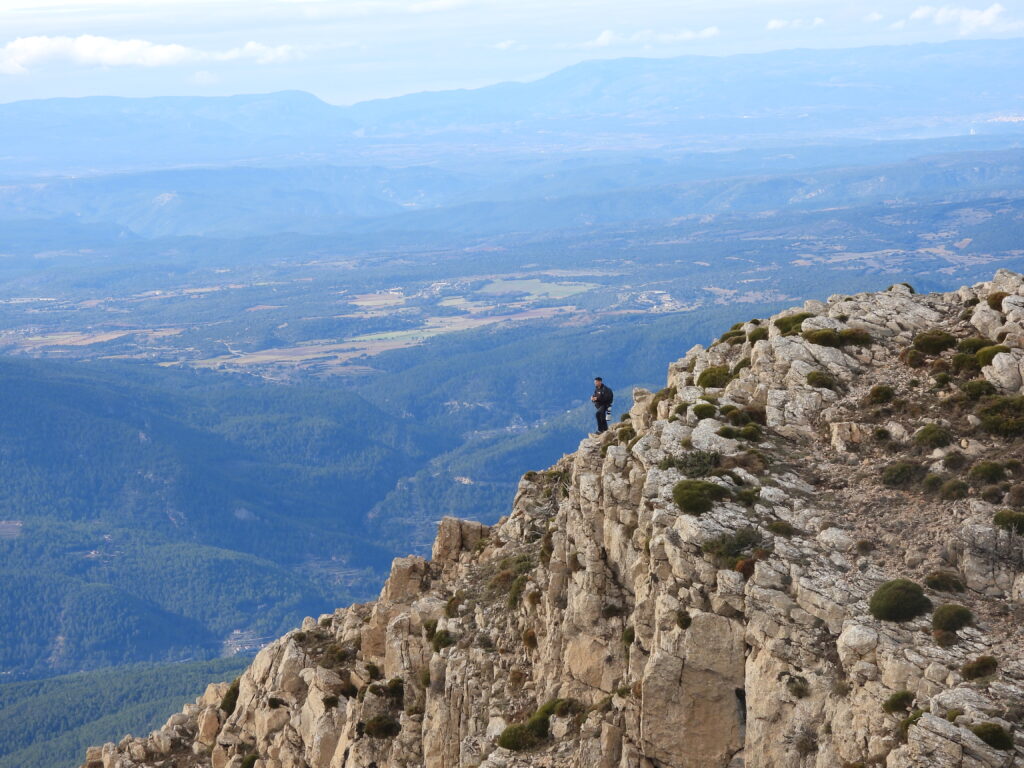
As a birder, I focused strongly on watching the sea more often and improving my bird call identification skills throughout the year, both in the field and by revisiting old recordings from past trips. This sound-based approach allowed me to confirm several species from previously unidentified calls, while also providing a good number of lifers. These included first-heard Iberian chiffchaff (Phylloscopus ibericus), Dupont’s lark (Chersophilus duponti) and Mediterranean short-toed lark (Alaudala rufescens), as well as new additions to my CV list such as garden warbler (Sylvia borin), tree pipit (Anthus trivialis) and Savi’s warbler (Locustella luscinioides). Although there is still much to learn, each time the call of a flyover passerine high in the sky catches one’s attention feels deeply rewarding — a satisfaction that only grew stronger as the year went on.

Although I had the chance to visit India, Morocco and several regions across Spain, it is my CV list that I value the most. Through numerous outings alone and with friends in Alicante, as well as several excursions to Valencia and Castellón (mostly thanks to Darío Gijón, Guillem de los Santos and Munir Chaouni for hosting me), I managed to connect with many new birds across a wide range of habitats. This post is therefore meant as an appreciation of those shared moments, the diversity of locations, and one special bird for each month of the year.

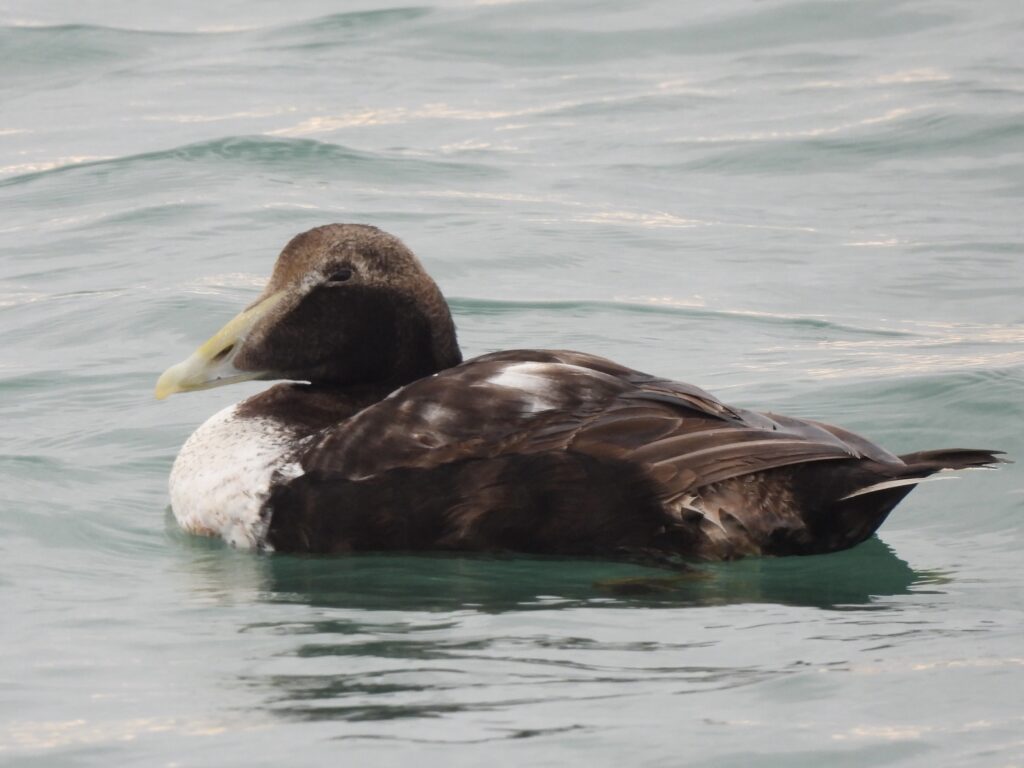
I returned to Spain from India in the second half of January. Short days and heavy workloads meant staying mostly in Elx, with limited opportunities for birding. Still, I managed to visit the Port of Santa Pola on several weekday afternoons during the winter, often bumping into other birders who joined me in scoping birds following trawlers as they discarded fish at the port entrance. A moulting male common eider (Somateria mollissima) showed up months after Mario Marcos located a juvenile, the first of its species in the region for many years (read about it here). This individual accompanied several of my January seawatches as I scanned shearwaters and gulls.
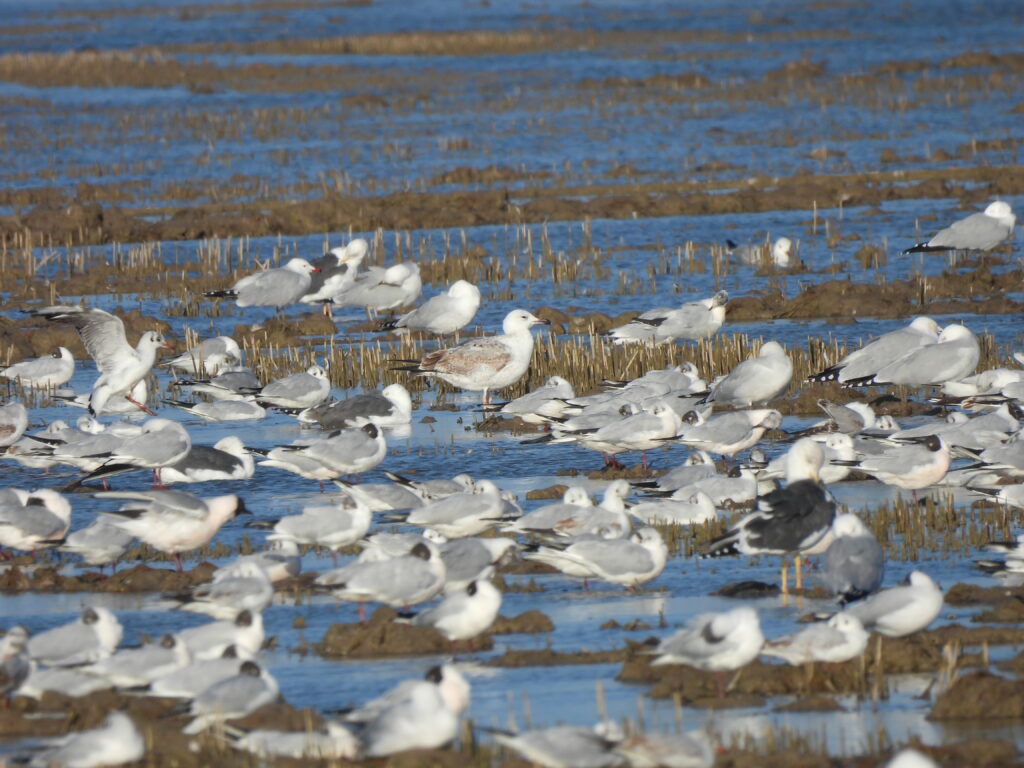
February means gulls in l’Albufera de València, as rice fields are left muddy. Back in Alicante, the “Caspian gull (Larus cachinnans) fever” brought birdwatchers to Santa Pola and resulted in several individuals being identified (read about it here). However, the magnitude of gulls in l’Albufera was on a different scale. During a fantastic weekend with Guillem, Darío, Jorge Verdú, Andrea Cerdá and Martín Rey — which also included twitching a vagrant goldeneye (Bucephala clangula) at Marjal del Moro — we managed to pick out three first-calendar-year Caspian gulls among thousands of birds.
March marked the onset of spring, perhaps my favourite time of the year, when new migrants seem to appear almost daily (read about it here). One particularly unexpected visitor was an immature Rüppell’s griffon (Gyps rueppelli) that joined the Eurasian griffon (Gyps fulvus) colony in my hometown Alcoi. I visited the site with Claudio Amorós and Tati Pessano, enjoying distant but satisfying views alongside local birders Jorge Boronat and Dani Musitu, and catching up again with Guillem and Darío, who had just come from an excellent passage morning in l’Albufera.

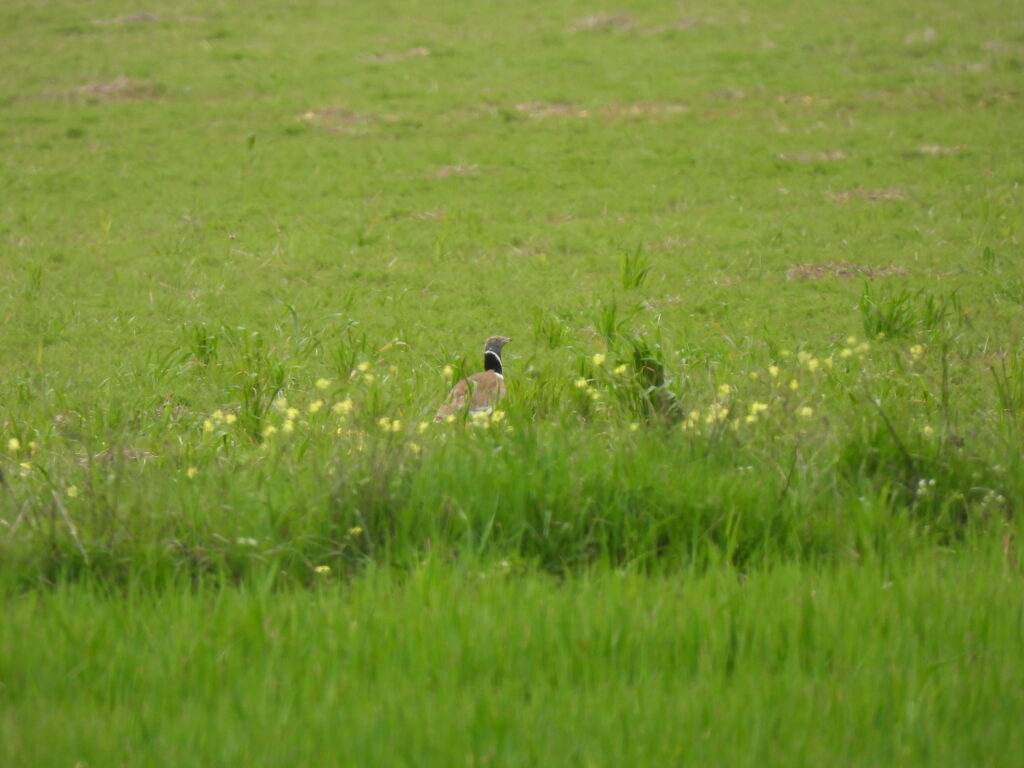
By mid-spring, I devoted time to getting to know Spain’s steppe avifauna more deeply. This included trips to Castilla–La Mancha and Murcia, but also repeated visits around Villena, home to the last remaining cereal crop landscapes in Alicante. Driving slowly along dirt roads often pays off, as Darío and I were fortunate to spot a little bustard (Tetrax tetrax) flying from a field near Las Moratillas — a species we had enjoyed displaying only days earlier (read about it here). Once widespread in the area, this species is now on the verge of extinction in the CV, and to my knowledge this was the first individual recorded in Villena that year.
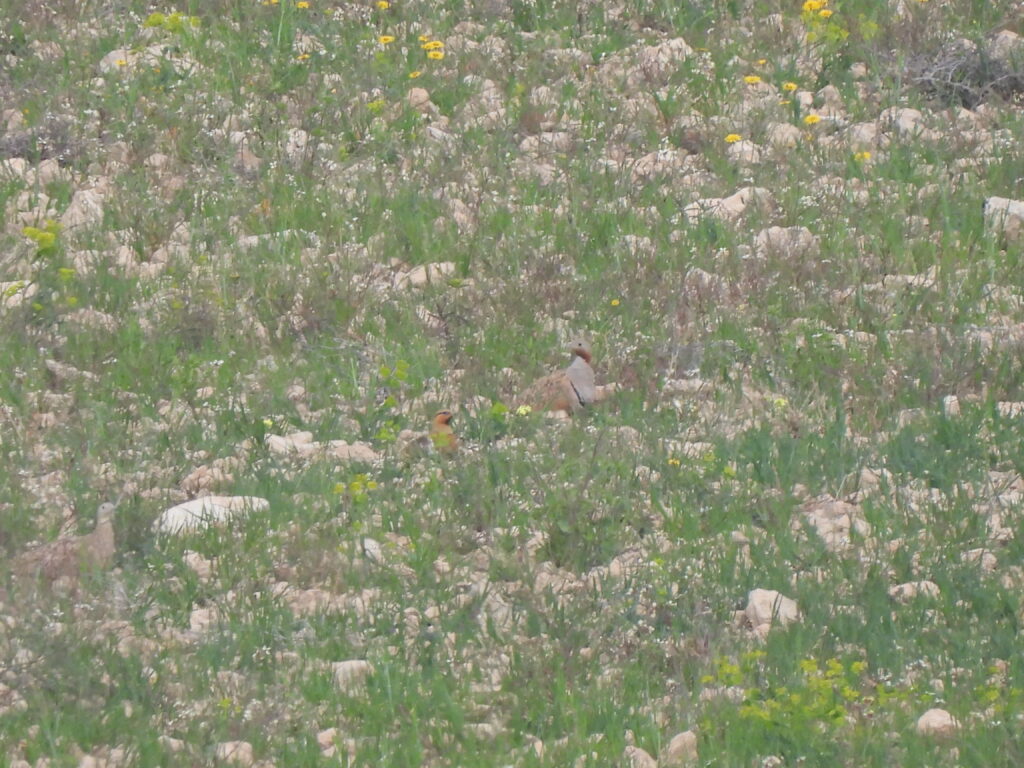
Along similar lines, May brought another productive visit to Villena, this time with Tati and Luis López. We connected with yet another steppe species in steep decline: the black-bellied sandgrouse (Pterocles orientalis). An initial pair flew into a field along with a male pin-tailed sandgrouse (Pterocles alchata) and fed for some time, while another pair flew over minutes later. This species is severely affected by land-use change, and its numbers are plummeting across Spain. Local birder Julio Merayo kindly showed Darío and me the scale of planned land transformation in the area, leaving us wondering about the short-term future of these birds in our region.
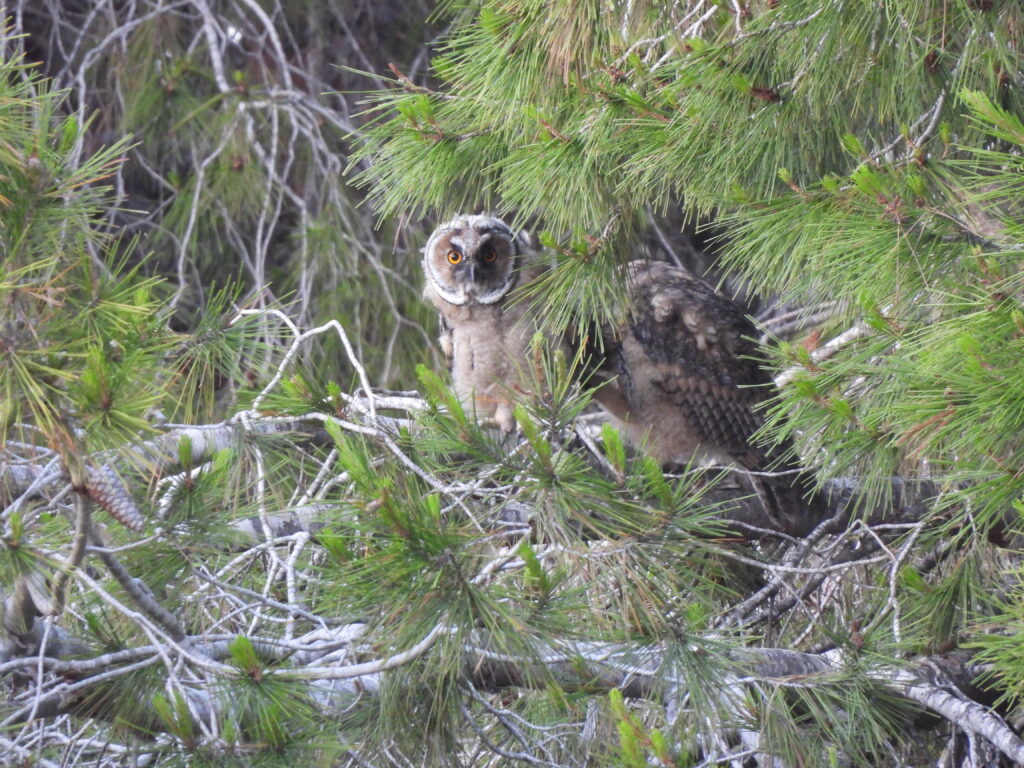
June was relatively calm in terms of local birds, as I travelled for both work and leisure. One memorable evening came thanks to Julio Jesús Añel, who alerted us to a family of long-eared owls (Asio otus) with recently fledged young at a recreational area in Salinas de la Mata, Torrevieja. Tati, Darío and I visited after work and were lucky to encounter both the owlets and Julio Jesús. Their high-pitched screech calls gave them away, and their endearing behaviour kept us entertained until dusk.
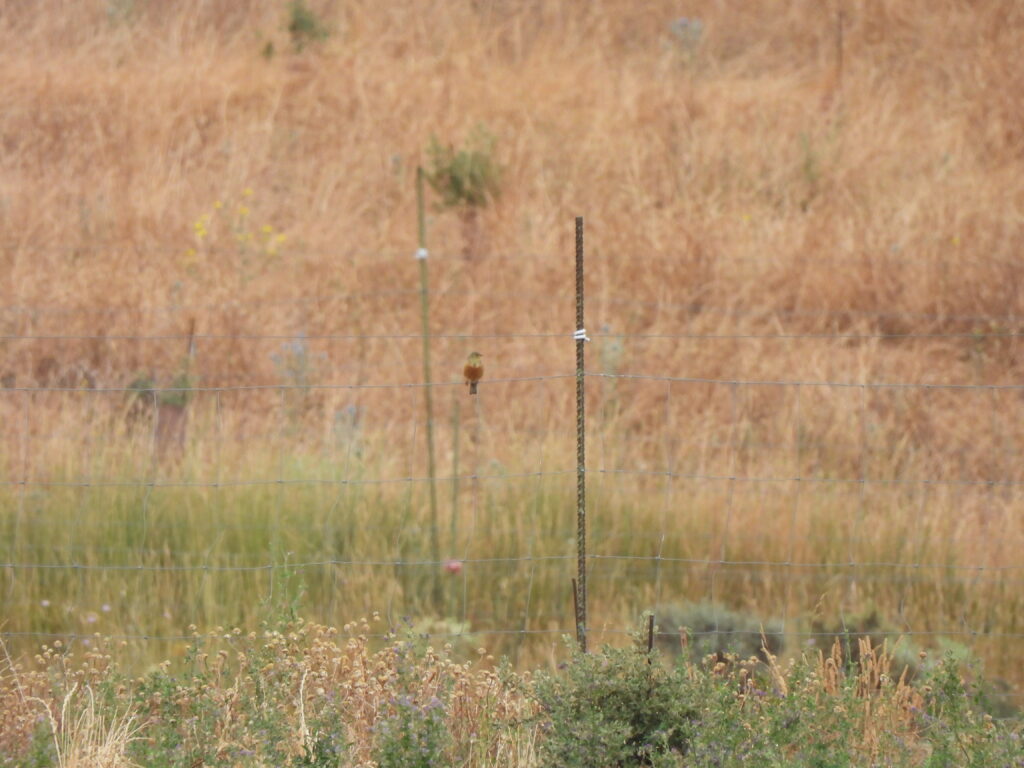
At the beginning of July, Darío and I set off to new places far north in inner Castellón. Thanks to directions from Munir Chaouni, Guillem, Joan Balfagón and Martín — whom we bumped into at a stakeout of Eleonora’s falcon (Falco eleonorae) while driving — we had an awesome time connecting with species breeding nowhere else in the region (read about it here). West of Morella, Vega dels Llivis caught our breath for its landscape and diversity. There, we connected with small numbers of ortolan buntings (Emberiza hortulana), a bird we both first got this year but that we coincidentally managed to see in different locations over the season, though always outside CV.
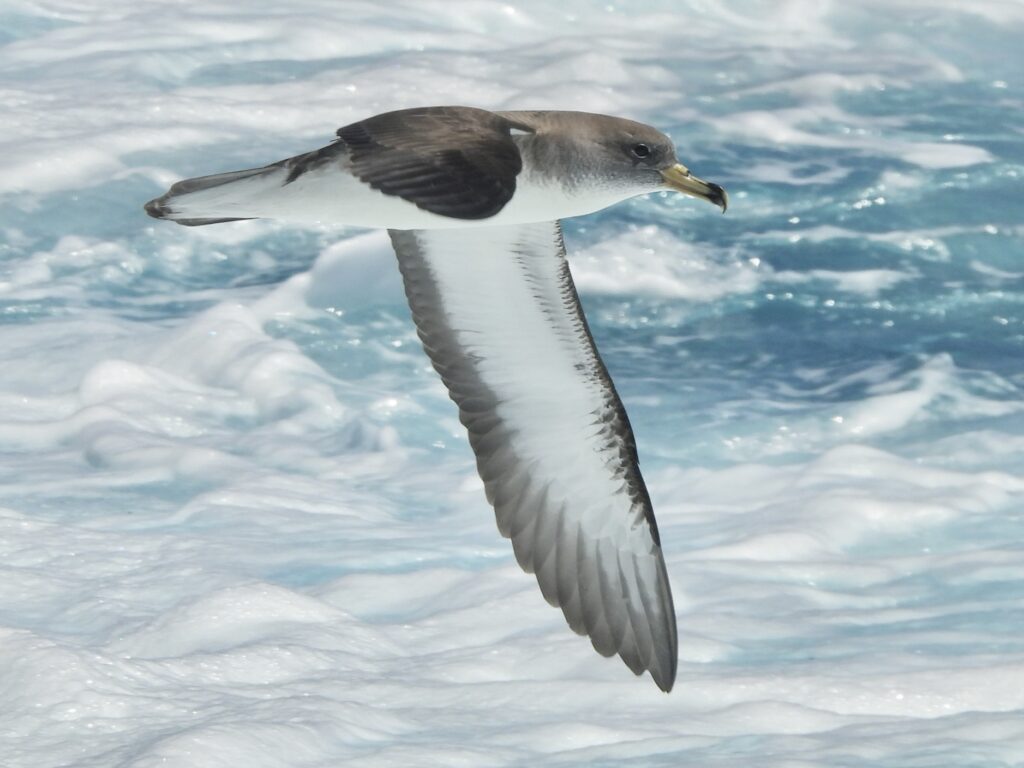
August was largely spent on a birding road trip across northern Spain with Jorge and Darío, where I learned a great deal about seabirds (read about it here). I also reunited with my family during holidays. My parents often go to the beach on weekends at Gola del Molinell, at the border between Alicante and Valencia. Despite not bringing a camera or binoculars, a large flock of birds caught my attention in the distance: 31 Eurasian oystercatchers (Haematopus ostralegus) foraged in a corner of sand by the river, on the Alicante side, before being flushed by a jogger with a dog. This early encounter with a flock of passage birds was, according to eBird data, the first record of the species in Alicante in 2025 and the highest-ever count in the region.
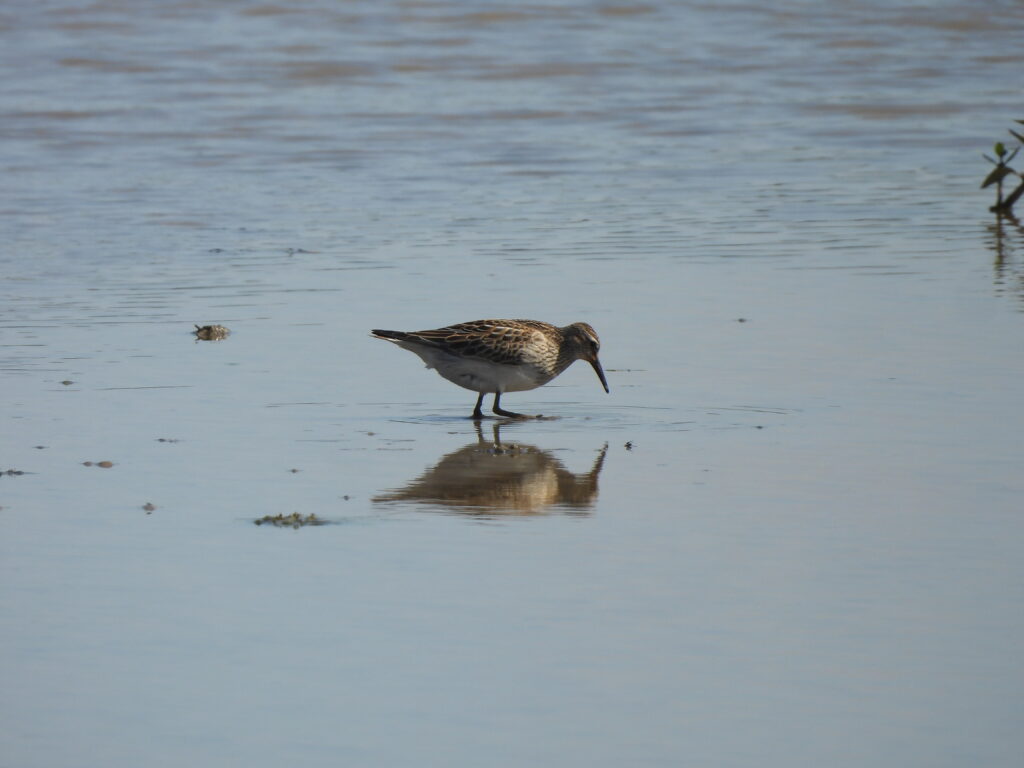
The onset of postnuptial migration always brings excitement. The biggest highlight of September had to be visiting the Delta de l’Ebre for the Delta Birding Festival with friends. While driving north, Marcos Real, Darío and I stopped once again in l’Albufera to connect with some newly arrived goodies. While we enjoyed finding three pectoral sandpipers (Calidris melanotos) on a field full of waders and gulls, it was our first buff-breasted sandpiper (Calidris subruficollis) that might qualify as my bird of the month, as the species had been virtually absent from Spain for years. Both of these Nearctic waders were later seen in impressive conditions and numbers that same weekend in the Delta de l’Ebre (read about it here).
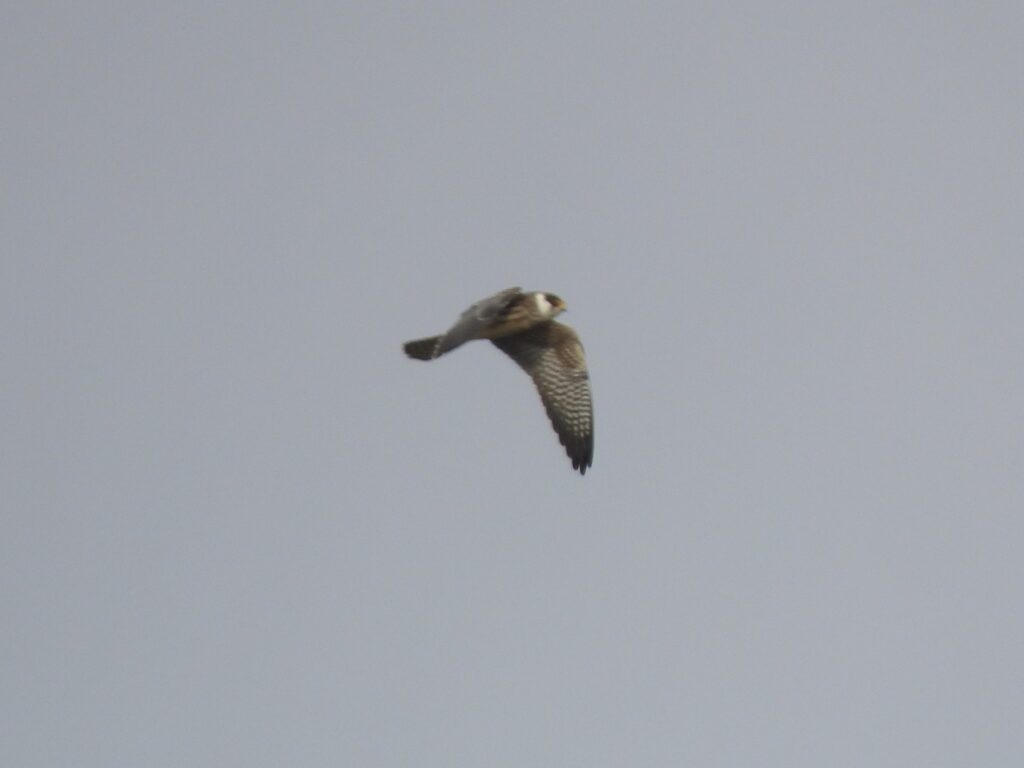
Another influx became evident when Jorge, Darío, Tati and I connected with a red-footed falcon (Falco vespertinus) before a ringing session one afternoon in El Hondo. This was a collective lifer that took us all off guard at the time, but we eventually understood it was one of the numerous first-year birds flying through the West Mediterranean that autumn. This very uncommon occurrence produced unprecedented numbers of this scarce migrant species on unusual dates, and I briefly assessed the influx in a post (read about it here).
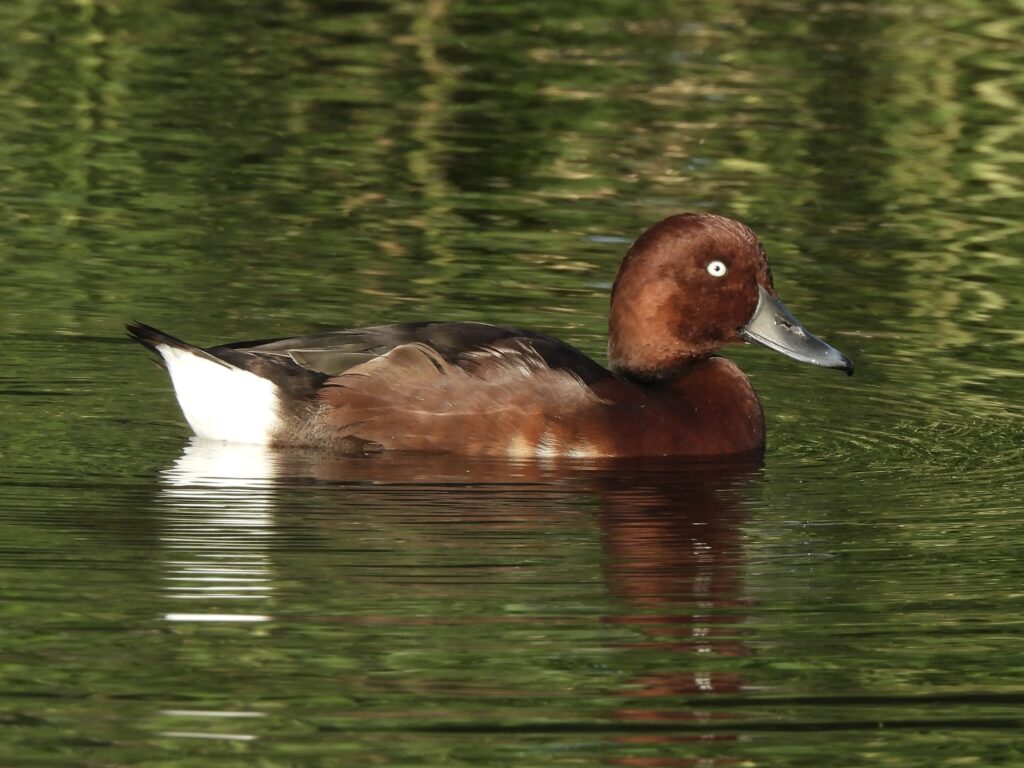
November was a busy month, and most of the birding I managed to do took place on fieldwork days or during work breaks. I took part in an international workshop with experts in my field in a privileged location on the beach at Cap de Santa Pola. While sharing insights and planning future ideas, we visited the nearby Clot de Galvany, where waterfowl delivered awesome views, as usual on that spot. As a birder, had I attended this workshop coming from abroad, I would have truly enjoyed the very close looks of ferruginous ducks (Aythya nyroca) we had that day.
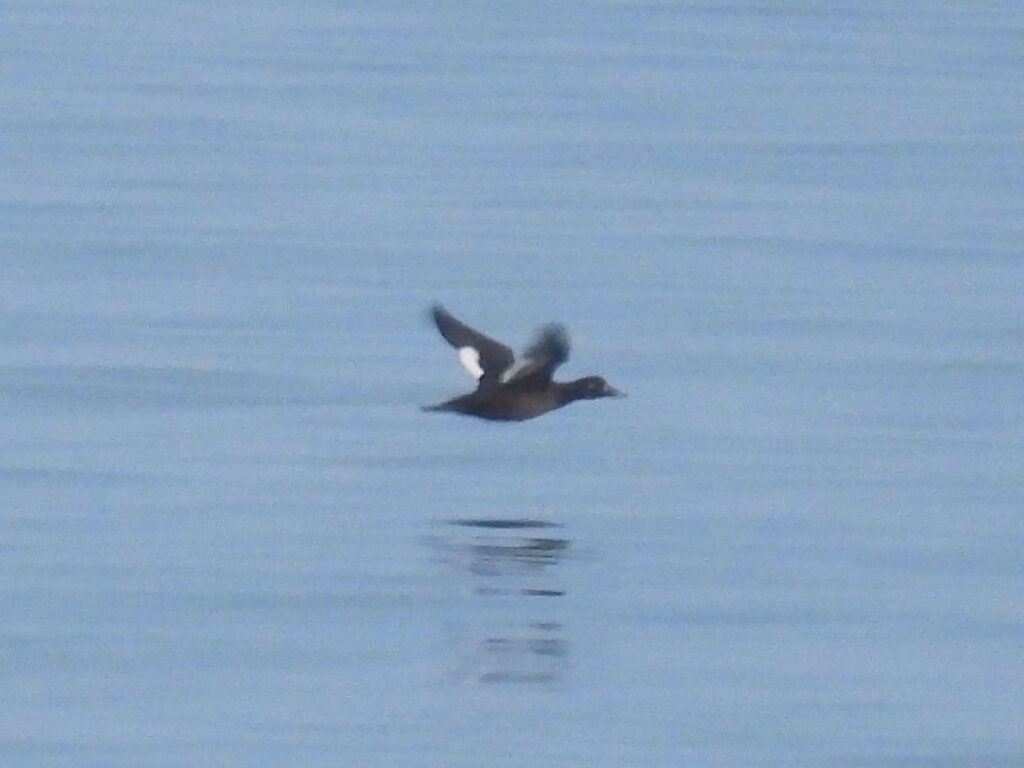
December has been an incredible month, as it brought major rarities — and chances to connect with them — in Alicante, Valencia and Castellón. The most memorable day was spent with Munir, Guillem, Darío, Jorge, Marcos and Luis Albero along the Castellón coast, scoring several goodies, including a red-throated diver (Gavia stellata), a black-legged kittiwake (Rissa tridactyla) and the bird that made my month: a self-found velvet scoter (Melanitta fusca) that showed up in Sol de Riu at the end of the day (read about it here).
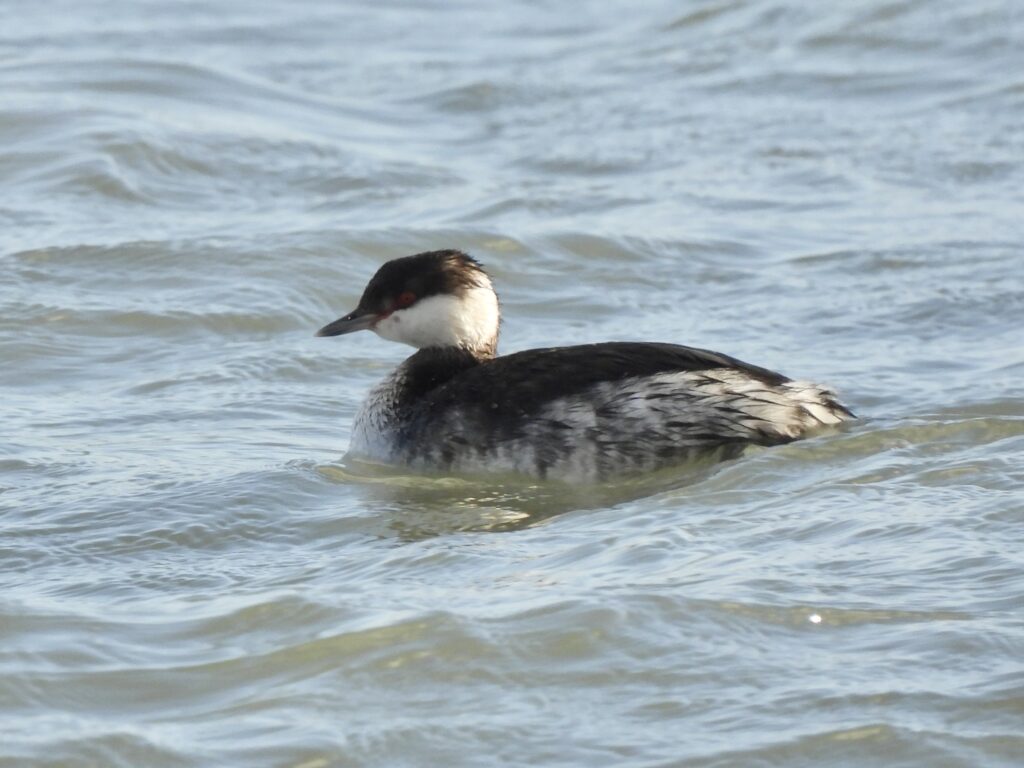
However, December could not have ended better, with a last-minute rarity showing up in Santa Pola that brought together many birdwatchers from Alicante and resulted in lovely reunions with old friends right after Christmas. Jorge and I drove to the beach where a horned grebe (Podiceps auritus) had been found the previous day by José Manuel Gracia. The bird fished just a few feet from us, seemingly unaware of our presence, giving us the perfect excuse to chat and connect with both old and new friends on site. I have not found any confirmed record of the species in Alicante in the past, so I definitely had to include this putative Alicante first in this chronicle.
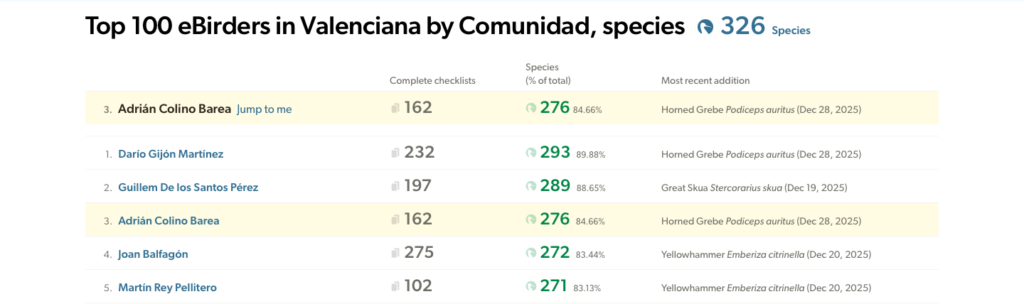
Something truly memorable that kept happening over the months while birding the region with friends is that, by sharing so much time together and helping each other, some of us ended up appearing among CV’s top eBirders in 2025. Darío led the way with an astonishing 293 species, followed closely by Guillem, who matched him for months and finished with 289 species. I connected with 276 species, about 85% of all species recorded in the region throughout the year on eBird, a figure that reflects more the generosity of fellow birders than any individual effort. I take the third spot with humility, aware that I relied on the rest of this group to connect with many bonus birds. Close behind were Joan — who found several of the major targets twitched this year — in fourth place with 272 species, and Martín, who broke all records last year with 303 species, in fifth with 271. This memorable podium is a reminder of the simple joy of being out birding together.