My trip to India exactly one year ago was mostly focused on wildlife. Although we flew to Kochi in Kerala, the only city we actually visited was Mysore, in Karnataka. My friend Mebin Varghese hosted us and arranged the entire trip, wisely fitting a New Year’s Eve visit to the city and its famous Mysore temple into our travels between protected areas in Karnataka. He mentioned Mysore could be a nice first, slightly edulcorated experience of an Indian city for us. And indeed, we had some fun navigating the chaos and exploring the city centre.
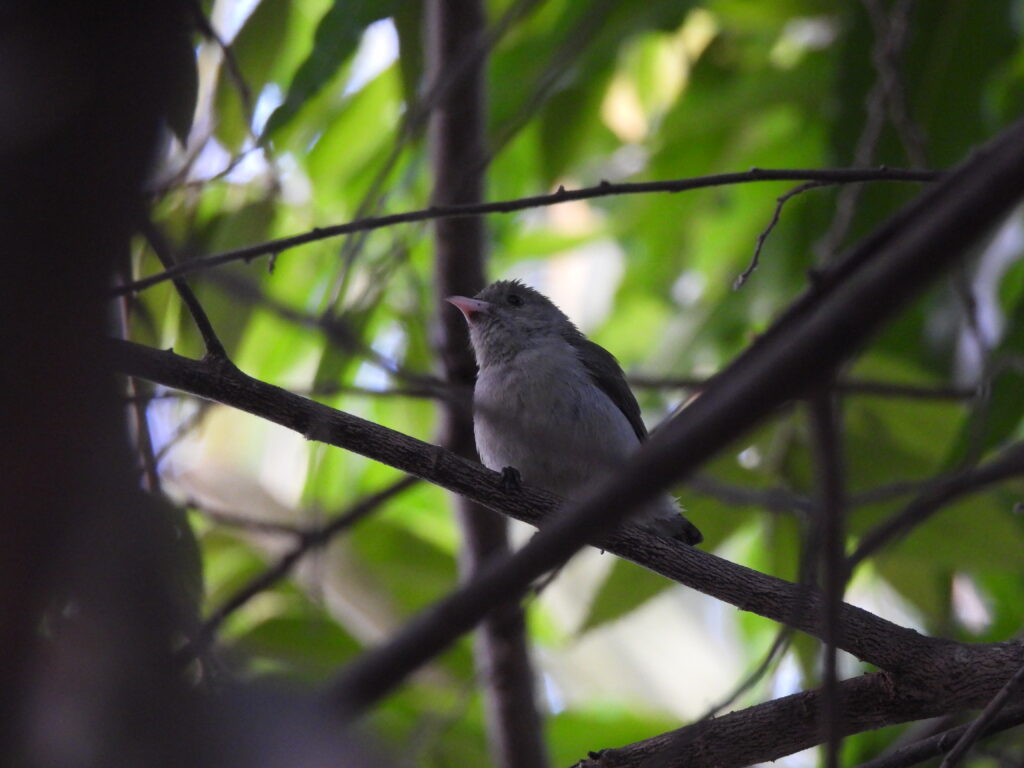
What I did not particularly expect was finding such a burst of wildlife within the city. After a long ride through Kerala and Tamil Nadu, the short walk to our accommodation already granted us views of an awesome red-naped ibis (Pseudibis papillosa) on a creek under a bridge. Later, the gardens of our hotel proved good for some new birds, including yellow-billed babbler (Argyia affinis), small minivet (Pericrocotus cinnamomeus) and pale-billed flowerpecker (Dicaeum erythrorhynchus).
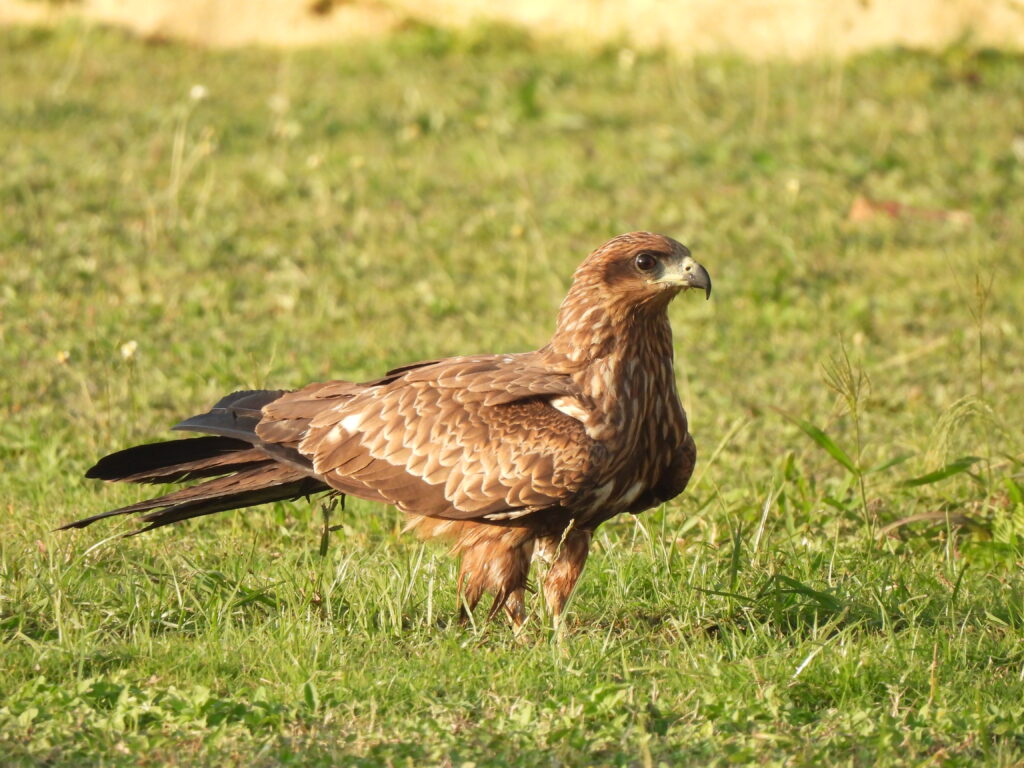
The sky was filled with black kites (Milvus migrans) across the city, as we had also observed from the train while crossing Bengaluru. Flocks like swarming mosquitoes covered the sky in all directions. The density of these raptors within urban areas was hard to believe. In the gardens of Mysore Palace, many of these birds even sat on the ground and on most poles and cables.
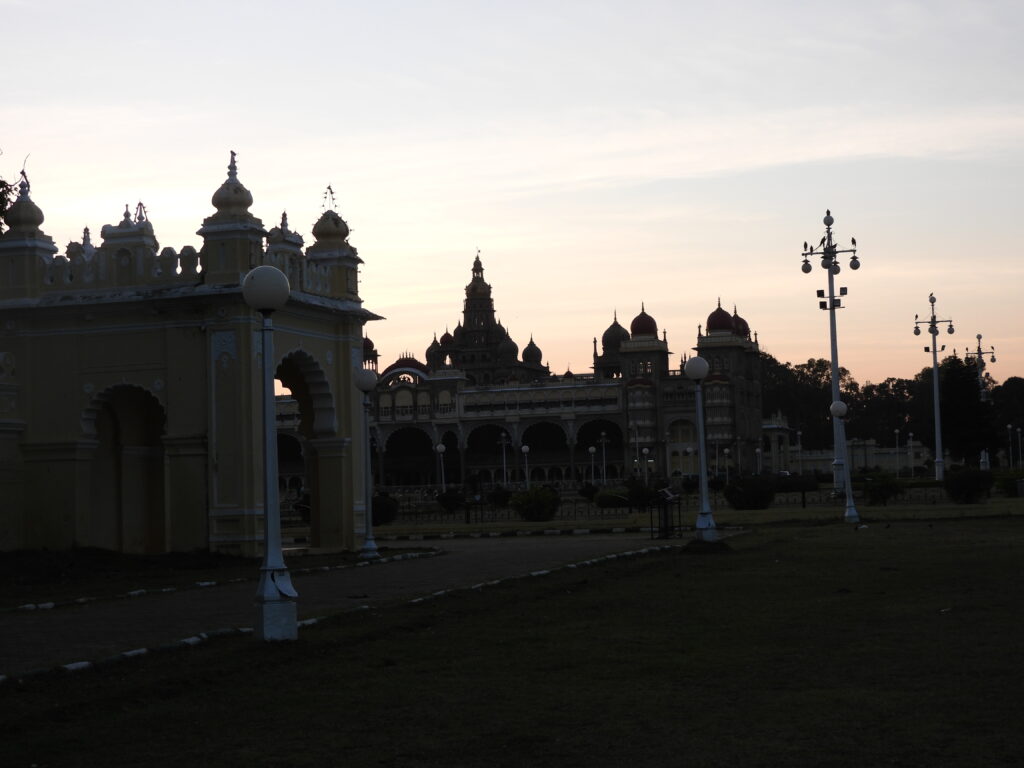
We had a very pleasant visit through the different magnificent rooms inside the Palace. The architecture, blending Moorish and Hindu influences, resulted in a unique style. We walked barefoot all around the temple, constantly being asked for pictures by domestic tourists. House swifts (Apus nipalensis), rose-ringed parakeets (Psittacula krameri) and common mynas (Acridotheres tristis) could be noticed even from inside the Palace.
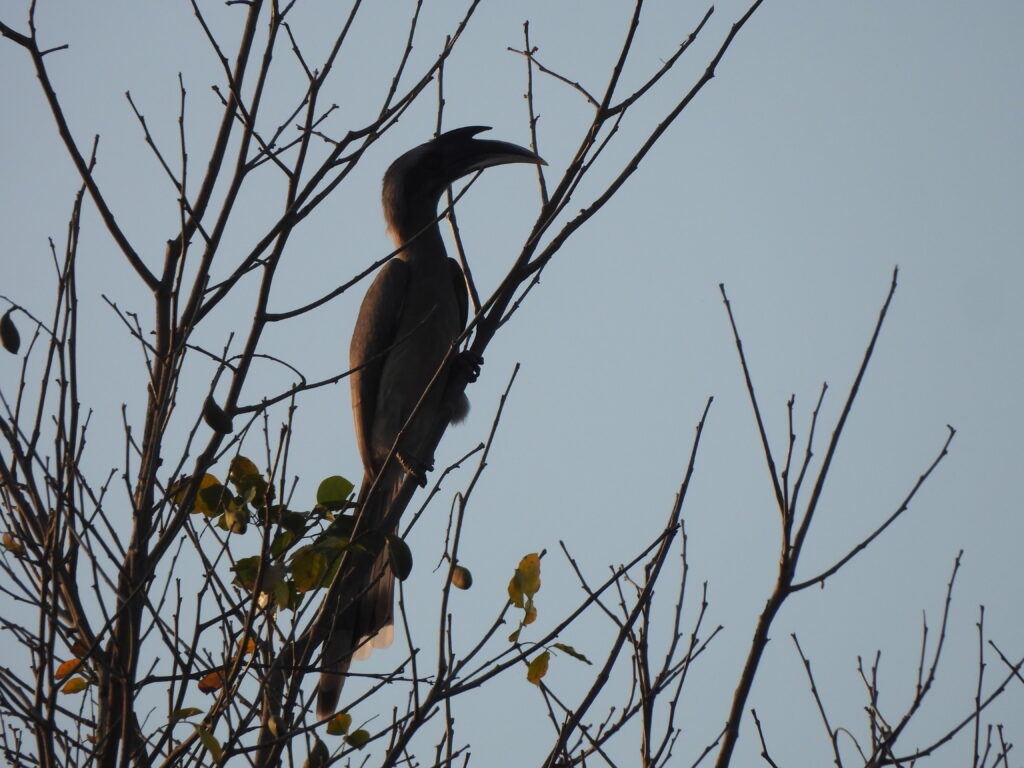
The gardens offered further surprises. We approached a couple of elephants from the Palace for a closer look and heard odd, harsh calls coming from a large Ficus tree standing alone. Scoping the tree produced quick looks of a “brain-fever bird”, the common hawk-cuckoo (Hierococcyx varius), and a coppersmith barbet (Psilopogon haemacephalus). However, at a certain point we noticed strange silhouettes in the canopy and eventually connected with Indian grey hornbills (Ocyceros griseus) calling from the trees. As this was the first hornbill for most of the group, everyone got quite excited.
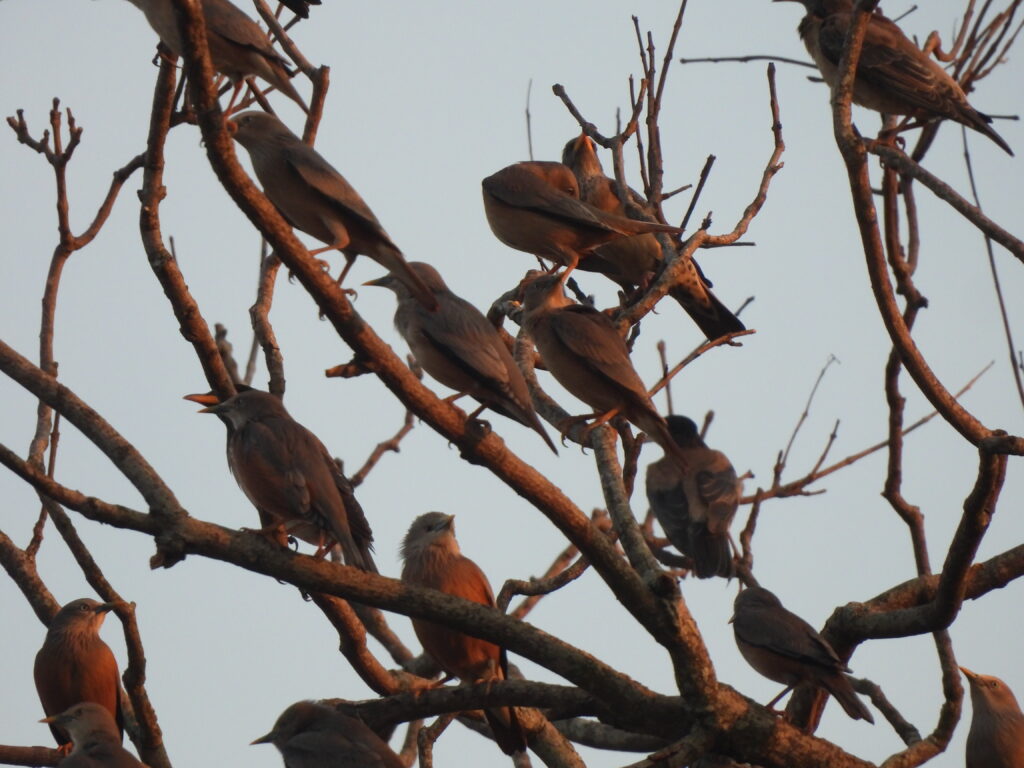
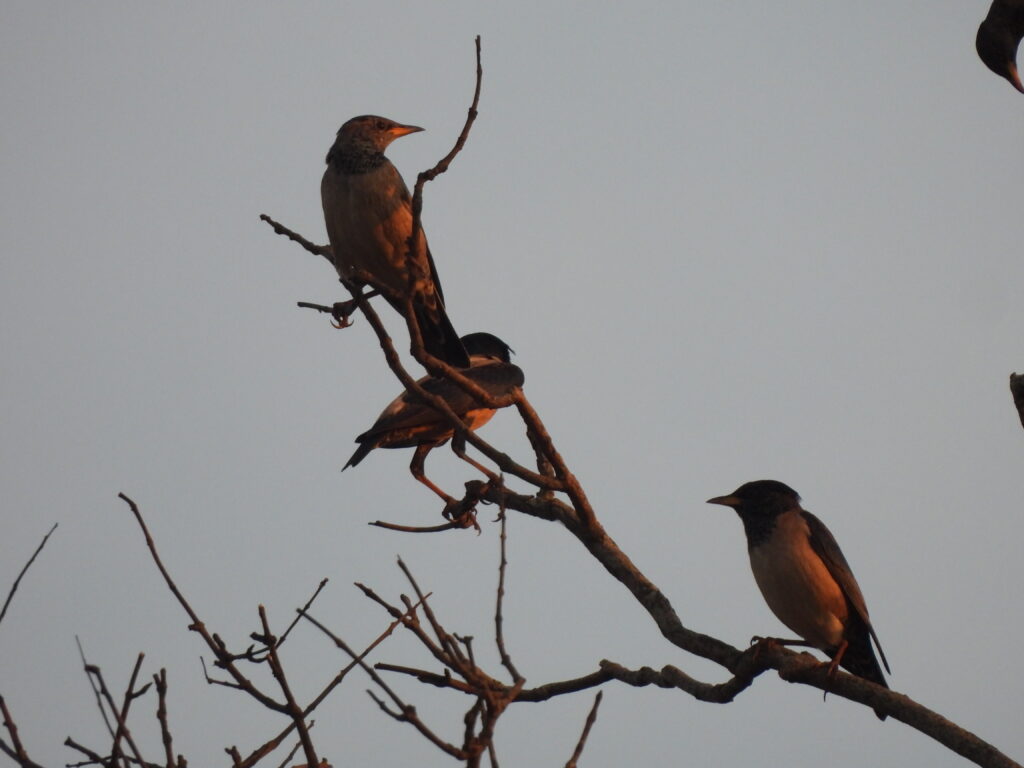
The sun set while we were still inside the Palace, as we waited to see it shine in the dark once the lights were switched on. By doing so, we connected with large flocks of diverse starlings, including rosy starlings (Pastor roseus) and chestnut-tailed starlings (Sturnia malabarica).
After enjoying the lit Palace for a while and grabbing some dinner, we had a quick New Year’s celebration inside our hotel room. Our year would start early the following morning, setting off to Ranganathittu Bird Sanctuary — a wetland north of Mysore.
This spot was a last-minute addition to our plan, and I had done virtually no research about it beforehand. Therefore, I was very surprised to see flocks of spot-billed pelicans (Pelecanus philippensis) soaring over the wetland in the distance as we approached it and stopped to see our first Indian peafowl (Pavo cristatus).
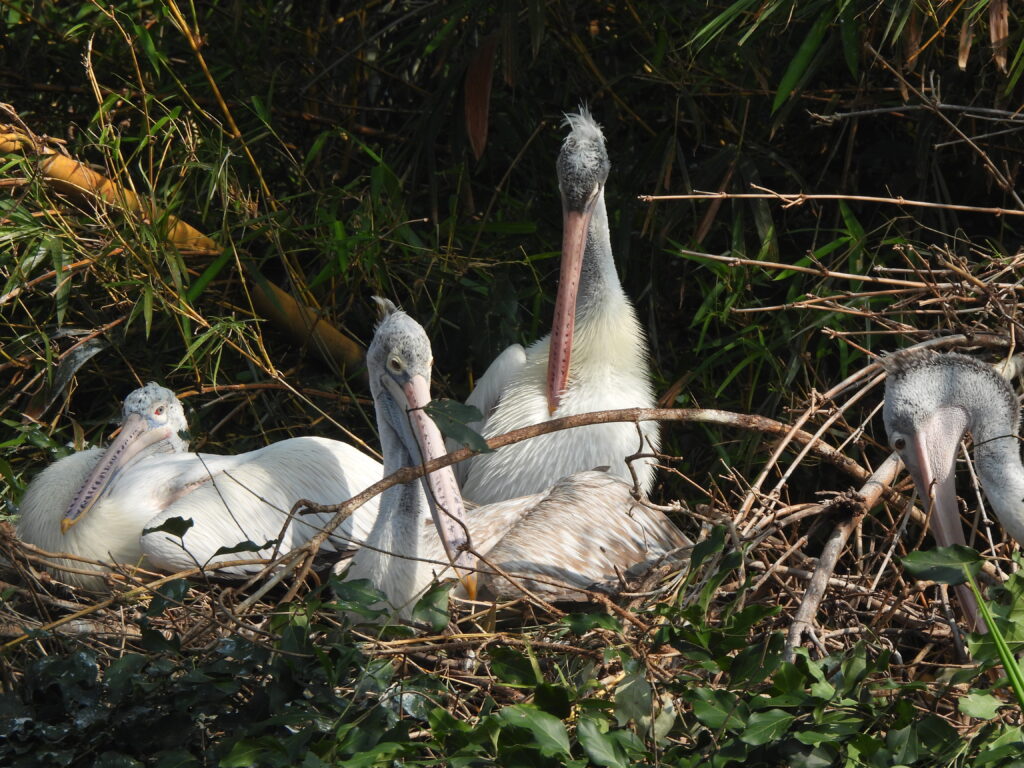
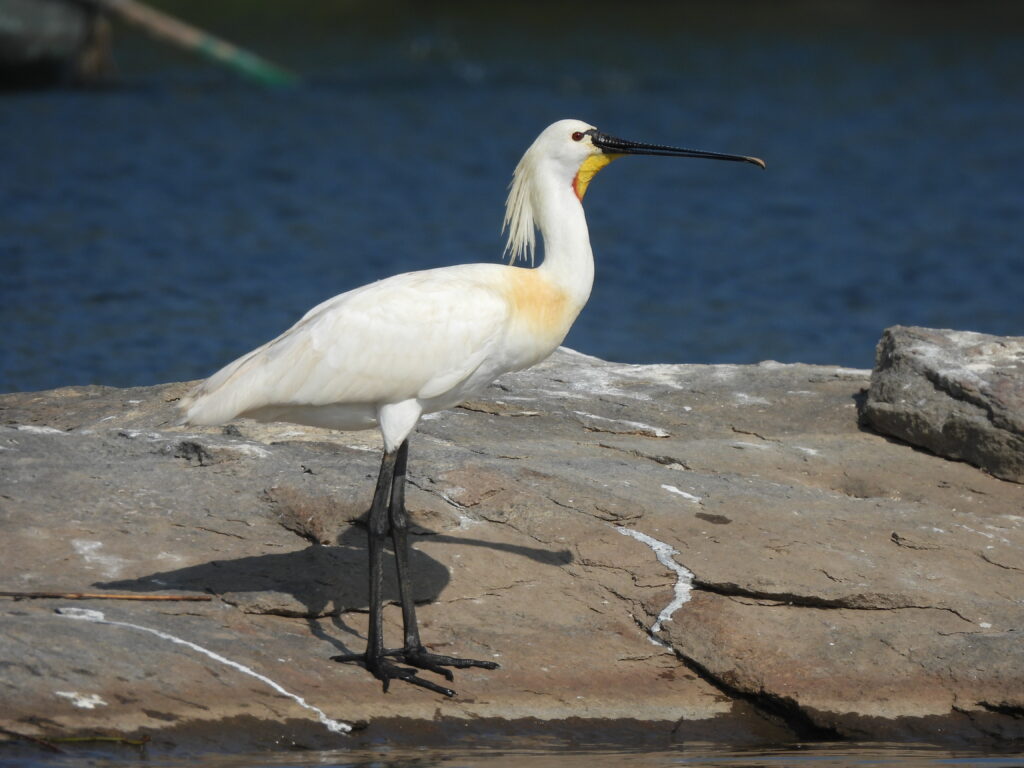
Indeed, this wetland serves as an important colony for spot-billed pelicans, as well as Eurasian spoonbills (Platalea leucorodia), glossy ibis (Plegadis falcinellus), black-crowned night-heron (Nycticorax nycticorax), cattle egret (Ardea ibis), grey herons (Ardea cinerea) and more. A classic visit involves a boat ride around different islands and shores of the wetland, where these and other species can be seen at incredibly close range.
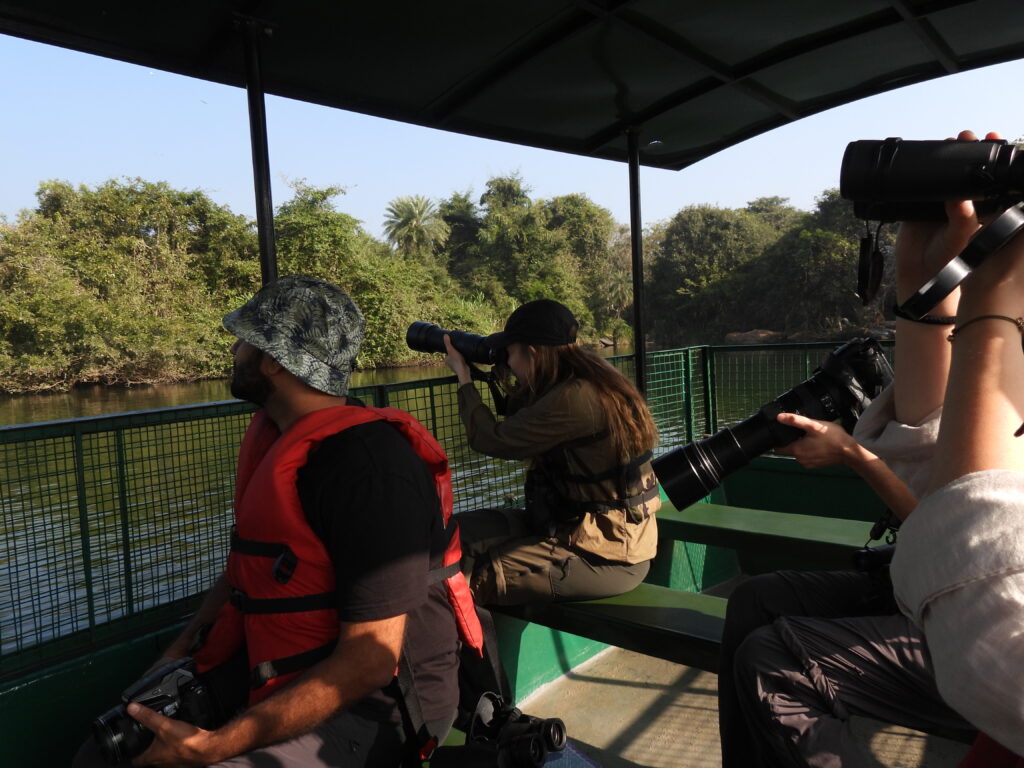
Our boat ride secured several close encounters with marsh crocodiles (Crocodylus palustris) and Indian flying foxes (Pteropus niger). In addition, we had close views of ospreys (Pandion haliaetus) and red-wattled lapwings (Vanellus indicus). We also sailed through a large flock of streak-throated swallows (Petrochelidon fluvicola) and, at one point, saw four yellow-footed green-pigeons (Treron phoenicopterus) flying past our boat.
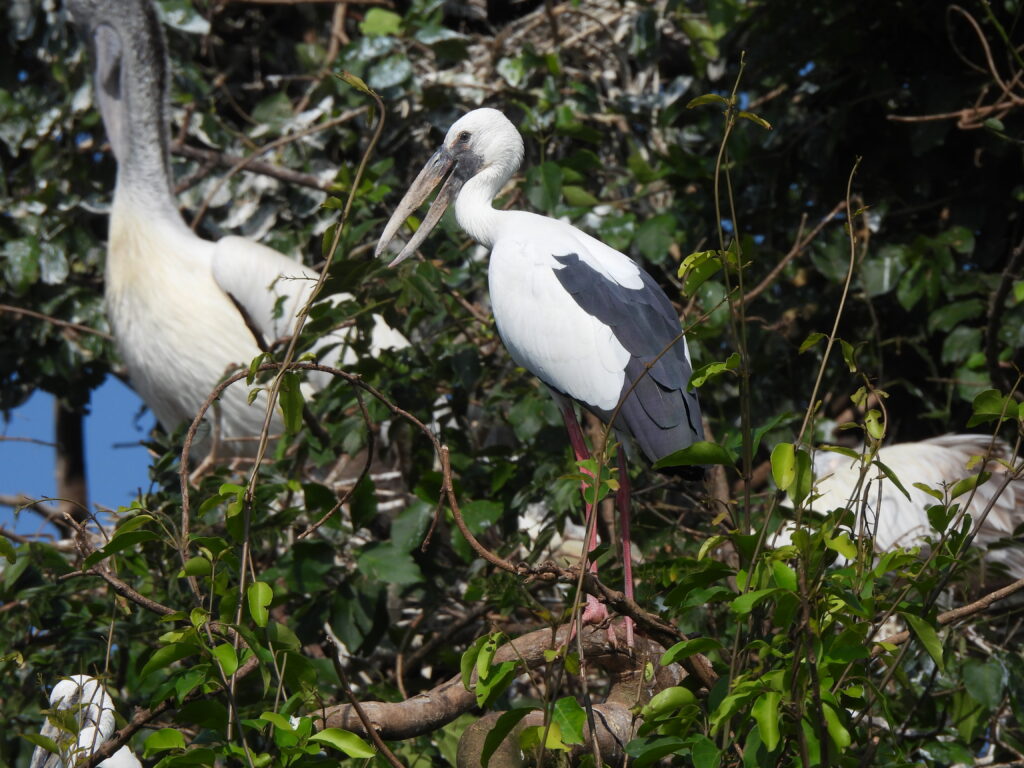
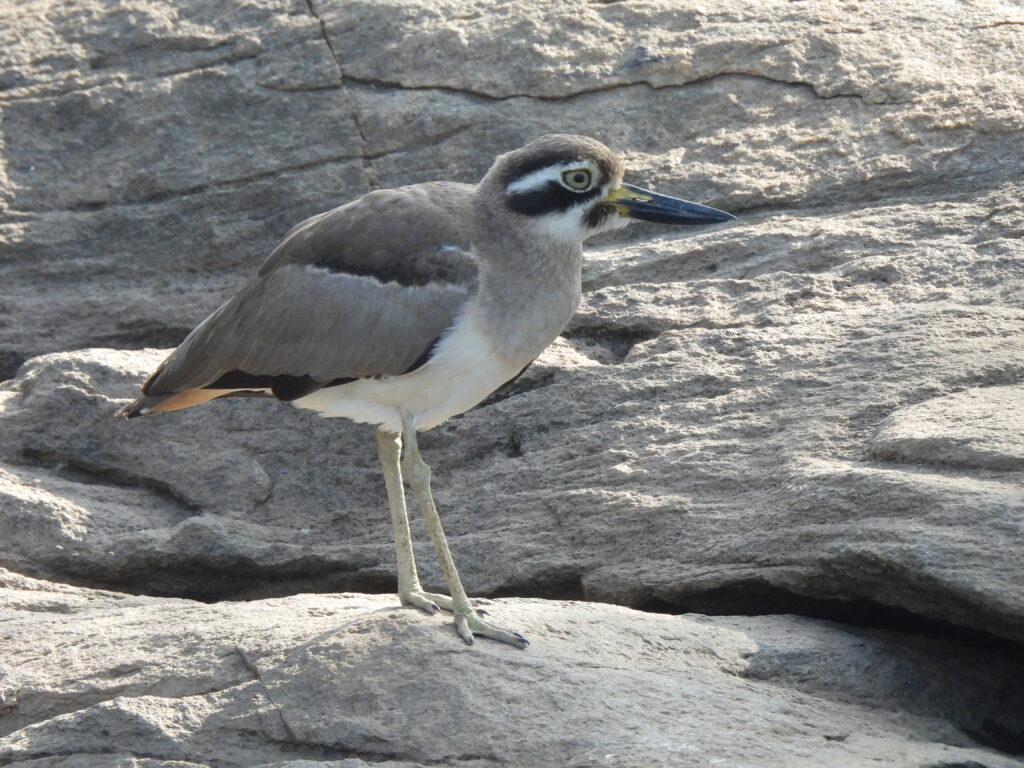
The boat brought us close to the roost of two great stone-curlews (Esacus recurvirostris), hidden in the shadows. As I had not expected to see this stunning species on our trip, this prolonged sighting became one of my personal highlights of the day. On a similar note of surprise, a large flock of wintering bar-headed geese (Anser indicus) crossed the wetland above us.
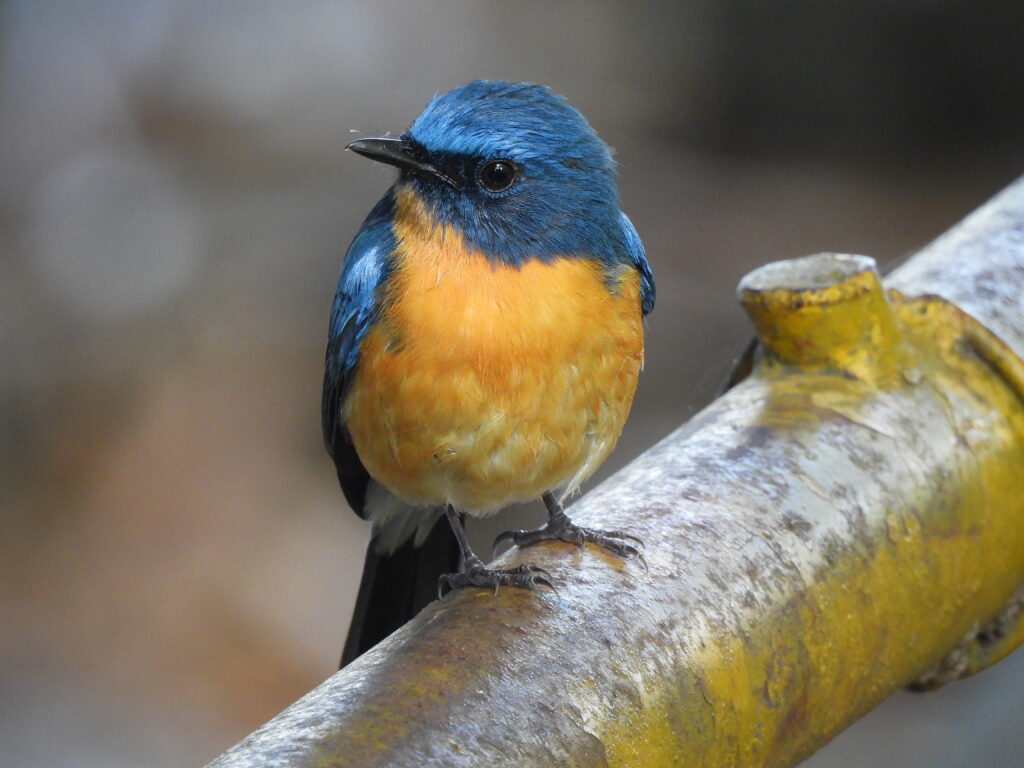
After a dreamy, successful ride, I spent some time walking through the forest between the port and the parking lot. I managed to get good views of white-browed wagtails (Motacilla maderaspatanus) and Tickell’s blue flycatchers (Cyornis tickelliae) in the port area, both offering good photo opportunities.
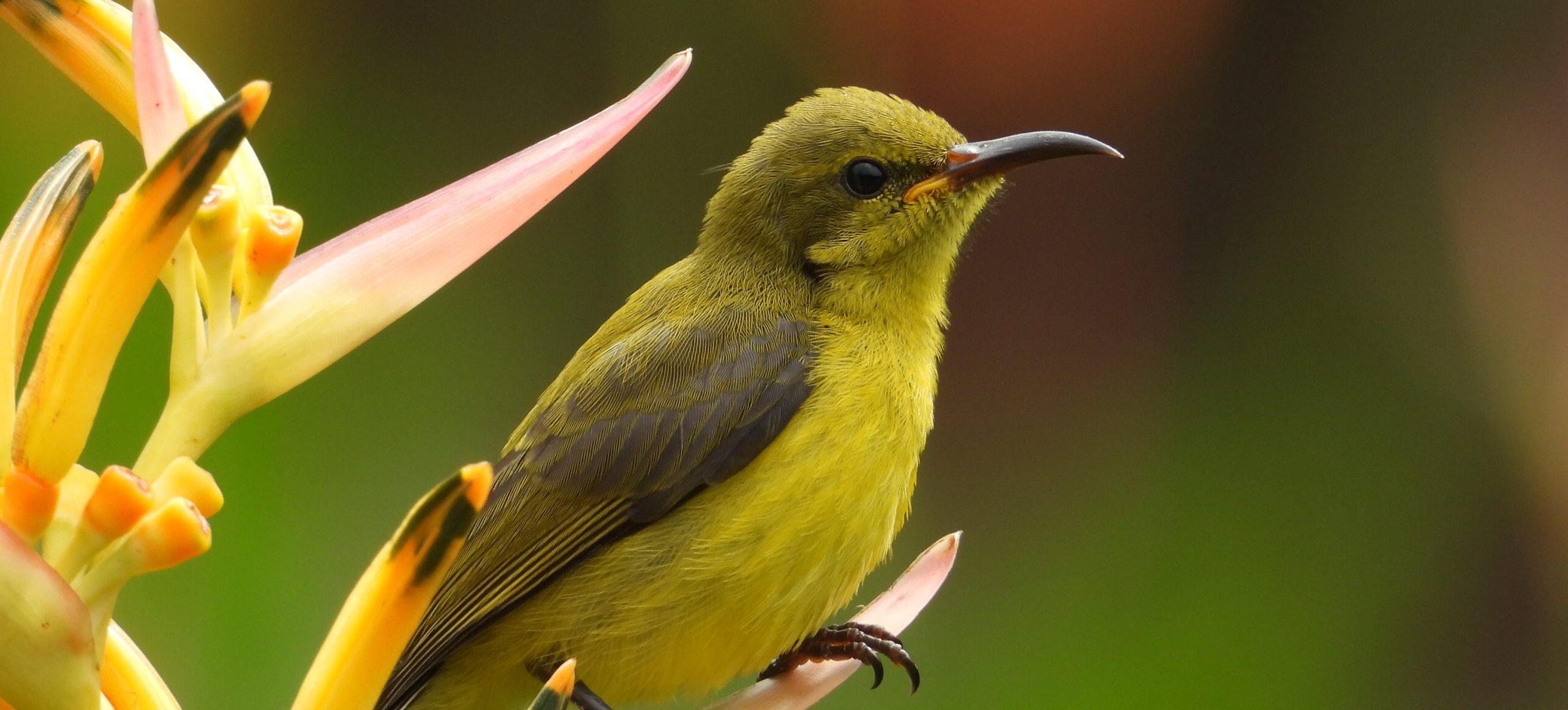
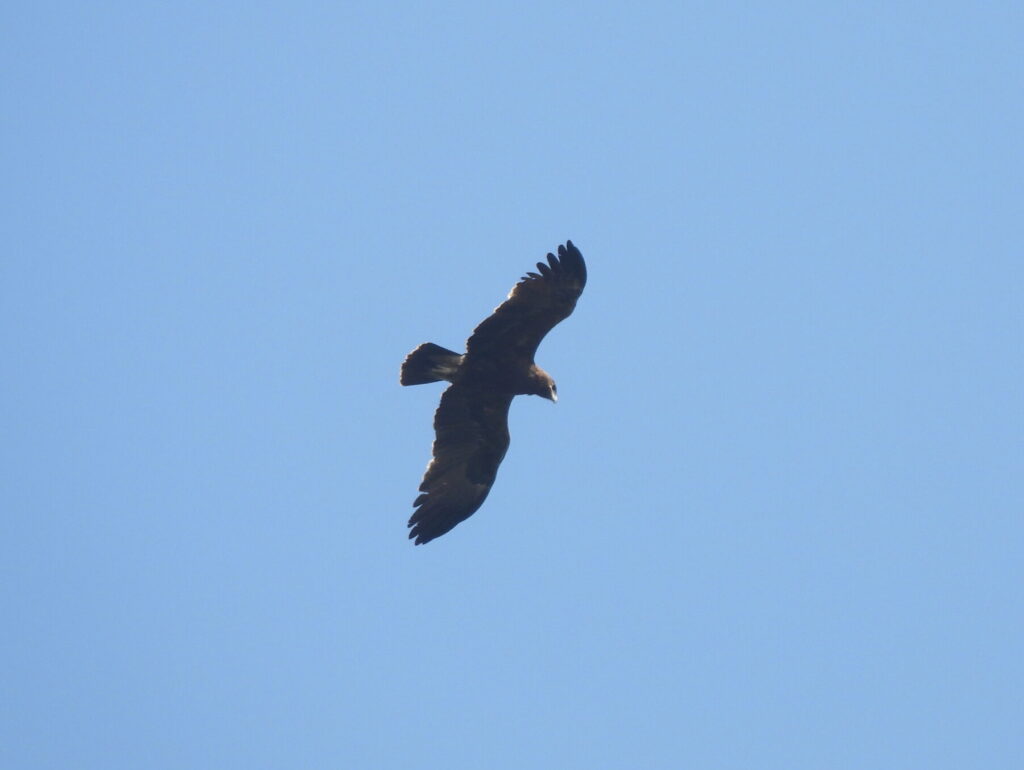
I also connected with a locally rare Loten’s sunbird (Cinnyris lotenius) in the forested area, along with more pale-billed flowerpeckers and the always abundant white-cheeked barbets (Psilopogon viridis). As a final addition, a changeable hawk-eagle (Nisaetus cirrhatus) and an Indian spotted eagle (Clanga hastata) flew over the parking lot.
This particular New Year was the first I had spent away from home — and perhaps also the most unplanned. Mysore turned out to be a pleasant, picturesque city with an appealing culture that initially was just a convenient stop in our itinerary, but ultimately exceeded all expectations. This spontaneous part of the trip became one of the most productive, as many of the species we saw were not reconnected elsewhere in Karnataka and Kerala — not only those in wetlands, but also those within the city itself.