The third month of my 2026 challenge of recording a different bird species every day has continued to build momentum, gradually shifting from late winter birding into the first clear signs of migration period. I’m enjoying the process of getting the hand of it, giving a purpose to my daily outings and documentong in a structured way the seasonal turnover — this month shaped by lingering winter species and the first pulses of prenuptial migration.
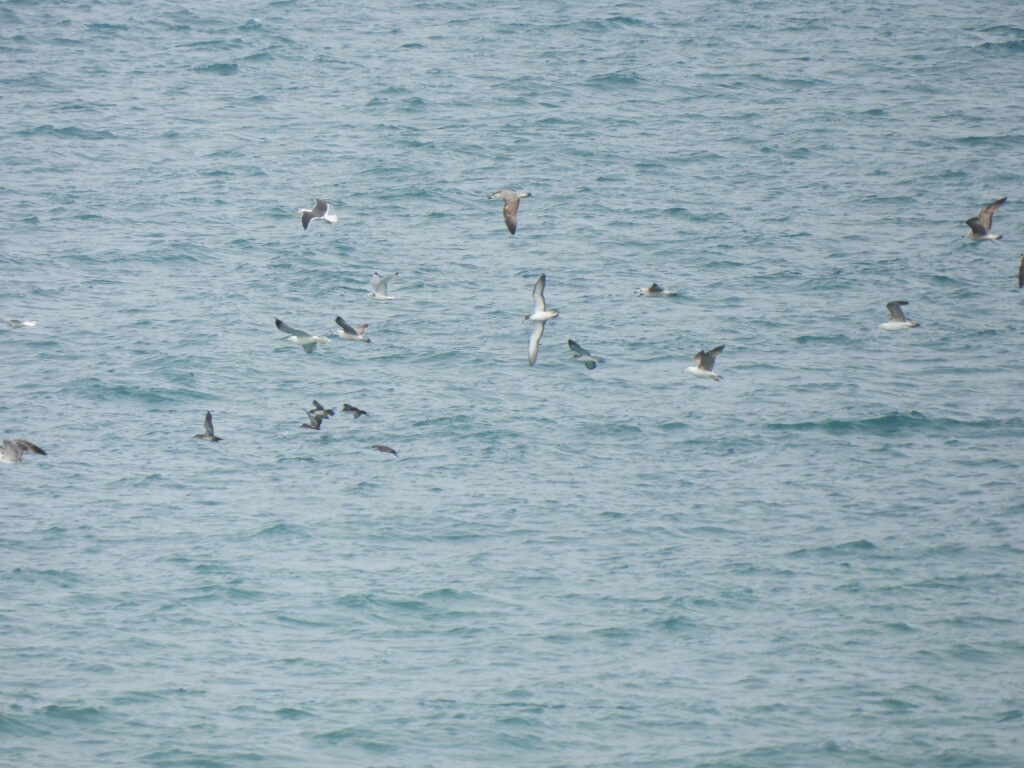
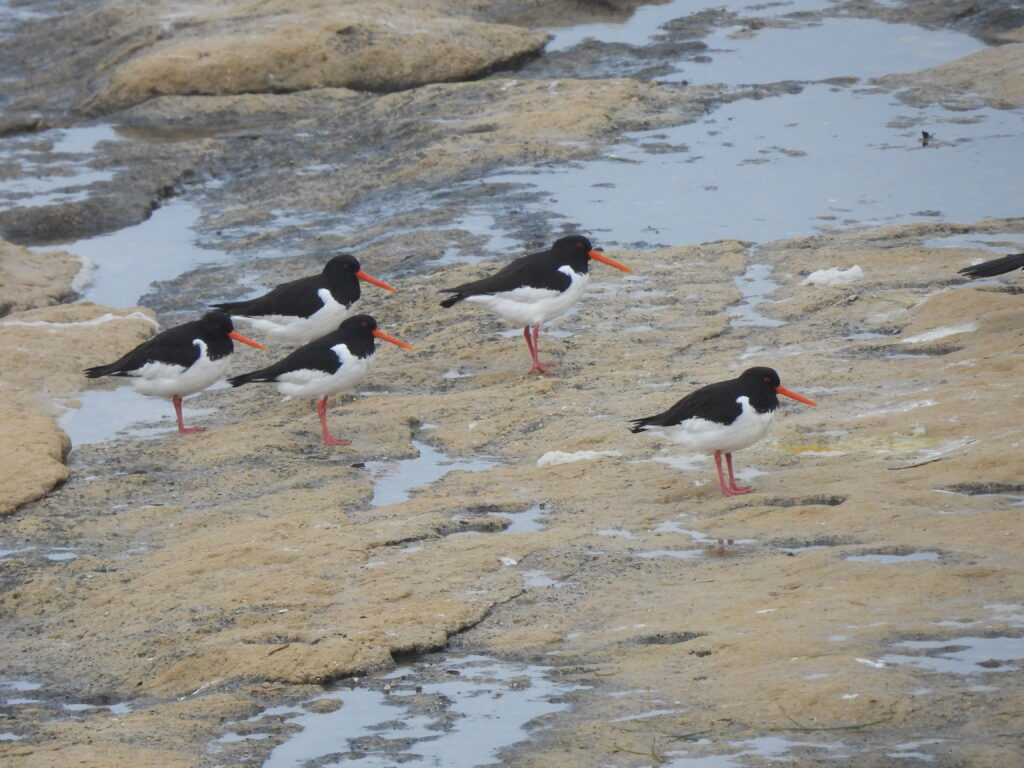
Seawatching played a central role throughout March. A visit to Dénia produced one of the most memorable sessions of the month, with record-breaking 329 Atlantic puffins (Fratercula arctica) recorded over the day by Joan Balfagón, Martín Rey, Darío Gijón, Diego Castillo and I — although I chose a nuptial plumage razorbill (Alca torda) because of how scarce they have been this winter. Elsewhere, coastal coverage added further variety: Eurasian oystercatchers (Haematopus ostralegus) in Cabo de las Huertas, grey plover (Pluvialis squatarola) and other waders in Torrevieja, and numerous memorable encounters with parasitic jaegers (Stercorarius parasiticus) getting very close to shore both in Santa Pola and Cabo de las Huertas over different dates. Seawatching days are coming to an end, but the sessions this month highlighted the constant movement along the coastline during this transitional period.
The month also retained a clear winter flavour in its early stages. I still got to see Eurasian teal (Anas crecca) and booted eagle (Hieraaetus pennatus) in El Hondo and Clot de Galvany, water pipit (Anthus spinoletta), dunnock (Prunella modularis) and hawfinch (Coccothraustes coccothraustes) around Alcoi area, alongside easier birds that eased my busy days in Elx, such as wintering common chiffchaff (Phylloscopus collybita) or resident black wheatear (Oenanthe leucura) endeavored in displays. As the month went on, I noticed that their detectability began to decline in my birding spots. A particularly notable sighting was a male pallid harrier (Circus macrourus) at El Hondo, observed during its expected passage window — either the local male during its last days around, or another passing-by individual. In a way, the strategy behind this challenge takes a good dose of understanding bird phenology.
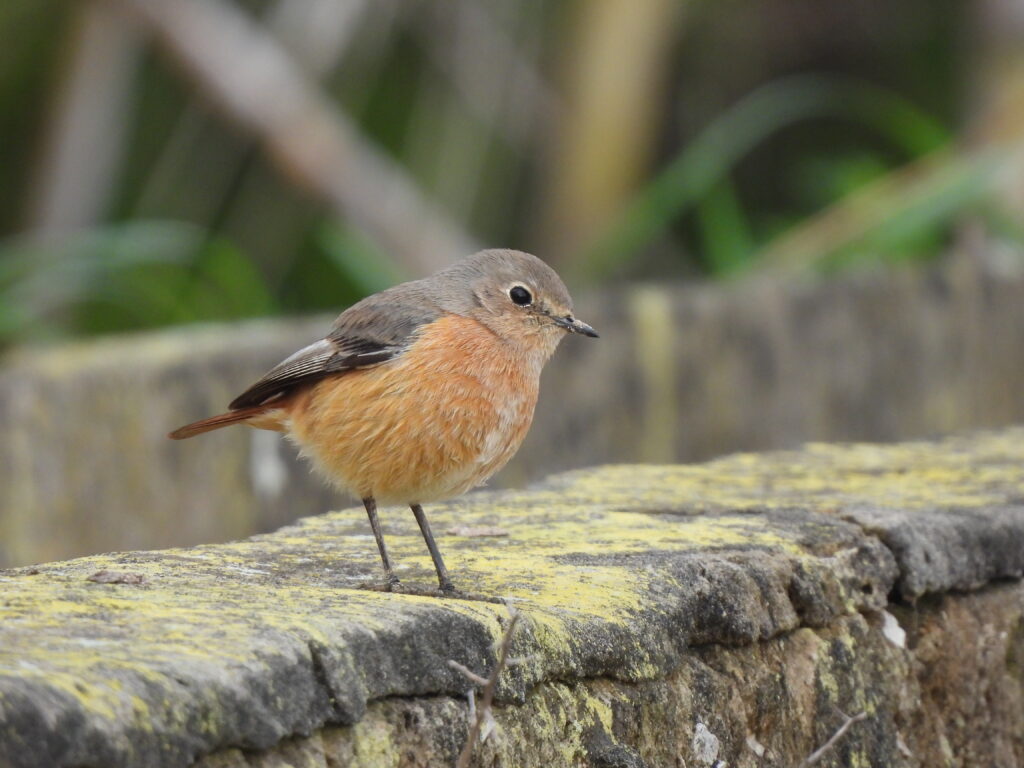
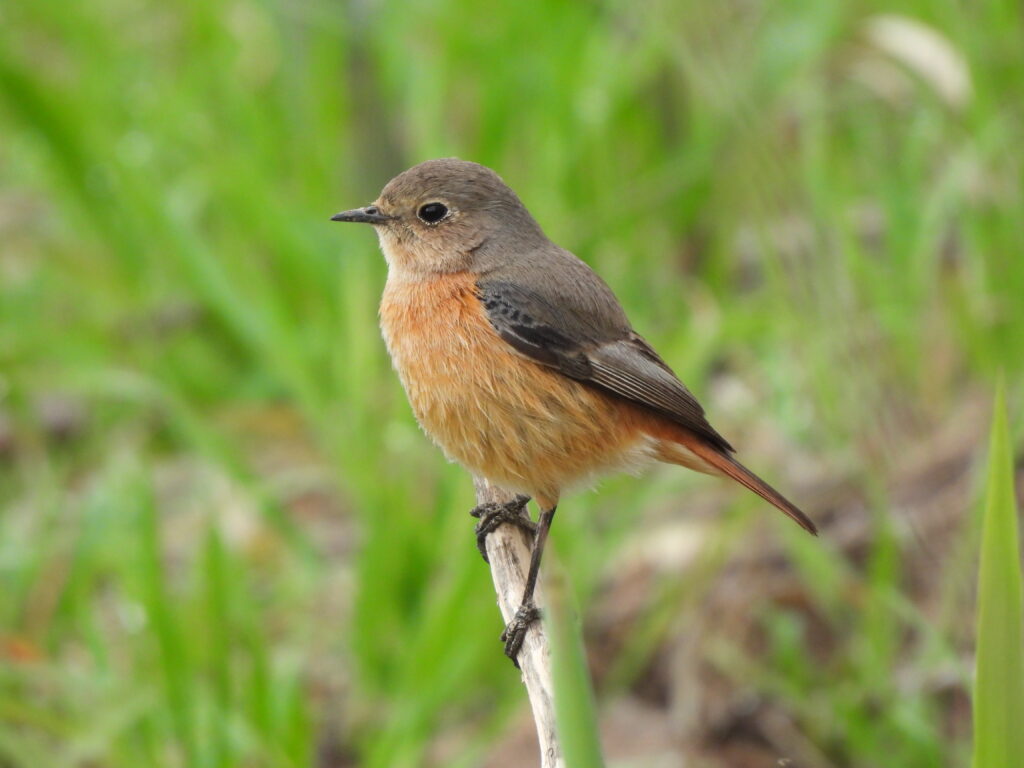
One of the defining moments of the month came with a strong calima event in the onset of March. Winds blowing straight from the Sahara desert brought a notable influx of North African influence into eastern Iberia. For me, the standout observation was a female Moussier’s redstart (Phoenicurus moussieri) at l’Albufera de Valencia. Discovered by Javier Chumillas, the bird remained for several days and showed exceptionally well — an outstanding and memorable encounter shared with Guillem de los Santos, Darío and others, and my first observation of a female of the species.
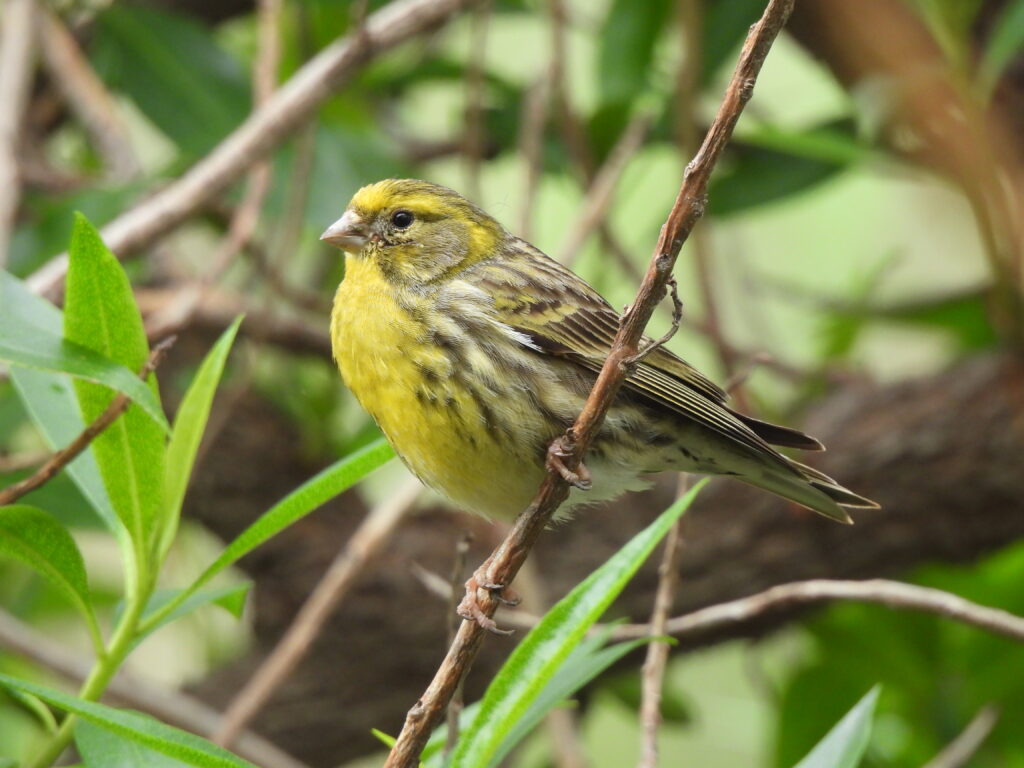
Gradually, the first arrivals of spring began to appear. Early migrants such as great spotted cuckoo (Clamator glandarius) were already busy with their breeding business by the beginning of the month, as well as fledglings of some residents such as European serins (Serinus serinus). However, my best time with newbies took place in two different islands.
In Alicante area, I visited Tabarca several times. While hardly obliging, my time there provided a mix of lingering winter birds and scarce migrants. The last Eurasian skylarks (Alauda arvensis) were still present, while an unexpected encounter with a short-eared owl (Asio flammeus) — flushed and pursued offshore by yellow-legged gulls (Larus michahellis) — stood out as one of the more dramatic moments of the month, and a long expected new species for my home region.
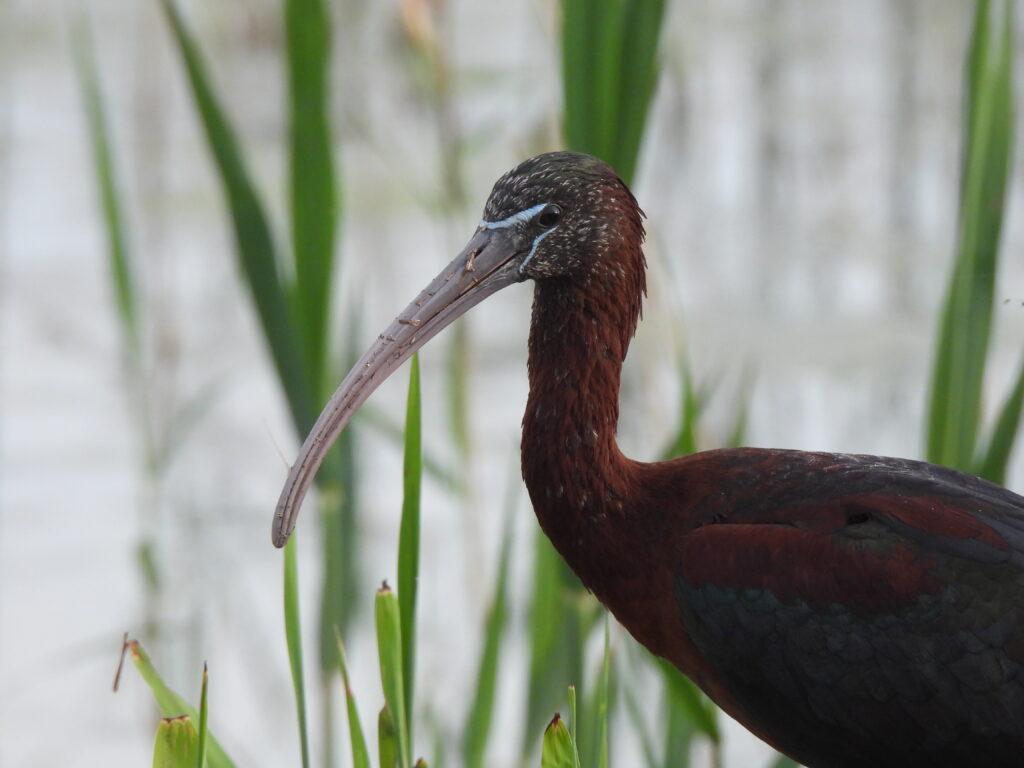
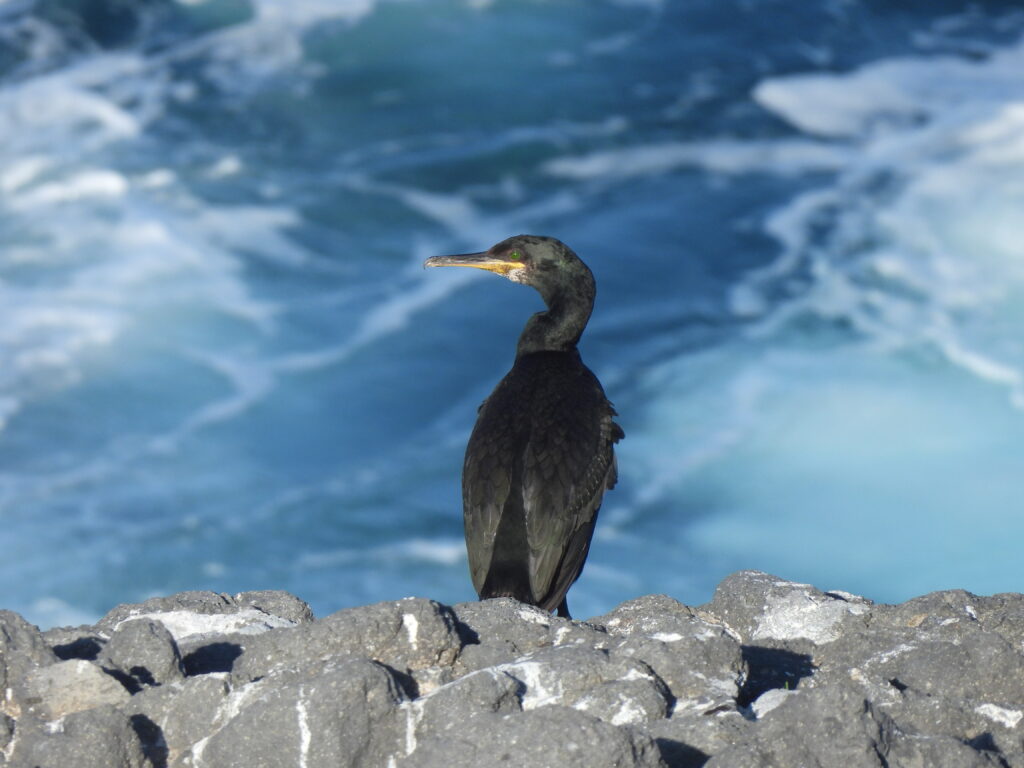
Further south in Murcia, I closed March on Isla Grosa, alongside Mario Marcos and Pablo M. Avidad. There, a clearer pulse of migrants became evident. Species such as Iberian chiffchaff (Phylloscopus ibericus), tree pipit (Anthus trivialis) and common redstart (Phoenicurus phoenicurus) were seen on different dates, all migrants I usually struggle to find elsewhere. Some days were slower, with only the local shags (Gulosus aristotelis) or Scopoli’s shearwaters (Calonectris diomedea) to note.
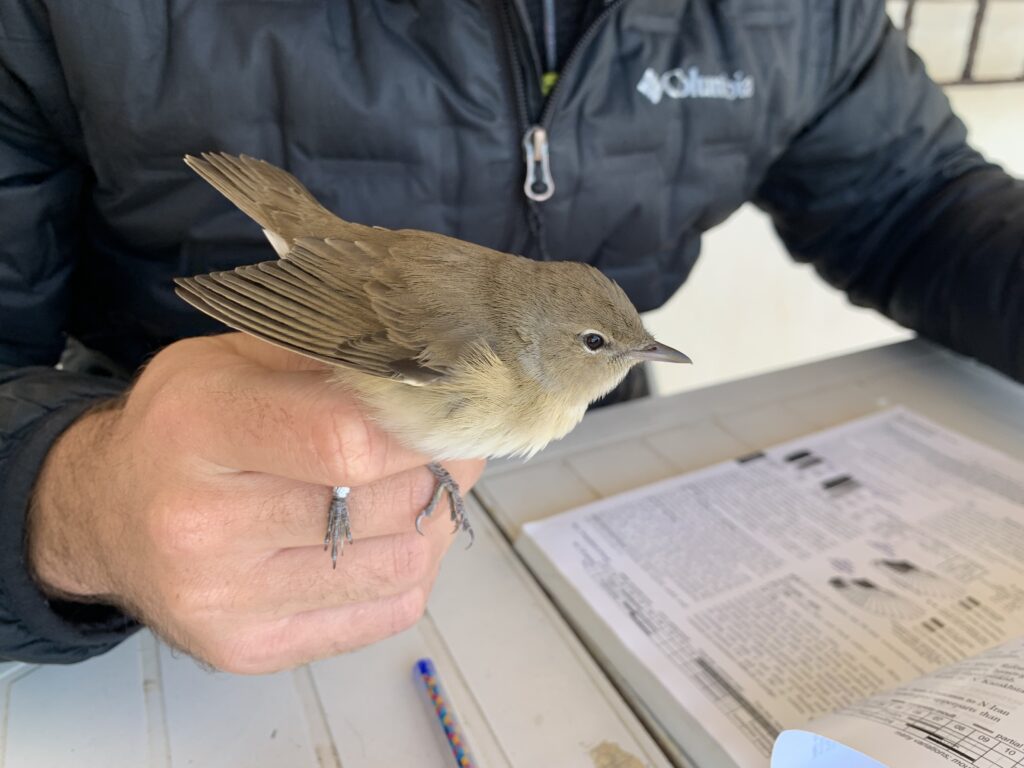
On one of such days, Pablo found a smart male western black-eared wheatear (Oenanthe hispanica) just on the bushes in front of the deck of our house, looking out the sea right before sunset. The highlight, however, was an exceptionally early garden warbler (Sylvia borin) on March 26th. Given that this species typically arrives several weeks later, its presence — combined with its recapture days later — made it one of the most remarkable records of the month and a fitting indication of the spring birds to come.
Here is the archive of the birds of the day for March 2026. Birds are reported in scientific, English and Valencian names (in the local variety of my hometown, as requested for the challenge), together with the location of each sighting.
- 1 Mar 2026: Spanish sparrow (Passer hispaniolensis) teuladí moro (Villena, Alacant)
- 2 Mar 2026: Ruddy turnstone (Arenaria interpres) remena-rocs (Santa Pola, Alacant)
- 3 Mar 2026: Green-winged teal (Anas crecca) sarset (Clot de Galvany, Alacant)
- 4 Mar 2026: Booted eagle (Hieraaetus pennatus) àguila calçada (Elx, Alacant)
- 5 Mar 2026: Eurasian oystercatcher (Haematopus ostralegus) garsa de mar (Sant Joan, Alacant)
- 6 Mar 2026: Parasitic jaeger (Stercorarius parasiticus) paràsit cuapunxegut (Santa Pola, Alacant)
- 7 Mar 2026: Eurasian skylark (Alauda arvensis) alosa (Tabarca, Alacant)
- 8 Mar 2026: Moussier’s redstart (Phoenicurus moussieri) cua-roja diademada (L’Albufera Natural Park, Valencia, Spain)
- 9 Mar 2026: Common chiffchaff (Phylloscopus collybita) mosquiter comú (Elx, Alicante, Spain)
- 10 Mar 2026: Razorbill (Alca torda) cauet (Dénia, Alicante, Spain)
- 11 Mar 2026: Water pipit (Anthus spinoletta) titeta d’aigua (Alcoi, Alicante, Spain)
- 12 Mar 2026: Eurasian penduline tit (Remiz pendulinus) teixidor (El Hondo Natural Park, Alicante, Spain)
- 13 Mar 2026: grey plover (Pluvialis squatarola) fusell de mar (Torrevieja, Alicante, Spain)
- 14 Mar 2026: Hawfinch (Coccothraustes coccothraustes) trencapinyols (Alcosser, Alicante, Spain)
- 15 Mar 2026: Wood lark (Lullula arborea) cotoliu (Serra Mariola Natural Park, Alicante, Spain)
- 16 Mar 2026: Little egret (Egretta garzetta) garseta blanca (Alcoi, Alicante, Spain)
- 17 Mar 2026: Great spotted cuckoo (Clamator glandarius) cucut reial (Elx, Alicante, Spain)
- 18 Mar 2026: Black wheatear (Oenanthe leucura) còlit negre (Elx, Alicante, Spain)
- 19 Mar 2026: Short-eared owl (Asio flammeus) mussol marí (Tabarca, Alicante, Spain)
- 20 Mar 2026: Dunnock (Prunella modularis) bardisser (Font Roja Natural Park, Alicante, Spain)
- 21 Mar 2026: Pallid harrier (Circus macrourus) arpella pàl·lida russa (El Hondo Natural Park, Alicante, Spain)
- 22 Mar 2026: Eurasian jay (Garrulus glandarius) gaig (Serra de Mariola Natural Park, Alicante, Spain)
- 23 Mar 2026: Iberian chiffchaff (Phylloscopus ibericus) mosquiter ibèric (Isla Grosa, Murcia, Spain)
- 24 Mar 2026: Common redstart (Phoenicurus phoenicurus) cua-roig (Isla Grosa, Murcia, Spain)
- 25 Mar 2026: Common sandpiper (Actitis hypoleucos) siseta de pit blanc (Isla Grosa, Murcia, Spain)
- 26 Mar 2026: Garden warbler (Sylvia borin) busquereta mosquitera (Isla Grosa, Murcia, Spain)
- 27 Mar 2026: Corn bunting (Emberiza calandra) cruixidell (Isla Grosa, Murcia, Spain)
- 28 Mar 2026: Western black-eared wheatear (Oenanthe hispanica) còlit ros (Isla Grosa, Murcia, Spain)
- 29 Mar 2026: Tree pipit (Anthus trivialis) titeta dels arbres (Isla Grosa, Murcia, Spain)
- 30 Mar 2026: Scopoli’s shearwater (Calonectris diomedea) baldriga cendrosa mediterrània (Isla Grosa, Murcia, Spain)
- 31 Mar 2026: European shag (Gulosus aristotelis) corb marí emplomallat (Isla Grosa, Murcia, Spain)