The highlands surrounding Santiago hold a number of Andean specialties that make for an exciting short trip. I had planned a short stay in the Santiago area during my time in Patagonia so I could get my visa status renewed by temporarily leaving Argentina and entering Chile, while also looking for some highland specialties. However, torrential rains associated with the current El Niño have left numerous parts of the city and its surroundings closed due to high risks of landslides and flooding. Therefore, Tati Pessano and I allocated a couple of days to exploring the northeastern part of Santiago.
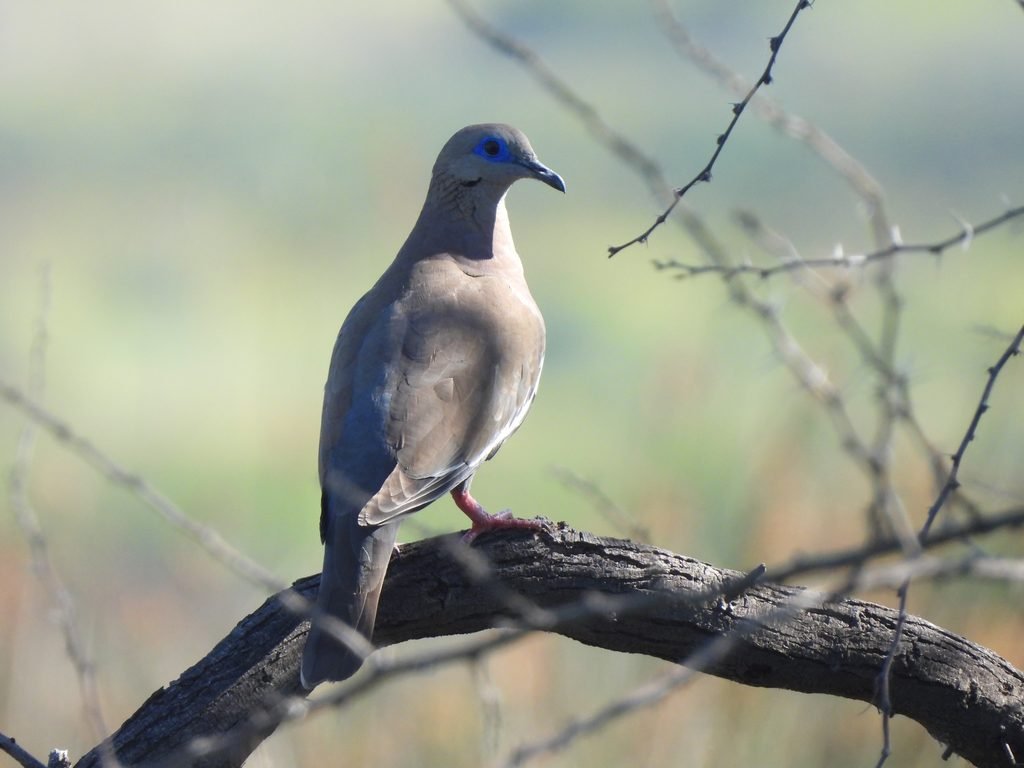
Before heading into the highlands, an afternoon visit to Humedal El Batuco, north of town, delivered our first Chilean mockingbirds (Mimus thenca) and West Peruvian doves (Zenaida meloda), even before leaving Santiago. The road eventually winds among small lagoons which held numerous Chiloe wigeons (Mareca sibilatrix), cinnamon teals (Spatula cyanoptera) and black-necked stilts (Himantopus mexicanus).
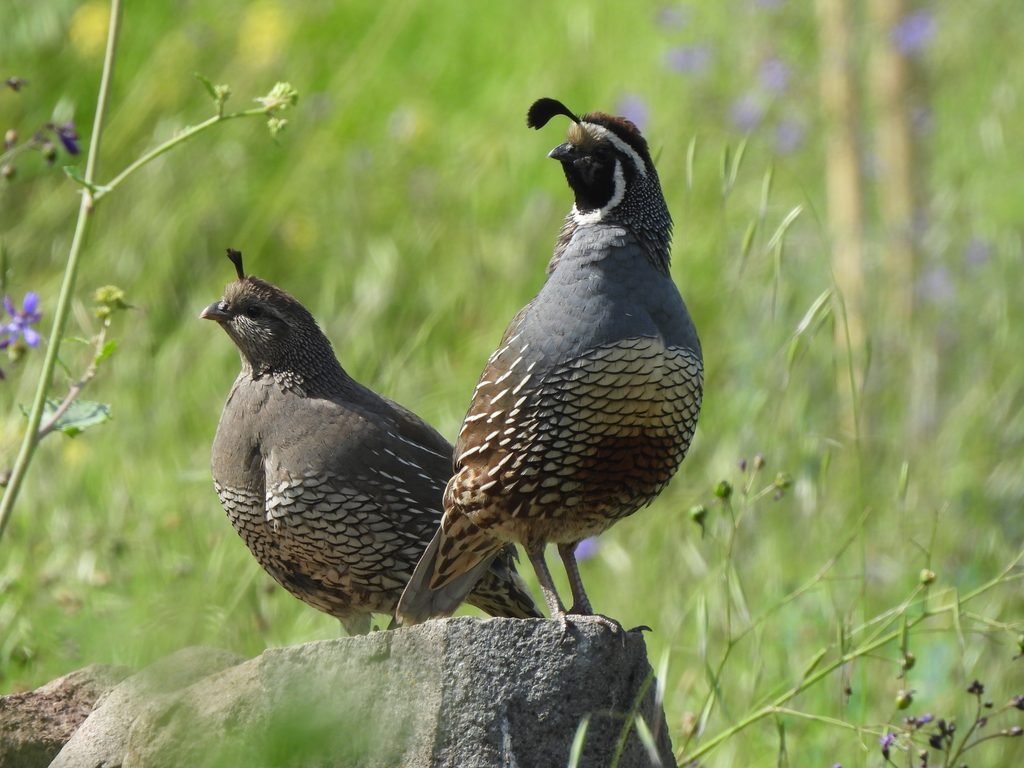
A black-chested buzzard-eagle (Geranoaetus melanoleucus) harassed by several chimango caracaras (Daptrius chimango) welcomed us to the visitor area at Batuco. We registered for free entry and parked inside a fenced area, surrounded by diuca finches (Diuca diuca) and California quails (Callipepla californica).
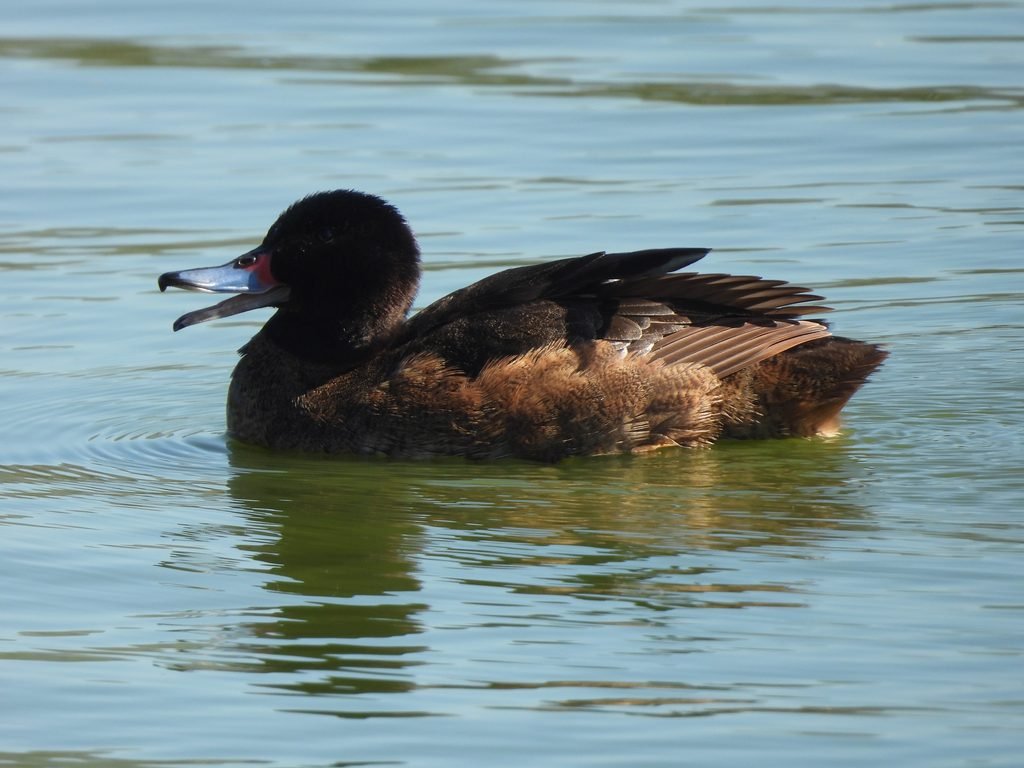
The accessible area of this large wetland is rather limited, with a nice boardwalk covering only a small portion of the lagoon on its northwest side. Still, we connected with several pairs of red-fronted coots (Fulica rufifrons), red-gartered coots (Fulica armillata) and white-winged coots (Fulica leucoptera), all with chicks. Coypus (Myocastor coypus) were also numerous. White-tufted grebes (Rollandia rolland), great grebes (Podiceps major), silvery grebes (Podiceps occipitalis), lake ducks (Oxyura vittata) and black-headed ducks (Heteronetta atricapilla) were present too.
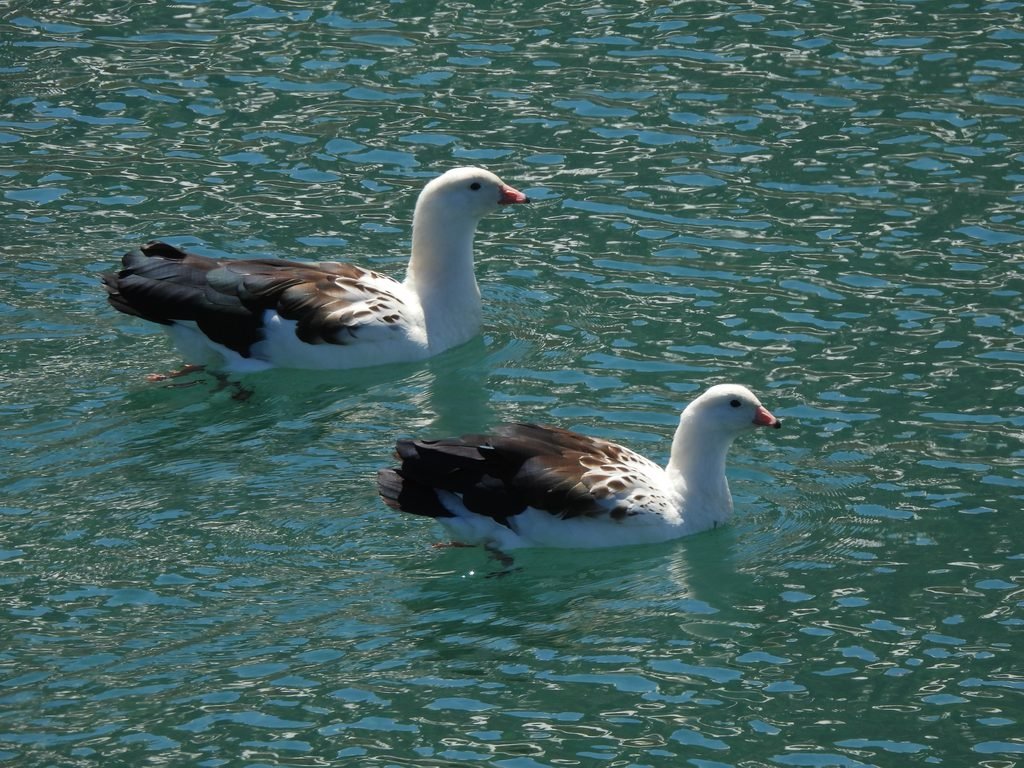
Several many-coloured rush tyrants (Tachuris rubrigastra) stole the show, capturing small insects and carrying them away as food, presumably to their nest. Coscoroba swans (Coscoroba coscoroba), white-faced ibises (Plegadis chihi) and Neotropic cormorants (Nannopterum brasilianum), plus cocoi herons (Ardea cocoi), great egrets (Ardea alba) and cattle egrets (Ardea ibis), were also present in the wetland. A couple of Andean geese (Oressochen melanopterus) grazed alongside southern lapwings (Vanellus chilensis) in the surrounding grasslands.
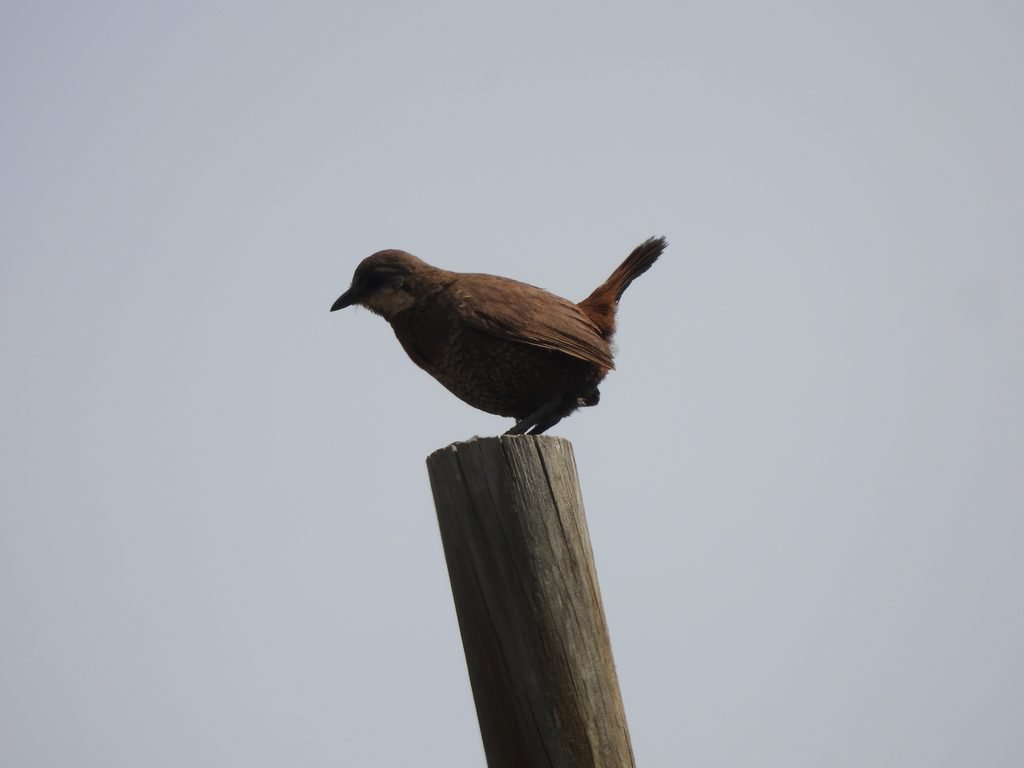
After that, we set off directly towards Farellones, the area of the Andes that was most accessible — where we would spend the following day. As we drove uphill in the afternoon, we connected with the first moustached turcas (Pteroptochos megapodius), a large, vocal tapaculo endemic to these Chilean slopes that seems less shy than other related species.
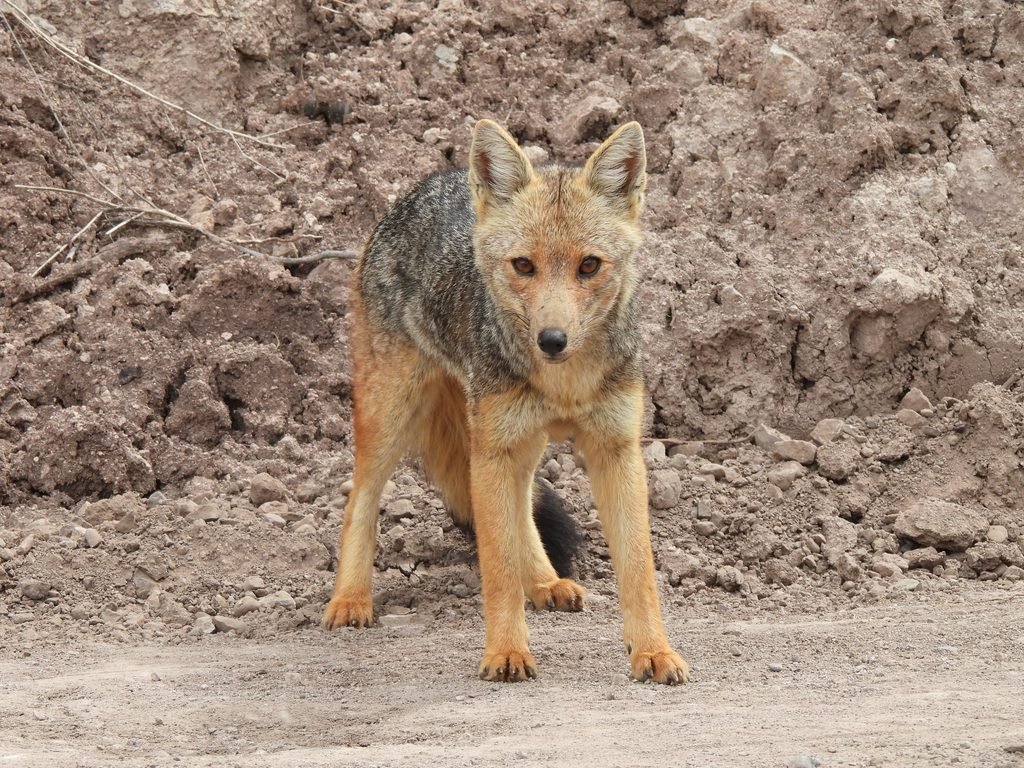
An early dinner at Plaza de los Pumas delivered our first culpeo fox (Lycalopex culpaeus), which was sadly too curious and inquisitive, likely having been fed by other visitors. A band-winged nightjar (Systellura longirostris) sang and briefly showed up too.
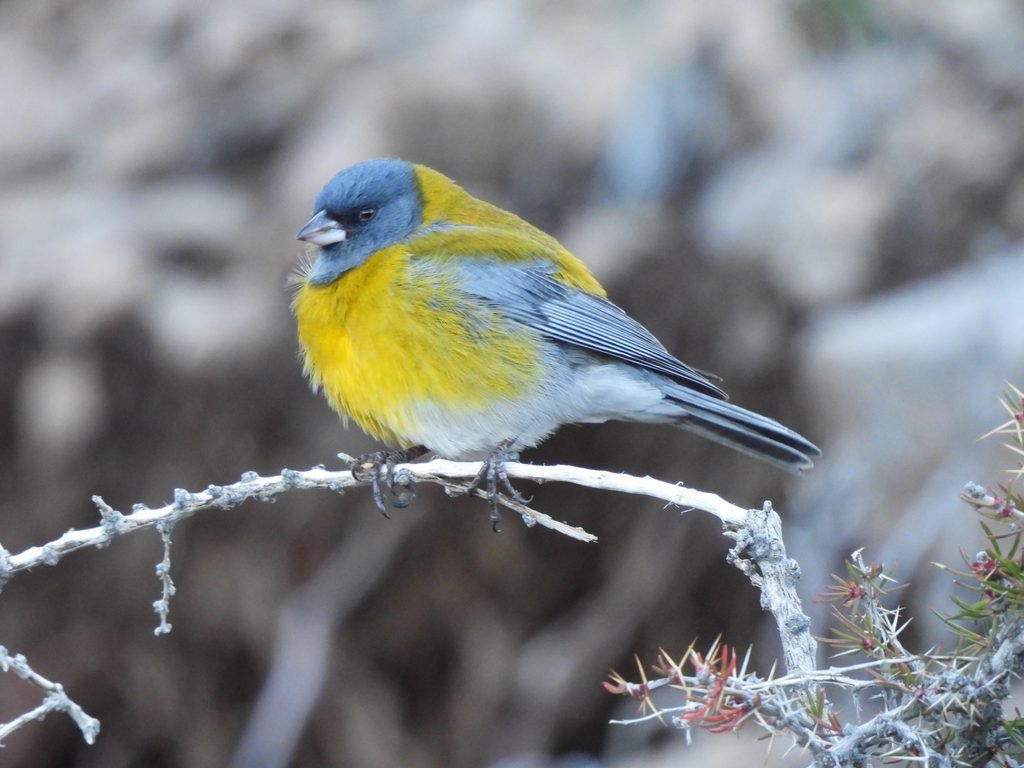
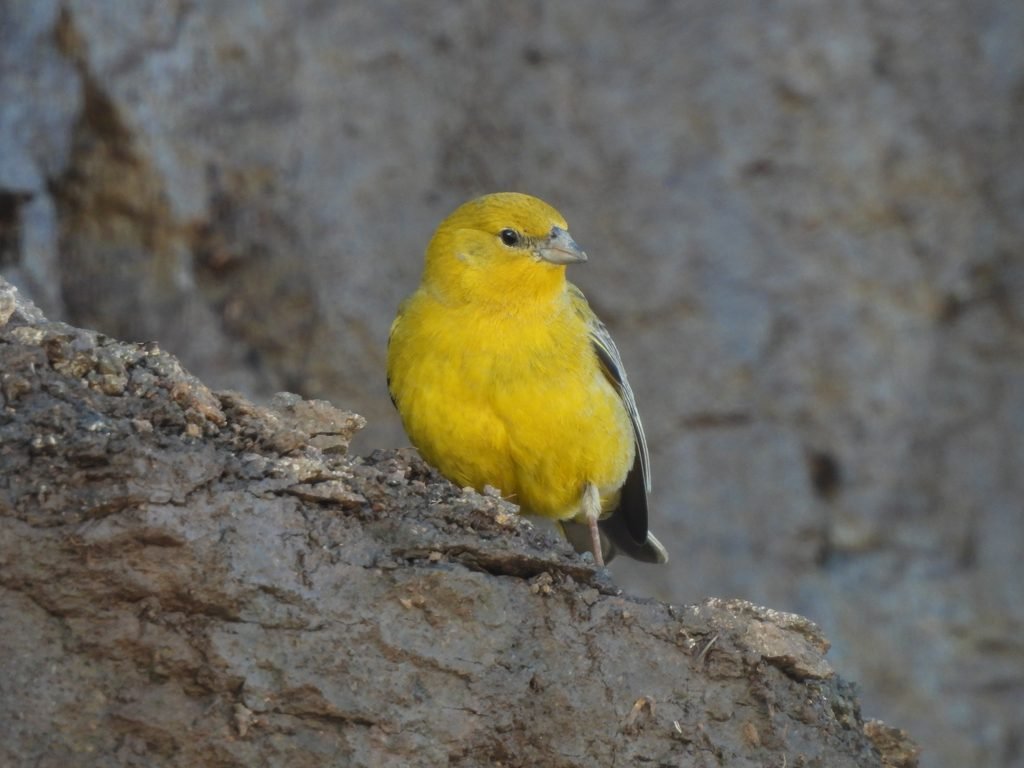
The morning in this area was exquisite, with a brief window of bird activity at its peak between 7:30 and 9:30. Muscisaxicola ground tyrants were among our biggest targets, so we spent some time scoping through the numerous white-browed ground tyrants (Muscisaxicola albilora) looking for other species. In the meantime, greater yellow finches (Sicalis auriventris) and grey-hooded sierra finches (Phrygilus gayi) showed off really well, while rufous-banded miners (Geositta rufipennis) and scale-throated earthcreepers (Upucerthia dumetaria) sang in their territories.
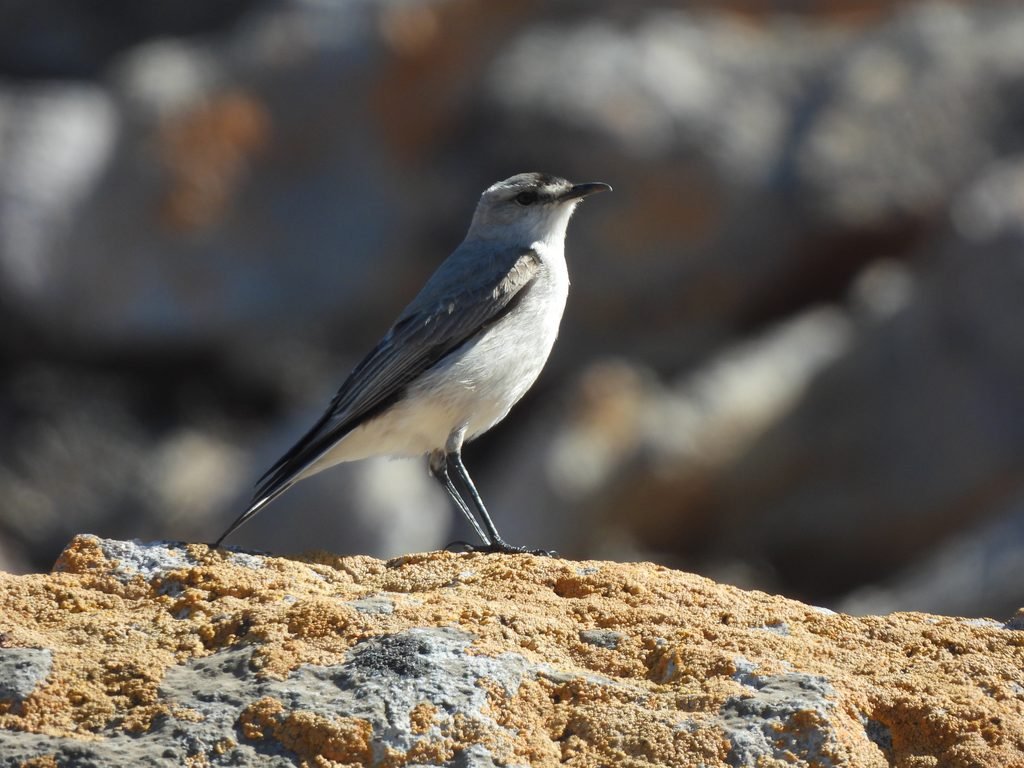
Eventually, Muscisaxicola ground tyrants came one after the other as we moved from Plaza de los Pumas to some nearby cliffs. There, we also noted the smart rufous-naped ground tyrant (Muscisaxicola rufivertex), black-fronted ground tyrant (Muscisaxicola frontalis) and ochre-naped ground tyrant (Muscisaxicola flavinucha) in small flocks on the grass. Finally, a spot-billed ground tyrant (Muscisaxicola maculirostris) performed aerial displays right at the cliffs.
In the meantime, we also connected with the mighty mountain caracara (Daptrius megalopterus), several variable hawks (Geranoaetus polyosoma), Andean condors (Vultur gryphus) and American kestrels (Falco sparverius). More Andean geese showed up later at the water reservoir along the road, while a cordilleran canastero (Asthenes modesta) hopped around on some boulders. A few band-tailed sierra finches (Rhopospina alaudina) sang loudly along the slopes.
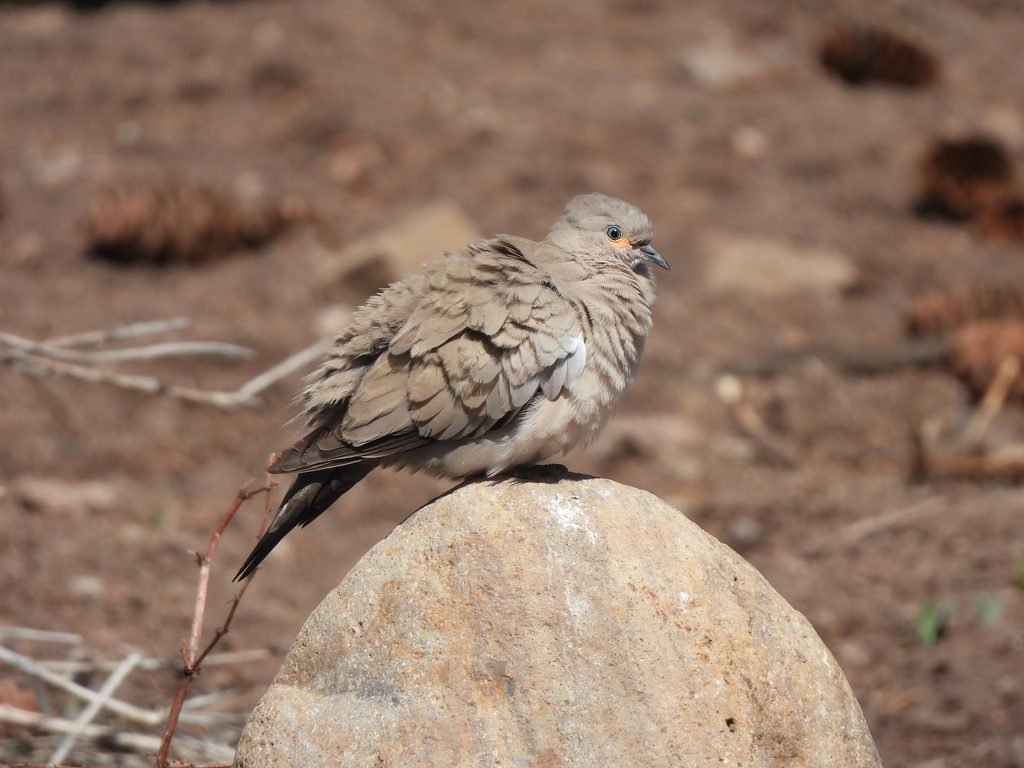
We drove closer to Valle Nevado, aiming to target other montane specialties, but the whole area was, as its name suggested, fully covered in snow. Unable to drive further or look for birds in the surroundings, we encountered several black-winged ground doves (Metriopelia melanoptera) associated with buildings and gardens as we drove past some ski resorts and villages.
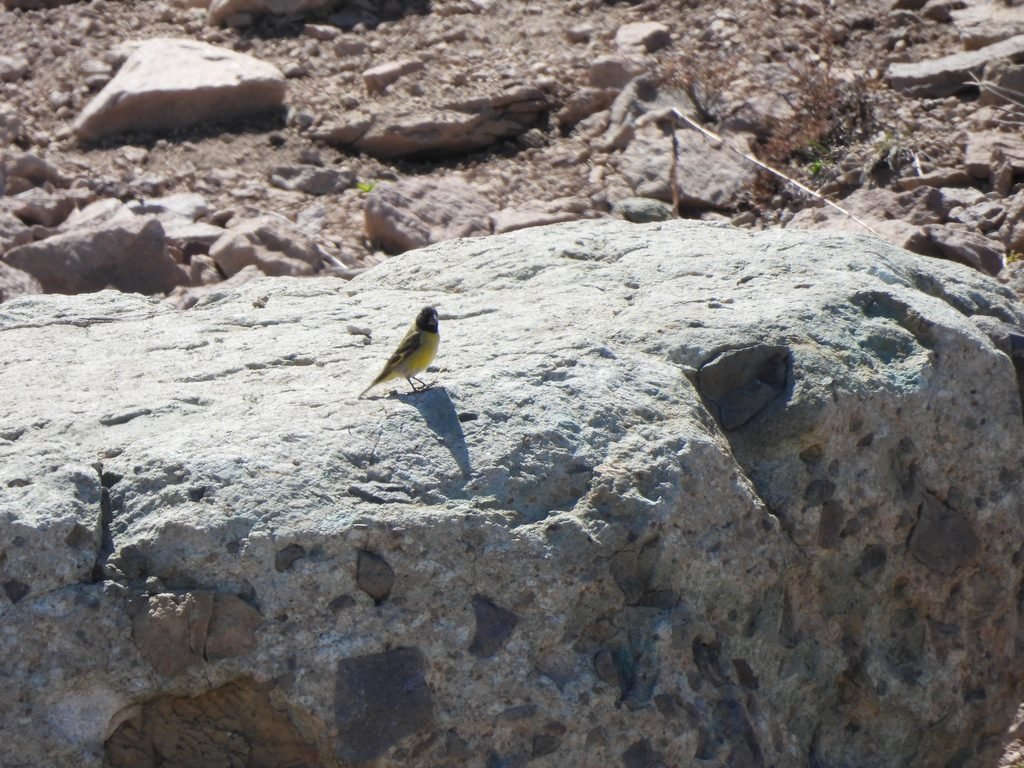
A new visit to Plaza de los Pumas at midday had much lower bird activity. However, a rich finch-like song did not match any of the common species seen there. Shortly afterwards, we connected with a stunning male thick-billed siskin (Spinus crassirostris). This odd montane specialist is very localized in the Andes near Santiago, and only a handful of records exist in Farellones. Observing this scarce bird for a while was a treat, considering its rarity and peculiar looks. As we followed the bird, I bumped into an Andean mouse (Abrothrix andina).
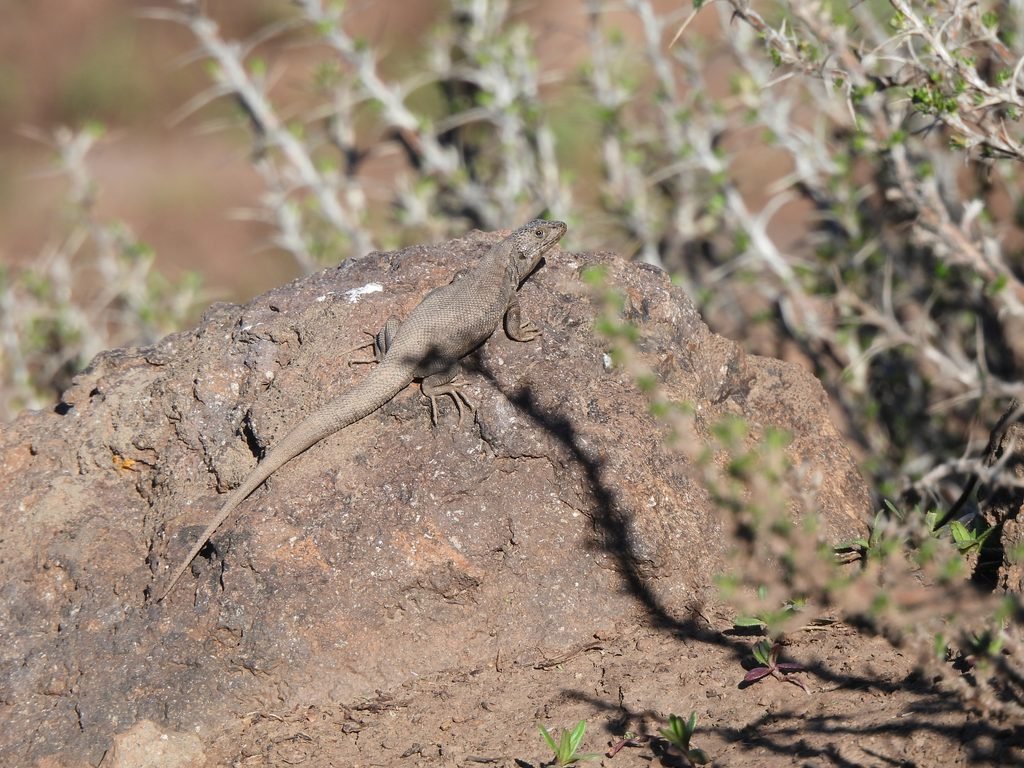
Beyond mice and foxes, we also saw good numbers of lizards as we walked and drove around slopes in the increasing heat of the day. Identifying them later thanks to folks on iNaturalist revealed several species with incredibly restricted distribution ranges. Among them, the black-green smooth-throated lizard (Liolaemus nigroviridis) and the El Plomo smooth-throated lizard (Liolaemus bellii) are only found on a very small montane area outside of Santiago. Plus, these are very different species among each other. Astonishing.
Our stay in Farellones was short, and we started our drive back to Santiago after lunchtime. Stopping along the road produced fantastic views of the moustached turca and a last-minute white-sided hillstar (Oreotrochilus leucopleurus). While we waited for this high-mountain specialist hummingbird to show up again — and it did, briefly stopping on a branch in the tree right above us — a degu (Octodon degus) put on a show in the distance.
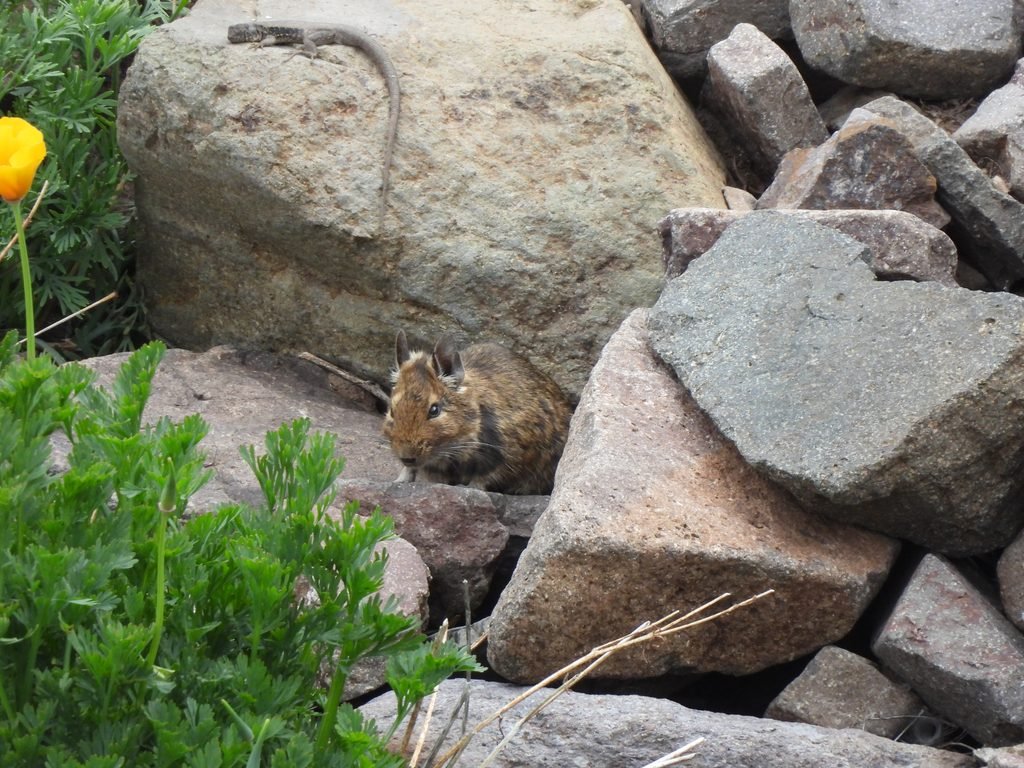
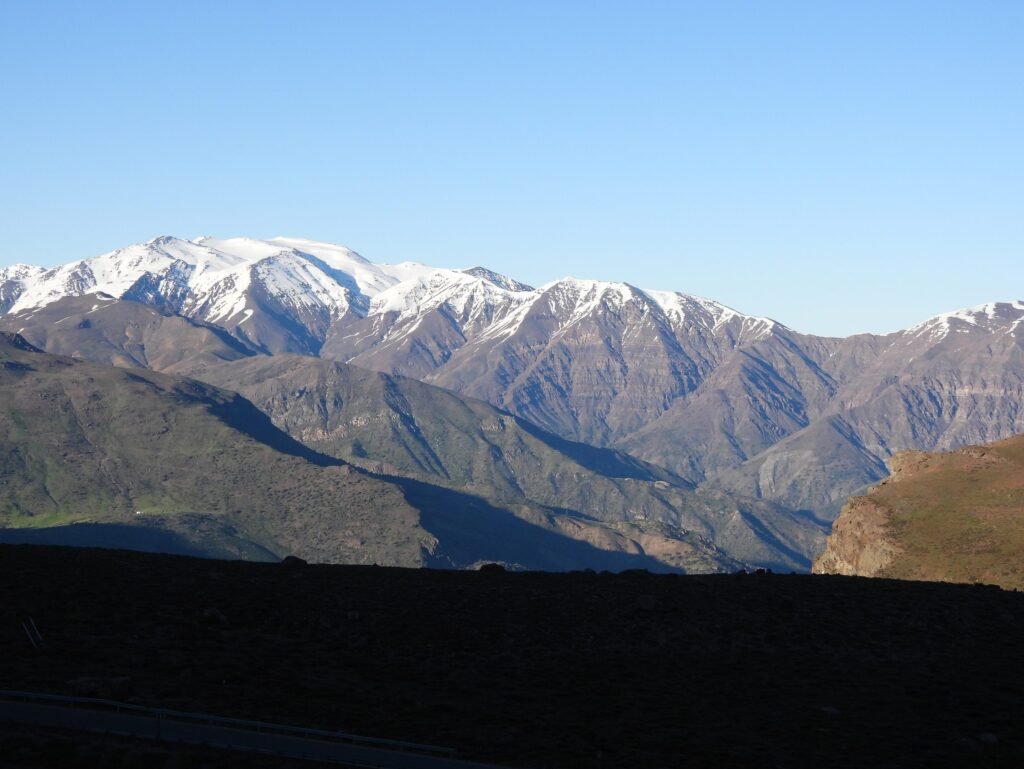
Our first short incursion into the Central Andes produced about a dozen bird lifers, including the whole set of ground tyrants expected here. The landscapes in the area are truly breathtaking, from the cactus-covered slopes and gorges at mid-altitudes to the snow-capped peaks above the tree line, where we mostly looked for birds. Also, bagging a new carnivore and two new rodents was a nice addition to a great road trip to Farellones, with the incursion into the wetland wildlife at Batuco as the cherry on top.