Cape Town was the hub we chose to reach South Africa on our recent month-long trip with Darío Gijón, Guillem de los Santos, Arnau and Miquel Rivera. The city turned to be a real surprise, even if we had heard all of this about it before. It has an extremely western-like feel to it, making one almost disconnect from the geographical reality of the place. This also means that many parts of the city are friendly for a walk, as well as for some birdwatching.
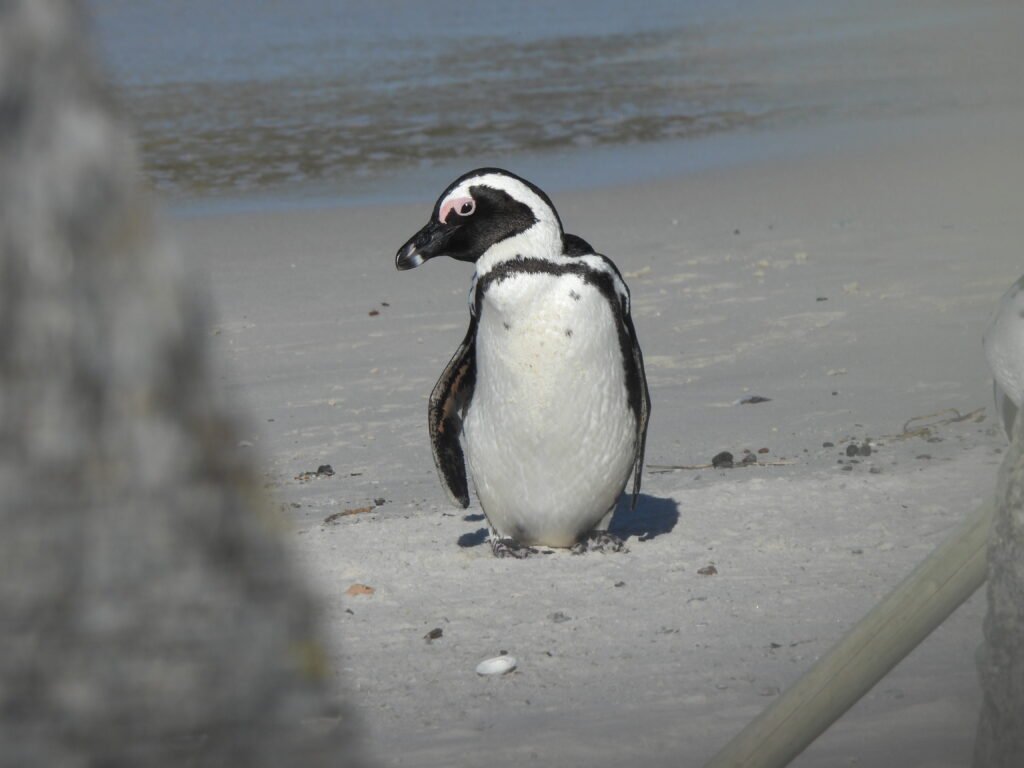
We spent the last leg of our trip exploring the Cape region. After figuring out a very poor arrival (our booked accommodation did not respond and left us stranded late at night) and going on an epic pelagic that deserves its own space here in this blog (read about it here), we found ourselves in picturesque Simon’s Town under nice weather. We went on a stroll southwards, along the coast. It did not take us long to find the first African penguins (Spheniscus demersus) hopping on some rocks, laying in the sand or swimming the crystal clear waters of False Bay. Not too far offshore, greater crested terns (Thalasseus bergii) and Cape cormorants (Phalacrocorax capensis) foraged, as well as few crowned (Microcarbo coronatus) and bank cormorant (Phalacrocorax neglectus) — both endemics and the later highly threatened.
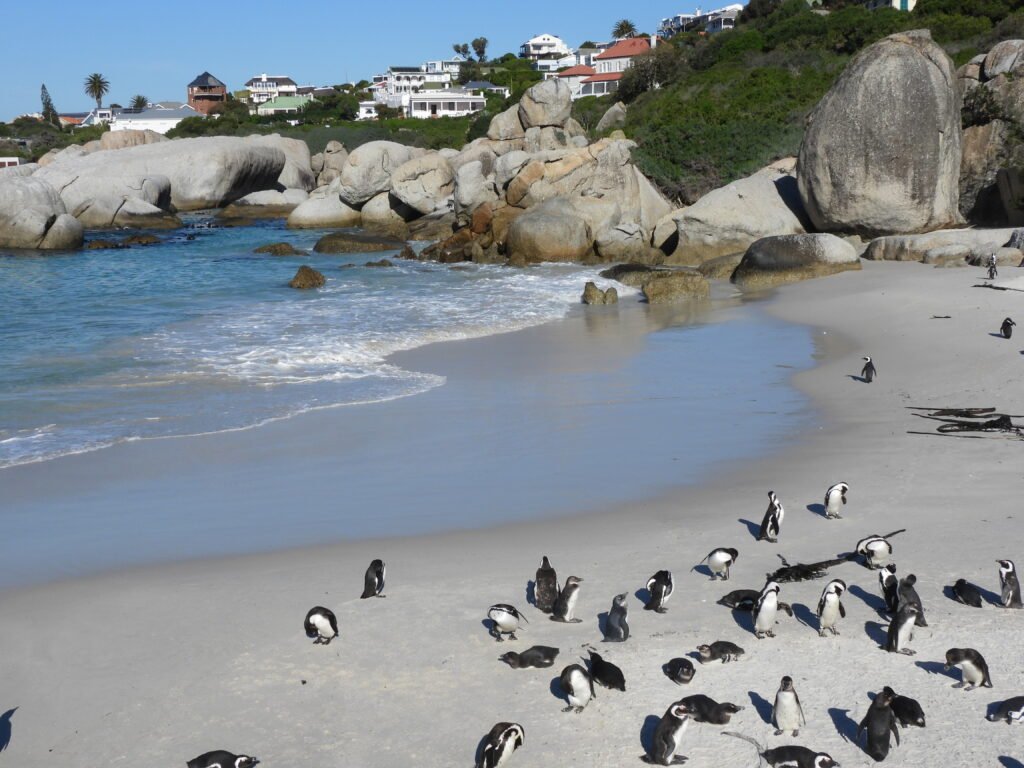
Further south, we soon reached the renowned African penguin colony at Boulders Beach. This colony is part of Table Mountain National Park, which is accessible either via paying an entrance fee or with a SANParks Wild Card (which we had). Dozens of penguins put on a show, and we had a great time observing their charismatic behaviour. Numerous infographics and signs alert the hundreds of tourists that crowd on the boardwalk about their highly concerning conservation status.
A mandatory visit in Cape Town is Kirstenbosch Botanic Gardens. We deployed our first full day in the city exploring the most scenic gardens I have ever seen, and Darío and I even repeated the following morning. Here, entrance tickets had to be pay for everyone.
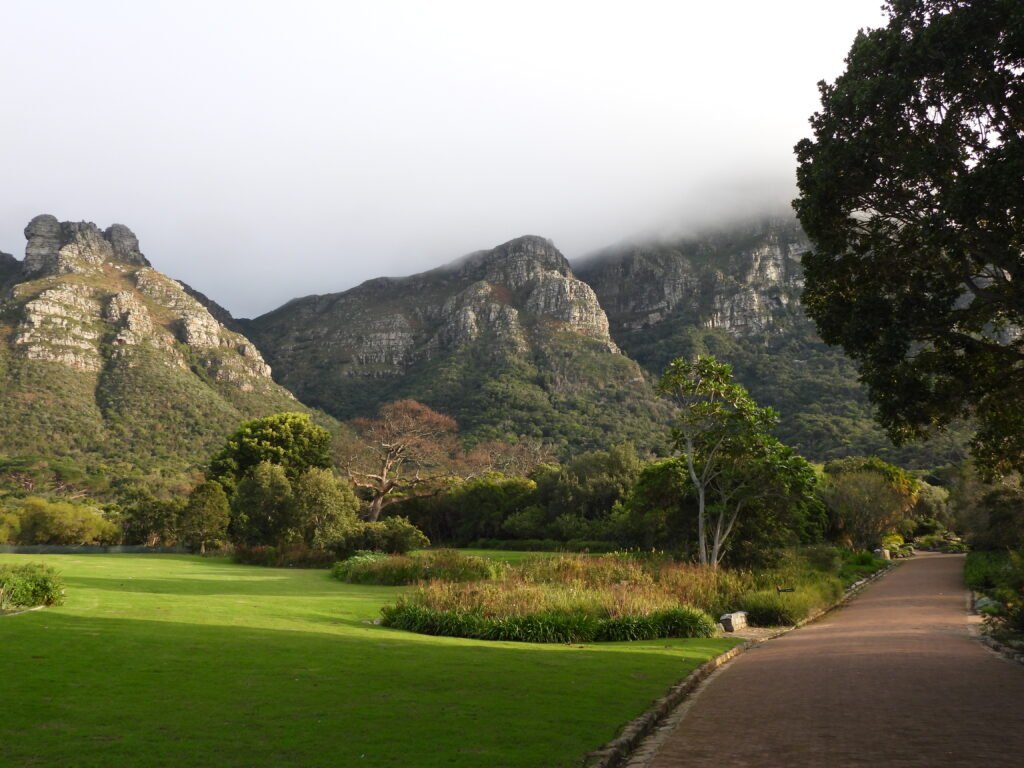
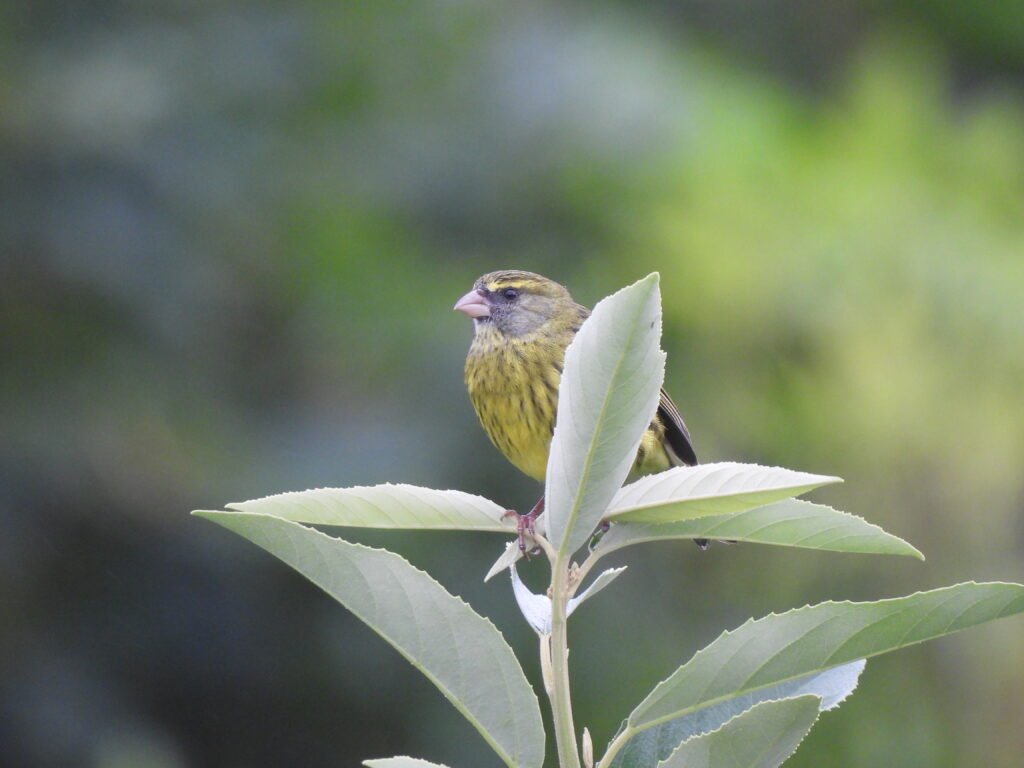
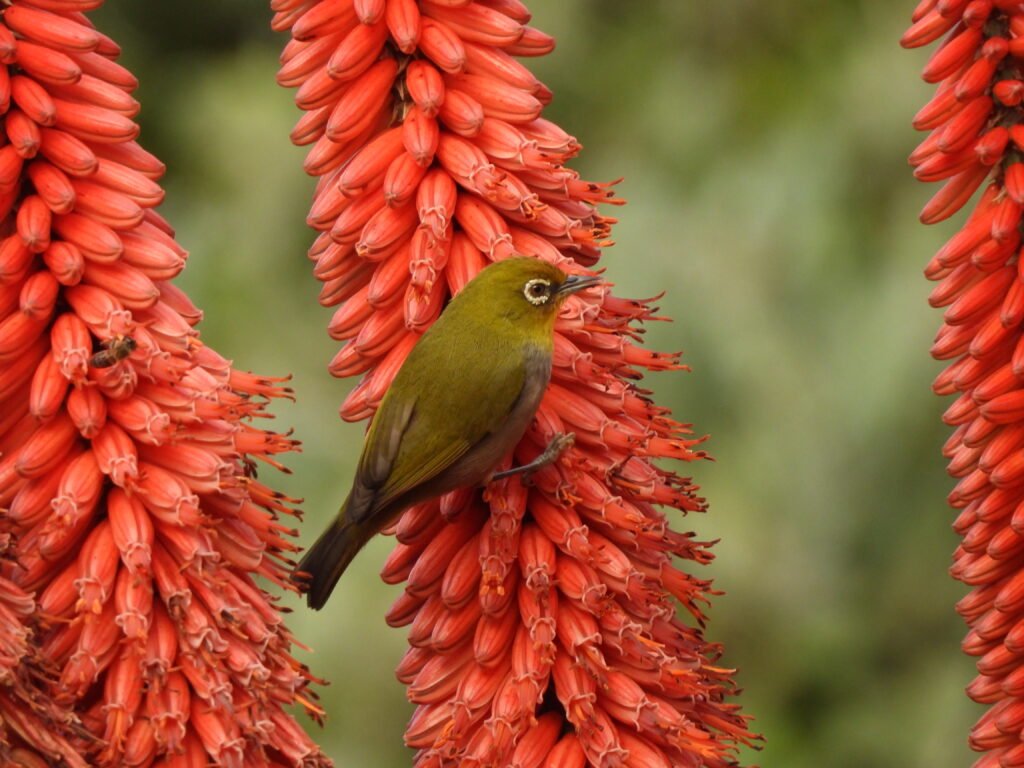
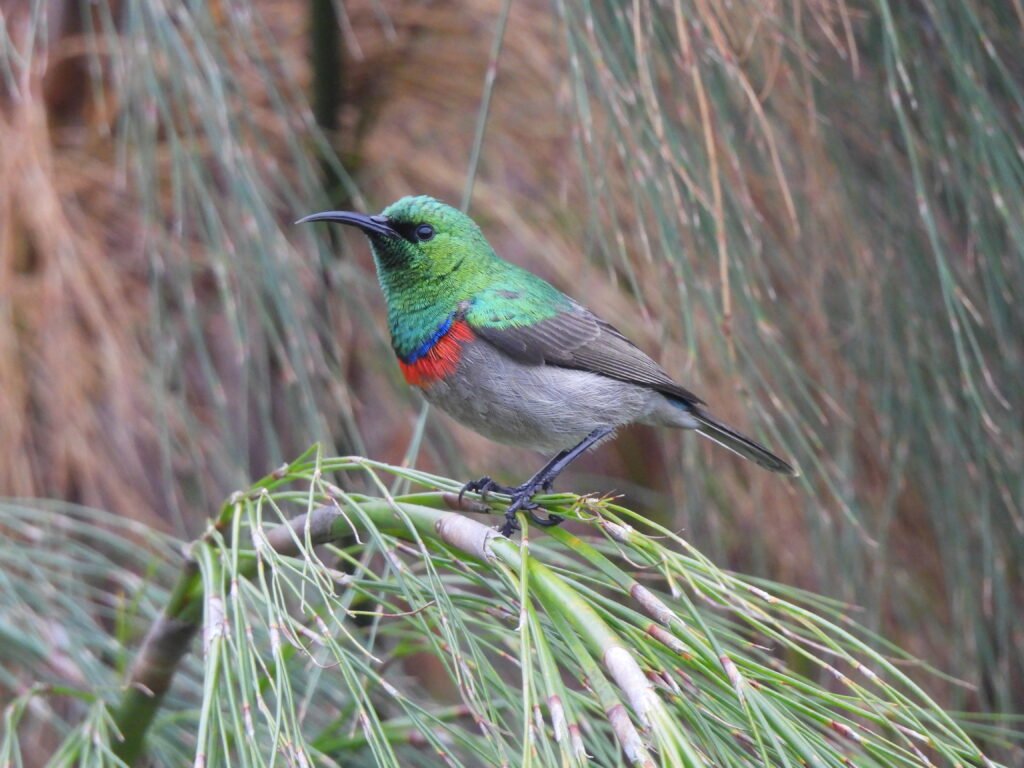
Just as we got in, stunning views of green lawns and flowered bushes had cloud-covered Table Mountain in the background. Cape white-eyes (Zosterops virens), southern double-banded sunbirds (Cinnyris chalybeus), olive thrushes (Turdus olivaceus), Cape robin-chats (Dessonornis caffer), African dusky flycatchers (Muscicapa adusta), karoo prinias (Prinia maculosa) and sombre greenbuls (Andropadus importunus) were abundant all around. The forested area further provided small flocks Cape canaries (Serinus canicollis), brimstone canaries (Crithagra sulphurata) and forest serins (Crithagra scotops), two brown-backed honeybird (Prodotiscus regulus) and a roosting spotted eagle-owl (Bubo africanus).
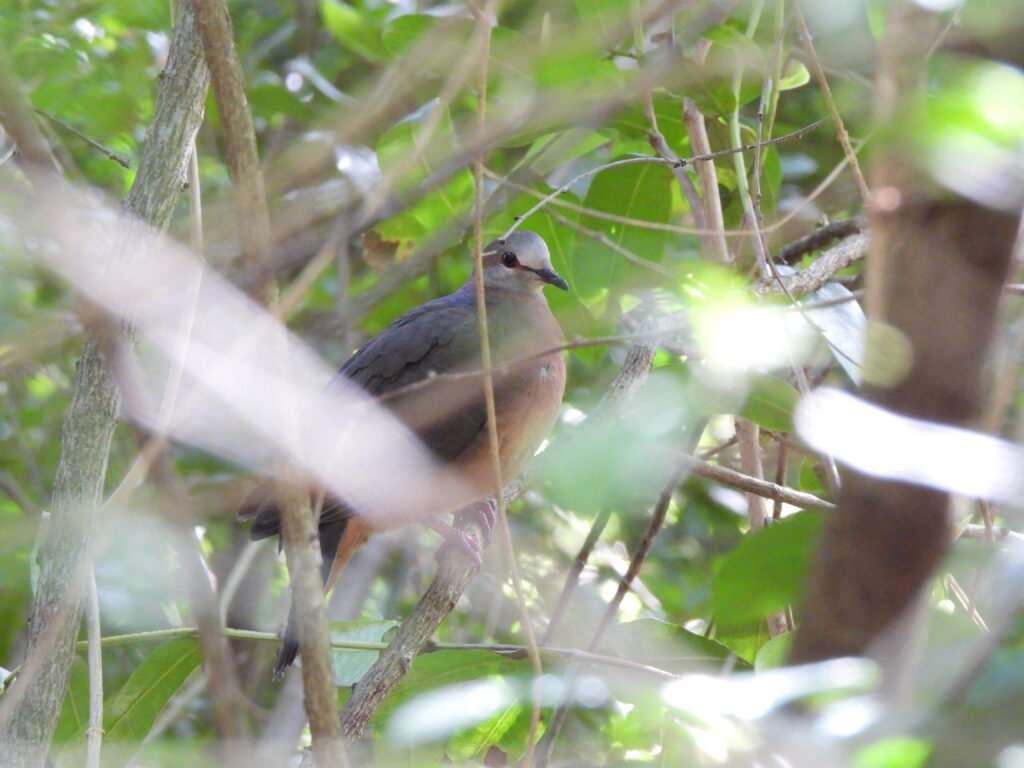
Overhead, we noted black sawwing (Psalidoprocne pristoptera), black goshawk (Astur melanoleucus), white-necked raven (Corvus albicollis), rock kestrel (Falco rupicolus), forest buzzard (Buteo trizonatus) and the still taxonomically enygmatic Elgin’s buzzard (Buteo sp.). Only on the second day did we manage to connect with peregrine falcon (Falco peregrinus), Cape batis (Batis capensis), rameron pigeon (Columba arquatrix) and a small flock of the regionally localized lemon dove (Aplopelia larvata) near the entrance.
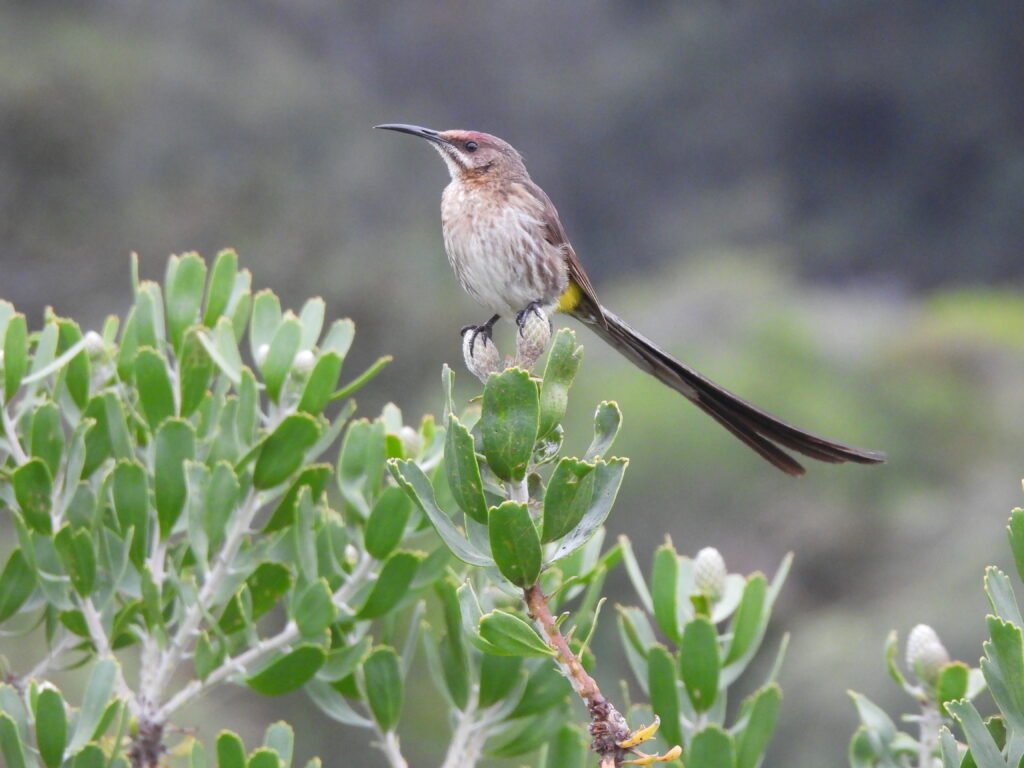
The protea garden offered most of the highlights of Kirstenbosch. This included closeup views of different Cape sugarbirds (Promerops cafer) along malachite sunbirds (Nectarinia famosa) and southern double-banded sunbirds feeding on massive proteas and aloes in full bloom. Besides, we also noted southern boubou (Laniarius ferrugineus), Cape grassbird (Sphenoeacus afer) and inquisitive Cape spurfowl (Pternistis capensis) eager to steal foodscraps from our snacks, even walking on top of us!
The weather changed drastically in some of our afternoons in town, with strong winds blowing everything away. Our windy visit to Maiden’s Cove did not produce the roosting terns we were after. A different visit to the lighthouse near the V&A waterfront was equally rough, although we connected with the omnipresent Cape wagtails (Motacilla capensis), Cape sparrows (Passer melanurus), kelp gulls (Larus dominicanus) and Hartlaub’s gulls (Chroicocephalus hartlaubii), hadada ibises (Bostrychia hagedash) and Egyptian geese (Alopochen aegyptiaca). We only briefly saw flyby African oystercatchers (Haematopus moquini), a threatened jet black wader I was hoping to see in better conditions.
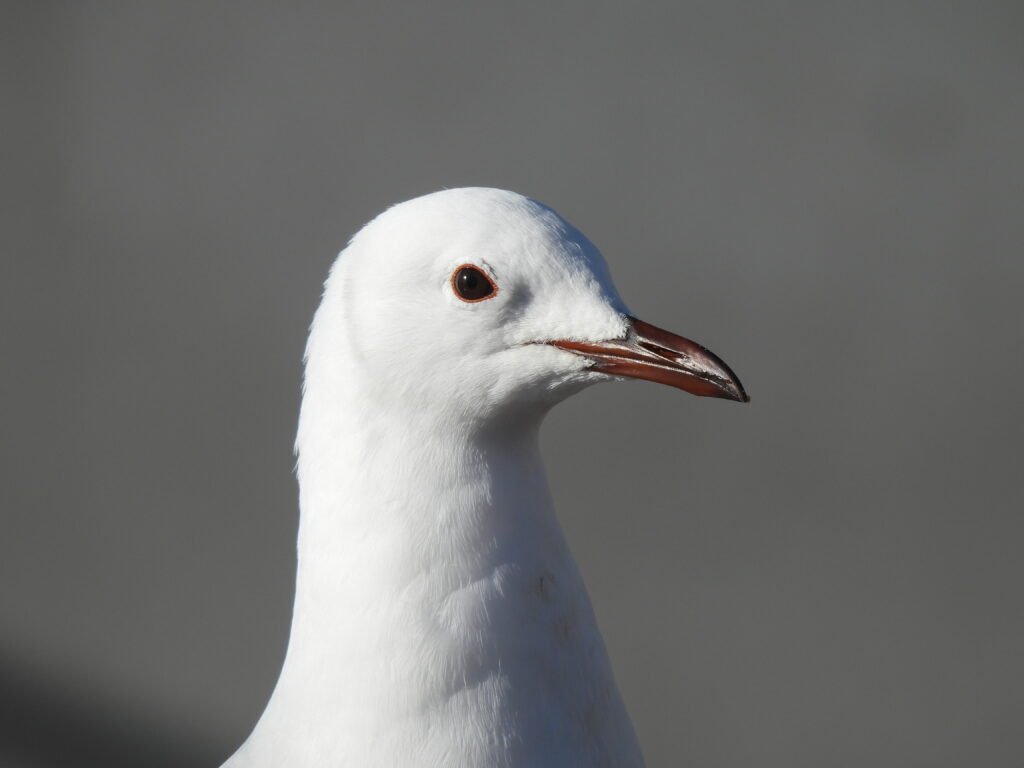
A stroll around V&A Waterfront with Darío turned out to be quite fun. The harbour has a couple of decks where Cape fur seals (Arctocephalus pusillus) rest, and visitors can approach them. Crowned cormorants rested next to them. The abundant red-winged starlings (Onychognathus morio) gathered in the streets for foodscraps along Hartlaub’s and grey-headed gulls (Chroicocephalus cirrocephalus). Red-eyed doves (Streptopelia semitorquata) and speckled pigeons (Columba guinea) also occurred in good numbers.
We moved using Uber for of our time in Cape Town. However, renting a car from the airport allowed us to visit a couple of places that are best visited when driving. One is Cape of Good Hope and Cape Point, at the south end of the peninsula — again, part of Table Mountain National Park and open for visitors with a Wild Card or after fee payment. Hilly terrain covered in stunning fynbos offered awesome views of herds of Cape eland (Tragelaphus oryx), bontebok (Damaliscus pygargus), red hartebeest (Alcelaphus buselaphus), Cape mountain zebra (Equus zebra) and common ostrich (Struthio camelus).
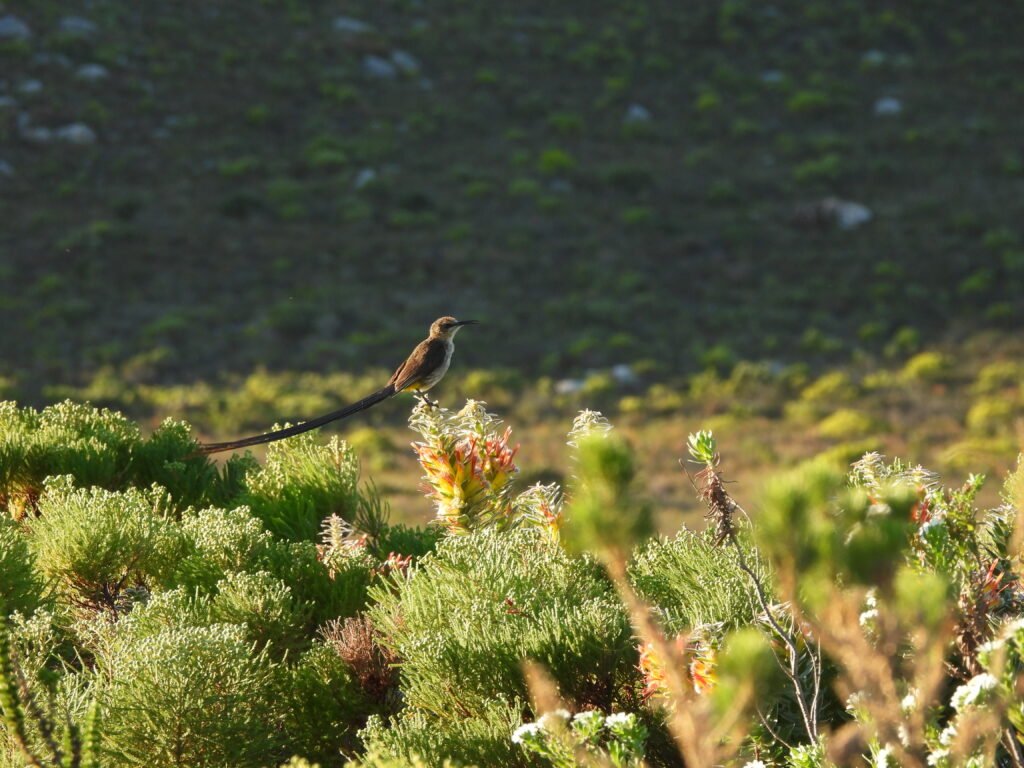
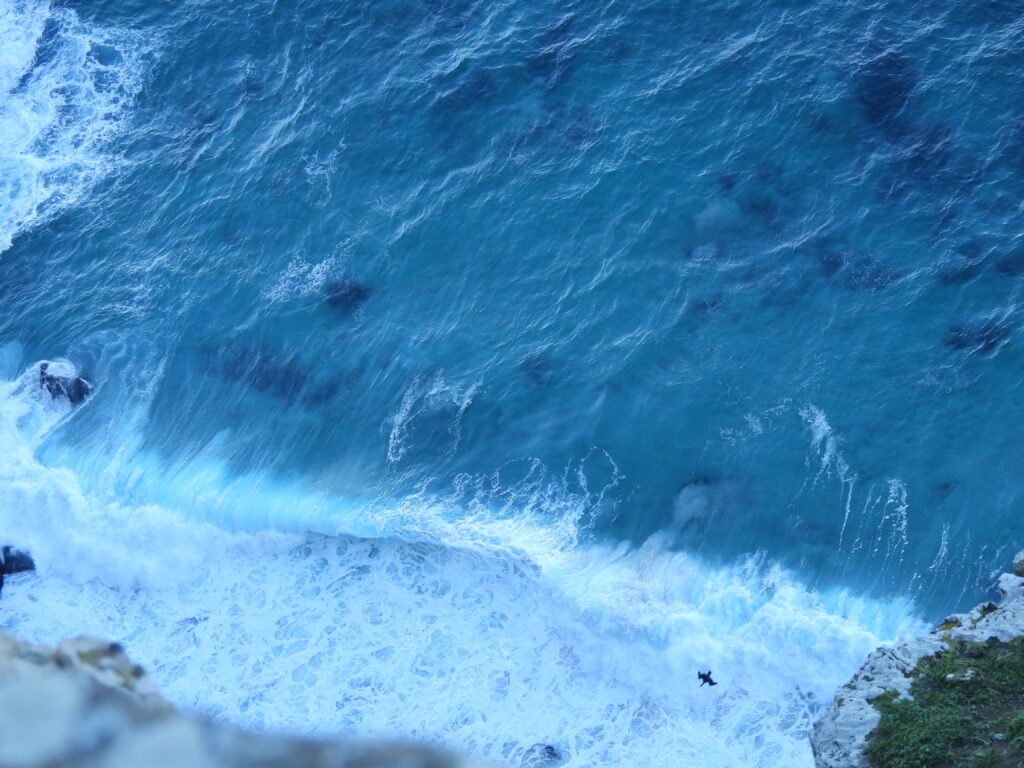
The Cape Point area itself gathered unobtrusive red-winged starlings and Cape buntings (Emberiza capensis), shamelessly following tourists. The waters off the breathtaking cliffs were filled with hundreds of Cape cormorants. Meanwhile, we connected with the endemic orange-breasted sunbird (Anthobaphes violacea) in the barely flowering fynbos along the road, as well as more Cape sugarbirds.
Finally, our last destination in town involved a change in habitat. The wastewater trestment plant in Strandfontein is a bird hotspot in the center of the Michell’s Plains, bursting with waterbird activity and offering a safe, productive birdwatching session from a car. The straighfroward drive following Google Maps indications brought us to the gate of the wetland reserve, where an officer asked for our information and quickly let us in.
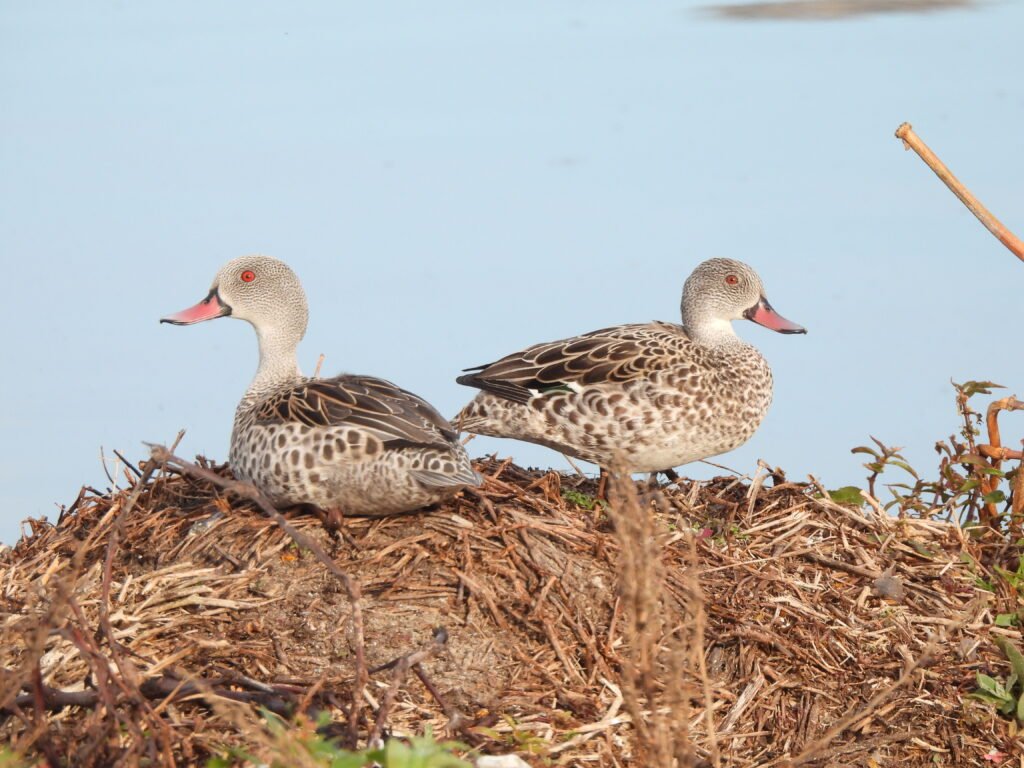
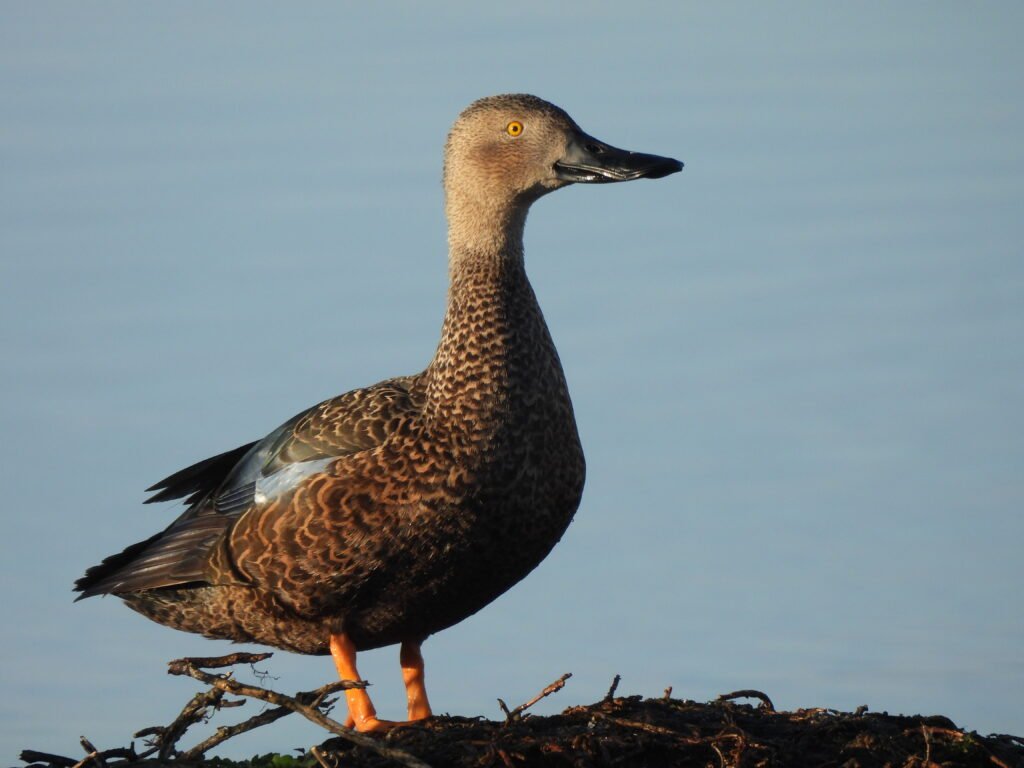
On our first stop at the large Zeekoevlei lagoon — the first upon arrival — we already noted purple heron (Ardea purpurea), great white pelican (Pelecanus onocrotalus), African darter (Anhinga rufa) and good numbers of little rush warblers (Bradypterus baboecala) and lesser swamp warblers (Acrocephalus gracilirostris). A second lagoon before entering Strandfontein proper was filled with waterfowl, including good numbers of Cape teal (Anas capensis), Cape shovelers (Spatula smithii) and yellow-billed ducks (Anas undulata) plus some southern pochards (Netta erythrophthalma), maccoa ducks (Oxyura maccoa) and fulvous whistling ducks (Dendrocygna bicolor). We secured most of our targets as we arrived!
Once we entered the trivial-shaped lagoon complex of Strandfontein, it was all about driving around them. We generally improved views of most of our waterbird targets. Besides large numbers of kelp, gray-headed and Hartlaub’s gulls, little (Tachybaptus ruficollis) and eared grebes (Podiceps nigricollis) and red-knobbed coots (Fulica cristata), we also connected with red-billed ducks (Anas erythrorhyncha), South African shelducks (Tadorna cana), pied avocets (Recurvirostra avosetta), black-winged stilts (Himantopus himantopus), black-headed heron (Ardea melanocephala), yellow-billed egret (Ardea intermedia), Levaillant’s cisticolas (Cisticola tinniensis), yellow bishops (Euplectes capensis) and a large flock of greater flamingos (Phoenicopterus roseus). Beyond the lagoons, a nearby dumpster gathered thousands of sacred ibis (Threskiornis aethiopicus) that covered the dump-filled soul like a thick brown carpet with their dirty plumages.
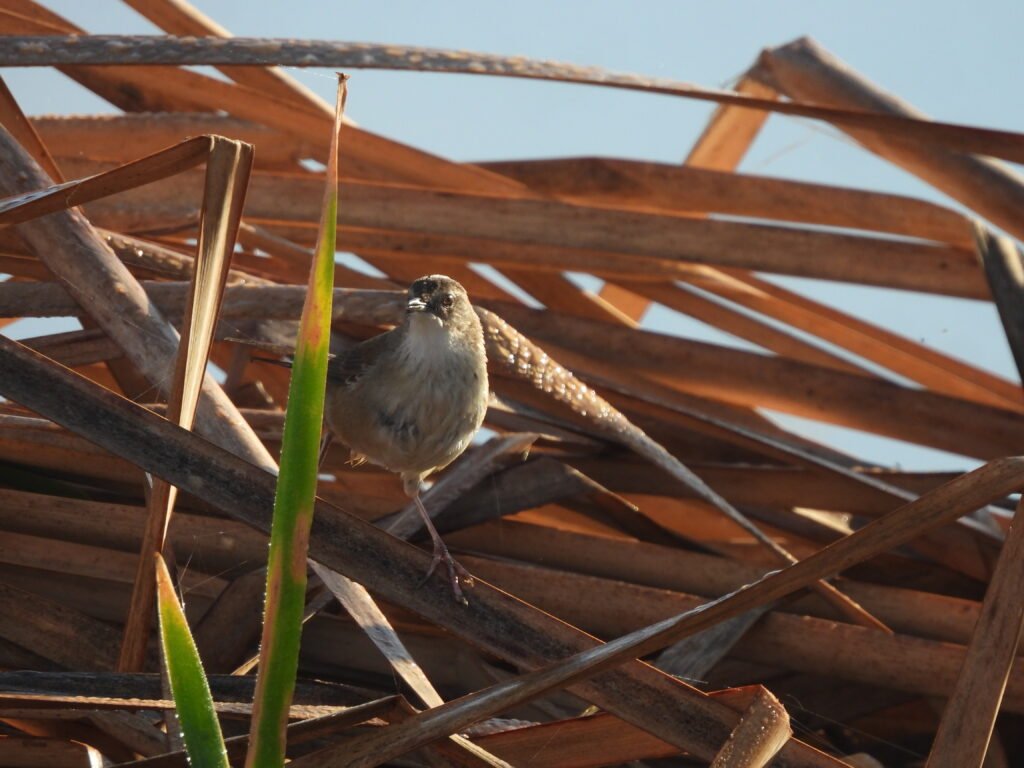
South Africa proved to be a land full of contrasts in many, many senses — one of them being habitats and their associated wildlife. The Cape area, however, felt like out of a completely different planet. After watching pelicans, penguins, sugarbirds and albatrosses just within few kms from each other, I was left thinking that Cape Town might be one of the most interesting urban birdwatching and destinations globally.