The second month of my 2026 challenge of reporting a different bird species every day has brought me into contact with numerous goodies, many thanks to the special weather conditions at my birding locations throughout the month.
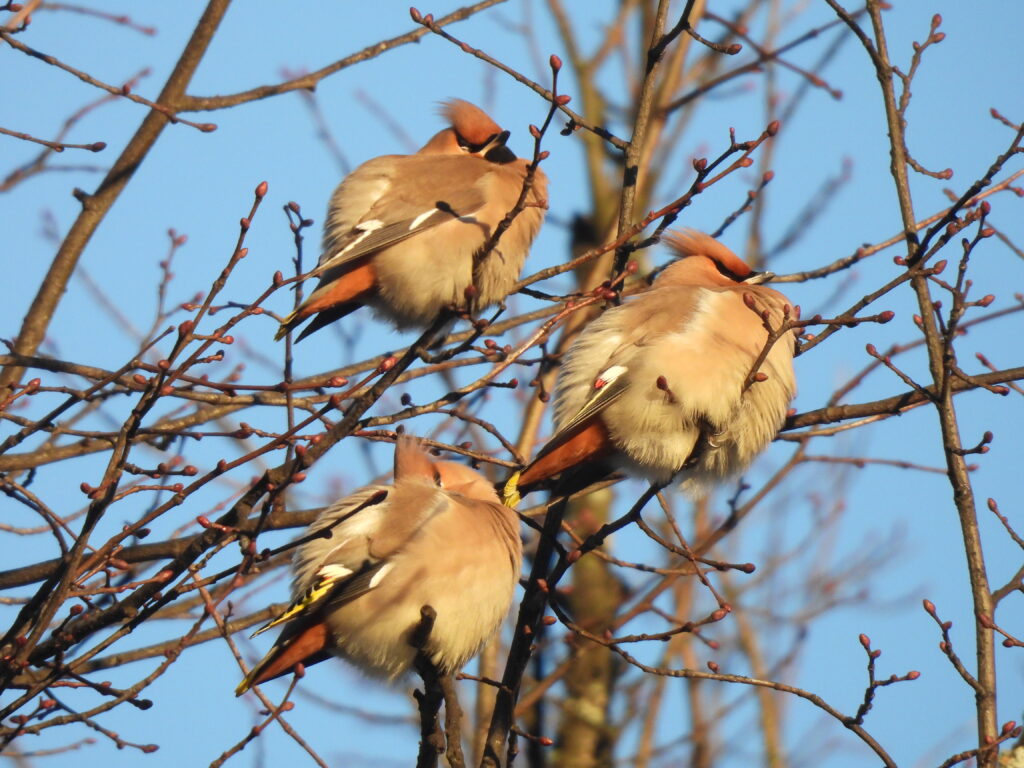
I started February in Helsinki during my very last days in town, mostly birding with friends. I spent the whole first day trying to connect with a small flock of twites (Linaria flavirostris) on a frozen island and a spotted nutcracker (Nucifraga caryocatactes) to no avail, while trying to keep warm in -18ºC. I had to rely on more usual suspects, such as Eurasian bullfinches (Pyrrhula pyrrhula) and fieldfares (Turdus pilaris) — eventually choosing the former in hopes I would see the latter back home on its wintering grounds. Thankfully, I briefly connected with the long-staying spotted nutcracker (Nucifraga caryocatactes) the following day, and then with a nice flock of Bohemian waxwings (Bombycilla garrulus) in the city centre.
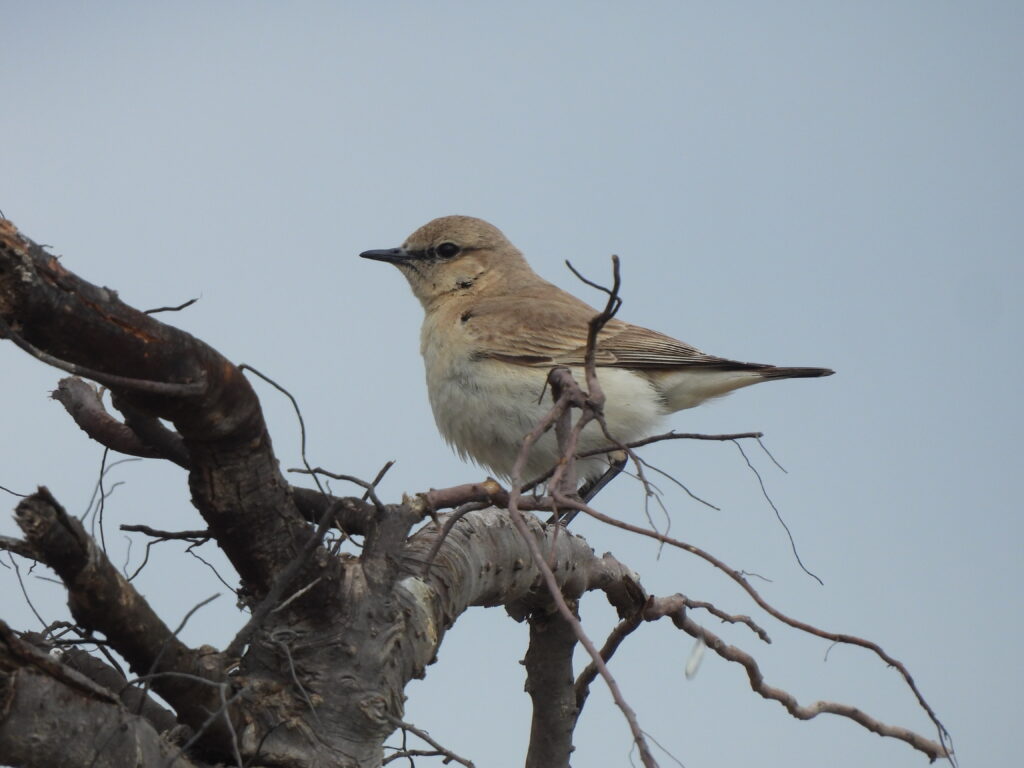
As soon as I hopped off the plane back in Alicante, I focused on catching up with all the novelties. A week away and (the beginning of a month-long series of) strong easterly windstorms had brought several goodies. Darío Gijón kindly picked me up from the airport and drove us to the most astonishing one: a mega isabelline wheatear (Oenanthe isabellina), found some days earlier by our colleague Adrián Orihuela near the visitor’s centre in El Hondo Natural Park. This first for Alicante obliged, being reliably seen at very close range for days.
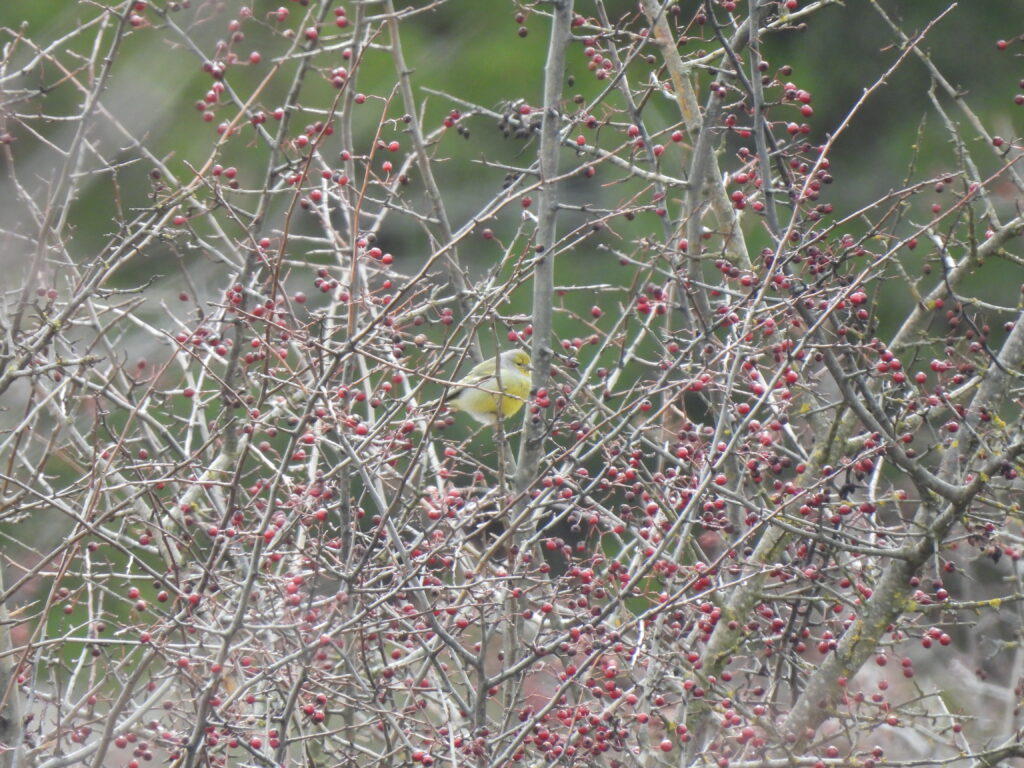
Back in the mountains, I tried to connect with wintering fieldfares on a visit to Serra Aitana with Darío and Julio Merayo. Despite finding good numbers of redwings (Turdus iliacus) and ring ouzels (Turdus torquatus), we could not catch up with our target. Instead, right after I mentioned I would love to see a citril finch (Carduelis citrinella) someday in our region, a lone male came out of the blue. The bird flew across the path in front of us and posed in the shrubs and along the roadside for a while. What an unbelievable sighting of one of the least-known winter visitors in Alicante, with only five eBird records prior to ours in the region, and an unexpected new species in the region for Darío and me. We did not see any fieldfares but connected with what might have been my bird of the month.
I did plan to catch up with some more reliable wintering birds that I had not tried to see in the past. My top priority ended up fruitless, as I spent numerous mornings and nights scouting different riparian grassland and forest habitats across northern Alicante in search of Eurasian woodcock (Scolopax rusticola), following indications from fellow birdwatchers and hunters. As I kept failing with my target, I had to rely on winter visitors including redwing, song thrush (Turdus philomelos) and jack snipe (Lymnocryptes minimus), and even resident species such as cirl bunting (Emberiza cirlus) or Eurasian sparrowhawk (Accipiter nisus). Being out at night, I detected several territories of little owl (Athene noctua), tawny owl (Strix aluco) and Eurasian eagle-owl (Bubo bubo) around Alcoi. In Elx, instead, I connected with the local long-eared owls (Asio otus), more silent but also on the move these days, in a couple of locations in town.
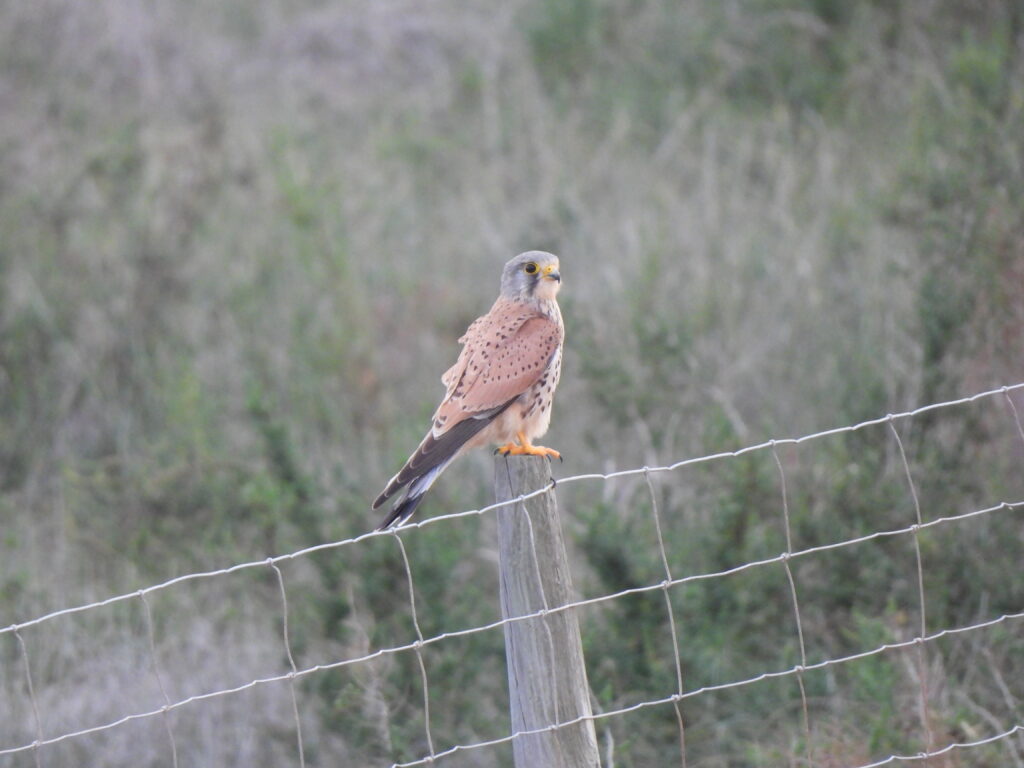
My search for pending winter goodies included numerous visits to the southern end of Alicante province, where I eventually failed to connect with the long-staying lesser crested tern (Thalasseus bengalensis) in Torrevieja despite several attempts. However, this perseverance allowed me to connect with a hen harrier (Circus cyaneus) entering to roost along with western marsh harriers (Circus aeruginosus) in Lagunas de la Mata–Torrevieja Natural Park, where I also secured views of merlin (Falco columbarius) and several thousand wintering black-necked grebes (Podiceps nigricollis).
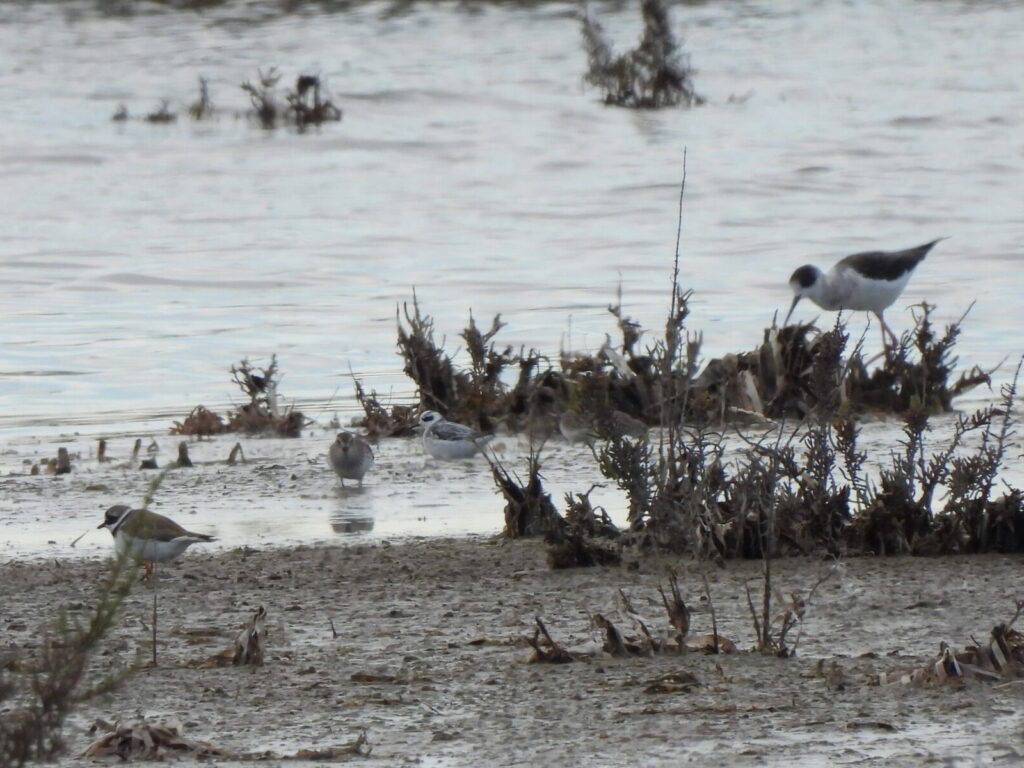
The strong and persistent winds might have helped a first-winter little gull (Hydrocoloeus minutus) end up in Clot de Galvany, roosting with black-headed gulls (Chroicocephalus ridibundus). Despite connecting with this bird on site, I got even better views of the species in Lagunas de la Mata–Torrevieja, where I found an adult and Darío found a first-winter bird, both hovering like butterflies over the hypersaline lake during a visit with friends. However, my bird that day had to be a red-necked phalarope (Phalaropus lobatus) — a bird that oddly spent the entire winter in the area mixed with sanderlings (Calidris alba) and dunlins (Calidris alpina) but had eluded us for months. A nemesis finally coming to an end.
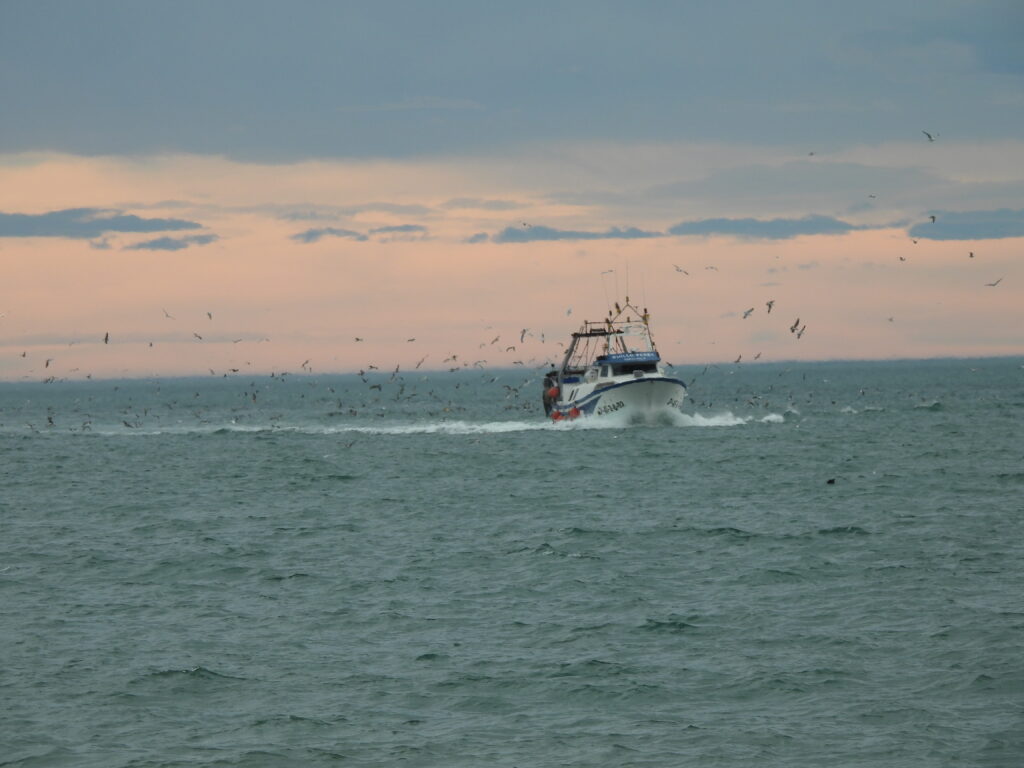
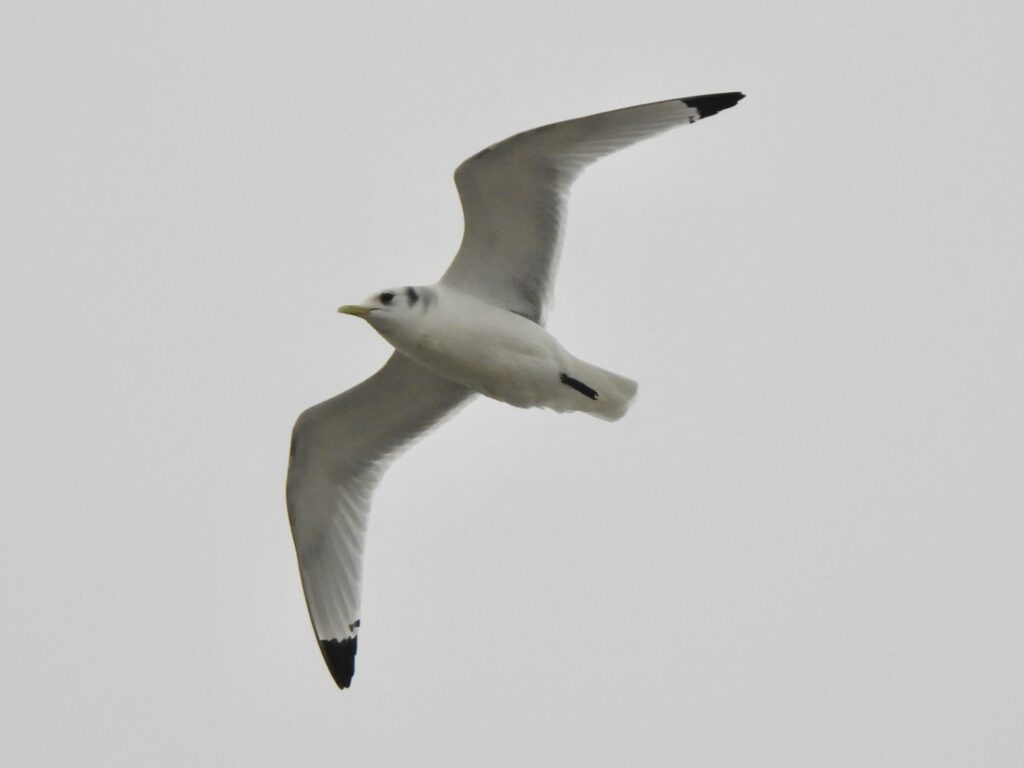
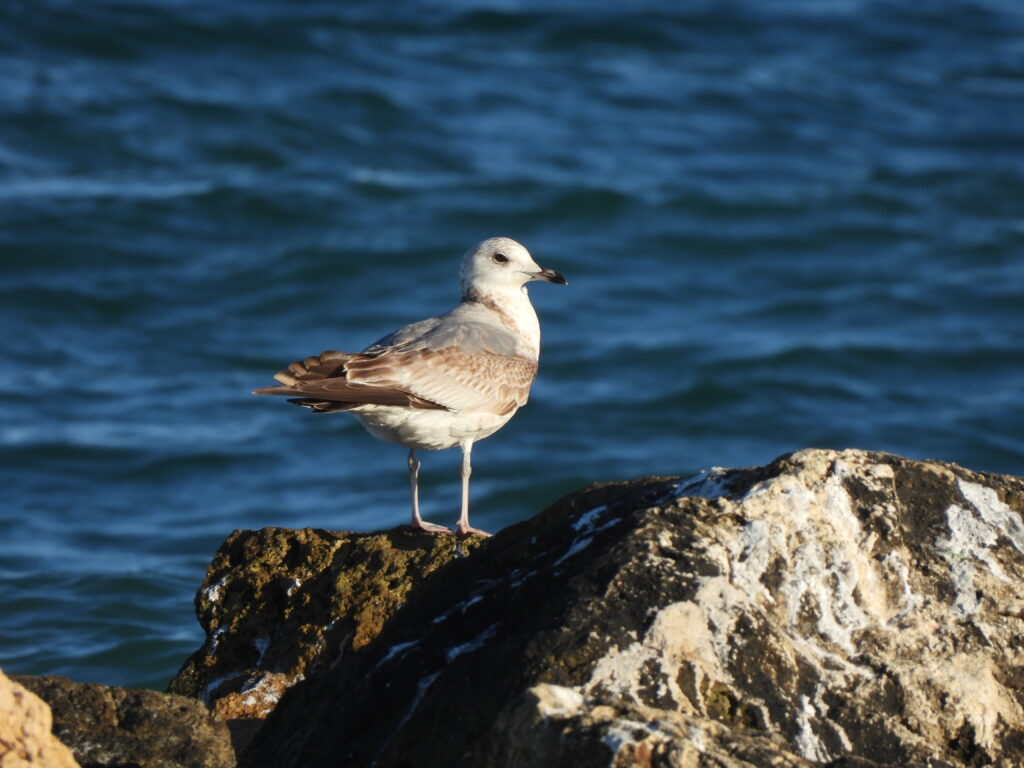
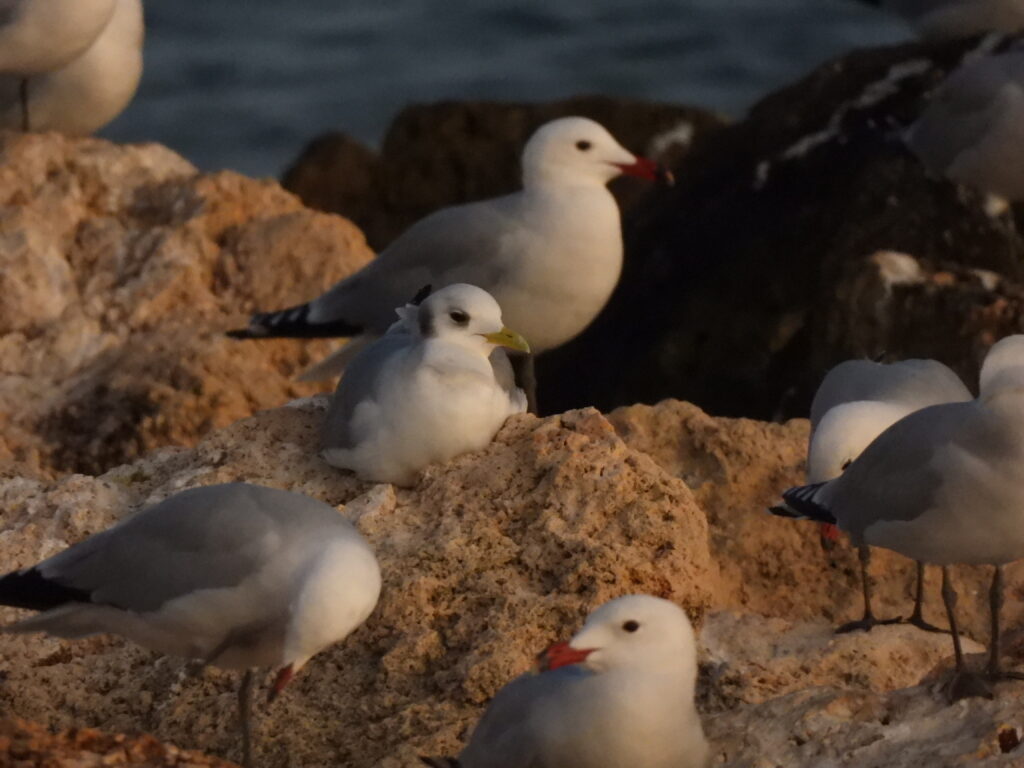
The winds surely played a huge role in bringing some top birds to Santa Pola harbour. Even though trawlers had stopped fishing for some days, Marcos Real and Óscar Aldeguer reported common gull (Larus canus) and black-legged kittiwake (Rissa tridactyla) on the beaches and over the harbour buildings. Numerous birdwatchers drove to Santa Pola after connecting with the El Hondo wheatear and took pictures of the birds present. Over several days, Marcos and Darío carefully noted all the different individuals found. Eventually, this included two common gulls (a first-winter and an adult) and up to four different adult black-legged kittiwakes. A record-breaking total of six different kittiwakes (including birds in Altea and Cap de la Nau) were reported in the Alicante region during February. We also heard of individuals well inland across the Iberian Peninsula, likely blown in by the windstorms. Let’s see what numbers will be like in a few days during passage, now that the winds are due to change.
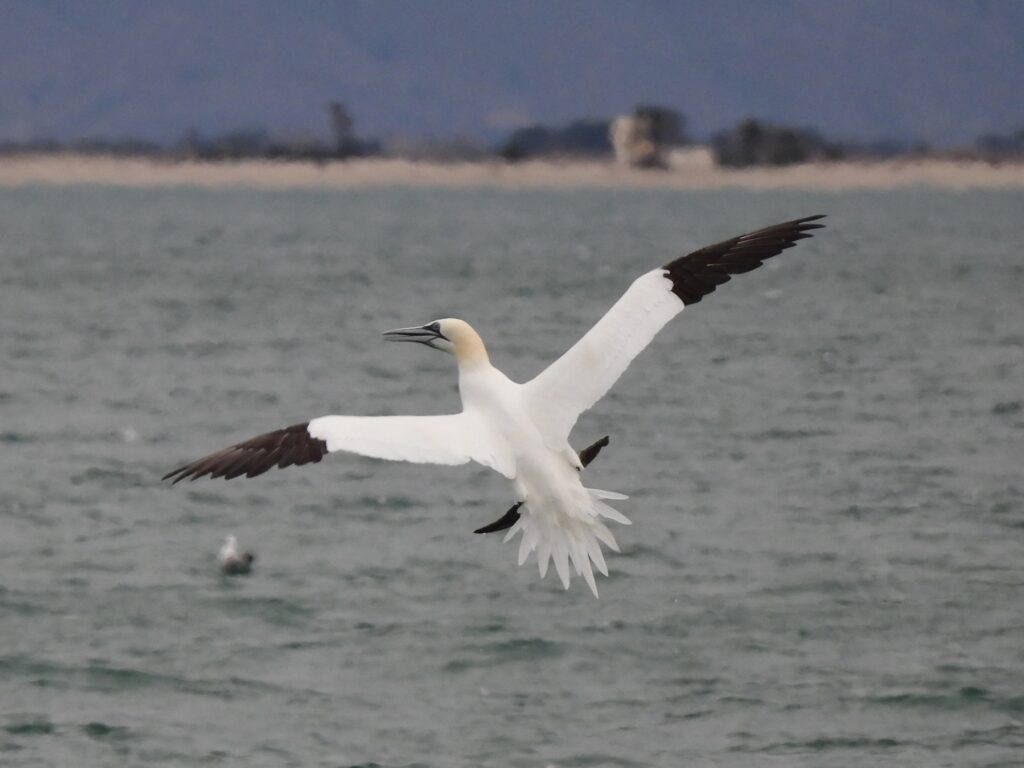
I seawatched in Santa Pola on different dates. Besides bumping into numerous fellow birdwatchers (and often being joined by some), I managed sightings of great skua (Stercorarius skua), parasitic jaeger (Stercorarius parasiticus) and the usual wintering northern gannets (Morus bassanus) following trawlers, although razorbills (Alca torda) were missed this winter. Notably, on my last visit, on 26 February with Darío, we first reported good numbers of Scopoli’s shearwaters (Calonectris diomedea) re-entering the Mediterranean in several flocks, but I eventually chose to report European storm petrel (Hydrobates pelagicus) after we enjoyed excellent views of several birds. This species seems to get relatively close to the Alicante shoreline, perhaps especially at the end of winter, as we have had decent views from shore within a short timeframe in recent years.
I visited El Hondo on different occasions, some to lend a hand with Tati Pessano’s fieldwork. By the end of the month, I have connected with all the regular swallows returning after winter: barn (Hirundo rustica) and red-rumped swallows (Cecropis rufula), sand (Riparia riparia) and house martins (Delichon urbicum), among flocks of wintering crag martins (Ptyonoprogne rupestris). This was combined with sightings of wintering bluethroats (Luscinia svecica) and reed buntings (Emberiza schoeniclus), all while moustached warblers (Acrocephalus melanopogon) sang loudly from different areas. Besides enjoying again the cooperative isabelline wheatear (Oenanthe isabellina) until last reporting it on 10 Feb, we connected with a couple of bearded reedlings (Panurus biarmicus) in southern El Hondo. These birds are on the brink of extinction in the whole Comunitat Valenciana, and finding them next to where we saw a pair last year (read about it here) felt like hope. However, word got out and numerous visitors filled the area, likely disturbing the birds with noise and even playback right before breeding time. Needless to say, the birds were present and could be heard without playback; I personally see no point in deliberately disturbing a species in such poor conservation status right before the breeding period. As Darío wisely said, there is no point in getting a snap or a glimpse of a bird if its conservation is put at risk.
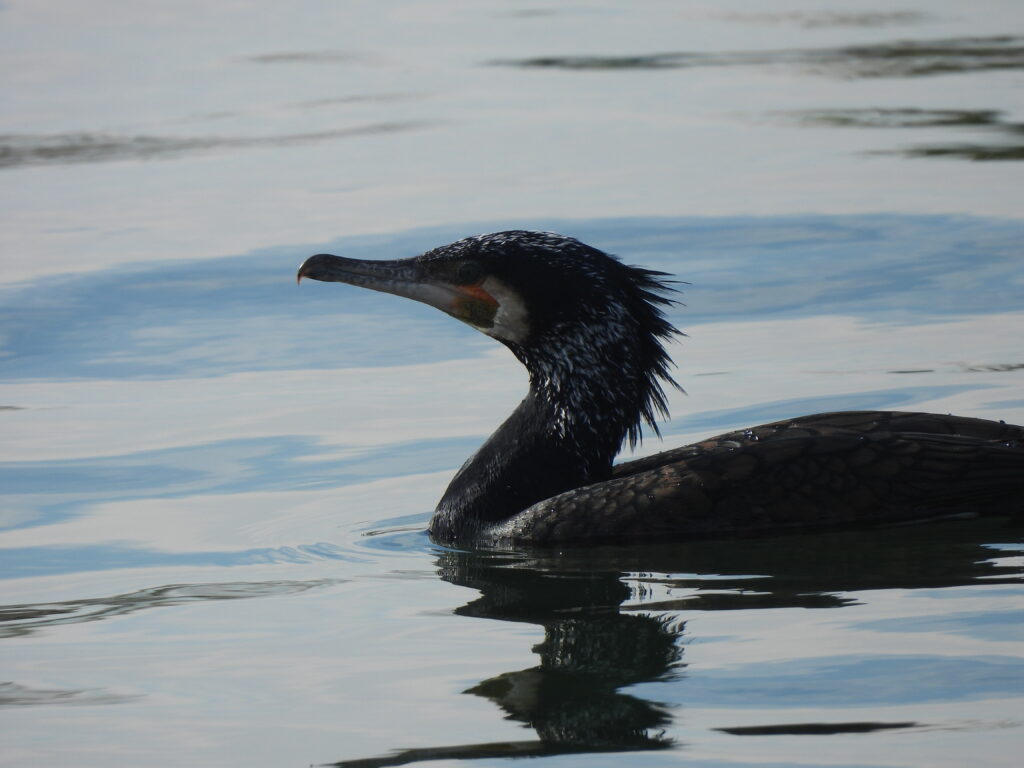
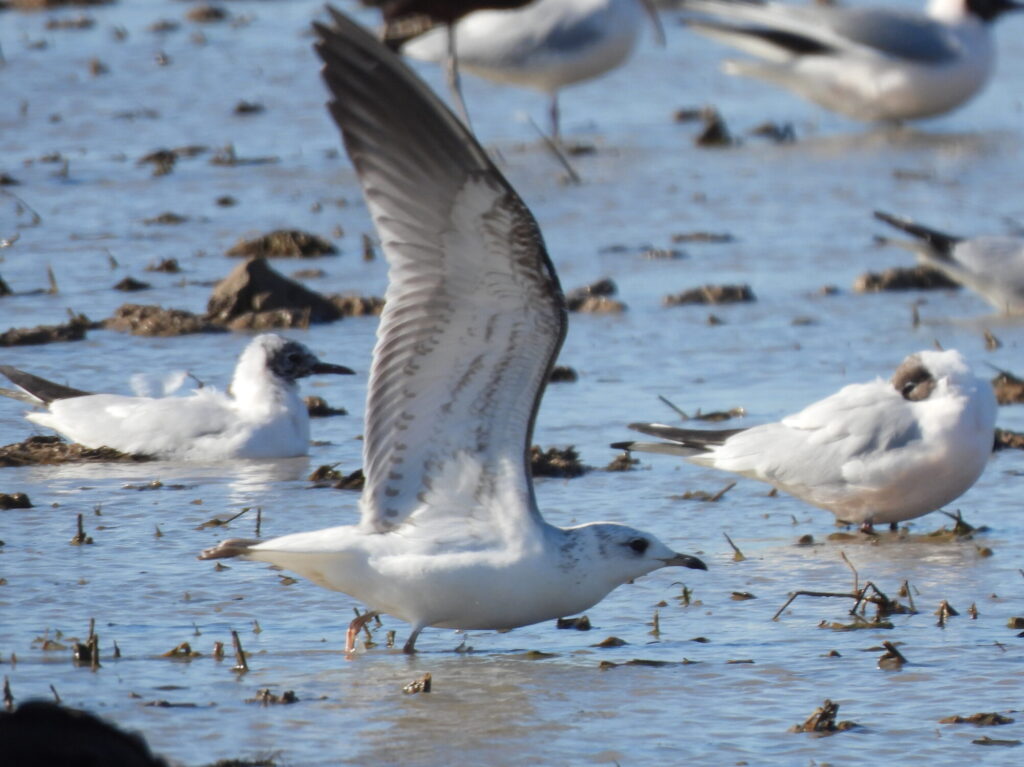
A big highlight this February was spending a couple of weekends in L’Albufera Natural Park with Guillem de los Santos, Martín Rey, Munir Chaouni, Joan Balfagón and others. The area turns into gull city in February (read about it here), and scoping through flocks with them becomes extremely educational. This time, over different days, we saw several Caspian (Larus cachinnans) and European herring gulls (Larus argentatus), but numbers of common gulls were completely over the norm this season — again, birds that might also have been blown into the area.
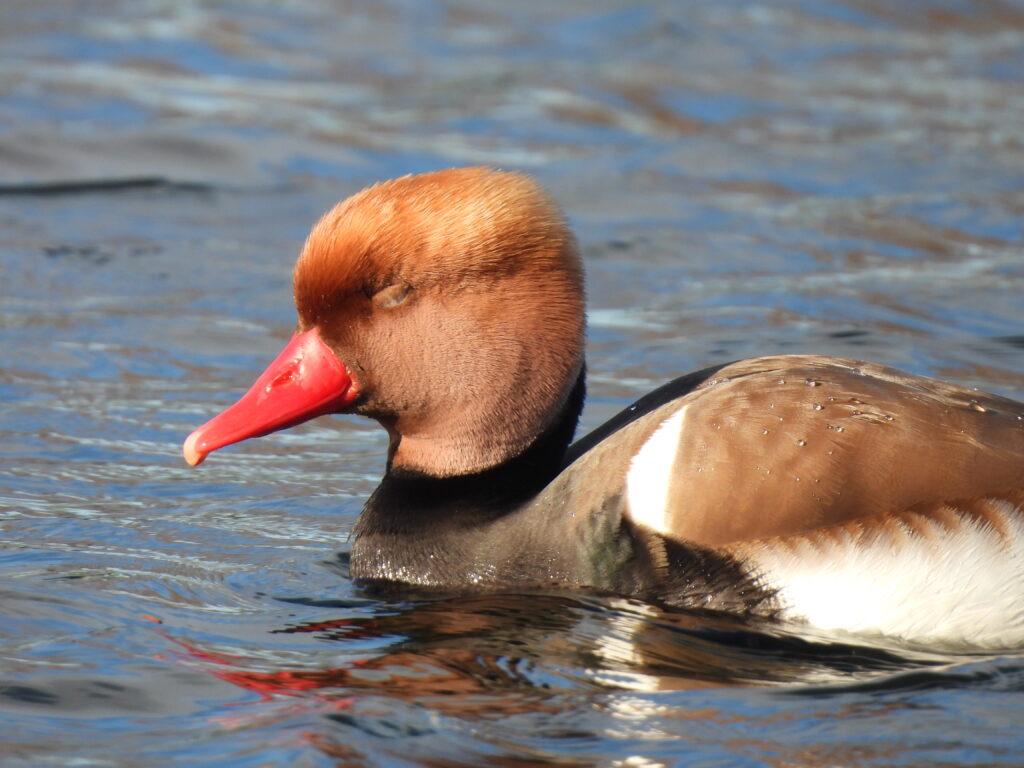
Additional highlights in L’Albufera came from the flocks of wintering waterfowl in Mata del Fang, where Martín found three ring-necked ducks (Aythya collaris) among the usual common (Aythya ferina) and red-crested pochards (Netta rufina) and the less numerous northern pintails (Anas acuta) and Eurasian wigeons (Mareca penelope). Spending the last day of the month in L’Albufera produced my first garganeys (Spatula querquedula) in Mata del Fang, plus a Temminck’s stint (Calidris temminckii) and some Alpine swifts (Tachymarptis melba).
The month clearly ended with the onset of migration. Besides shearwaters, swifts and swallows, I also connected with an early short-toed snake eagle (Circaetus gallicus) over Alcoi on 23 Feb, even if we call it àguila marcenca (“March eagle”). Prenuptial migration is just around the corner and will hopefully make this challenge even more exciting.
Here is the archive of the birds of the day for January 2026. Birds are reported with scientific, English and Valencian names (in the local variety of my hometown, as requested for the challenge), together with the location of each sighting.
- 1 Feb 2026: Eurasian bullfinch (Pyrrhula pyrrhula) pinsà borroner (Helsinki, Uusimaa, Finland)
- 2 Feb 2026: Spotted nutcracker (Nucifraga caryocatactes) trencanous (Helsinki, Uusimaa, Finland)
- 3 Feb 2026: Bohemian waxwing (Bombycilla garrulus) ocell sedós (Helsinki, Uusimaa, Finland)
- 4 Feb 2026: Isabelline wheatear (Oenanthe isabellina) còlit isabelí (PN El Fondó, Alicante, Spain)
- 5 Feb 2026: Black-legged kittiwake (Rissa tridactyla) gavina de tres dits (Santa Pola, Alicante, Spain)
- 6 Feb 2026: Song thrush (Turdus philomelos) tord comú (Alcoi, Alicante, Spain)
- 7 Feb 2026: Citril finch (Carduelis citrinella) verderolet (Serra Aitana, Alicante, Spain)
- 8 Feb 2026: Eurasian sparrowhawk (Accipiter nisus) esparver (PN Serra Mariola, Alicante, Spain)
- 9 Feb 2026: Merlin (Falco columbarius) falconet (PN Llacunes de la Mata-Torrevella, Alicante, Spain)
- 10 Feb 2026: Northern pintail (Anas acuta) cua de jonc (PN El Fondó, Alicante, Spain)
- 11 Feb 2026: Hen harrier (Circus cyaneus) arpellot pàl·lid (PN Llacunes de la Mata-Torrevella, Alicante, Spain)
- 12 Feb 2026: Little gull (Hydrocoloeus minutus) gavina menuda (Clot de Galvany, Alicante, Spain)
- 13 Feb 2026: Common gull (Larus canus) gavina cendrosa (PN L’Albufera, València, Spain)
- 14 Feb 2026: Caspian gull (Larus cachinnans) gavinot del Caspi (PN L’Albufera, València, Spain)
- 15 Feb 2026: Ring-necked duck (Aythya collaris) morell de collar (PN L’Albufera, València, Spain)
- 16 Feb 2026: Red-necked phalarope (Phalaropus lobatus) escuraflascons becfí (PN Llacunes de la Mata-Torrevella, Alicante, Spain)
- 17 Feb 2026: Bearded reedling (Panurus biarmicus) xauet (PN El Fondó, Alicante, Spain)
- 18 Feb 2026: Bluethroat (Luscinia svecica) pitblau (PN El Fondó, Alicante, Spain)
- 19 Feb 2026: Lesser black-backed gull (Larus fuscus) gavinot fosc (Sant Vicent del Raspeig, Alicante, Spain)
- 20 Feb 2026: Jack snipe (Lymnocryptes minimus) bequet (Villena, Alicante, Spain)
- 21 Feb 2026: Redwing (Turdus iliacus) cellaret (Alcosser, Valencia, Spain)
- 22 Feb 2026: Cirl bunting (Emberiza cirlus) sit groc (Alcoi, Alicante, Spain)
- 23 Feb 2026: Long-eared owl (Asio otus) mussol banyut (Elx, Alicante, Spain)
- 24 Feb 2026: Northern gannet (Morus bassanus) mascarell (Santa Pola, Alicante, Spain)
- 25 Feb 2026: Meadow pipit (Anthus pratensis) titeta (Elx, Alicante, Spain)
- 26 Feb 2026: European storm petrel (Hydrobates pelagicus) escateret (Santa Pola, Alicante, Spain)
- 27 Feb 2026: Common reed bunting (Emberiza schoeniclus) sit de canyar (PN El Fondó, Alicante, Spain)
- 28 Feb 2026: Eurasian wigeon (Mareca penelope) piuló (PN L’Albufera, València, Spain)