Ankarafantsika National Park covers 130 km2 of dry forest in northwest Madagascar. The region boosts some of the best populations of different heavily endangered birds and lemurs, as well as extremely range restricted endemic species. Several days camping on the headquarters facilities, as I did in December 2023, ensure connecting with most of these species — aided by a local guide, as is a requisite to enter National Parks in Madagascar.
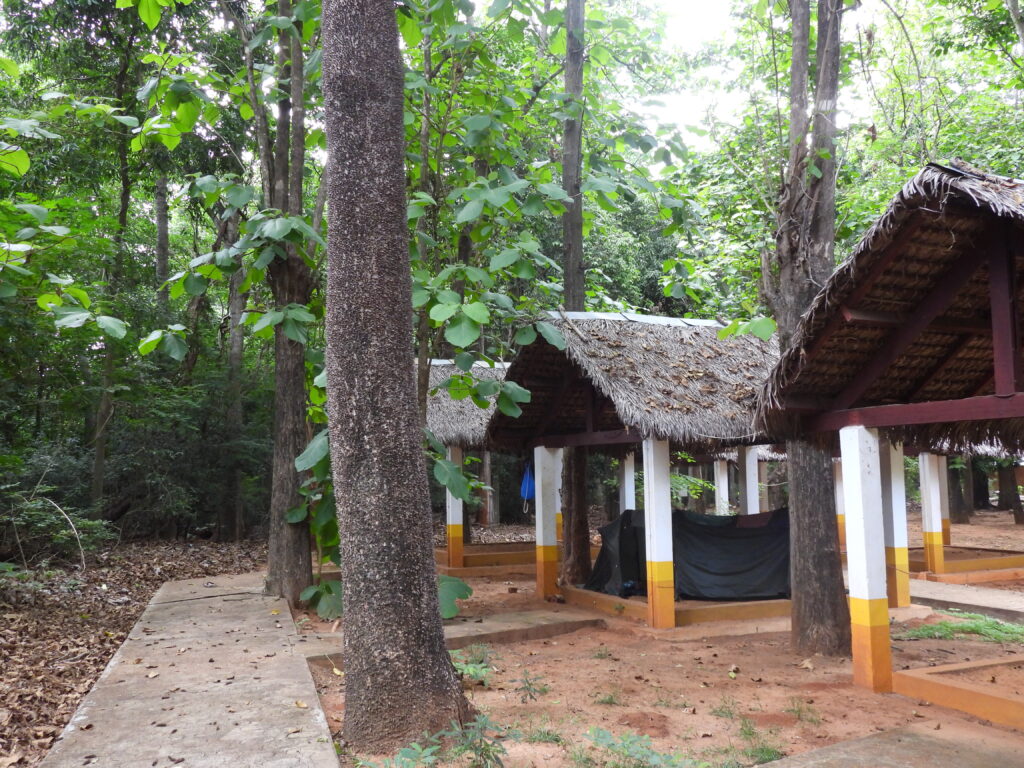
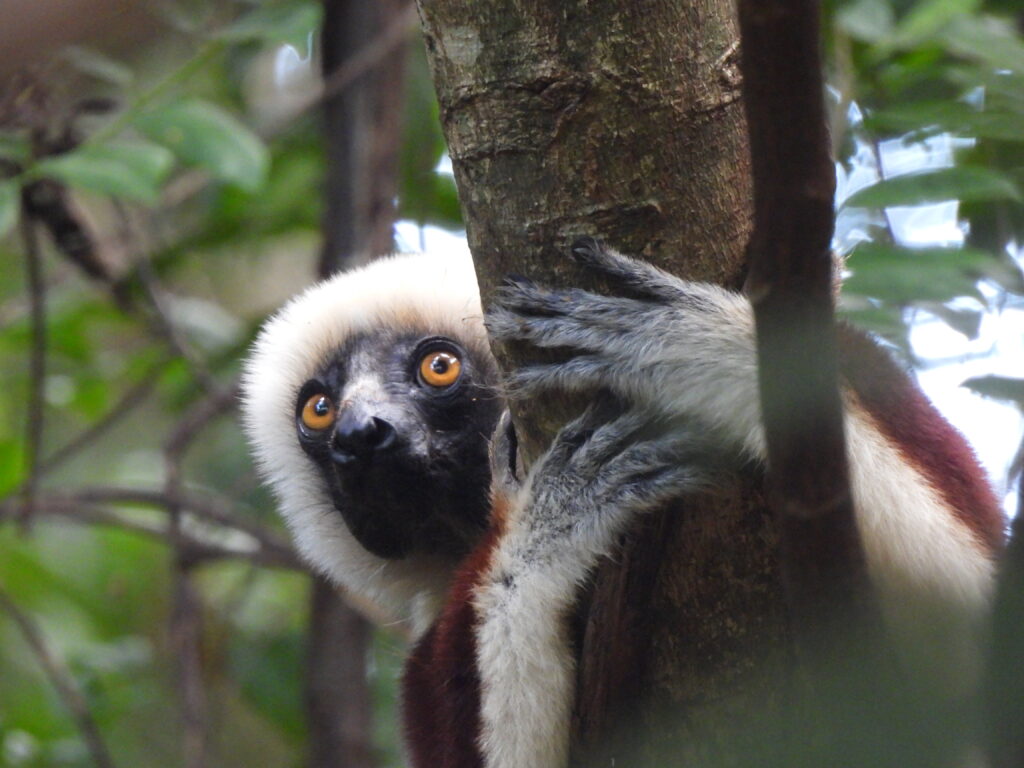
My days in Ampijoroa, the name of the forest station which is today the National Park headquarters, were spent between hikes to the park in the morning and afternoon, walks along the road and close to Lake Ravelobe — a magical place with many highlights too. The time at camp was always productive, as numerous herps showed up around: Koch’s giant day geckos (Phelsuma kochi), Cuvier’s swift (Oplurus cuvieri), western gidled lizard (Zonosaurus laticaudatus), and even giant Madagascan hognose snakes (Leioheterodon madagascariensis) were usual sights from the camp. Besides, both the local troop of the critically endangered Coquerel’s sifakas (Propithecus coquereli) and a couple of local teen boys were always around my tent, curious to see what I was up to.

Bird-wise, I connected with different birds right at camp. I detected a nesting pair of cuckoo-rollers (Leptosomus discolor) and many nesting broad-billed rollers (Eurystomus glaucurus) between my tent and the lake area. Greater vasa parrots (Coracopsis vasa), Malagasy bulbuls (Hypsipetes madagascariensis) and many crested drongos (Dicrurus forficatus) were also quite abundant. The water bottle-like calls of Malagasy coucals (Centropus toulou) were a familiar sound, and I managed to find some skulking in the shrubs.

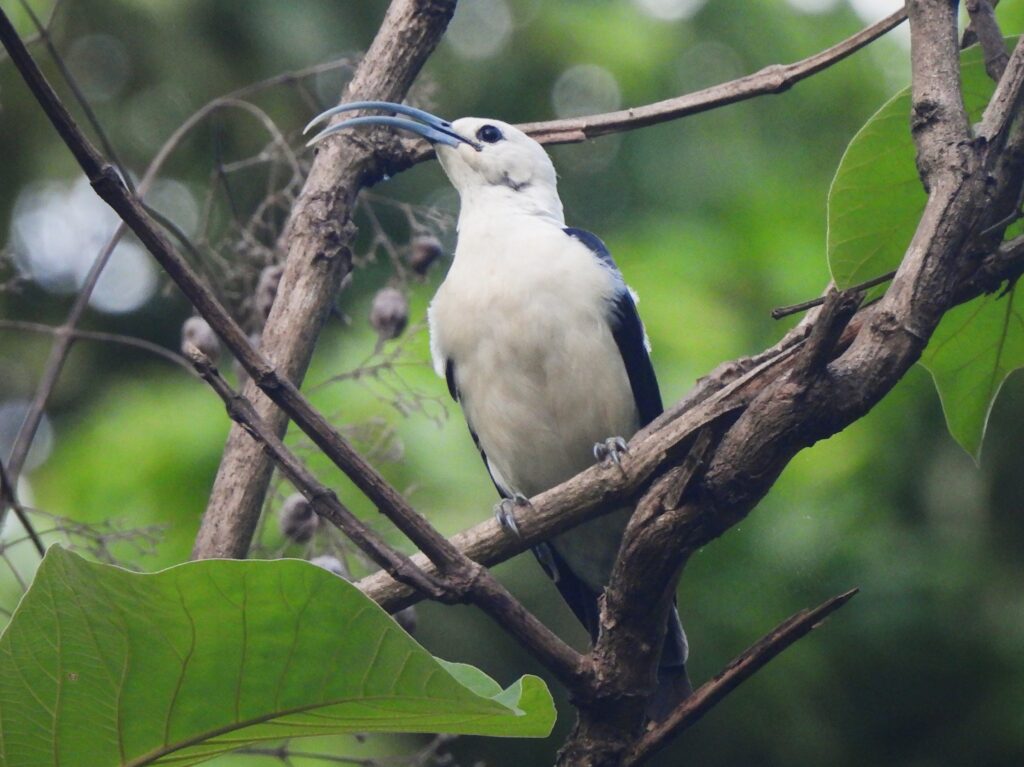
Some creatures only showed up at certain times of the day. For instance, most herps were to be seen in the midday. However, sickle-billed vangas (Falculea palliata) started calling like crying babies at full volume and showed up at the end of the evening. At dusk I noticed a higher bird activity, with few white-faced whistling ducks (Dendrocygna viduata) and an undetermined falcon flying over the camp area.
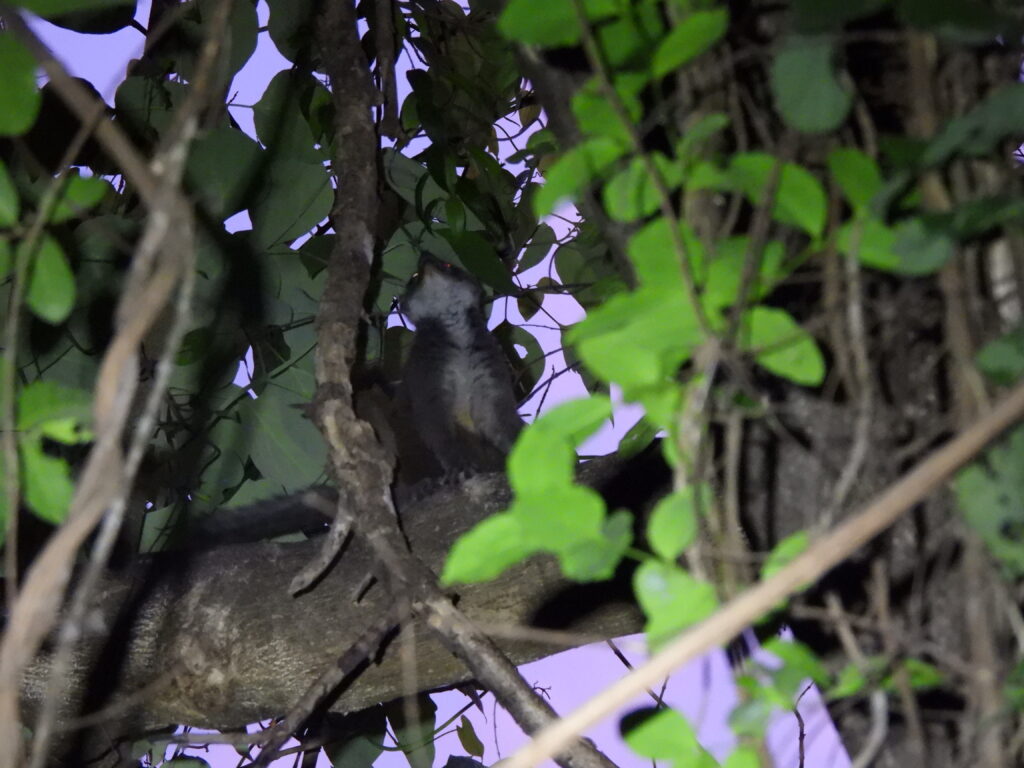
My guide was cooperative and skilled, and advised me to start off the first morning with the route that would potentially secure most of the targets. As it name suggests, I imagined Circuit Coquereli has the Coquerel’s sifaka as its highlight. My guide knew I was aware that I was pretty much living around a sifaka family in my tent, so after starting at 06:00, he kindly focused on other species on our hike westwards on this dry scrub forest on white sand. Lemur-wise, he still helped me bag some new species as a western woolly lemur (Avahi occidentalis) and a Milne-Edward’s sportive lemur (Lepilemur edwardsi), both at roost.
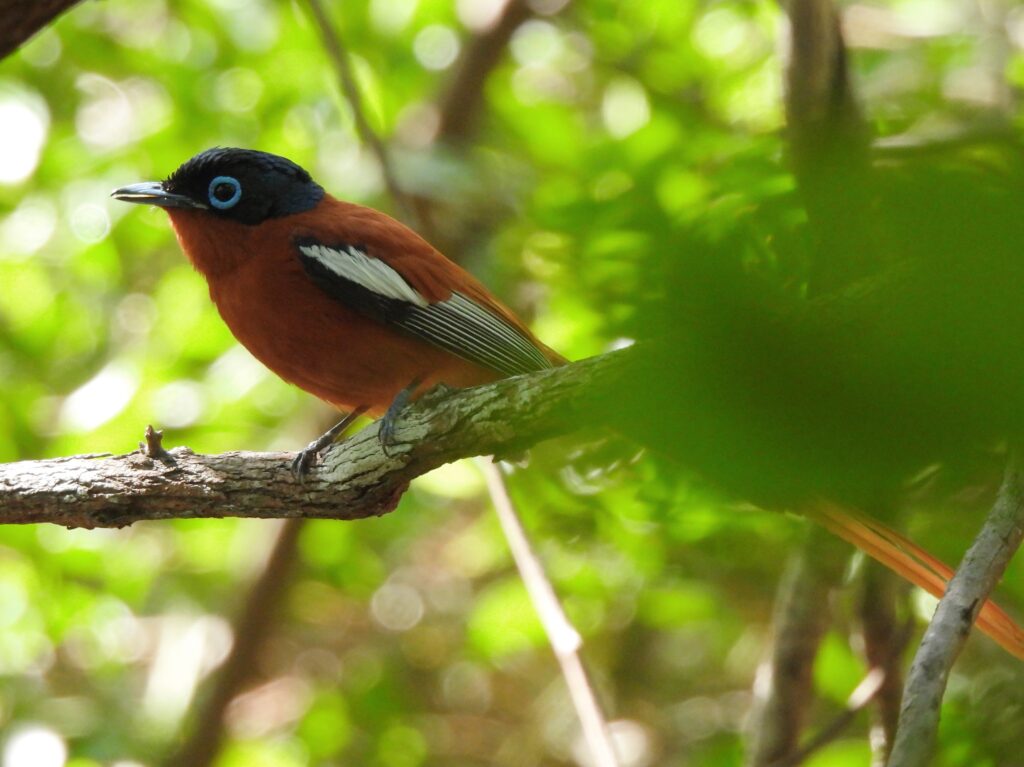
Bird-wise, the morning was promising. The forest was full of bird songs in the early morning, in Madagascar standards — by then I had learned that the soundscape in Malagasy forests is dominated by insects and frogs, then lemurs and finally birds. Malagasy turtle doves (Nesoenas picturatus), crested couas (Coua cristata), Madagascar cuckoos (Cuculus rochii), cuckoo-roller (Leptosomus discolor) and common newtonia (Newtonia brunneicauda) were heard during our walk. Males of Malagasy paradise flycatchers (Terpsiphone mutata) were also present and showed off their fine looks.
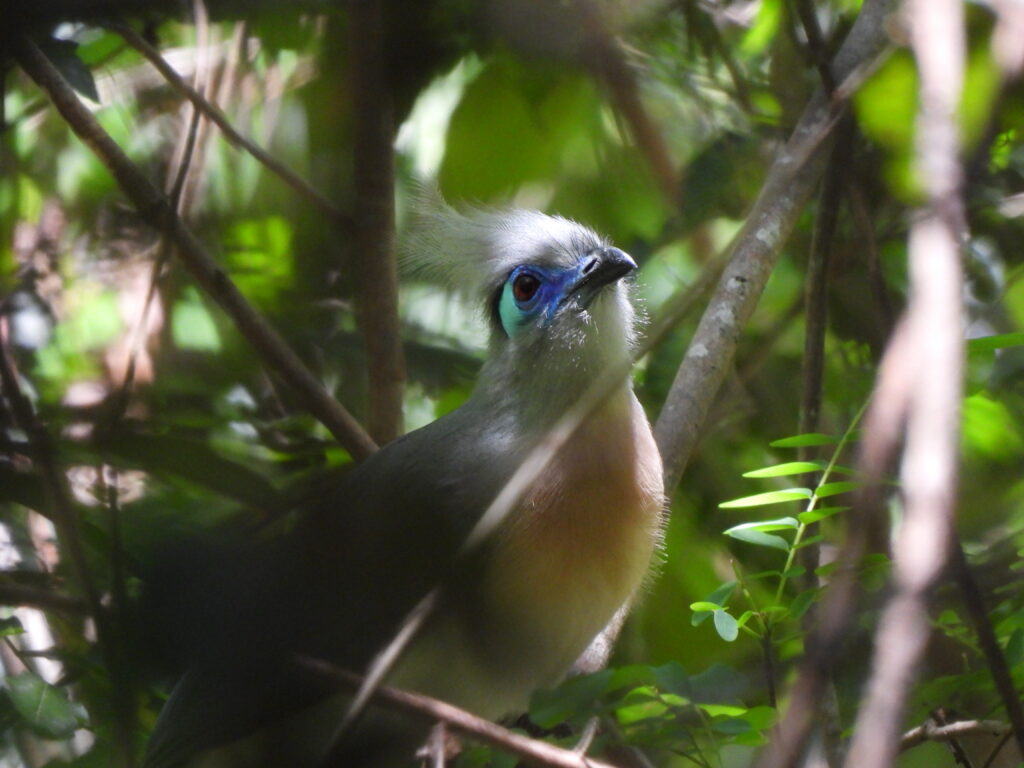
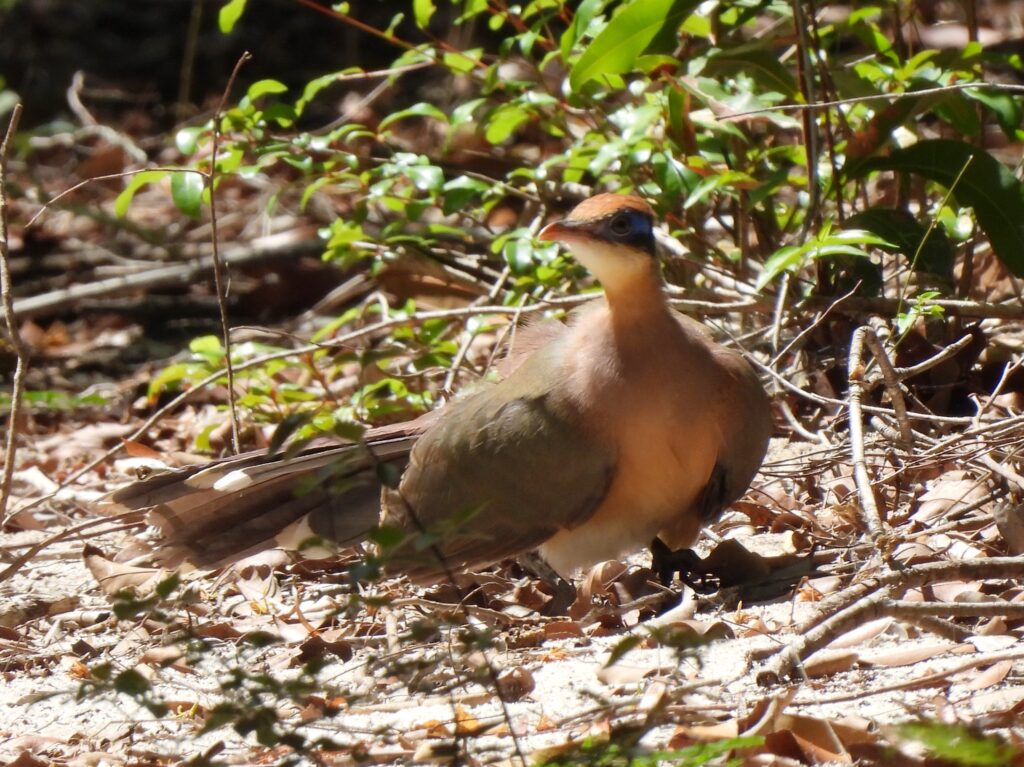
I had several coua targets as none of the species here are present in Ranomafana. All of them obliged. Crested couas were easy to spot by their laser gun-like call, but some birds provided great views. A red-capped coua (Coua ruficeps) was seen skulking in the understory. Several Coquerel’s couas (Coua coquereli) were heard from the forest, and we managed looks of an individual sunbathing in the path.
A major target took us some time. The white-breasted mesite (Mesitornis variegatus) is only known from three different sites in Madagascar and this dry forest is one of them. After a good half an hour paying attention to any bird call, some sort of a “hush” alerted my guide. We went into a narrow path in complete silence and, in the blink of an eye, were surrounded by calling white-breasted mesites.
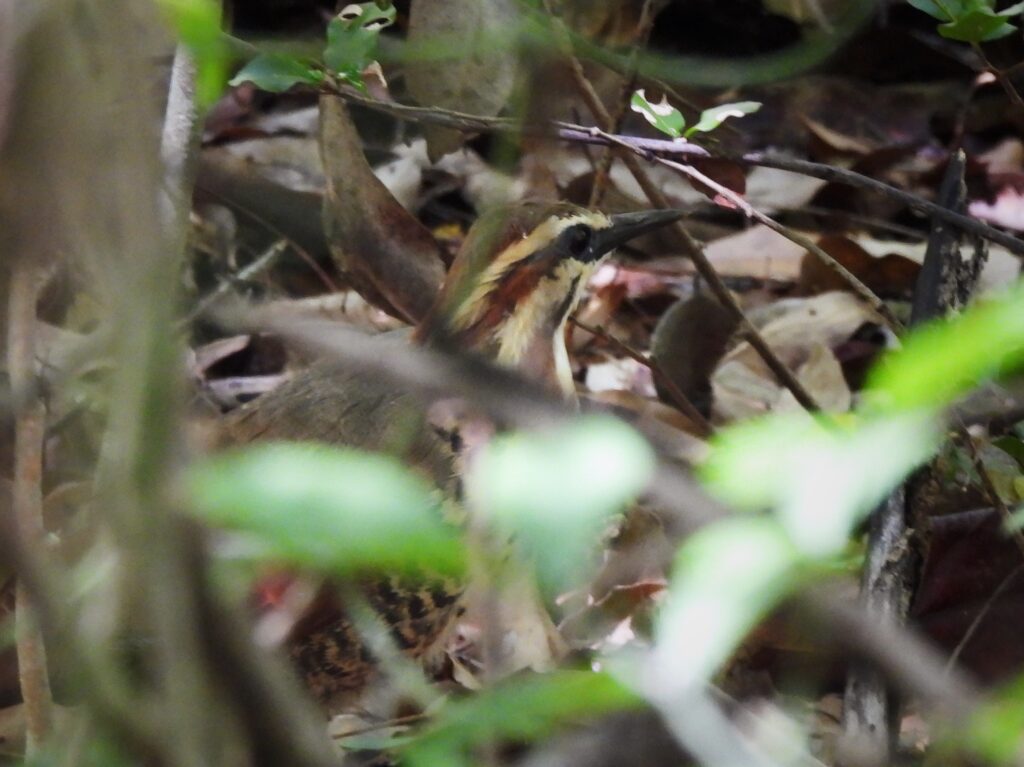
Connecting with this elusive target meant marking the 5th and last Madagascar endemic family seen in the trip. Regardless, and despite the difficulty of getting good photographs due to their uncooperative behavior, the understory vegetation and the camouflage of the bird, the mesites provided incredible views and performed their odd behavior, running around like darts in the vegetation in pairs and groups of three and vocalizing different calls. They soon vanished as fast as they showed up.
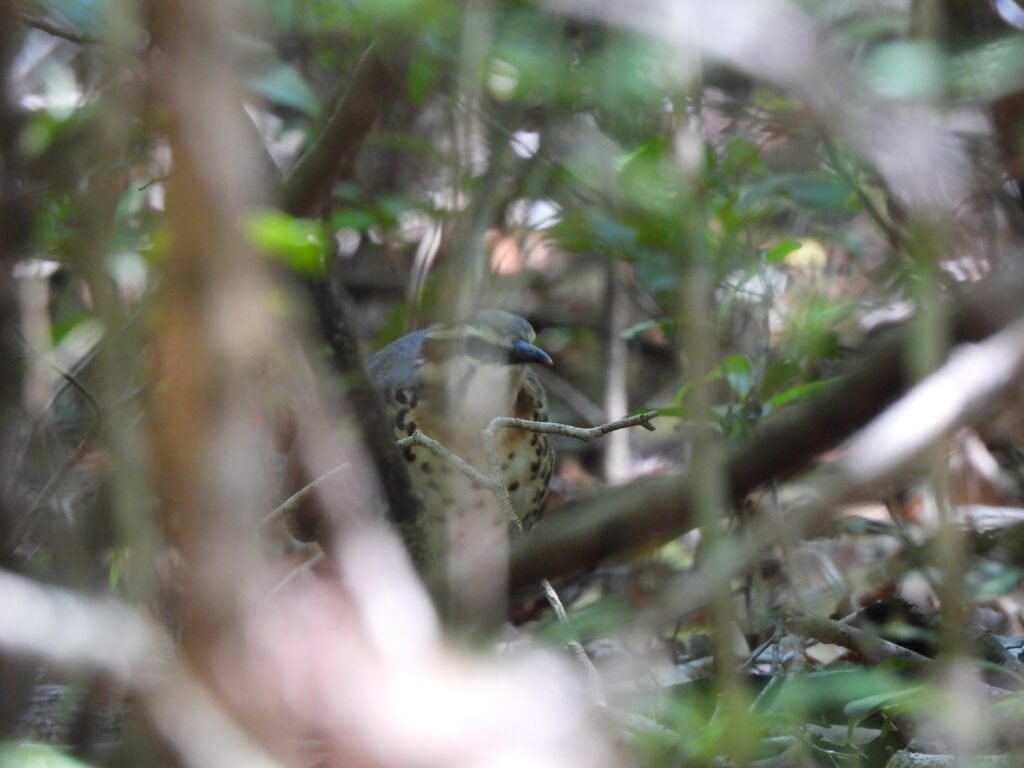
Once the mesites had left, we noted a calling rufous vanga (Schetba rufa), and another call soon stopped our walk. A female Van Dam’s vanga (Xenopirostris damii) showed up incredibly close to us under a tree. This critically endangered species is a very scarce inhabitant of dry forests within a very narrow distribution range and finds its stronghold in these dry forests. My guide was surprised this cracking bird took us such little effort. It obliged for some time.

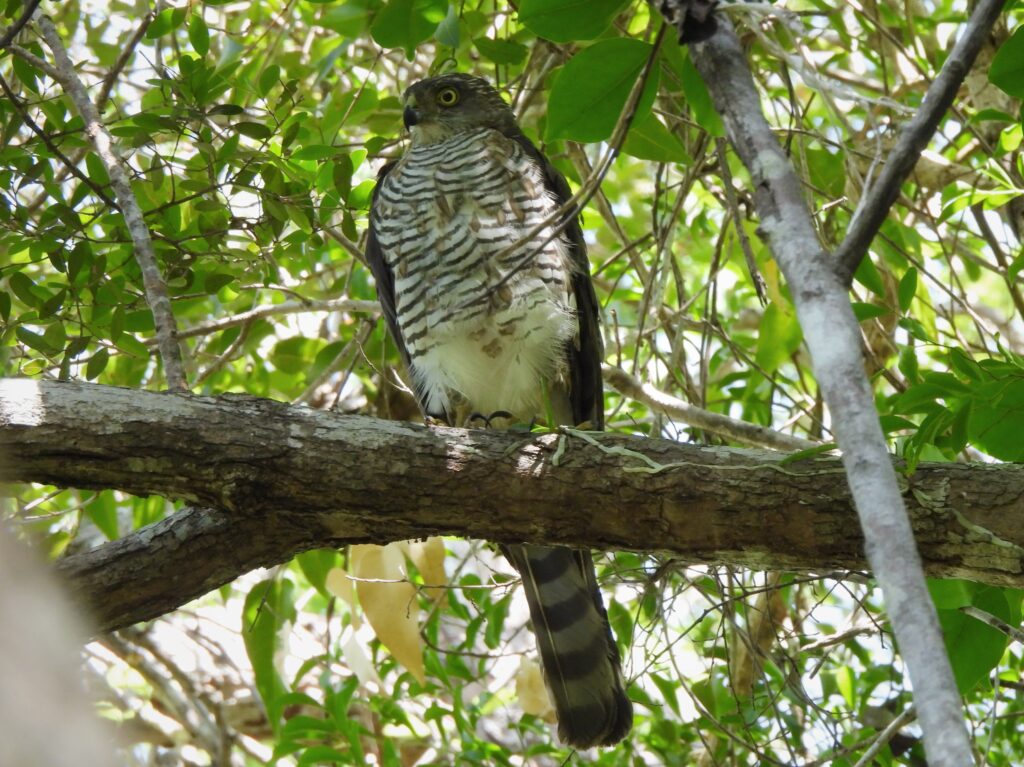
The last avian highlight of circuit Coquereli was a Madagascar sparrowhawk (Accipiter madagascariensis), which flew over us close with a prey and I managed to follow and spot where it sat just some trees away to feed on it. I got to record the call of the bird, which turned out to be only the 3rd recording of the species ever uploaded on eBird!
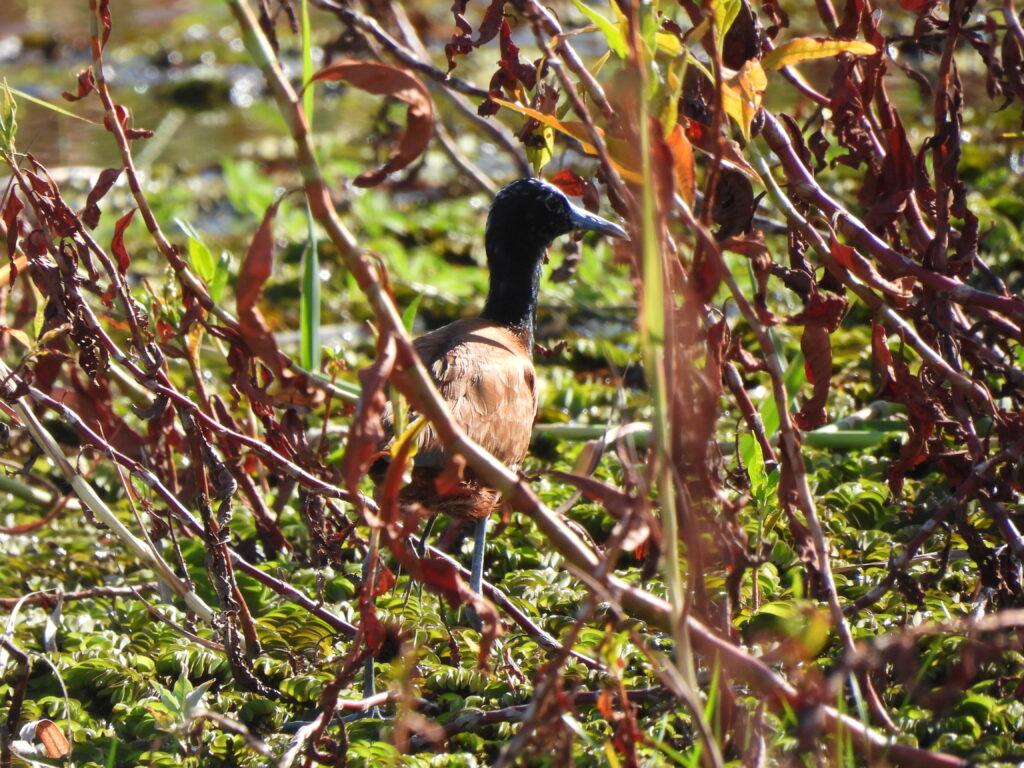
I deployed that afternoon to hop on a small boat along Lake Ravelobe, connecting with the critically endangered Madagascar fish eagle (Icthyophaga vociferoides), which is one of the most endangered raptors worldwide. I also saw another heavily threatened endemic, an adult Madagascar jacana (Actophilornis albinucha) followed by some fledglings — again, the rarest member of its family. I wrote a post about these and other encounters in Ravelobe (you can read about it here).
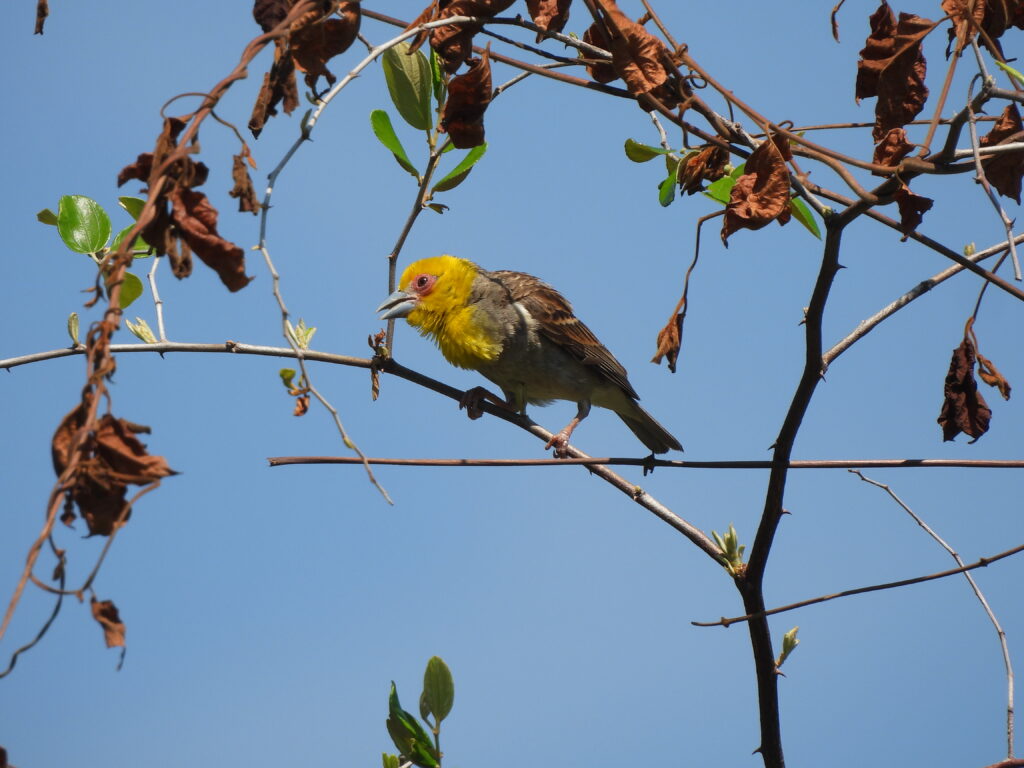
The next morning, my guide and I ventured into another one of the trails. Circuit Retendrika is a route north of the lake on a tall, relatively humid forest on red sand. My visit started at 06:00 and the walk to the junction on the north part of Ravelobe goes through the little tree where we had seen the Madagascar fish eagle, and some trees where Sakalava weavers (Ploceus sakalava) bred, providing good views. Common jeries (Neomixis tenella) and Malagasy sunbirds (Cinnyris notatus) foraged in the trees while olive bee-eaters (Merops superciliosus) and Mascarene martins (Phedina borbonica) caught insects over the water surface. On this area, locals showed me two giant colorful stick insects of an endemic species (Achrioptera maroloko) on a walk at some point.
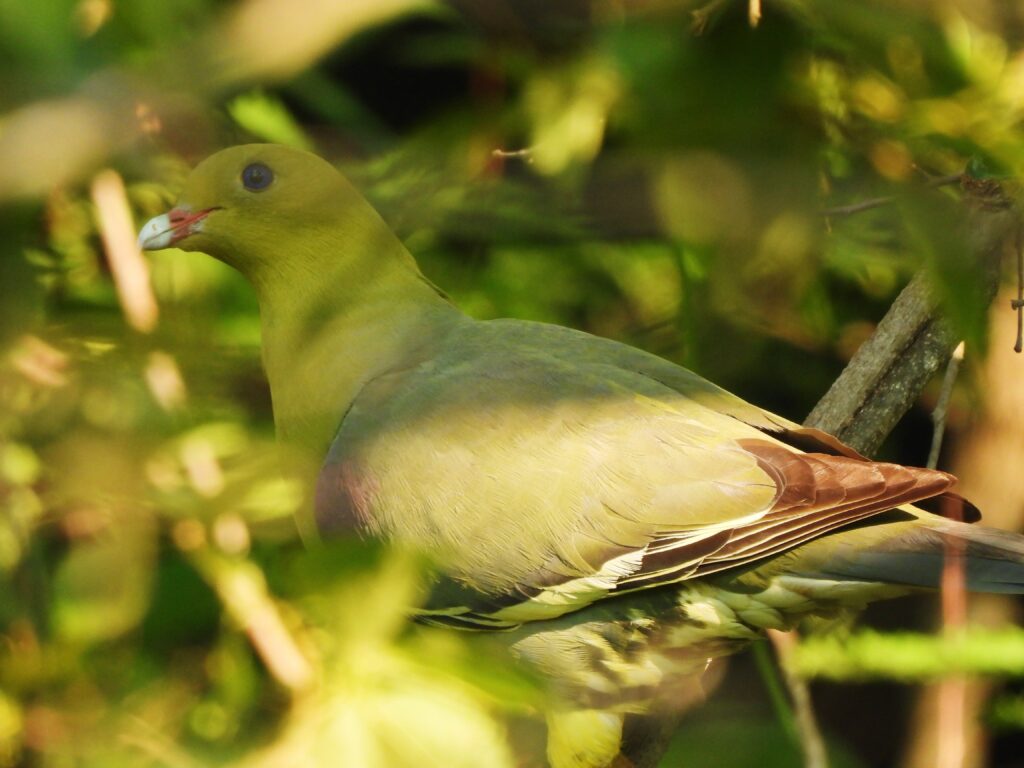
Turning right into the trail in the junction, my guide heard a Madagascar green pigeon (Treron australis) on some fruiting trees I assumed to be a stakeout for the species. Although the bird seemed to be relatively in the open, it stood still, concealed in the greenery as it feed on the fruiting tree, and we only managed to see it for a split second — as soon as we noticed where it was, it flew away. A second bird flew over after it. I did not consider the species as one of my targets in Ankafarantsika, but it surely was one of the jewels of this place.
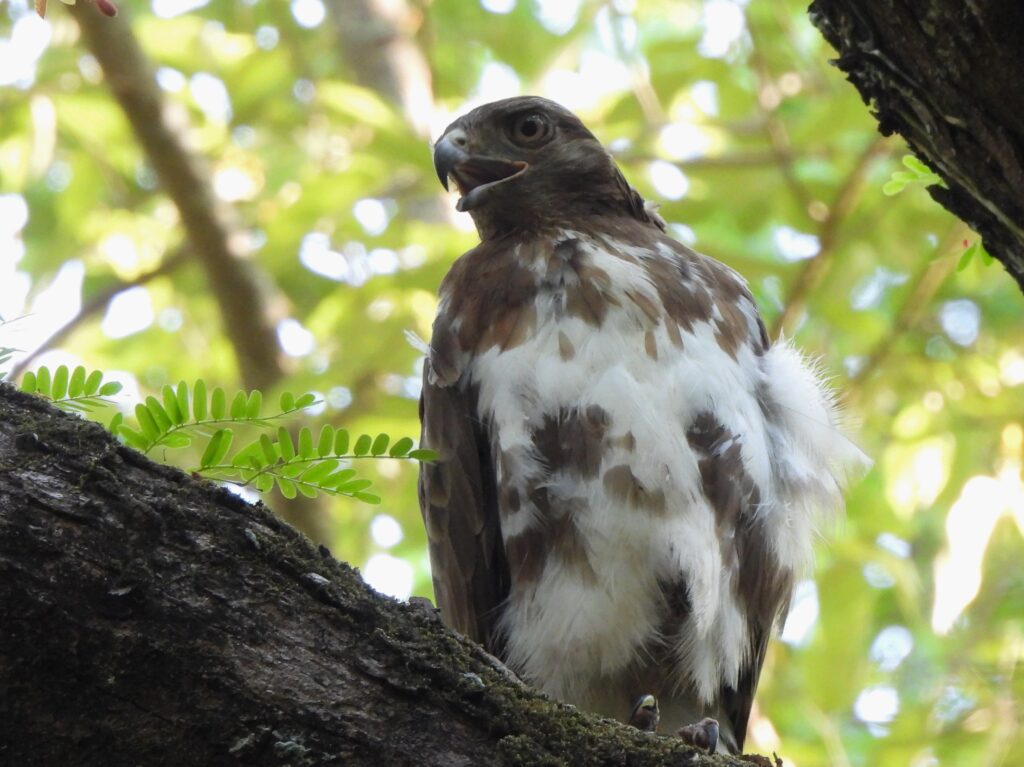
Once inside the forest, it felt less birdy than Circuit Coquereli area. Malagasy paradise flycatchers, Malagasy bulbuls and crested couas were among the few birds we could hear and see. The forest was, however, way more picturesque, featuring trees with large buttress roots. A Madagascar buzzard (Buteo platypterus) called continuously from a tree.
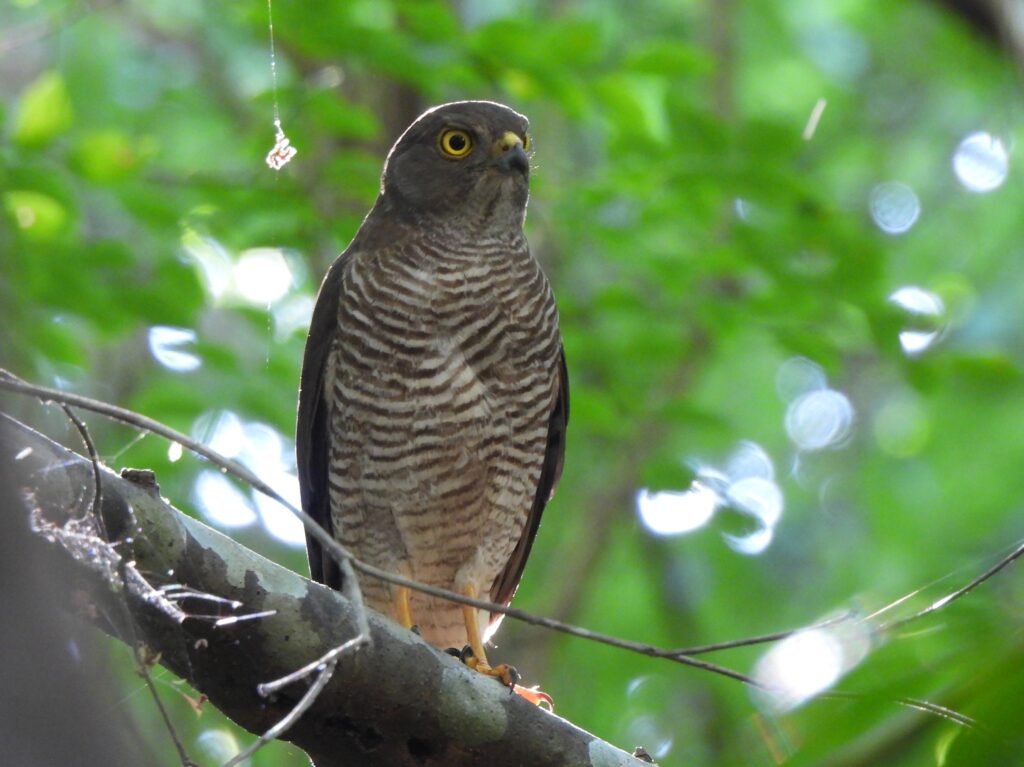
Another raptor species we also spotted was the Frances’s sparrowhawk (Tachyspiza francesiae), as we managed to secure good looks of a male and a female in different parts of the forest.
The main target in Retendrika was the range-restricted and charismatic Schlegel’s asity (Philepitta schlegeli). Asities are one of the families endemic to Madagascar, yet this species has an even more educed range of them all — this trail being one of the most reliable spots for the species at the time of my visit. However, the best time of the year to see them is over and they are now silent and wary, just after breeding season. Although we looked for it for hours, we only heard a male singing from distance. It would stop singing as soon as we got closer and start again from a great distance some minutes later. No glimpse of this stunner for us.
Because the headquarters area is completely surrounded by — but out of — the National Park borders, one can camp overnight without problems and still be surrounded by incredibly biodiversity. I would bring the torch and walk around at night looking for mouse lemurs, geckos and moths. One day my guide offered a night tour so we walked south, bordering the National Park boundaries, at sunset, while spotting numerous sickle-billed vangas at roost and two critically endangered mongoose lemurs (Eulemur mongoz) feeding on mangos — yet again, another species best seen in Ampijoroa.
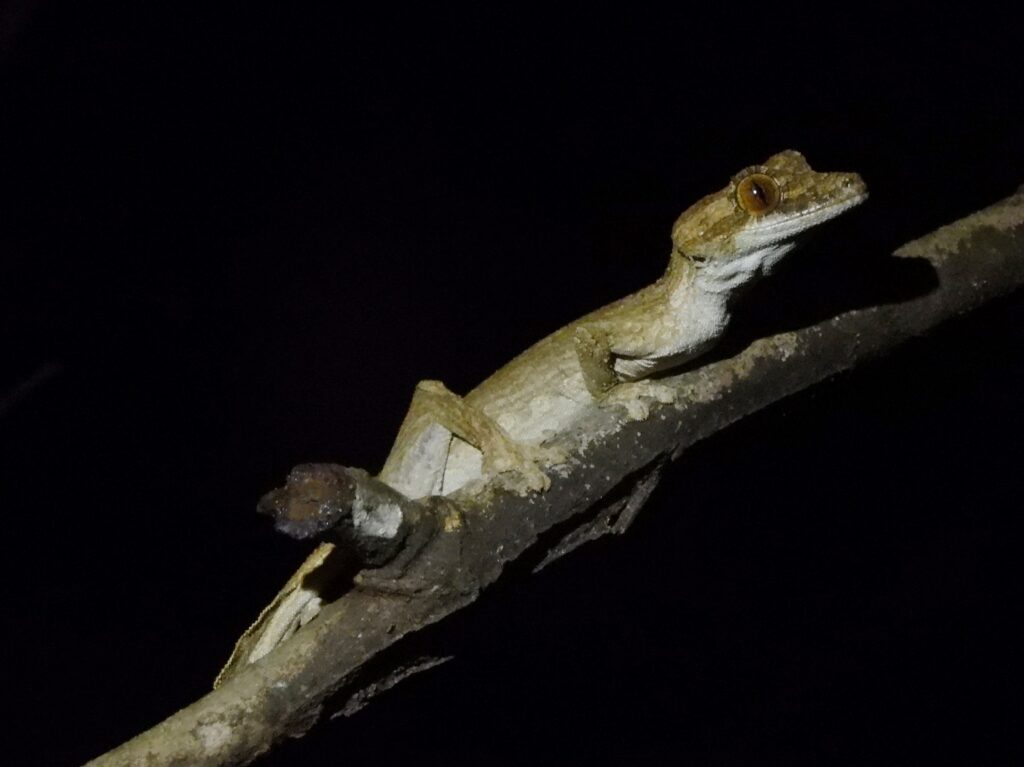
We had a hard time going through a very dense swarm of flying collared ants (Aphaenogaster cf. swammerdami) swarming, highly attracted to our spotlights. Regardless, we kept up and connected with great herps including the localized rhinoceros chameleon (Furcifer rhinoceratus), Stumpf’s ground gecko (Paroedura stumpfi), Günther’s flat-tailed gecko (Uroplatus guentheri) or Nosy Komba ground boa (Sanzinia volontany), to name some
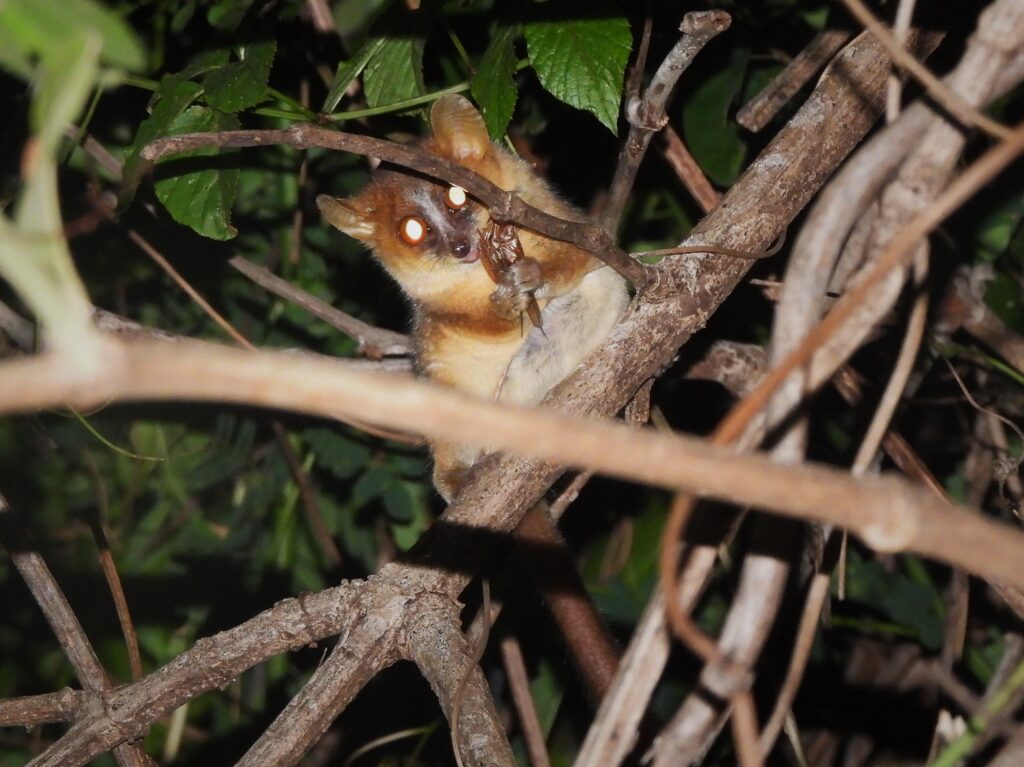
Another nice addition was a western fat-tailed dwarf lemur (Cheirogaleus medius), a tiny little lemur that seemed quite curious as we were observing it.

The walk was fantastic, as he brought me to a roost of a pair of Madagascar pygmy kingfishers (Corythornis madagascariensis). This species was high on my top list despite eluding me for the whole trip, so I was happy when the guide suggested to do this walk, claiming he had a surprise for me. The large bright-red bill of these little stunners shone even at night under the spotlight.

The guide offered to walk me back to camp but we were actually next to his village, so I preferred to walk the 30 min back by myself. The haunting night sounds became even more overwhelming at a certain point where my torch ran out of battery. Luckily I could just follow the road back to camp. Plus, by then, I managed to spotlight the two mouse lemur species in the area: the gray mouse lemur (Microcebus murinus) and the lake-endemic golden-brown mouse lemur (Microcebus ravelobensis), while Milne-Edward’s sportive lemurs.
All in all, the dry forest of Ankarafantsika National Park provided an impressive scenario with many different species I was not familiar with, after a month on the montane rainforests of Ranomafana in the other side of Madagascar. The conservation of these forests is hanging by a thread, affecting the exiguous population of different birds and mammals unique to these ecosystems.