The main motivation of my trip to South Africa with Darío Gijón, Guillem de los Santos, Arnau and Moquel Rivera was getting to know the African mammals. Despite us all being most focused on birds, we allocated some time in National Parks to get to know some of these charismatic creatures. This is the main reason why we visited the Kalahari — where we happened to find numerous bird specialties, as well as some of the most charismatic members of The Lion King.
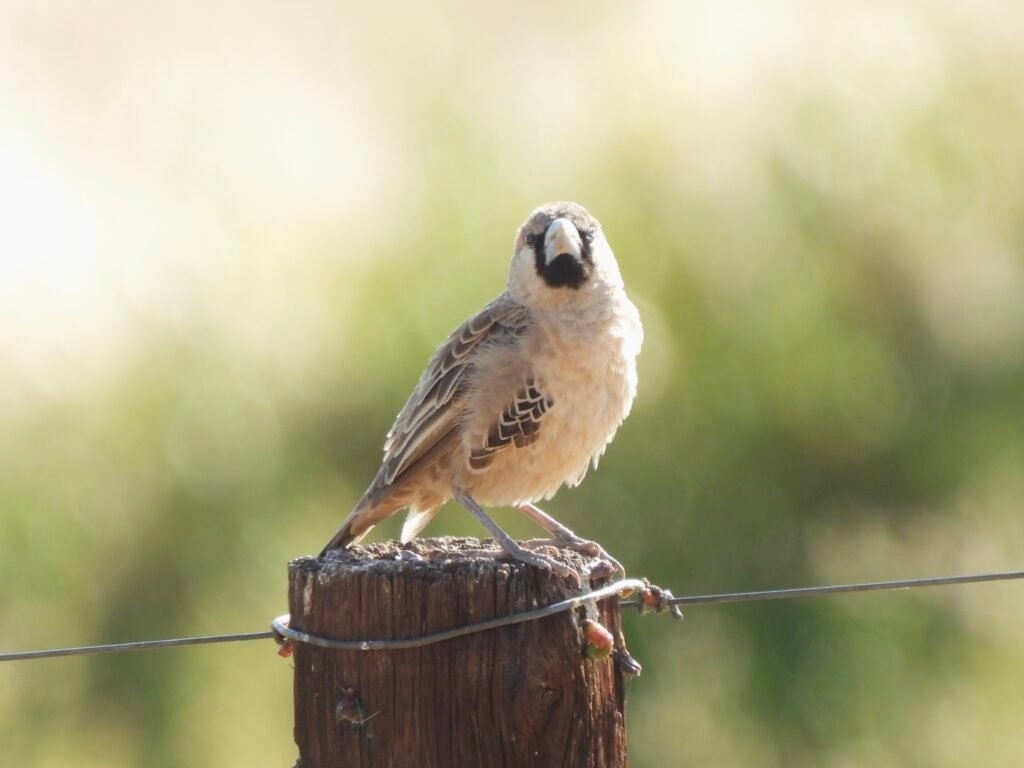
I got the first feel of entering the Kalahari desert after driving north of Brandvlei, all surrounded by larks of many kinds (read about it here). While we continued to see flocks of nomadic black-eared sparrow-larks (Eremopterix nigriceps) and the odd karoo korhaan (Heterotetrax vigorsii), the increasing presence of Aleodendron trees and the omnipresence of scaly-feathered (Sporopipes squamifrons) and sociable weavers (Philetairus socius) gave away a clear change in habitat. Sunset came on the road as we drove towards Pofadder via a long gravel road, so we had an improvised night drive, connecting with several scrub hares (Lepus saxatilis), Cape fox (Vulpes chama), an African wild cat (Felis lybica) and a stunning aardwolf (Proteles cristatus) just few kms away from town.
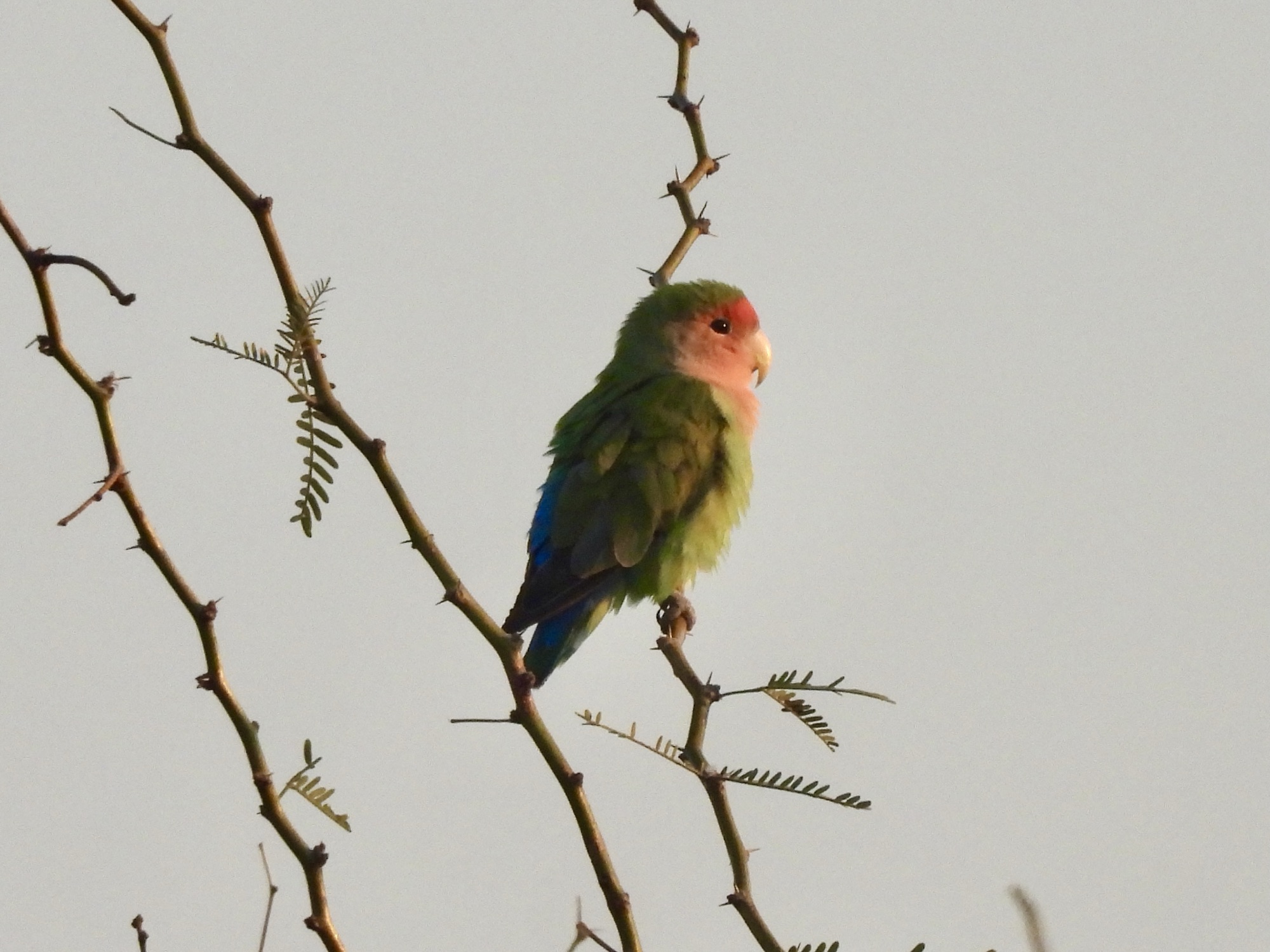
Leaving Pofadder on the coldest night of our trip, the sun rose the following day as we reached Onseepkans, a town bordering with Namibia by the Orange River. We stopped on some peri-urban fenced fieldcrop area where we noted bird activity from the car. Along with numerous African red-eyed bulbuls (Pycnonotus nigricans), southern grey-headed sparrows (Passer diffusus) and Cape sparrows (Passer melanurus), we quickly secured our target, the localized rosy-faced lovebird (Agapornis roseicollis). Although this popular cagebird has been released in several areas of the country, wild populations of this smart parrot are extremely restricted within South Africa to this area.
Orange River white-eye (Zosterops pallidus), African pied wagtail (Motacilla aguimp), acacia pied barbet (Tricholaema leucolaemus), palm swifts (Cypsiurus parvus), common hoopoe (Upupa epops) and black-chested prinia (Prinia flavicans) attested the closeness to the Orange River on an otherwise dry area. In fact, here we found the first vervet monkeys (Chlorocebus pygerythrus) of our trip, after days exploring the treeless karoo and fynbos.
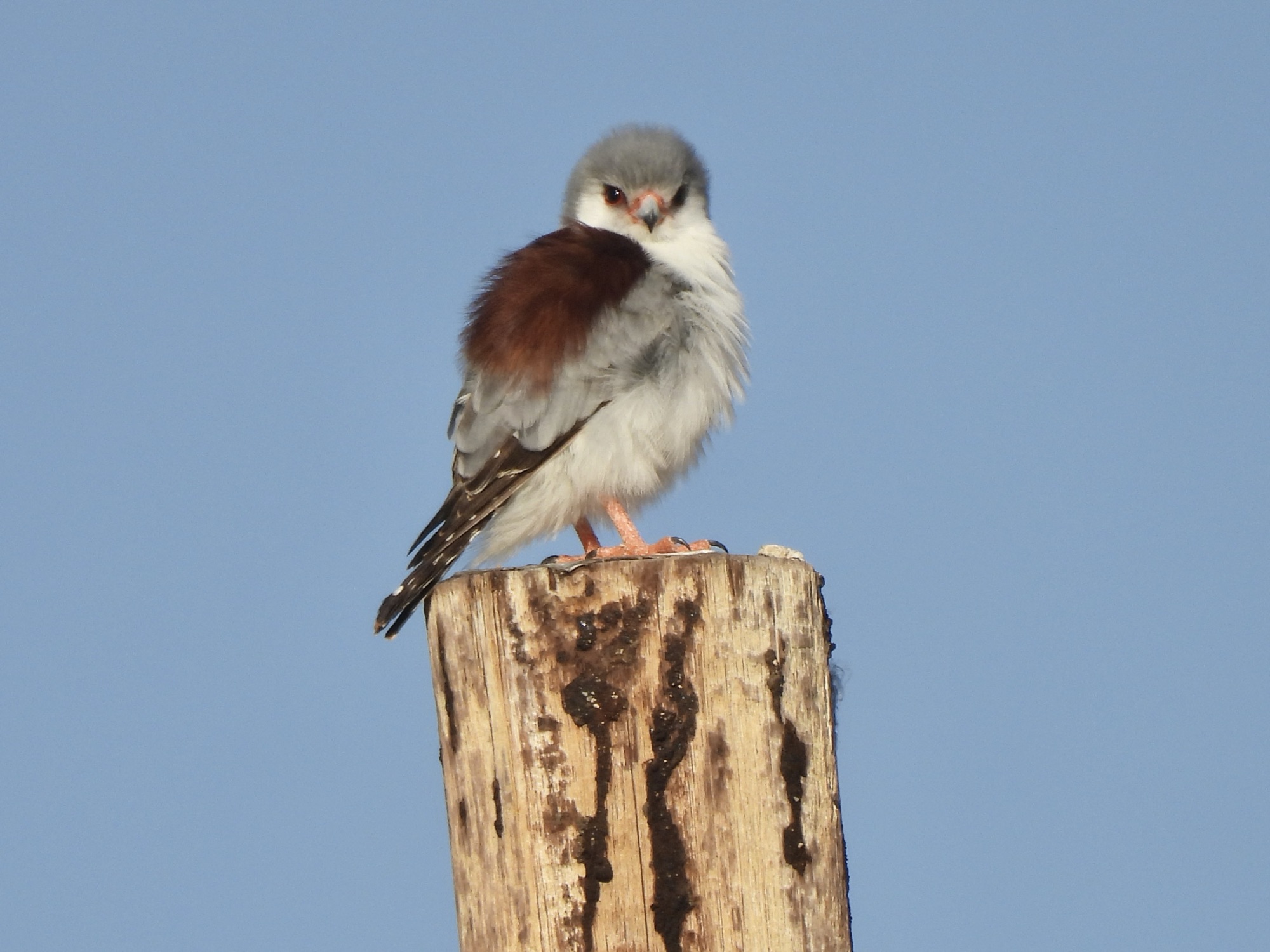
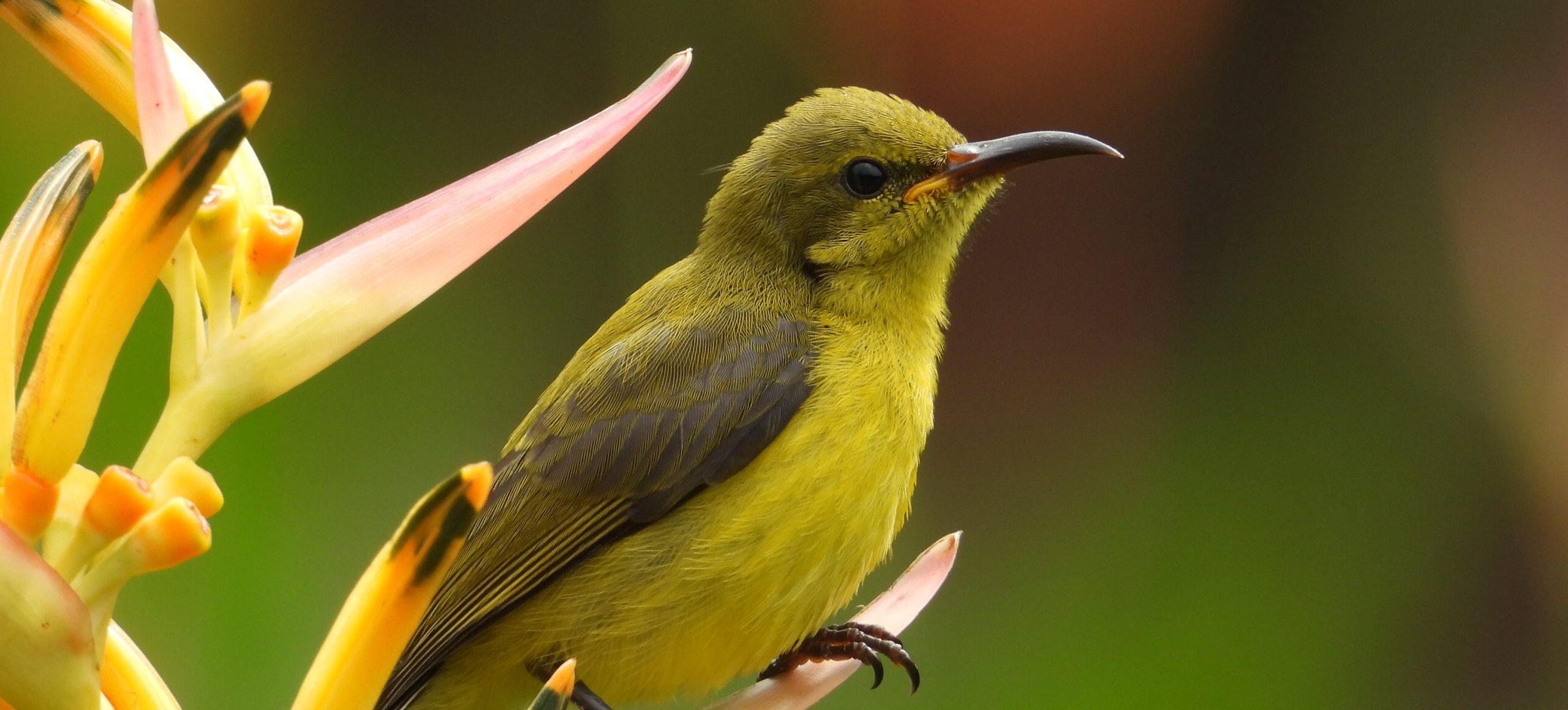
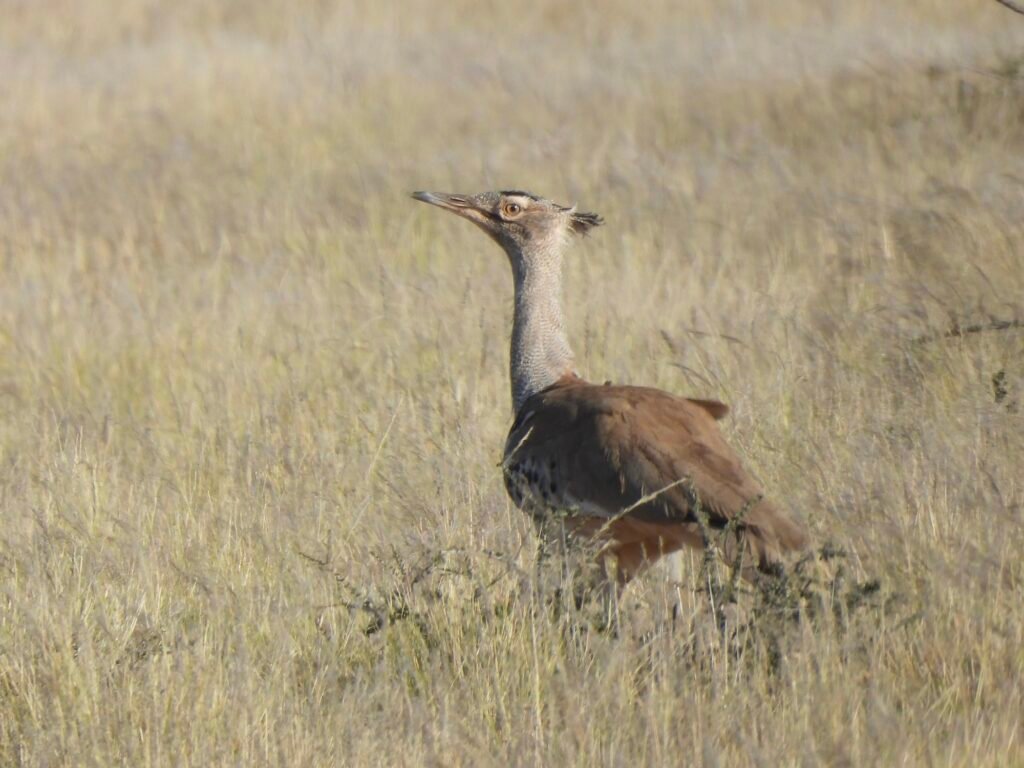
In fact, as soon as we left Onseepkans we were again surrounded by dry open savanna. Close to town, we found our first savanna-dwelling pygmy falcons (Polihierax semitorquatus) and dusky sunbirds (Cinnyris fuscus). Instead, when we stopped again in the large cities by the Orange River for fuel and food, we noted African fish eagle (Ichthyaetus vocifer) and hamerkop (Scopus umbretta). Then again, while heading northwards, the lush vegetation turned into dry savanna, where quick stops to observe our first (of many) white-backed vultures (Gyps africanus), northern black korhaan (Afrotis afraoides) and kori bustards (Ardeotis kori) provided the only pink-billed larks (Spizocorys conirostris) of our trip.
We had plans to visit Kgalagadi Transfrontier Park on the two following days, but alas all camps within the Park were booked by the time we planned our trip months ago. Therefore, we booked accommodations in Askham, a town about an hour south of the Two Rivers park gate. At our arrival, we noted our first Cape starlings (Lamprotornis nitens), lilac-breasted rollers (Coracias caudatus), fork-tailed drongos (Dicrurus adsimilis), white-browed sparrow-weavers (Plocepasser mahali) and crimson-breasted shrike (Laniarius atrococcineus).
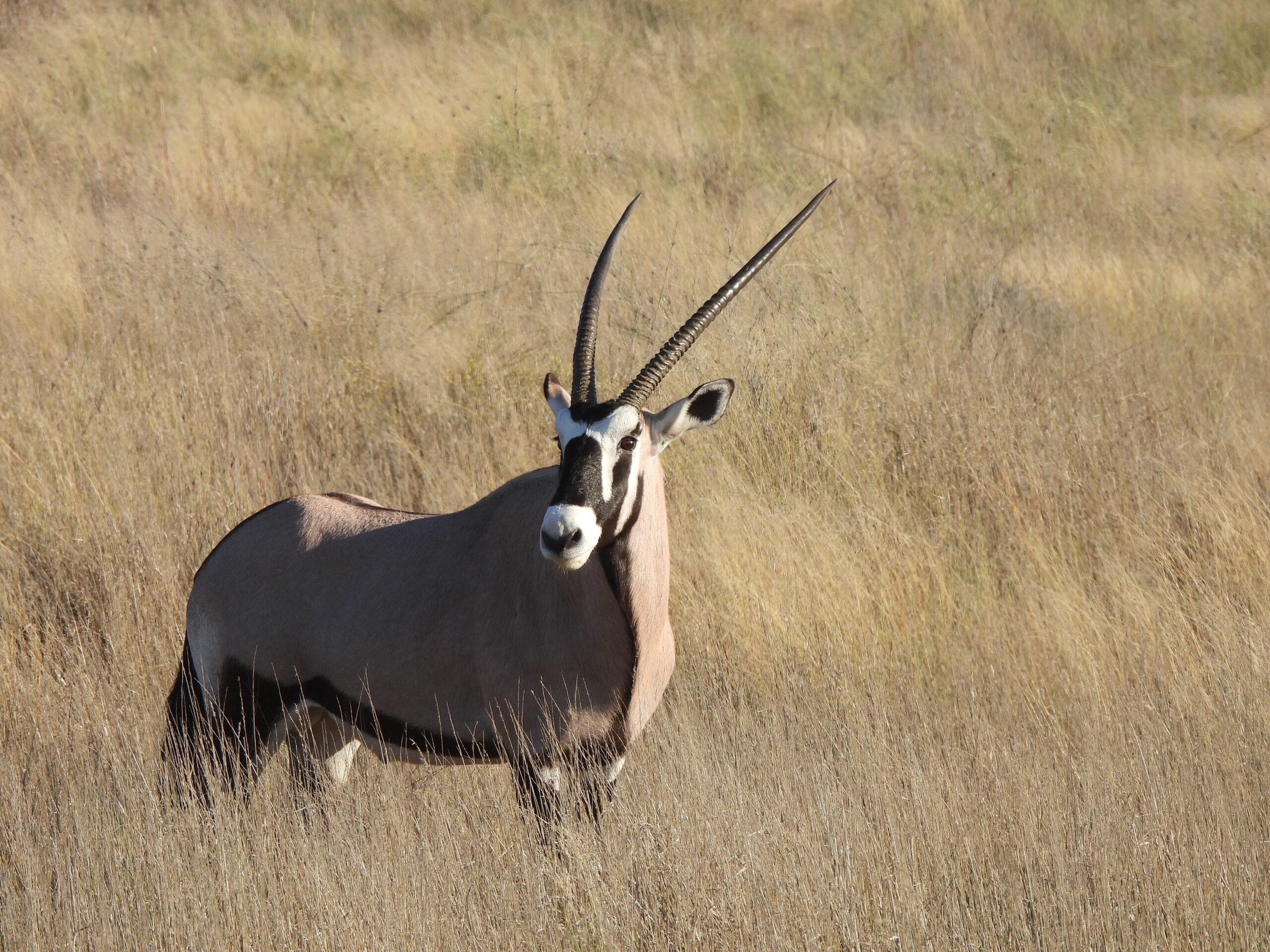
Askham proved quite nice at night. Several barn owls (Tyto alba) were conspicuous in town and kept calling for hours. Several improvised night drives on the roads around town, where we spotlit small-spotted genets (Genetta felina), southern springhares (Pedetes capensis) and stunning southern white-faced owl (Ptilopsis granti) and Verreaux’s eagle-owl (Ketupa lactea).
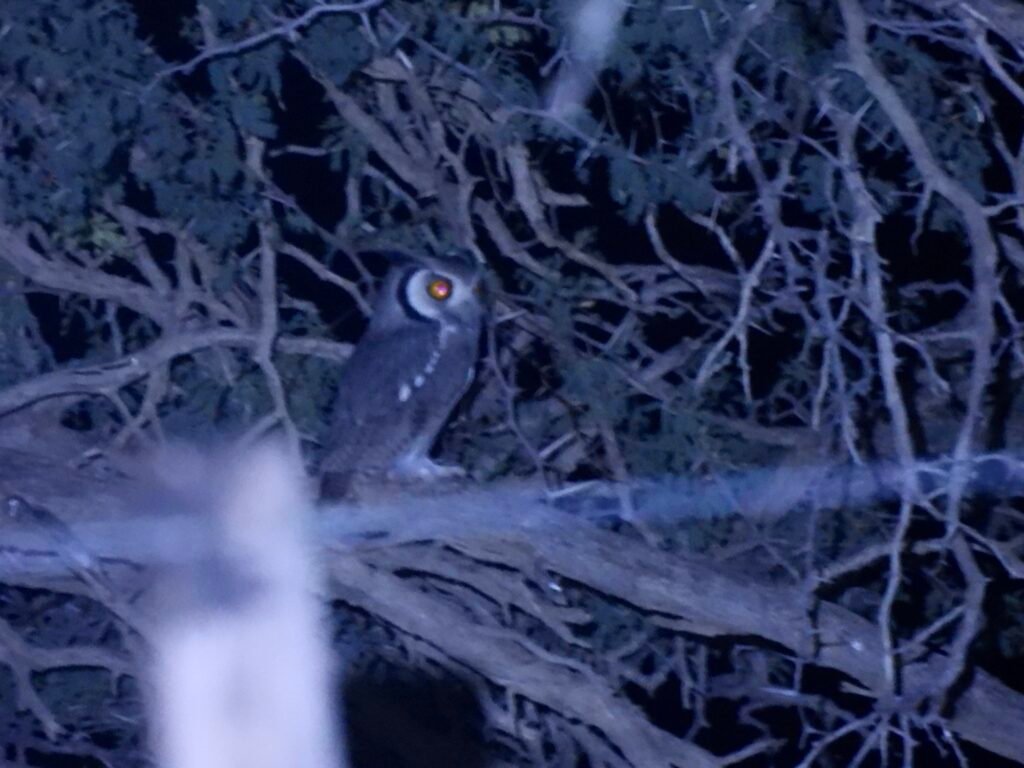
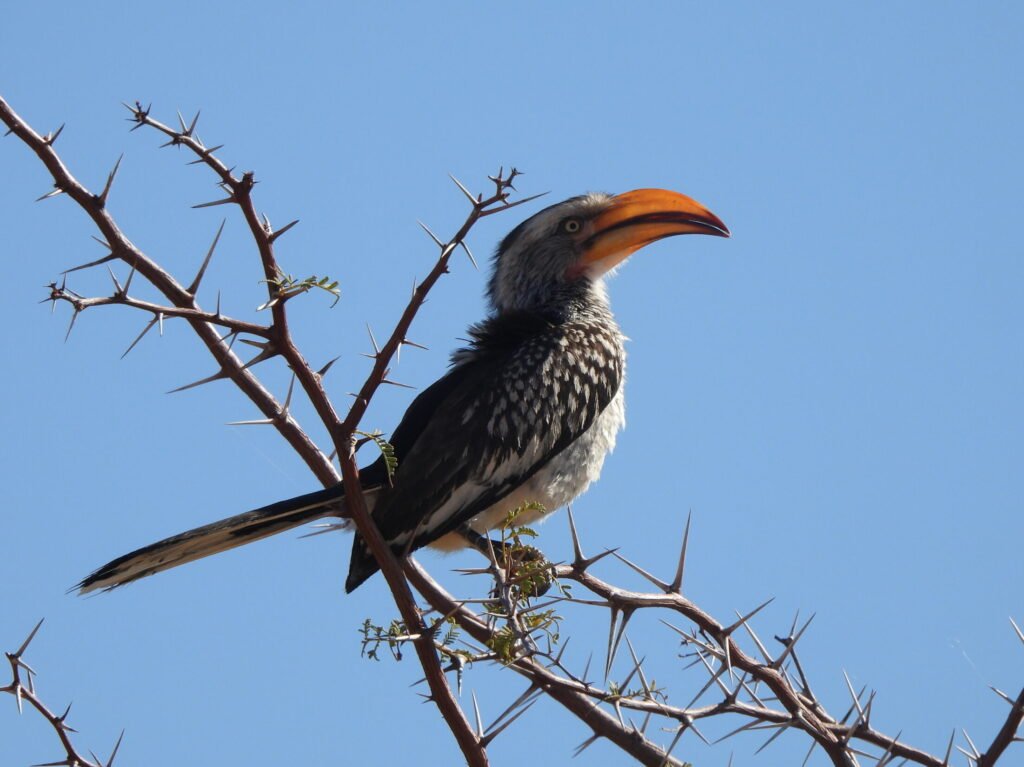
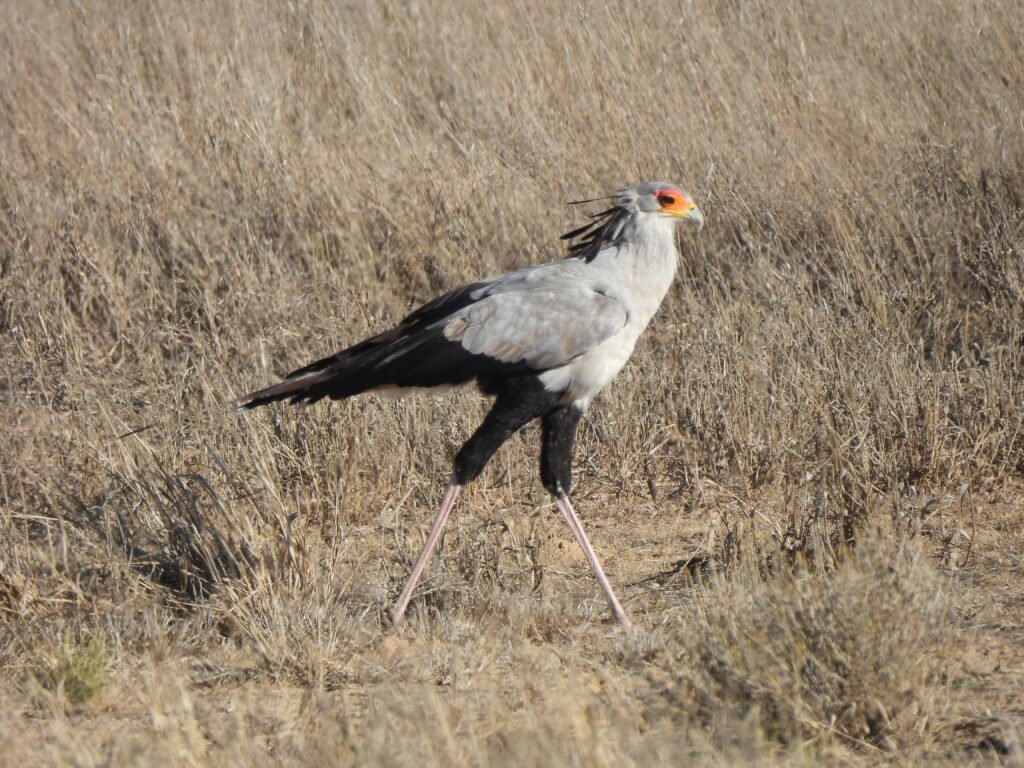
For our days visiting Kgalagadi Transfrontier Park, we set off early trying to make it by opening time at 06.00 and tried to stay until closing time at 18.00 on our two days visiting the park. Our first day in the park was more “feather-centered”, although we got incredible views of springbok (Antudorcas marsupialis), gemsbok (Oryx gazella), blue wildebeest (Connochaetes taurinus), greater kudus (Tragelaphus strepsiceros) and giraffes (Giraffa giraffa). The camp already offered good looks at Marico flycatchers (Bradornis mariquensis), groundscraper thrush (Turdus litsitsirupa), Kalahari scrub robins (Cercotrichas paena), southern fiscals (Lanius collaris) of the distinct ‘Namib’ form, large rock martins (Ptyonoprogne fuligula) and southern yellow-billed hornbills (Tockus leucomelas) around camp. Few kilometers in, we already bumped into our first secretarybird (Sagittarius serpentarius).
Secretarybirds put on a real show during our stay in Kgalagadi. We enjoyed incredible looks of these birds, mostly foraging in pairs, at times flying short distances very low over the ground. Even once, we witnessed one bird hitting and eating a snake.
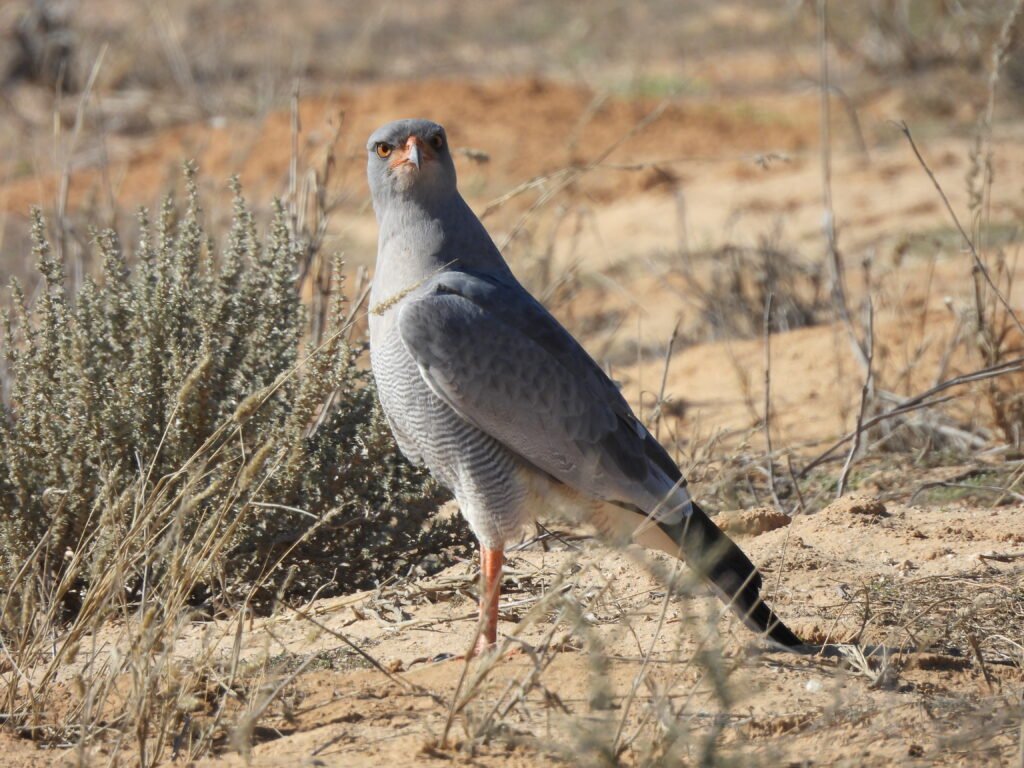
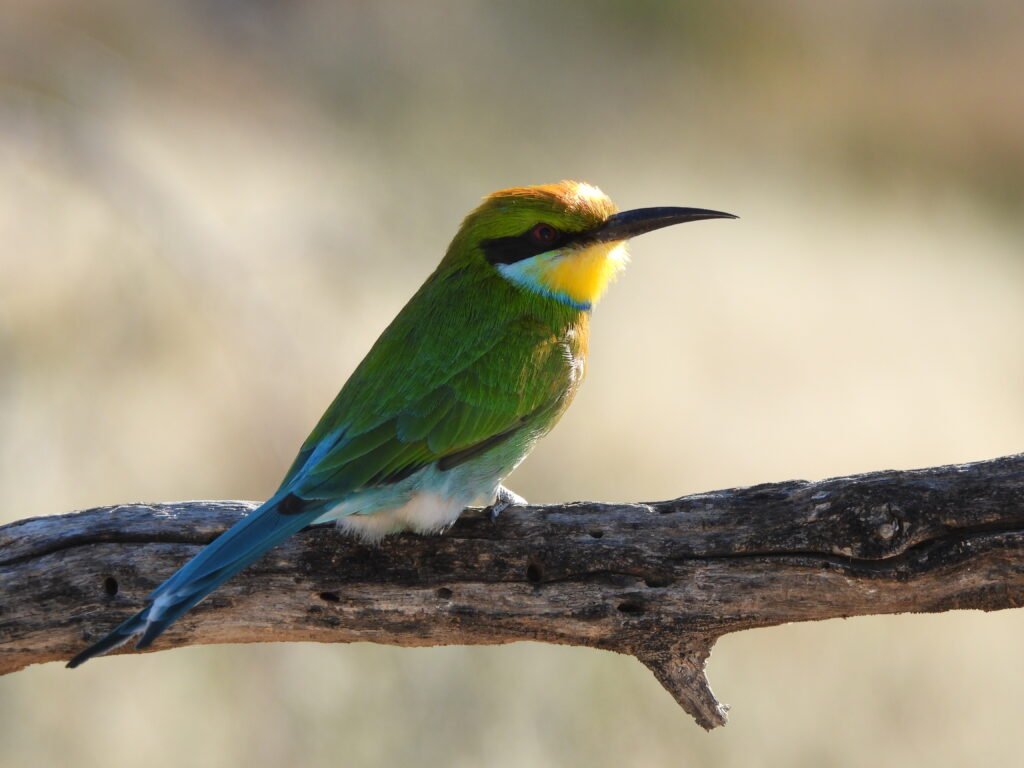
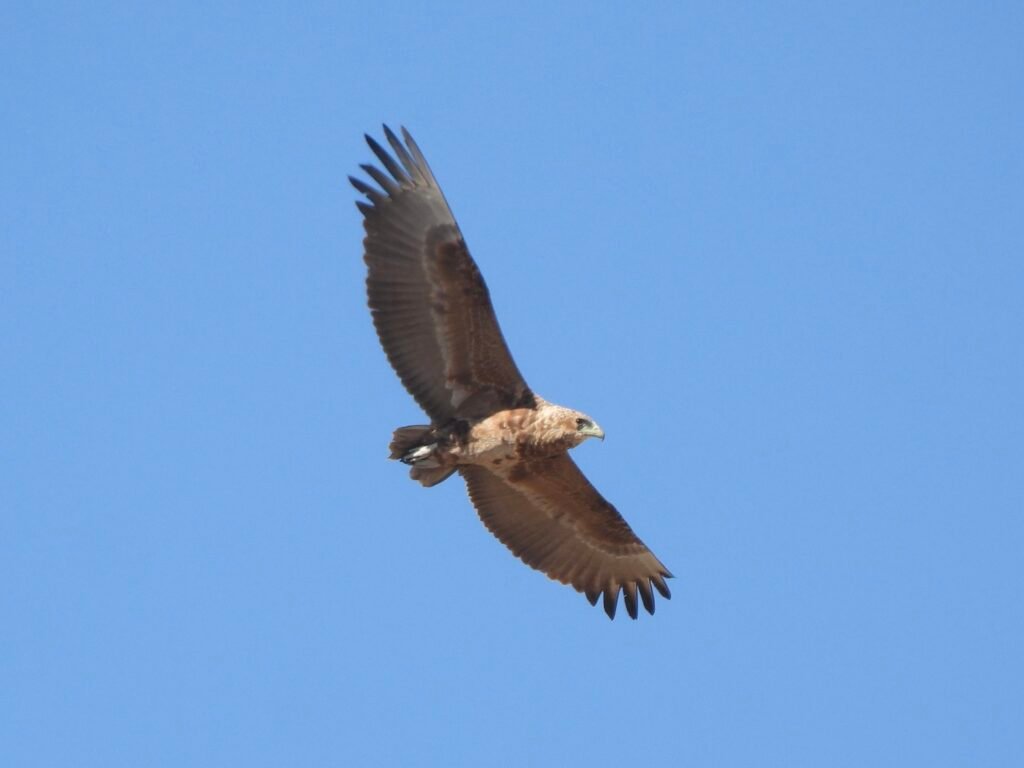
Lifers followed one after the other as we drove north from the gate, first following the border with Botswana and the turning left towards Mata Mata. The bird list included ostrich (Struthio camelus), tawny eagle (Aquila rapax), gabar goshawk (Micronisus gabar), swallow-tailed bee-eater (Merops hirundineus), African grey hornbill (Lophoceros nasutus), ashy tit (Melaniparus cinerascens), common scimitarbill (Rhinopomastus cyanomelas), black-faced waxbill (Brunhilda erythronotos) and purple roller (Coracias naevius).
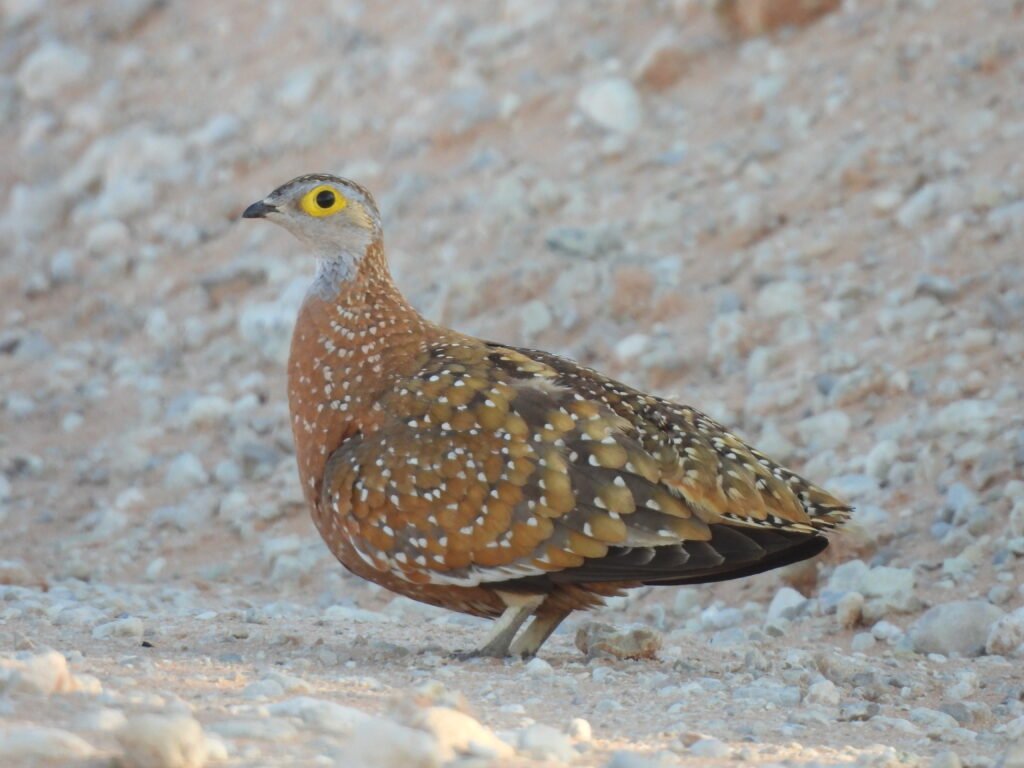
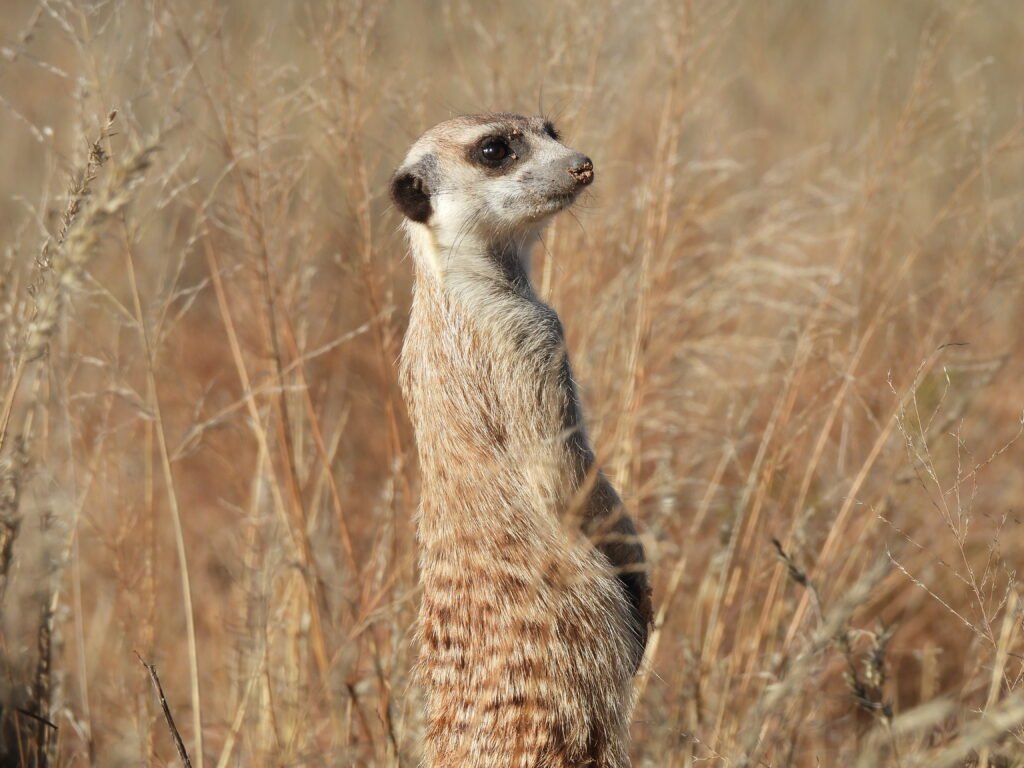
Some waterholes were favored by hundreds of Namaqua (Pterocles namaquus) and Burchell’s sandgrouse (Pterocles burchelli). On a similar note, we connected with dozens of crowned lapwings (Vanellus coronatus), Kori bustards and especially northern black korhaans during the day. We also observed numerous meerkats (Suricata suricatta), at times at very close distance, and we enjoyed their catchy personalities for a while.
The picnic sites in Kgalagadi are favored by many birds. On Auchterlonie, numerous Cape starlings and crows looked for foodscraps, as well as some confiding yellow mongoose (Cinyctis perspicillata) and northern black korhaans. We got close looks at rufous-eared warblers (Malcorus pectoralis) and desert cisticols (Cisticola aridulus) on the bushes around the picnic site.
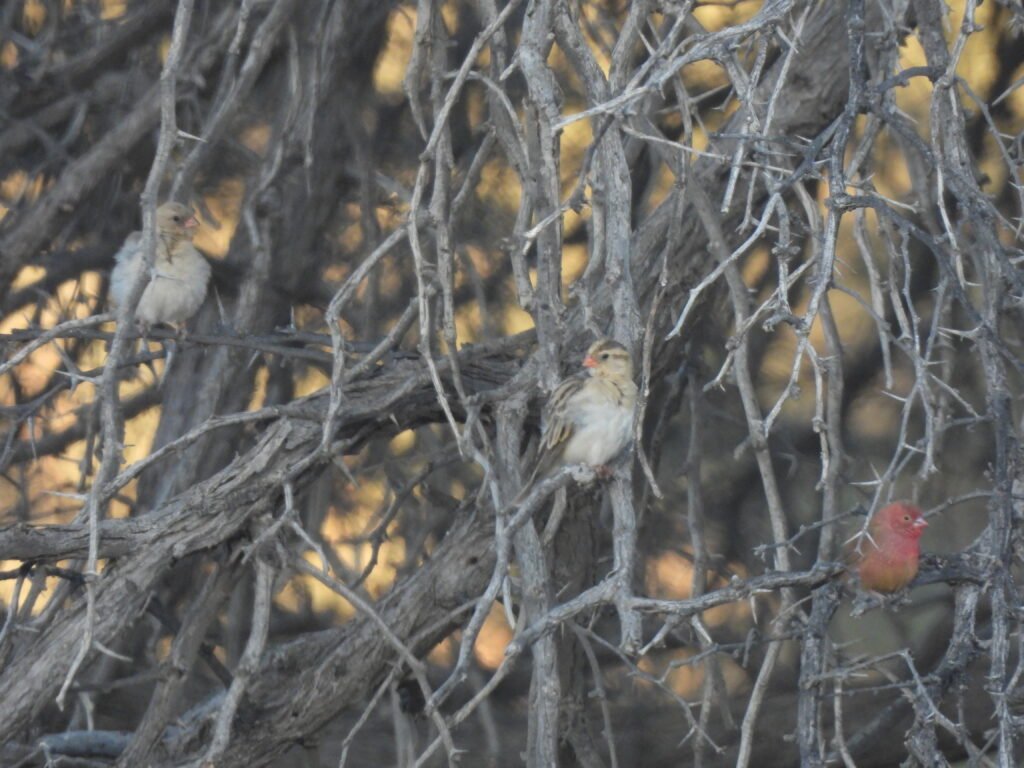
The afternoon was hot and the mammal activity lowered. Finding a martial eagle (Polemaetus bellicosus) sitting on a dead tree kept us entertained for a while. While stopped, some enjoyed this formidable bird while others scoped the nearby acacias, noticing an important bird activity under the tree shadow. Brubru (Nilaeus afer), black-faced waxbills, pririt batis (Batis pririt), green-winged pytilias (Pytilia melba), violet-eared waxbills (Granatina granatina), red-billed firefinch (Lagonosticta senegala) and shaft-tailed whydahs (Vidua regia) revealed themselves under the canopy.
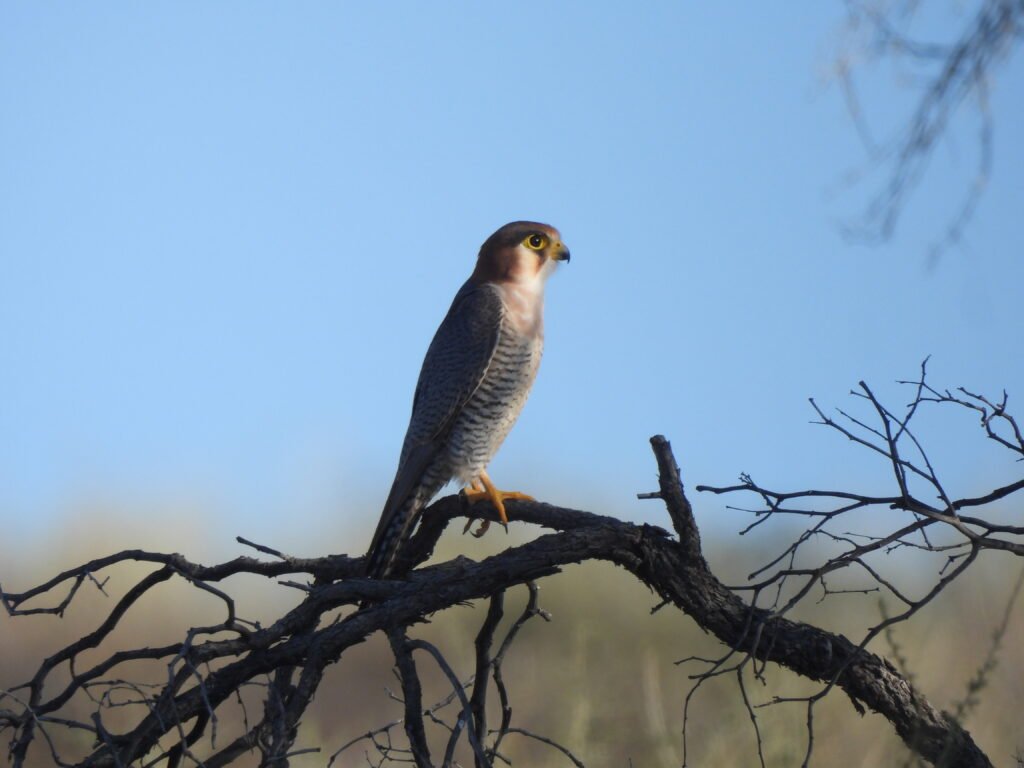
After looking at numerous pale chanting-goshawks (Melierax canorus), black-winged kites (Elanus caeruleus), pygmy and lanner falcons (Falco biarmicus), we eventually located a red-necked falcon (Falco chicquera) — a widespread raptor in Africa and Asia, but restricted to this region within the country.
Connecting with savanna birds on our first day had been nice, but there were many mammals left to see. Therefore, our second day had to be more “fur-centered”. Our plan was driving faster and longer, aiming to cover the small loop of the park, first heading north and then southwest to later connect with the road of the last day.
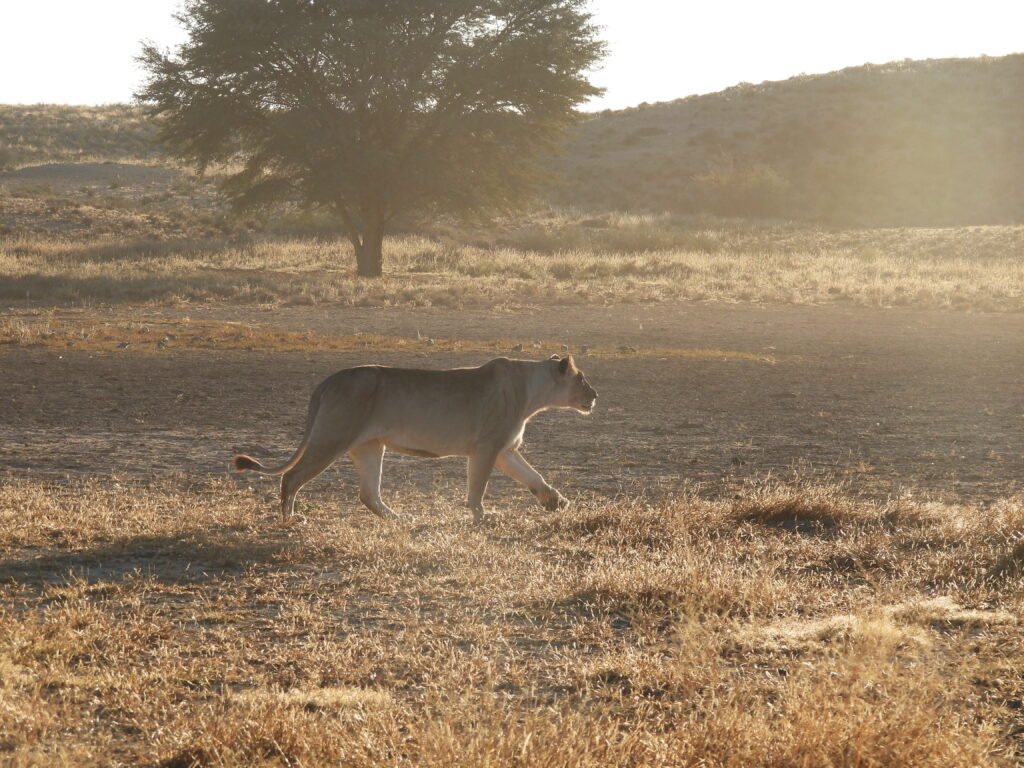
This strategy paid off fast, as we bumped into our first swarm of cars around a waterhole. A lioness (Panthera leo) drank in the misty morning, watched by many before calmly walking away. Our first large carnivore of the trip was followed by our first bateleur (Terathopius ecaudatus). In fact, a stop at the first picnic site towards the north offered awesome views at numerous white-backed vultures, bateleurs and lanner falcons — one of which almost hunted a crowned lapwing right in front of us.
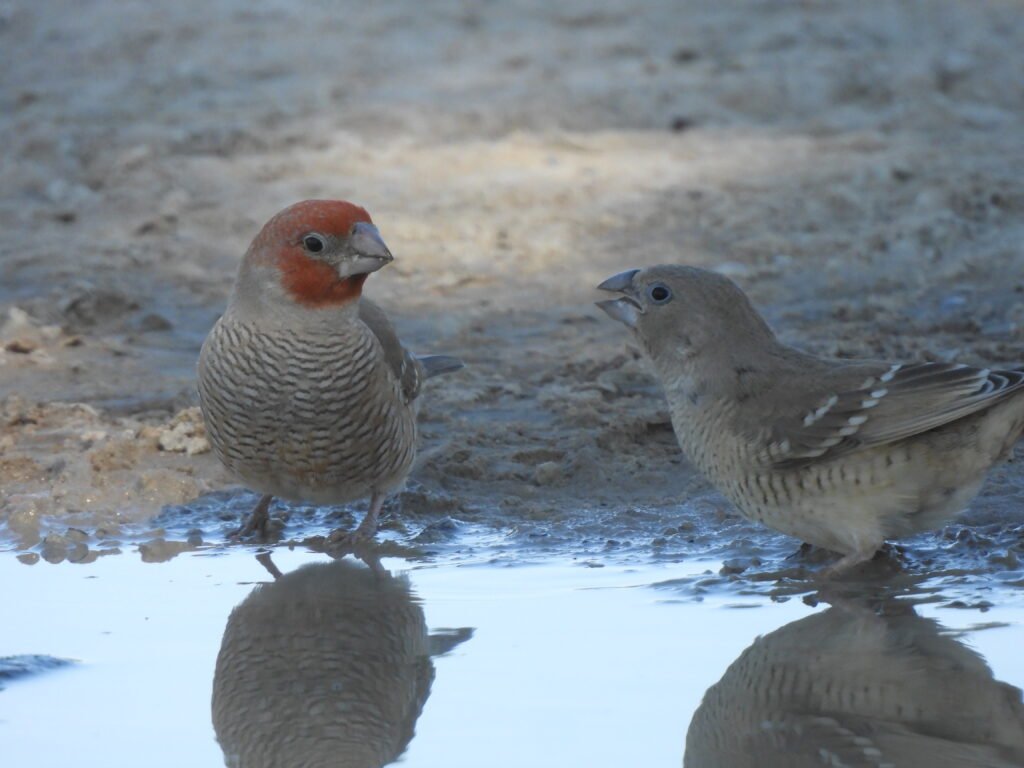
A small puddle also attracted numbers of red-headed finches (Amadina erythrocephala), southern gray-headed and Cape sparrows, Cape starlings, scaly-feathered and southern masked weavers (Ploceus velatus), white-browed sparrow-weavers and Namaqua doves (Oena capensis).
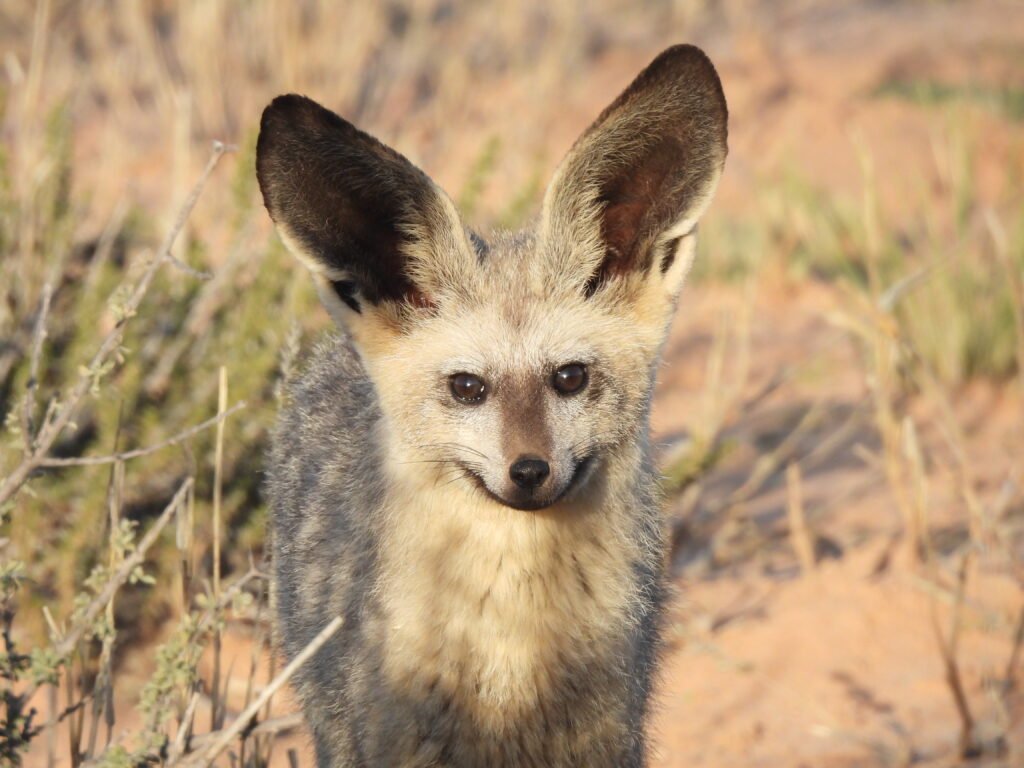
The habitat did not seem to change as drastically as the birds did, when moving from the road northwards to that eastwards. The former had no bustards while the later was again filled with them, for instance. There we also bumped into warthogs (Phacochoerus africanus), an African wild cat, a sleeping male lion and meerkats, giraffes and gemsbok all showing off at very close distance. Before leaving the park in the evening, we bumped into a cooperative group of bat-eared fox (Otocyon megalotis) and a Verreaux’s eagle owl that was still half asleep, sitting in the open on an acacia.
The Kalahari was perhaps the biggest surprise for me during the trip, as I did not have big expectations but I enjoyed some good birding and relaxed game drives. Even if we still failed some carnivores and mammals in general, finding an aardwolf was an extremely welcome surprise, more so out of any protected area. And still, days in Kruger are coming soon.