On my trip to south India last year with friends, the idea of visiting some highland areas was one of my top priorities. The name of the Western Ghats or the Nilgiri mountains gave me chills, as they have a mystique that is hard to explain. While researching target species for our trip, this was the place I was most excited about visiting. My friend Mebin Varghese, who orchestrated our entire stay in India, had included a short visit to Eravikulam National Park in our tight schedule. Therefore, when we drove out of Thattekad towards these highlands, I felt like a child filled with joy, restless to arrive at our destination.
We made it to the gate of Eravikulam National Park relatively late in the day, driving on curvy roads with dusky crag martins (Ptyonoprogne concolor), hill swallows (Hirundo domicola) and chestnut-headed bee-eaters (Merops leschenaulti). The park ticket includes a bus ride to a stretch of mountain with a paved road that can be hiked — where we would try our luck.
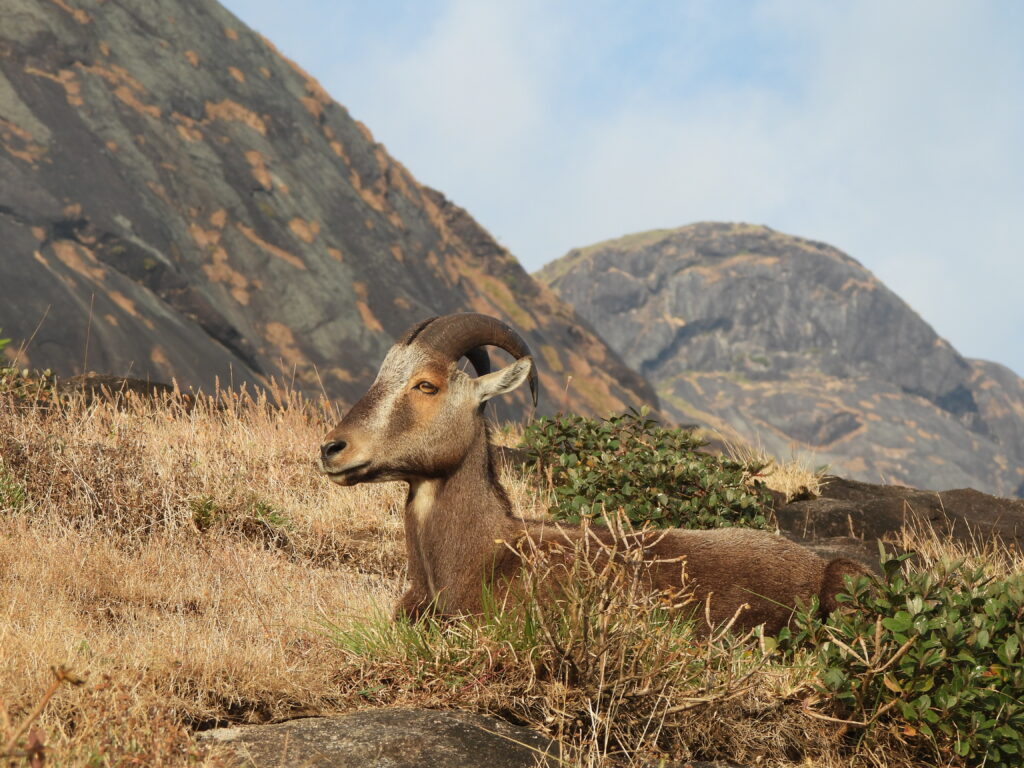
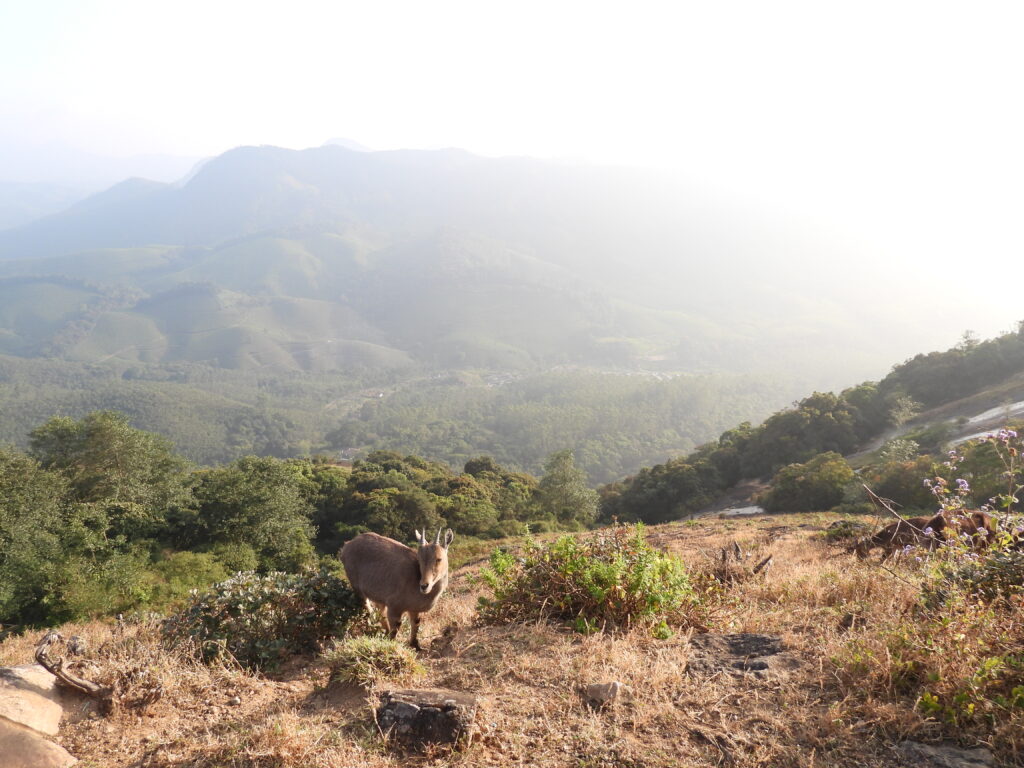
The endemic star of this National Park, the Nilgiri tahr (Nilgiritragus hylocrius), is a critically endangered ungulate belonging to an endemic genus. With less than 800 individuals left, we initially believed we would have no chance to see tahrs. However, herds of them graze on the roadside of the accessible road, completely unafraid of people. This gives rise to some funny situations, with people taking pictures with them and touching them despite all signs forbidding it.
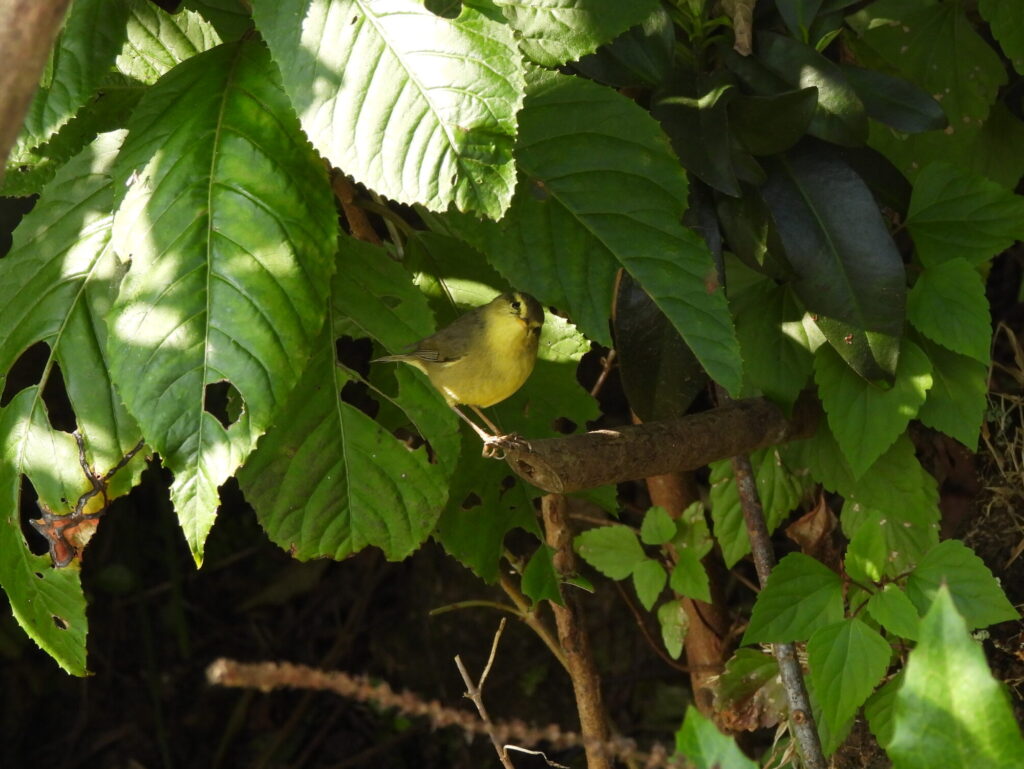
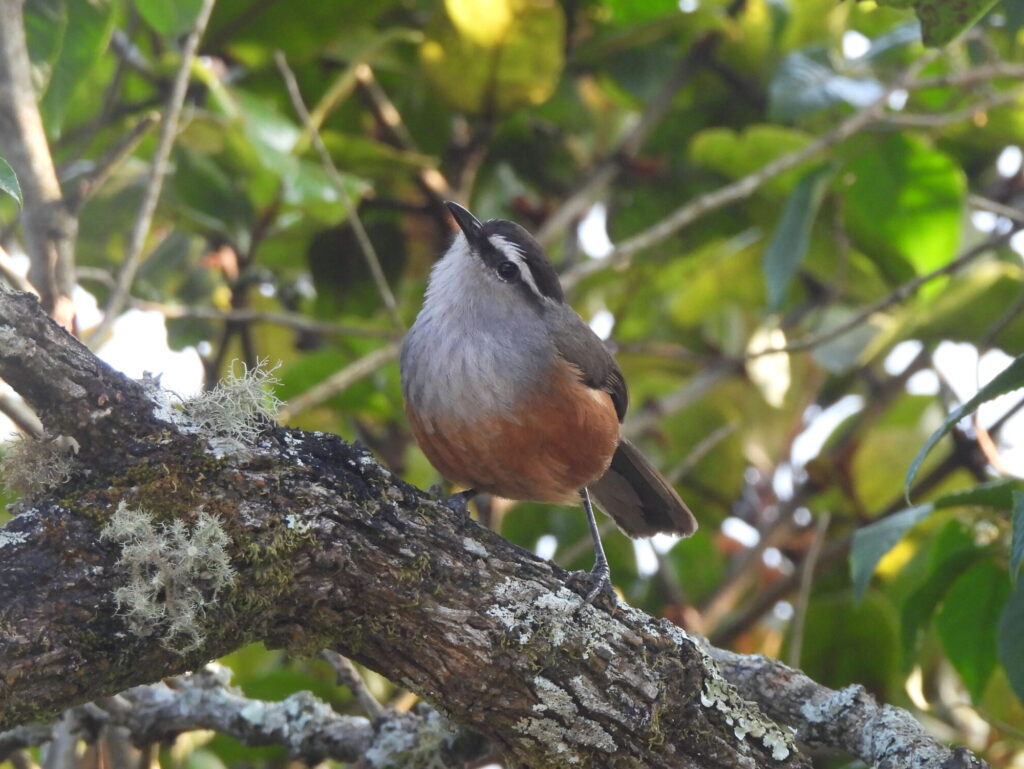
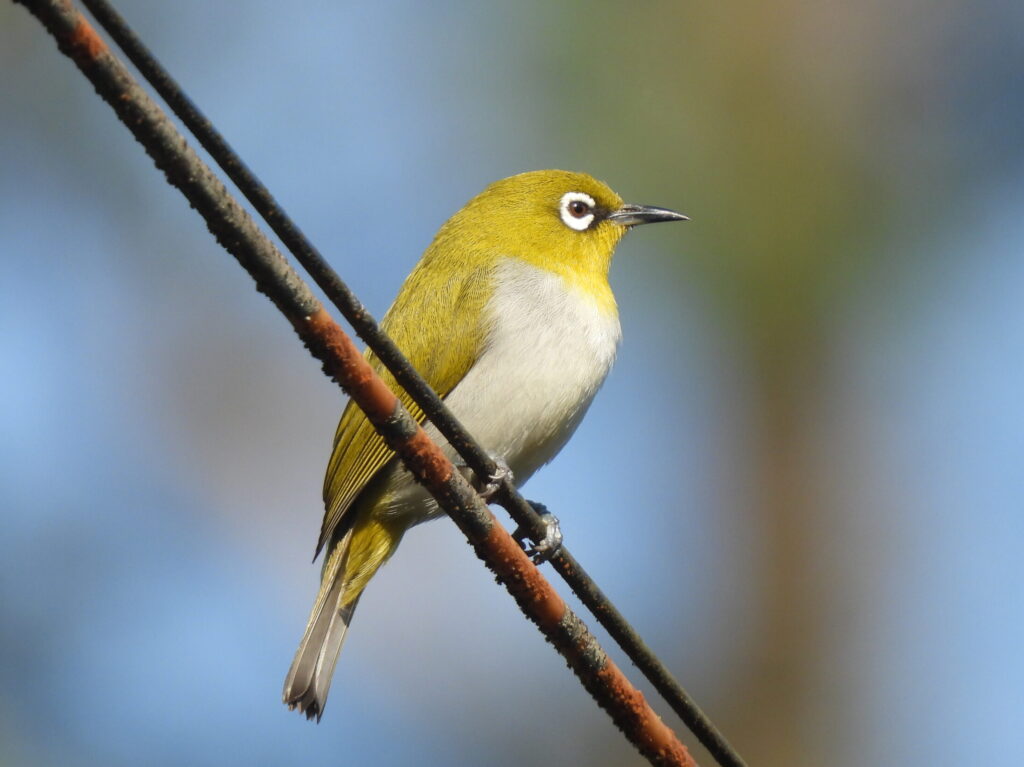
The entire slopes are covered in a thick carpet of shrubs, some with flowers at this time of the year. Although we did not have a lot of time, I tried watching through the vegetation on every corner. Obliging Indian white-eyes (Zosterops palpebrosus) and greenish warblers (Phylloscopus trochiloides) shared these shrubs with local specialties including Tickell’s leaf warbler (Phylloscopus affinis) and the narrow endemic Palani laughingthrush (Montecincla fairbanki) — both being relatively numerous. I briefly connected with the only Nilgiri flycatcher (Eumyias albicaudatus) of our trip, a male, while looking at these birds.
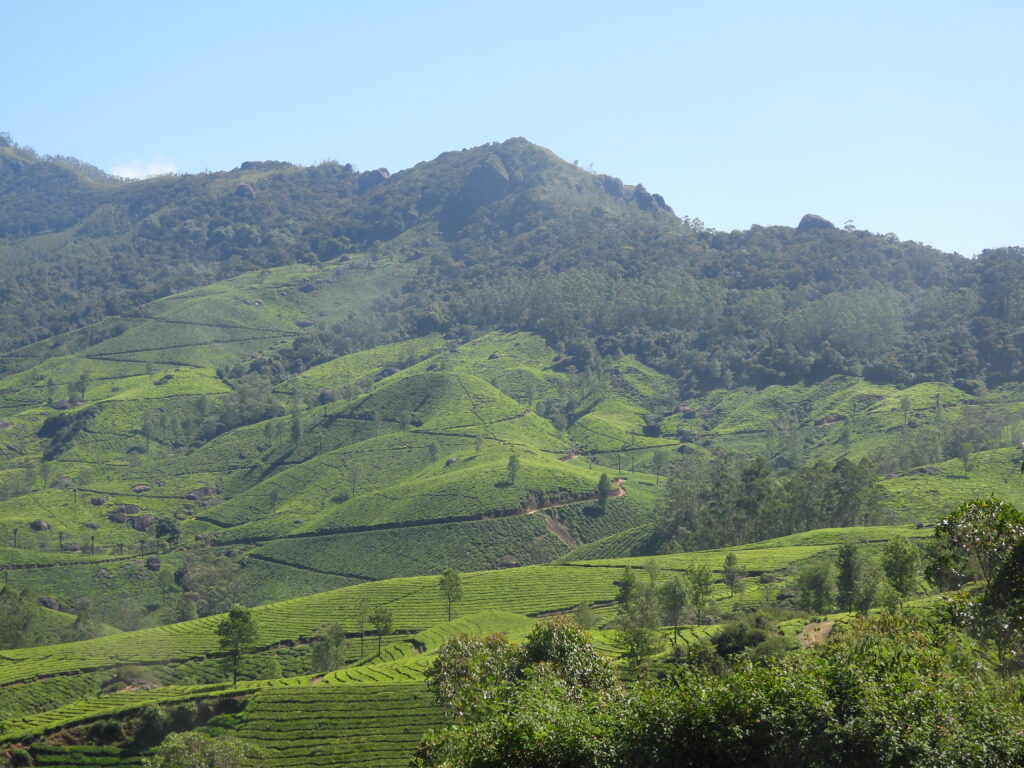
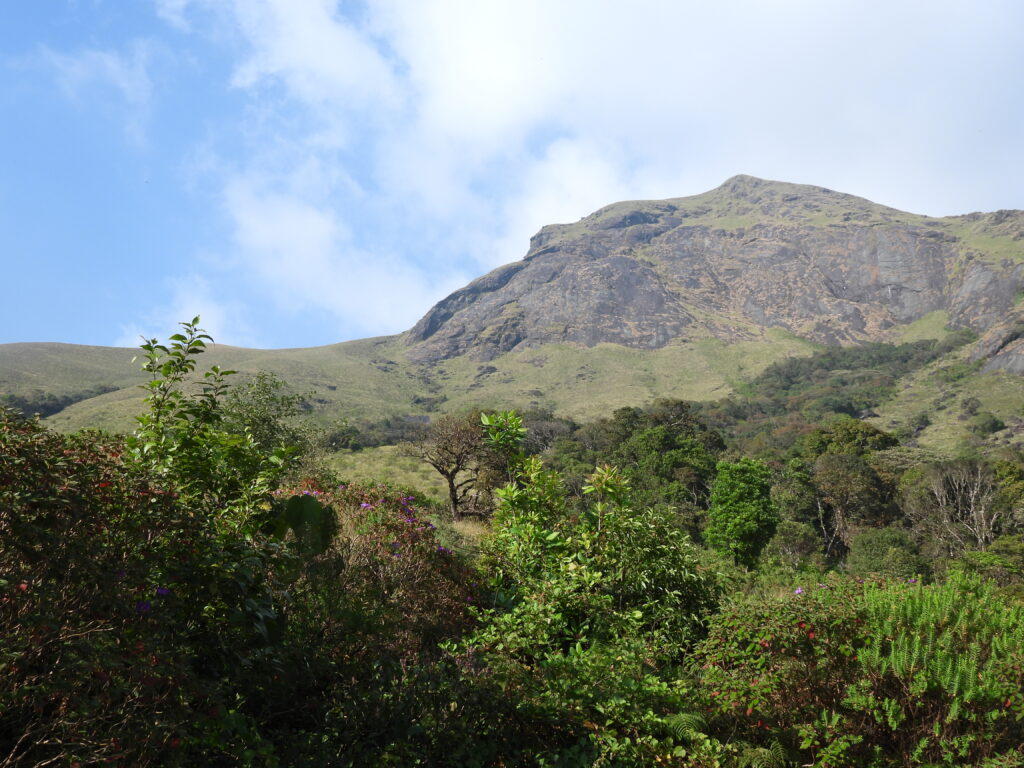
As we slowly got higher in altitude, the view became progressively more astonishing. The green and brown slopes of the Ghats covered in shrubs and grazed herbs gave place to some forest patches (locally known as “shola”) and vast tea plantations further downhill. Scoping farther away, my friends spotted a distant Nilgiri langur (Semnopithecus johnii) and a sambar (Rusa unicolor), while only Mihika and I could connect with a very skittish group of small ground birds that I didn’t initially have on my radar — the painted bush quail (Perdicula erythrorhyncha).
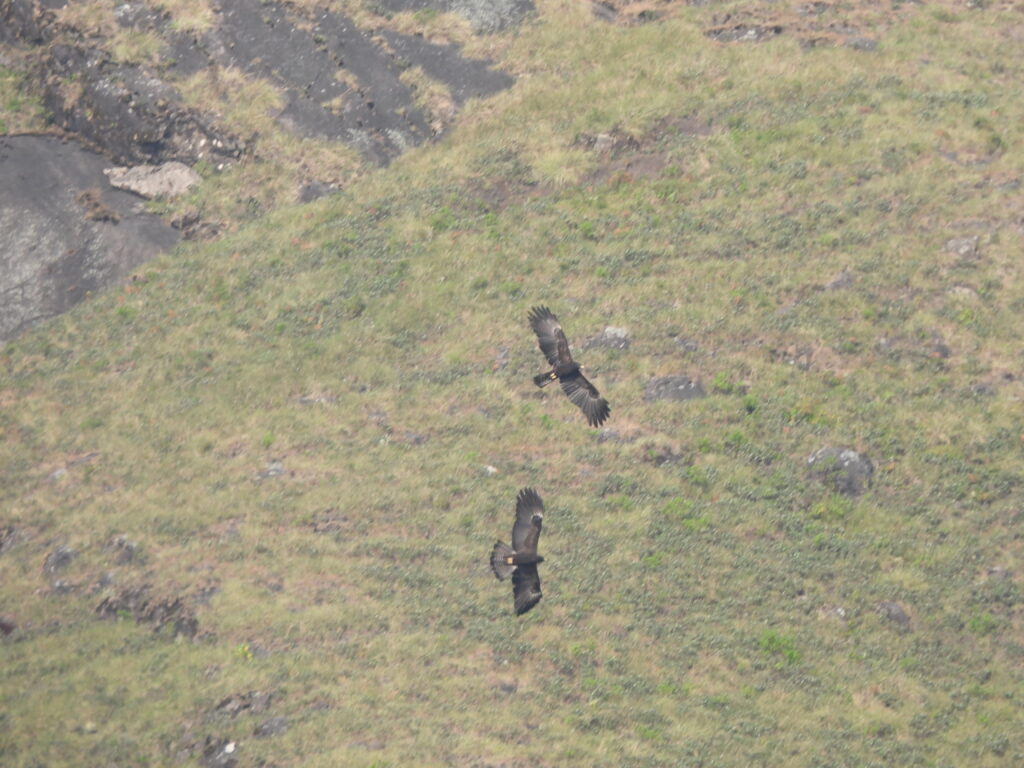
At a certain point, we were delighted to connect with two black eagles (Ictinaetus malaiensis) engaging in some sort of courtship flights, flying over the slopes of the mountain and chasing each other for a long time. The sight was a highlight in itself. However, I was particularly excited because on a previous two-month trip in part of its range I had only once briefly connected with this majestic species, and at great distance.
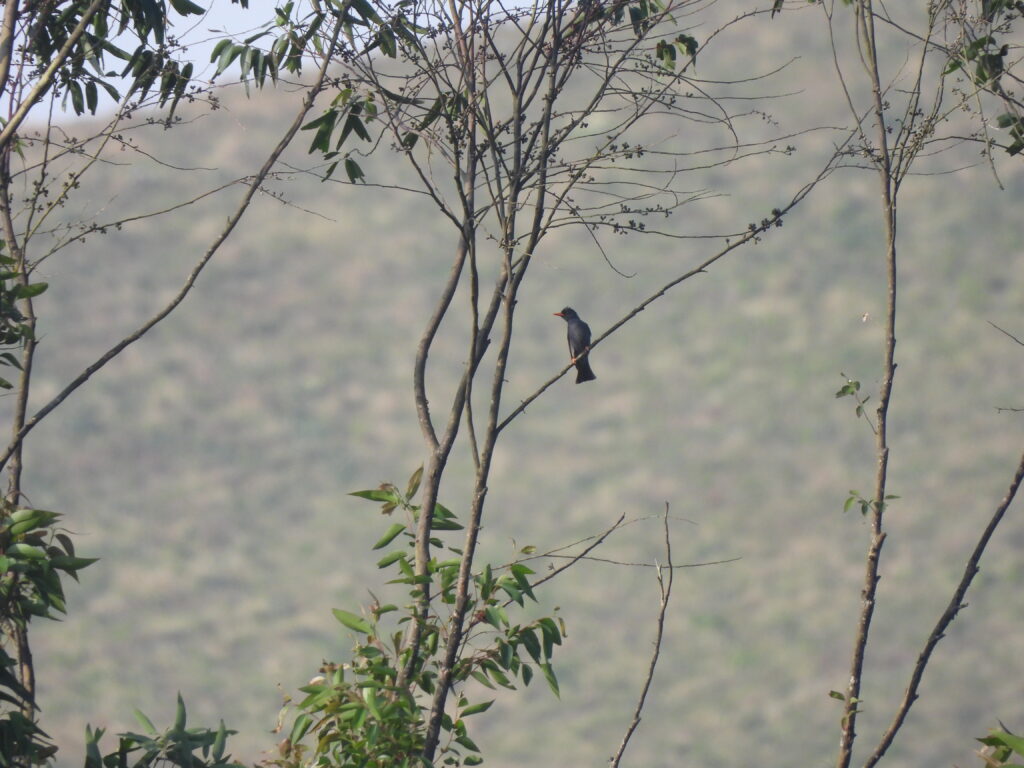
Further uphill, we crossed a couple of shola patches, which seemed to favor a different set of birds. We connected with a flock of square-tailed bulbuls (Hypsipetes ganeesa), several Nilgiri flowerpeckers (Dicaeum concolor) and gray-headed canary-flycatchers (Culicicapa ceylonensis) on our way uphill.
We made it to the top end of the accessible road, still missing a drab, unassuming endemic I was keen to see. We asked the post guard if he had seen any in the area, as I expected the species to be a highland pasture specialist — and indeed, he had just a bit earlier. We scoped the plants around, finding several pied bush chats (Saxicola caprata) and an unexpected plain prinia (Prinia inornata), but to no avail.
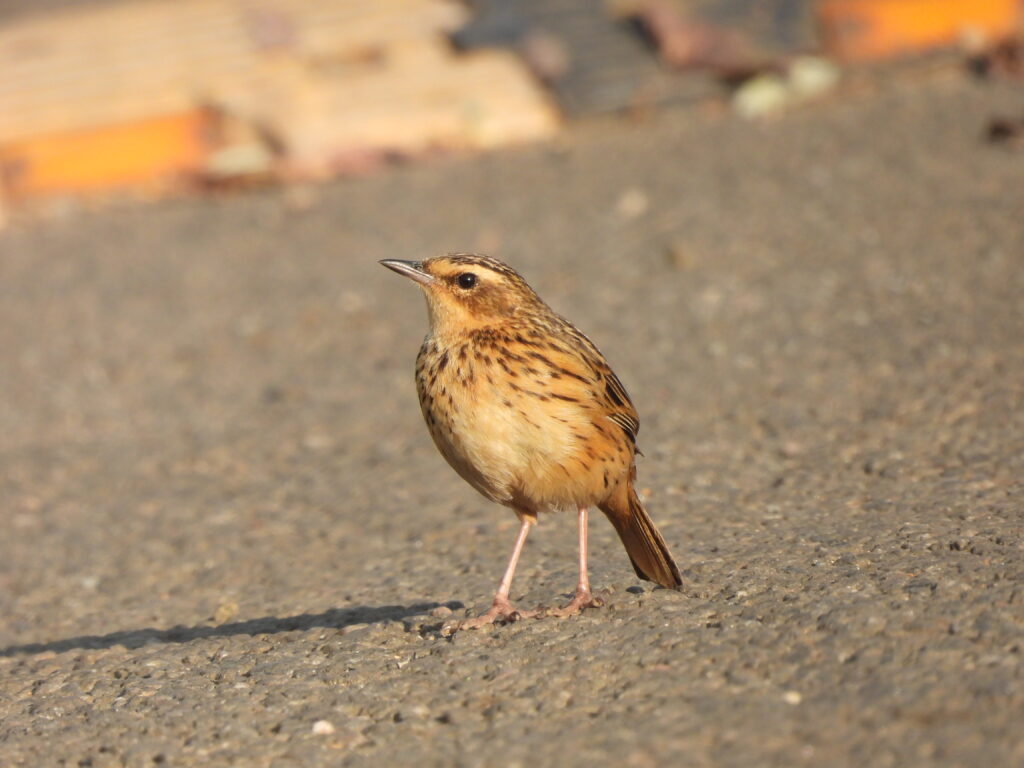
Only when we started hiking down did a medium-sized brown passerine fly in and sit in the middle of the road, just meters from us. A Nilgiri pipit (Anthus nilghiriensis) obliged with very close views — a birder’s bird, but surely one of the prettiest ones.
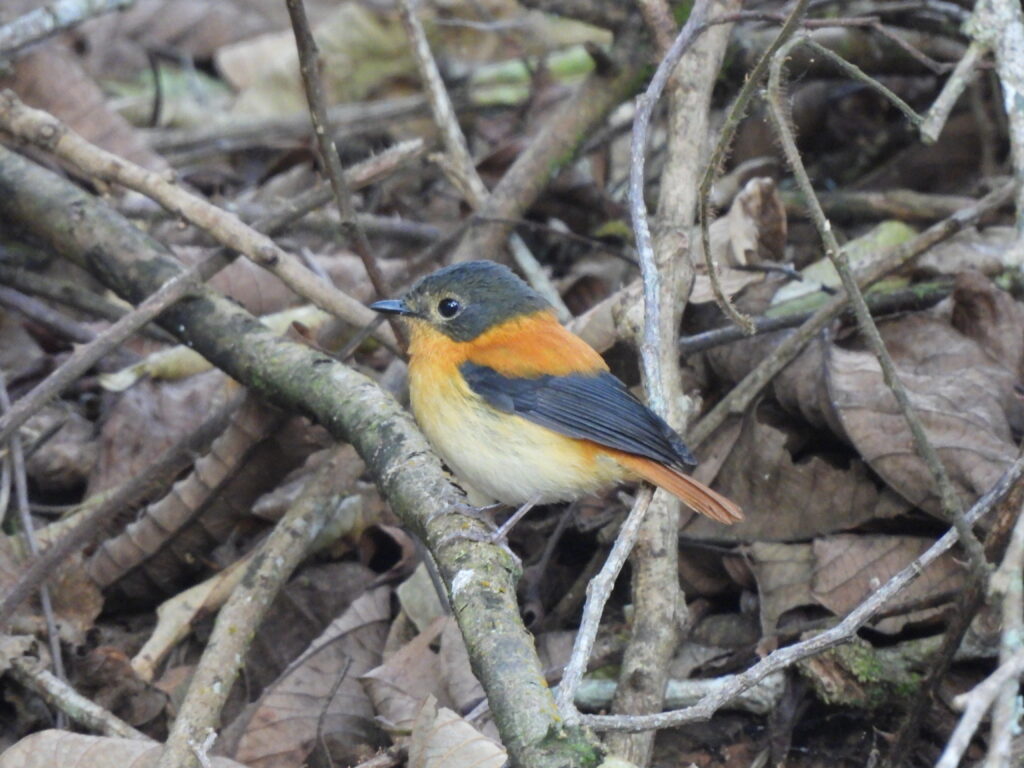
The cherry on top came while crossing the sholas back downhill. Visitors had mostly left because of the time, but a small passerine called from the shadow in the understory. A male black-and-orange flycatcher (Ficedula nigrorufa), an exquisite endemic of the Western Ghats, gave us some prolonged views in poor light while it flew from twig to twig as flycatchers do.
We walked downhill among herds of Nilgiri tahrs grazing in even larger numbers, making us believe we might have connected with over 2 % of the world’s population. I wonder whether the presence of visitors actually causes tahrs to prefer living in this area, or whether such density can be found elsewhere in Eravikulam and other areas of the Western Ghats where they still occur.
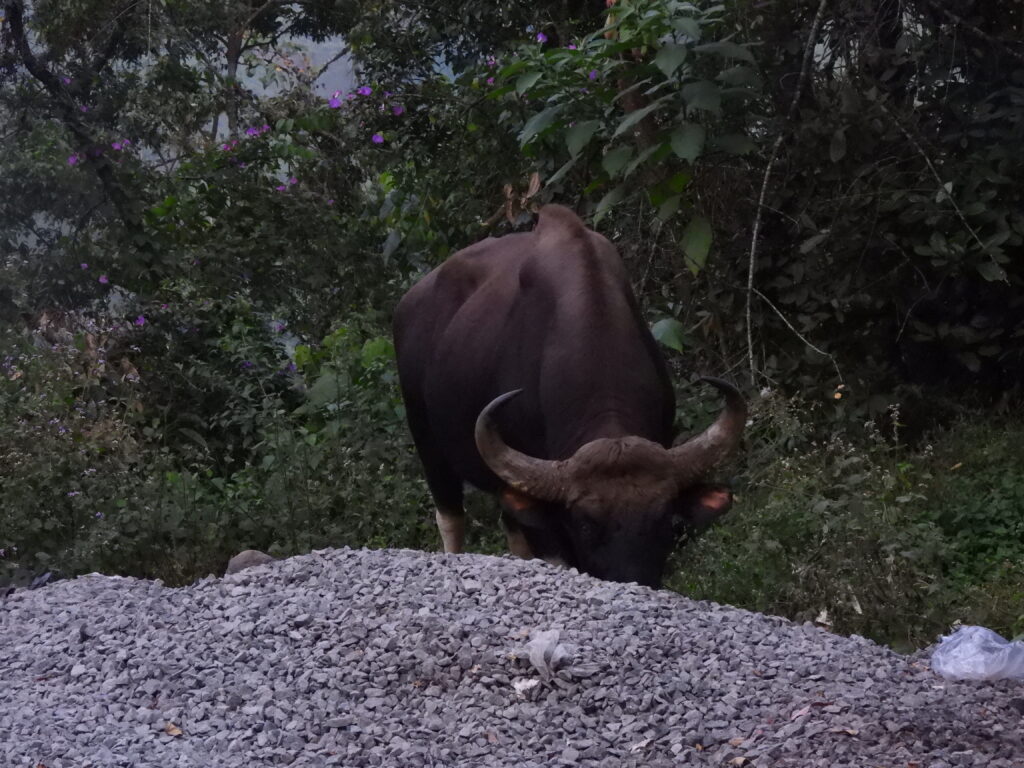
We took one of the last buses down to the park gate and were driven through the picturesque town of Munnar. While heading away, a massive male gaur (Bos gaurus) grazed on the roadside, imposing and ignorant of the traffic just meters next to it.
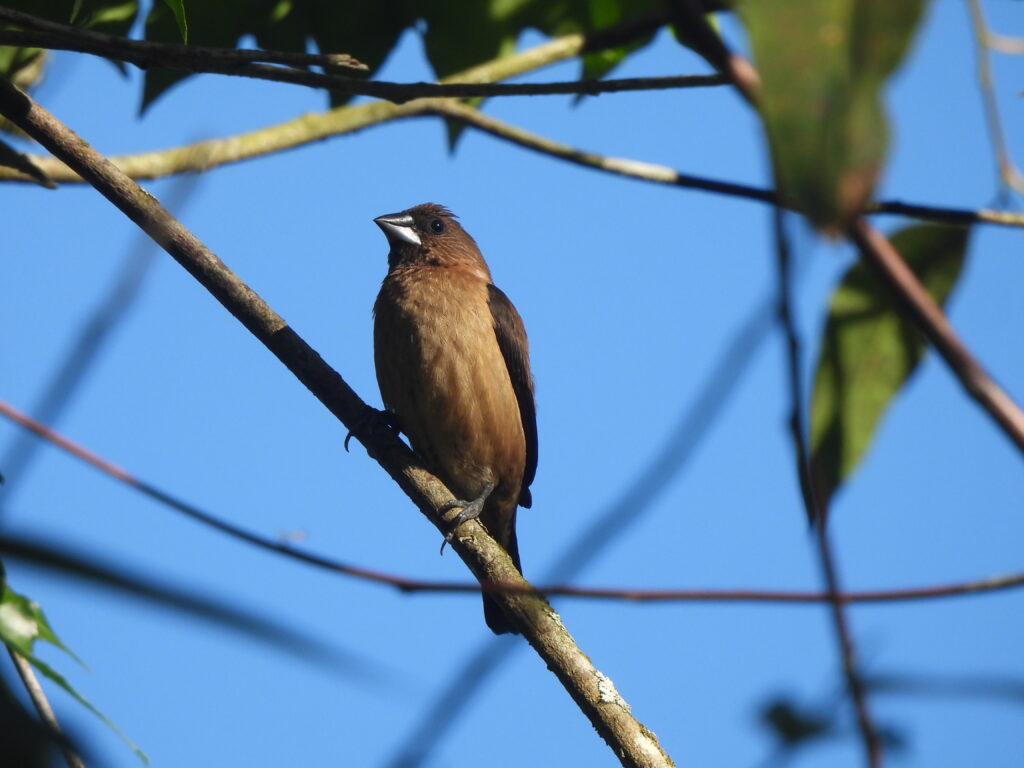
Mebin had treated us by choosing a fantastic place to spend the night: Munnar Tea County Resorts. The top-class rooms we stayed in were in buildings surrounded by a nice garden. Because we would leave early in the morning, I woke up before sunrise for a quick morning birdwatching before breakfast. I was treated with jungle mynas (Acridotheres fuscus), endemic black-throated munias (Lonchura kelaarti) and yet more views of Palani laughingthrushes as soon as I got out.
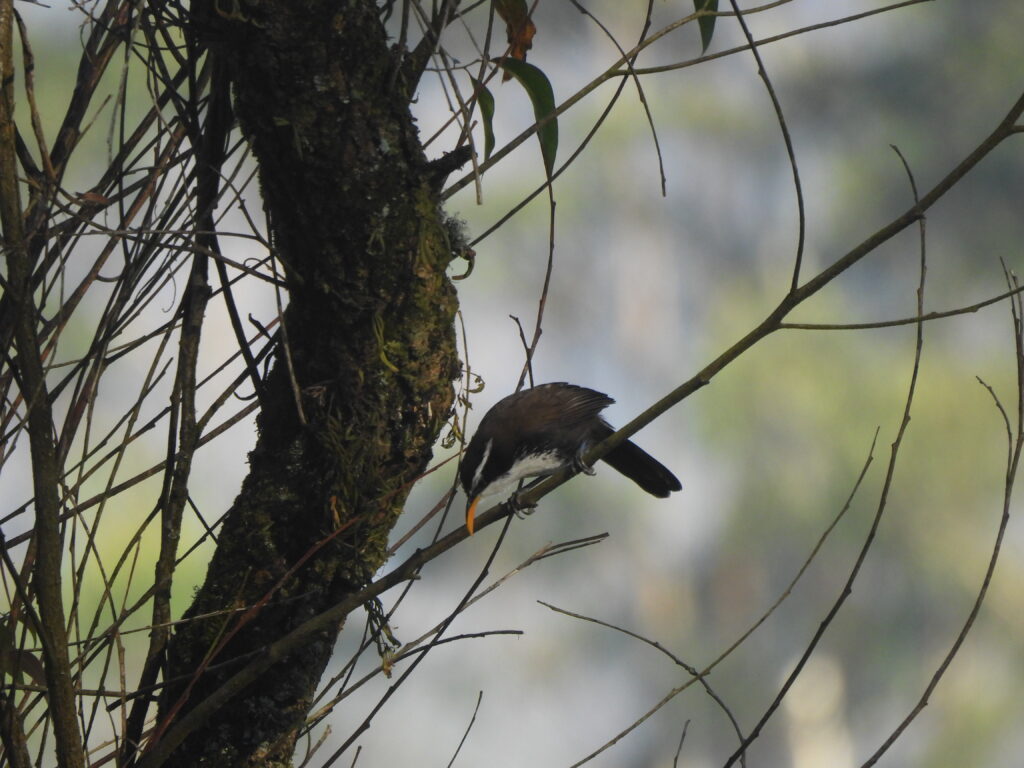
The songs of different birds filled the space. This allowed me to connect with some species I had tried learning the songs of before, including a Tytler’s leaf warbler (Phylloscopus tytleri) that remained out of sight and several small flocks of Indian scimitar babblers (Pomatorhinus horsfieldii) that eventually put on a show.
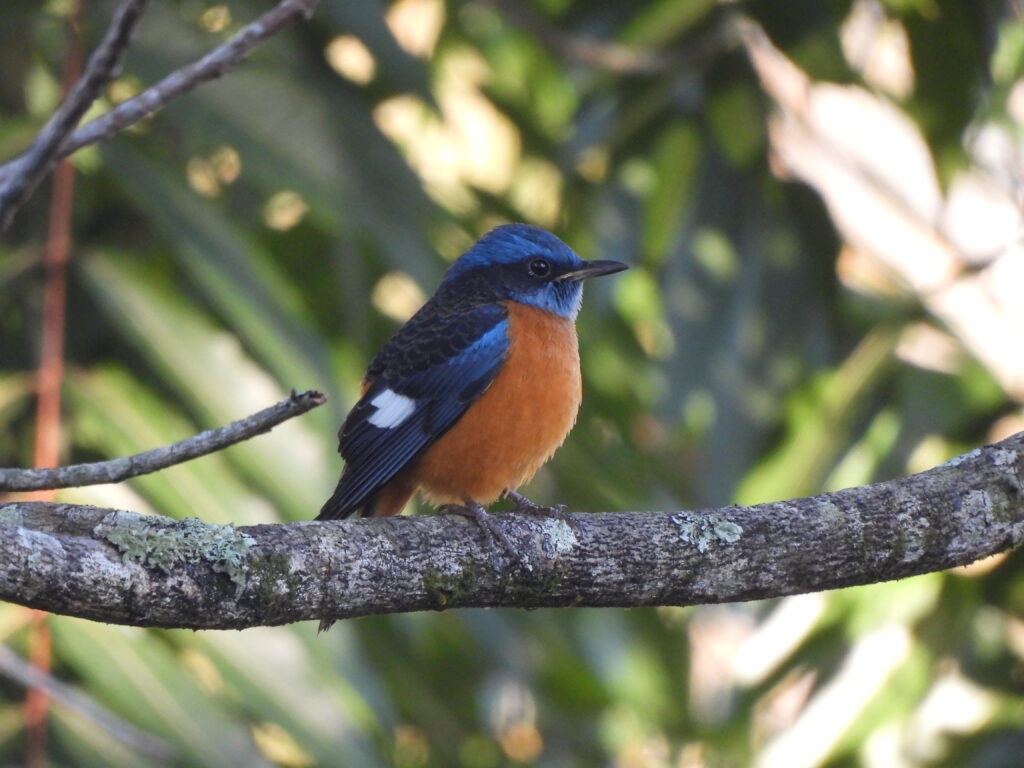
Oriental magpie robins (Copsychus saularis) and long-tailed shrikes (Lanius schach) could also be seen from the windows of the restaurant while having breakfast. However, the most stunning bird I saw in these gardens was a male blue-capped rock thrush (Monticola cinclorhyncha), a colorful migrant from the Himalayas.
Eravikulam filled my expectations and turned out to be a fantastic place to connect with narrow endemics in a great, accessible way. A not-too-demanding walk on a wide paved road is all it took to connect with a good set of endemics. Plus, travelling mostly by car and through hot and humid lowlands and foothills, it felt awesome to walk up and downhill in the fresh air of the mythical Western Ghats.