The winter season in Alicante is quite mild. Growing up surrounded by mountains in Alcoi, mornings can get quite cold and snow used to be an every-winter occurrence. However, now living downhill and closer to the coast in Elx, I do not see temperatures drop below 10ºC that often. I see a strong contrast in the winter experience in different places across the region, and birding seems to differ accordingly.
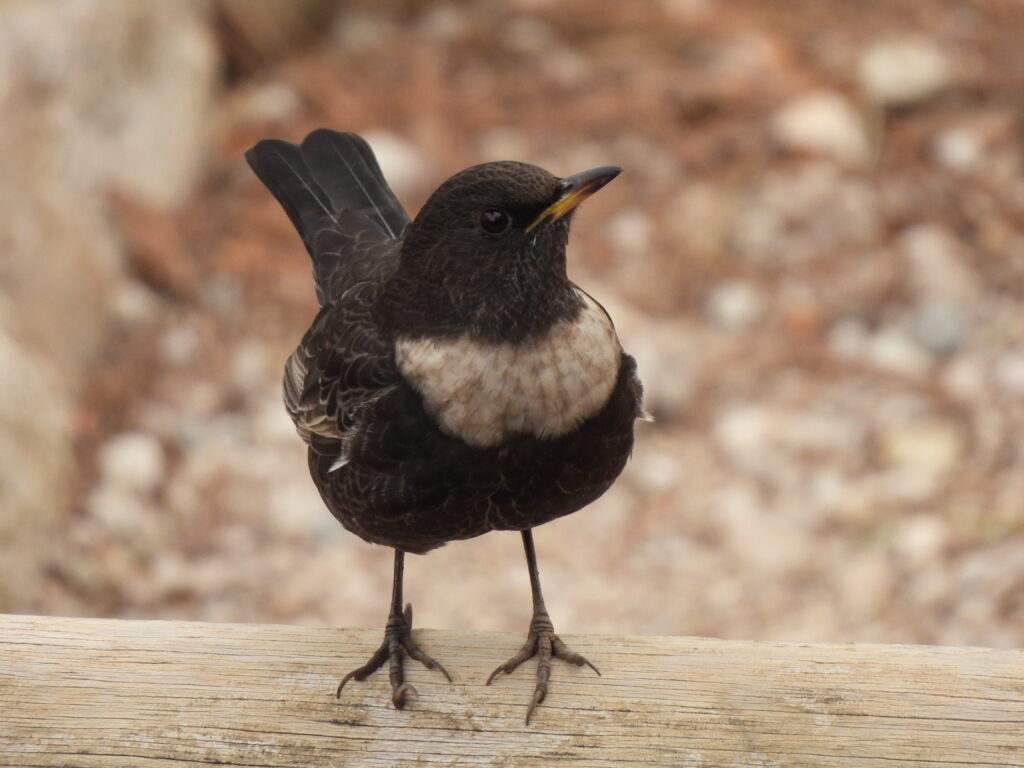
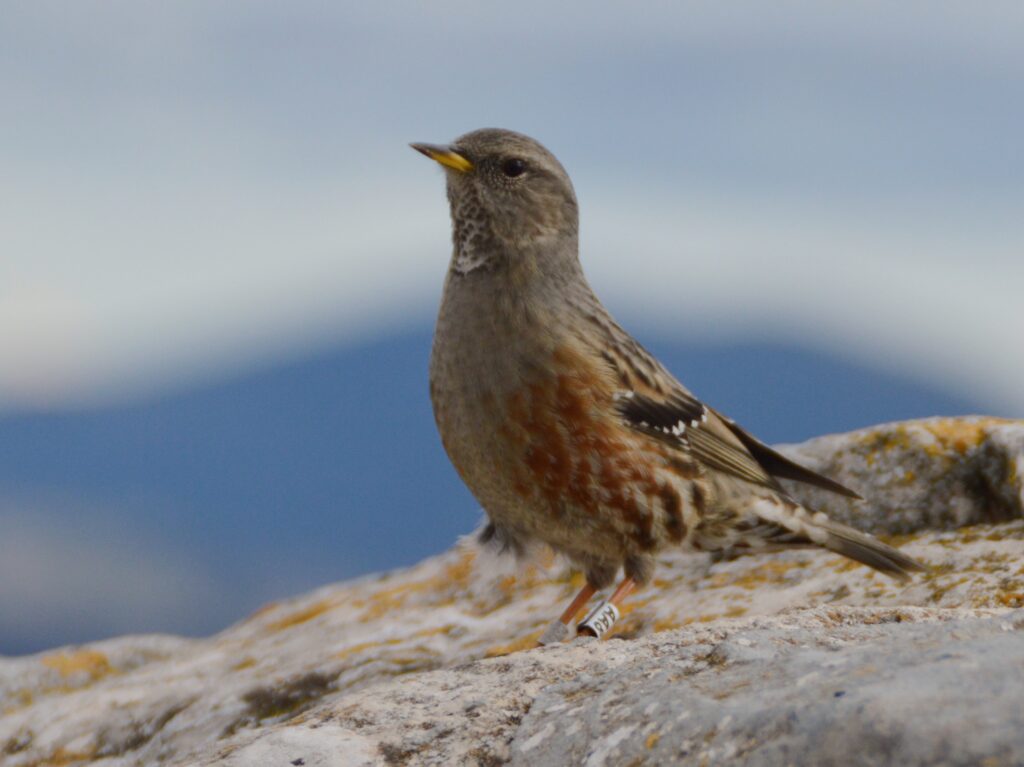
The birding experience in Alcoi for me usually involves hikes to nearby peaks. Winter has a special incentive, as small groups of Alpine accentors (Prunella collaris) come in different numbers every year to some peaks around the town. These stunning passerines are inquisitive, always looking for crumbs from hikers’ bocadillos. Hiking uphill until reaching the top and noting the accentors in different peaks and years is rewarding.
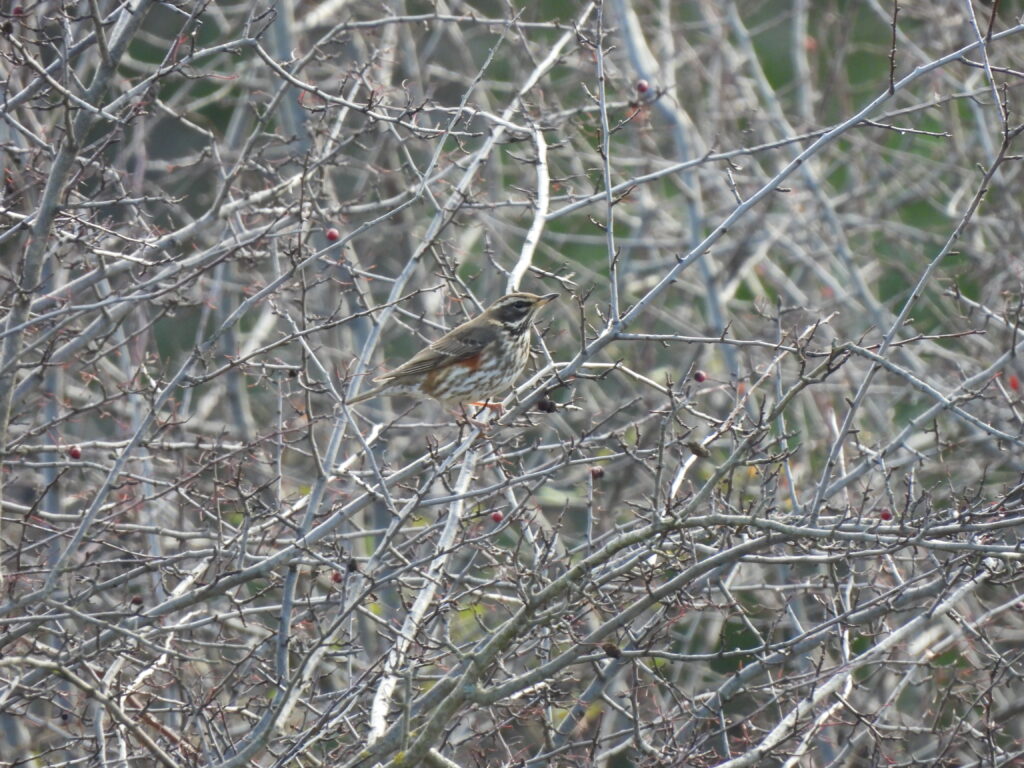
The highlands of Alicante are a wintering stronghold for different thrushes. This is the case for ring ouzels (Turdus torquatus), which are part of the winter soundscape while walking through montane scrub in Font Roja or Aitana. Indeed, Aitana is probably the best site for the scarce fieldfare (Turdus pilaris), while the more numerous redwing (Turdus iliacus) can also be seen elsewhere in riparian forests, along with wintering hawfinches (Coccothraustes coccothraustes). All these scarce winter thrushes show up in different numbers every year, along with common wintering song thrushes (Turdus philomelos) and the overall resident mistle thrush (Turdus viscivorus).
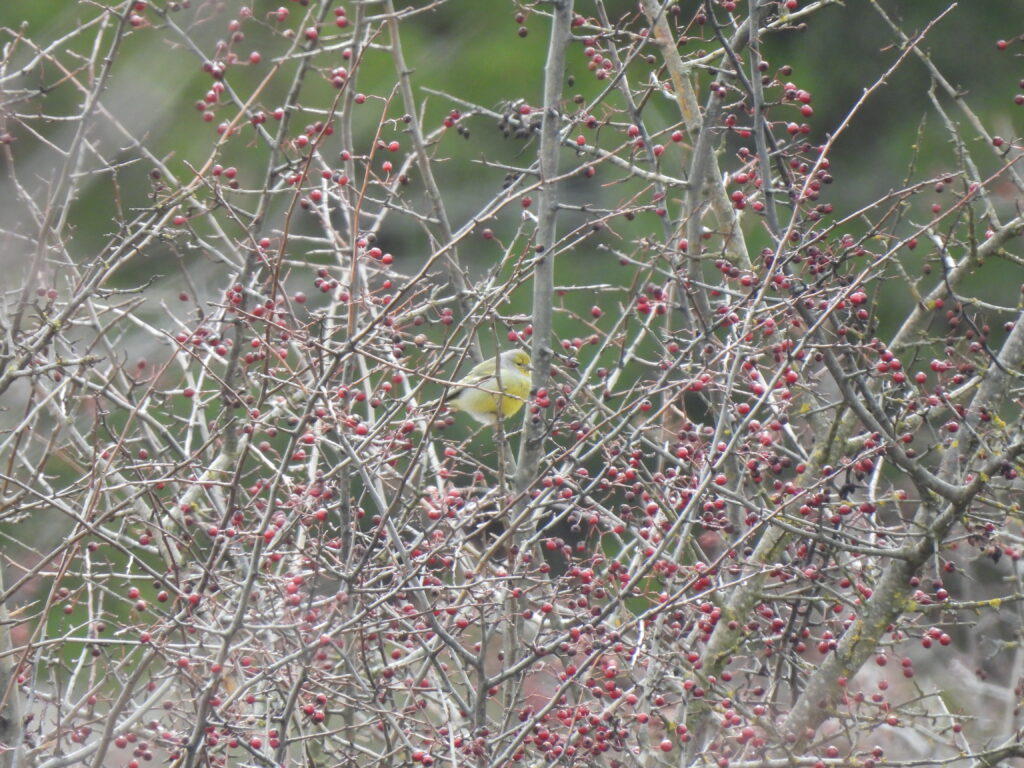
Tree cropfields around Alcoi hold very large mixed flocks of resident passerines gathering throughout the winter, with dozens of chaffinches (Fringilla coelebs), goldfinches (Carduelis carduelis), linnets (Linaria cannabina) and other finches, plus rock bunting (Emberiza cia) and cirl bunting (Emberiza cirlus). Siskins (Spinus spinus) are winter newcomers, but things often spice up when much rarer species join these flocks too. Bramblings (Fringilla montifringilla) are annual visitors, while yellowhammers (Emberiza citrinella) have been reported over the last years. There are very few records of citril finch (Carduelis citrinella) and even big rarities including little bunting (Emberiza pusilla) or pine bunting (Emberiza leucocephalos) joining finch and bunting flocks in different areas of the region.
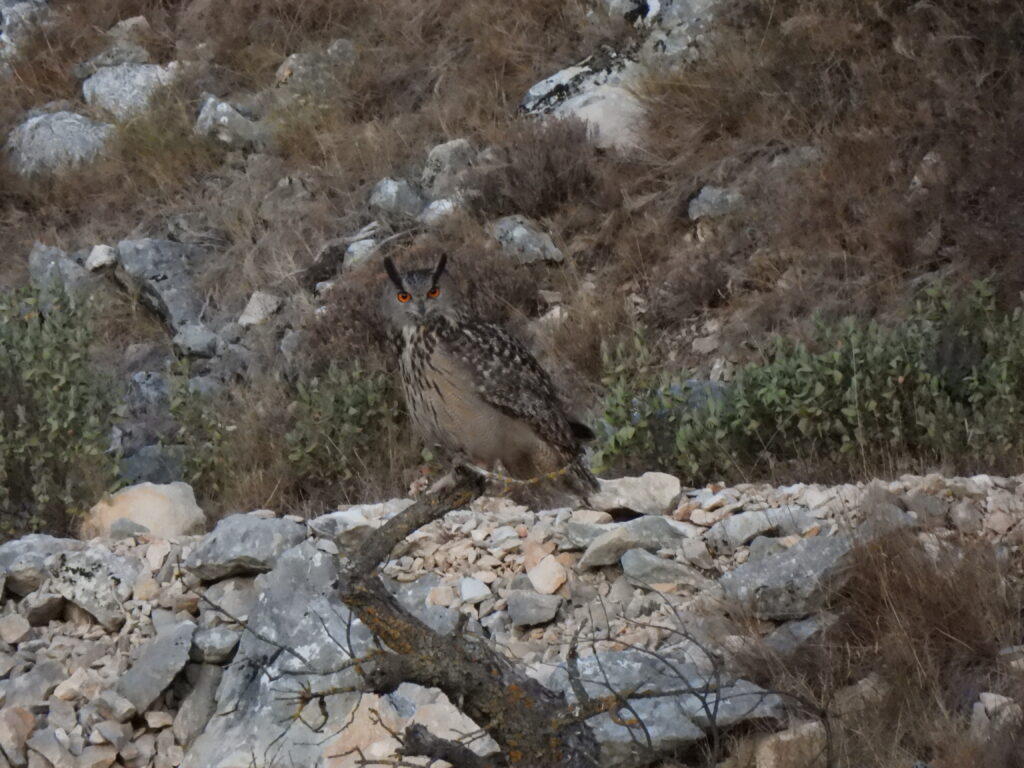
The abundance of passerines attracts a number of raptors, including peregrine falcon (Falco peregrinus) and sparrowhawk (Accipiter nisus). Larger raptors such as Bonelli’s eagle (Aquila fasciata) bring material to their nests before laying. Nocturnal raptors are also at an activity peak during the colder months. Little owls (Athene noctua), tawny owls (Strix aluco), Eurasian eagle-owls (Bubo bubo) and long-eared owls (Asio otus) all work on defending their territories during the season.
The much warmer south of Alicante holds a completely different set of birds. Common resident and breeding species in Alcoi take over every green area in Elx in winter: robins (Erithacus rubecula), blackcaps (Sylvia atricapilla), black redstart (Phoenicurus ochruros), stonechats (Saxicola rubicola) or crag martin (Ptyonoprogne rupestris). However, in the south, the best bet for birding in winter is not in fields or forests like in the north, but in wetlands.

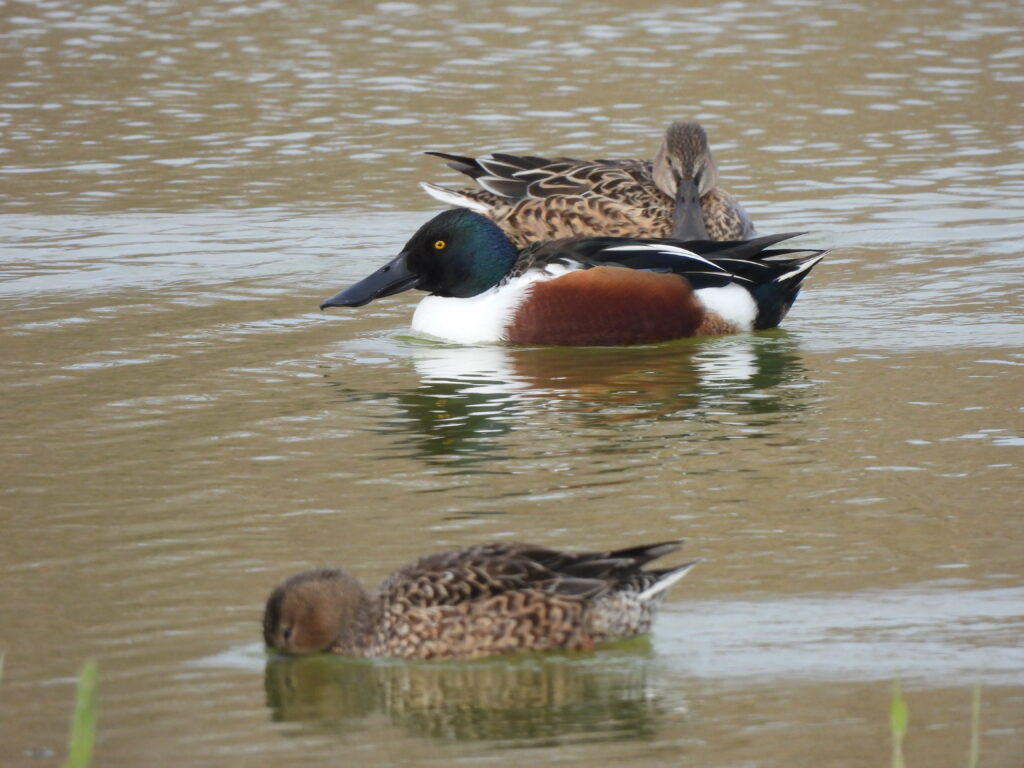
El Hondo Natural Park shines brighter in winter. The wetland is renowned for being the wintering location of several greater spotted eagles (Clanga clanga), a national rarity that is largely unreported elsewhere in Spain. Besides, its lagoons host large numbers of shovelers (Spatula clypeata), red-crested pochards (Netta rufina), common pochards (Aythya ferina), teals (Anas crecca) and some of the region’s best numbers of pintail (Anas acuta), plus ospreys (Pandion haliaetus) and numerous western marsh harriers (Circus aeruginosus).
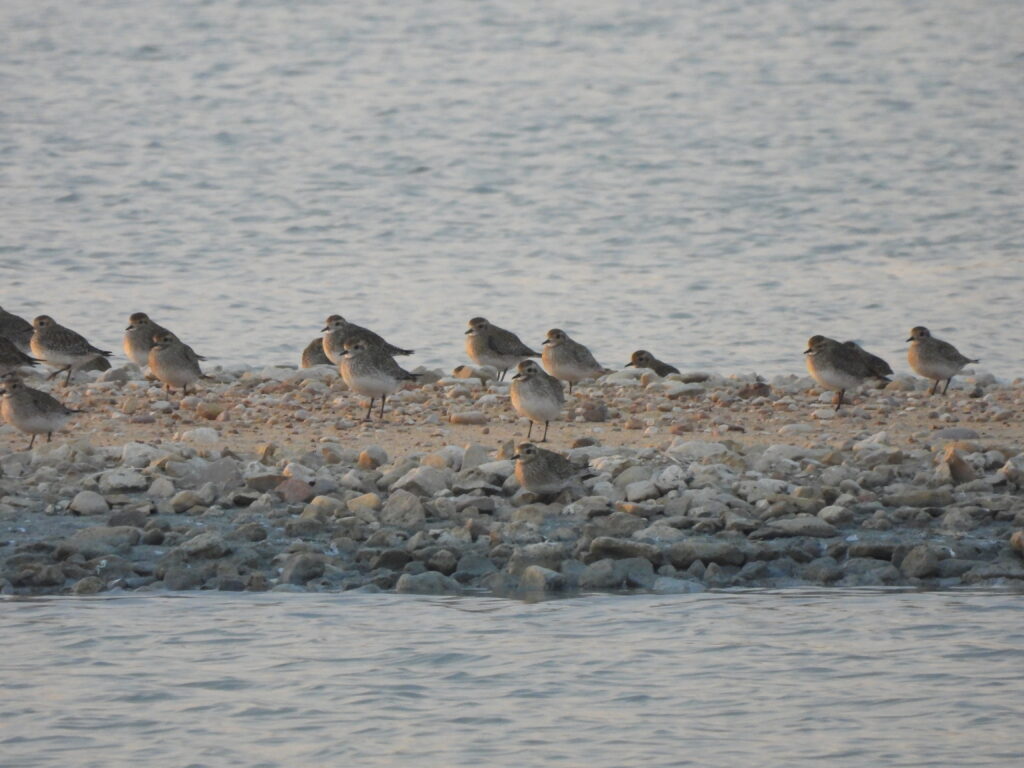
The fields around El Hondo bear flocks of golden plovers (Pluvialis apricaria), skylarks (Alauda arvensis) and meadow pipits (Anthus pratensis), closely watched by the merlins (Falco columbarius) that patrol the area. Small numbers of cranes (Grus grus) spend the winter in these fields every year. A vagrant male pallid harrier (Circus macrourus) has also made an appearance in these fields over the last few years.
Late winter is a great moment to scope the sea. Trawlers coming to Santa Pola after fishing all day long draw pelagic birds very close to the shore. Northern gannets (Morus bassanus) and Mediterranean shearwaters (Puffinus yelkouan) (most of the Balearic mauretanicus form) get really close to the port mouth. The area has gathered most of the region’s records of rare gulls, including black-legged kittiwake (Rissa tridactyla), Caspian gull (Larus cachinnans) and common gull (Larus canus), among the more usual suspects.

However, Santa Pola is only one of several seawatching locations in the region. Cabo de las Huertas close to Alicante and Cabo Cervera next to Torrevieja are prime locations to connect with pelagic birds, including great skua (Stercorarius skua) and parasitic jaeger (Stercorarius parasiticus). While not on a cape, Desembocadura del Segura and its productive waters bring thousands of black-headed gulls (Chroicocephalus ridibundus) and a great chance to connect with storm petrels (Hydrobates pelagicus) from inland.
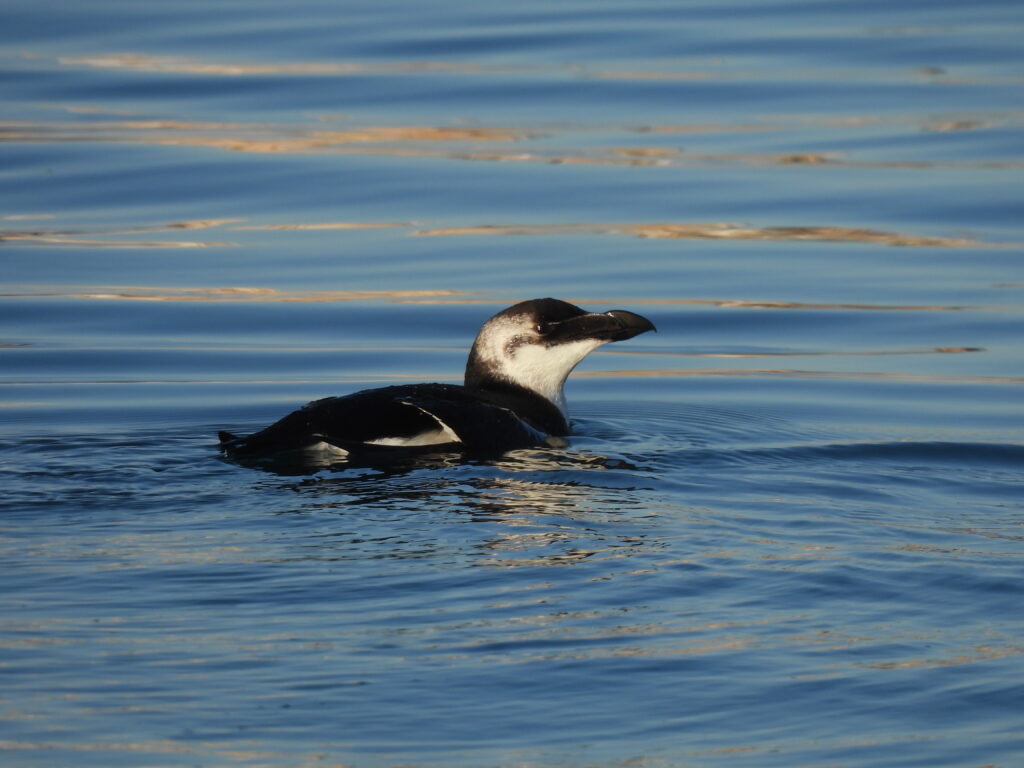
The sea has repeatedly brought surprises over the last years. Influxes of otherwise rare species have brought numbers of razorbills (Alca torda) in certain years, as well as otherwise rare Caspian gulls last season and black-legged kittiwakes this winter. Common scoters (Melanitta nigra) and red-breasted merganser (Mergus serrator) are odd but relatively regular suspects. Some wintering seabirds are harder to forget — the eiders (Somateria mollissima) of Santa Pola in 2024–2025, the mega surf scoter (Melanitta perspicillata) of Desembocadura del Segura in 2023–2024 or the mythical white-winged scoter (Melanitta stejnegeri) at La Marina back in 2016.

All in all, winter is a great time for birding in Alicante. Probably the best weather to be outdoors and the presence of far-north visitors are joined by the sense of anticipation that some winter rarity might be around the corner.