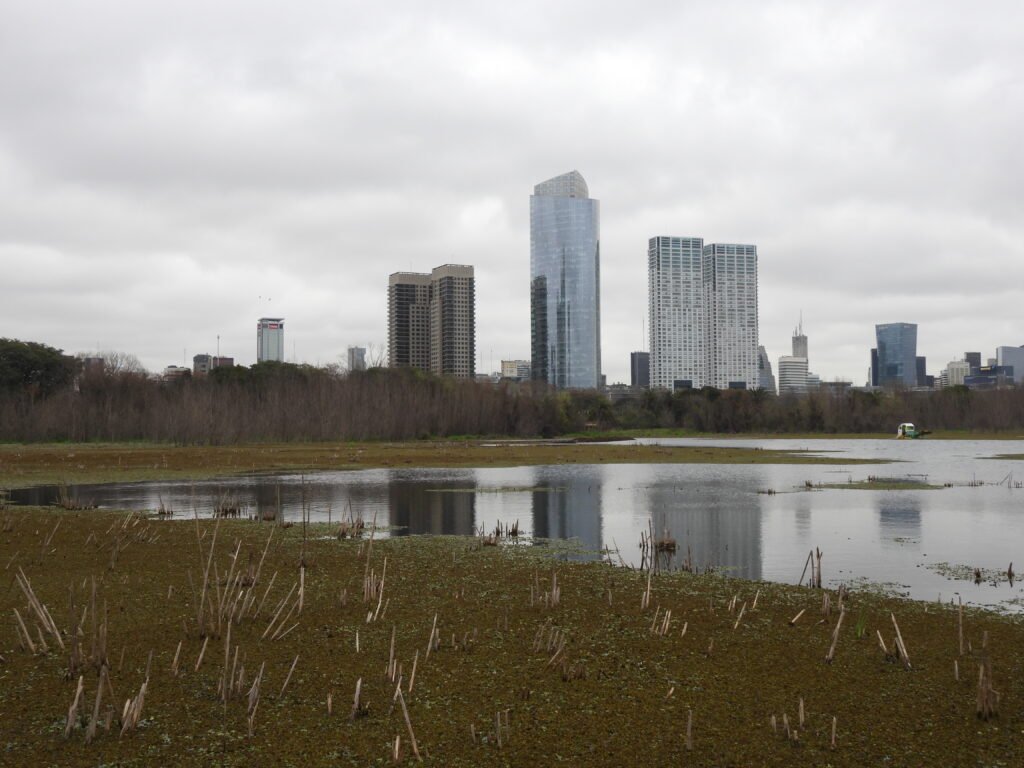
My first moments at Argentina took place in downtown Buenos Aires. The architecture of this city is quite remarkable, massive and decadent, reminiscent of styles in large European cities. While winter seems to be mild, I visited the city during some cloudy, rather cold days, which probably worsened my overall impression. I was not too excited about getting to know this massive city, and I knew that I would pass through Buenos Aires several times. Argentina is quite centralized around its capital city, heavily reliant on planes to cover the large distances between regions. Therefore, Buenos Aires became some sort of a hub on my short incursions to different areas of Argentina from Bariloche, where I am currently living on a research stay. Regardless of my impression of the city, this allowed me to get a grasp of the vast avifauna that lives within the city center area.
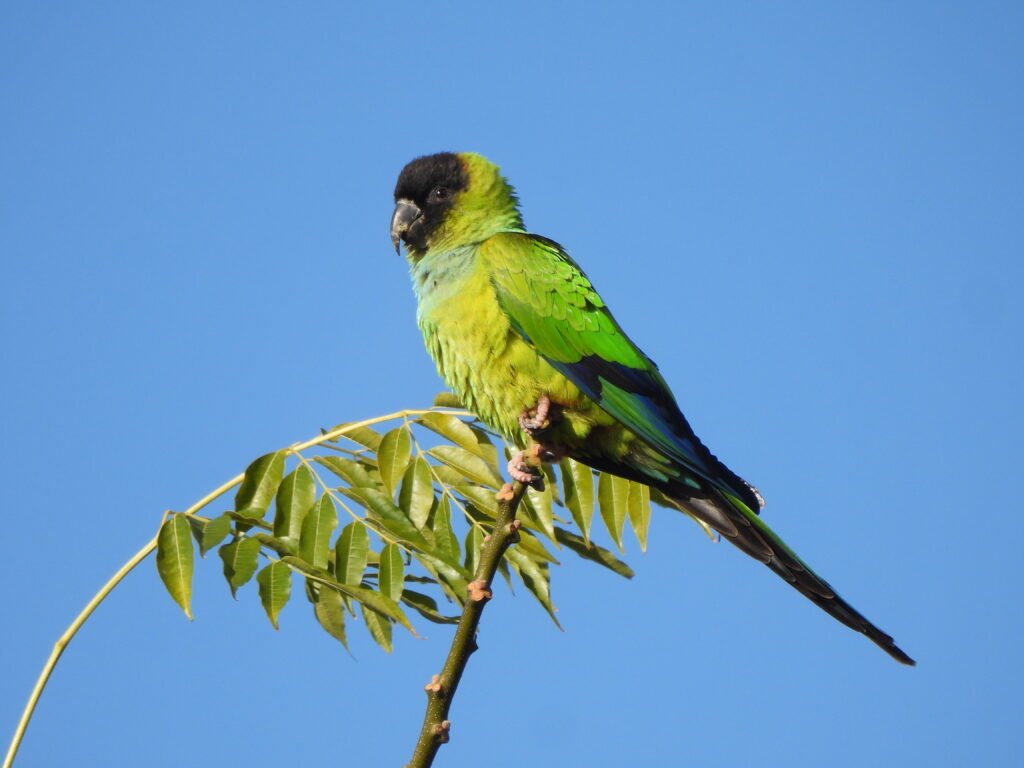
A simple stroll around the city gives away great views of some charismatic Argentinian urban inhabitants that are actually among the most abundant birds in the region. A stroll around the Obelisk, Casa Rosada or Puerto Madero delivers rufous horneros (Furnarius rufus), rufous-collared sparrows (Zonotrichia capensis), picazuro pigeons (Patagioenas picazuro), eared doves (Zenaida auriculata), great kiskadees (Pitangus sulphuratus), chalk-browed mockingbirds (Mimus saturninus), southern house wrens (Troglodytes musculus), chimango caracaras (Daptrius chimango), rufous-bellied thrushes (Turdus rufiventris), shiny cowbirds (Molothrus bonariensis) and greyish baywings (Agelaioides badius). Flying over, flocks of nenday parakeets (Aratinga nenday) and yellow-chevroned parakeets (Brotogeris chiriri) represent part of the introduced avifauna of the city.
However, I spent a good part of my time in Buenos Aires exploring Reserva Ecológica Costanera Sur (RECS). This green haven is located in the city center and represents a patch of gallery forest surrounding the Río de la Plata. Many of the species found in the area are wetland and Paraná Delta forest specialties, making it an interesting location just a foot away from the city center.
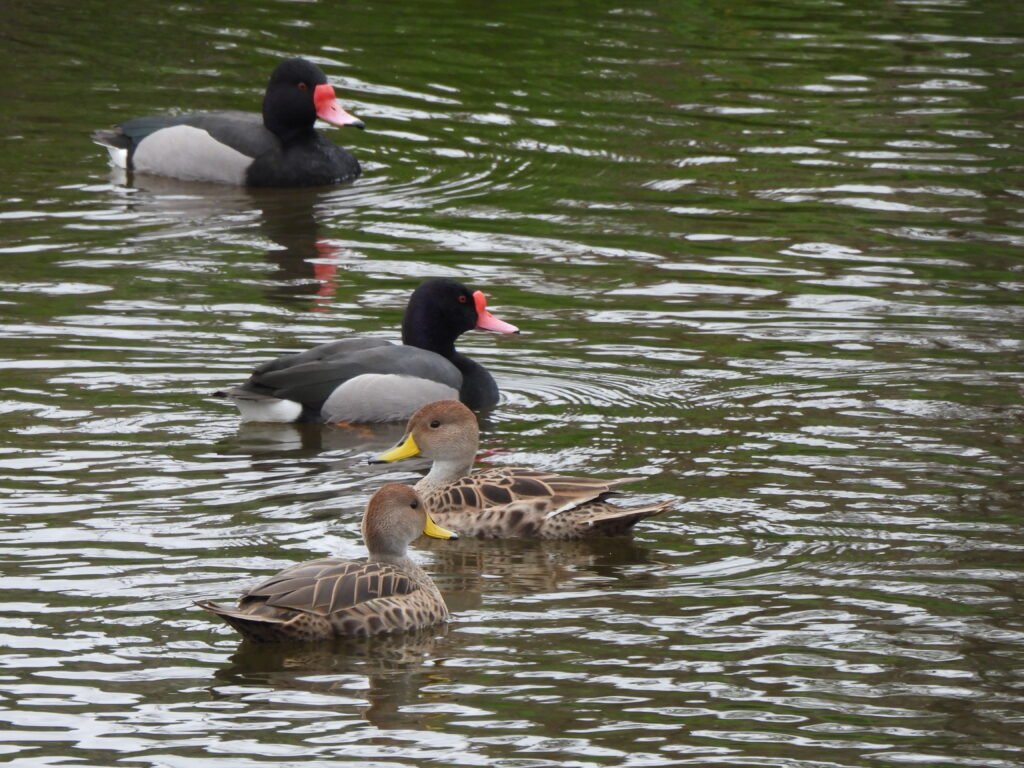
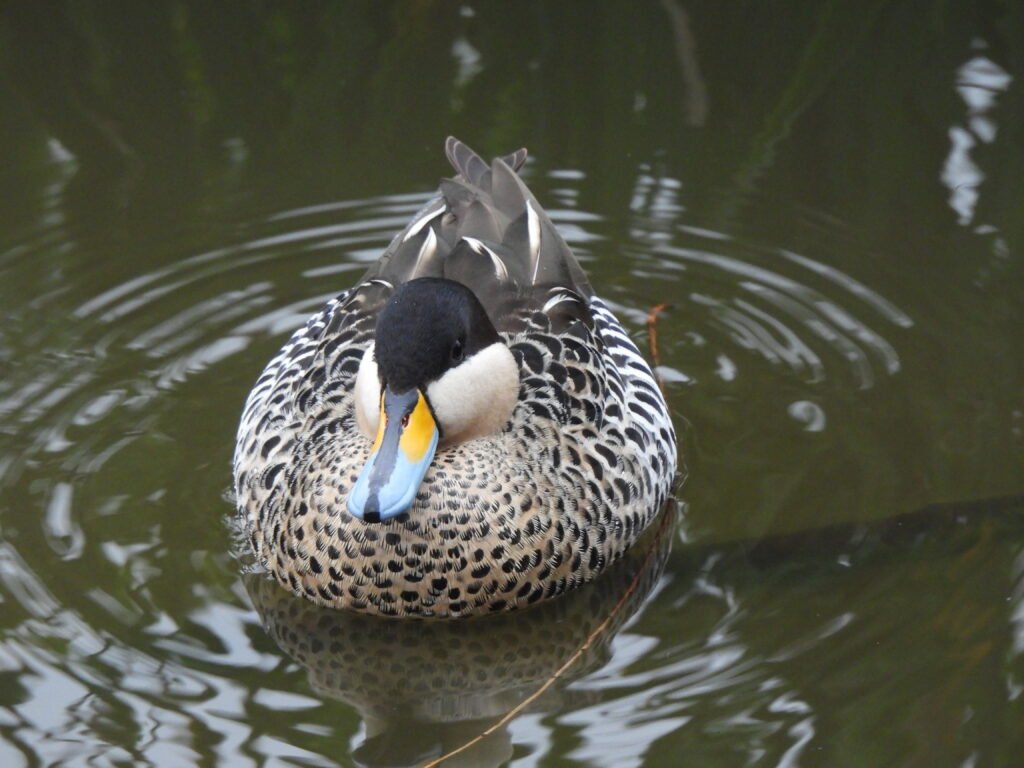
I reached Argentina on a holiday (meaning that pretty much everything was closed) Monday (meaning that RECS was closed, too). However, a short walk along the urban side of the canal connecting to the reserve produced good numbers of waterbirds. Ducks included Brazilian teals (Amazonetta brasiliensis), silver teals (Spatula versicolor), yellow-billed teals (Anas flavirostris) and rosy-billed pochards (Netta peposaca).
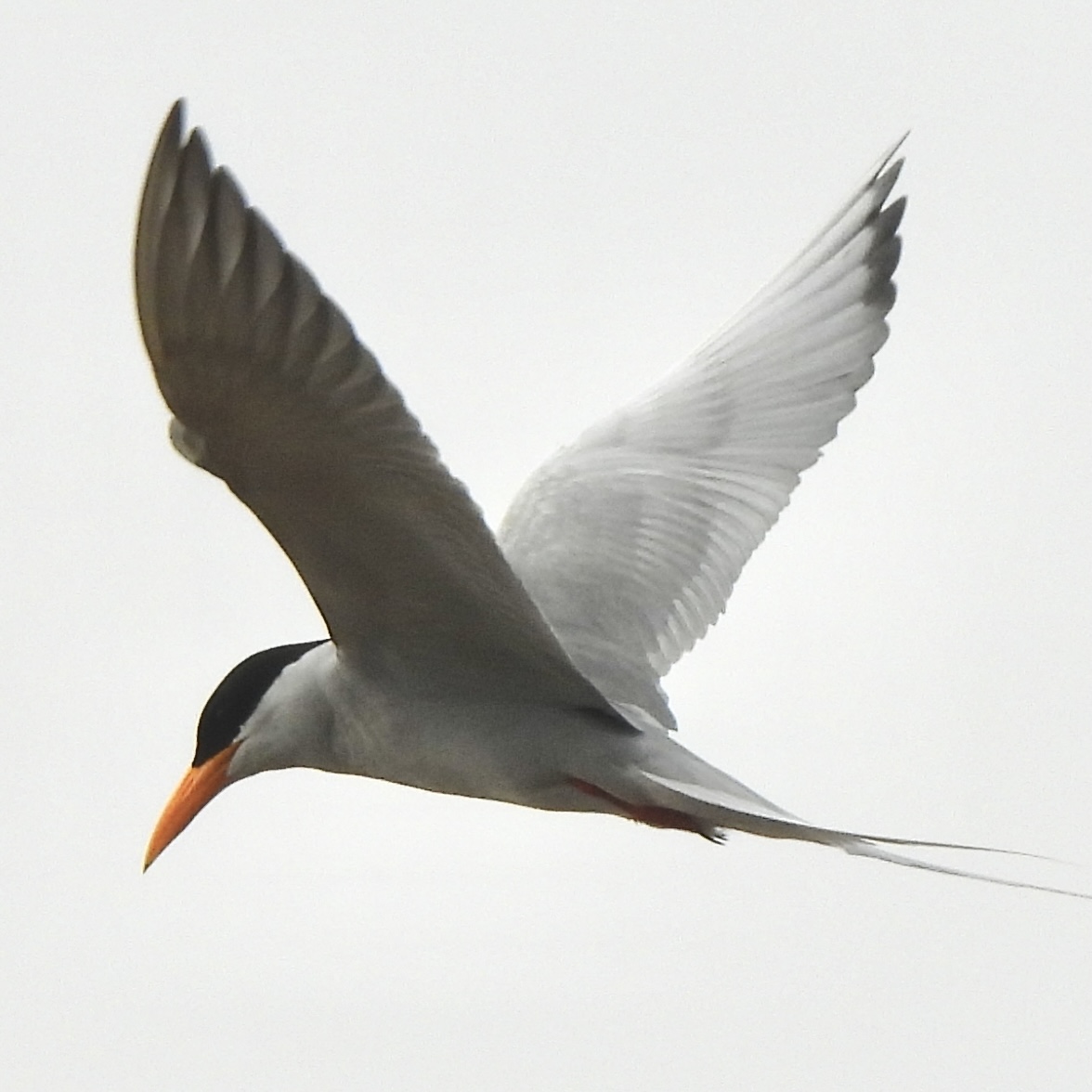
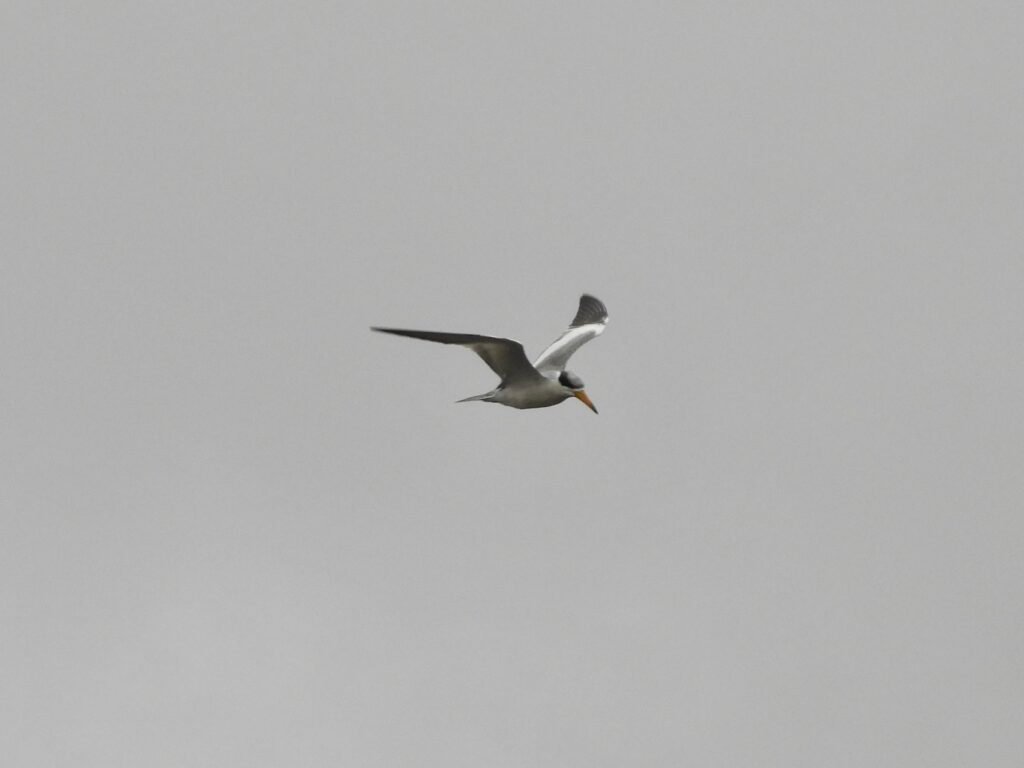
Aside from these, I also noted great grebes (Podiceps major) and pied-billed grebes (Podilymbus podiceps), wattled jacanas (Jacana jacana), common gallinules (Gallinula galeata), cocoi herons (Ardea cocoi) and great egrets (Ardea alba). Flying over the canal, several monk parakeets (Myiopsitta monachus), Neotropic cormorants (Nannopterum brasilianum), snowy-crowned terns (Sterna trudeaui) and large-billed terns (Phaetusa simplex) were welcome additions — the latter apparently not present anymore on my subsequent visits.
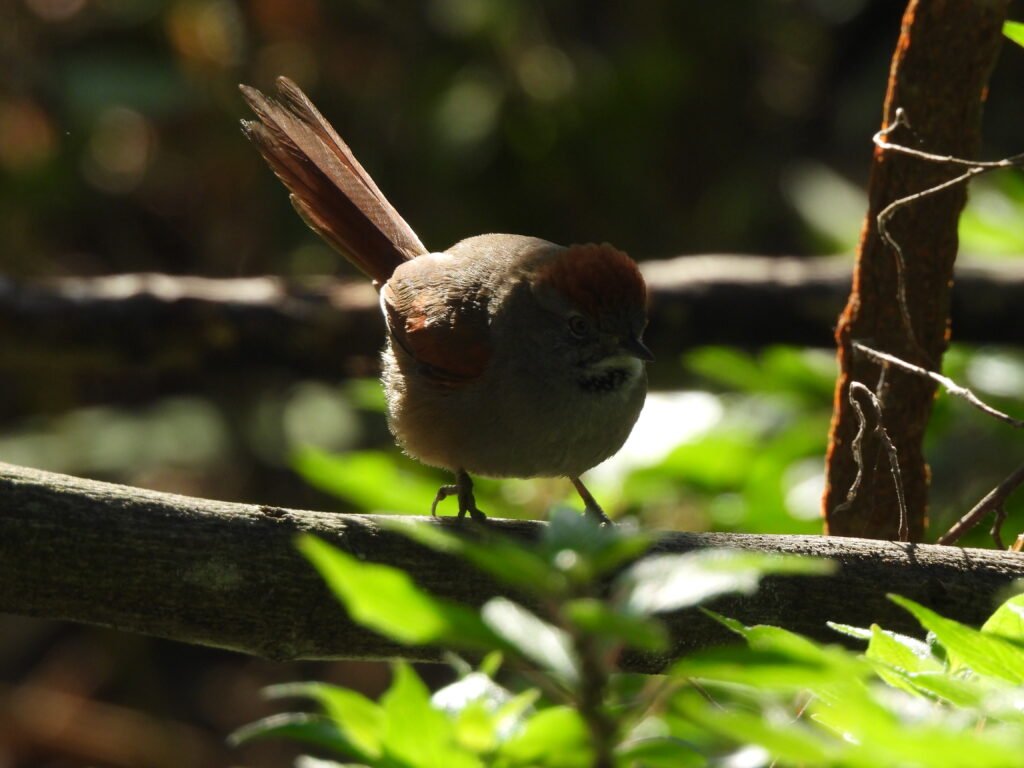
However, entering RECS was a completely different story. The Reserve opens at 8:00 and is free to access, featuring a variety of forest habitats, different lagoon types and coastline. Following the trail south from the gate, I connected with white-crested tyrannulets (Serpophaga subcristata), Straneck’s tyrannulets (Serpophaga griseicapilla) and mottle-cheeked tyrannulets (Phylloscartes ventralis), creamy-bellied thrushes (Turdus amaurochalinus), hooded siskins (Spinus magellanicus), golden-billed saltators (Saltator aurantiiventris), masked gnatcatchers (Polioptila dumicola) and sooty-fronted spinetails (Synallaxis frontalis). The only flowers I found in August were on a bush halfway that held a gilded sapphire (Hylocharis chrysura).
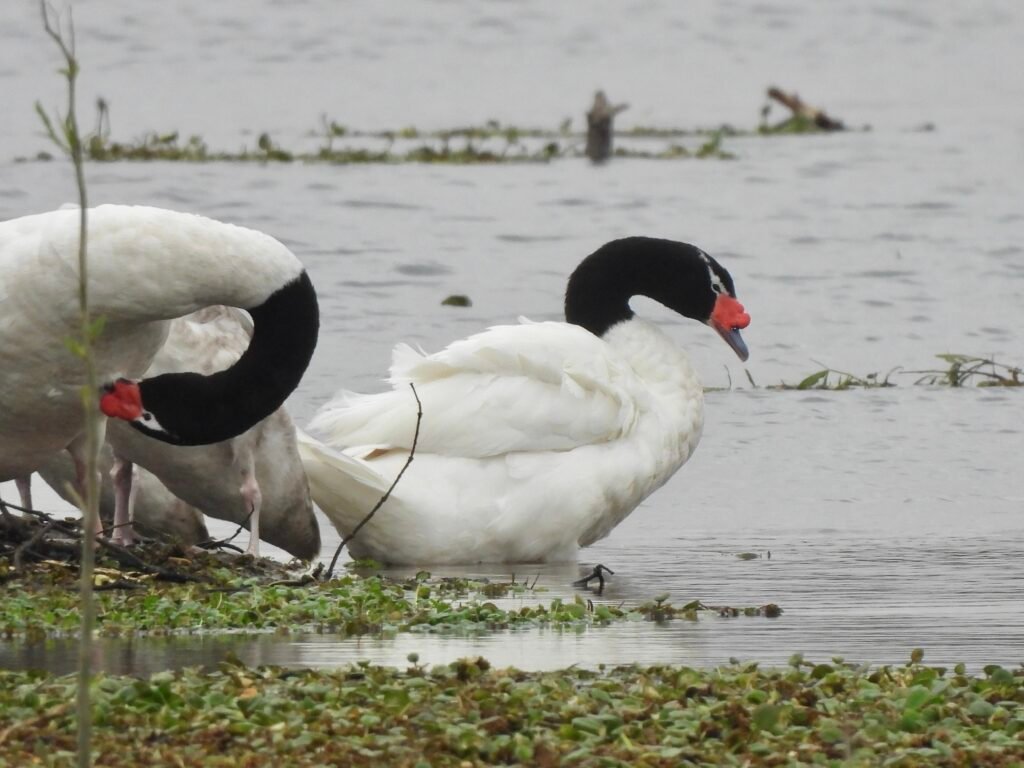
Walking along the canal in the opposite direction provided me with great views of more wetland specialties: the unique-looking coscoroba swan (Coscoroba coscoroba) and black-necked swan (Cygnus melancoryphus), yellow-billed pintails (Anas georgica), white-winged coots (Fulica leucoptera), red-gartered coots (Fulica armillata), grey-cowled rails (Aramides cajaneus) and giant wood rails (Aramides ypecaha).
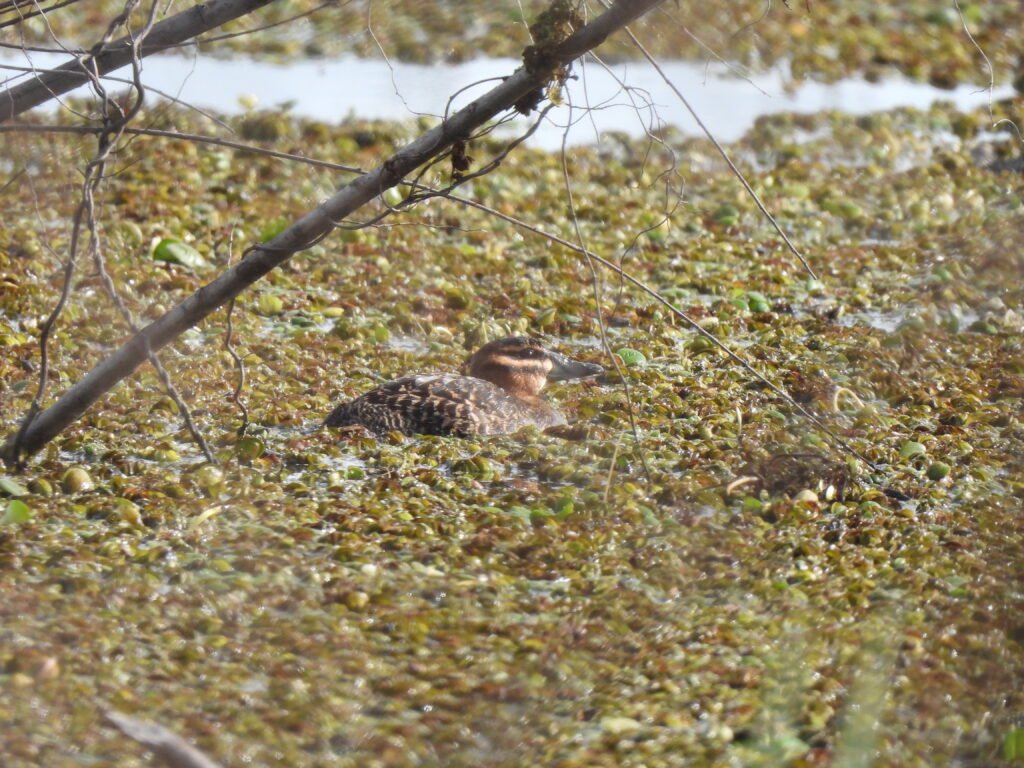
The lagoons offered a different habitat favored by different species. On the north half of RECS, Laguna de las Gaviotas held good numbers of southern screamers (Anhima torquata) and brown-hooded gulls (Chroicocephalus maculipennis), white-tufted grebes (Rollandia rolland), spot-flanked gallinules (Porphyriopsis melanops) and masked ducks (Nomonyx dominicus) — one of my targets of this place. A small flock of half a dozen female-type birds rested in the open, concealed in the floating vegetation.
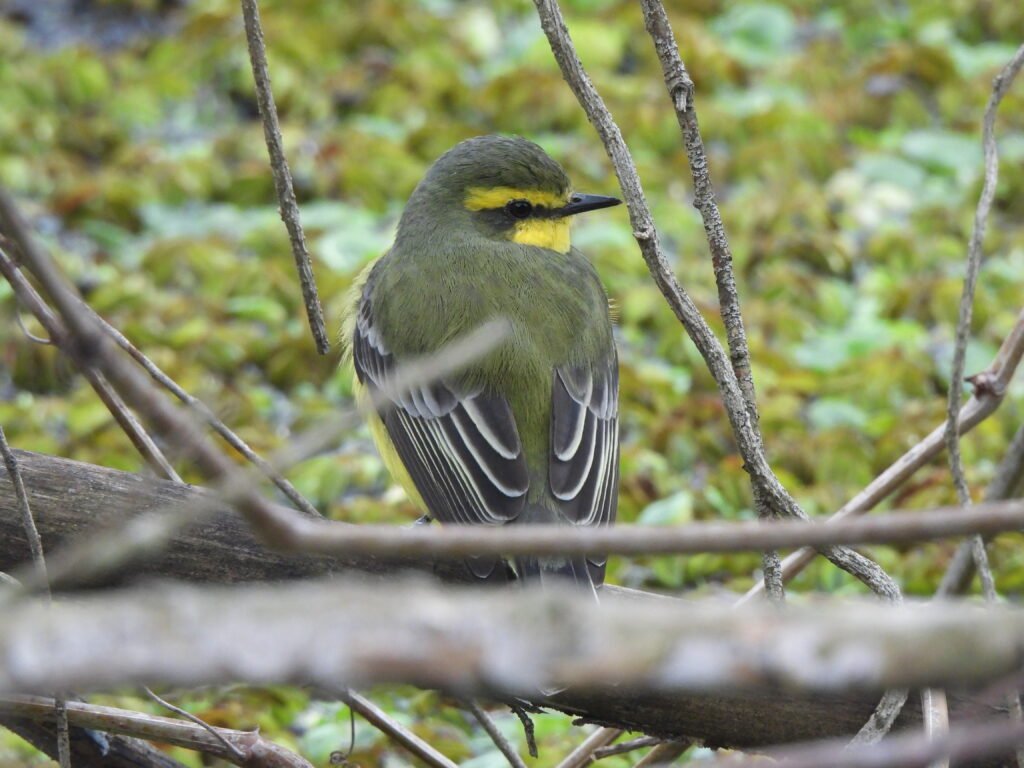
This lagoon is best looked at from a boardwalk that extends on the south side of it. The vegetation surrounding this boardwalk is also extremely interesting. Here I connected with plumbeous rails (Pardirallus sanguinolentus), green-barred woodpeckers (Colaptes melanochloros), dark-faced ground tyrants (Muscisaxicola maclovianus) and yellow-browed tyrants (Satrapa icterophrys), black-and-rufous warbling finches (Poospiza nigrorufa) and green-winged saltators (Saltator similis).
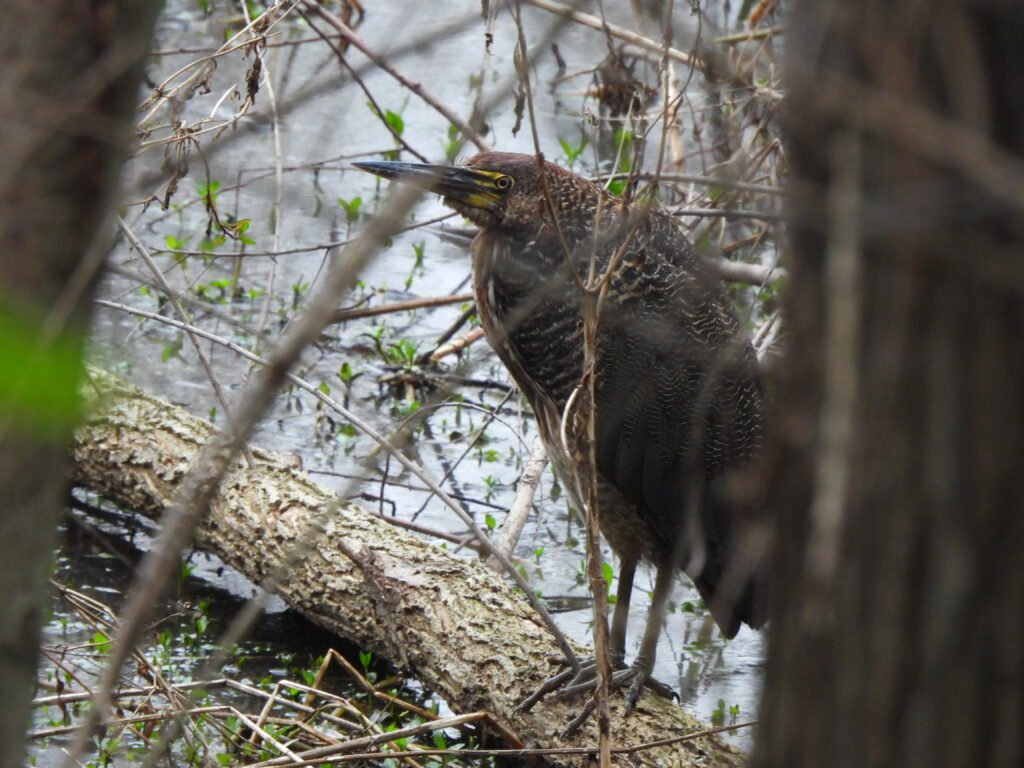
On the other hand, the lagoons on the south half of RECS were less covered in floating vegetation and more merged into the forest. On the one hand, the most open end of the lagoons included my first limpkin (Aramus guarauna) and flocks of blue-and-white swallows (Pygochelidon cyanoleuca), white-rumped swallows (Tachycineta leucorrhoa) and Chilean swallows (Tachycineta leucopyga). On the other hand, the most forested end of this cline was represented by Bosque de Arrayanes, where another boardwalk through the flooded forest offered great looks at rufescent tiger herons (Tigrisoma lineatum), narrow-billed woodcreepers (Lepidocolaptes angustirostris), checkered woodpeckers (Veniliornis mixtus) and variable orioles (Icterus pyrrhopterus).
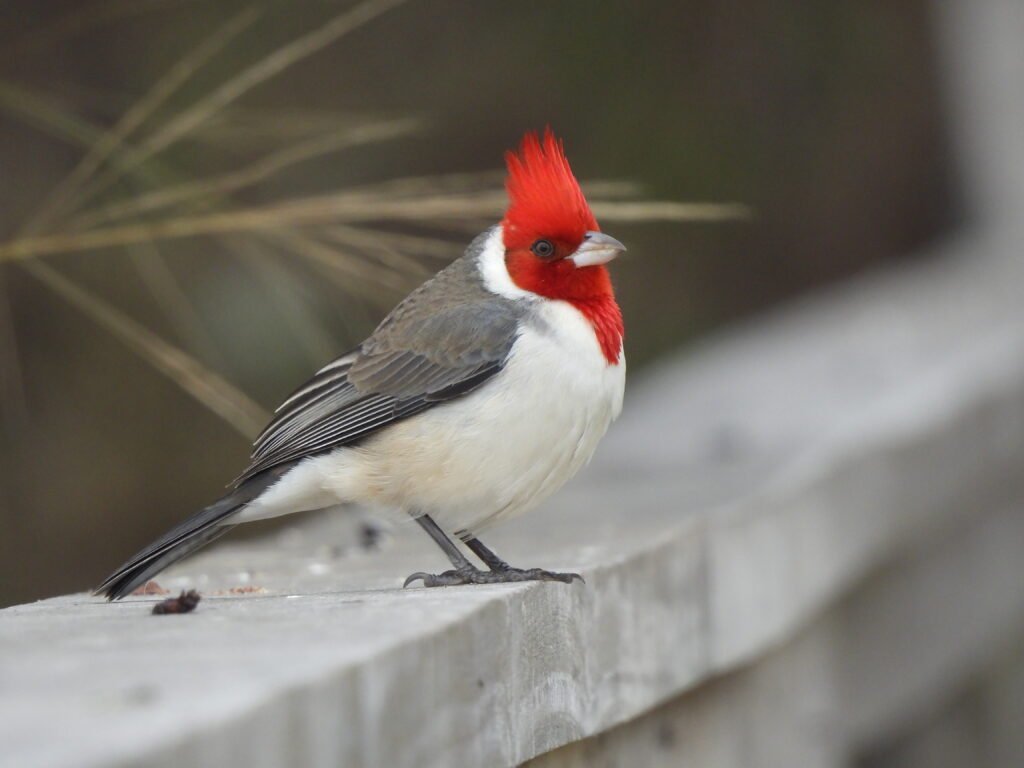
A trail dividing both sides of RECS extends west to east all the way to the coastline. On the west side, I bumped into several passerine mixed flocks, featuring northern parulas (Setophaga pitiayumi), golden-crowned warblers (Basileuterus culicivorus) and some grey-throated warbling finches (Microspingus cabanisi) — a range-restricted inhabitant of this gallery forest. More towards the east, I got great looks at red-crested cardinals (Paroaria coronata) and I also noted diademed tanagers (Stephanophorus diadematus) and white-tipped doves (Leptotila verreauxi). While numerous throughout, roadside hawks (Rupornis magnirostris), chimango and crested caracaras (Caracara plancus) seemed to be particularly numerous along this trail.
The vast bird diversity of these wetlands and gallery forests makes RECS a great destination for a birding walk while visiting Buenos Aires city center. Being some of my first contact with Neotropical birds, a couple of walks along RECS delivered some 65 lifers merely walking from Che Juan, a nice youth hostel downtown. I got the impression that this ecosystem may go through large seasonal changes, so I wish I would get the chance to visit it during spring or summer before leaving Argentina.