I just got back from a three-day flash trip to the east coast of Buenos Aires Province. The pampas between Mar del Plata and San Clemente del Tuyú hold some fantastic wetland specialties and great locations for waders. While I got there just a bit early in the season, most of my targets had already arrived in the area. However, the weather was absolutely terrible almost throughout the entire trip, ranging from never-ending thick fog to intense winds and rain with intermittent hail.
The logistics of this trip involved reaching Mar del Plata on overnight buses and renting a car downtown — which was a smooth process. I stayed two nights in accommodation in Mar de Ajó and drove back and forth from there. The weather made birding difficult at times, so there was quite a bit of driving back and forth. Because following a timely chronicle may be confusing, I will illustrate the places I visited in order of first arrival, with the highlight birds I found.
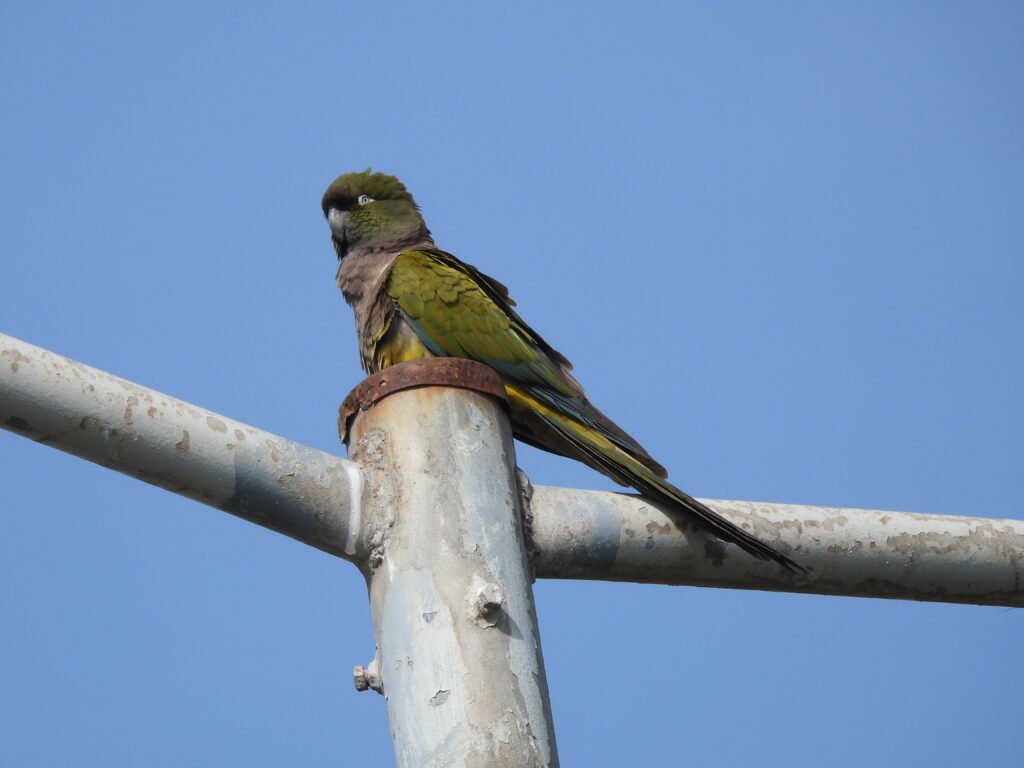
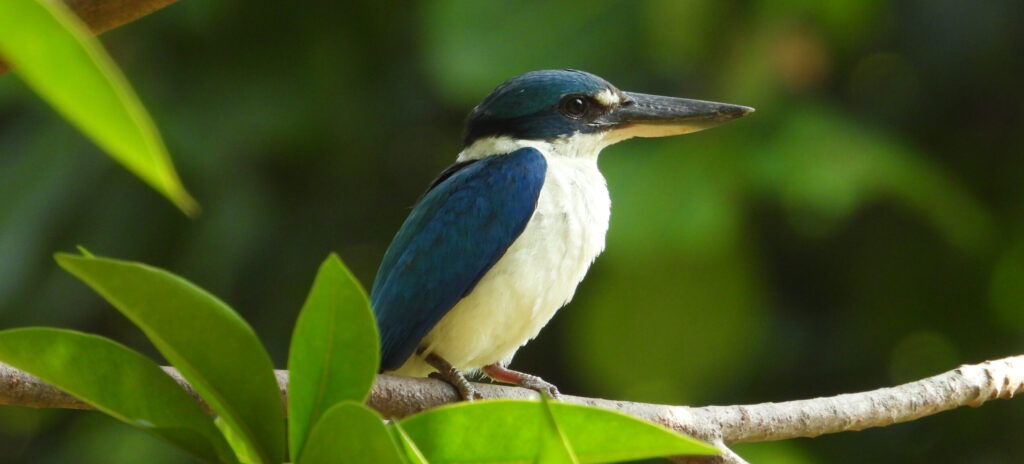
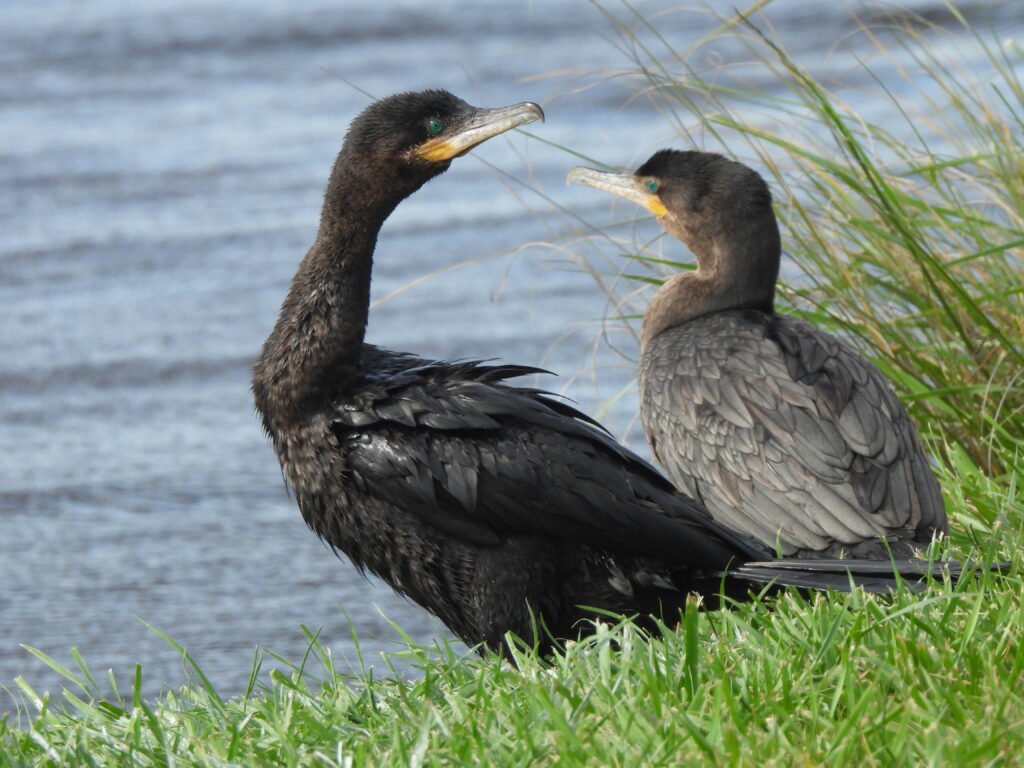
Right after leaving the city, I drove north through Route 11, where flocks of introduced burrowing parrots (Cyanoliseus patagonus) were conspicuous among the omnipresent monk parakeets (Myiopsitta monachus). My first stop was Mar de Cobo, where a small lake in town offered close views of numerous wetland birds. Great grebes (Podiceps major), white-tufted grebes (Rollandia rolland), red-gartered coots (Fulica armillata) and white-winged coots (Fulica leucoptera), Chiloe wigeon (Mareca sibilatrix), red shovelers (Spatula platalea), yellow-billed pintails (Anas georgica), yellow-billed teals (Anas flavirostris), lake ducks (Oxyura vittata) and Neotropic cormorants (Nannopterum brasilianum) swam in the open. A ringed kingfisher (Megaceryle torquata) stalked the lake from a power line.
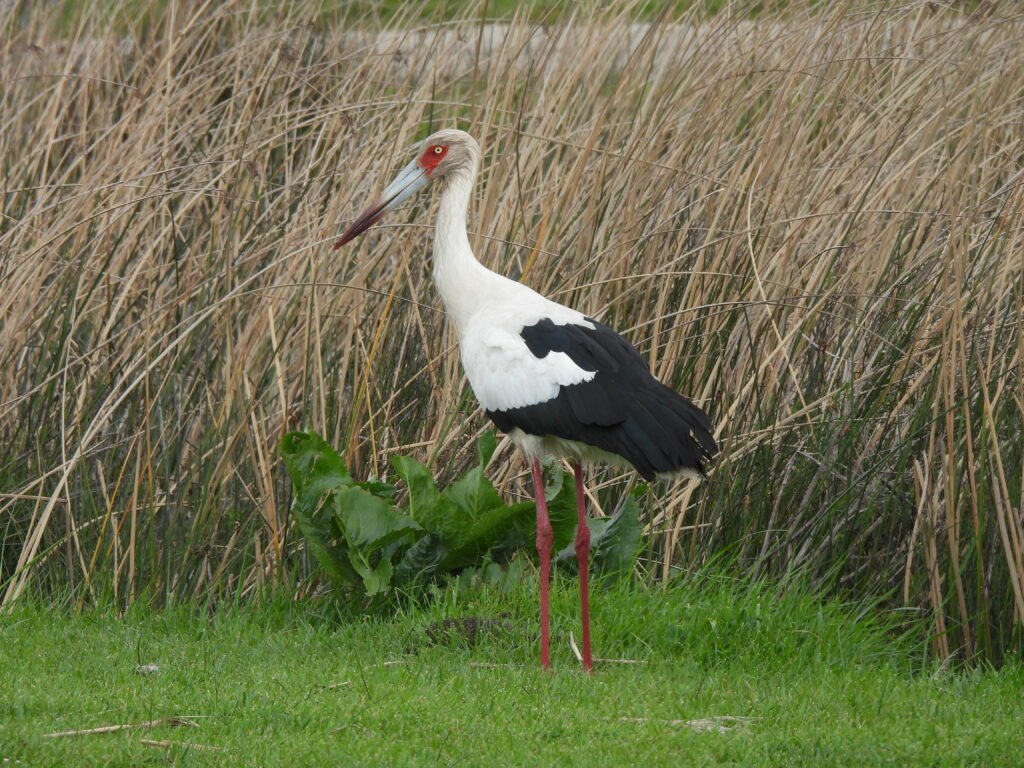
The surrounding area was favored by the classic chimangos (Daptrius chimango), crested caracaras (Caracara plancus) and spectacled tyrants (Hymenops perspicillatus). Numbers of chalk-browed mockingbirds (Mimus saturninus), rufous-bellied thrushes (Turdus rufiventris), variable orioles (Icterus pyrrhopterus), vermilion flycatchers (Pyrocephalus rubinus) and maguari storks (Ciconia maguari) were also present. Some distant calls gave away several red-winged tinamous (Rhynchotus rufescens) around the lake. Spot-winged doves (Patagioenas maculosa) seemed more numerous than picazuro pigeons (Patagioenas picazuro). Overhead, white-rumped swallows (Tachycineta leucorrhoa), barn swallows (Hirundo rustica) and grey-breasted martin (Progne chalybea) flew in small flocks.
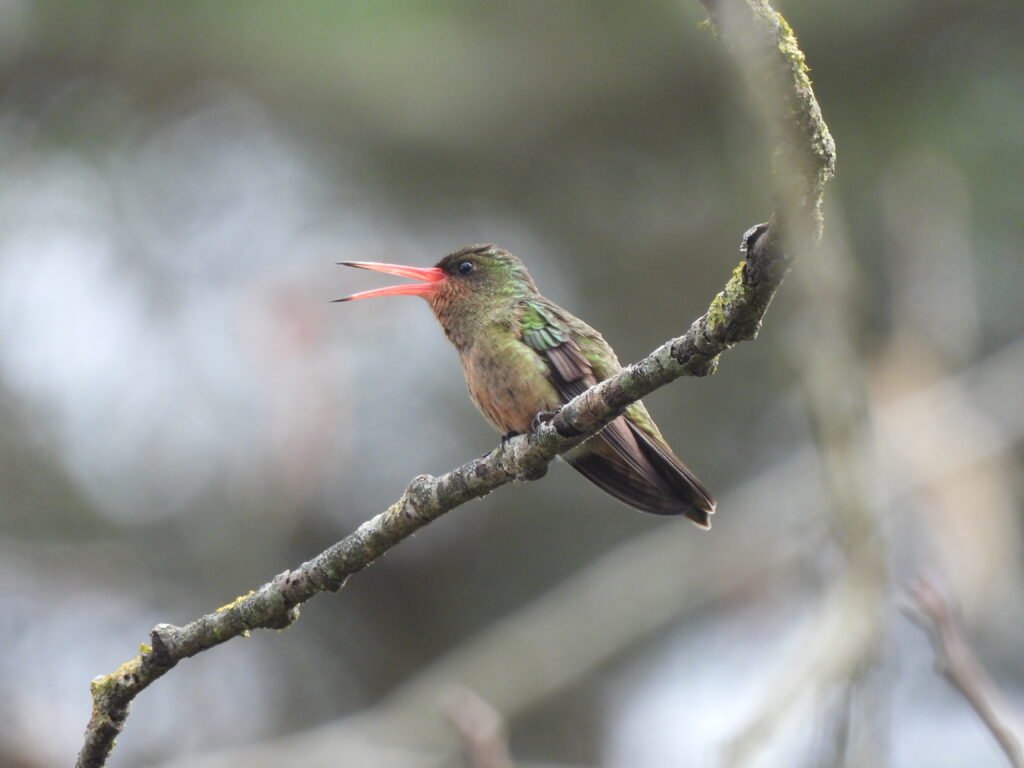
The more vegetated area of Mar de Cobo held some hummingbird species I failed to find. Instead, I kept bumping into territorial gilded sapphires (Hylocharis chrysura). The always-present southern lapwings (Vanellus chilensis), great kiskadees (Pitangus sulphuratus) and rufous horneros (Furnarius rufus) were very vocal throughout. Large flocks of introduced common starlings (Sturnus vulgaris) were joined by some also introduced crested mynas (Acridotheres cristatellus) in the outskirts of Mar de Cobo.
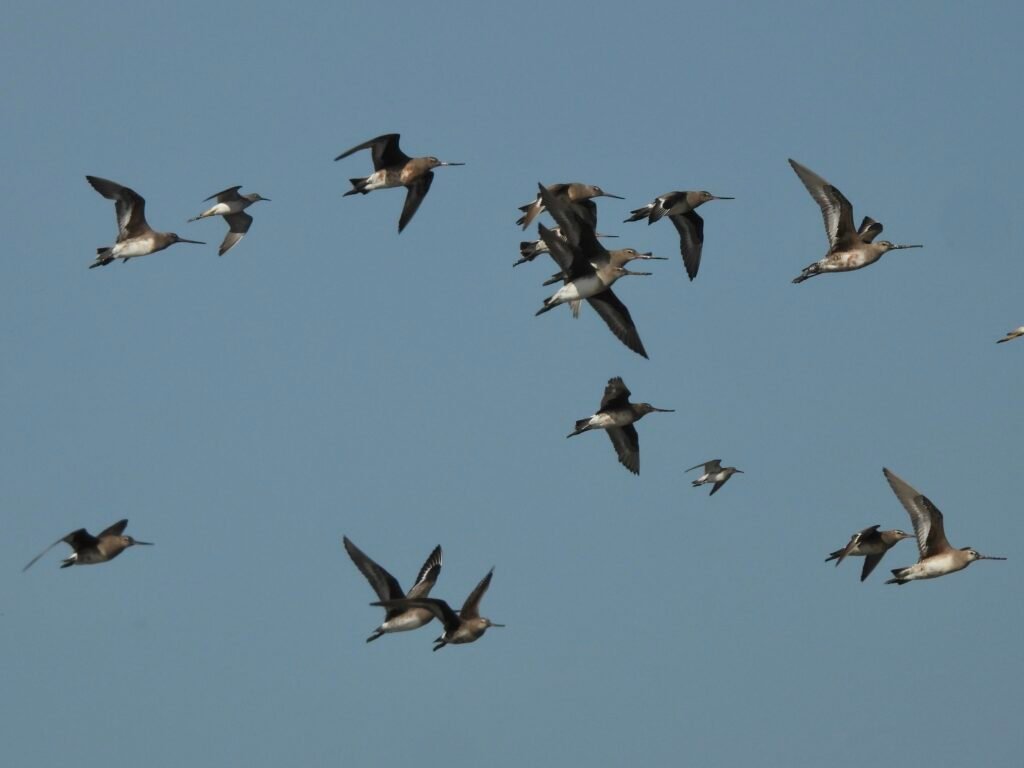
The next stop following Route 11 is Mar Chiquita, a coastal town right at an estuary. This is the type of place any birder would dream of moving into. Expansive tidal mudflats extend in all directions just around the houses in a cosy holiday town. On them, hundreds of Hudsonian godwits (Limosa haemastica), lesser yellowlegs (Tringa flavipes) and greater yellowlegs (Tringa melanoleuca) and white-rumped sandpipers (Calidris fuscicollis) forage. Among these flocks, I also picked some ruddy turnstones (Arenaria interpres) and grey plovers (Pluvialis squatarola).
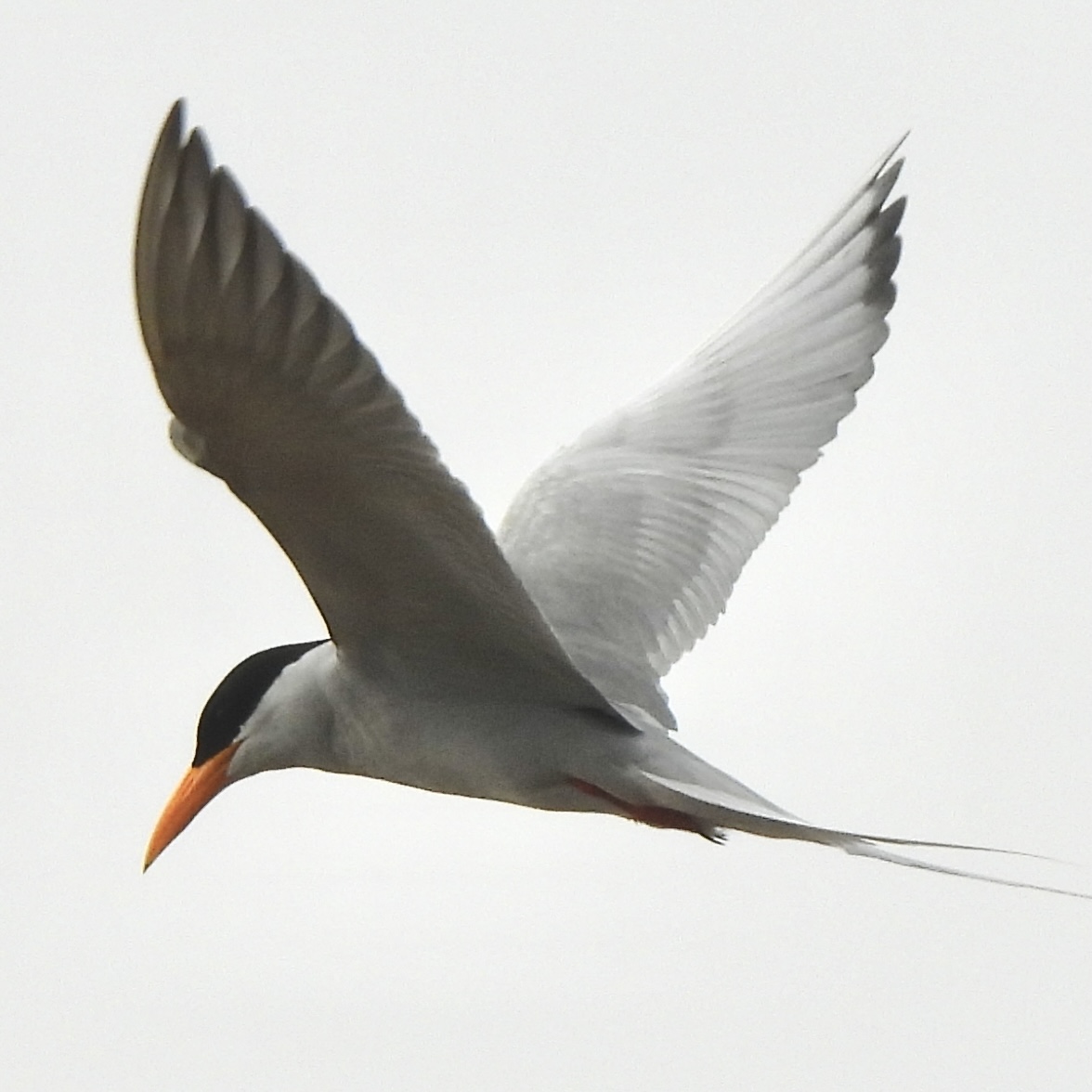
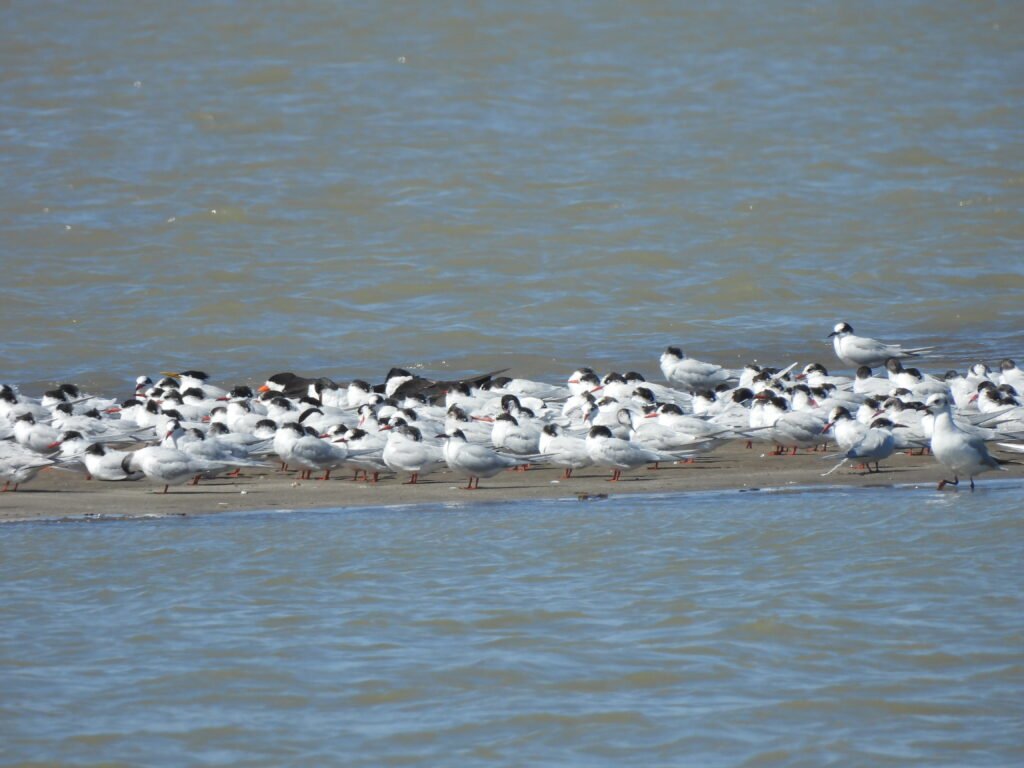
Instead, tidal islands on the shore included hundreds of black skimmers (Rynchops niger), South American terns (Sterna hirundinacea), tens of royal terns (Thalasseus maximus) and the “yellow-billed” eurygnathus form of Sandwich terns (Thalasseus sandvicensis) — all new to me! Mixed with them, several American oystercatchers (Haematopus palliatus), snowy-crowned terns (Sterna trudeaui), common terns (Sterna hirundo), brown-hooded gulls (Chroicocephalus maculipennis) and kelp gulls (Larus dominicanus) also made an appearance.
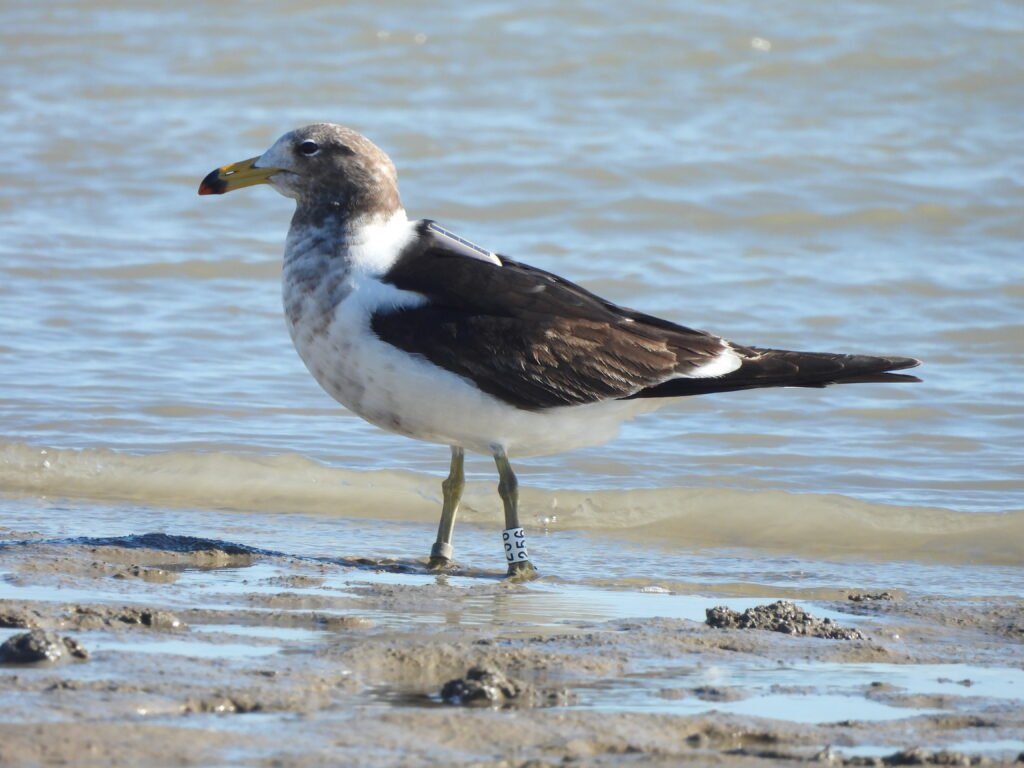
It took me several peaks at different coastal areas, but my last visit to Mar Chiquita — in the worst weather conditions — finally offered great views of one of my targets, the Olrog’s gull (Larus atlanticus). This stunning beast of a gull is an endemic breeder in Argentina, extending along a stretch of coast to Brazil. While this may again feel anachronical, extremely distant views of immature Olrog’s gulls came here and there, so I was glad to bump into an adult feeding on crabs in Mar Chiquita. This individual was equipped with a GPS tracker and a colour-ring scheme.
The rest of my itinerary took place farther north, past my accommodation in Mar de Ajó. Farther northwest, the area around Estancia el Palenque past General Lavalle held a number of species that sounded great to give a shot. The road to the area involved numerous roadkill mammals of species I wished I had seen alive and kicking: pampas foxes (Lycalopex gymnocercus), Molina’s hog-nosed skunks (Conepatus chinga) and lesser grisons (Galictis cuja).
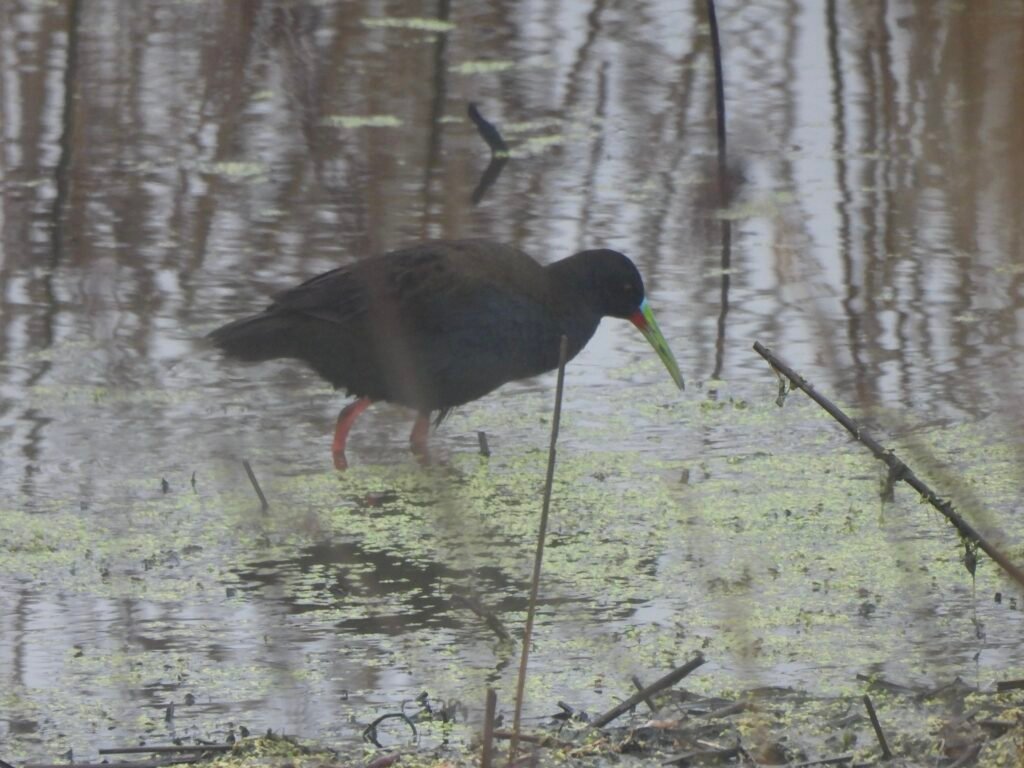
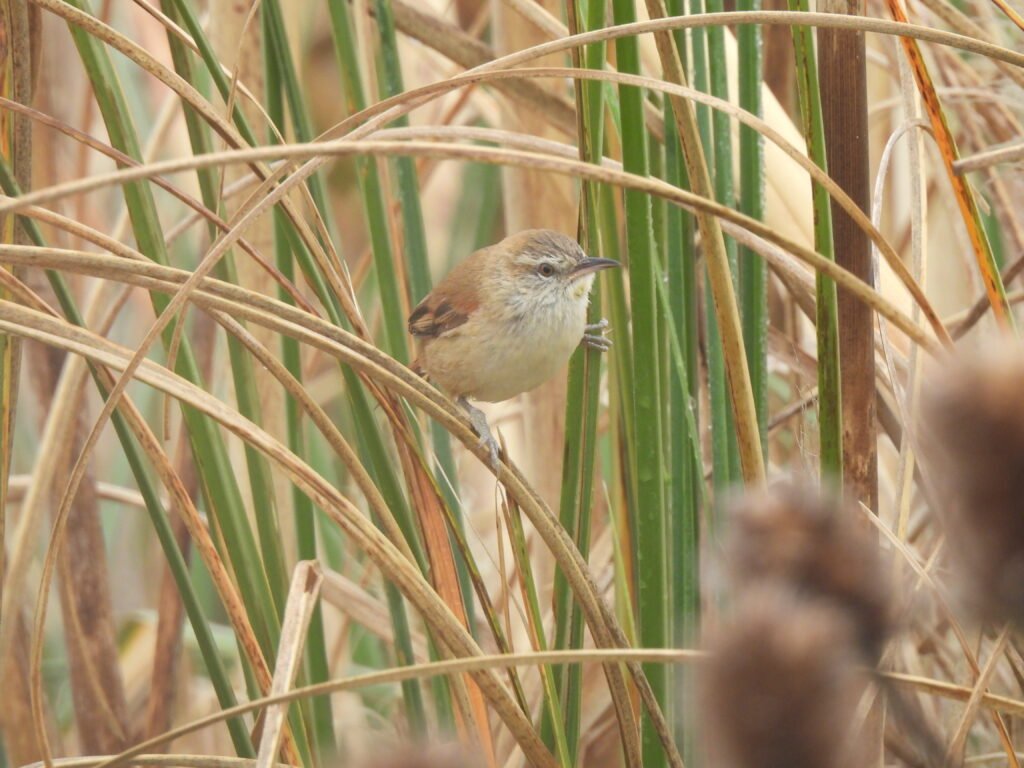
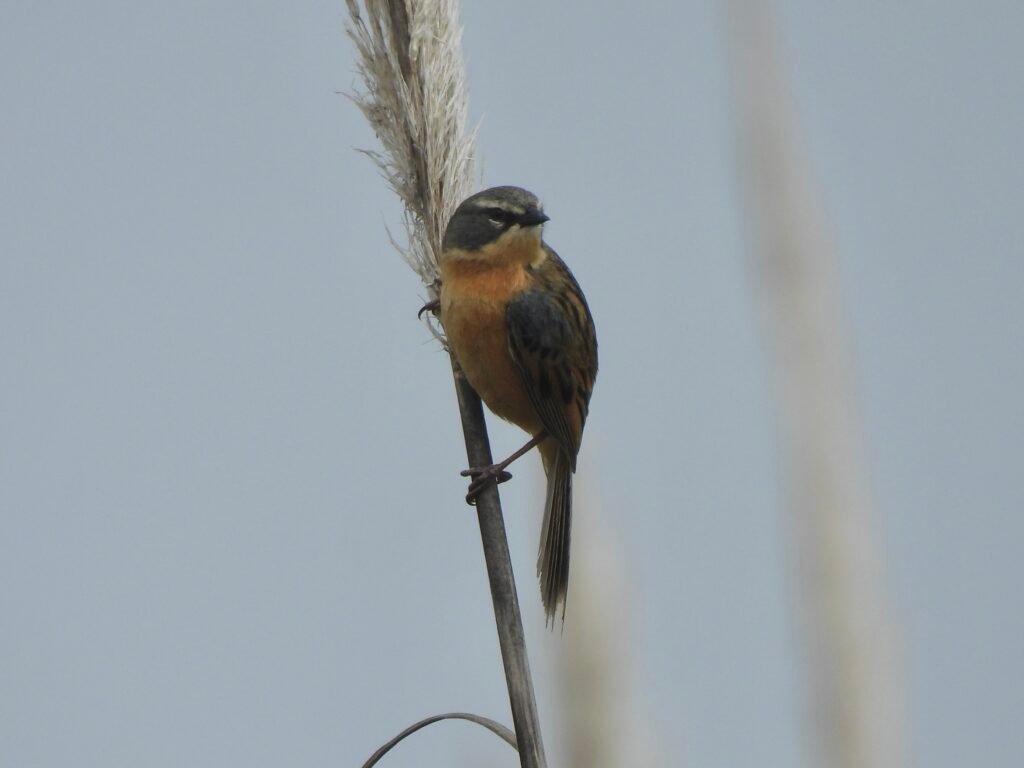
As the Estancia itself is private, I visited a nearby set of lagoons around the so-called “Canal 2”. Already on arrival, I heard numerous wren-like rushbirds (Phleocryptes melanops), black-and-rufous warbling finches (Poospiza nigrorufa), plumbeous rails (Pardirallus sanguinolentus), freckle-breasted thornbirds (Phacellodomus striaticollis) and another personal target, the sulphur-bearded reedhaunter (Limnoctites sulphuriferus). Luckily, all of them eventually delivered good views. Flyby southern screamers (Anhima cornuta), black-necked swans (Cygnus melancoryphus), roseate spoonbills (Platalea ajaja) and black-crowned night herons (Nycticorax nycticorax) made it all even more interesting.
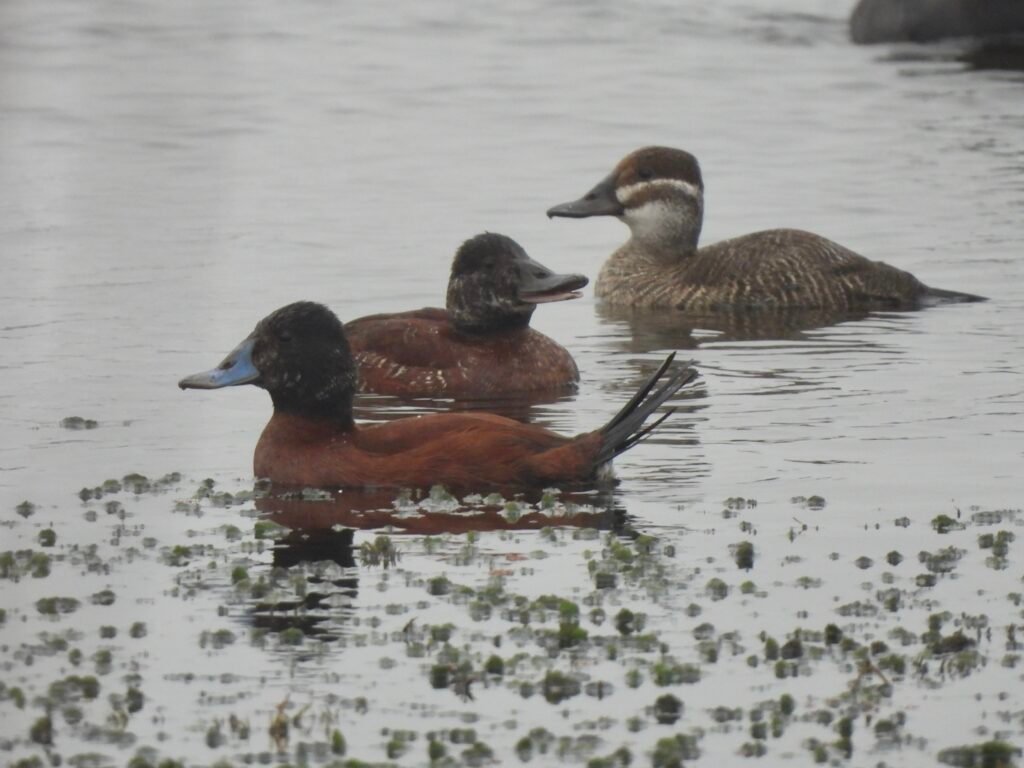
The canals were full of life, with good numbers of the typical freshwater waterfowl seen before, plus coscoroba swans (Coscoroba coscoroba), silver teals (Spatula versicolor), cinnamon teals (Spatula cyanoptera), rosy-billed pochards (Netta peposaca) and red-fronted coots (Fulica rufifrons), all crossed by some charismatic coypus (Myocastor coypus). White-faced ibises (Plegadis chihi) and bare-faced ibises (Phimosus infuscatus) roosted in different places, while cocoi herons (Ardea cocoi), great egrets (Ardea alba) and snowy egrets (Egretta thula) foraged.
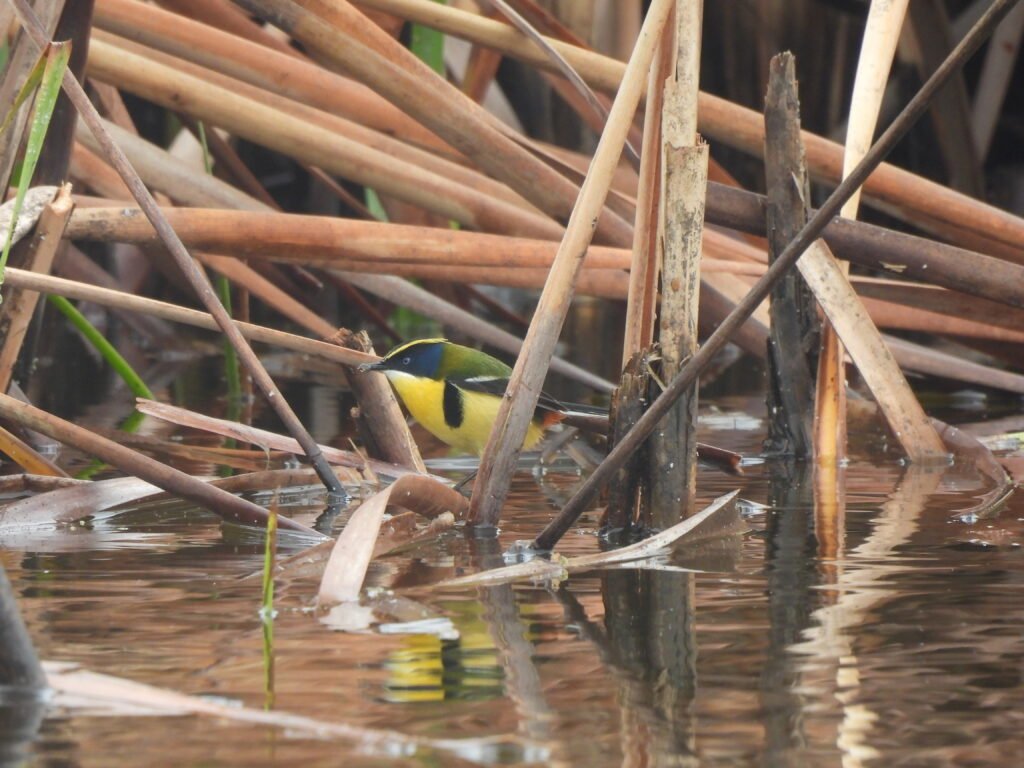
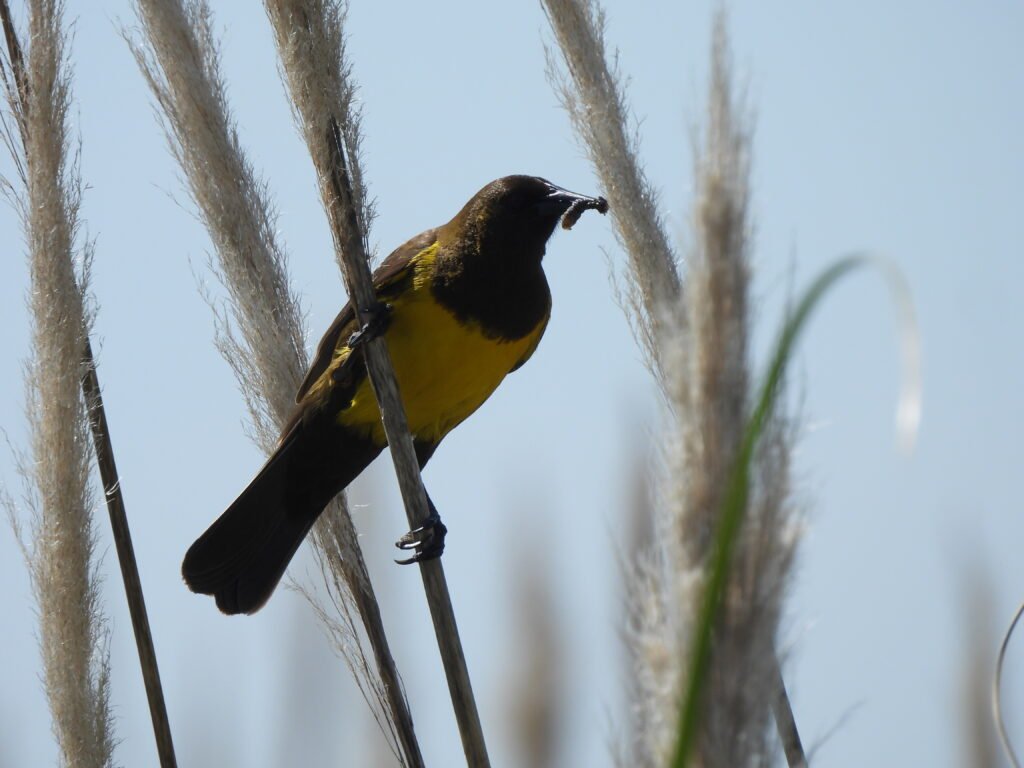
While I failed at locating painted-snipes, my walking around muddy lagoons delivered stunning views of one of the finest birds in the region, the many-coloured rush tyrant (Tachuris rubrigastra). This approach also provided an early but welcome warbling doradito (Pseudocolopteryx flaviventris), several pairs of sooty tyrannulets (Serpophaga nigricans) and, sadly, only distant views of another regional stunner, the scarlet-headed blackbird (Amblyramphus holosericeus).
Heading east this time, the town of San Clemente del Tuyú lies at the very end of the Río de la Plata, and it is no surprise that the sandbars around it are a magnet for migrants. However, I first explored the area west of town, starting off with a dirt track towards Estancia el Erandio. Unfortunately, a timely illegal landfill has been set on some prime habitat — now favoured by chimango caracaras and feral pigeons (Columba livia). However, long-winged harriers (Circus buffoni) still flew over in the distance.
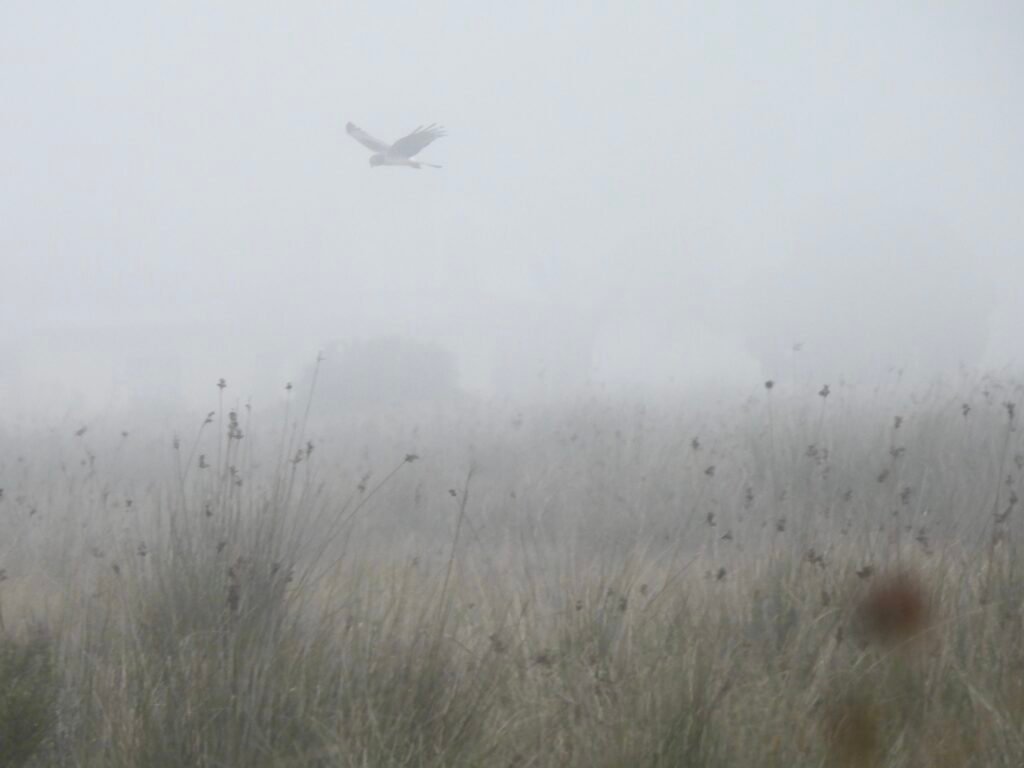
The thick fog prevented views at a distance, but I connected with good numbers of black-necked stilts (Himantopus mexicanus), lesser yellowlegs and the numerous correndera pipits (Anthus correndera), pampa finches (Embernagra platensis), brown-and-yellow marshbirds (Pseudoleistes virescens) and yellow-winged blackbirds (Agelasticus thilius). While not seen, the song of spotted nothuras (Nothura maculosa) was heard throughout. Several Brazilian guinea pigs (Cavia aperea) were also present.
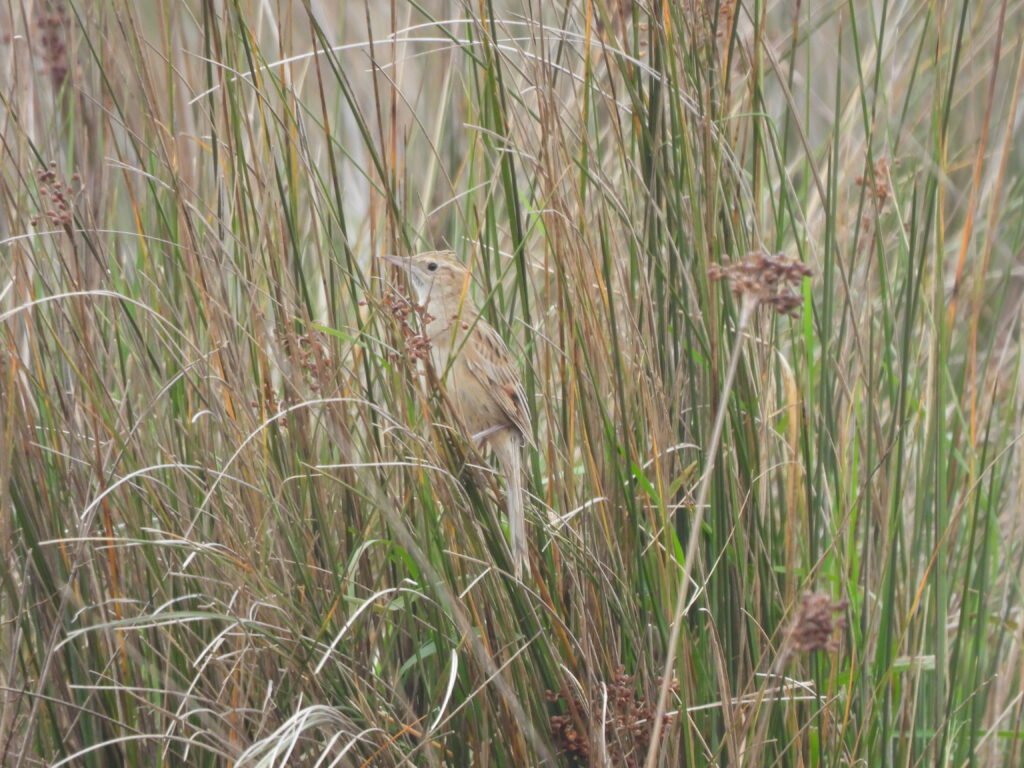
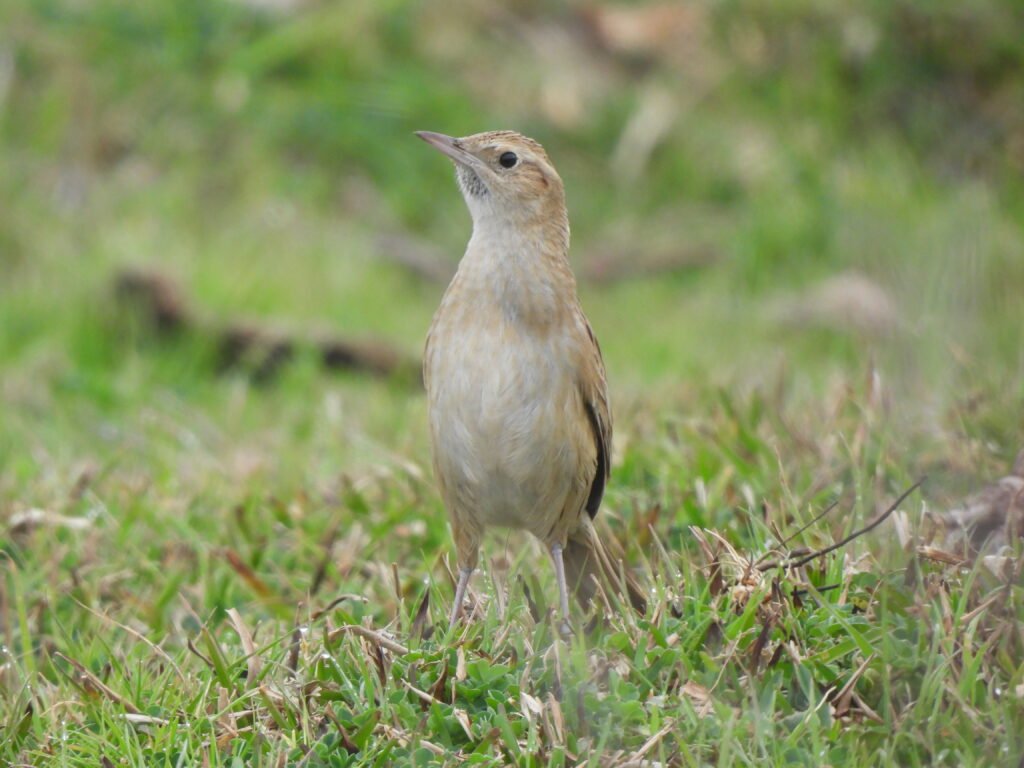
While watching long-winged harriers on this road was stunning, my highlight of this location has to be a non-descript skulker. A Hudson’s canastero (Asthenes hudsoni) delivered amazing looks on my second visit to the site — in which I saw little more than a distant Olrog’s gull among kelp gulls and a burrowing owl (Athene cunicularia). This pampas wetland specialist is pretty poorly known and is mostly restricted to Buenos Aires Province, with some populations extending through Uruguay to extreme southern Brazil. Watching one of these skulkers bump into the roadside lawn at close distance was terrific.
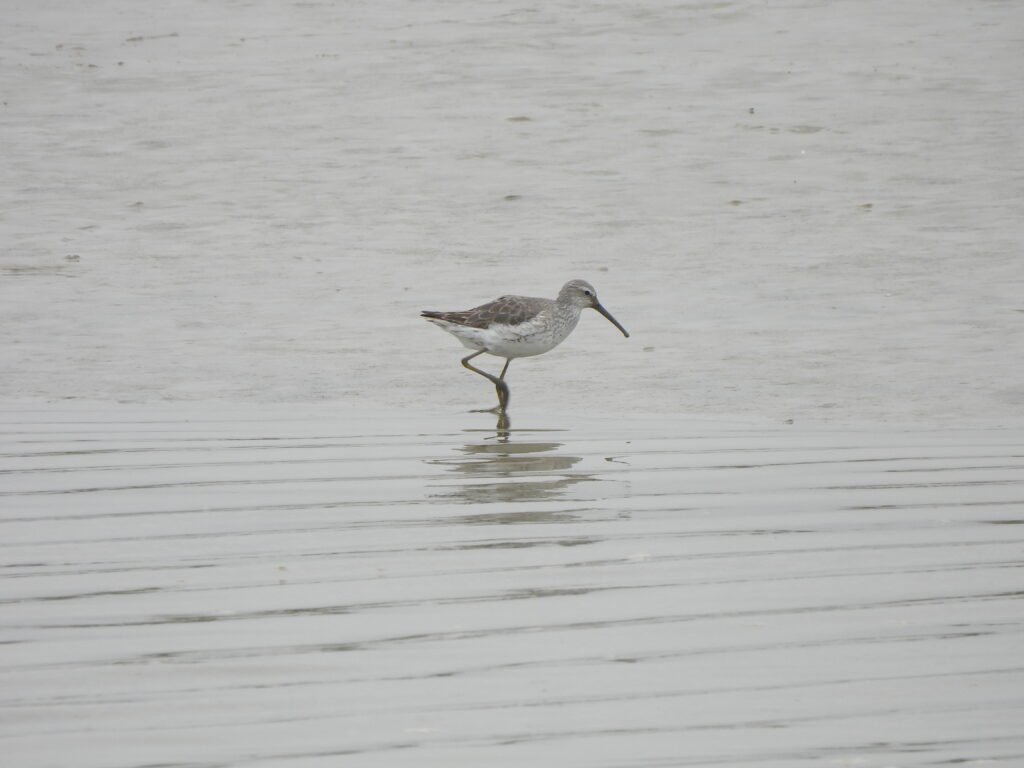
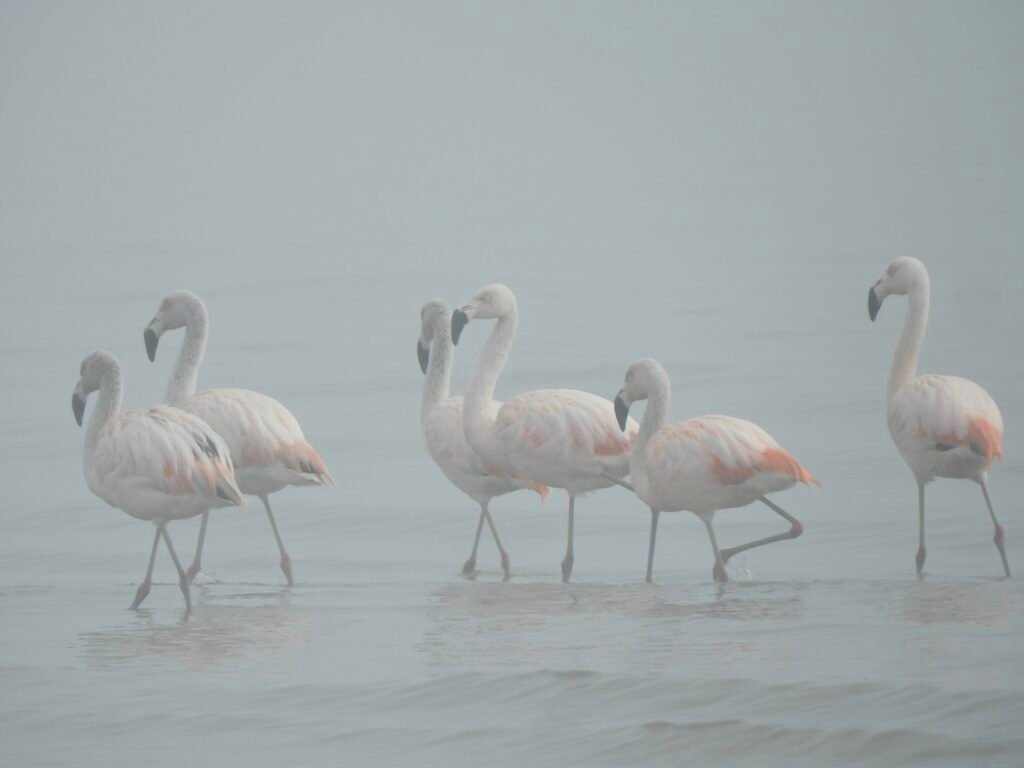
A quick stop at the port of San Clemente del Tuyú was more productive than I first imagined. Among the now typical flocks of terns, skimmers and gulls on sandbars, several Chilean flamingos (Phoenicopterus chilensis) rested. Flyby flocks of godwits, sandpipers and yellowlegs eventually landed right in front of the port. During the 20 seconds that the flock stayed at close distance, I managed to spot a stilt sandpiper (Calidris himantopus) — by far the wader I was most excited to see. This stunning odd wader delivered good views, and its unique silhouette stood out in the distance when I relocated it among godwits and yellowlegs again.
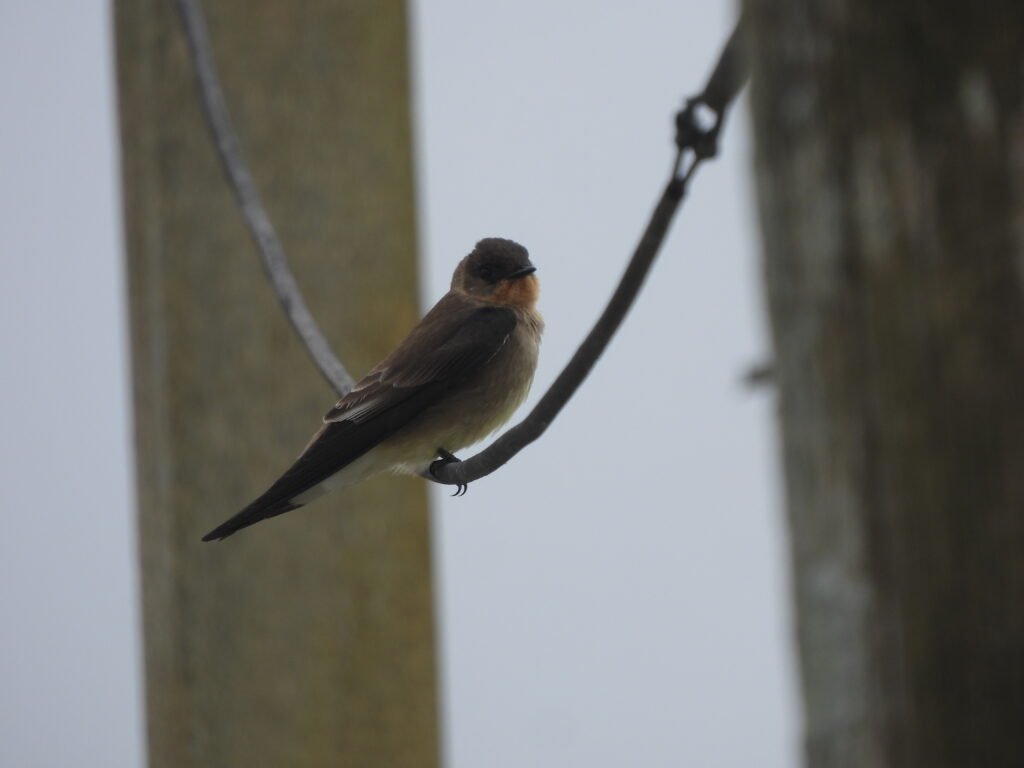
I snapped a couple of freshly arrived southern rough-winged swallows (Stelgidopteryx ruficollis) just next to a spot where fishermen were moving corvinas (Pogonias courbina) out from their boats. One of the numerous restaurant touts saw me checking out the fish, and played a wise move by offering me some empanadas de corvina to try and lure me into her restaurant. Well played!
The cherry on top of this tree was visiting Punta Rasa. The sandy tip north of San Clemente del Tuyú is the southern end of the Río de la Plata, and the tidal regime and recurrent storms, plus some limited management, sadly make it difficult to reach. From what I read, the access road is not reachable by my little rental car, so I drove out of town to the diversion towards Punta Rasa and left my car parked safely on a roadside while walking the 4.5 km to the tip, knowing that the tide was rising.
The walk was a lot of fun, featuring long-tailed reed finches (Donacospiza albifrons), several sulphur-bearded reedhaunters and freckle-breasted thornbirds, and the usual spectacled tyrants, rufous-collared sparrows (Zonotrichia capensis), yellow-winged blackbirds, brown-and-yellow marshbirds and pampa finches (Embernagra platensis), plus some creamy-bellied thrushes (Turdus amaurochalinus). The distant flats included hundreds of godwits and yellowlegs again, with some scattered black-necked stilts, southern lapwings, ruddy turnstones and red knots (Calidris canutus). The end of the walk passed through cortadera grasses, where I bumped into what seems to be the first historical record of lesser shrike-tyrant (Agriornis murinus) in the region.
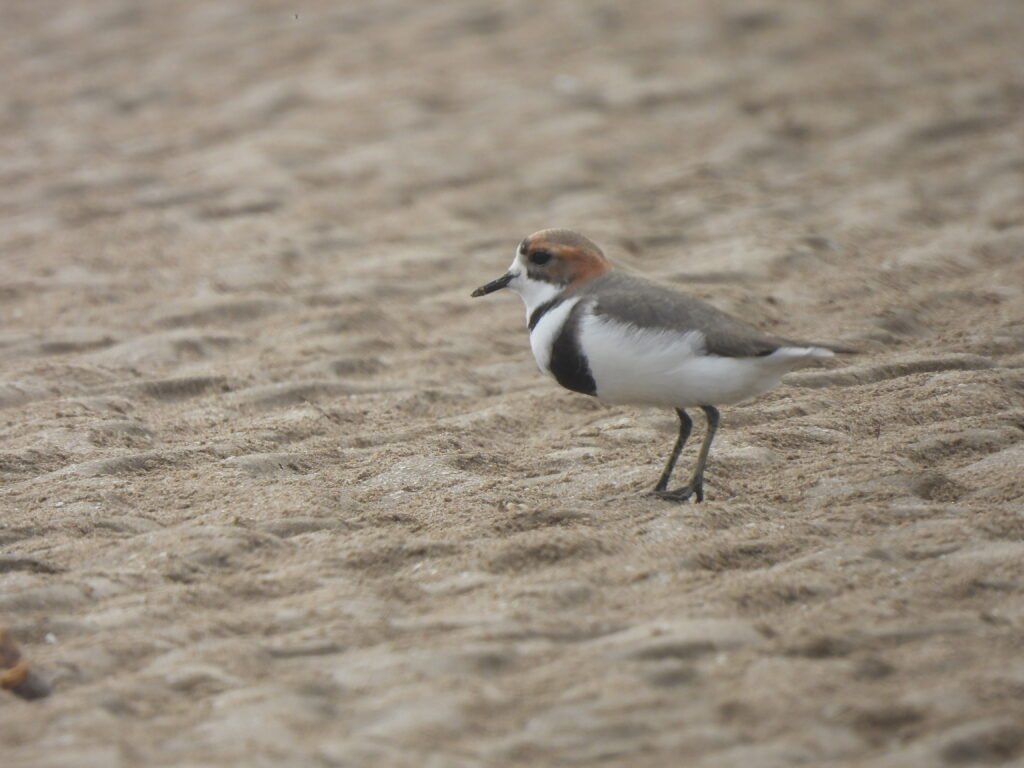
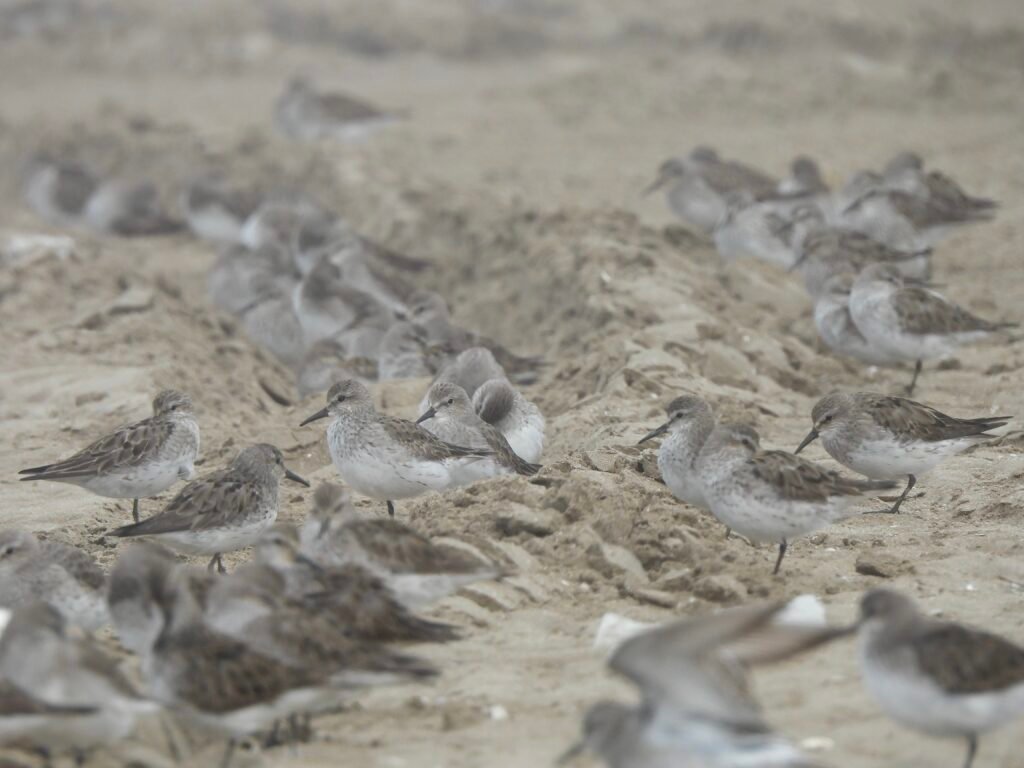
When I made it to the vast sandy tip, the habitat changed radically. Not that I could see it properly, as the thick fog had only worsened and I could barely see a few metres ahead of me. But the vastness of the flats turning pure white in all directions made me feel in the void. Cutting through the fog, hundreds of white-rumped sandpipers flew in all directions. Part of these flocks gathered in the middle of the sand along with dozens of semipalmated plovers (Charadrius semipalmatus) and two-banded plovers (Anarhynchus falklandicus).
Up in the sky, large numbers of royal, South American, snowy-crowned, common and gull-billed terns (Gelochelidon nilotica) joined American oystercatchers, Chilean flamingos and kelp gulls on the shore somewhere beyond the fog. The whole scene, with the deafening noise of wind and waves mixed with thousands of seabirds concealed in the endless white fog, was nonsense.
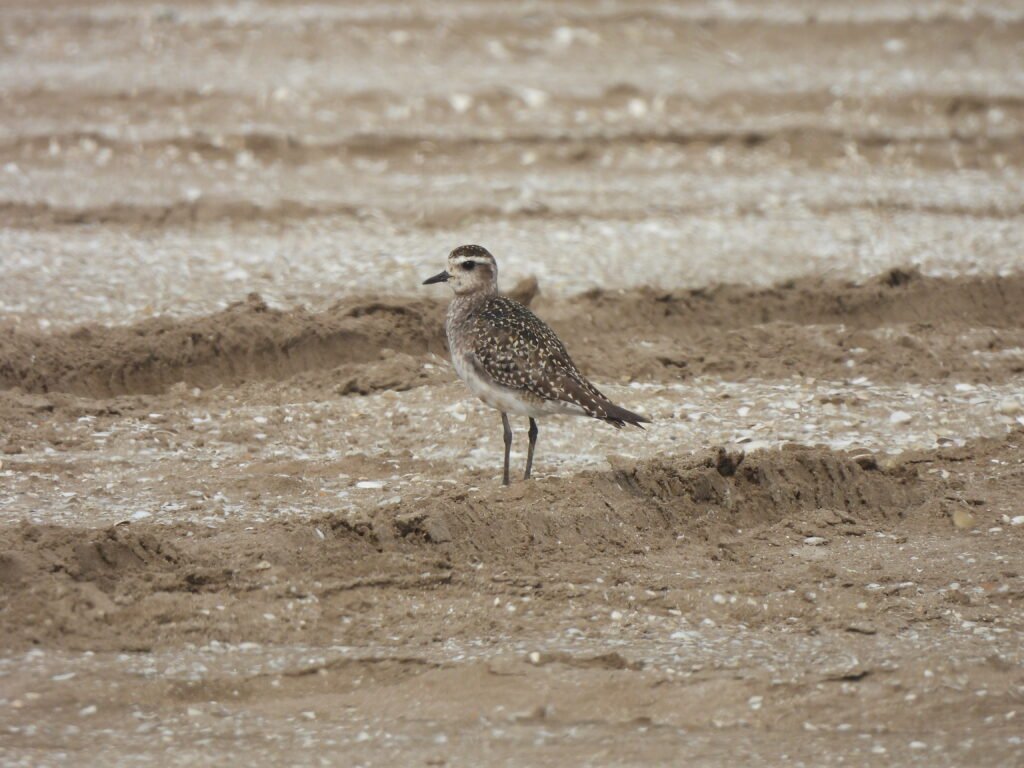
As I headed back and looked next to a random pair of oystercatchers, I randomly spotted an American golden plover (Pluvialis dominica), another wader I wanted to see — this one because it completes the set of Pluvialis. My way back was treacherous, with the tide too high to make it dry. I had to cross a flooded canal and eventually decided to walk barefoot all the way back to the car. Meanwhile, the skies opened to reveal a major storm coming. Thunder and rain got stronger as I was getting close to the car, but it was hard not to stop for a sneak peek at flocks of hundreds of skimmers and godwits roosting for shelter in the mudflats. What an incredible place Punta Rasa is.
If I made it to the car soaked after my barefoot walk to Punta Rasa, that could not be compared to the soaking level of my last rodeo before giving my rental car back in Mar del Plata. The weather had been so terrible on my third and last day that I did little more than merely drive back and make it early to my car drop-off. Therefore, I gave a last shot to the harbour area of Mar del Plata. There is a nature reserve with a beach where just two days prior a mega western rockhopper penguin (Eudyptes chrysocome) had shown up. Of course, the penguin was not there, but one could only dream of something like that ever happening on some epic walk on a vast beach in the Southern Oceans.
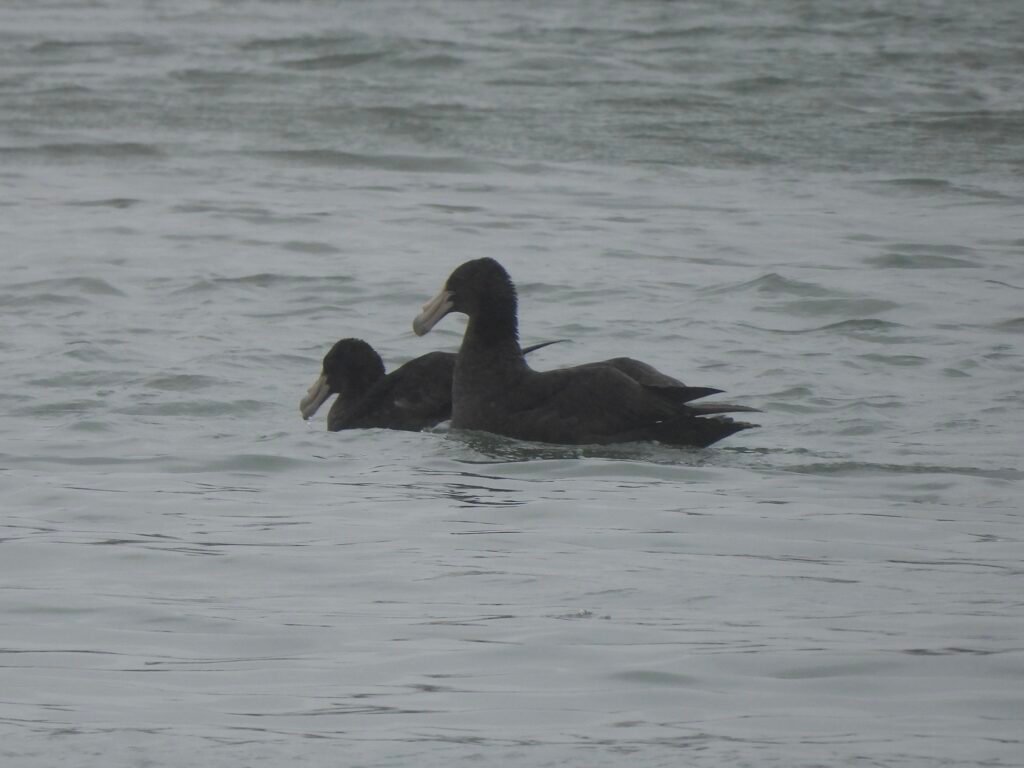
In my case, I got soaked for a flock of kelp gulls and grey-hooded gulls (Chroicocephalus cirrocephalus) and South American terns. I walked all the 3 km in and back to the tip of the harbour in rain and hail, with over 70 km/h winds and a wind chill of -4 ºC — a terrible idea in retrospect. I was very excited to look for the snowy sheathbill (Chionis albus) and I thought it would be impossible to miss among the South American sea lions (Otaria flavescens). However, the sea lions were scattered, the tide was high and, even if the weather was pretty Antarctica-like, the sheathbills were nowhere to be found. Instead, good numbers of southern giant petrels (Macronectes giganteus) struck poses while flying at very close distance from the breakwater. Considering how wet my clothes were after that, my car rental would argue whether that walk was worthwhile.
But regardless of the weather, the trip was fantastic in terms of wildlife. Two effective days and some 115 bird species, including target tyrannids and waders that I initially thought I would dip as it was too early in the season. Open habitats are always a pleasure to visit, and the pampas region excelled at offering pristine grasslands and wetlands.