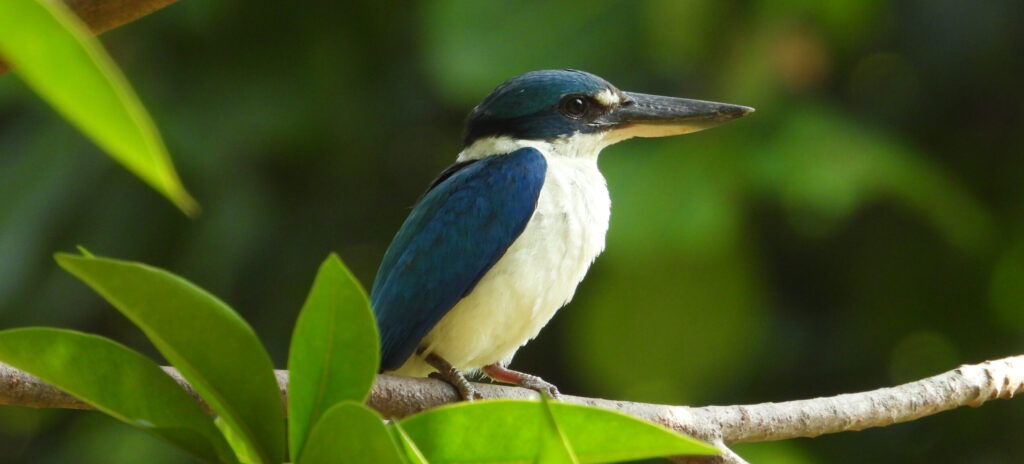
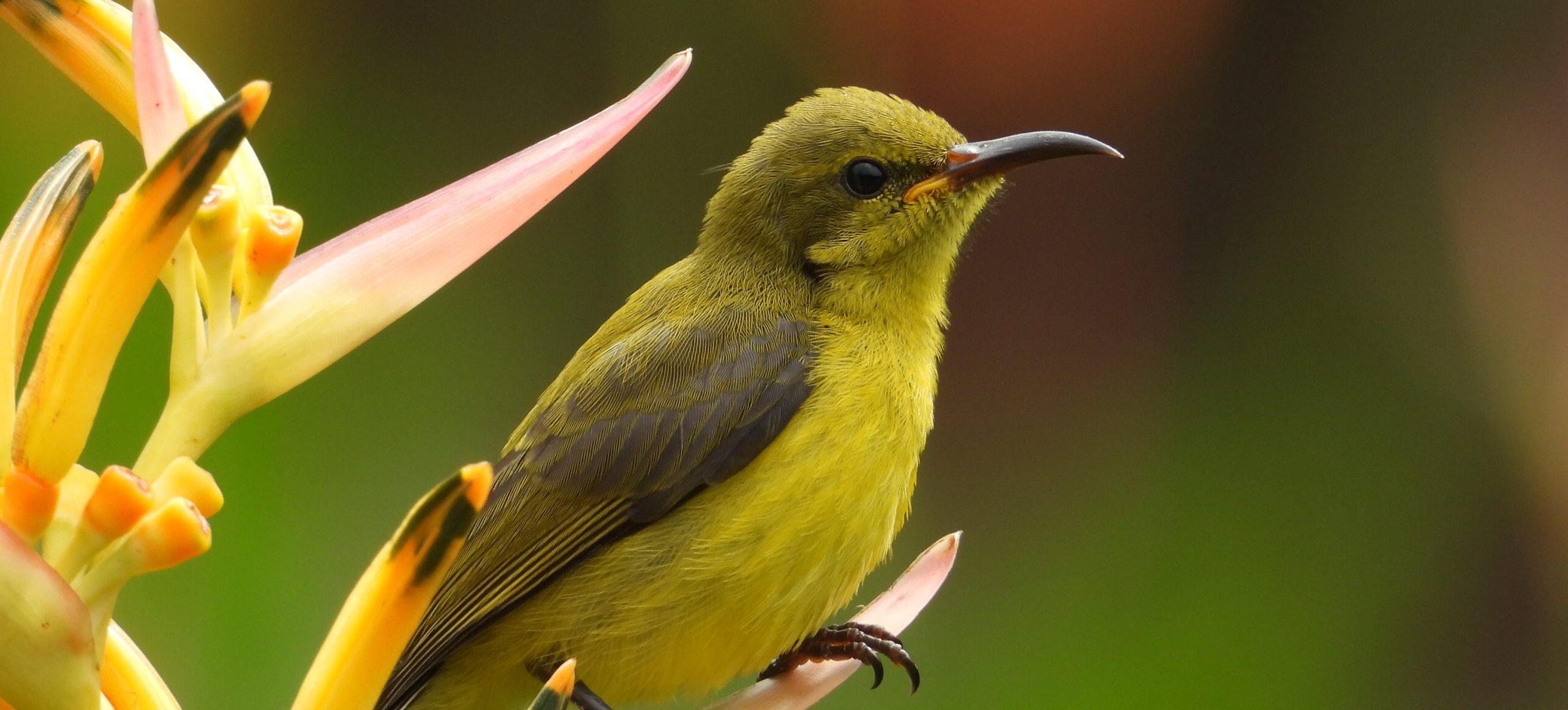
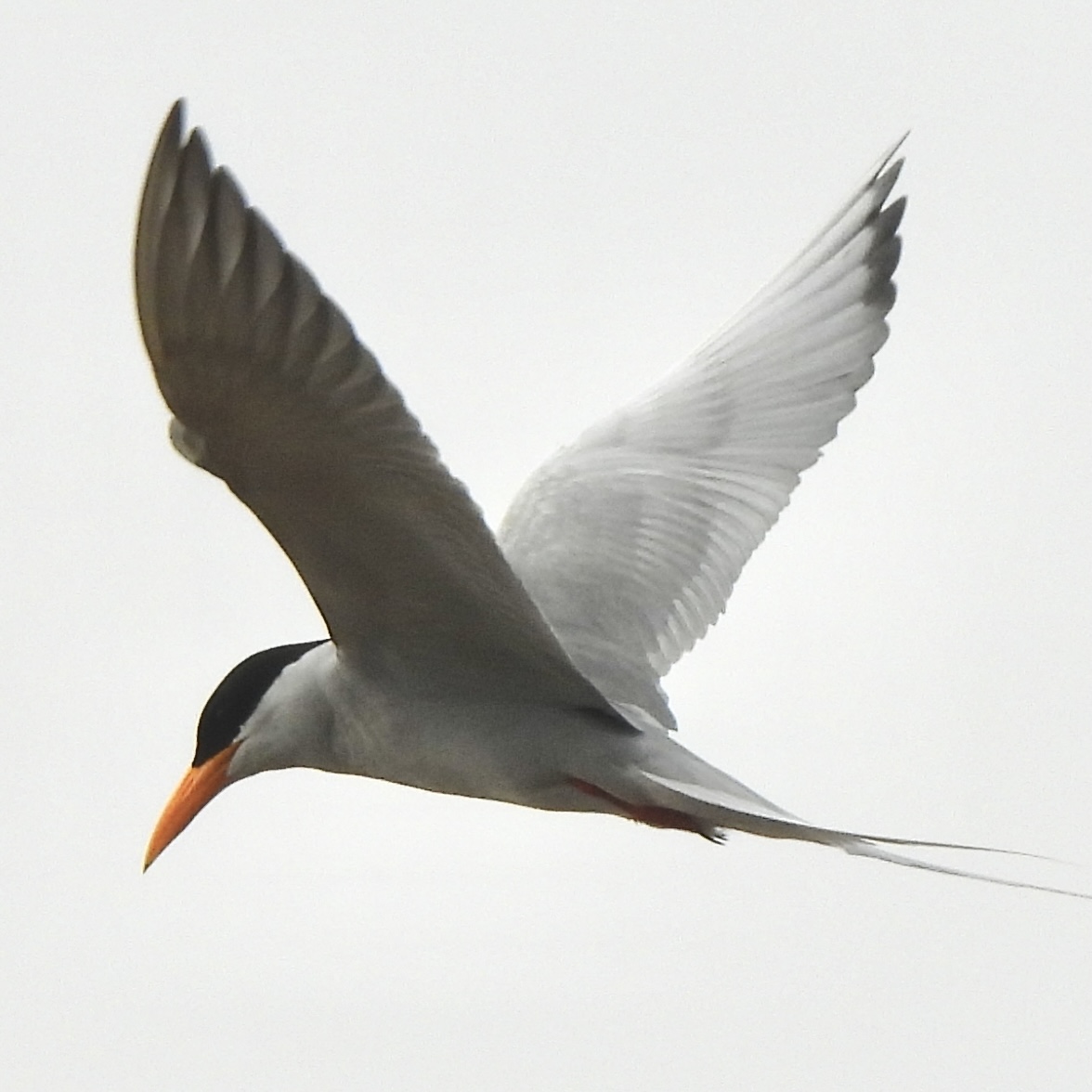
A new month of my daily bird challenge comes to an end, this time fully spent in Argentina, mainly around my new home in Bariloche. This month has not been the easiest, with persistently strong rains due to El Niño and the loss of a beloved relative back home and the realization that grief away from home is a strange, incomplete, lonely experience. However, I found comfort and warmth in work and walks, mainly looking for birds. While the bird diversity in Bariloche seems quite limited, I am already feeling the presence of more and more incoming migrants, including passage visitors and breeders. Plus, getting to know the city improved my chances of finding new birds regularly, in what are now my temporary little local patches.
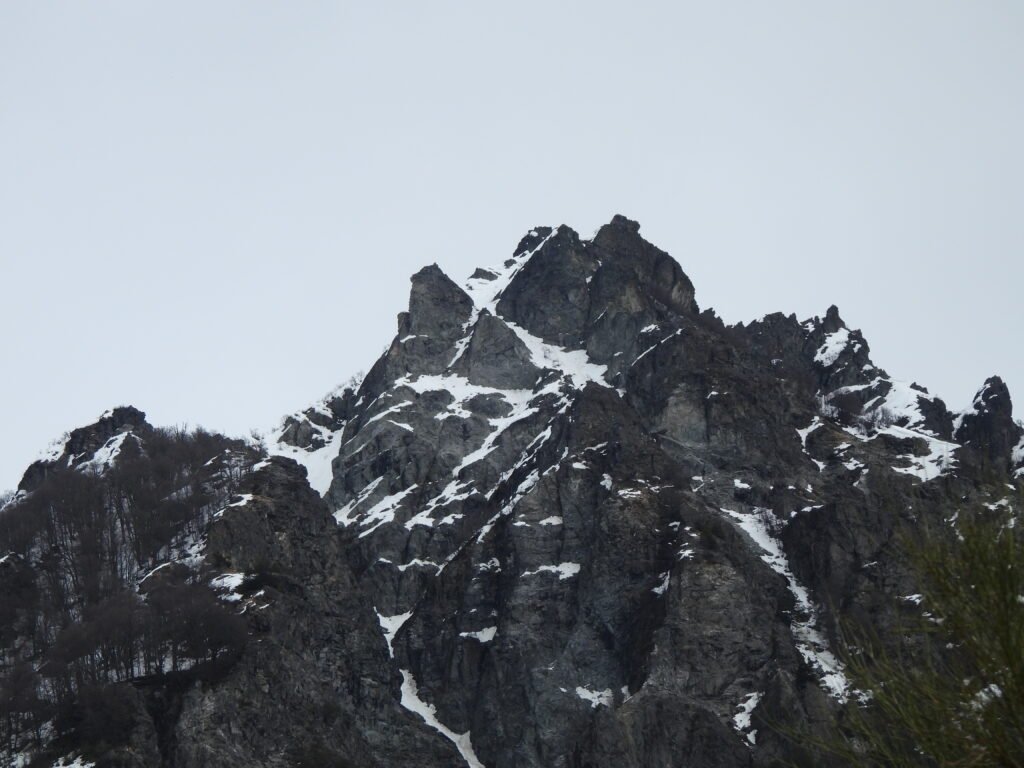
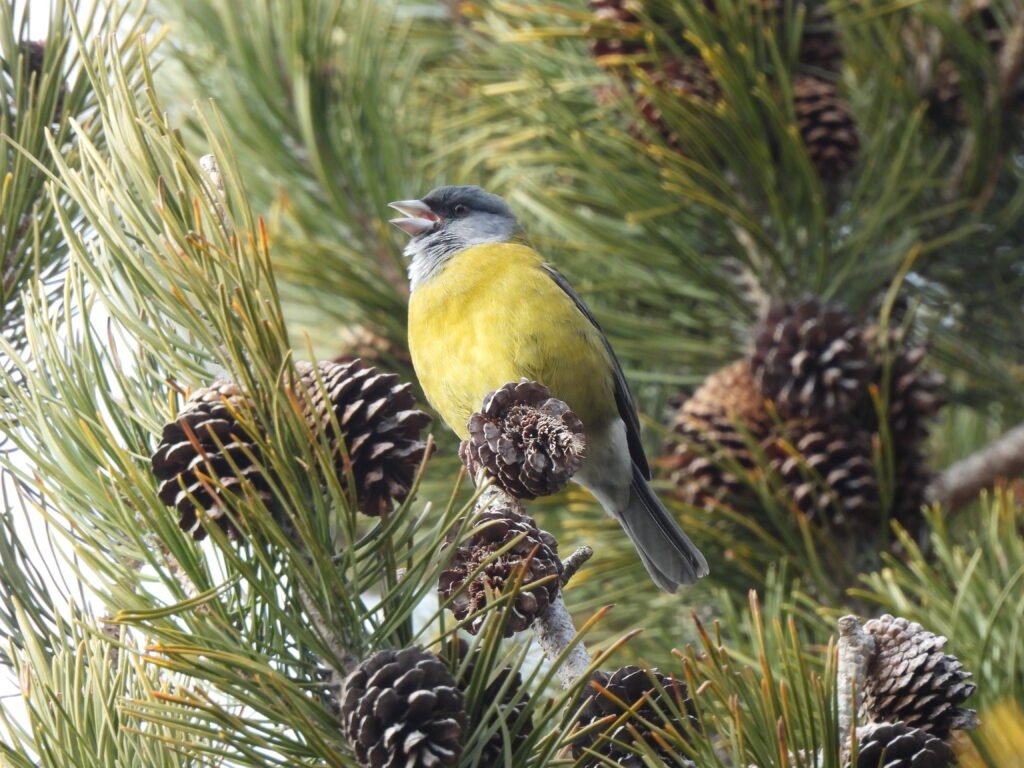
One of the best locations that has continuously given me lifers as I keep visiting it is Paseo Costanera, an urban park along Lake Huapi in the city center. Particularly, the west stretch next to the Museum of Paleontology has delivered some goodies this month that I somehow have not seen elsewhere in the park — or in the region, for that matter. This includes grey-flanked cinclodes (Cinclodes oustaleti) and buff-winged cinclodes (Cinclodes fuscus) among the most numerous dark-bellied cinclodes (Cinclodes patagonicus), great shrike-tyrant (Agriornis lividus), the locally scarce eared dove (Zenaida auriculata) and a singing male grey-hooded sierra finch (Phrygilus gayi) at the end of its distribution range, where it is replaced by the more numerous, forest-dwelling Patagonian sierra finch (Phrygilus patagonicus). Waterbirds that I saw and chose from the lake area included my first brown-hooded gulls (Chroicocephalus maculipennis) and white-winged coot (Fulica leucoptera) seen in town.
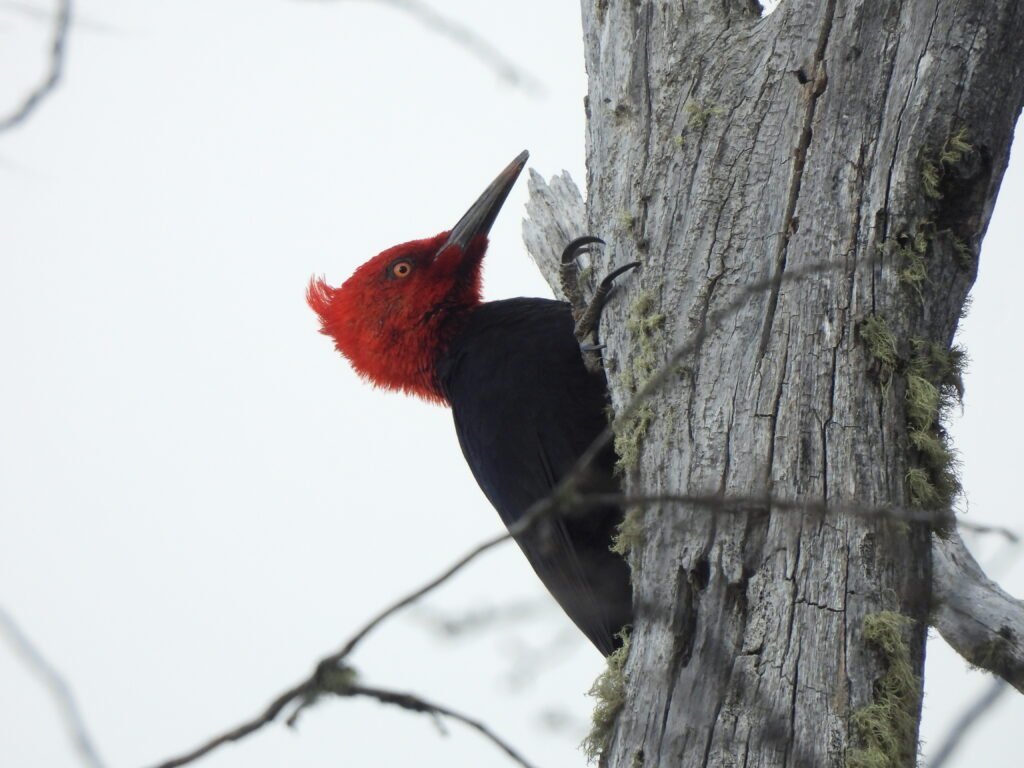
On days when I finished work a bit earlier, I headed towards Cerro Otto instead. The top lies some 2 h away from home or work, but the walk along has produced a variety of goodies that often allowed me to turn back halfway. This includes black vulture (Coragyps atratus) and Andean condor (Vultur gryphus), and the stunning Magellanic woodpecker(Campephilus magellanicus), featuring a local two-year-old male that is part of a ring-monitoring project. Additionally, I recorded a pair of rufous-banded miners (Geositta rufipennis) near the top of Otto, where this species had hardly ever been recorded before.
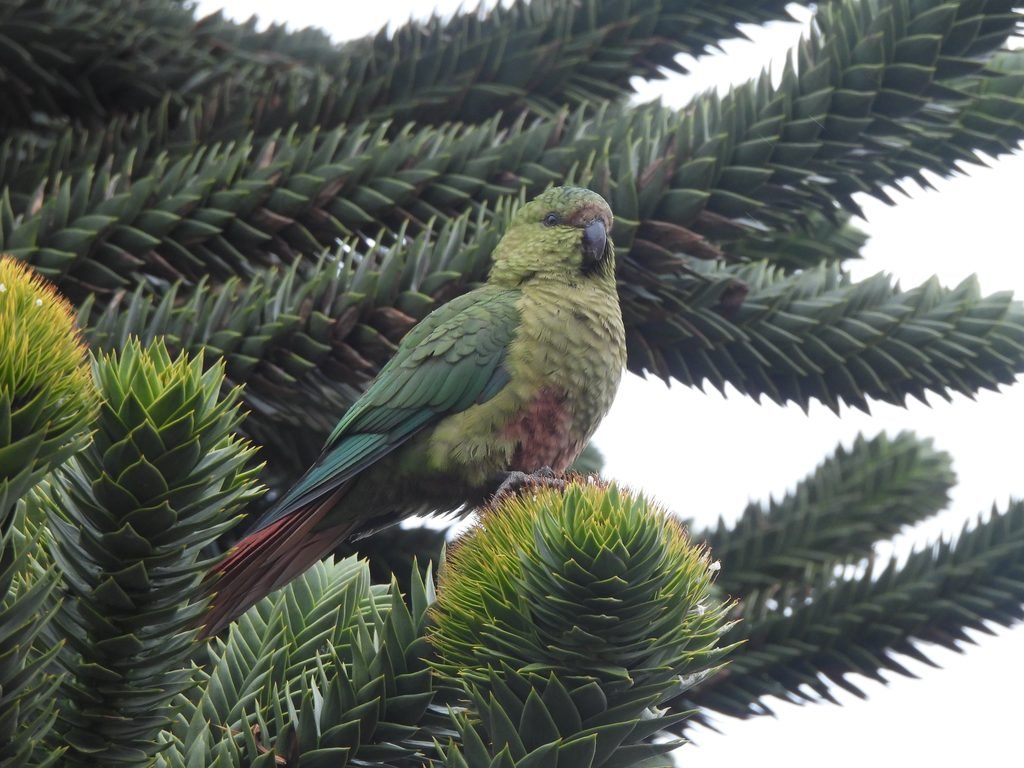
Days with shorter available time still provide some birds. Around my home, the local southern lapwings (Vanellus chilensis), black-faced ibises (Theristicus melanopis), ashy-headed geese (Chloephaga poliocephala), rufous-collared sparrows (Zonotrichia capensis) and house sparrows (Passer domesticus), black-chinned siskins (Spinus barbatus) and Austral thrushes (Turdus falcklandii) will make for good lifesaver birds on busy days. So will green-backed firecrowns (Sephanoides sephaniodes) and Austral parakeets (Enicognathus ferrugineus), which seem to be starting to leave town and head up into the forest for spring and summer. For now, besides the hummingbird, I chose birds around home that I don’t see every day, including Chilean pigeon (Patagioenas araucana), Patagonian tyrant (Colorhamphus parvirostris) and Austral blackbird (Curaeus curaeus).
The coolest days, though, came over the weekends. I have been lucky enough to make a number of plans out of town despite not having a car, thanks to the lovely people I’m meeting here. These people made me fall in love with the estepa, on the eastern side of Bariloche. My first contact was an adventurous hike to Cerro Montura Chilena with workmates, which delivered my first guanacos (Lama guanicoe) and California quails (Callipepla californica).
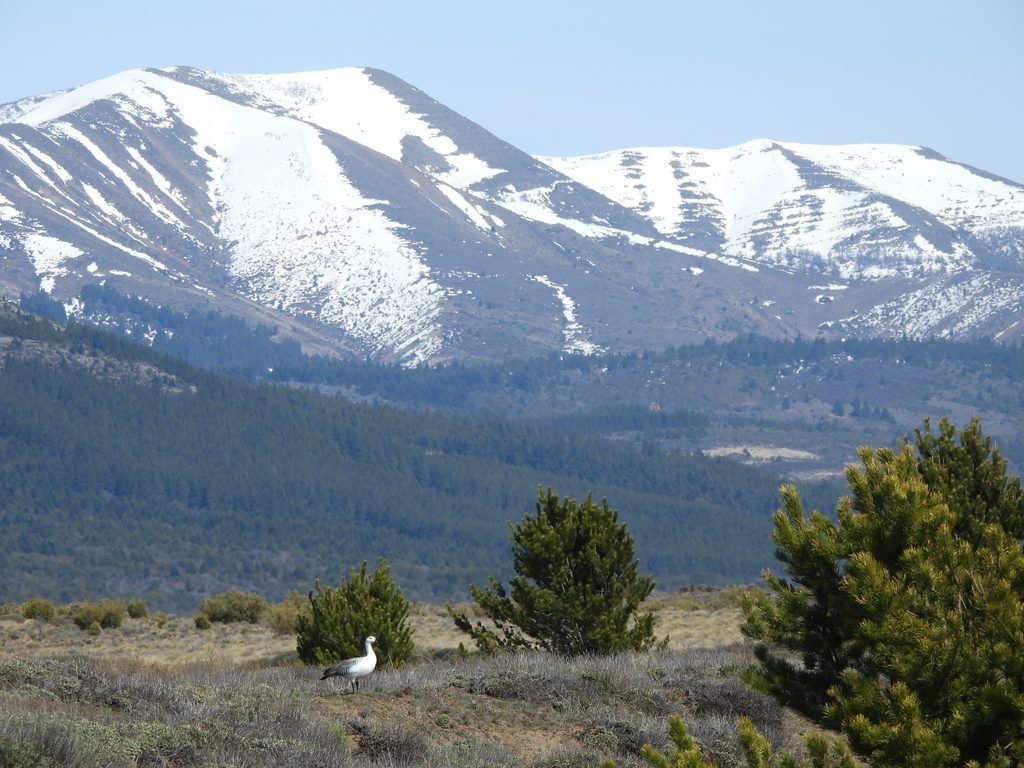
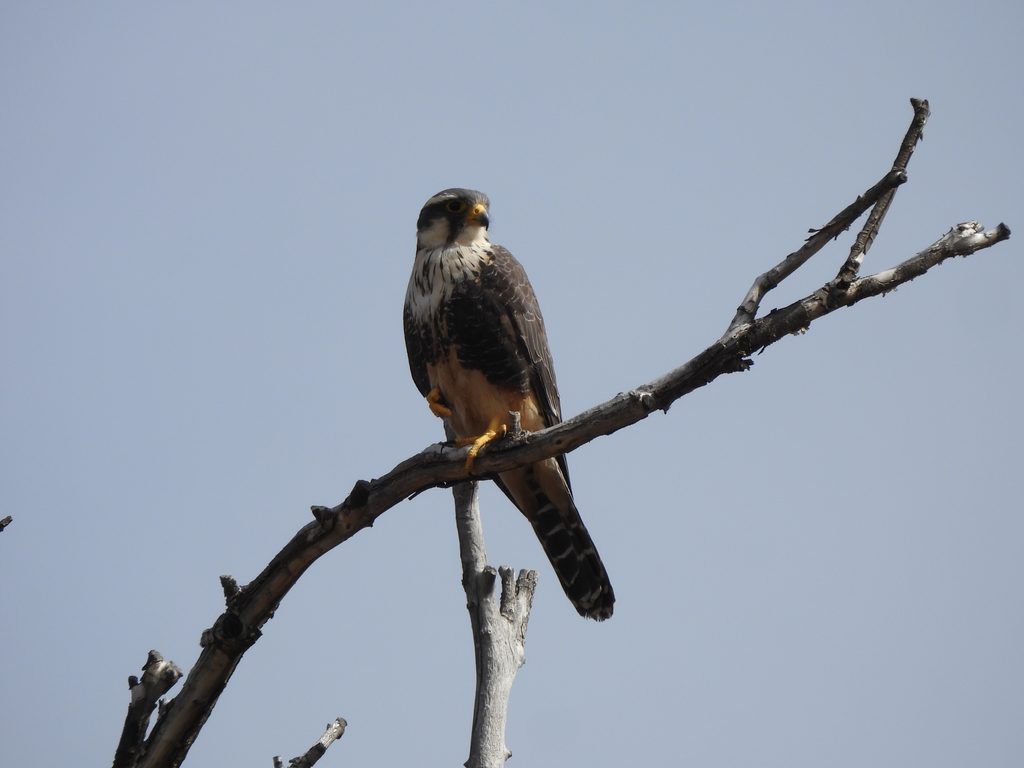
Then, a meeting with the Club de Observadores de Aves (COA) of nearby Dina Huapi produced my first upland geese (Chloephaga picta) and scale-throated earthcreeper (Upucerthia dumetaria). During the COA excursion I met Alex de Torres Curth, from Fundación Payda, and he offered me the chance to join him for a follow-up outing to the steppe that delivered the first seasonal record of Austral negrito (Lessonia rufa) and a locally scarce grey-bellied shrike-tyrant (Agriornis micropterus), plus great looks at aplomado falcons (Falco femoralis), American kestrels (Falco sparverius) and ringed kingfishers (Megaceryle torquata).
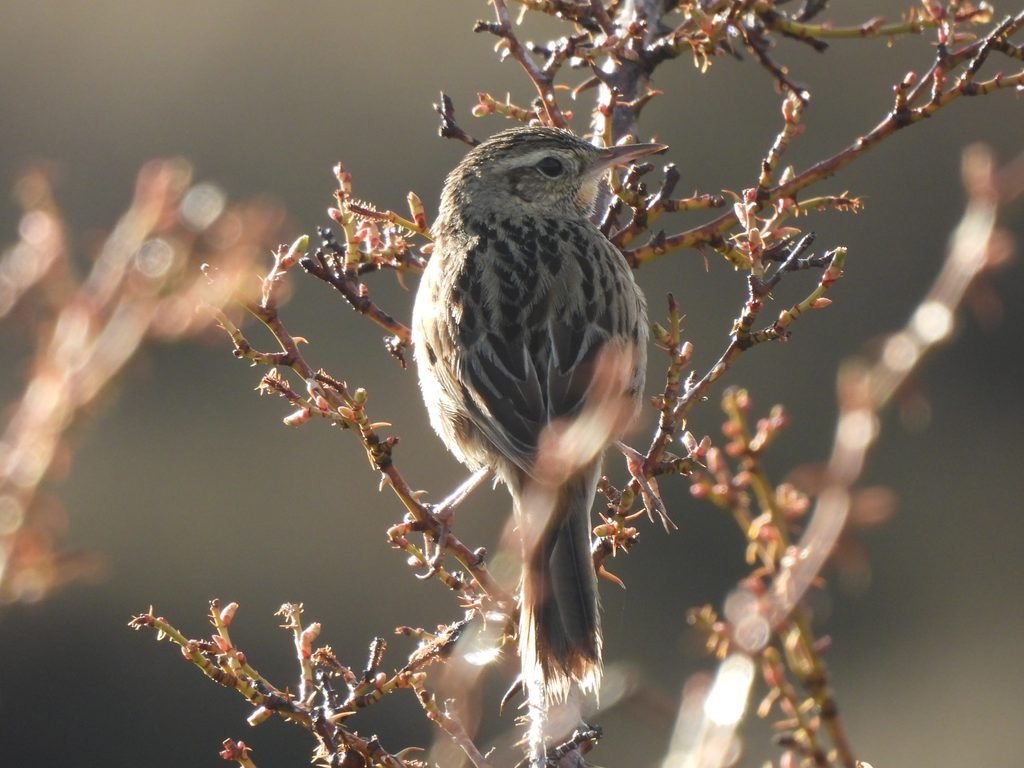
A fantastic full-day outing with Guillermo Amico later in September produced a variety of steppe specialties on a morning visit to Río Ñirihuau. While looking for Austral canasteros (Asthenes anthoides) — which obliged — we also encountered a variety of birds including rufous-tailed plantcutter (Phytotoma rara), Magellanic snipe (Gallinago magellanica) and Patagonian forest earthcreeper (Upucerthia saturatior) — out of the forest! The highlight was finding a couple of lesser horned owls (Bubo magellanicus) at roost.
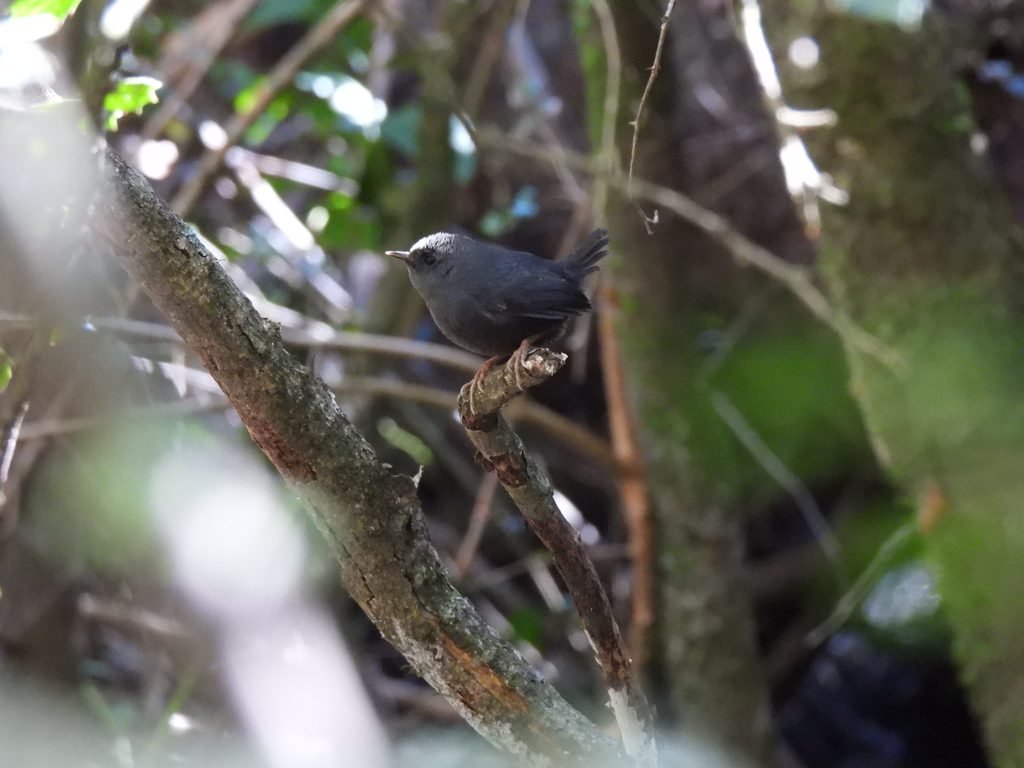
However, I also got to know new places in the forest, west of Bariloche. My neighbour José offered me the chance to join him on an outing through several scenic locations in Nahuel Huapi National Park, including the absolutely stunning Cascada Los Alerces and different lakes. Walking around the lakes was not always easy, as the snowmelt had water levels at an all-time high. Still, I bagged a calling ochre-flanked tapaculo (Eugralla paradoxa) while walking around Lake Mascardi — this being the more localized and toughest of the four tapaculos present in these cold rainforests.
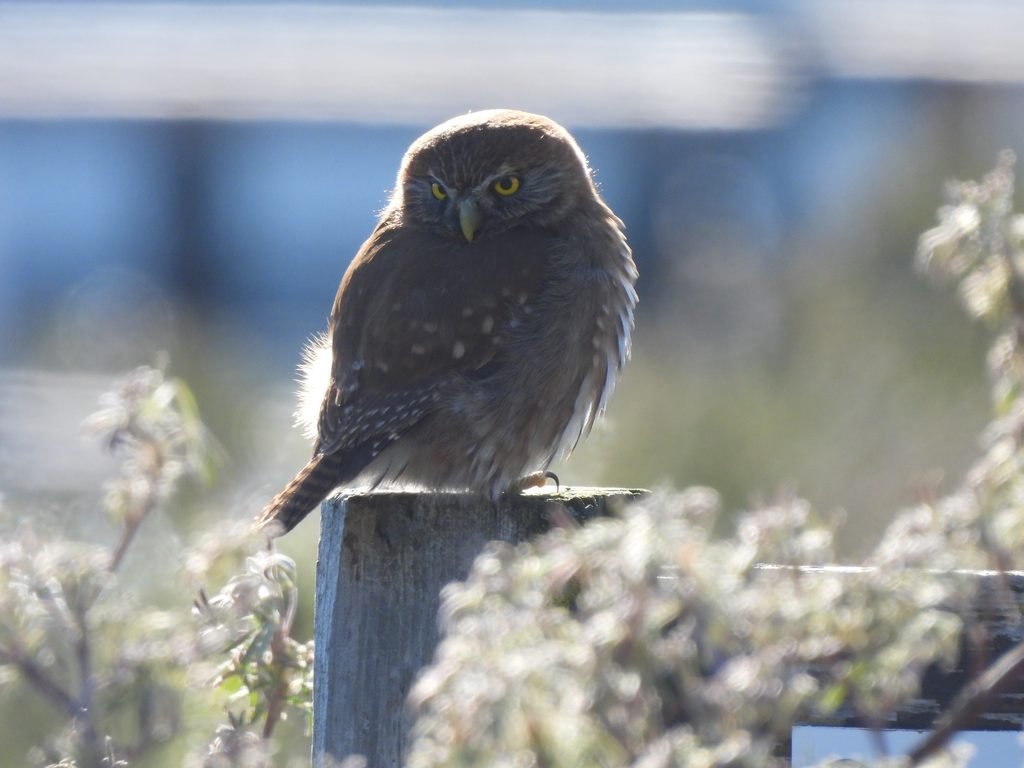
I have grown fond of these tapaculos, visiting Parque Municipal Llao Llao again to get some views of the other species — which I had only heard on a very rainy day. Luckily, I managed to get some proper views of chucao (Scelorchilus rubecula) and Magellanic tapaculo (Scytalopus magellanicus). Moreover, I lifered the Austral pygmy owl (Glaucidium nana) in the open area, and then the black-chested buzzard-eagle (Geranoaetus melanoleucus) that same afternoon with workmates around Casa de Piedra. My first turkey vultures (Cathartes aura) and Chilean swallows (Tachycineta leucopyga) of the season were also present.
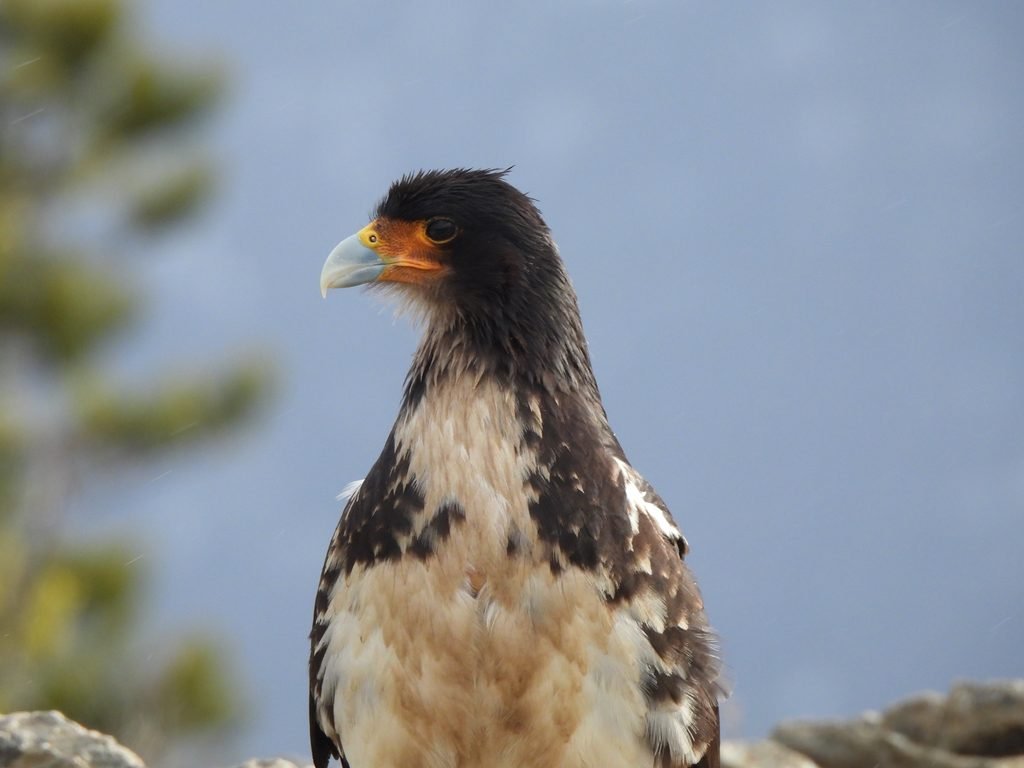
On another weekend hike with friends, this time in Cerrito San Martín near Cerro Catedral, tens of condors and vultures flew overhead, plus some chimango caracaras and a variable hawk (Geranoaetus polyosoma). However, the absolute highlight was an inquisitive white-throated caracara (Daptrius albogularis) walking around the mountain top at very close distance.
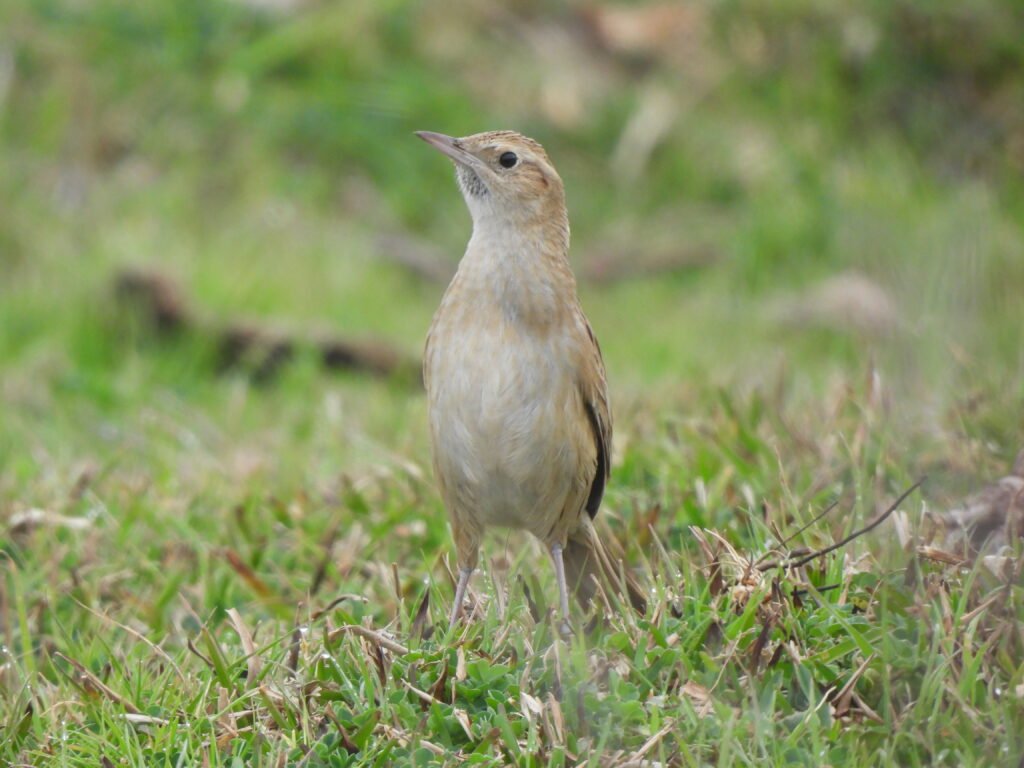
During September, I also allocated some time to explore other regions of Argentina, always reaching different places via transit through Buenos Aires. A flash trip to the pampas wetlands and mudflats of eastern Buenos Aires Province delivered a number of personal targets, including endemic Olrog’s gull (Larus atlanticus), Hudson’s canastero (Asthenes hudsoni), warbling doradito (Pseudocolopteryx flaviventris) and sulphur-bellied reedhaunter (Limnoctites sulphuriferus), and charismatic many-coloured rush tyrant (Tachuris rubrigastra), scarlet-headed blackbird (Amblyramphus holosericeus), white-cheeked pintail (Anas bahamensis) and stilt sandpiper (Calidris himantopus) between Mar del Plata, General Lavalle and Punta Rasa (read more about it here).
I am overall pleased with the bird outcome of September considering the whole situation. Birds have generally obliged and I am still in the game. Here is the archive of the birds of the day for this month. As always, birds are reported in scientific, English and, in this case, Argentinian Spanish names, together with the location of each sighting.
- 1 Sep 2026: Grey-hooded sierra finch (Phrygilus gayi) comesebo andino (Bariloche, Argentina)
- 2 Sep 2026: Grey-flanked cinclodes (Cinclodes oustaleti) remolinera chica (Bariloche, Argentina)
- 3 Sep 2026: Patagonian tyrant (Colorhamphus parvirostris) peutrén (Bariloche, Argentina)
- 4 Sep 2026: White-winged coot (Fulica leucoptera) gallareta chica (Bariloche, Argentina)
- 5 Sep 2026: California quail (Callipepla californica) codorniz de California (Bariloche, Argentina)
- 6 Sep 2026: Ochre-flanked tapaculo (Eugralla paradoxa) churrín grande (Bariloche, Argentina)
- 7 Sep 2026: Great shrike-tyrant (Agriornis lividus) gaucho grande (Bariloche, Argentina)
- 8 Sep 2026: Buff-winged cinclodes (Cinclodes fuscus) remolinera parda (Bariloche, Argentina)
- 9 Sep 2026: Ringed kingfisher (Megaceryle torquata) martín pescador gigante (Bariloche, Argentina)
- 10 Sep 2026: Magellanic woodpecker (Campephilus magellanicus) carpintero grande (Bariloche, Argentina)
- 11 Sep 2026: Chilean pigeon (Patagioenas araucana) paloma araucana (Bariloche, Argentina)
- 12 Sep 2026: Austral pygmy owl (Glaucidium nana) caburé grande (Bariloche, Argentina)
- 13 Sep 2026: Great shrike-tyrant (Agriornis micropterus) gaucho pardo (Pilcaniyeu, Argentina)
- 14 Sep 2026: Rufous-banded miner (Geositta rufipennis) caminera colorada (Bariloche, Argentina)
- 15 Sep 2026: Austral blackbird (Curaeus curaeus) tordo patagónico (Bariloche, Argentina)
- 16 Sep 2026: Brown-hooded gull (Chroicocephalus maculipennis) gaviota capucho café (Bariloche, Argentina)
- 17 Sep 2026: Eared dove (Zenaida auriculata) torcaza (Bariloche, Argentina)
- 18 Sep 2026: Gilded sapphire (Hylocharis chrysura) picaflor bronceado (Ezeiza, Argentina)
- 19 Sep 2026: Freckle-breasted thornbird (Phacellodomus striaticollis) espinero pecho manchado (San Clemente del Tuyú, Argentina)
- 20 Sep 2026: Hudson’s canastero (Asthenes hudsoni) espartillero pampeano (San Clemente del Tuyú, Argentina)
- 21 Sep 2026: White-cheeked pintail (Anas bahamensis) pato gargantilla (Mar de Cobo, Argentina)
- 22 Sep 2026: Rufous-bellied thrush (Turdus rufiventris) zorzal colorado (Ezeiza, Argentina)
- 23 Sep 2026: Green-backed firecrown (Sephanoides sephaniodes) picaflor rubí (Bariloche, Argentina)
- 24 Sep 2026: Variable hawk (Geranoaetus polyosoma) aguilucho ñanco (Bariloche, Argentina)
- 25 Sep 2026: Great egret (Ardea alba) garza blanca (Bariloche, Argentina)
- 26 Sep 2026: Scale-throated earthcreeper (Upucerthia dumetaria) bandurrita esteparia (Bariloche, Argentina)
- 27 Sep 2026: Magellanic horned owl (Bubo magellanicus) tucúquere (Bariloche, Argentina)
- 28 Sep 2026: Chilean flicker (Colaptes pitius) carpintero pitío (Bariloche, Argentina)
- 29 Sep 2026: Picazuro pigeon (Patagioenas picazuro) picazuró (Bariloche, Argentina)
- 30 Sep 2026: Red-gartered coot (Fulica armillata) gallareta ligas rojas (Bariloche, Argentina)