I recently had the opportunity to explore the Atlantic coast of Patagonia across the Argentinian provinces of Río Negro and Chubut. The primary objective of the trip was conducting an intensive fieldwork campaign in Islote Lobos National Park alongside Tati Pessano. However, we had the chance to allocate some time both before and after our duties to explore the surrounding coastlines.
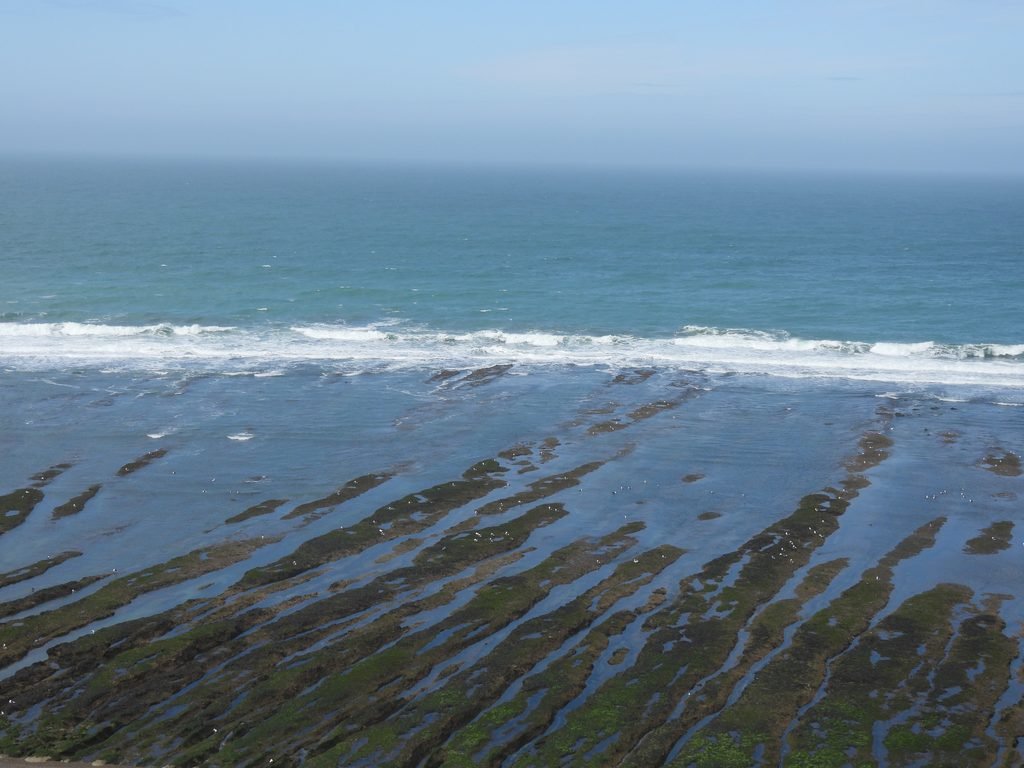
October is an exceptional month for cetaceans along the South Atlantic coastline. Arriving in Puerto Madryn, we found ourselves in some of the best destinations worldwide to observe southern right whales (Eubalaena australis), which gather in the sheltered gulf waters during their breeding season.
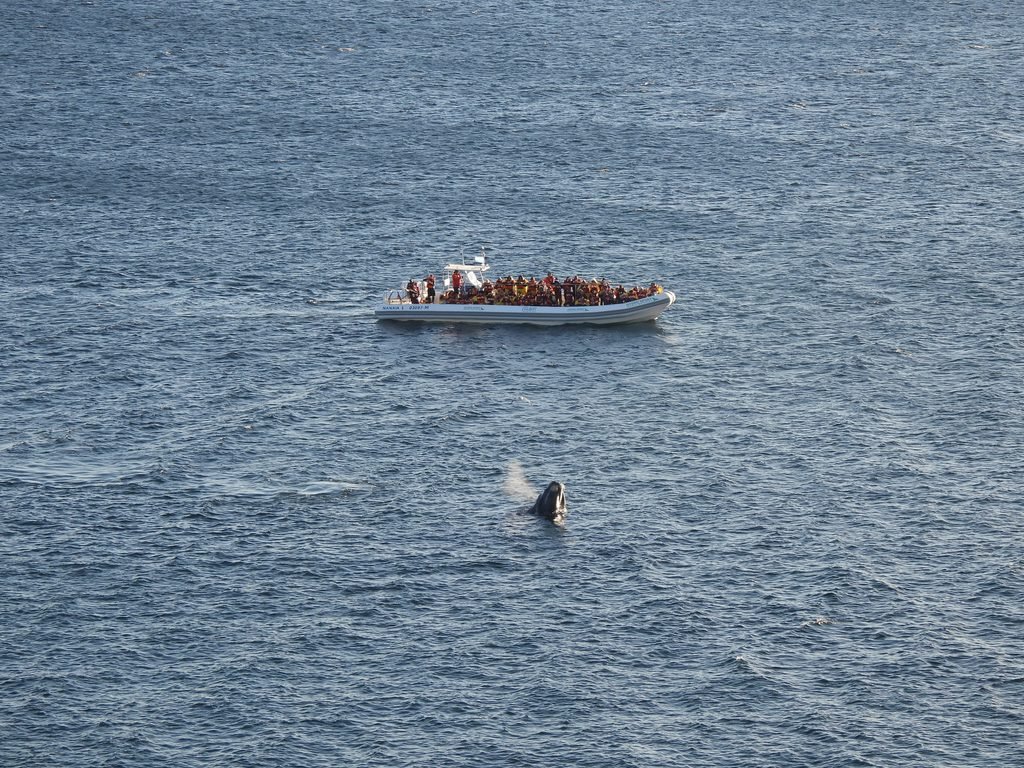
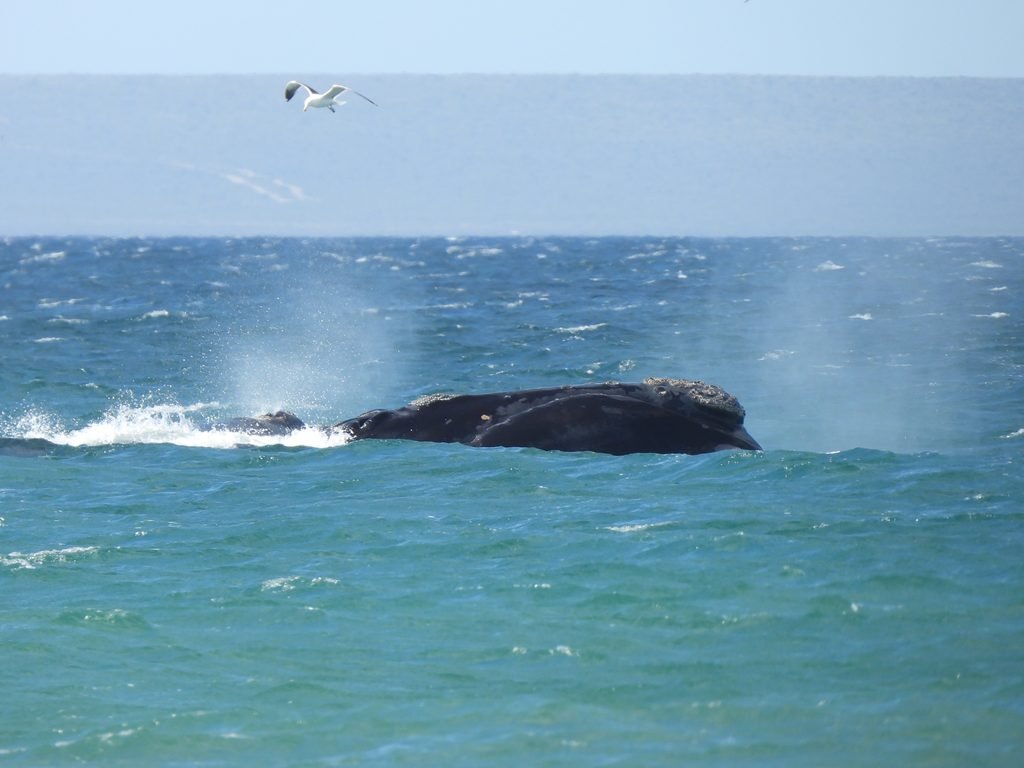
To make the most of the spectacle, we rented a car and drove out to Playa El Doradillo. Here, the calm, deep shoreline allows the southern right whales (Eubalaena australis) to forage and rest astonishingly close to the pebble beach. Watching these gentle giants surface and blow just meters from where we stood was a marvelous show of nature.
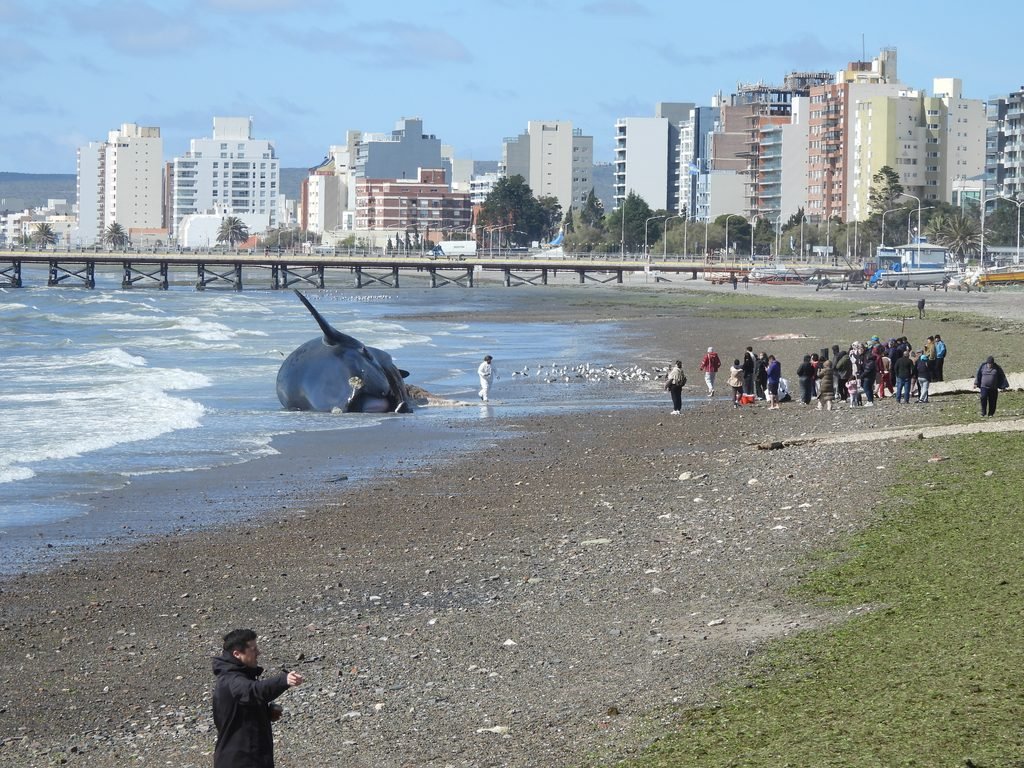
However, the gulf whales have been struck by a health crisis in recent months, with a severe mortality outbreak causing hundreds of individuals to wash up deceased. While the reasons behind these mass deaths remain poorly understood, we witnessed this raw reality right when we drove around town, bumping into a washed whale in the beach downtown. Researchers had conducted a necropsy, opening the carcass and letting the whale’s guts spill out onto the beach. Hundreds of kelp gulls (Larus dominicanus) and southern giant petrels (Macronectes antarcticus) gathered in a frenzied flock around the carcass, hoping scientists and locals would soon leave so they could feast on this giant.
Stepping away from the main coastline, we explored some small lagoons scattered among the regional coastal towns. In the neighbourhood of El Progreso within Puerto Madryn, a surprisingly bird-rich water-filled dumpster pool harbored impressive numbers of Chilean flamingos (Phoenicopterus chilensis), black-necked stilts (Himantopus mexicanus), and crested ducks (Lophonetta specularioides). Continuing further south toward Trelew, a stop at Laguna del Ornitólogo produced numerous waterfowl, a large flock of brown-hooded gulls (Chroicocephalus maculipennis) alongside vocal yellow-winged blackbirds (Agelasticus thilius) singing from the roadside vegetation.
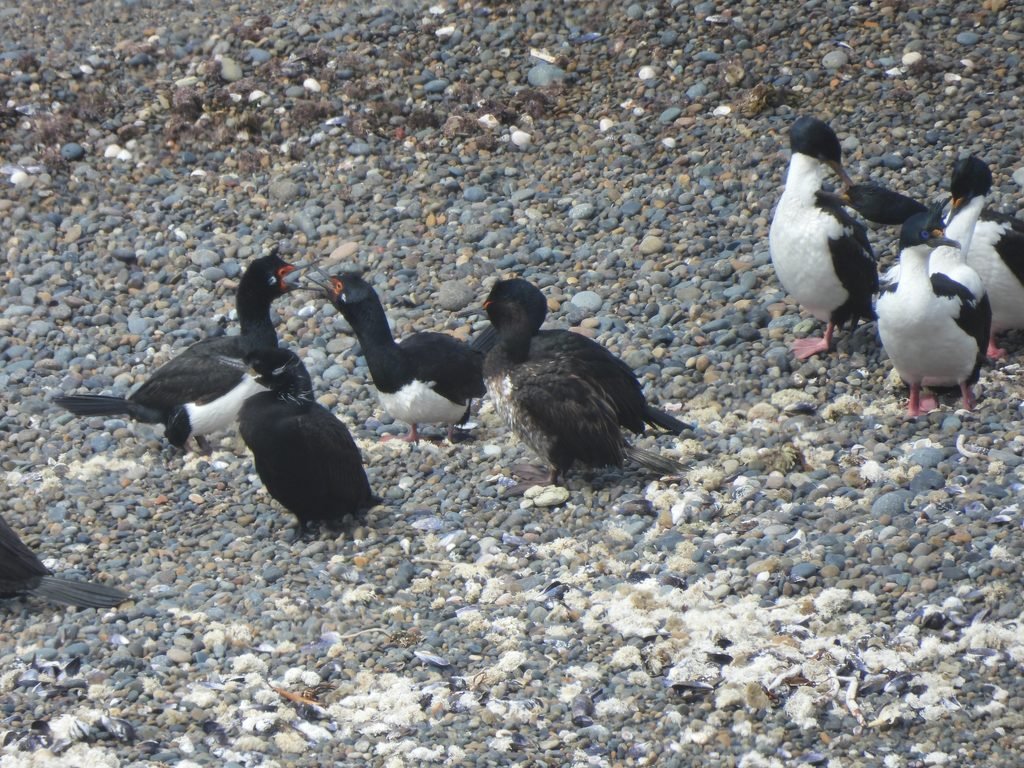
We then drove on to Rawson with the main intention of seawatching for the localized Commerson’s dolphin (Cephalorhynchus commersonii), as heavy seas and adverse weather conditions had forced the cancellation of local boat tours. Unfortunately, those same choppy conditions prevented us from spotting any dolphins from shore, but our time there was rewarded with fantastic looks at a flock of imperial cormorants (Leucocarbo imperialis) in the town harbour.
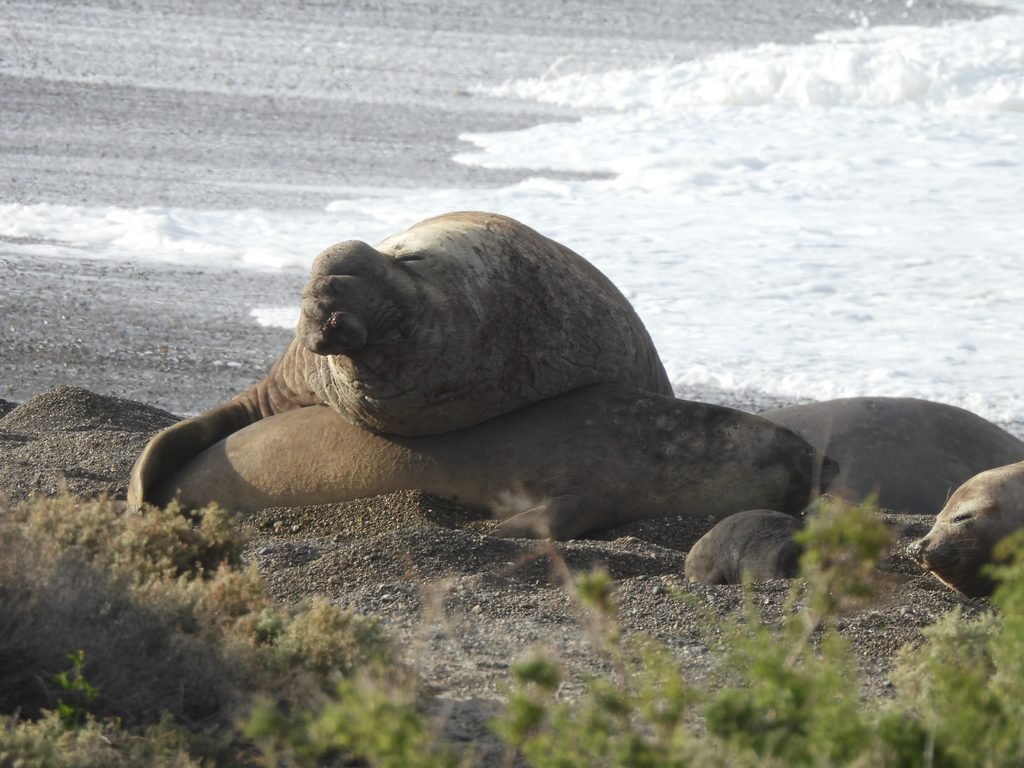
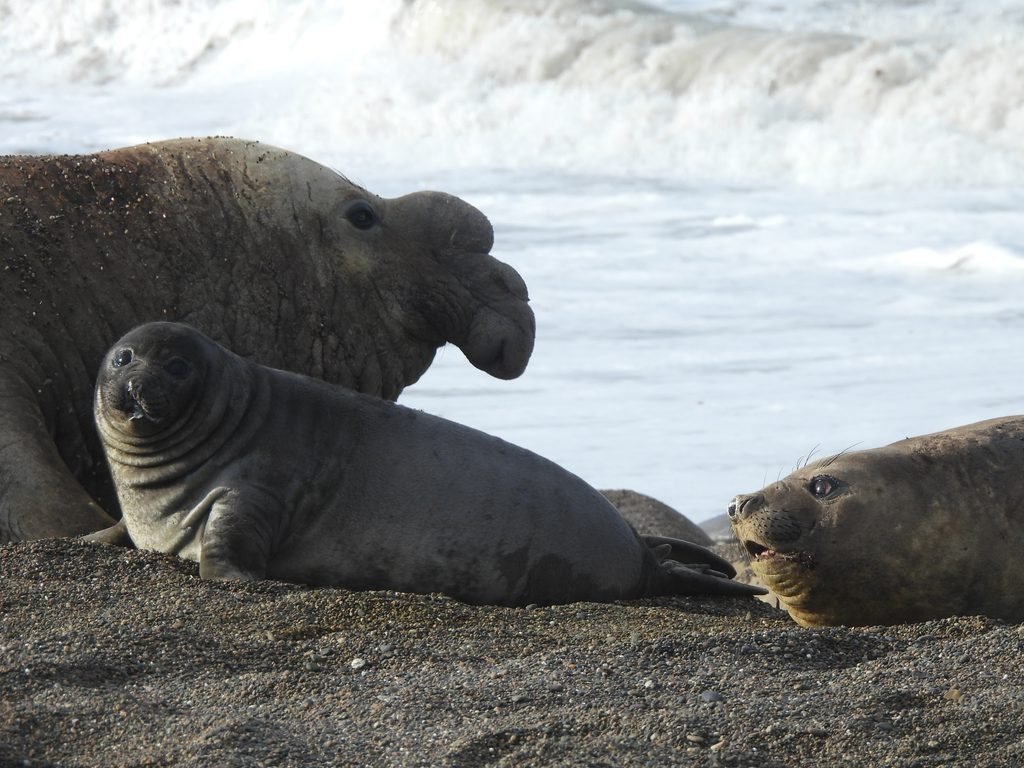
Driving further south, we set off toward Playa Isla Escondida. We navigated dirt tracks for over an hour without encountering any evidence of human presence before arriving at this untouched, pristine beach. This wild haven harbors a breeding pod of southern elephant seals (Mirounga leonina). A few massive males were scattered across the territory, while the majority of the group consisted of females attentively caring for their small, dark pups — some of which were only a couple of days old.
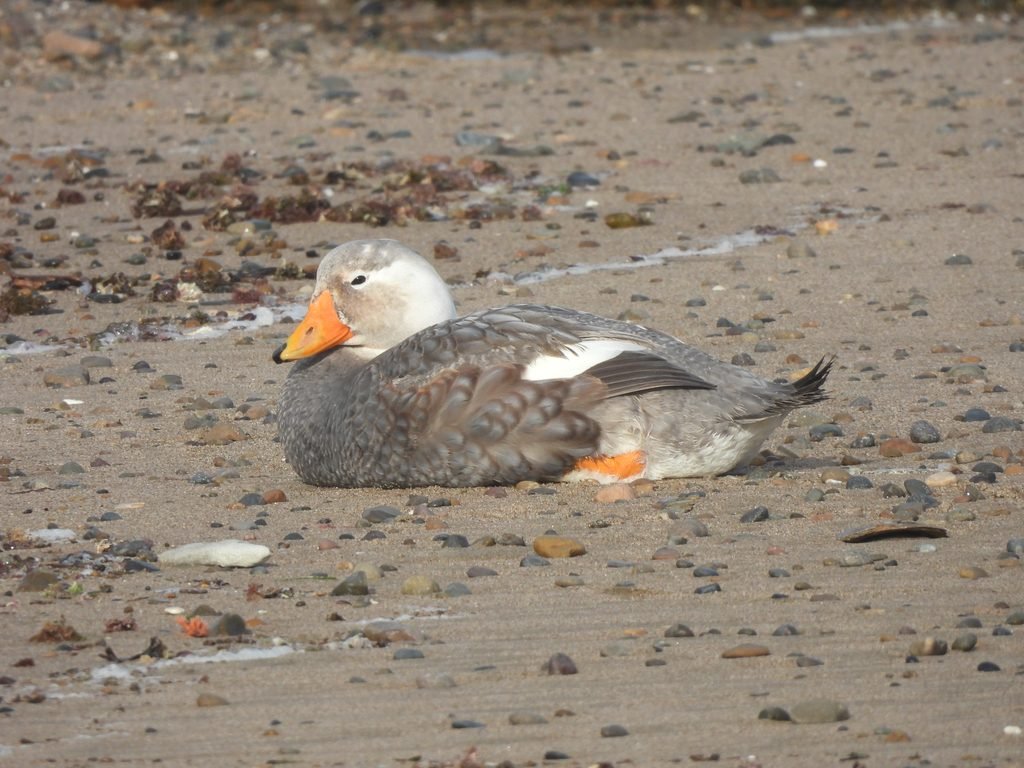
Playa Isla Escondida also provided our encounter with a pair of the localized Chubut steamer duck (Tachyeres leucocephalus). The coastline had previously offered sights of the similar and more abundant flying steamer duck (Tachyeres patachonicus), but this larger, massive-billed species was a personal target. This flightless species, virtually restricted to the coast of this Argentinian province, is chiefly found between this latitude and further south.
We continued visiting Península Valdés — Tati’s lifelong dream destination that hooked me as she showed me the wildlife living in this place over the previous weeks4. We spent a full day staking out Caleta Valdés with high hopes of connecting with orcas (Orcinus orca) hunting along the beach, but to no avail. Luck has its unpredictable ways in wildlife watching: of course, orcas had been repeatedly sighted at that exact spot on the days immediately preceding and following our visit.
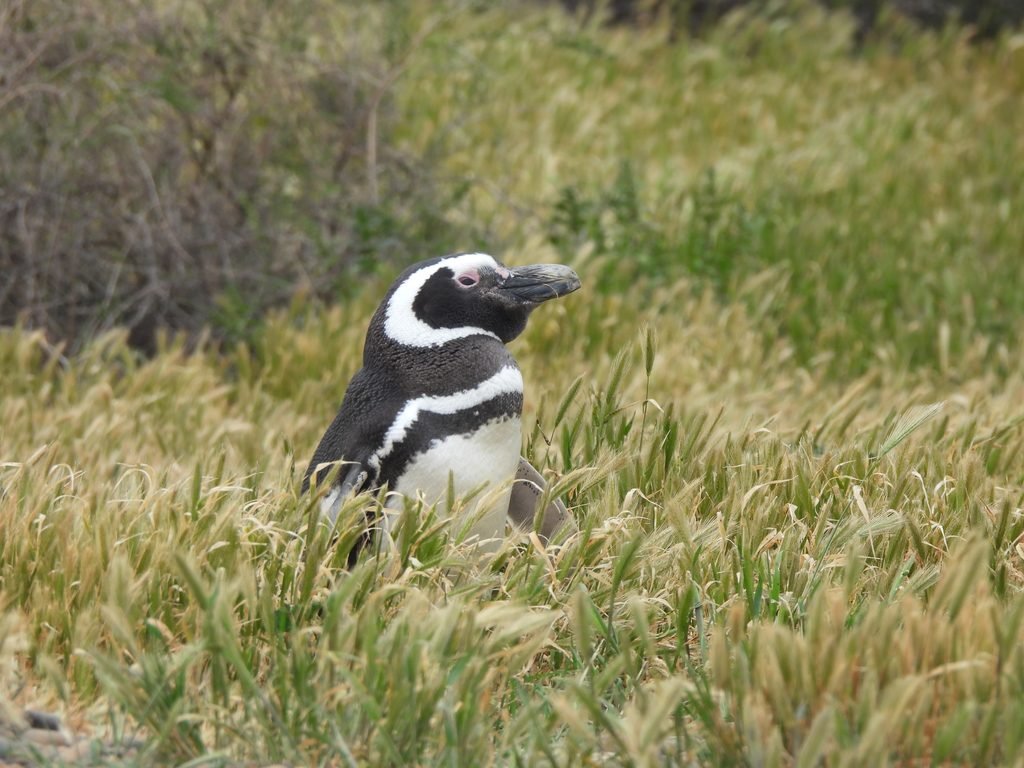
Despite missing the apex predators, Península Valdés delivered incredible coastal wildlife. We visited a bustling Magellanic penguin (Spheniscus magellanicus) colony, alongside active haul-outs of southern elephant seals (Mirounga leonina) and South American sea lions (Otaria flavescens). Among the ubiquitous kelp gulls (Larus dominicanus), we picked out opportunistic scavengers including snowy sheathbills (Chionis albus), dolphin gulls (Leucophaeus scoresbii) and rock shags (Leucocarbo magellanimcus) as well as passing northern giant petrels (Macronectes halli) and Manx shearwaters (Puffinus puffinus).
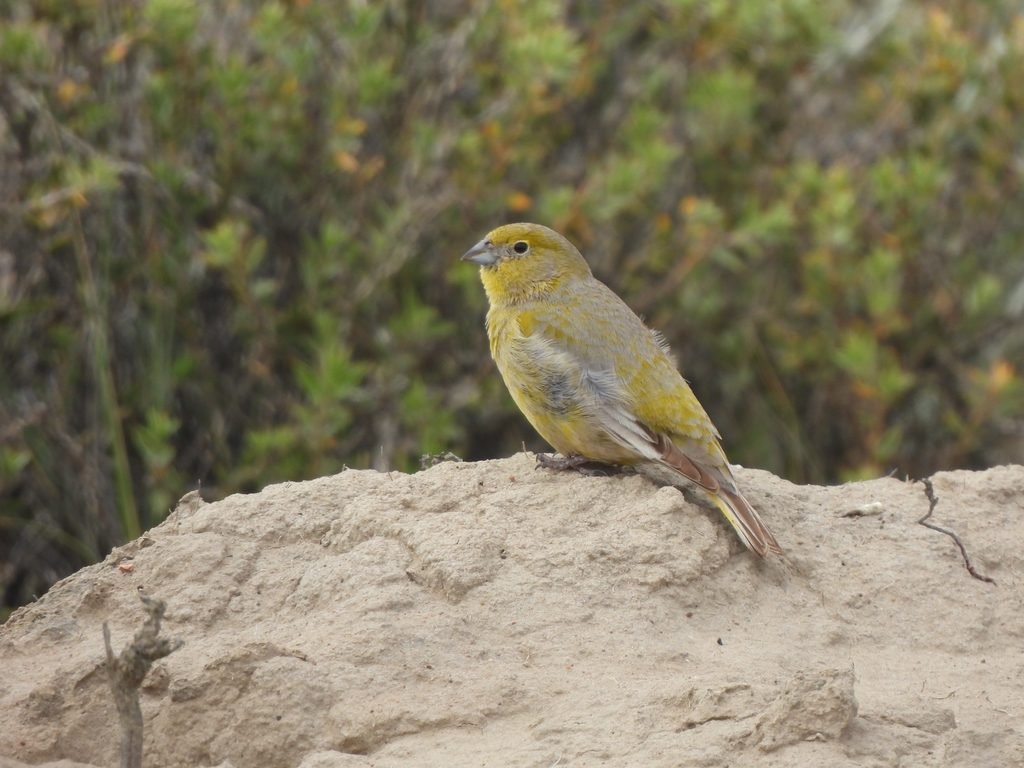
Exploring the monte habitat within Península Valdés produced some nice additions. The highlight was finding a handsome male of the localized Patagonian yellow finch (Sicalis lebruni). In addition, we got good views of some typical birds we hadn’t seen until then, including skulking sharp-billed canasteros (Asthenes pyrrholeuca) and mourning sierra finches (Rhopospina fruticeti).
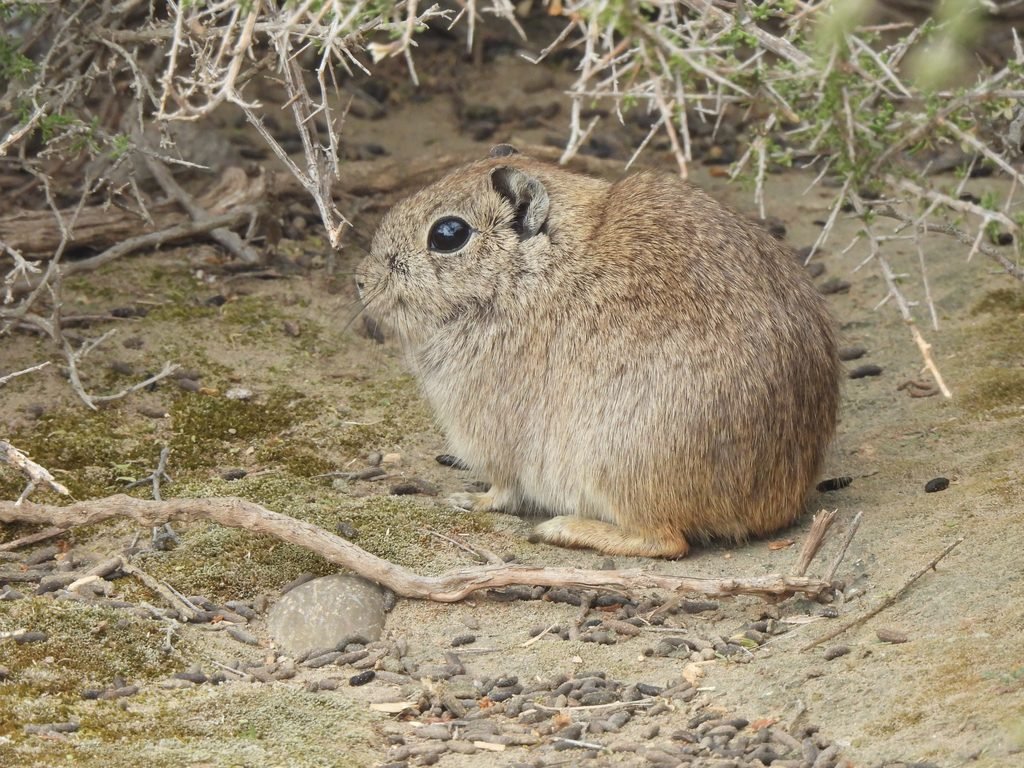
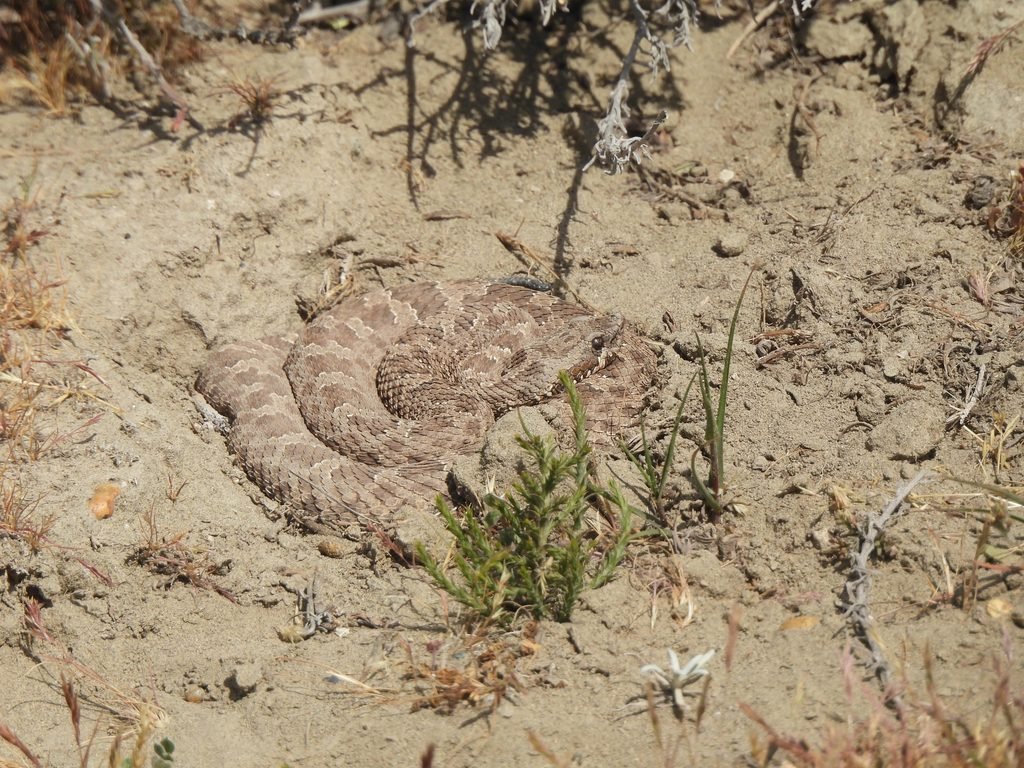
Caleta Valdés, where we spent a good deal of time, offered many of these passerines in the only spot with infrastructures along the route we drove — from the isthmus around Puerto Pirámides to the far east of the Peninsula. The gardens in the area held good numbers of southern mountain cavy (Microcavia australis) and a Patagonian pit viper (Bothrops ammodytoides) was concealed in the sand.
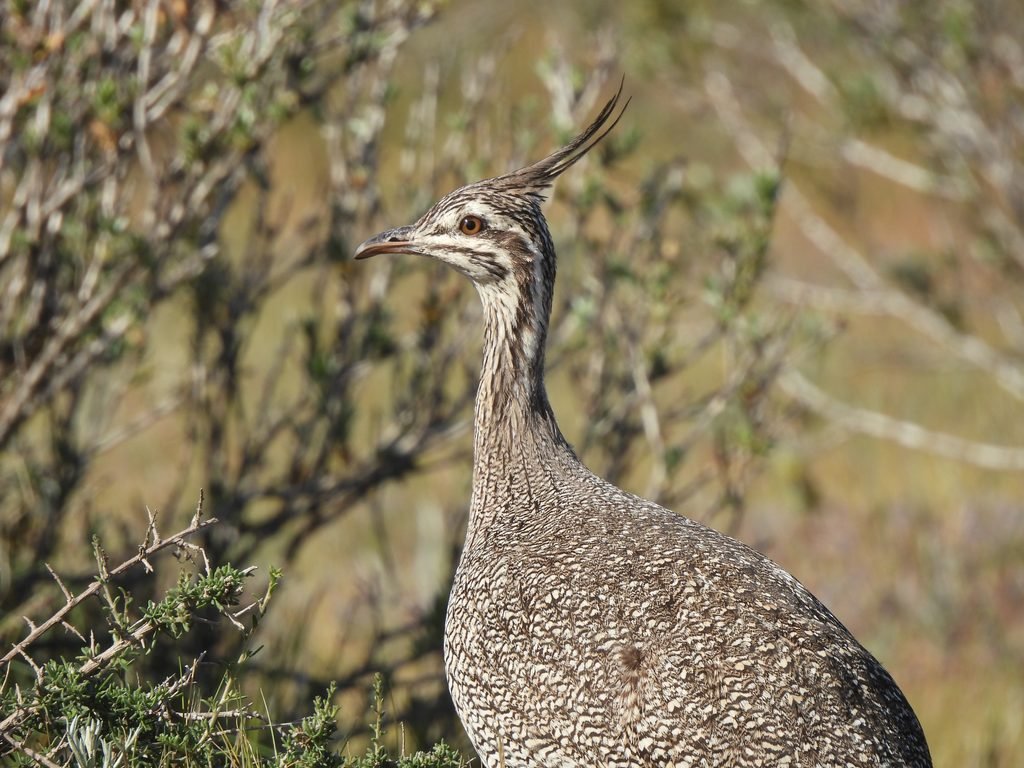
Driving around the Peninsula provided close encounters with several elegant crested tinamous (Eudromia elegans), which put on a show for a change. The drive also delivered two Patagonian maras (Dolichotis patagonum) and some two-banded plovers (Anarhynchus falklandicus) foraging in short grass.
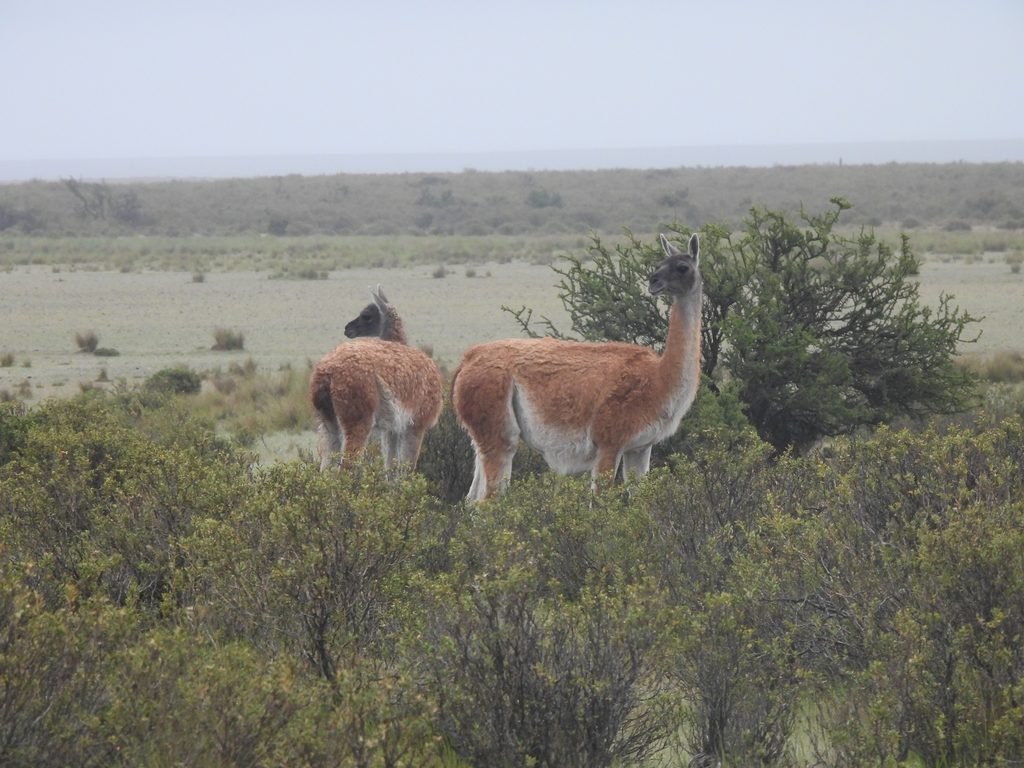
Following this short road trip, we headed to Islote Lobos National Park to begin our fieldwork campaign. For several days, we lived and learned in a camp among penguins, guanacos (Lama guanicoe), vultures and sea lions for several days (read about it here). Being likely the only people in kilometers around, it was not surprising to find fresh puma (Puma concolor) prints over beach walks or endangered yellow cardinals (Gubernatrix cristata) lingering in good numbers.
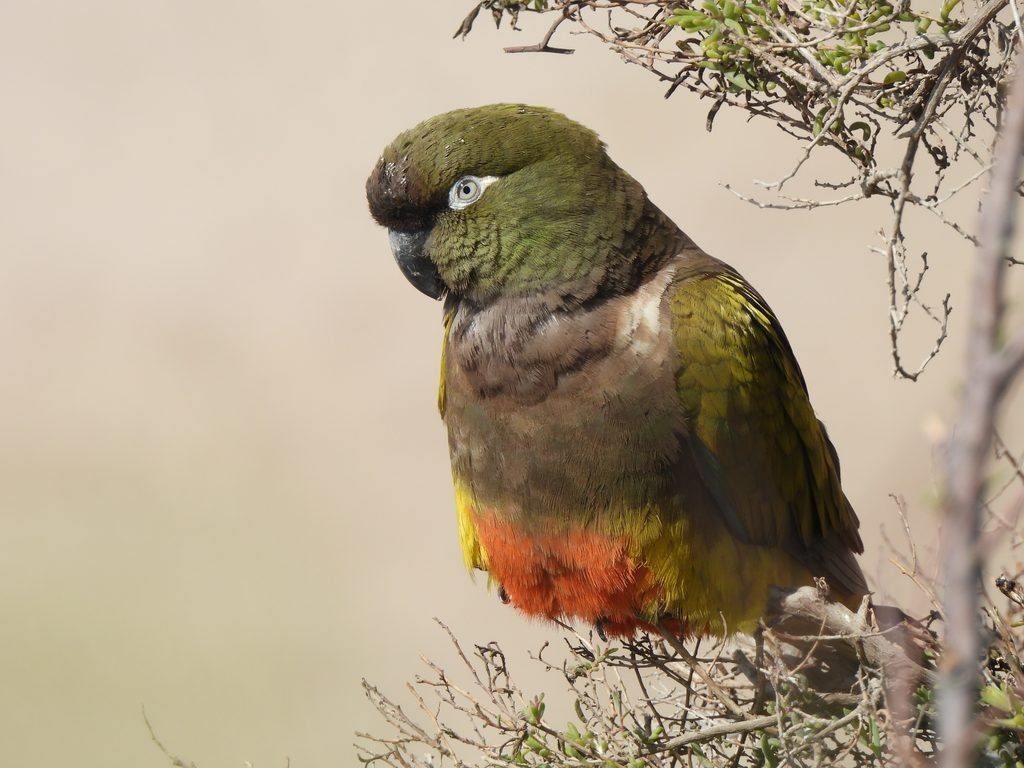
After an eventful campaign, we wrapped up our fieldwork time heading back to Bariloche via Las Grutas. This popular coastal vacation destination overlooks the north of San Matías gulf, north from Península Valdés. The sandstone beach cliffs right downtown are filled with a massive colony of loud, colorful burrowing parrots (Cyanoliseus patagonus) that nest directly along the waterfront. A casual walk around town yielded a displaying male Hudson’s black tyrant (Knipolegus hudsoni) as the cherry on top of a chill beach walk.
The wild vastness and remoteness of some of the coastal stretches we visited was genuinely astonishing, completely opposite to any coast in Europe. Our pass here was somehow reminiscent of ancient times when intact, untamed landscapes were dominated by massive creatures like the elephant seals and whales here. The loudness of the sea lion and penguin colonies, combined with an incredible array of endemic passerines, made exploring this stunning coastline an absolute privilege.