My time living in Bariloche is coming to an end. I have grown fond of the local wildlife while exploring the variety of habitats around this town, lying in the ecotone between the moist and cold Patagonian Andean Forests and the steppe. While I spent most of my time exploring these two landscapes, a handful of hikes towards higher elevations with friends delivered some of the most astonishing species I have seen around town.
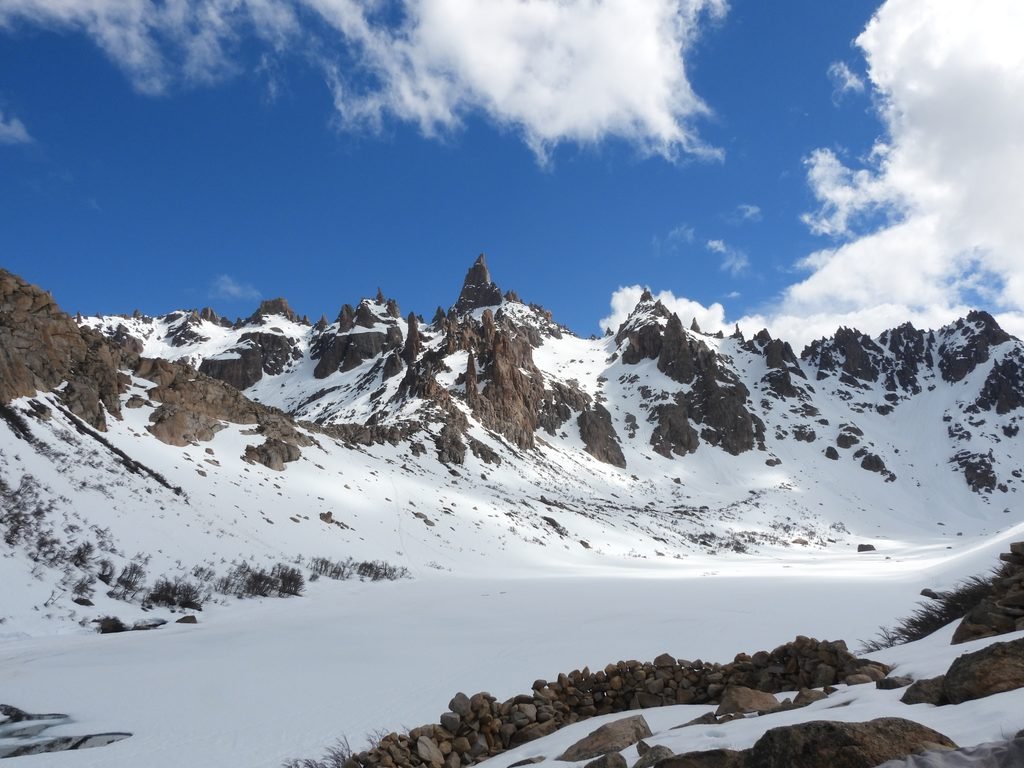
The Andes at this latitude do not reach very high altitudes. The highest mountain in the area, Cerro Tronador, lies at 3,478 m in the Chilean-Argentinian border. Other popular peaks in town reach much lower elevations, such as Cerro Catedral at 2,388 m. Still, once the spring melted enough snow to make for a nice hike without equipment, a couple of hikes around Cerro Catedral provided some Patagonian altitude specialties.
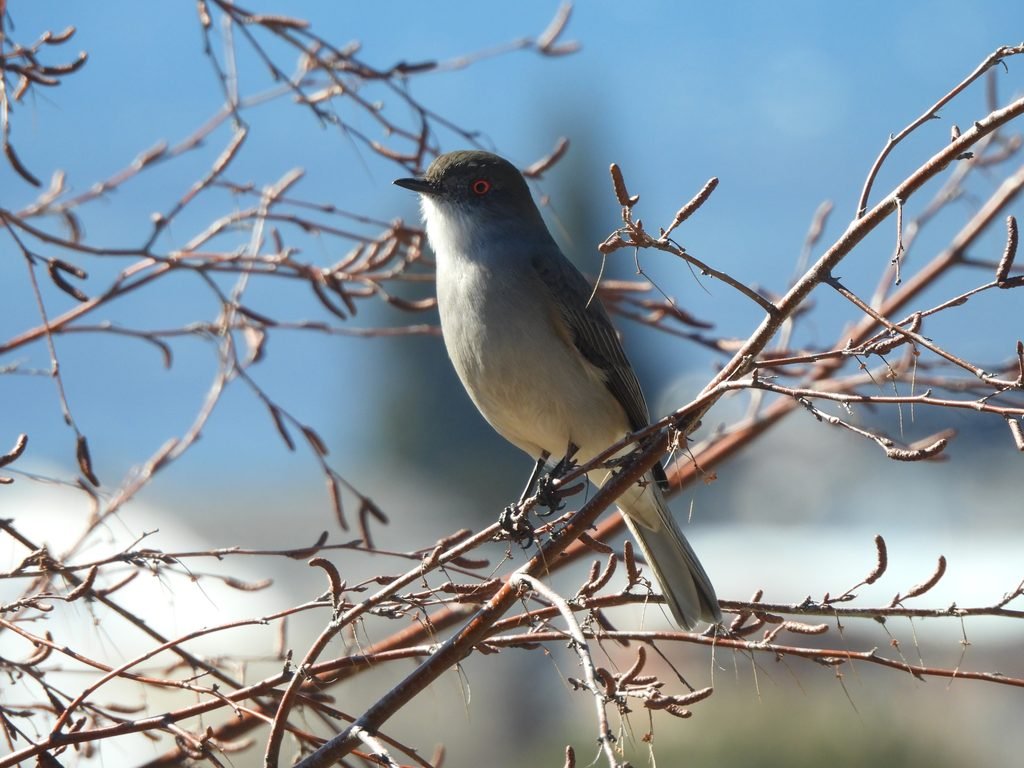
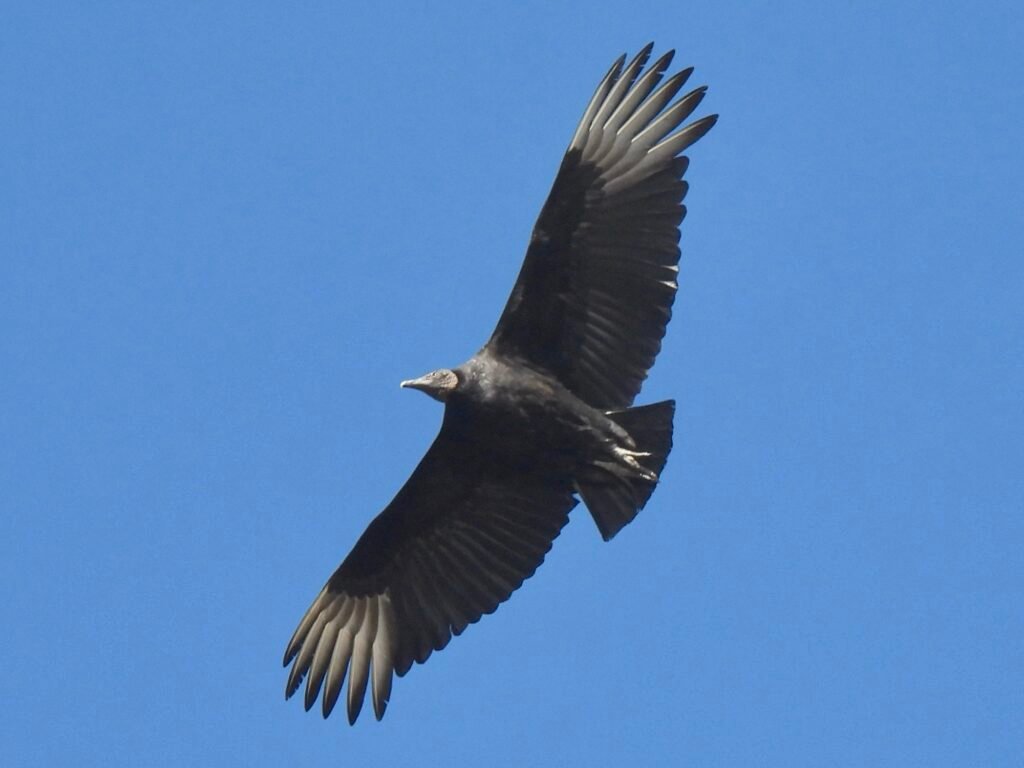
Most hikes around town provide some of the fantastic raptors in the Andes. Variable hawk (Geranoaetus polyosoma), black vulture (Coragyps atratus) and turkey vultures (Cathartes aura) — in the summer — are typical sights from viewpoints cleared of forest cover. The big prize is the Andean condor (Vultur gryphus), which also occurs in good numbers but can be often seen as well. Après-work hikes to Cerro Otto, at 1,405 m, typically produced most if not all of these raptors, where crested caracara (Caracara plancus) and chimango caracara (Daptrius chimango) are also typical here.
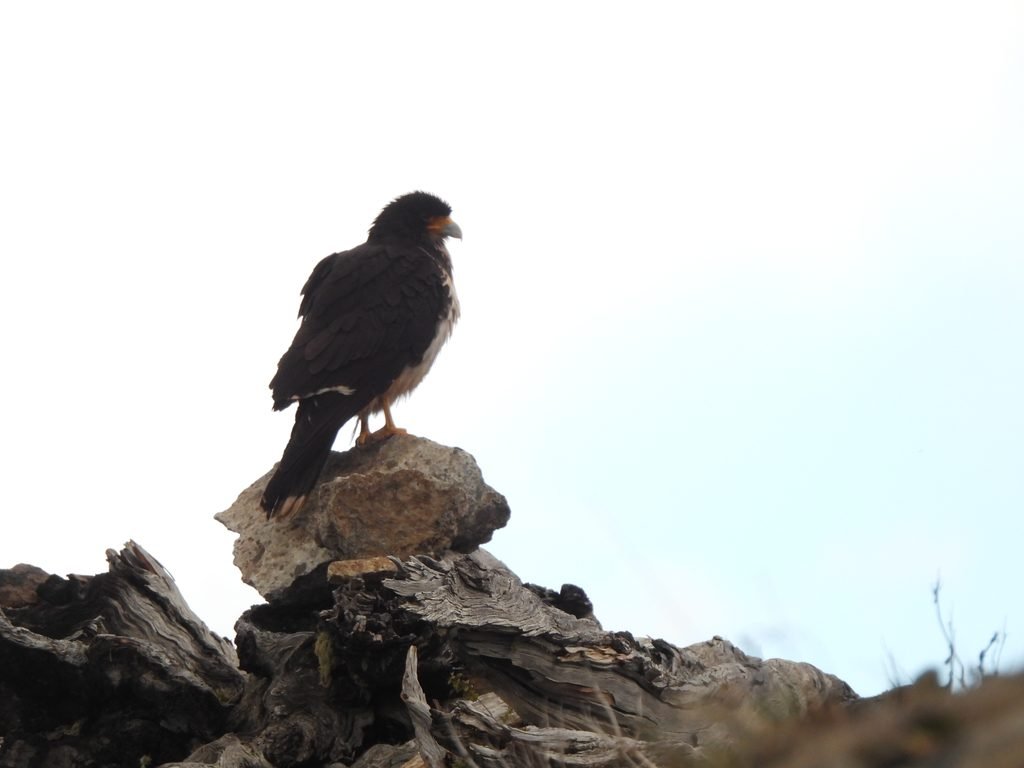
The short hike towards Cerrito San Martín reaches 1,275 m after a nice walk off Villa Catedral and offers fantastic views at the scenic Cerro Catedral lying just in front. On an afternoon walk with Sofi Cingolani, Radhika Jha and Octavio Priotto, we were enjoying some mates sheltered from the wind at the top, overlooking the stunning Lake Nahuel, when a white-throated caracara (Daptrius albogularis) flew very close to us.
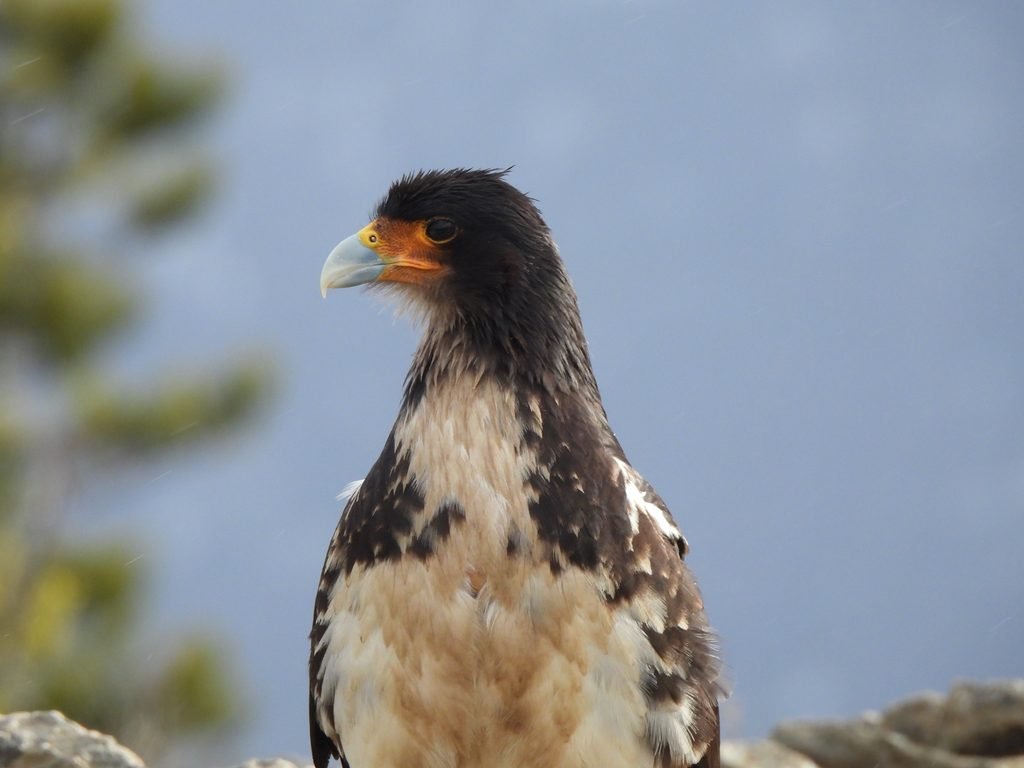
Octavio saw it first, identified it on the spot and alerted us. I had been wishing to see this scarce raptor, perhaps some of the most gorgeous bird species in the Andes along these latitudes in my opinion. This bird was a subadult given the limited extent of white along the breast and throat.
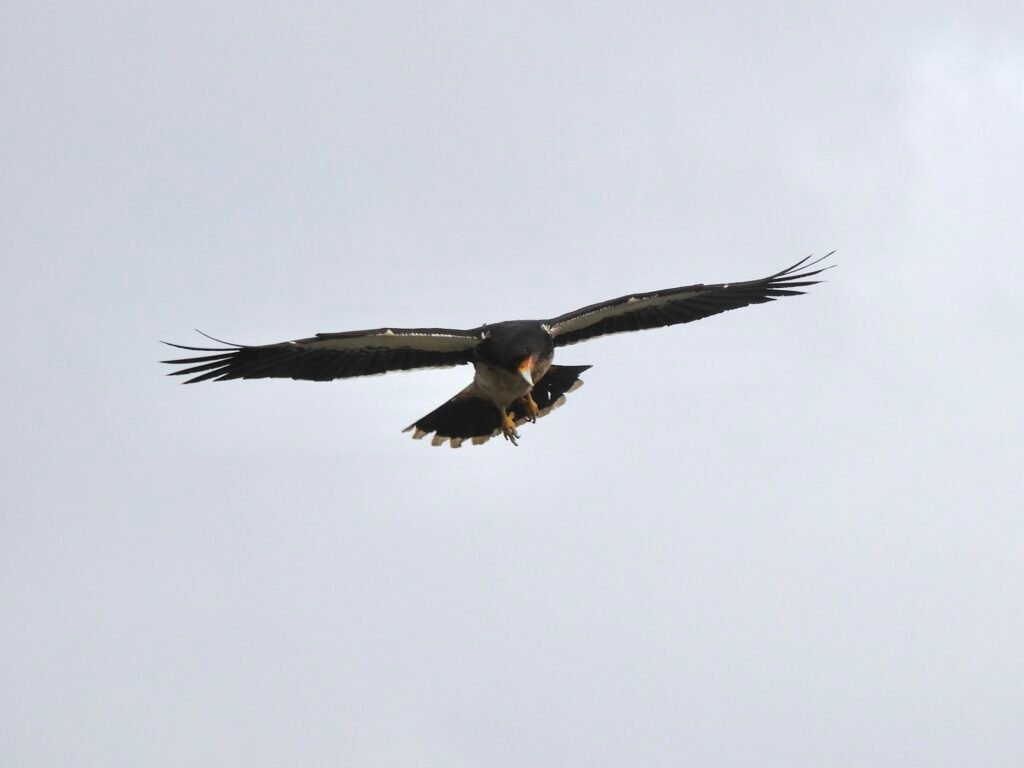
We were the only hikers at the mountain top at that moment, and the bird did not seem alerted by our presence. It foraged walking and performing short flights around the area, likely looking for foodscraps from visitors. This allowed me to approach the bird sitting completely still, admiring its unwary behaviour for a while. I have heard this as a typical sight of the species in mountain shelters and other hiking areas, although these birds are also repeatedly seen in the city dump.
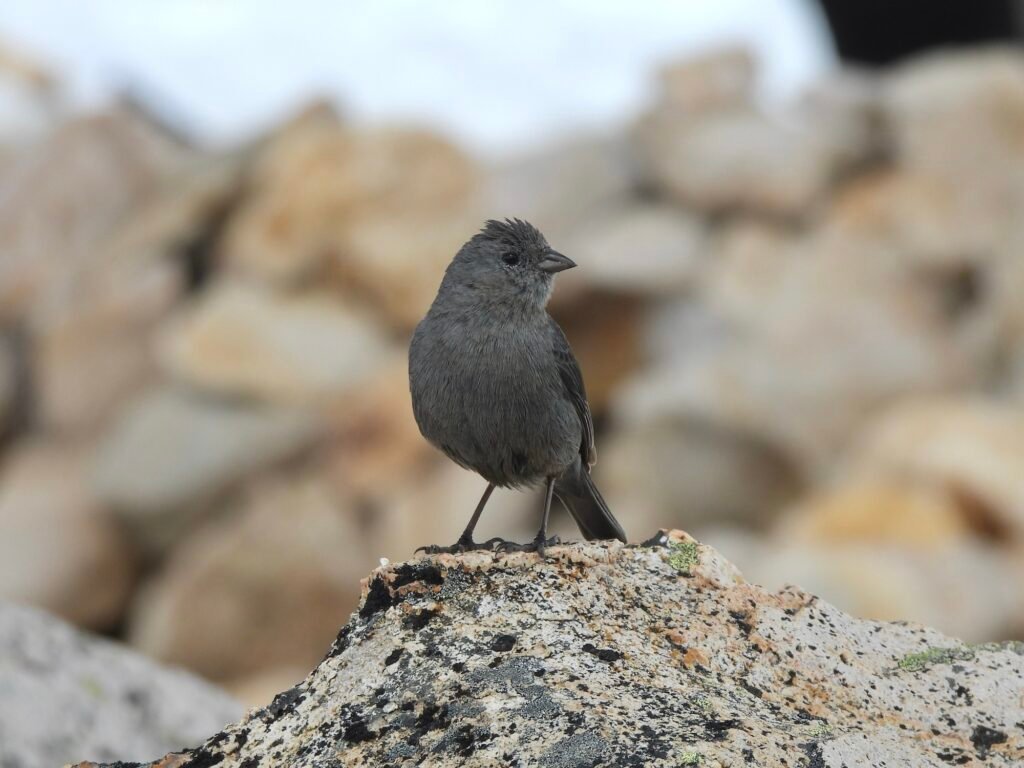
On a different occasion, the same team with Tati Pessano went on a hike on the proper Cerro Catedral towards Refugio Frey, a mountain shelter at 1,740 m. The scenic forest route finished with a steep hike up a valley that finishes at Frey. Visitors can spend the night at the shelter or camp in the nearby area, or simply grab a hot drink or a bite from the shelter’s café. We opted to enjoy our own mate basking in the sun. The great temperature on some sunny days in spring contrasted with the impressive amount of snow left all around in the mountain. As we sat in a snow-free camping site, numerous plumbeous sierra finches (Geospizopsis unicolor) and Patagonian sierra finches (Phrygilus patagonicus) looked for scraps from visitors.
Although the Patagonian sierra finch is fairly common downhill in the town gardens — and is perhaps my favourite bird in town —, I had only previously seen a male plumbeous sierra finch in Cerrito San Martín. Instead, good numbers of males and females hopped between the feet of hikers waiting for the innocent, uninformed visitor to give them some piece of empanada or breadcrumb.
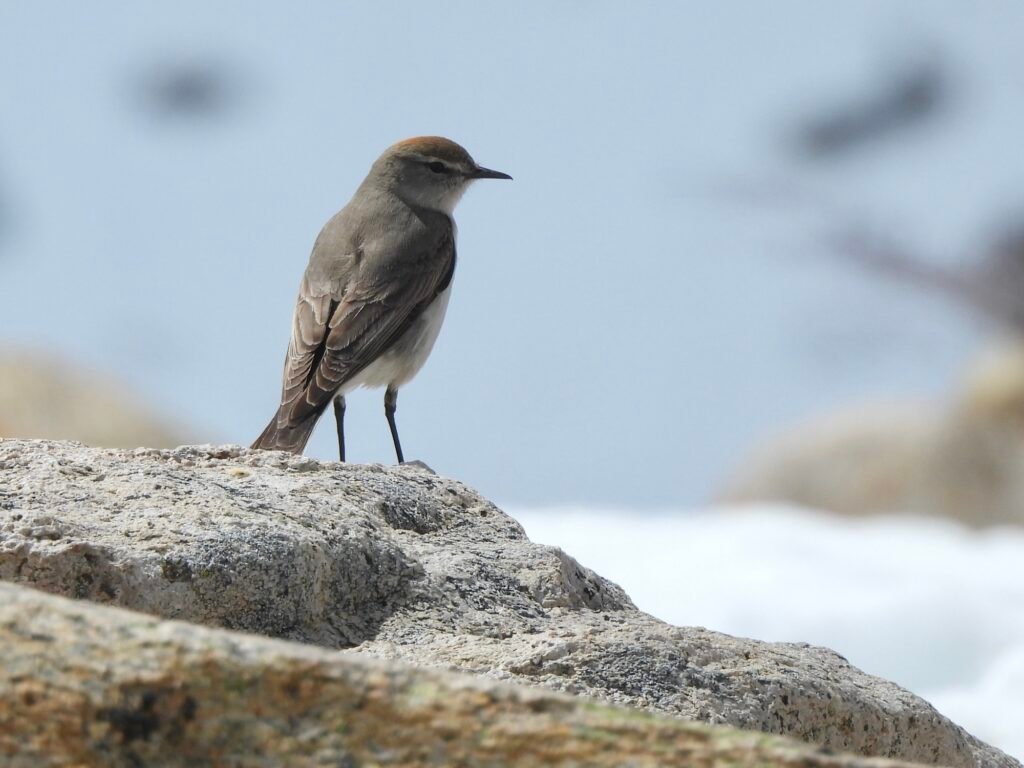
Because Tati hadn’t seen the matamico (as the white-throated caracara is locally known), we were on the lookout as we chatted and laughed for a while. Interestingly, only a crested caracara showed up several times. A number of additional species were seen including buff-winged cinclodes (Cinclodes fuscus), rufous-banded miner (Geositta rufipennis) and dark-faced ground-tyrant (Muscisaxicola maclovianus). However, a pale tyrant flying down the mountain and slowly approaching the camping area got me alert. Eventually, it showed up close and delivered great views. The white-browed ground-tyrant (Muscisaxicola albilora), one of the high-altitude tyrants that can be seen in the area.
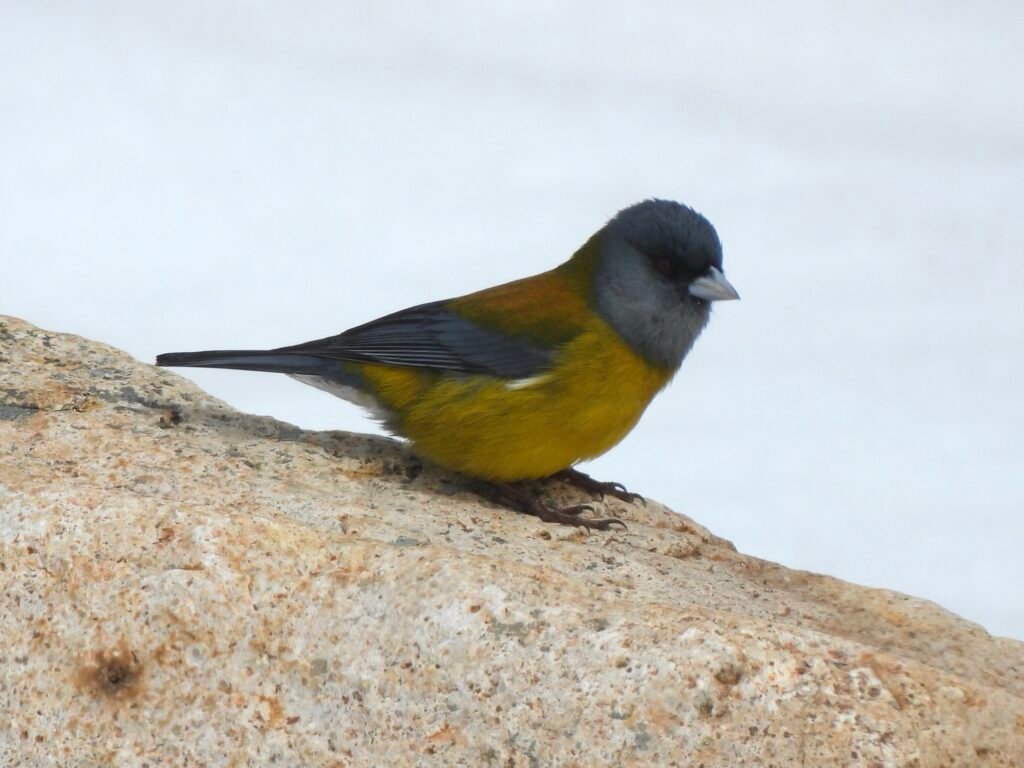
I had my own target in mind, which oppositely delivered after some long time in Frey. I spotted a male yellow-bridled finch (Melanodera xanthogramma) in the distance, behaving like the other sierra finches looking for foodscraps next to some visitors on the other side of the visitors area. I lost it right after snapping a quick testimonial picture, but alas no one had put an eye on it.
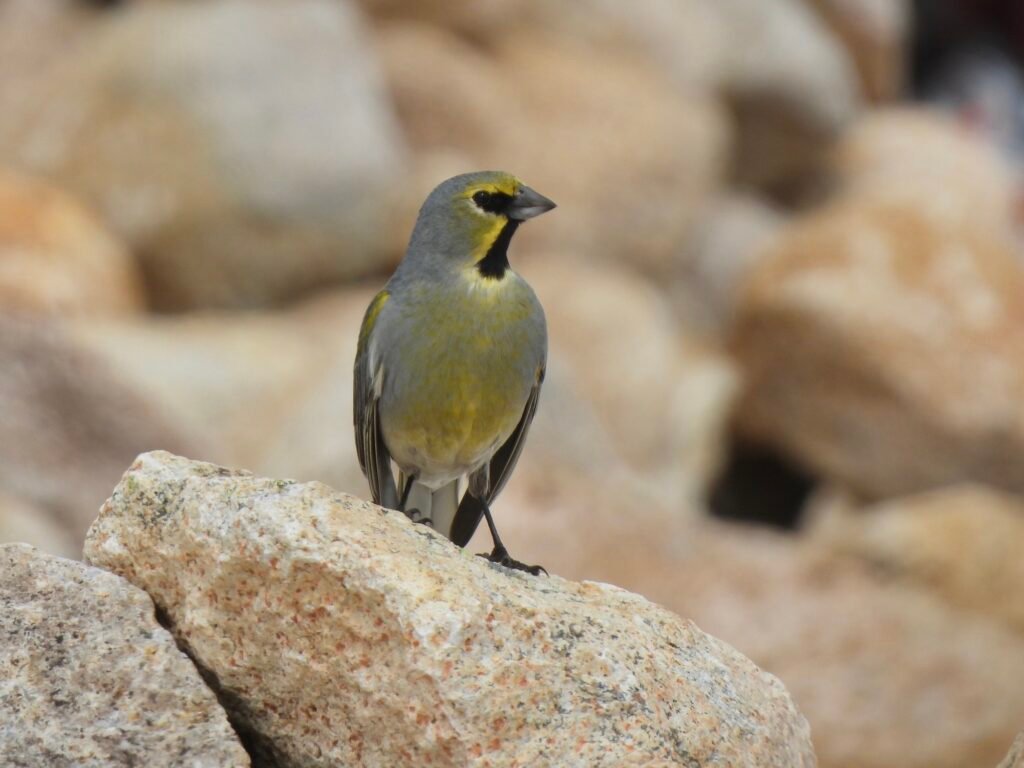
To our surprise, about an hour later, numerous yellow-bridled finches were also hopping around everyone’s feet. We enjoyed amazing looks at birds in different plumages. Among all, a male seemed to particularly like the area where we were sitting, and approached us and stayed over long periods.
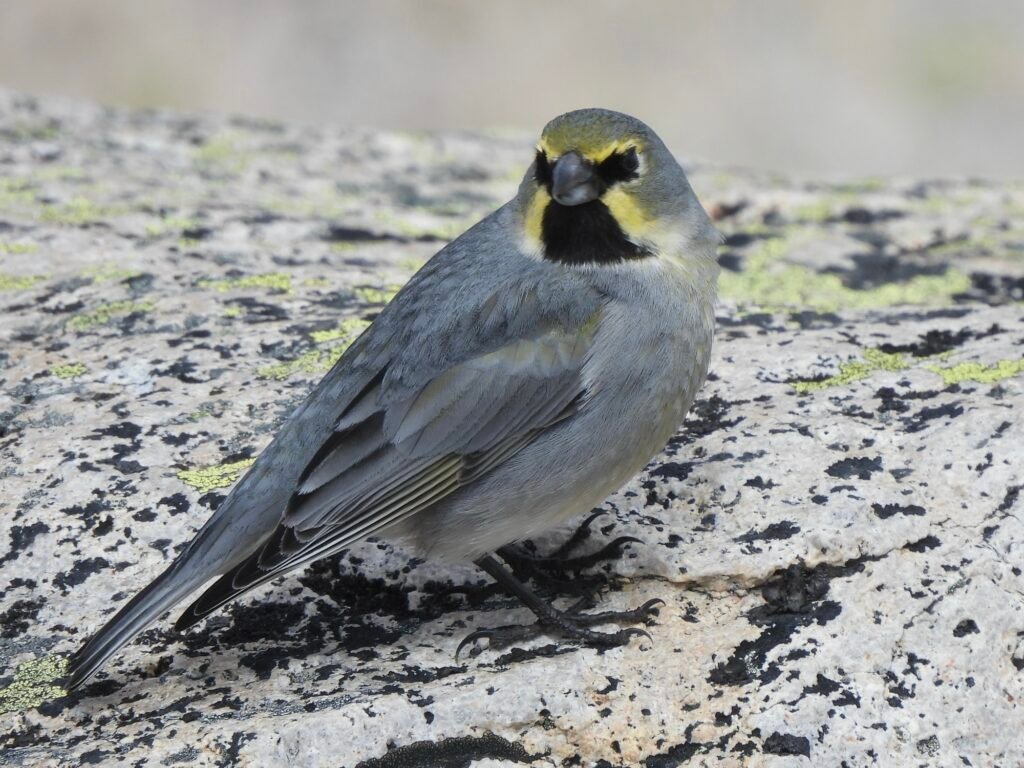
Tati and I bombarded these stunning birds with photos. These high-altitude tanagers are quite scarce along their range, which spans pretty much from the montane areas at the latitude of Santiago in Chile all the way south to Tierra del Fuego. Only males have the striking slaty and yellow pattern, whereas females are completely different, all brown and covered in stripes.
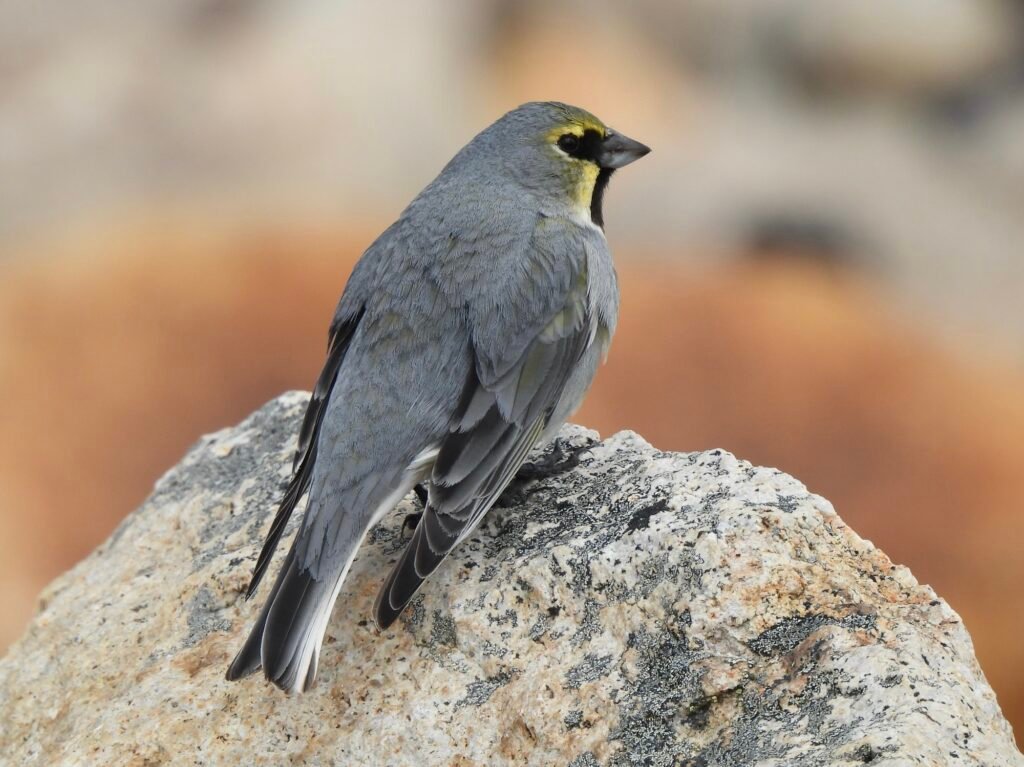
I am not sure whether there are better places to see this bird along its distribution range. I have read reports of birdwatchers actively looking for them in remote highlands, but instead locals talk about yellow-bridled finches looking for foodscraps not only here in Frey, but in other shelters of Cerro Catedral and in the local ski centers. Given how reliable this species seems to be, it might well be Bariloche’s top bird. Not your typical sparrows, definitely.
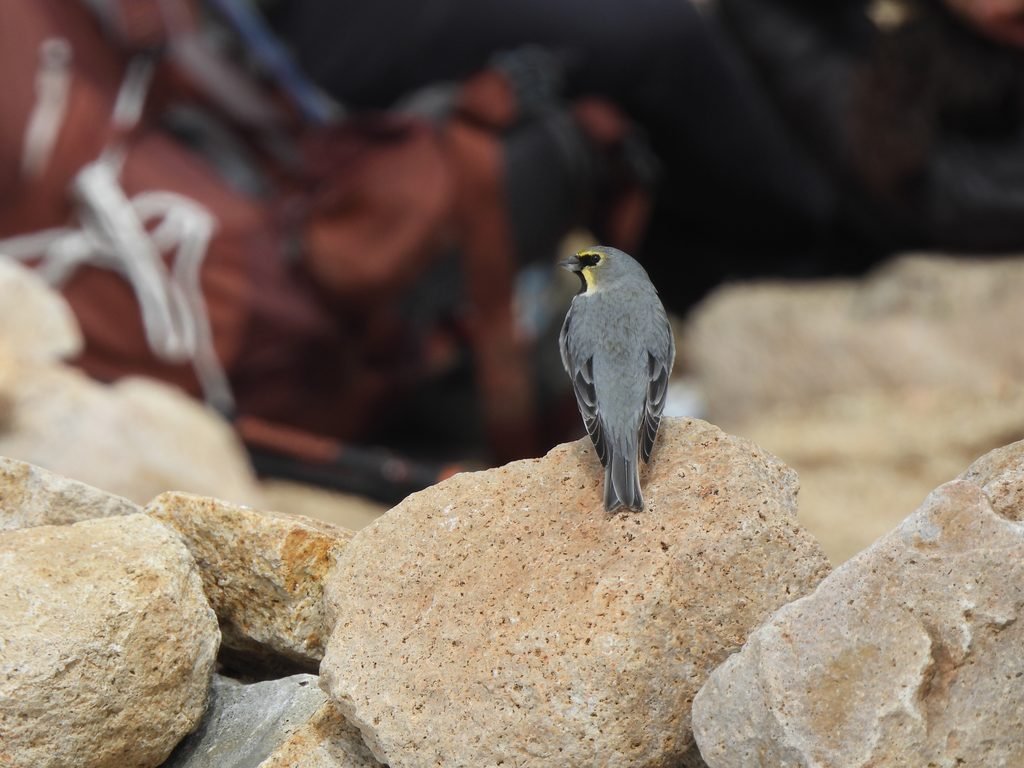
Spending only the second half of winter and leaving before spring ends in Bariloche did not allow me to get to know these mountain tops in full swing, with montane flora blooming and chicks of these stunners all over the place. Still, these hikes produced some of my all-time favourite birds in Bariloche. Wildlife encounters, astonishing landscapes and great time with nice people (shoutout to my friends for planning and coming along!) produced truly memorable hikes.