Most of Fuerteventura’s specialties are found in the magical Llanos de Tindaya. We had a fantastic time in that corner of the island, connecting with all our possible targets while driving gravel roads (read about it here). However, Darío Gijón and I encountered many local goodies across different corners of the island while driving through some of the dreamiest desert and rocky landscapes I have ever seen.
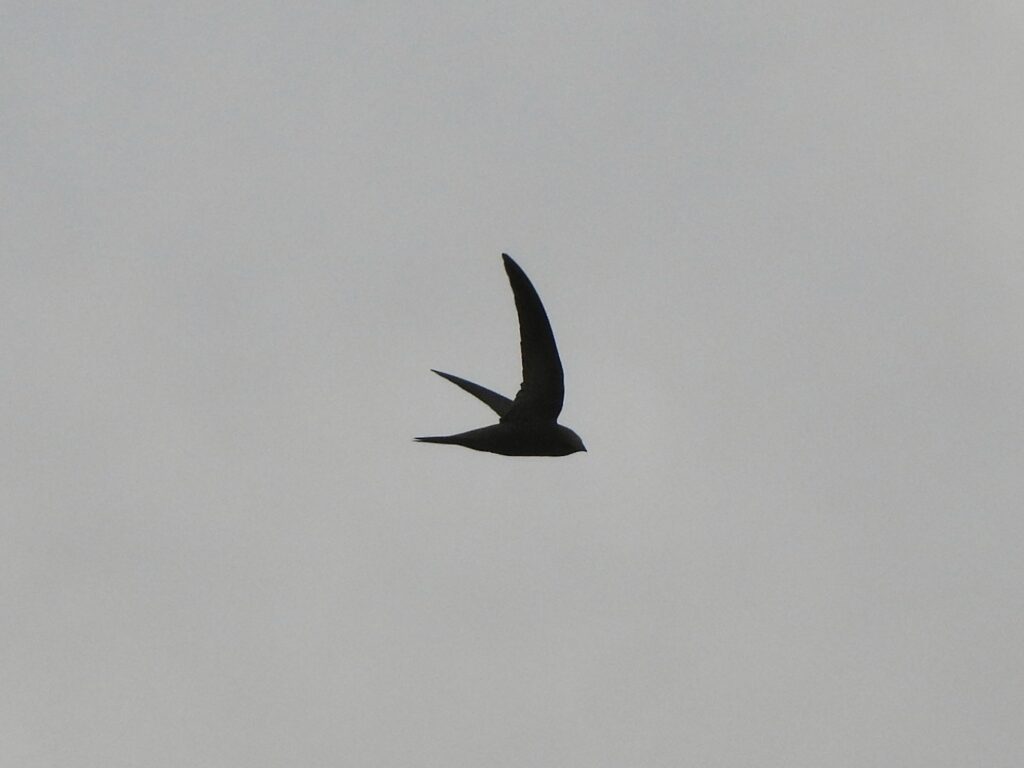
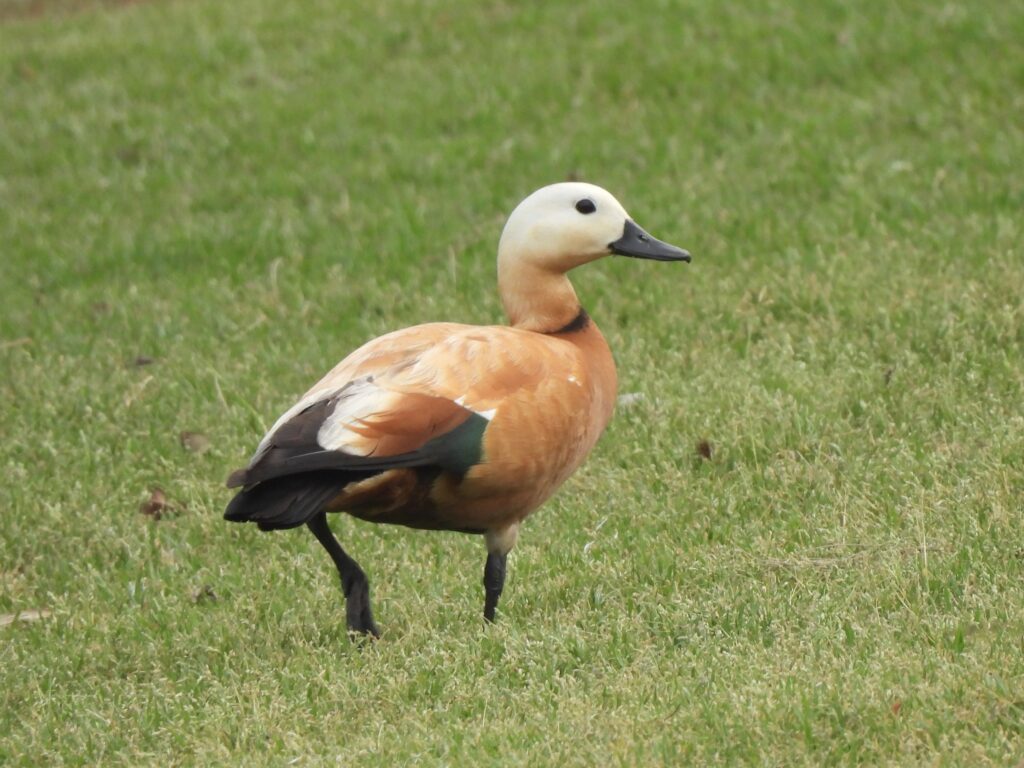
Our first stop was perhaps not the dreamiest, though. An irrigation pond beside the road by Tuineje produced our first encounters with widespread ruddy shelducks (Tadorna ferruginea) and the range-restricted plain swift (Apus unicolor), which only breeds in Madeira and the Canary Islands but seems to partially migrate to Africa and the Iberian Peninsula.
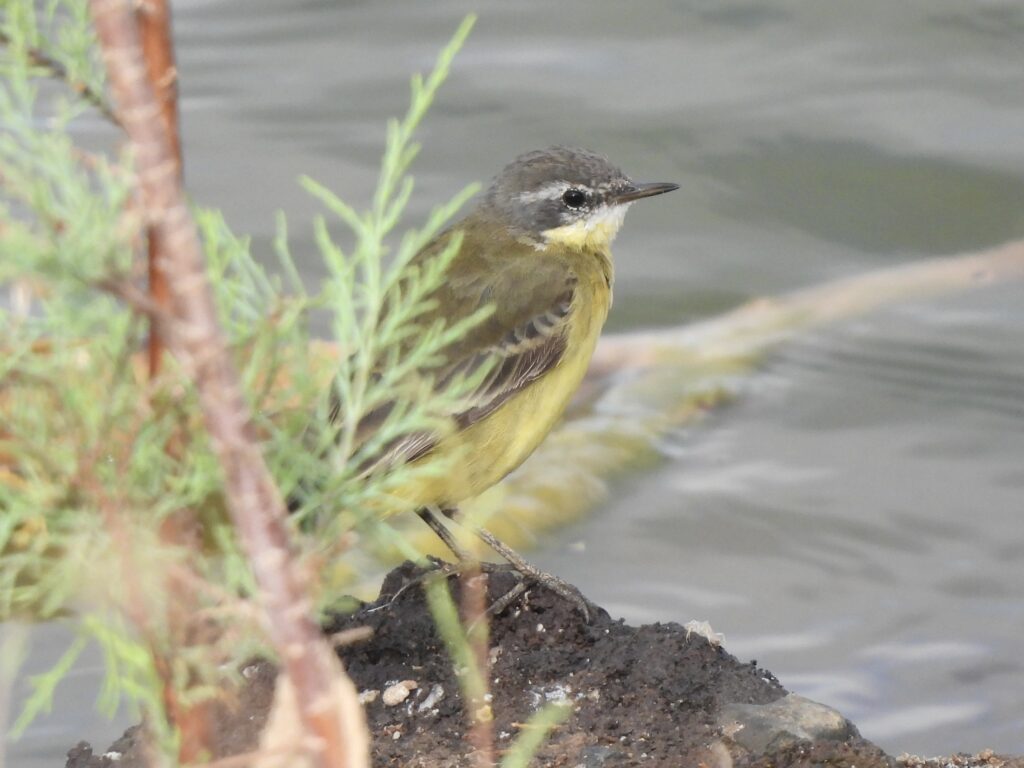
Despite visiting in April, we also connected with a rarity that had apparently spent the entire winter around the pond. An eastern yellow wagtail (Motacilla tschutschensis) had already moulted into breeding plumage by the time of our visit. Extremely out of range here, this recently split species has nevertheless been increasingly reported during winter in both the Iberian Peninsula and the Canary Islands, suggesting there is still much to discover about the movements and distribution of this taxon.
Winter, in fact, seems to bring numerous rarities to Fuerteventura—particularly to the scarce green areas scattered across this otherwise arid island. Parque Estatal in Costa Calma is perhaps the best example. Over the years, the site has hosted numbers of wintering yellow-browed warblers (Phylloscopus inornatus), olive-backed pipits (Anthus hodgsoni), red-breasted flycatchers (Ficedula parva), little buntings (Emberiza pusilla) and many other vagrants. Being late in the season, we only managed to connect with the local population of red-vented bulbuls (Pycnonotus cafer), an escaped species whose only established Spanish population survives in this area.
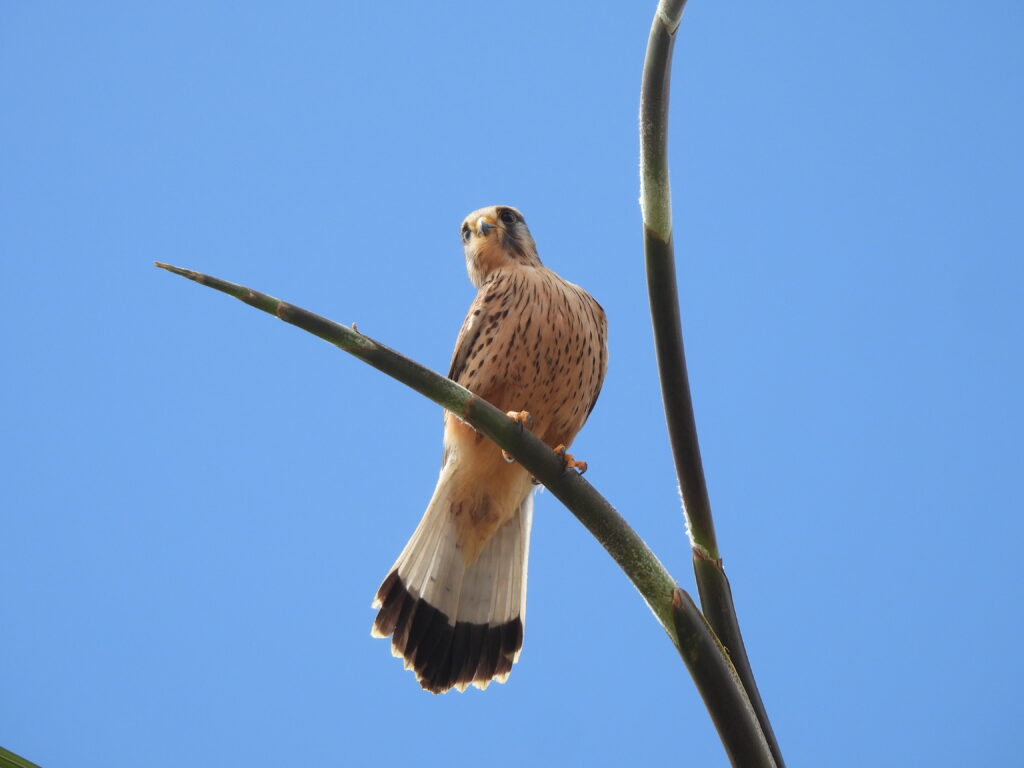
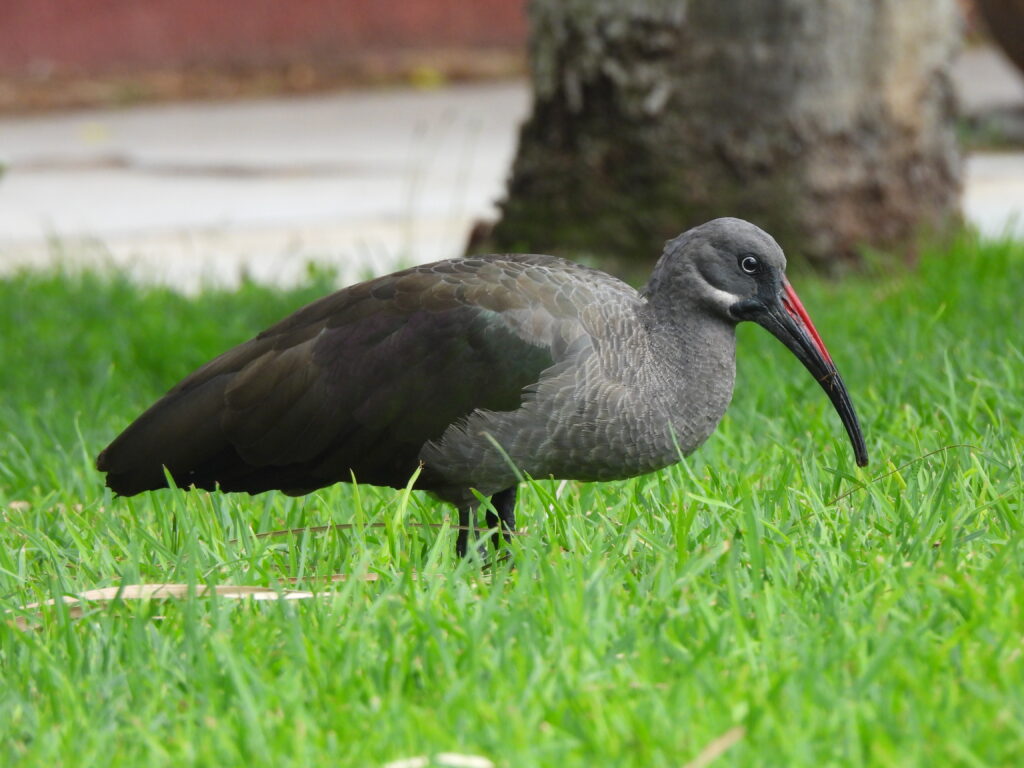
Speaking of escapees, another introduced species has also only become established in Fuerteventura at a national level. A population of hadada ibises (Bostrychia hagedash), picturesque birds of African grasslands, now inhabits the lawns of Morro Jable at the southern end of the island. We observed one bird at very close range among a small breeding colony of cattle egrets (Bubulcus ibis). Introduced monk parakeets (Myiopsitta monachus) and the endemic East Canary Islands dacotiae form of common kestrel (Falco tinnunculus) were also actively foraging in the area.
Another green refuge full of introduced birds was the golf club at Caleta del Fuste. Darío and I sneaked in for a quick look, connecting with domestic muscovy ducks (Cairina moschata) and spoonbills (Platalea leucorodia), while large flocks of ruddy shelducks provided excellent views. Interestingly, Spanish sparrows (Passer hispaniolensis) seemed to occupy the niche of the absent house sparrow (Passer domesticus) in the mainland, living in urbanized areas as well.
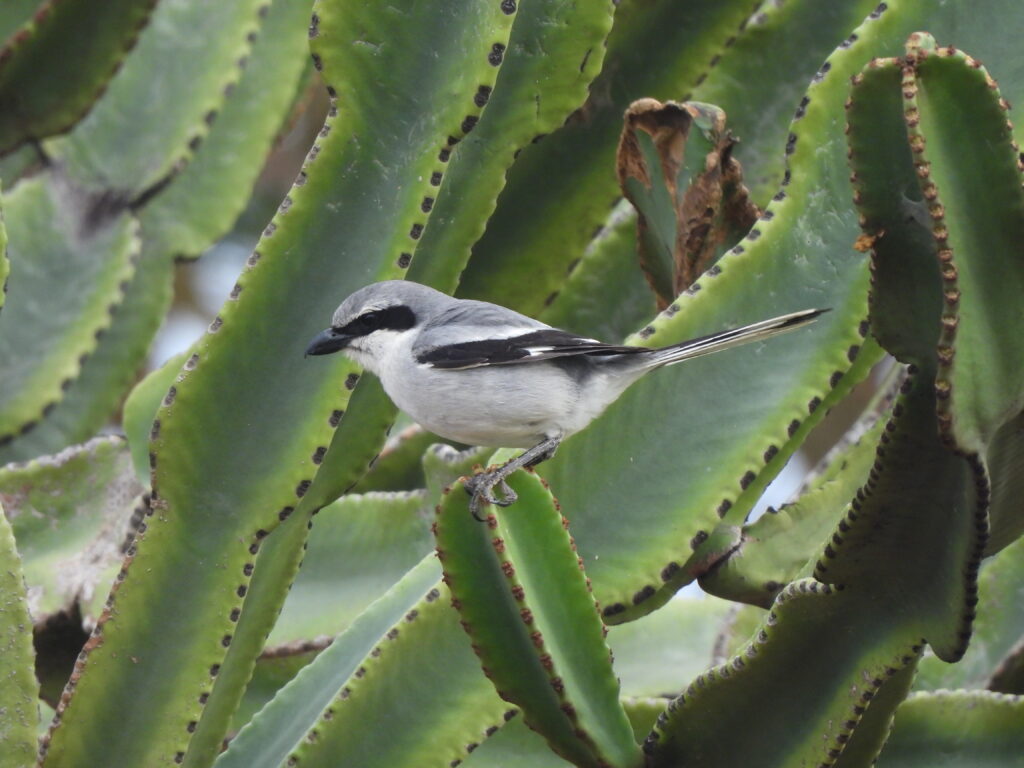
The turf of the golf course attracted hoopoes (Upupa epops), turtle doves (Streptopelia turtur) and collared doves (Streptopelia decaocto). The Canary Islands koenigi form of great grey shrike (Lanius excubitor) also showed particularly well. Around the ponds, numbers of barn swallows (Hirundo rustica), house martins (Delichon urbicum), sand martins (Riparia riparia), red-rumped swallows (Cecropis daurica) and plain swifts hunted low over the water. Flying above them all, a light-morph booted eagle (Hieraaetus pennatus) became a nice surprise, as the species is only a scarce migrant in the archipelago.
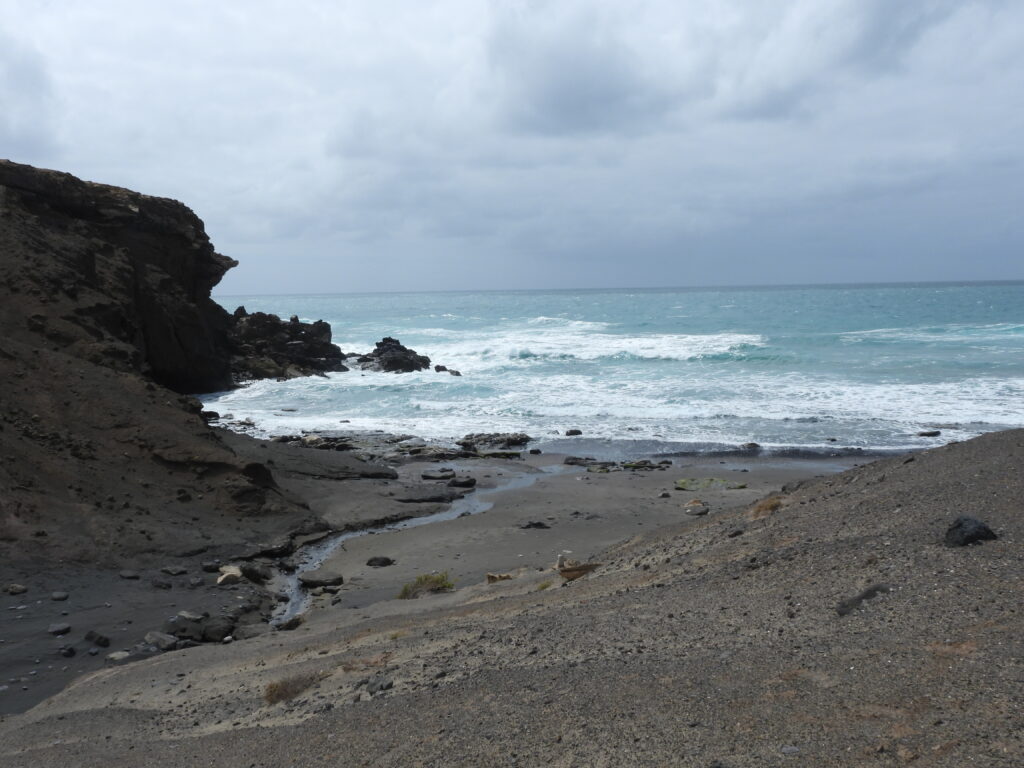
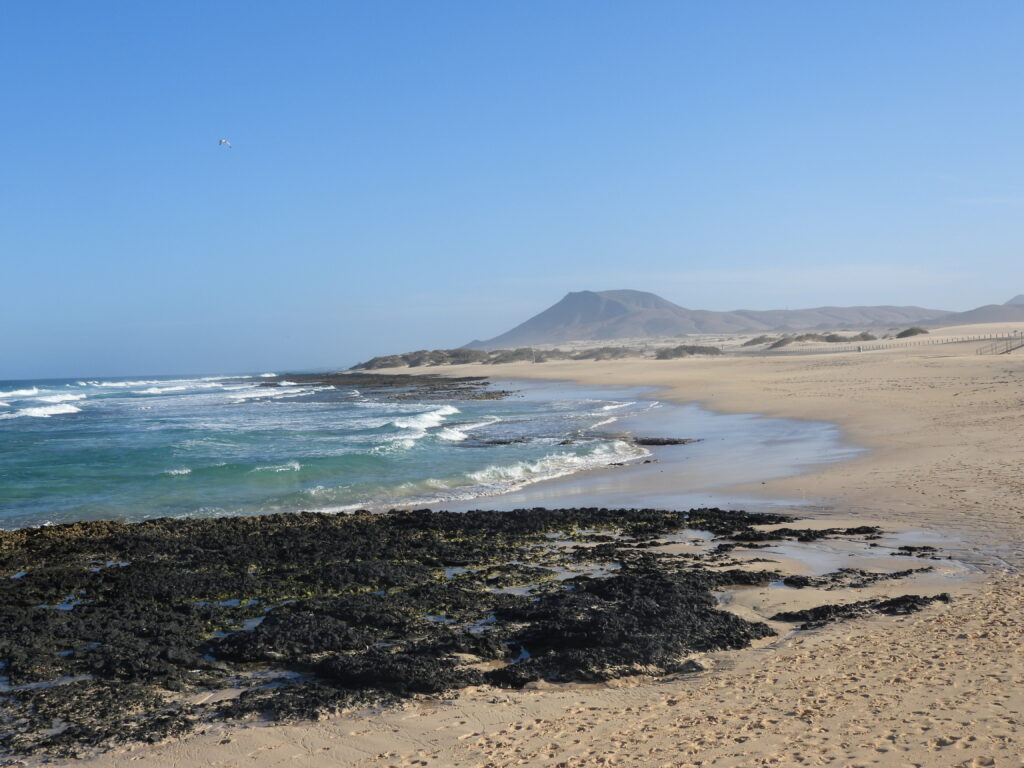
The coastline itself offered spectacular seabird watching. From Caleta del Fuste, we watched hundreds of Cory’s shearwaters (Calonectris borealis) moving north during the afternoon. We also recorded good numbers farther north around Corralejo, where the dunes meet the ocean. Volcanic platforms exposed at low tide hosted whimbrels (Numenius phaeopus), common ringed plovers (Charadrius hiaticula), Kentish plovers (Anarhynchus alexandrinus), common sandpipers (Actitis hypoleucos), sanderlings (Calidris alba), grey plovers (Pluvialis squatarola) and ruddy turnstones (Arenaria interpres).
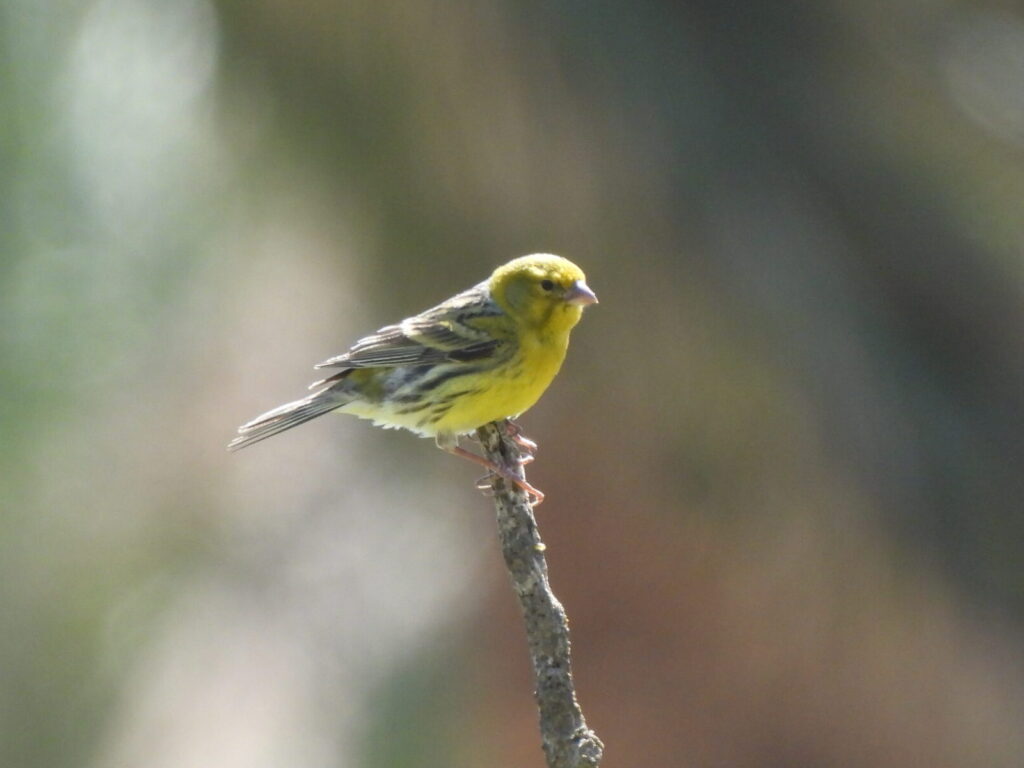
We also spent some time in the picturesque town of Betancuria, the capital of the island for more than four centuries. White houses with dark red tiles and Canary Island date palms (Phoenix canariensis) stand out among the dark volcanic valleys of central Fuerteventura. The town feels like an oasis in itself, thanks to a small vegetated creek flowing nearby. Here we finally connected with the only Atlantic canaries (Serinus canaria) of our trip, seemingly localized in this arid island.
After observing most of the island specialties in Tindaya and elsewhere, we dedicated much of the second half of the trip to searching for one particular bird: the only endemic bird species restricted entirely to Fuerteventura.
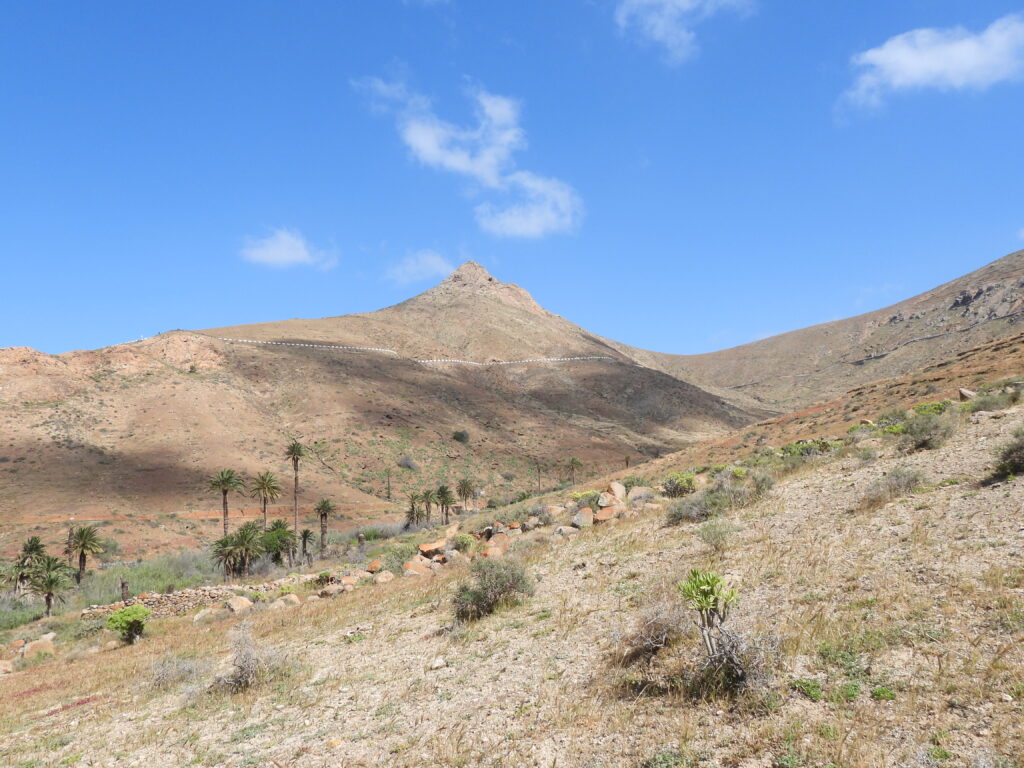
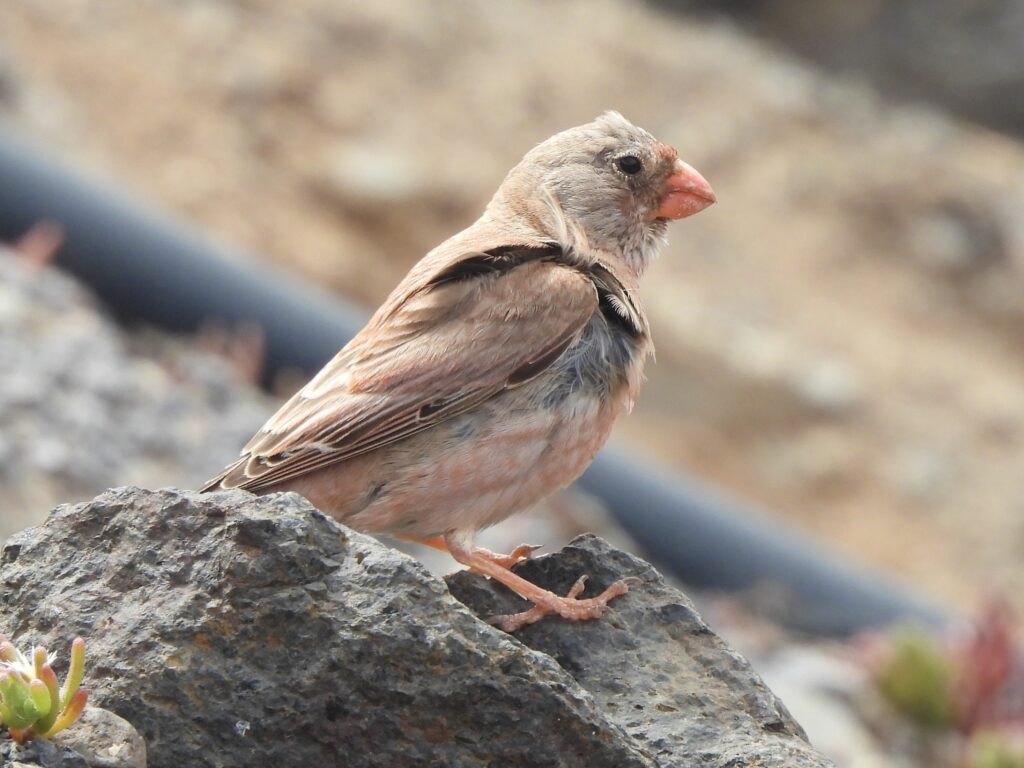
Driving and carefully scanning ravines and rocky barrancos produced excellent encounters with Barbary partridges (Alectoris barbara), laughing doves (Spilopelia senegalensis), Berthelot’s pipits (Anthus berthelotii), trumpeter finches (Bucanetes githagineus), spectacled warblers (Curruca conspicillata) and African blue tits (Cyanistes teneriffae).
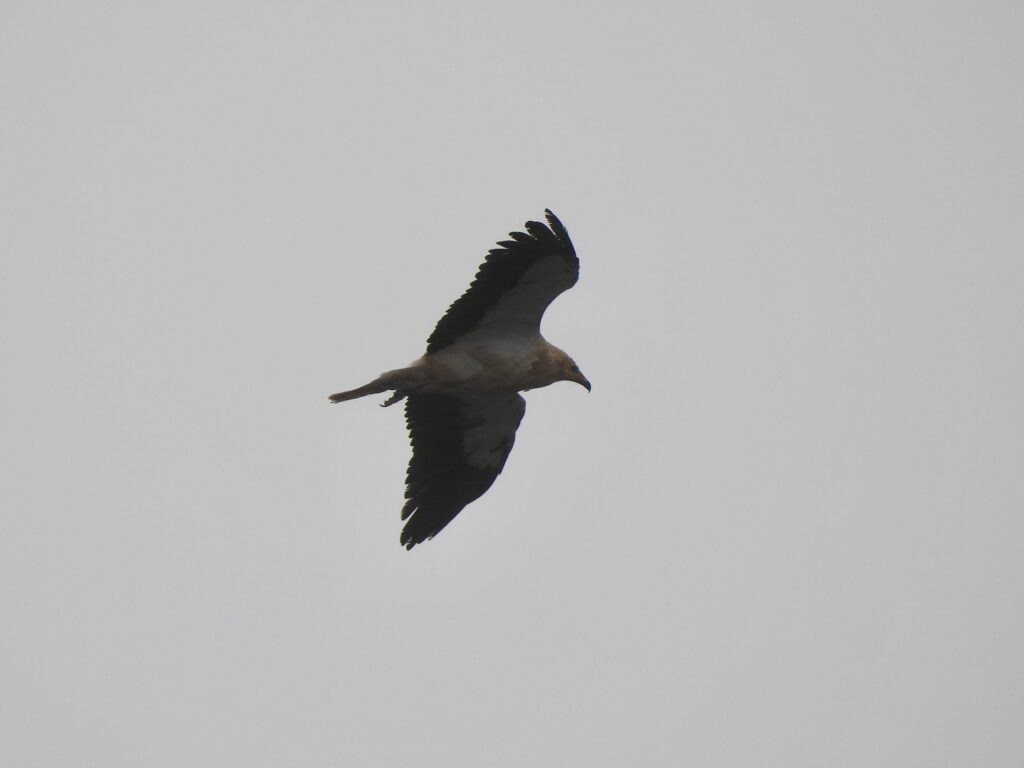
The local endemic forms of Egyptian vulture (Neophron percnopterus) and common buzzard (Buteo buteo) were regularly encountered in these landscapes. We also observed the Barbary pelegrinoides form of peregrine falcon (Falco peregrinus) hunting through one of the gorges.
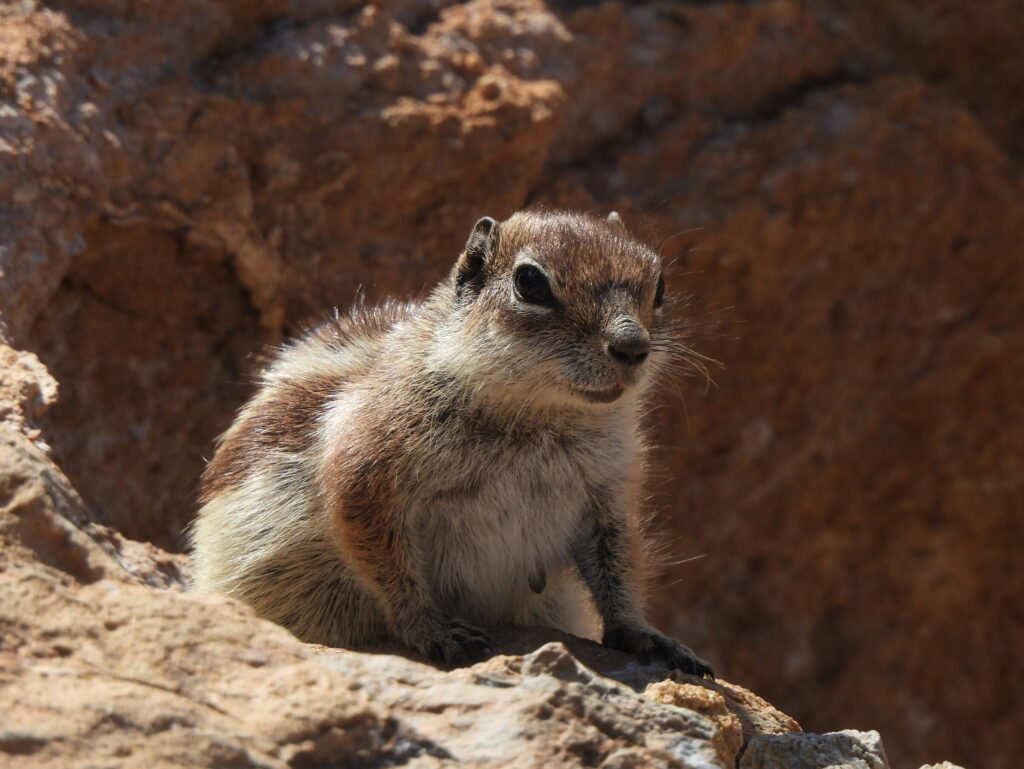
Other characteristic inhabitants of the island were equally memorable. The Atlantic lizard (Gallotia atlantica), endemic to Fuerteventura and Lanzarote, rapidly hide in the bushes as we walked paths in many areas of the island — small in size, especially if compared to some of the lizards on the western Canary Islands. Meanwhile, the charismatic Barbary ground squirrel (Atlantoxerus getulus), introduced from Morocco in the 1960s, constantly drew my attention as they called.
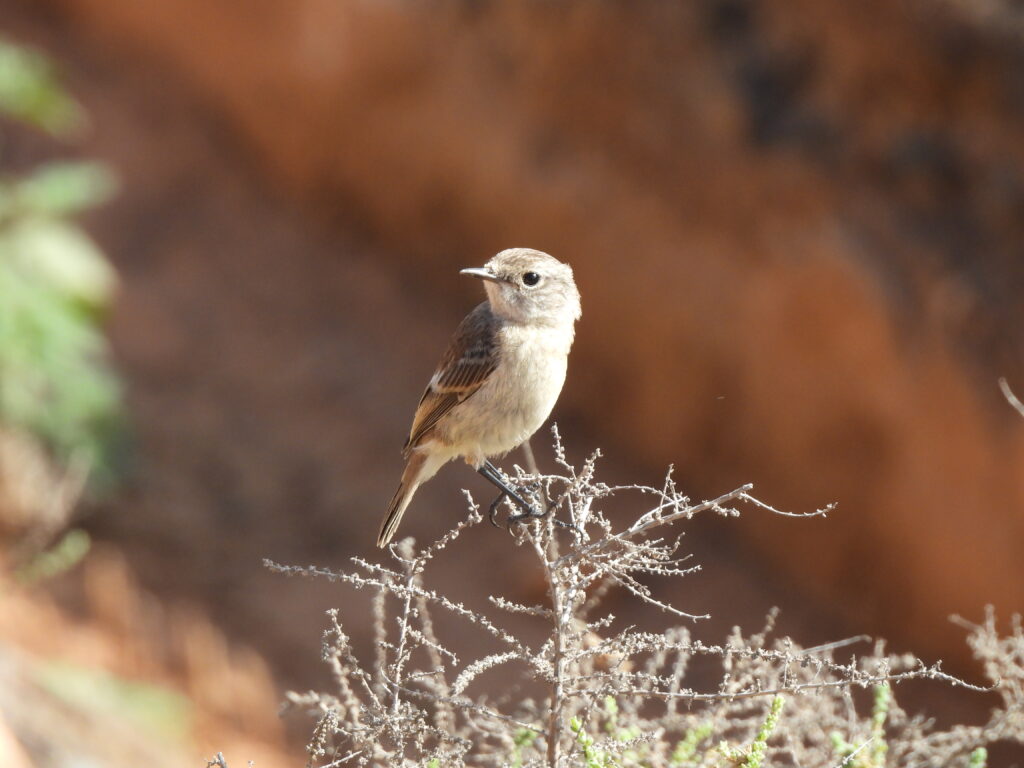
Finally, after several attempts, we connected with our main target: the Canary Islands stonechat (Saxicola dacotiae). We first observed a family group in a gorge near Embalse de los Molinos, before later enjoying prolonged views of another group—including a territorial male—in an orchard near Barranco de Fimapaire. These successful encounters came only after repeated attempts at classic localities, including Barranco de Esquinzo alongside Guillermo Piñal and Juan Rodríguez, where we failed to locate the species.
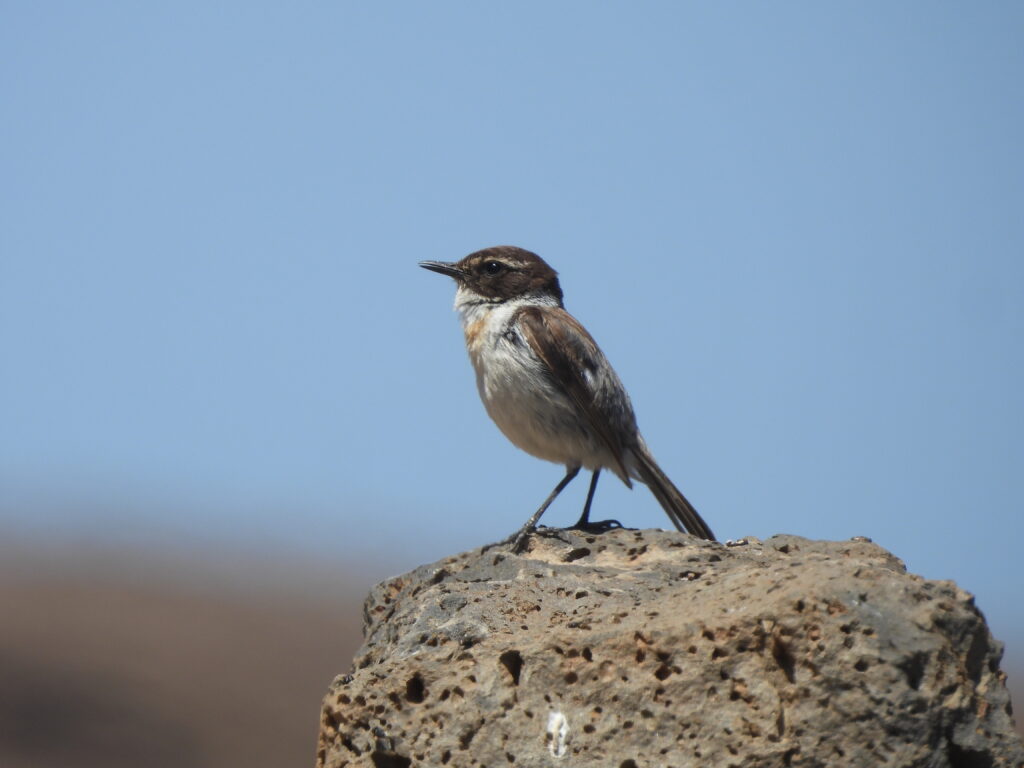
The experience felt particularly meaningful. Historical accounts suggest that the species was formerly more widespread across Fuerteventura but has become increasingly localized over recent decades. Following the extinction last century of the Chinijo Archipelago murielae subspecies off Lanzarote, the species became fully endemic to Fuerteventura alone. Interestingly, among Spain’s eight strictly endemic bird species, this was the very first one I had ever seen, despite having recorded more than 370 species in the country beforehand. That made the encounter especially memorable for me.
Not every trip ends with the satisfaction of connecting with every major target. Fuerteventura, however, completely obliged. Between surreal volcanic landscapes, localized specialties, introduced species and unexpected rarities, the island offered extraordinary birding from start to finish. Winter may have brought even more vagrants, while summer would probably have tempted us into searching for Bulwer’s petrels (Bulweria bulwerii) offshore. Still, this trip felt like a fantastic first rapprochement with the Canary Islands — and certainly not the last.