The fynbos (Afrikaans for “fine bush”) was the habitat that intrigued me the most on my recent trip to South Africa with Darío Gijón, Guillem de los Santos, Arnau and Miquel Rivera. The Cape region holds the smallest of the seven botanical kingdoms globally, and this is mostly explained by the biodiversity of this habitat. Proteas, ericas, restios and other shrubs with exquisite flowers create a landscape unlike any other. Unsurprisingly, numerous animals are adapted to dwelling in these fine bushes.
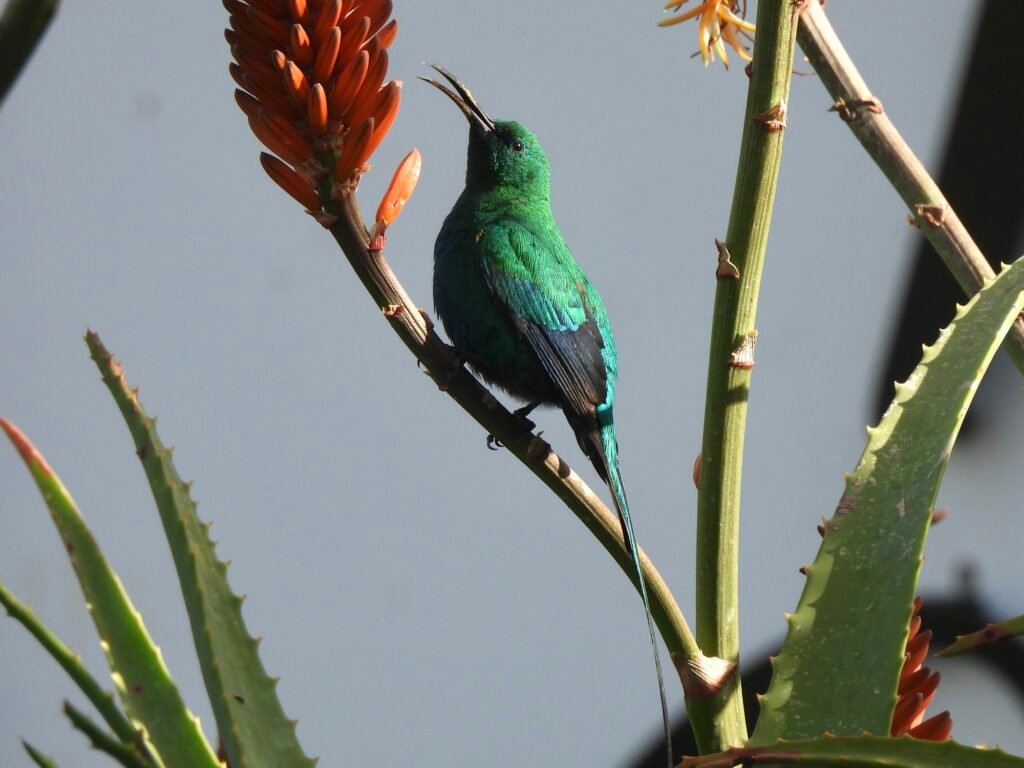
Our first day and night in South Africa took place in a fundamentally fynbos-covered area north of Cape Town, around Kliphuis. We quickly stopped at a roadside lagoon to photograph some water thick-knees (Burhinus vermiculatus) and Cape shovelers (Spatula smithii) and already bumped into a stunning male malachite sunbird (Nectarinia famosa) feeding on aloe flowers — one of the signature birds of this habitat. Cape canaries (Serinus canicollis), Cape sparrows (Passer melanurus), hooded wheatears (Oenanthe pileata) and African stonechats (Saxicola torquatus) followed.
After checking in at a nice cottage, a singing fiery-necked nightjar (Caprimulgus pectoralis) and a showy spotted eagle-owl (Bubo africanus) gave us a welcome. However, the early morning in the garden flowers already revealed our first Cape white-eyes (Zosterops virens), Cape weavers (Ploceus capensis) and southern masked weavers (Ploceus velatus), olive thrushes (Turdus olivaceus), Cape bulbuls (Pycnonotus capensis) and karoo prinias (Prinia maculosa). We noted Cape spurfowl (Pternistis capensis), helmeted guineafowl (Numida meleagris) and blue cranes (Grus paradiseus) in the surrounding farmland.
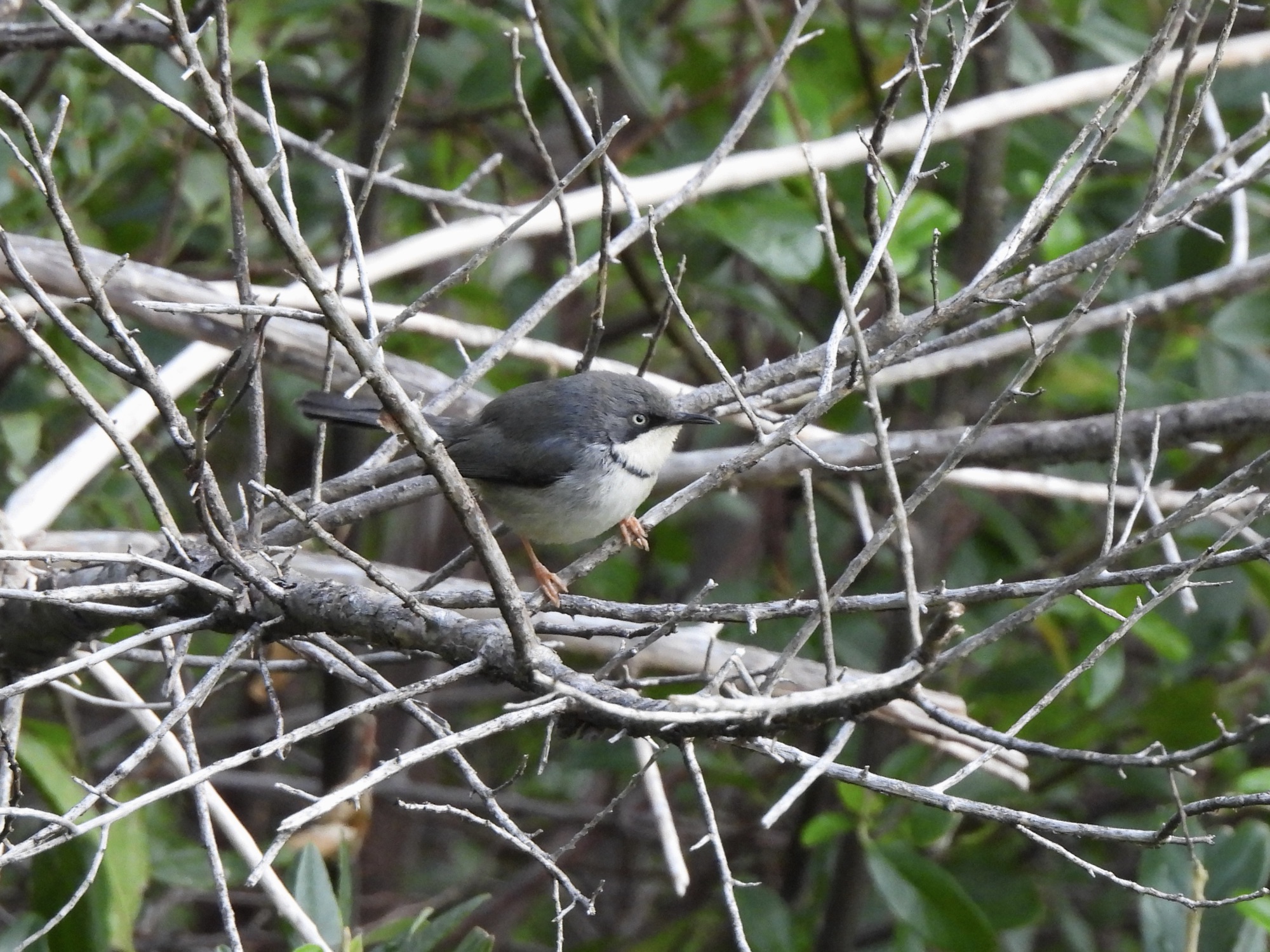
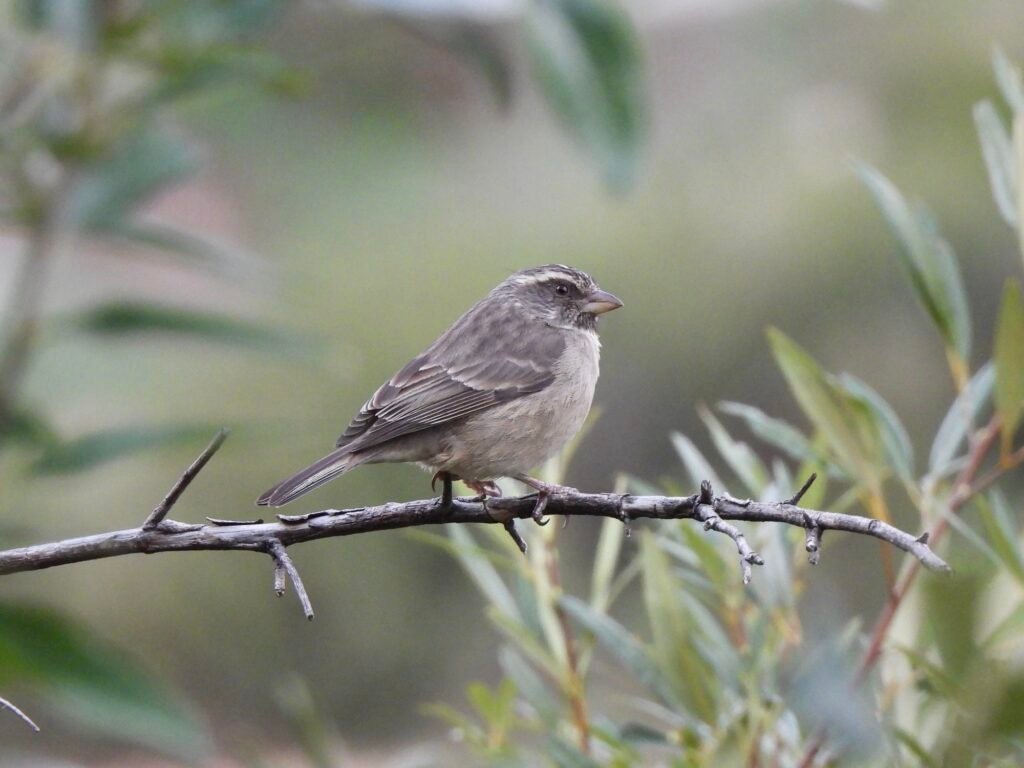
On the way to the karoo (read about it here), we crossed a mountain pass, Michell’s Pass, where we bumped into a massive male baboon (Papio ursinus) on the road — the first of several in this habitat, to my surprise. The fynbos produced streaky-headed seedeaters (Crithagra gularis), bar-throated apalises (Apalis thoracica), jackal buzzards (Buteo rufofuscus), Verreaux’s eagles (Aquila verreauxii), fiscal flycatchers (Sigelus silens), Cape robin-chats (Dessonornis caffer) and a pair of African black ducks (Anas sparsa) at the river down the valley.
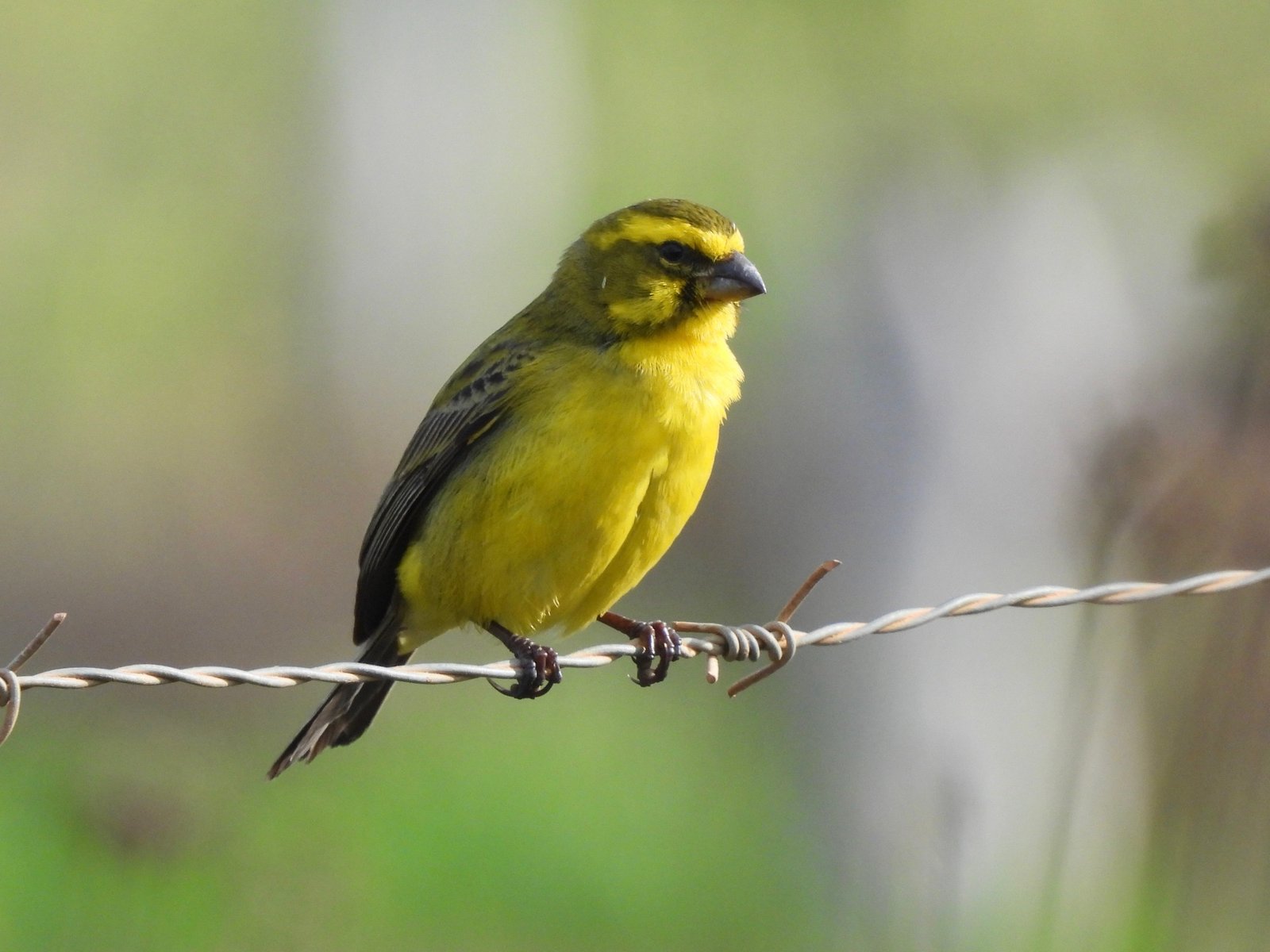
This stop had a main target that never showed up. This motivated a new stop in a fynbos area just south of the town of Clanwilliam, in Kransvlei Poort. We again failed to find our target, the protea canary (Crithagra leucoptera). However, we connected with large numbers of white-throated canaries (Crithagra albogularis) and yellow canaries (Crithagra flaviventris), common waxbills (Estrilda astrild), Cape buntings (Emberiza capensis), yellow bishops (Euplectes capensis), long-billed crombecs (Sylvietta rufescens), the only fairy flycatchers (Stenostira scita) of our trip, and very distant views of our first Cape sugarbirds (Promerops cafer) at the northern end of their range.
It was not until the end of our trip, when we flew back into Cape Town, that we had more chances to enjoy Cape sugarbirds and other fynbos specialties. While short excursions close to the city proved great, including Kirstenbosch Botanic Gardens and Table Mountain National Park, some longer outings resulted in awesome fynbos goodies (read more about it here).
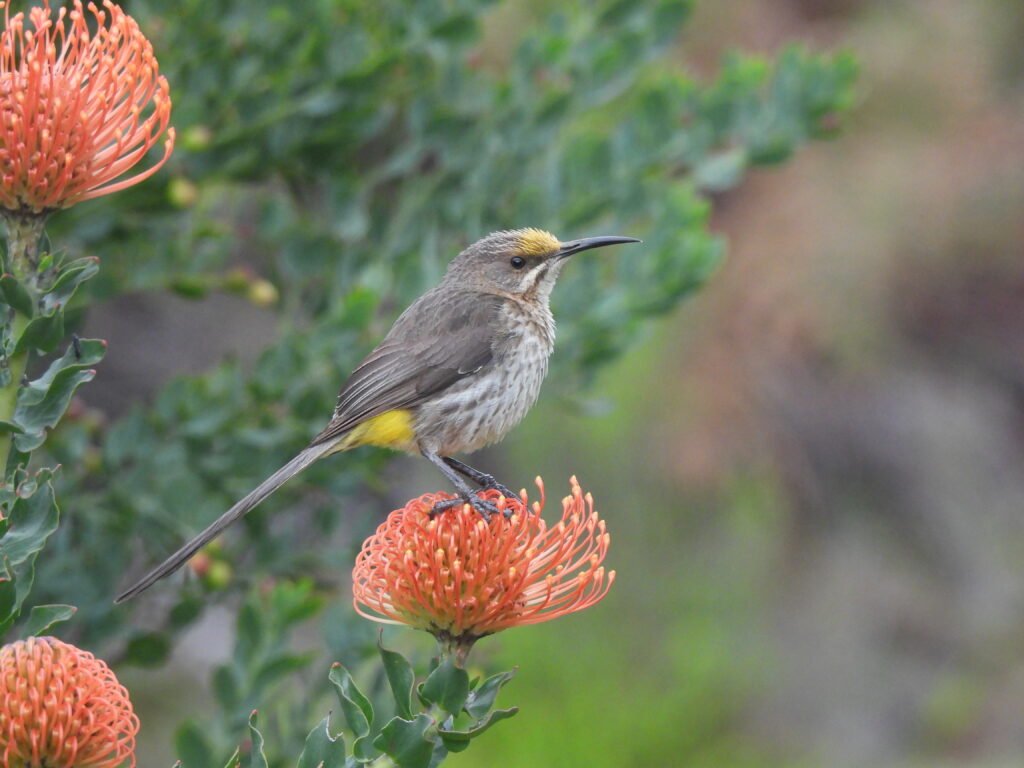
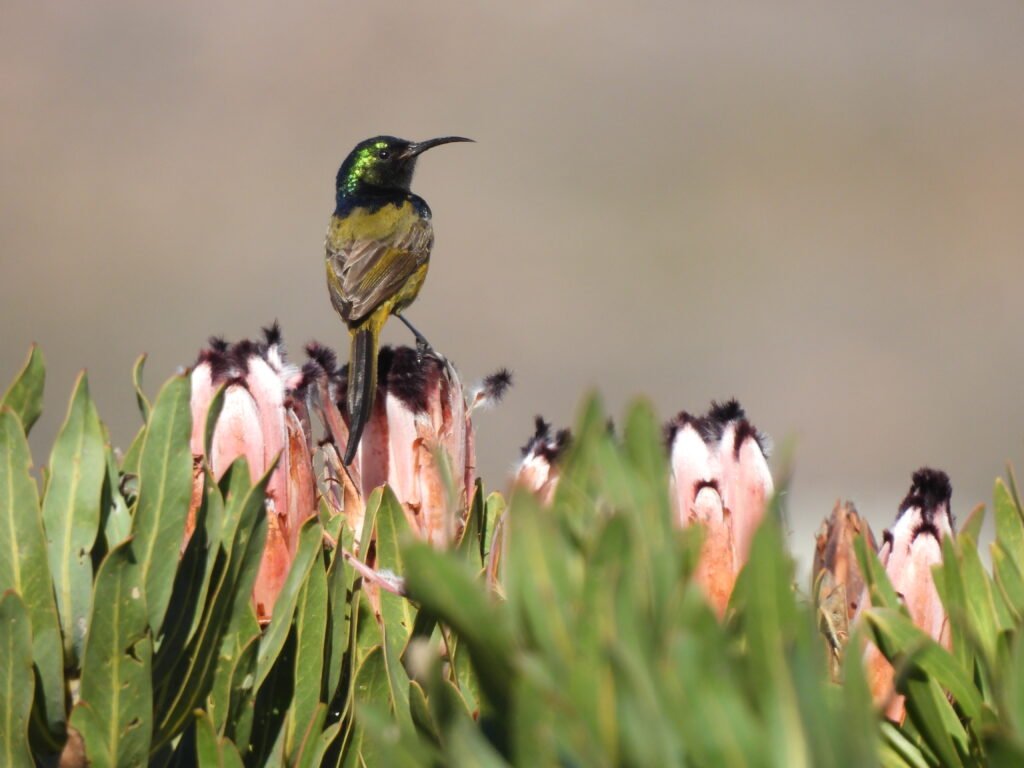
A good example is Sir Lowry’s Pass, east of town. A parking area at a lookout was patrolled by a troop of baboons — a large male walked towards our car and even opened a door while we were still inside! Unhappy with these inhabitants, we drove just a few hundred meters farther south and parked next to a gate, where a guard asked for a tip for parking but let us in. We first walked towards a patch of recently burned fynbos, but once we exited the burned area, orange-breasted sunbirds (Anthobaphes violacea) and Cape sugarbirds put on a show. Ahead, the fynbos seemed to grow over a swampy area — there, we heard several Victorin’s warblers (Cryptillas victorini) relatively early in the season, but they remained concealed.
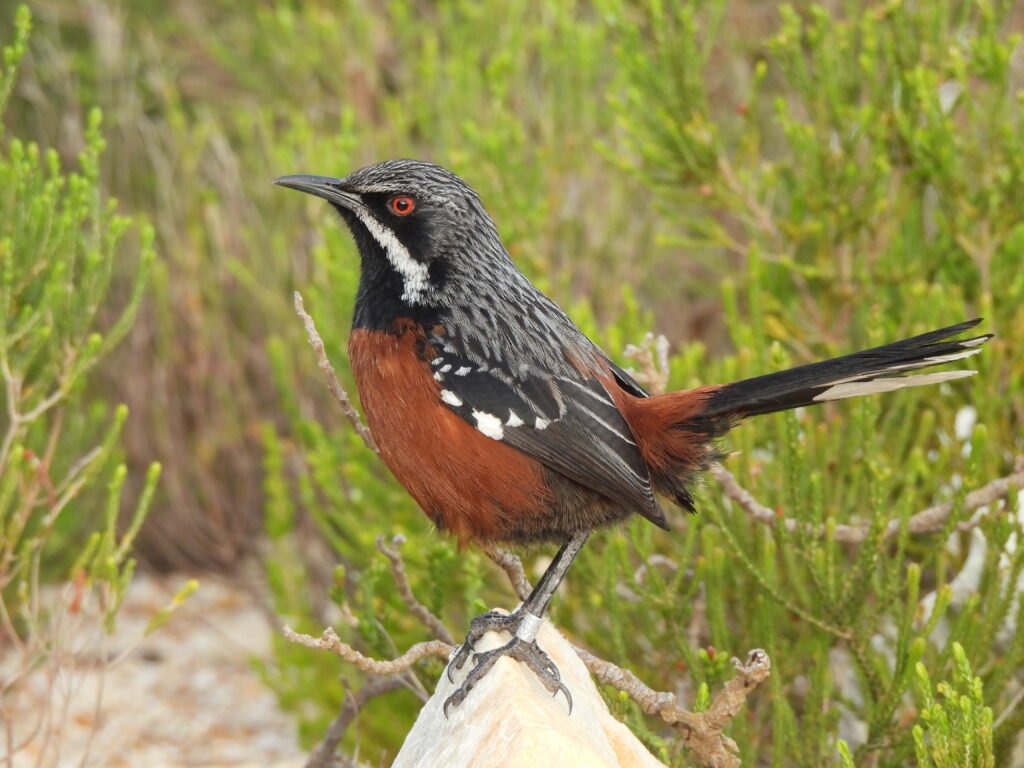
We walked towards the rocky outcrops on the other side of the road from the baboon parking lot. Not too long later, we had a female Cape rockjumper (Chaetops frenatus) foraging just a few meters from us. After a long observation, the calls of this species brought us to a flamboyant male, which also performed for us. A last-minute sentinel rock thrush (Monticola explorator) also offered close views. A nice array of range-restricted endemics on just a short walk!
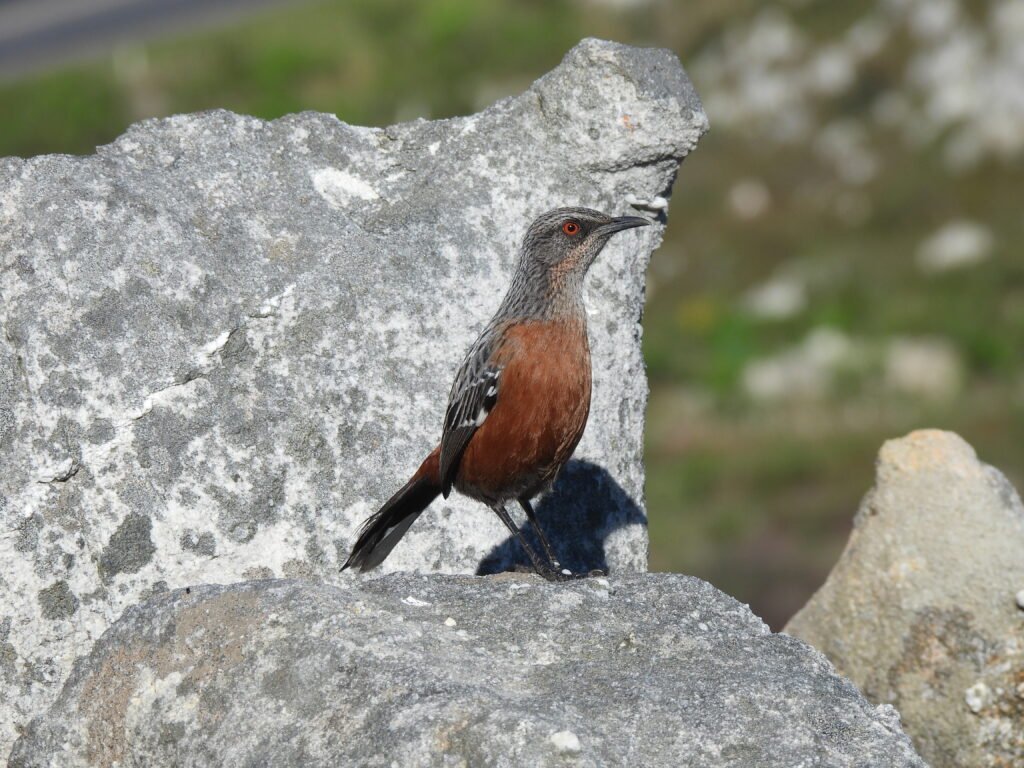
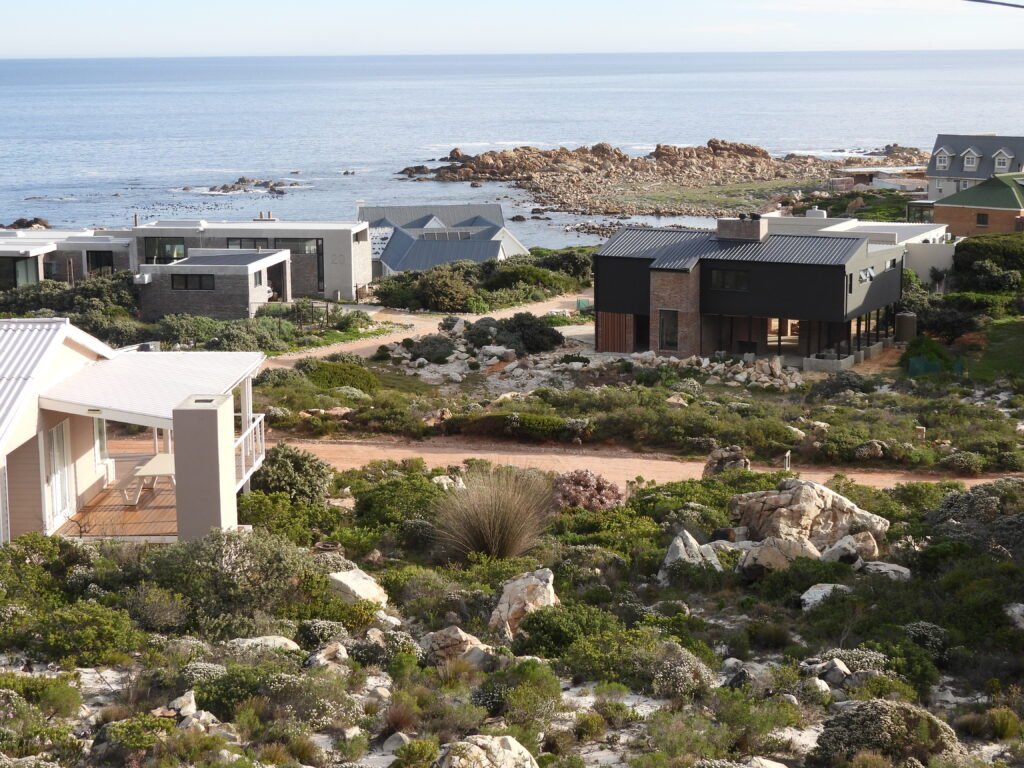
The same applied to Rooi-Els, a coastal residential area on the west side of false bay where the blooming fynbos integrates exquisitely with stunning houses. There, Cape rockjumpers were extremely confiding, following our steps as we walked along a gravel road. Numerous Cape sugarbirds and orange-breasted sunbirds, Cape buntings, Cape grassbirds (Sphenoaecus afer) and grey-backed cisticolas (Cisticola subruficapilla) foraged in the bush.
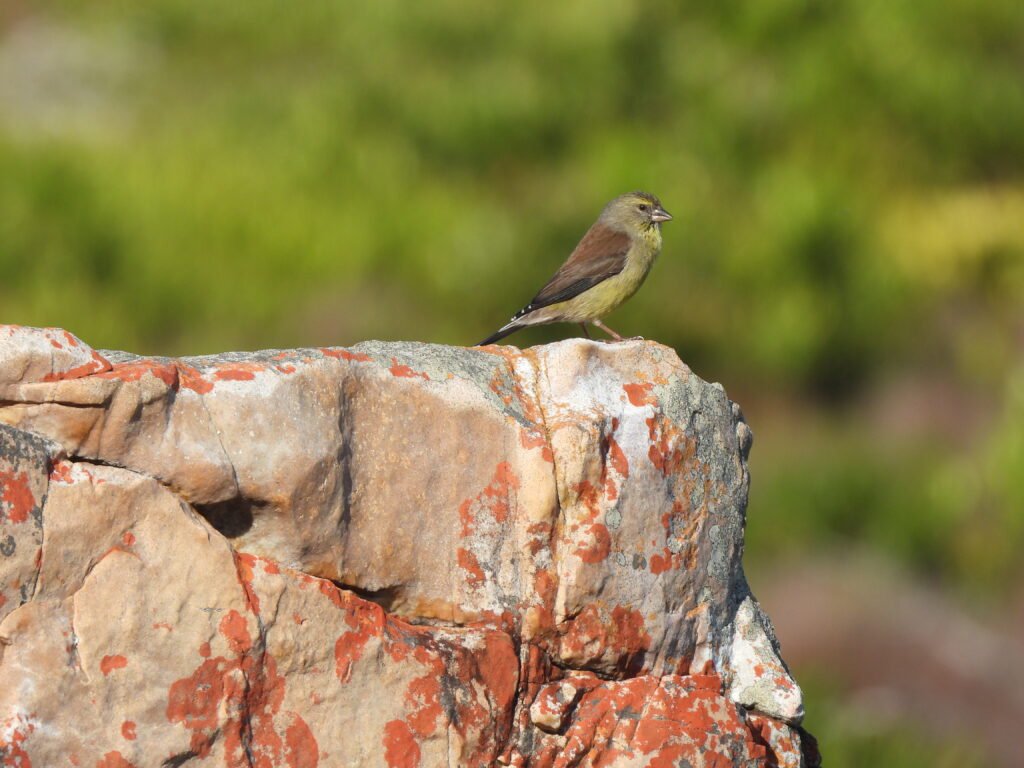
On the ocean, kelp gulls (Larus dominicanus), Cape cormorants (Phalacrocorax capensis) and greater crested terns (Thalasseus bergii) patrolled alongside Cape fur seals (Arctocephalus pusillus) and distant unidentified dolphins and whales. While looking for the ground woodpecker (Geocolaptes olivaceus) without luck, we enjoyed great looks at Cape rock thrushes (Monticola capensis) and Cape siskins (Crithagra totta).
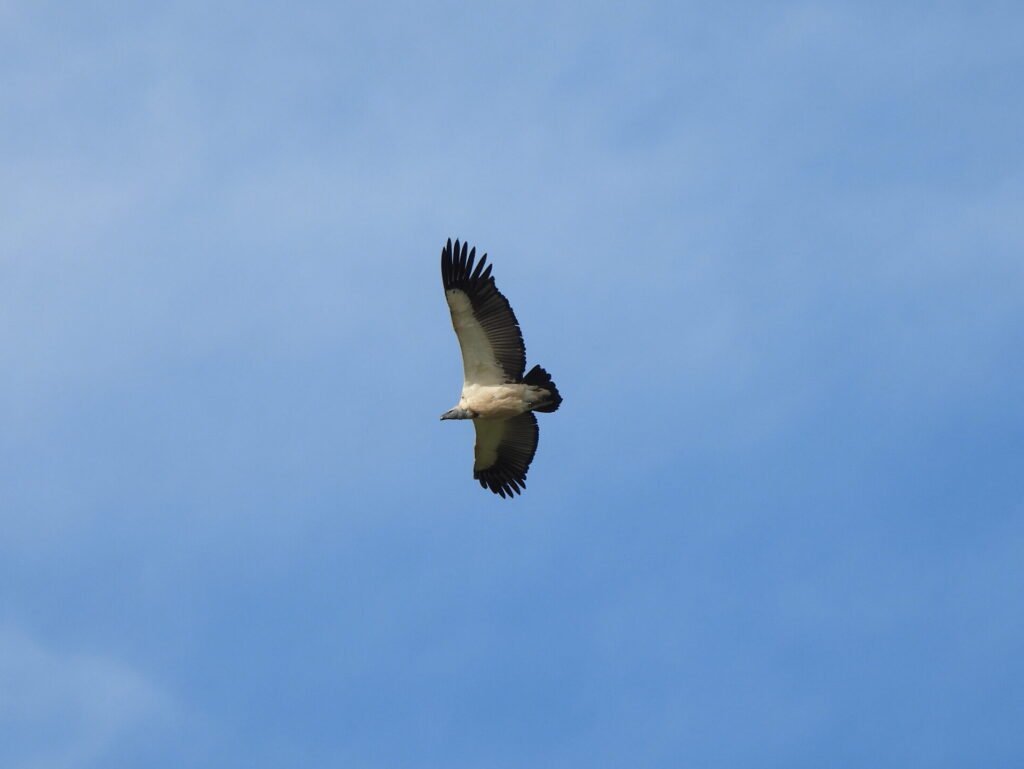
We reached De Hoop Nature Reserve to the west, in a last effort to connect with last-minute targets that are rare elsewhere throughout our itinerary. The unpaved road north of the reserve already produced good numbers of blue cranes, displaying yellow bishops and red bishops (Euplectes orix), and our first Cape griffons (Gyps coprotheres) sitting on the ground with white-necked ravens (Corvus albicollis) and Cape crows (Corvus capensis). Grey-winged francolins (Scleroptila afra), Cape longclaws (Macronyx capensis) and a juvenile martial eagle (Polemaetus bellicosus) foraged around the turn towards the reserve. In the same area, we located several wattled starlings (Creatophora cinerea) mixed with pied starlings (Lamprotornis bicolor).
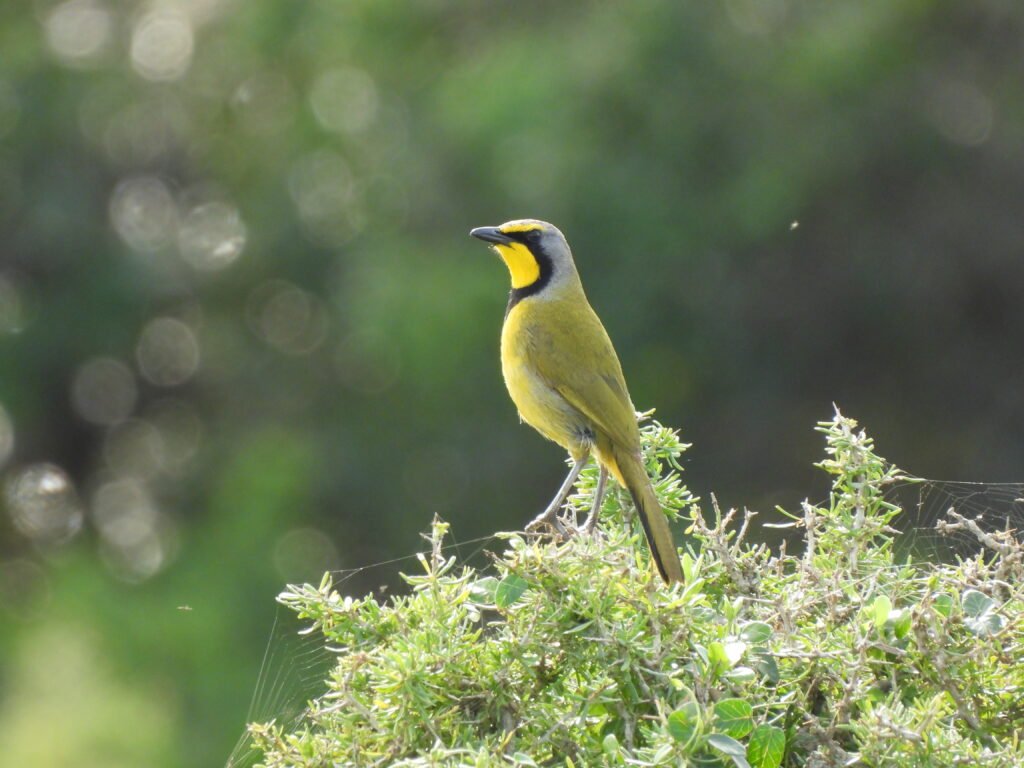
We entered the reserve using our wild cards and had a snack in the reception area. The surroundings offered fantastic views of bokmakieries (Telophorus zeylonus), southern boubous (Laniarius ferrugineus), plus our target, southern tchagra (Tchagra tchagra), all surrounded by alpine swifts (Tachymarptis melba) and African swifts (Apus barbatus), Cape spurfowl and numbers of elands (Tragelaphus oryx), bonteboks (Damaliscus pygargus), grey rheboks (Pelea capreolus) and Cape mountain zebras (Equus zebra) grazing nearby, plus a southern black korhaan (Afrotis afra).
While the timing of our trip in july might not coincide with the bloom peak of fynbos, this stunning vegetation offered some memorable images and bird specialties. We failed to find several interesting targets but enjoyed great looks at some of south africa’s most charismatic endemics. Interestingly enough, some habitat specialties are so seldom seen that we did not even have them in our minds, including the fynbos buttonquail (Turnix hottentotus). I would be more than happy to try looking for these fynbos creatures again in the future.