The Central Andes receive humid winds all the way from the Atlantic Ocean, eventually bumping into the mountain range and drizzling over the eastern slope of the Andes. The montane cloud forests resulting from this phenomenon, known as yungas, extend from Peru to northwest Argentina. This biodiverse region caught my attention for long, so I figured a short visit somewhere near the yungas just before I settled in for my research stay in Bariloche would be a good opportunity. The nice city of Salta was a great base and starting point to get a general idea of this ecosystem’s diversity close to its southern end.
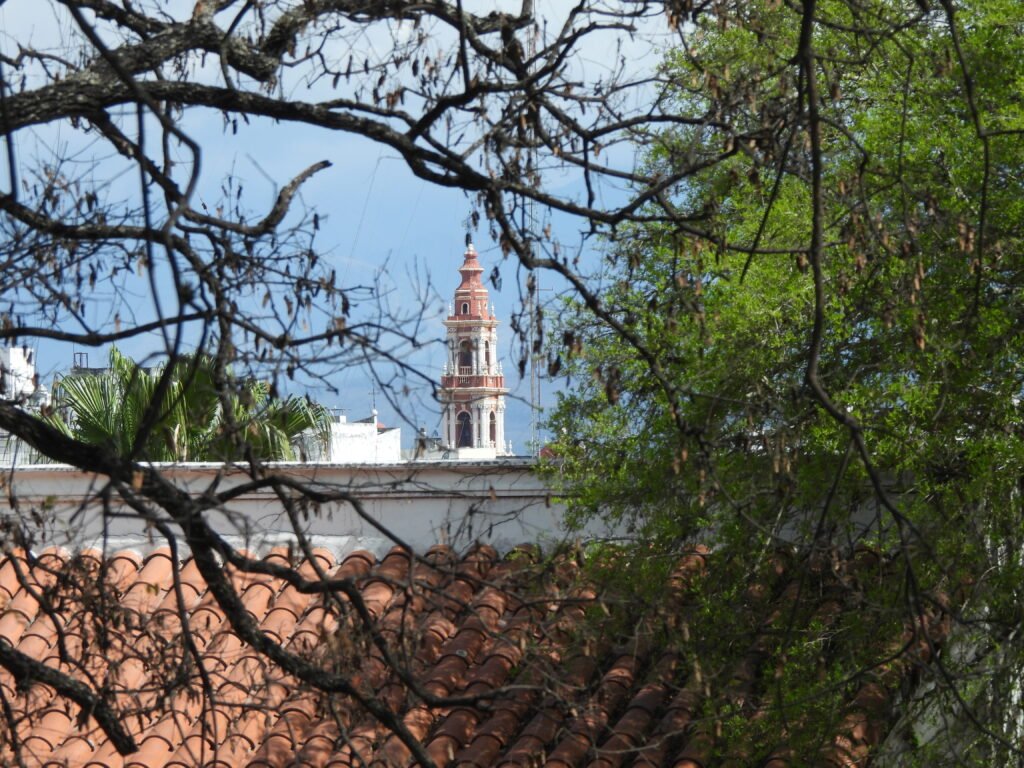
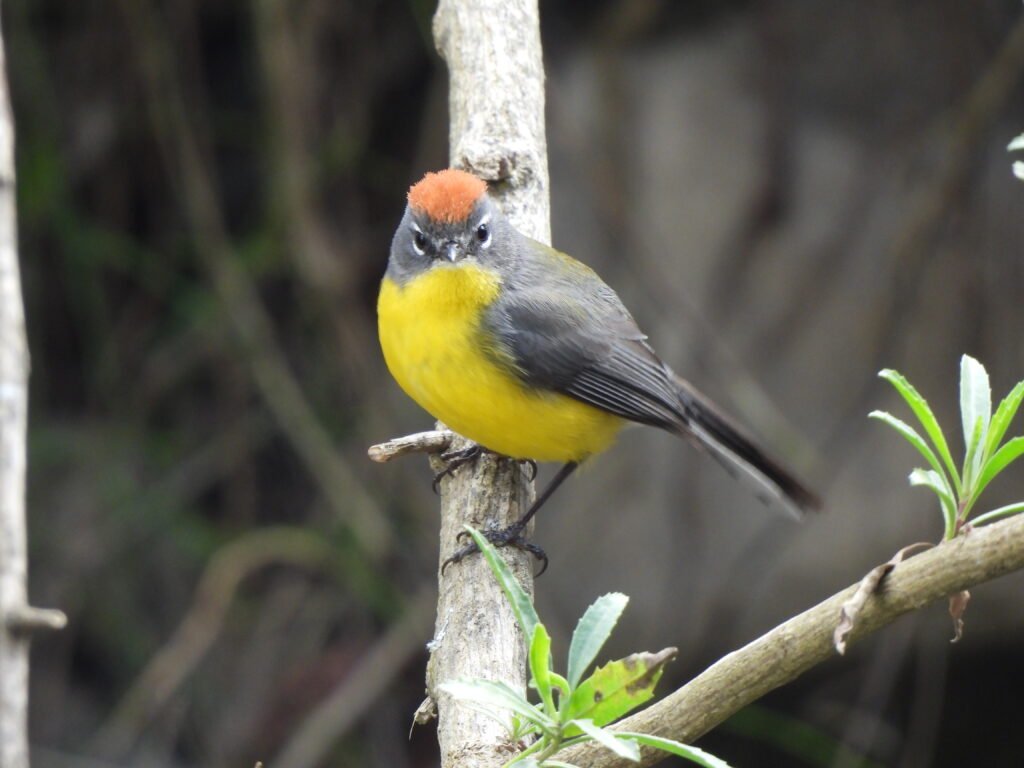
During my first morning in Salta, I trekked Cerro San Bernardo through a stairway that started very close to my central hostel. Already on the way, I could hear the first purple-throated euphonias (Euphonia chlorotica) and blue-and-yellow tanagers (Rauenia bonariensis) singing from the street trees. The stairway begins at a large square, where a magnificent crested oropendola (Psarocolius decumanus) vocalized from a tree. Flocks of the omnipresent sayaca tanagers (Thraupis sayaca), southern parulas (Setophaga pitiayumi) and brown-capped whitestarts (Myioborus brunniceps), plus some brown-crested flycatchers (Myiarchus tyrannulus) and southern beardless tyrannulets (Camptostoma obsoletum), foraged in the canopies.
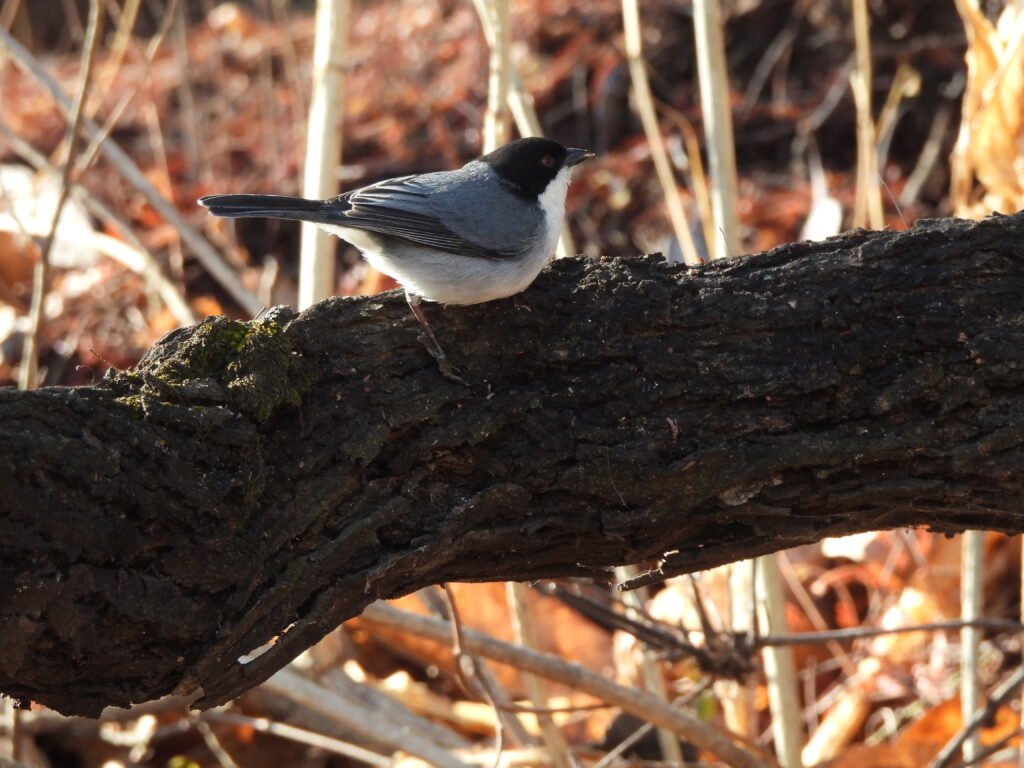
As soon as I started the staircase uphill, golden-olive woodpeckers (Colaptes rubiginosus), chiguanco thrushes (Turdus chiguanco), good numbers of southern house wrens (Troglodytes musculus) and black-capped warbling finches (Microspingus melanoleucus) showed up. The hike through mostly leafless, low forest produced hepatic tanager (Piranga flava), buff-browed foliage-gleaner (Syndactyla rufosuperciliata) and white-barred piculet (Picumnus cirratus).
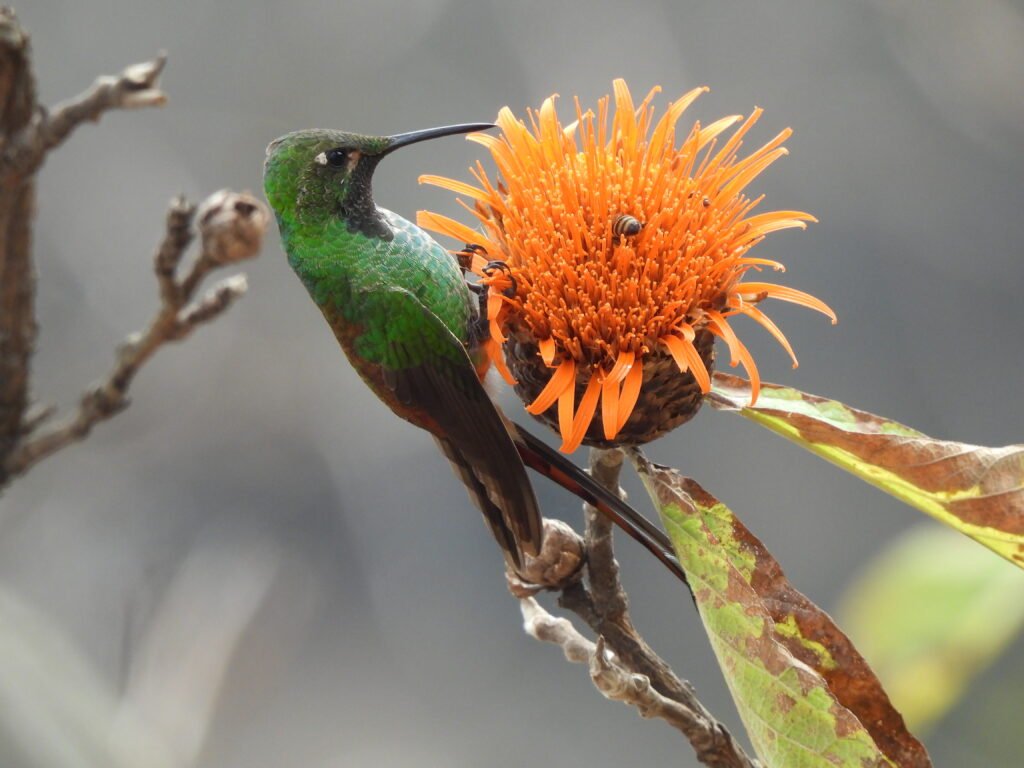
The highlight of this stairway was the hummingbirds. The whole forest patch seemed to be deep in winter, although a few blooming flowers were favoured by fast-flying darts. After some patience, I got great views of red-tailed comets (Sappho sparganura), arguably one of the most magnificent — and also my first hummingbird species!
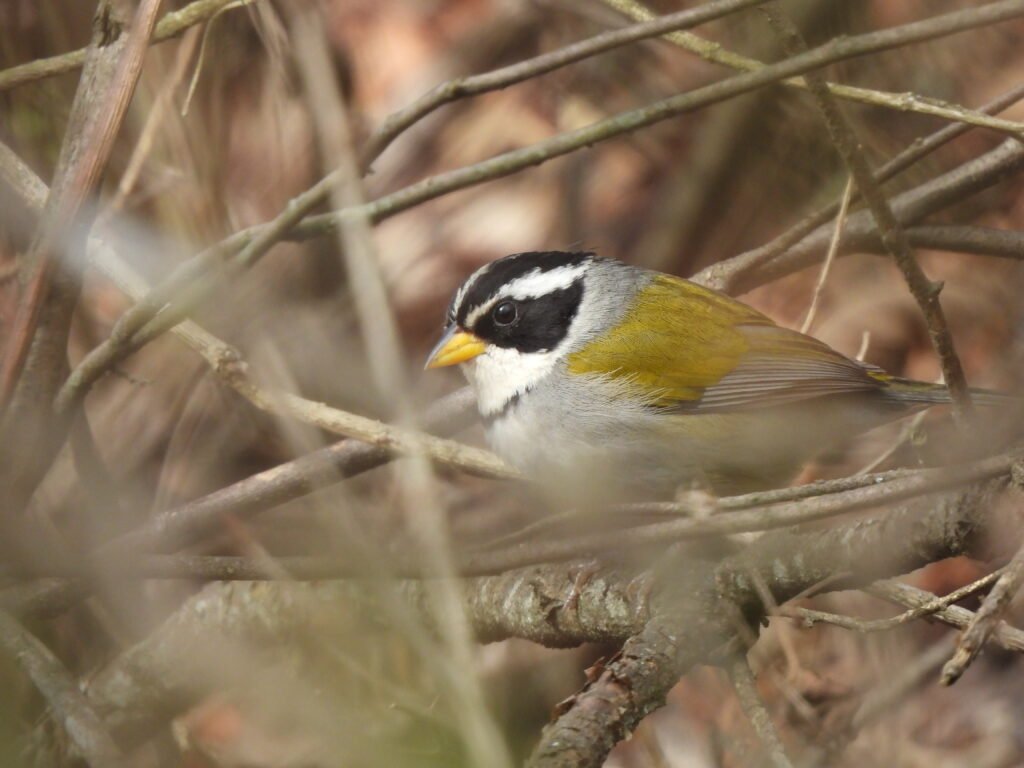
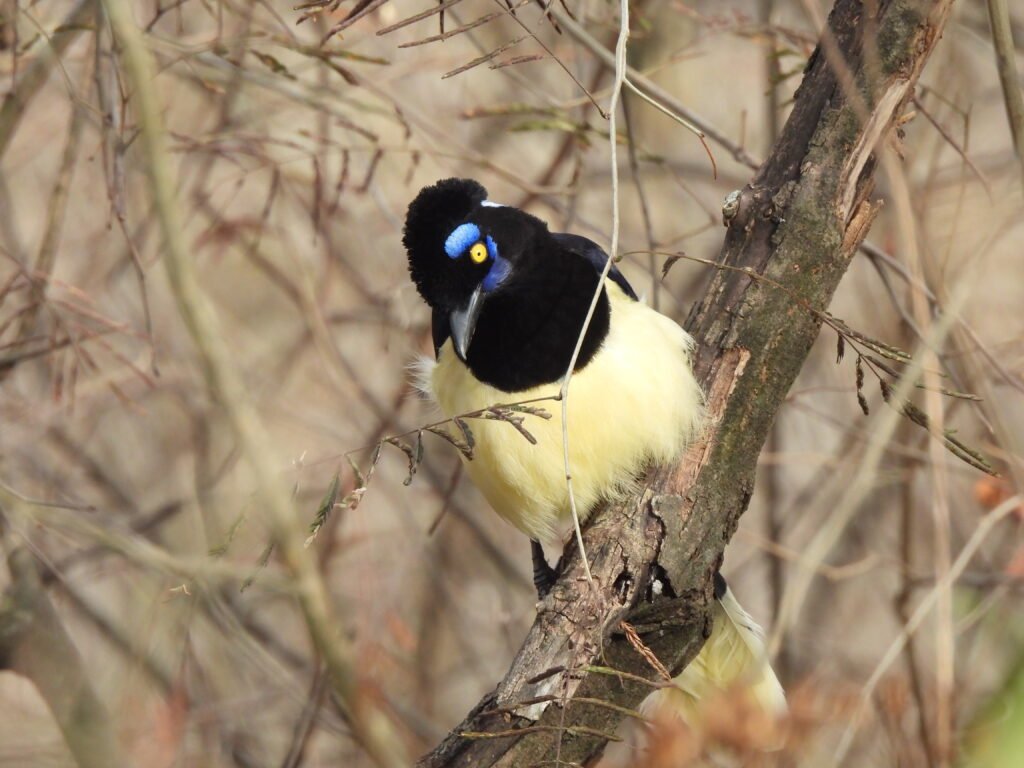
The top of Cerro San Bernardo was full of people, as a combination of the many hikers going up the stairway plus visitors taking a cable car. Up on top, good numbers of plush-crested jays (Cyanocorax chrysops) greeted me. A lone red pileated finch (Coryphospingus cucullatus) foraged on the ground close to some rufous-collared sparrows (Zonotrichia capensis). I was glad to see — before I heard — my first great antshrike (Taraba major) and yungas guans (Penelope bridgesi).
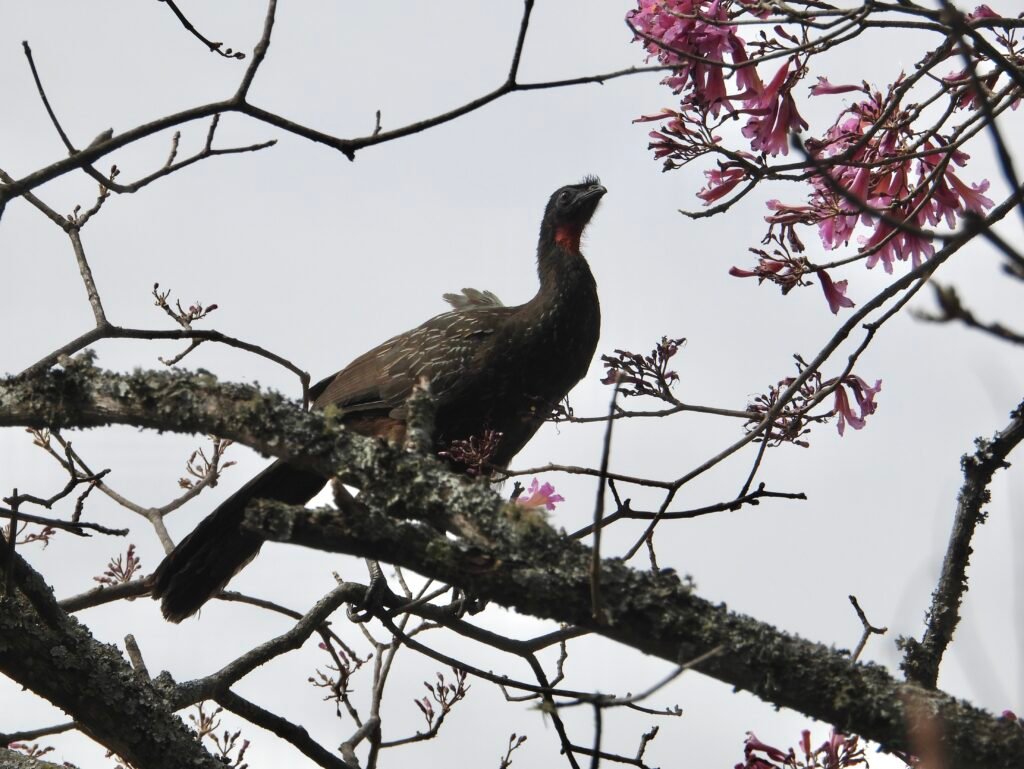
A short walk along the road of one of the nearby cerros produced yet more yungas guans and a pair of moss-backed sparrows (Arremon dorbignii) that delivered brief but great views.
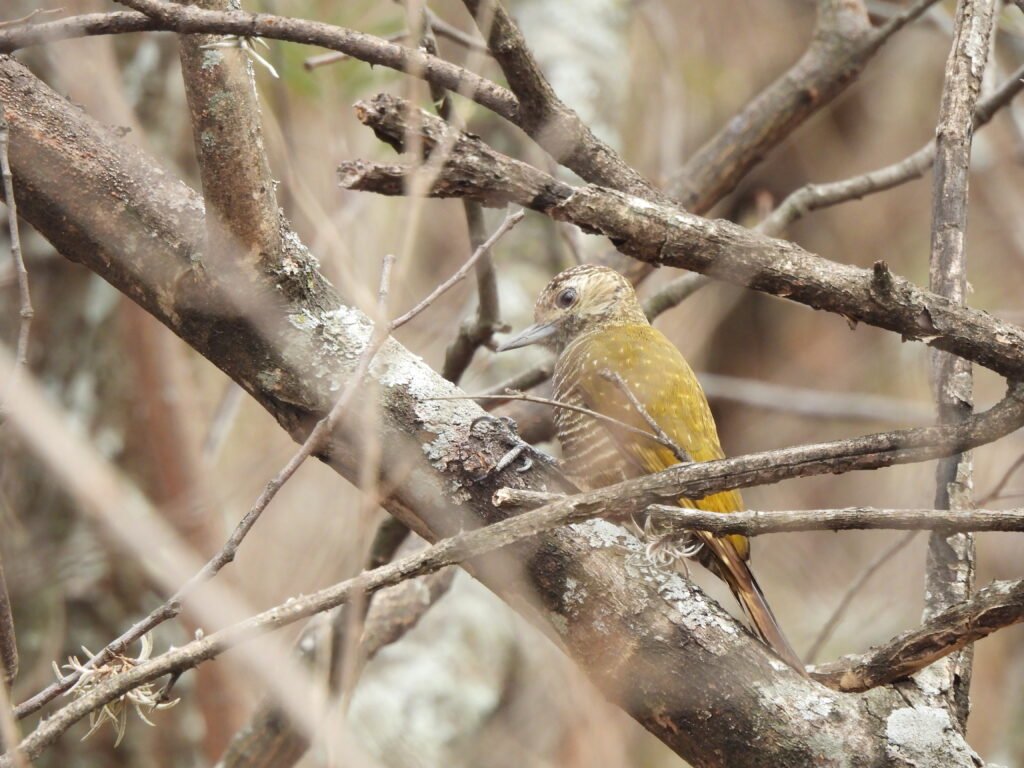
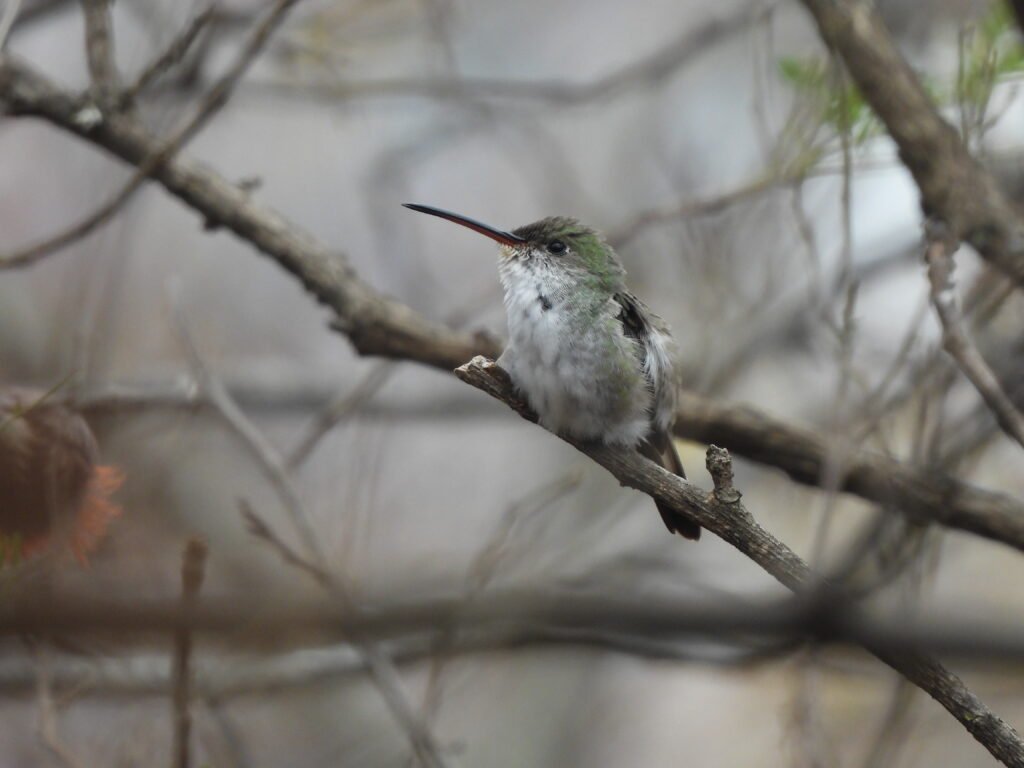
The walk downwards was quite productive, with good views of yungas specialists including dot-fronted woodpecker (Veniliornis frontalis), white-bellied hummingbird (Elliotomyia chionogaster) and yungas dove (Leptotila megalura), plus golden-winged cacique (Cacicus chrysopterus), all foraging relatively close to each other.
While my incursion to Cerro San Bernardo was close enough to make it walking, I soon found out that the bus service is very neat. Through a single bus ride from downtown Salta, I reached Arroyo Castellanos that same afternoon, looking for my main target of this region. Not only did I manage to connect with the fantastic rufous-throated dipper (Cinclus schulzi), but I had a terrific afternoon walk featuring my first torrent ducks (Merganetta armata) and Andean condor (Vultur gryphus) before making it to town for dinner again with public transport (read about it here).
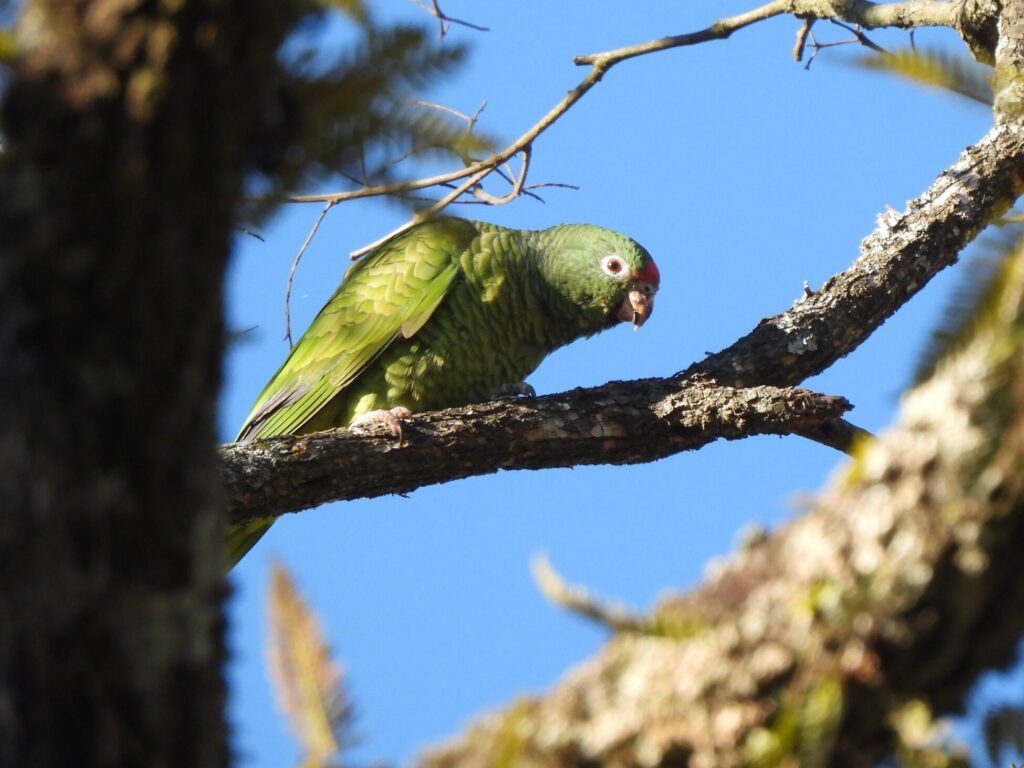
Therefore, the very same bus to nearby San Lorenzo allowed me to explore some evergreen yungas. While the bus ride produced my first (and only, thus far…) toco toucans (Ramphastos toco), the walk towards my first destination was particularly productive. I got great looks at scaly-headed parrots (Pionus maximiliani) and my target of the day, the localized and endangered Tucuman amazon (Amazona tucumana), all among degraded woodland, agricultural land and backyards.
Reserva Municipal de las Yungas de San Lorenzo provided free entry upon registration at the front desk at its Google Maps location. In fact, they share a Google Maps file with trails upon registration, as they are not marked along the way. I followed the Sendero Norte (green) uphill and then went down through Sendero Miradores (red), as suggested by the local guard.
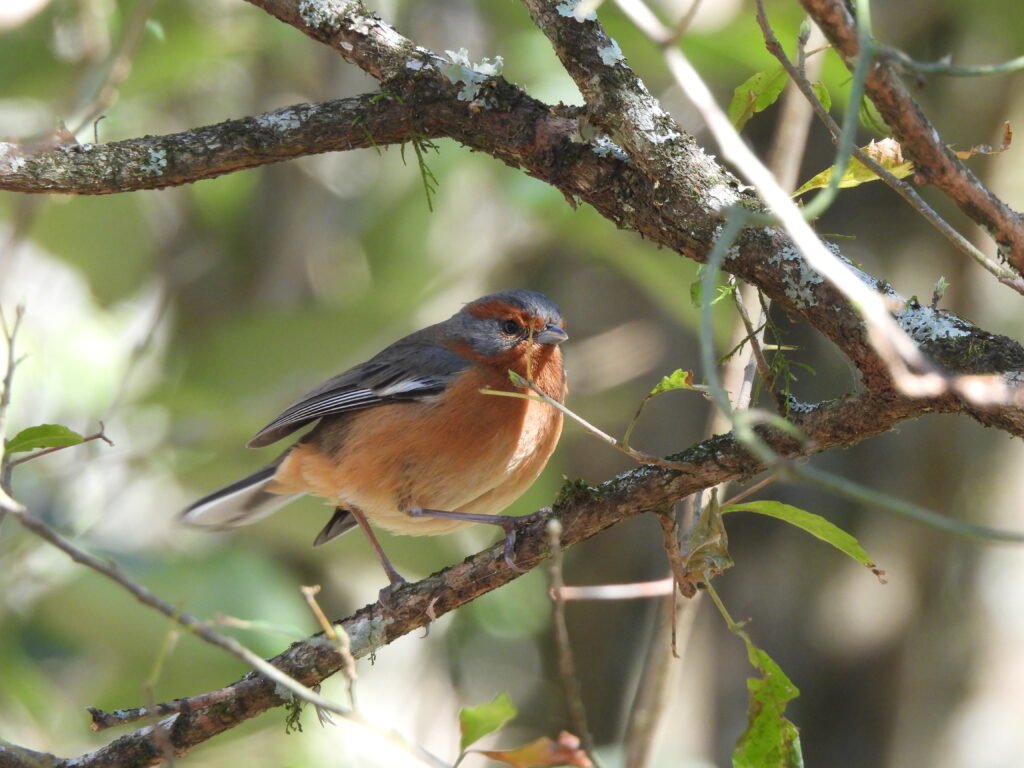
Both trails go through an open lawn with a barely elevated boardwalk offering a nice view of the surroundings. Flocks of mitred parakeets (Psittacara mitratus) flew over, but the absolute highlight was a male slender-tailed woodstar (Microstilbon burmeisteri) offering brief views while shortly sitting inside a dense leafless bush. Brown-capped tit-spinetails (Leptasthenura fuliginiceps), rufous-capped antshrikes (Thamnophilus ruficapillus) and yellow-billed tit-tyrants (Anairetes flavirostris) were also present. The forest edge offered small flocks of rusty-browed warbling finches (Microspingus erythroprys).
The forest gathered a different set of birds. Plush-crested jays and yungas guans were quite vocal. Small bird flocks included Azara’s spinetail (Synallaxis azarae), white-throated tyrannulet (Mecocerculus leucophrus) and mottle-cheeked tyrannulet (Phylloscartes ventralis).
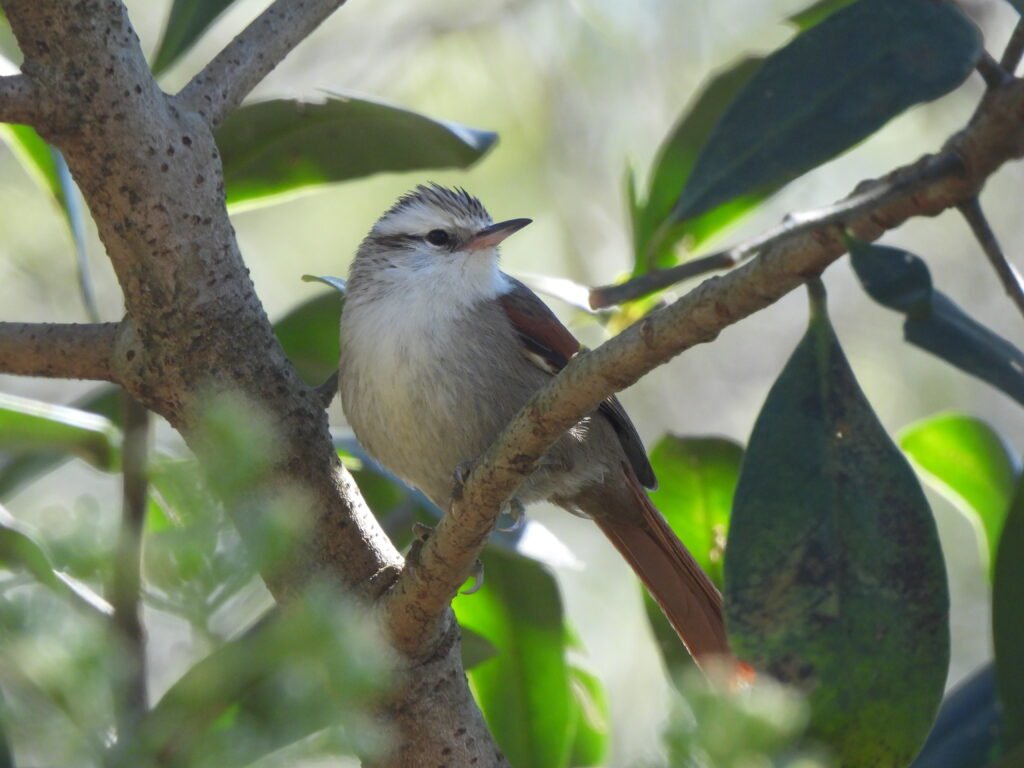
The walk down through Sendero Miradores was very scenic, featuring forest clearings with awesome views. Despite being close to midday, lower bird activity still produced rufous-browed peppershrike (Cyclarhis gujanensis), stripe-crowned spinetail (Cranioleuca pyrrhophia) and Andean slaty thrush (Turdus nigriceps).
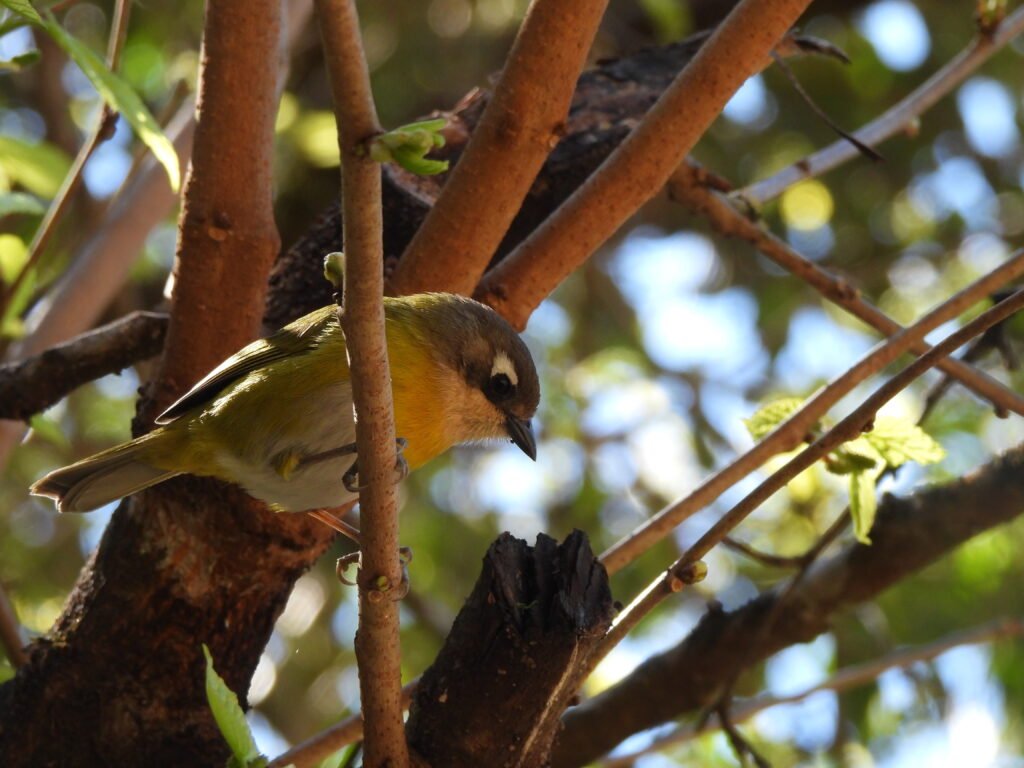
From there, a short bypass walk connects with Quebrada de San Lorenzo. I had high expectations after exploring the never-ending bird list on this eBird hotspot. Instead of a lush rainforest destination, this happened to be a relatively small and overly crowded recreational area, filled with local craft shops. Regardless of the buzz, I had a snack while watching good numbers of Andean slaty thrushes, sayaca tanagers, common chlorospingus (Chlorospingus flavopectus) and white-browed brushfinch (Arremon torquatus). An out-of-season double-collared seedeater (Sporophila caerulescens) foraged on a lawn with rusty-browed warbling finches.
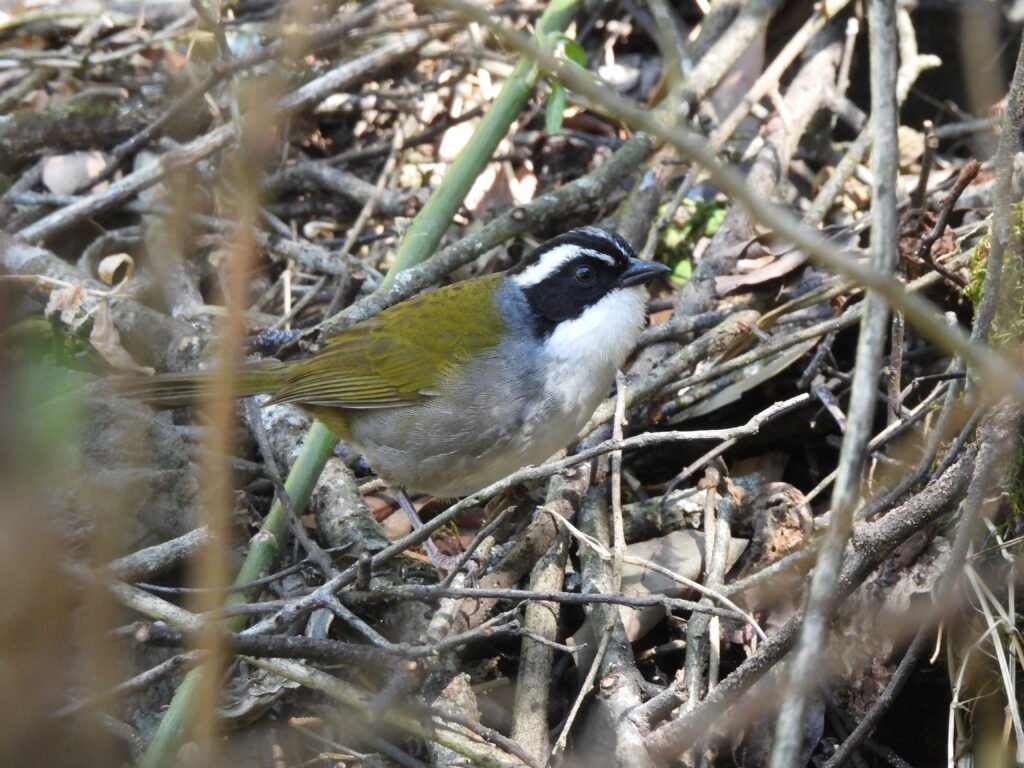
As I headed back to the Reserva Municipal to give the slender-tailed woodstar another shot (hoping I could get a picture), I instead bumped into a different star. Viviana Guantay, a local guide who grew up in this very land that is today a reserve, offered me the chance to join her on a walk around the forest. We got to share stories while walking the paths she and her siblings walked between school in town and home up the hill. Her environmental knowledge and deep respect for nature were magnetic. I eventually failed to see the slender-tailed woodstar, but the insights I got from Vivi changed the perspective of my whole experience in Salta.
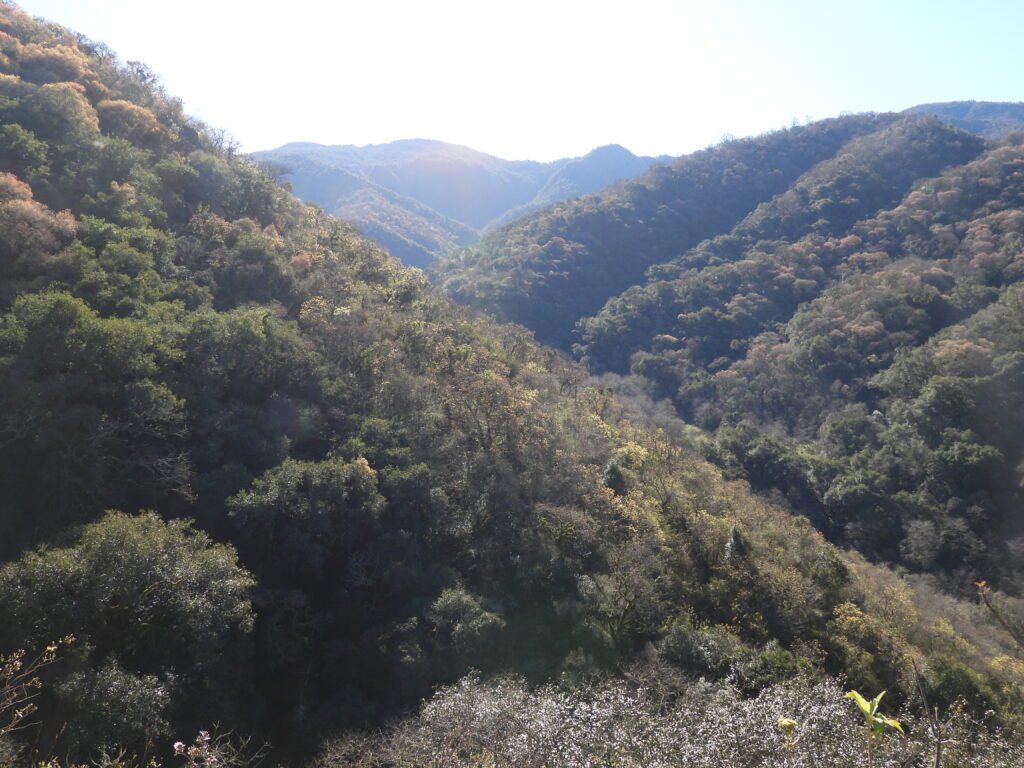
For my third and last day in town, I visited a completely different habitat. Parque del Bicentenario lies in the flatter, drier valley chaco part of the city. A large central lagoon offered good numbers of southern screamers (Chauna torquata), silver teals (Spatula versicolor), cinnamon teals (Spatula cyanoptera), Brazilian teals (Amazonetta brasiliensis), white-winged coots (Fulica leucoptera), red-gartered coots (Fulica armillata), common gallinules (Gallinula galeata), wattled jacanas (Jacana jacana), Neotropic cormorants (Nannopterum brasilianum) and snowy egrets (Egretta thula). Small flocks of white-rumped swallows (Tachycineta leucorrhoa) and blue-and-white swallows (Pygochelidon cyanoleuca) flew over. I was pleased to note my first tawny-headed swallow (Alopochelidon fucata), spectacled tyrant (Hymenops perspicillata), whistling herons (Syrigma sibilatrix), white-faced ibis (Plegadis chihi) and the “Andean” ferruginea form of ruddy duck (Oxyura jamaicensis).
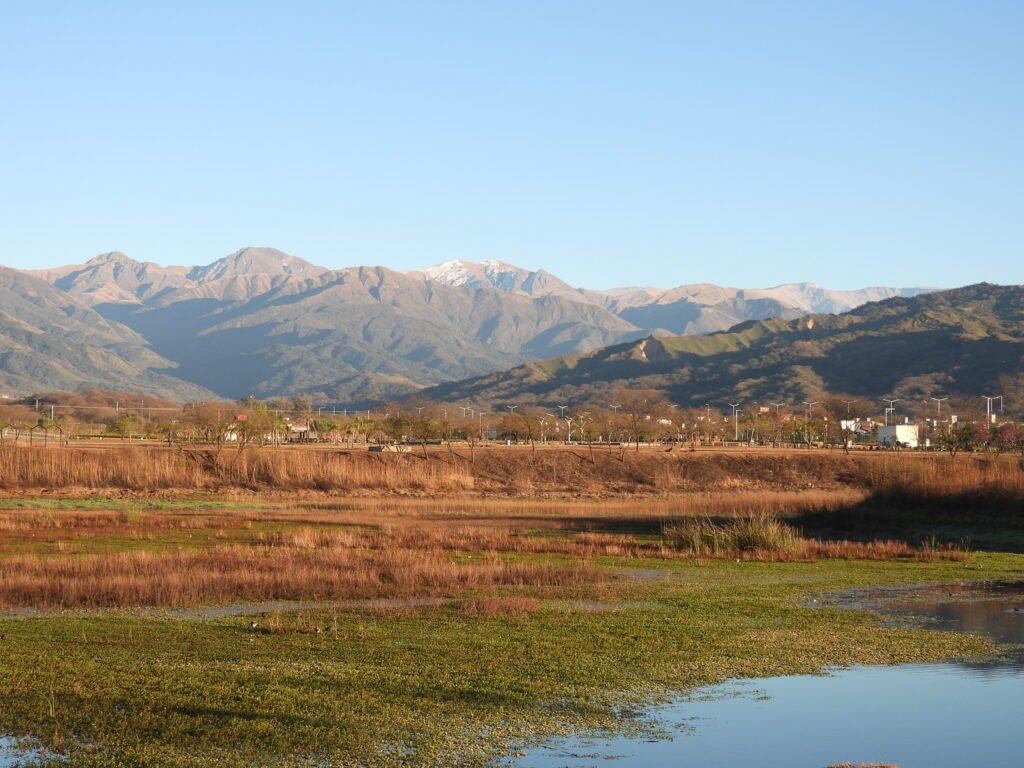
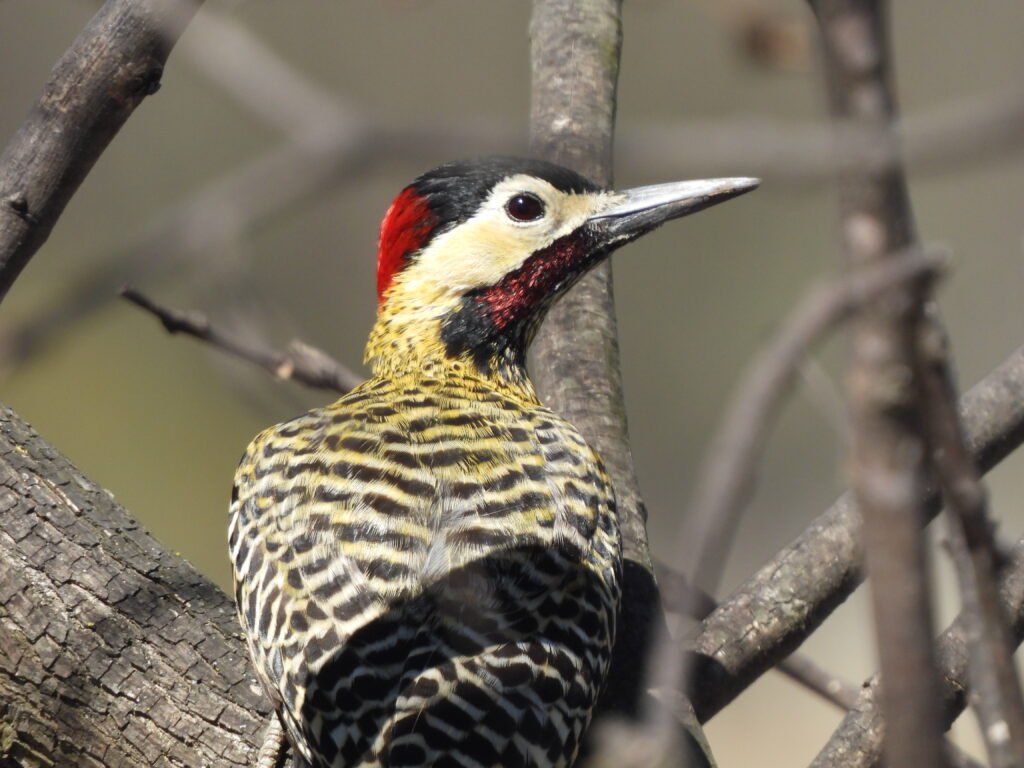
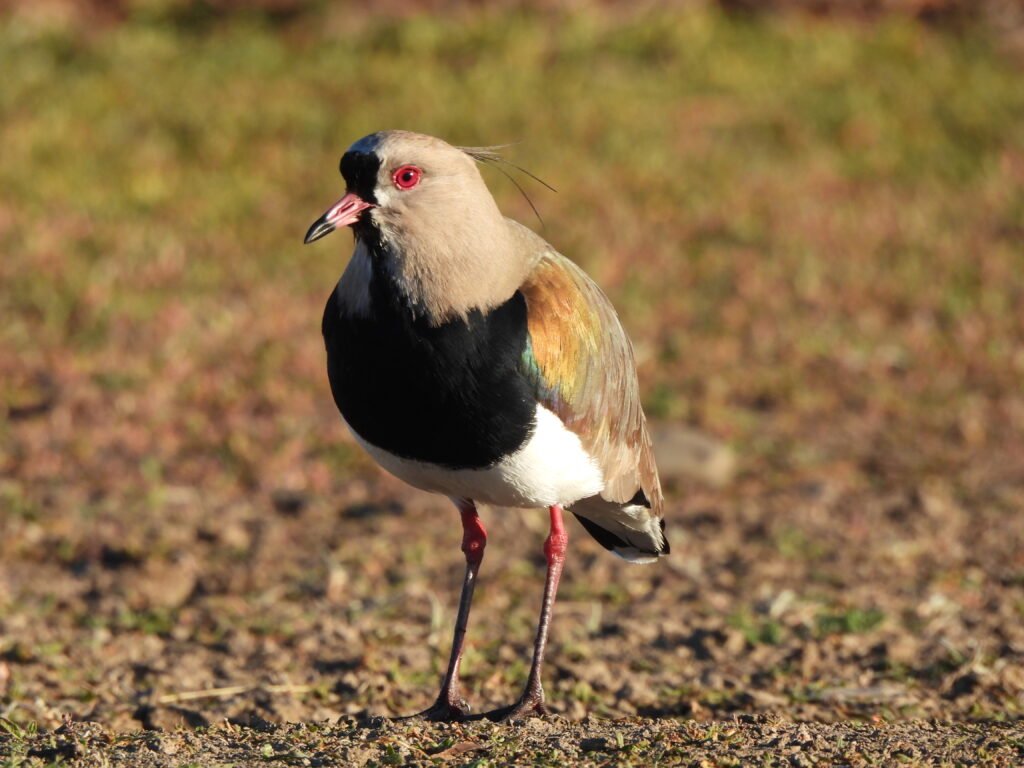
However, a big part of the excitement came from the vast grassland in the park. Deafening southern lapwings (Vanellus chilensis) and buff-necked ibises (Theristicus caudatus) called to mark their small spots. Guira cuckoos (Guira guira), crested caracaras (Caracara plancus), green-barred woodpeckers (Colaptes melanochloros) and cattle tyrants (Machetornis rixosa) were also quite conspicuous.
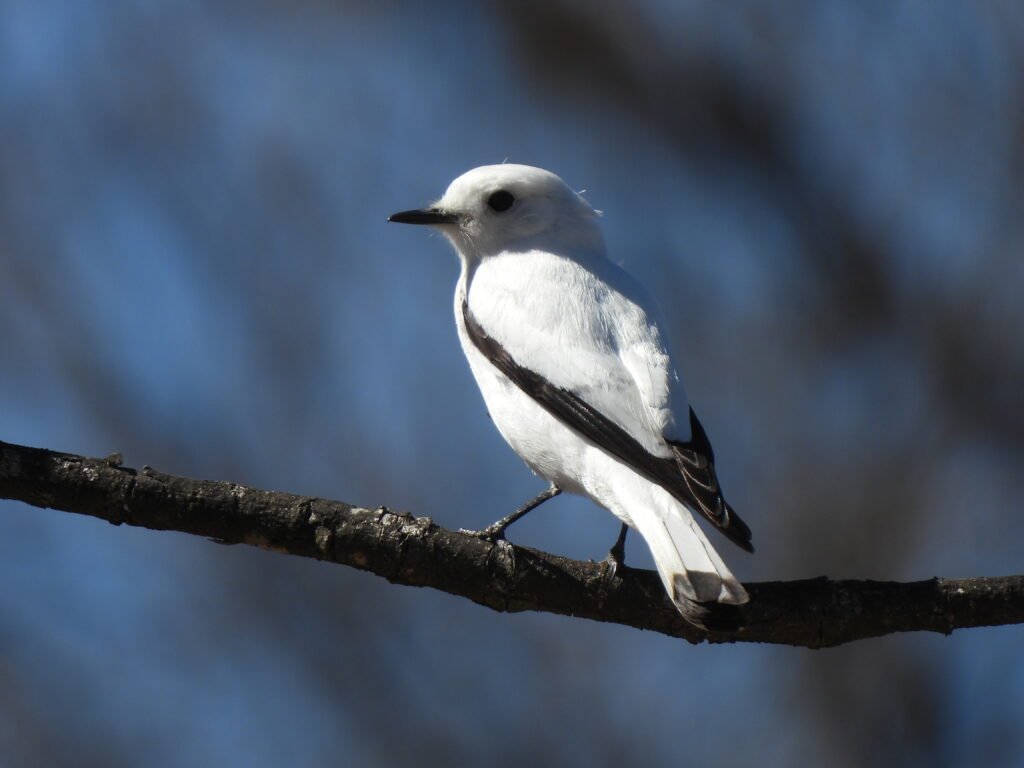
The trees held good numbers of smart white monjitas (Xolmis irupero). I also enjoyed good views of picui ground doves (Columbina picui), white-tipped doves (Leptotila verreauxi), rufous horneros (Furnarius rufus), suiriri flycatcher (Suiriri suiriri), great kiskadee (Pitangus sulphuratus), yellow-billed tit-tyrant, white-winged black tyrant (Knipolegus aterrimus), masked gnatcatcher (Polioptila dumicola) and scaly-headed parrot.
Foraging in lower shrubs, I got great views of ultramarine grosbeaks (Cyanoloxia brissonii), red-crested cardinal (Paroaria coronata), eared dove (Zenaida auriculata), greyish baywing (Agelaioides badius) and hooded siskins (Spinus magellanicus). Hiding between the vegetation, I also got brief views of a pampas fox (Lycalopex gymnocercus) close to the western edge of its distribution range.
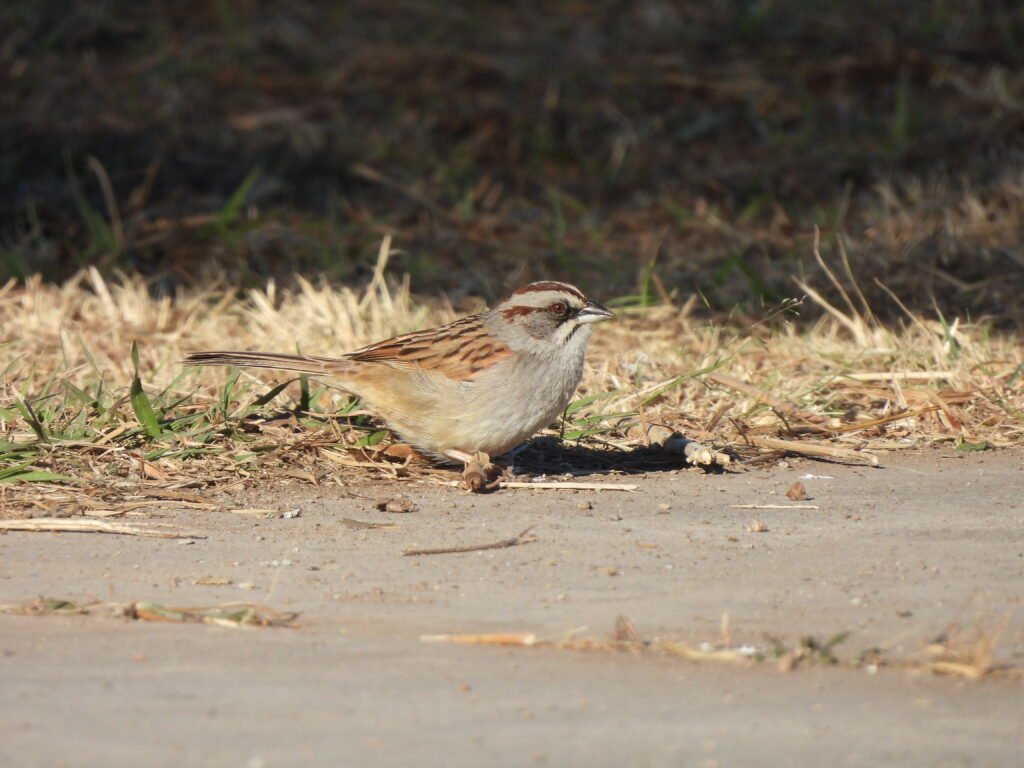
My local target of the day came in a flock mixed with rufous-collared sparrows, golden-billed saltator (Saltator aurantiirostris) and shiny cowbird (Molothrus bonariensis). The yungas sparrow (Rhynchospiza dabbenei), a large, endemic sparrow that is seemingly best seen in this location. While subtle and drab, the pattern of this bird was pretty attractive.
I wrapped my birding in Salta with a flyover aplomado falcon (Falco femoralis) and sharp-shinned hawk (Accipiter striatus) as I was leaving the park, before treating myself to some delicious empanadas salteñas — quite the staple. A short three-day visit relying on public transport and without properly leaving the city delivered just about 100 species, including over 60 lifers in different dreamy locations. Besides some insignia birds, getting to know Viviana Guantay and her environment was the highlight of this trip.